If your child is behind in any area of development within the broad range of expected growth, it may be cause for concern. Early intervention is the term used to describe the services and supports that are available to evaluate and assess your child’s strengths and weaknesses, and to help you address any possible challenges early on with a comprehensive, personalized program of care.
Early Intervention therapists provide infants and toddlers with individualized therapeutic support, such as speech therapy, physical therapy, occupational therapy, and other specialized services, to promote learning and growth. Therapies are designed to address each child’s specific needs and provide families with the skills to help their child navigate their daily surroundings and activities.
The framework of early intervention
Familiar Places & Faces
Your child learns best in a comfortable environment, with the people they know. From getting dressed to playing games, early intervention sessions take place in your child’s home or daycare center, allowing him or her to practice daily routines and activities with therapeutic guidance and support.
Your Child, Your Therapy
Every child has unique needs, and our team of therapists and supervisors will work hand-in-hand with you to create and implement a customized, comprehensive, and flexible program of care so that your child continuously progresses, learns, and achieves.
Together, We Can
Your child’s success involves the support of your whole family. We provide personalized education and training for family members so they can promote the recommended methodologies and strategies for your child in a way that is consistent with their values and lifestyle.
Understanding the Foundation of Sensory Integration Therapy
Sensory integration (SI) is a neurobiological framework developed by Dr. A. Jean Ayres in the 1970s, which explains how the nervous system processes multiple sensory inputs to generate appropriate responses. This approach emphasizes the importance of organizing sensory information from systems such as tactile, vestibular, proprioceptive, visual, and auditory, enabling children to interact effectively with their environment. Dysfunction in this process can manifest as sensory seeking behaviors, sensory avoidance, balance issues, or motor difficulties, impacting daily activities, learning, and social participation. Occupational therapists (OTs), trained extensively in SI principles, employ sensory integration therapy (SIT) to help children improve their sensory processing, regulation, and adaptive responses, ultimately fostering better developmental outcomes.
Principles and Theoretical Foundations of Sensory Integration Therapy
What are the main concepts of sensory integration?
Sensory integration (SI) is based on understanding how the nervous system organizes and interprets sensory information from the environment. It involves processing inputs from the five senses—touch, sight, sound, taste, and smell—as well as vestibular (balance and movement) and proprioceptive (body position) systems. The goal is to generate appropriate responses that allow children to engage with their surroundings effectively.
SI emphasizes that these sensory processes are interconnected. Through specific activities, the senses, body, and mind learn to interpret stimuli better, leading to improved motor skills, emotional regulation, and social behavior. To succeed, children need to develop various skills including sensory modulation (adjusting responses), discrimination (distinguishing different stimuli), postural control, praxis (planning and executing movements), bilateral integration, and sequencing.
These abilities enable a child to respond flexibly to just the sensory input they encounter daily and to participate in various life activities.
Development of SI by Dr. A. Jean Ayres
Sensory integration therapy was developed in the 1970s by Dr. A. Jean Ayres, an occupational therapist and neuropsychologist. Her pioneering work aimed to understand why some children struggled with coordination, learning, and emotional regulation.
Dr. Ayres theorized that abnormalities in the way sensory information is processed could lead to developmental challenges. She proposed that through targeted, playful activities, children could 're-wire' their brains, improving their capacity to integrate sensory inputs.
Her approach emphasized that effective intervention should be individualized, focusing on the child's specific sensory processing difficulties and developmental level. Over time, her protocols became foundational in occupational therapy practice, inspiring further research and refinement.
Neuroplasticity and its role in SI
A pivotal concept underpinning sensory integration therapy is neuroplasticity—the brain's ability to reorganize itself by forming new neural connections.
Therapists utilize the principles of neuroplasticity by creating sensorimotor experiences that challenge and stimulate the nervous system. During play activities, sensory inputs such as swinging, bouncing, or brushing aim to promote neural adaptation, helping the brain develop new pathways for processing sensory information.
This approach suggests that consistent, targeted sensory input can lead to lasting changes in how the nervous system functions, ultimately reducing sensory-related problems and improving behavioral responses.
Recent evidence supports that neuroplasticity can be harnessed across various ages, making sensory integration a promising intervention for children with developmental and sensory processing issues.
What are the goals of occupational therapy for sensory integration?
The primary goal of occupational therapy in sensory integration is to enhance an individual's ability to process and respond to sensory stimuli in a manner that supports daily functioning. Therapists work to reduce sensory sensitivities, improve sensory modulation, and develop adaptive responses.
By improving sensory processing, therapy aims to boost emotional regulation, decrease maladaptive behaviors, and foster better social interactions. It also focuses on strengthening functional skills such as motor coordination, balance, and organization.
Ultimately, the goal is to empower individuals to participate more comfortably and effectively in everyday routines, such as attending school, playing, or socializing—leading to an improved quality of life.
What is the sensory approach in occupational therapy?
The sensory approach in occupational therapy involves applying techniques and activities that modulate sensory input to support participation in meaningful activities. It recognizes that sensory processing difficulties influence behavior and performance.
Therapists tailor sensory-based interventions, such as movement, tactile play, or environmental modifications, based on each person’s unique sensory profile. These activities help either stimulate under-responsive systems or calm over-sensitive responses.
This approach is person-centered, ensuring that interventions are meaningful and engaging, and are implemented within natural contexts like home, school, or community settings.
How do occupational therapists help with sensory processing difficulties?
Occupational therapists assess sensory processing challenges through detailed evaluations, observing how children respond to different stimuli.
Based on these assessments, they develop personalized plans that often include sensory diets—structured routines of sensory activities—and the use of specialized equipment—such as swings, weighted blankets, or noise-canceling headphones.
Therapists employ techniques like sensory integration therapy, which involves structured play activities aimed at improving sensory modulation and adaptive responses. They also educate families and caregivers on strategies to extend support into daily routines.
Such comprehensive interventions aim to improve participation in daily activities, reduce anxiety, and foster growth in motor, social, and emotional domains.
What techniques are used in sensory integration therapy?
Various techniques are employed to facilitate sensory integration:
Incorporating these techniques into play makes therapy engaging and effective, encouraging natural responses and self-regulation skills.
This multidisciplinary, play-focused approach helps children expand their capacity to handle sensory input, ultimately promoting better functioning and well-being.
Clinical Applications, Benefits, and Evidence Supporting Sensory Integration Therapy
What are the clinical applications and benefits of sensory integration therapy?
Sensory integration therapy (SIT), rooted in the neurodevelopmental framework established by Dr. A. Jean Ayres, focuses on helping children improve the way their nervous system processes sensory information. As an individualized, play-based intervention, SIT is primarily used by occupational therapists to address various sensory processing challenges.
Clinically, SIT is applied to children with autism spectrum disorder (ASD), cerebral palsy, attention deficit hyperactivity disorder (ADHD), developmental coordination disorder (DCD), learning difficulties, and sensory processing disorder (SPD). The therapy aims to enhance their ability to interpret and respond to sensory stimuli such as touch, sound, movement, and visual cues.
In practice, therapists incorporate activities that stimulate the vestibular, proprioceptive, tactile, and other sensory systems. This may include swinging, bouncing, spinning, brushing, or using weighted tools, tailored to each child's needs. The goal is to promote neural plasticity and improve the integration of sensory signals.
The benefits observed from SIT are multifaceted. Children often exhibit better emotional regulation, improved motor coordination, increased attention span, and enhanced social interaction skills. It can also foster independence in daily activities like dressing, eating, and participating in classroom routines.
Ultimately, the therapy encourages children to develop more adaptive responses to their environment, leading to improvements in their overall functional and developmental outcomes. For families and caregivers, SIT offers a holistic approach that supports behavioral regulation and a better quality of life for children facing sensory processing challenges.
What is the evidence base regarding effectiveness?
The scientific support for sensory integration therapy has grown over the years through various studies, including randomized controlled trials and systematic reviews. These studies generally indicate that when delivered correctly—especially via individual sessions around 40 minutes—ASI can produce measurable improvements.
Research highlights that children with ASD often show gains in sensory processing, motor skills, social behaviors, and self-care abilities after receiving consistent SIT. Meta-analyses, including a notable review of 24 studies, confirm that therapy can lead to significant improvements in sensorimotor integration, social skills, and adaptive behaviors.
For children with cerebral palsy, ADHD, and other neurodevelopmental conditions, evidence suggests potential benefits, though results may vary depending on treatment fidelity, duration, and individual factors. The American Academy of Pediatrics acknowledges some positive outcomes but emphasizes that long-term effectiveness remains inconclusive for broad claims.
Most effective interventions involve one-on-one therapy, typically lasting about 40 minutes per session, with structured, graded activities targeting sensory modulation, discrimination, and organization.
While more research is needed to firmly establish long-term benefits and optimal protocols, current evidence supports the use of ASI in specific contexts—particularly for children with autism—where it can contribute to improved sensory functioning and overall development.
AspectEvidence SummaryAdditional DetailsPrimary conditions treatedASD, cerebral palsy, ADHD, learning difficultiesSupport varies by conditionEffectiveness indicatorsImproved motor skills, social behavior, sensory processingBased on randomized studies and systematic reviewsDuration and delivery40-minute sessions, often one-on-oneFidelity of implementation influences outcomesLimitationsLong-term effects still under debateMore rigorous research needed
This overview underscores that while sensory integration therapy shows promise, especially for children with autism, its application should be tailored, and outcomes closely monitored to ensure efficacy.
Application in Practice, Techniques, and Role in Developmental Outcomes
How is sensory integration therapy applied in practice?
Sensory integration therapy (SIT) is usually conducted by licensed occupational therapists trained specifically in sensory processing intervention. In practice, it involves a play-based, sensory-motor approach designed to provide children with controlled and varied sensory experiences. During therapy sessions, children engage in activities that challenge their sensory processing systems, often using specialized equipment like swings, trampolines, brushes, weighted vests, and balls.
The core idea behind the therapy is the "just-right challenge," which means activities are intentionally tailored to be neither too easy nor too difficult. This promotes neuroplasticity—the brain’s ability to reorganize and adapt—helping children improve their sensory processing and motor planning skills.
Therapists carefully assess each child's sensory processing abilities and craft individualized treatment plans. Interventions are performed within structured environments, typically in sensory gyms or specialized therapy rooms. Throughout therapy, practitioners monitor progress closely, adjusting activities as needed to ensure they remain developmentally appropriate and effective. The ultimate goal is to foster improvements in self-regulation, coordination, and learning by creating meaningful sensory experiences that translate into better daily functioning.
This practice also emphasizes the importance of consistency, ongoing assessment, and fidelity to established therapeutic principles to achieve the best possible outcomes.
Sample activities and techniques used in therapy
Various activities are employed in sensory integration therapy to target specific sensory systems and functions. Some of the most common include:
Activity/TechniqueDescriptionSensory FocusPurposeSwingingUsing swings to provide vestibular inputVestibularimproves balance and spatial orientationDeep PressureApplying firm tactile input, such as using a weighted vest or brushingTactile, proprioceptivecalms over-responsive sensory systemsMovement ExercisesCrawling, jumping, or swinging activitiesVestibular and proprioceptiveenhances motor planning and coordinationTactile PlayPlaying with textured materials like sand, clay, or textured toysTactilepromotes sensory discriminationSensory DietsCustomized routines involving planned sensory activities throughout the dayMulti-sensoryhelps regulate sensory responses
These activities are carefully graded and tailored to each child's sensory needs, helping them develop better sensory regulation, motor skills, and adaptive responses.
Impact of SIT on child development and daily function
Sensory integration therapy aims to enhance how children detect, interpret, and respond to sensory information, which directly influences their development and daily functioning. Many children experience significant benefits such as:
Research findings suggest that effective sensory integration interventions can foster neural plasticity, supporting the development of automatic, appropriate responses within sensory processing systems. These improvements can lead to more adaptive behaviors, increased confidence, and better emotional regulation.
While results can vary depending on individual needs and the quality of intervention, many families report positive changes, noting children are more able to participate in mainstream activities and handle sensory-rich environments without distress. This functional progress significantly improves overall quality of life, helping children better navigate their worlds with confidence and competence.
Implementing Sensory Integration Therapy and Professional Guidance
How is Sensory Integration Therapy (SIT) administered in clinical settings?
Sensory integration therapy is typically carried out within specialized environments such as sensory gyms or therapy rooms equipped with various tools and equipment designed to provide controlled sensory input. During treatment sessions, occupational therapists assess each child's unique sensory profile through standardized assessments, observing how they respond to different stimuli. Based on these evaluations, therapists develop individualized plans that incorporate activities like swinging, bouncing, brushing, and movement exercises.
The therapy involves structured, graded activities that challenge and support motor planning and sensory processing. Therapists may use equipment such as swings, trampolines, textured mats, and weighted tools, tailored to the child's needs. Sessions often last around 40 minutes and focus on engaging the child in fun, play-based activities that subtly reinforce sensory processing skills. Throughout therapy, therapists monitor progress carefully, adjusting activities as needed to ensure continued development and safety.
What is the role of qualified professionals in sensory integration therapy?
Professional guidance is paramount for effective sensory integration intervention. All practitioners conducting SIT must possess comprehensive training in sensory integration principles, ranging from foundational certifications to advanced doctoral qualifications, including PhDs with research experience in SI. This rigorous training ensures that therapists understand the neurodevelopmental foundations of sensory processing and adhere to evidence-based practices.
Qualified therapists use standardized assessment tools to gather detailed insights into a child's sensory sensitivities, responses, and behaviors. They are responsible for designing tailored treatment plans that target specific sensory challenges, employing techniques like sensory diets, environmental adaptations, and sensory-based activities. Additionally, ongoing evaluation of the child's response allows therapists to refine interventions, ensuring safety and efficacy.
Collaboration plays a vital role; therapists work closely with families, teachers, and healthcare providers to support the child's progress across various environments. This multi-disciplinary approach ensures consistency and maximizes therapeutic outcomes, fostering better integration of sensory processing skills into daily life.
Considerations and best practices for implementing sensory integration therapy
Successful implementation of SIT requires careful planning and adherence to best practices. Setting realistic, measurable goals aligned with the child's developmental needs is essential. Therapists should create engaging, playful activities that motivate the child and promote active participation without causing distress.
It is important to tailor sensory input according to individual thresholds—providing enough stimulation to challenge the system while avoiding overload. Using appropriate equipment and environmental modifications enhances safety and effectiveness.
Parents and caregivers play a critical role; training and involving them in therapy routines at home or school help reinforce gains made during sessions. Strategies such as sensory diets—scheduled activities designed to provide sensory input—and environmental adjustments like quiet zones or textured objects support ongoing regulation.
Monitoring progress regularly allows therapists to adjust activities in real time, ensuring the therapy remains suitable and effective. It is also vital to maintain a collaborative relationship with families, educators, and other healthcare providers to foster a supportive environment that promotes consistency and generalization of skills.
Effective practice in sensory integration therapy combines evidence-based techniques, personalized intervention plans, and active participation of all stakeholders. When professionally guided and carefully implemented, SIT can significantly improve sensory processing, behavioral regulation, and overall participation in everyday activities.
The Future and Continuing Developments in Sensory Integration Therapy
As research advances and clinical methodologies evolve, the role of sensory integration therapy in occupational therapy continues to expand. With a solid theoretical foundation, evidence-based practices, and a focus on individualized treatment, SIT remains a vital approach for addressing sensory processing challenges. Proper training and fidelity in implementation are crucial to maximize benefits and ensure safety. Emerging technologies and innovative techniques hold promise for enhancing the effectiveness and accessibility of sensory integration interventions. Ultimately, integrating sensory integration strategies into comprehensive occupational therapy programs can significantly improve the developmental and functional outcomes for children and adults with sensory processing difficulties, supporting their participation, independence, and well-being in everyday life.
Understanding the Significance of Parent Training in Therapy Programs
Parent training has emerged as a cornerstone in the effectiveness of speech and occupational therapy programs, especially for children with developmental delays or autism spectrum disorder (ASD). By actively involving caregivers, these programs aim to maximize therapeutic benefits, promote generalization of skills across settings, and foster stronger parent-child relationships. This article explores how parent training enhances therapy outcomes, the strategies for effective implementation, and the strong research backing supporting its integration into early intervention efforts.
The Benefits and Importance of Parent Training in Child Development
What is the importance and benefit of parent training in speech and occupational therapy programs?
Parent training plays a crucial role in child development, especially within speech and occupational therapy contexts. It involves educating and empowering parents to actively support their child's growth outside of formal therapy sessions.
Through targeted guidance, parents learn strategies to reinforce skills such as communication, self-care, social interaction, and motor abilities. This collaboration between families and professionals ensures that therapeutic gains are consistent and well-integrated into everyday routines.
Research shows that children whose parents participate in training programs tend to demonstrate significantly more progress across developmental areas. For example, a recent study with an 8-week intervention found that children in the experimental group, whose parents were involved in training, made approximately 1.9 times more development progress than those in the control group.
Parent training also enhances overall therapy success. It fosters better generalization of skills to various settings, like home and school, and accelerates developmental milestones. Parents learn behavioral techniques, communication enhancement methods, routines management, and sensory regulation strategies, which support their child's learning and socialization.
Furthermore, involving parents actively improves their confidence in managing challenges and understanding their child's needs. This increased engagement not only benefits the child's progress but also strengthens family bonds.
In sum, parent training transforms families into active participants in the therapeutic process. It ensures that children receive consistent, supportive interventions that optimize their developmental potential.
How does parent participation influence overall child development?
Children with actively involved parents tend to experience better outcomes in cognition, language, motor skills, social competence, and self-care abilities. The stability and support provided by trained parents create a nurturing environment that significantly enhances developmental trajectories.
For example, studies have demonstrated that children whose parents are engaged in their therapy programs show faster progress and are more likely to achieve independence in daily activities. This active involvement becomes particularly vital for children with developmental delays or autism spectrum disorder, where consistency and reinforcement are critical.
Early parental involvement, encouraged through effective training, can lead to earlier gains, reduced therapy duration, and more positive long-term outcomes. The collaborative approach aligns parent and professional efforts, making interventions more tailored, comprehensive, and effective.
How do collaborative goal setting and ongoing support maximize impacts?
Using tools like the Canadian Occupational Performance Measure (COPM) and Goal Attainment Scaling (GAS), therapists work alongside parents to set clear, personalized goals for development. These tools help measure progress and adapt strategies as needed.
Ongoing support, including workshops, resource sharing, and one-on-one coaching, helps parents stay motivated and confident. Platforms such as the OrbRom Center exemplify this holistic support system, providing families with resources, guidance, and community connections.
Ultimately, active, well-supported parental involvement sustains developmental gains and creates a more positive, empowering environment for the child's growth.
Research Evidence Validating Parent Training Effectiveness
What research evidence supports the effectiveness of parent training in improving outcomes in speech and occupational therapy?
Numerous studies, including randomized controlled trials and meta-analyses, provide strong support for incorporating parent training into therapy programs. These studies have shown that actively involving parents enhances developmental progress across multiple domains such as cognition, language, motor skills, social competence, and self-care.
Standardized assessment tools like the Comprehensive Developmental Inventory for Infants and Toddlers (CDIIT), Canadian Occupational Performance Measure (COPM), and Goal Attainment Scaling (GAS) are vital for measuring the impact of parent-led interventions. For instance, children whose parents participate in training programs often demonstrate significantly greater improvements in developmental scores compared to those receiving only direct therapy.
Research indicates that children in parent-participation groups can make approximately 1.9 times more developmental progress than those in control groups. One study involving an 8-week intervention period with both experimental and control groups found that the experimental group improved in all measured areas, showing over 13 months of developmental age gain beyond the control group.
Parent training programs, such as those based on Applied Behavior Analysis (ABA), enhance parent skills in managing behaviors, supporting communication, and reinforcing therapy goals at home. These programs foster better generalization of skills across settings, strengthen parent–child bonds, and boost parent confidence. The success of these programs often depends on clear goal-setting, consistent routines, open communication, and ongoing support, which have been emphasized in clinical research.
Overall, evidence supports that involving parents through structured training and collaborative goal setting leads to superior developmental outcomes for children, making parent participation a cornerstone of effective speech and occupational therapy interventions.
Strategies and Methods for Implementing Parent Training
Effective parent training is a pivotal component of successful speech and occupational therapy. It involves equipping parents with practical skills and knowledge to support their child's development consistently at home and in daily routines.
One of the primary strategies is providing hands-on demonstrations and modeling. Therapists show parents how to carry out specific activities, such as sensory regulation techniques or communication exercises, so they can replicate these skills with their children.
Educational materials, including visual aids and written guides, serve as valuable resources that parents can refer to outside therapy sessions. These materials help reinforce lesson content and provide clarity on techniques to be implemented.
Follow-up sessions and ongoing coaching are essential for maintaining progress. Regular check-ins allow therapists to monitor application fidelity, address challenges, and adapt methods as needed.
Incorporating play-based approaches like DIRFloortime emphasizes the importance of creating a supportive, child-led environment. Therapists coach parents to engage in activities that promote emotional, social, and sensory development through interactive play, fostering a deeper connection and understanding of the child's needs.
Integrating strategies within daily routines enhances consistency and naturalistic learning. For example, using visuals during meal times or routines like dressing or play encourages child engagement and skill generalization.
In summary, combining practical demonstrations, continuous support, visual aids, and routines-based strategies creates a comprehensive framework that empowers parents, leading to improved developmental outcomes for children.
Facilitating Collaboration Through Parent Training
How does parent training promote cooperation between families and therapists?
Parent training plays a vital role in fostering strong collaboration between caregivers and therapists. It encourages open communication, allowing parents and professionals to share insights, discuss concerns, and set common goals. This joint approach helps build mutual understanding and trust, which are essential for effective intervention.
Through shared goal-setting, using tools like the Canadian Occupational Performance Measure (COPM) and Goal Attainment Scaling (GAS), parents become active partners in defining what developmental progress looks like for their children. These collaborative tools help monitor progress clearly and motivate families to stay engaged.
Additionally, parent training equips caregivers with practical strategies to reinforce therapy at home. For example, learning to implement behavioral techniques, create consistent routines, and use communication aids enhances children’s learning outside therapy sessions. This consistent reinforcement promotes skill generalization across settings.
Building trust and confidence is also supported through continuous guidance and support from professionals. Regular check-ins and coaching empower parents, making them feel more capable and involved in their child’s development.
How does parent training enhance the ability to support therapeutic goals at home?
Empowering parents with the right skills ensures that therapeutic gains are sustained well beyond clinic visits. When caregivers understand how to implement therapy techniques, such as social skills exercises or communication strategies, they actively contribute to their child's progress.
This at-home reinforcement accelerates developmental improvements across multiple areas like social competence, language, and self-care skills. It also helps children feel more secure and motivated by familiar routines and consistent messaging from both parents and therapists.
What collaborative tools support effective parent-therapist partnerships?
Tools like COPM and GAS are especially useful for tracking progress and adjusting goals as needed. They provide a structured format that involves both parents and therapists, ensuring everyone has a shared understanding of the child's developmental trajectory.
These instruments also help identify specific areas of strength and difficulty, guiding focused interventions. Regular assessment using such tools fosters ongoing dialogue, adapts strategies effectively, and enhances the overall quality of therapy.
How does continuous support build trust and confidence?
Ongoing coaching, workshops, and resource sharing cultivate a supportive network. Parents who receive consistent guidance report higher satisfaction, increased confidence, and stronger relationships with therapists.
This continuous interaction encourages a team approach, where parents feel valued and empowered to participate actively. As trust grows, parents are more willing to apply learned strategies at home, leading to better developmental outcomes for children.
AspectDescriptionExamples/ToolsOpen communicationFosters mutual understanding and shared decision-makingRegular meetings, feedback formsGoal setting & trackingUses standardized tools to define and measure progressCOPM, GASReinforcement at homeEquipping caregivers with skills to support therapy goalsBehavioral techniques, routinesTrust-buildingContinuous guidance and support to build confidence and collaborationCoaching, workshops, resource networksParental empowermentCreating a partnership that encourages active parental involvementParent education programs, support groups
Overall, parent training is a crucial component that not only enhances the effectiveness of therapy but also strengthens the partnership between families and professionals, ensuring more consistent and meaningful developmental support for children.
Parent Training’s Role in Early Intervention and Developmental Outcomes
How does parent training contribute to early intervention efforts for children with developmental delays?
Parent training plays a vital role in early intervention programs for children with developmental delays by actively involving parents in their child's growth process. It equips caregivers with practical skills and strategies to support their child's development in daily routines, such as communication, social skills, and self-care activities. This hands-on involvement helps children generalize skills across different environments, leading to more meaningful progress.
Further, parent training fosters collaboration between families and professionals, ensuring that interventions are tailored to each child's unique needs and cultural context. Parents learn to set realistic goals, manage challenging behaviors, and communicate more effectively with their children. As a result, parent training not only accelerates developmental gains but also enhances family cohesion by strengthening parent-child relationships.
Importantly, early parental involvement supports the child's social and emotional well-being and can reduce parental stress. Overall, integrating parent training into early intervention efforts creates a supportive environment that promotes optimal developmental outcomes for children with delays, ensuring that progress continues beyond therapy sessions.
Objectives and Focus Areas of Parent Training in Therapy Programs
What are the main objectives and focus areas of parent training in speech and occupational therapy programs?
Parent training within speech and occupational therapy aims to empower caregivers with the skills and knowledge needed to support their child's development comprehensively. The primary goal is to help parents facilitate growth in various domains, including communication, social behaviors, daily living skills, and behavior management.
One key objective is to teach strategies that parents can apply consistently at home to reinforce therapy gains. This includes positive reinforcement techniques, behavioral strategies, and methods to encourage skill generalization across different environments. Such approaches ensure children benefit from a seamless transition between therapy sessions and daily life.
Enhancing parental confidence and understanding of child development is another crucial focus. When parents better comprehend their child's unique needs and developmental stages, they can more effectively collaborate with professionals and implement appropriate interventions.
Moreover, parent training emphasizes fostering a strong parent-child bond by building compassion, patience, and insight into the child's behavior. Creating a supportive and understanding environment enhances the child’s motivation to learn and participate.
Practical aspects include teaching parents how to implement individualized goals aligned with their child's Individualized Education Program (IEP). They learn to use tools like behavior charts, visual schedules, and other resources that promote consistency.
Supportive elements such as connecting families with local support groups, providing access to educational materials, and guiding them through available community resources are also integral parts of parent training.
In summary, parent training focuses on developing a collaborative effort between families and professionals, ensuring interventions are effective, sustainable, and tailored to each child's needs. The overall aim is to create a nurturing environment that promotes ongoing progress and meaningful development in children with special needs.
Conclusion: Maximizing Outcomes Through Family-Centered Approaches
The central role of parent training in therapy success
Parent participation is a vital component in the developmental progress of children with delays or autism. Training parents equips caregivers with essential skills to support their child's growth at home, from managing behavioral challenges to fostering communication and social skills. When parents are actively involved, the therapy outcomes are significantly enhanced.
Empowering families through education and collaboration
Effective family-centered therapy emphasizes collaboration between parents and professionals. Through education, parents gain confidence and understanding of therapeutic goals, enabling them to reinforce strategies beyond clinical sessions. This partnership creates a supportive environment that encourages consistent practice and fosters stronger family bonds.
Research-supported benefits
Numerous studies demonstrate that parent training improves developmental domains such as cognition, language, motor abilities, social competence, and self-care skills. For instance, children whose parents participate in structured training show nearly double the progress in developmental age compared to those without such involvement. Additionally, parent-led social skills groups have proven effective in enhancing social interactions, supporting children with social skill delays.
Strategies for effective implementation
Maximizing the benefits of parent-centered approaches involves setting clear goals, ensuring consistent application of strategies, maintaining open communication, and providing ongoing support. Programs like the ABA parent training initiatives offer personalized coaching, workshops, and resources, fostering community support. These strategies make families active collaborators in their child's development, leading to more meaningful and lasting improvements.
Driving Better Outcomes with Family-Centered Care
Ultimately, the integration of comprehensive parent training within speech and occupational therapy programs is essential for achieving meaningful, durable improvements in children with developmental delays or ASD. By empowering parents with knowledge, strategies, and ongoing support, therapists foster a collaborative environment that emphasizes shared goals, consistency of interventions, and active participation. Research consistently demonstrates that parent involvement amplifies therapy effectiveness, accelerates developmental progress, and promotes generalization of skills across various settings. Embracing family-centered care through targeted parent training not only enhances clinical outcomes but also strengthens familial bonds, boosts parental confidence, and fosters resilient, adaptive children prepared to thrive in everyday life.
Understanding the Importance of Postural Control in Childhood Development
Postural control—the ability to maintain a stable and upright body position—is fundamental for children's overall motor development, health, and independence. It influences a child's capacity to sit, stand, walk, and perform fine motor tasks, forming the foundation for academic activities, sports, and daily routines. When children experience difficulties with postural stability, it can impact their confidence, engagement, and physical health. Occupational therapy provides tailored strategies, exercises, and environmental modifications that address these challenges, promoting better posture and supporting holistic development.
Fundamentals of Postural Control and Its Development in Children
What is postural control?
Postural control refers to the ability of a child to keep their body in an upright, stable position whether sitting or standing. It allows children to maintain balance effortlessly during daily activities and is fundamental to their overall motor development.
Which muscles are involved in maintaining posture?
A variety of muscles contribute to postural control. Critical among them are the muscles around the hips, trunk, shoulders, and neck. These core muscles provide stability and support, enabling children to sit, stand, and move effectively. The strength and stability of these muscles influence how well a child can maintain proper posture.
What developmental milestones are related to posture?
Postural control begins early in life and develops through various milestones. For infants, starting from lifting the head during tummy time, progressing to crawling, and eventually to standing and walking, each stage involves strengthening muscles and improving balance. Activities like tummy time and crawling are essential for developing core strength, which later supports stable sitting and standing. As children grow, they refine their balance and coordination skills, allowing them to sit comfortably with feet flat on the ground, knees at 90 degrees, and arms relaxed.
How does core strength influence postural stability?
Core strength is crucial for maintaining upright posture and balance. When the muscles around the abdomen, pelvis, and back are strong, children can better stabilize their trunk, reducing the risk of slouching or falling. Good core muscles enable smoother arm and leg movements, supporting activities like writing, playing sports, and self-care routines.
Common causes of poor postural control in children
Children may exhibit poor posture for various reasons. Common causes include neurological conditions, developmental delays, and muscle weakness, especially in the core muscles. Sensory processing difficulties, where children struggle to interpret visual, vestibular, or touch inputs, can also impair balance and stability. Some children with physical disabilities like Down syndrome face challenges due to muscular and neural developmental issues. Environmental factors, such as extended screen time or carrying heavy backpacks, may further impact posture, though they are less directly related to muscular or neurological deficits.
Strategies and Exercises to Enhance Postural Stability
What techniques and exercises are used in occupational therapy to improve postural stability in children?
Occupational therapy offers a range of engaging activities and targeted exercises to build stronger postural control in children. These include playful movements like animal walks, wheelbarrow walks, plank holds, and crawling, which help develop core strength, balance, and proprioception.
Therapists often incorporate dynamic activities such as balancing on therapy balls or cushions to improve stability and sensory feedback. Using weighted equipment or inflatable cushions can also add challenge and promote muscle engagement.
Specific exercises aimed at strengthening key muscles include 4-point kneeling, bridging, upright kneeling, and standing on one leg. These positions target the hips, trunk, shoulders, and neck muscles, vital for maintaining upright posture.
Reaching overhead, hopscotch, trampoline jumping, and swimming are fun activities that support coordination and muscle strength while fostering body awareness.
Adapting daily routines and classroom setups by adjusting furniture height or incorporating movement breaks helps children maintain proper posture throughout the day. Using feedback aids, such as wedge cushions or therapy balls, provides additional support and sensory input.
Progression of exercises is tailored to the child's developmental stage, starting with simple movements and gradually increasing difficulty to match growing strength and coordination. Consistent practice, combined with play and sensory integration techniques, makes these strategies effective in improving postural stability and overall functional skills.
Tools, Equipment, and Modalities Used in Therapy
Which tools and modalities are used by occupational therapists to enhance postural control?
Occupational therapists employ a range of specialized tools and techniques to support children in developing better postural control. These include balance equipment such as balance beams, stability balls, wobble cushions, and inflatable cushions which promote core stability and improve reactive balance.
Sensory integration tools play a crucial role, with therapists using balance boards, therapy swings, and sensory integration kits to help children process sensory information effectively. Perturbation training, which involves external pushes or platform movements, is used to challenge the child's balance and teach reactive adjustments.
To replicate real-world scenarios, virtual reality (VR) environments and task-specific simulations are increasingly incorporated into therapy. These engaging activities motivate children and help improve functional stability through interactive exercises.
In addition to these modalities, therapists may recommend environmental modifications and assistive devices like canes or walkers to support mobility and safety. Proper positioning aids such as wedge cushions and support bars are also used to improve posture in seated or standing positions.
Monitoring the child's response during therapy allows therapists to tailor interventions effectively. Adjustments to equipment, the progression of activities, and the incorporation of new tools ensure ongoing support for postural stability.
Effective postural control therapy integrates core strengthening exercises, sensory processing activities, and functional movement tasks. This comprehensive approach helps reduce fall risk, enhance balance, and support overall motor development.
Role of Occupational Therapy in Motor Development and Postural Muscle Strengthening
What is the role of occupational therapy in improving core strength and overall motor development related to postural control?
Occupational therapy is essential in supporting children’s motor development, particularly focusing on strengthening core muscles and improving postural stability. Therapists use a variety of activities that promote postural control, such as balance exercises, core strengthening routines, and sensory-motor integration activities. These may include the use of therapy tools like balance balls, sensory cushions, and suspended equipment to challenge and refine a child's stability.
Through tailored interventions, occupational therapists help children develop better trunk control and coordination. For example, engaging children in activities like tummy time, animal walks, or planks enhances core muscle strength, which is foundational for maintaining good posture.
Assessments play a crucial role in identifying specific postural stability deficits, especially in vulnerable populations such as preterm infants or children with low muscle tone. Early identification allows therapists to design targeted exercises aimed at neural maturation and functional independence.
Overall, core strengthening exercises support a child’s ability to sit, stand, and move confidently. They also help improve fine and gross motor skills, enabling children to participate more fully in daily routines, play, and learning activities, fostering growth in physical health, self-confidence, and motor milestones.
Supporting Long-Term Postural Health and Habit Formation
Why is postural control important for children's development?
Postural control is fundamental to children's growth because it serves as the base for countless motor skills. It enables children to sit, stand, walk, and perform fine motor activities like writing and craftwork successfully. Proper posture promotes back strength, aligns joints and bones correctly, and minimizes the risk of future musculoskeletal problems such as abnormal spine development, arthritis, and chronic pain. Additionally, good posture supports effective breathing and boosts energy efficiency, helping children stay active and alert.
Creating habits that encourage correct sitting and standing positions fosters a healthy musculoskeletal system and enhances their overall health. The environment plays a vital role; ergonomic furniture, suitable backpacks, regular movement breaks, and limiting screen time are all key. By supporting good postural control early, it becomes easier to develop lifelong habits that promote physical well-being and prevent discomfort or injury later in life.
How early can children develop good posture habits?
Good posture habits should be cultivated from a young age. Activities like tummy time in infants build core strength vital for postural stability. As children grow, encouraging sitting with feet flat on the floor, knees at 90 degrees, and arms comfortably resting sets a routine that supports healthy development.
In preschool and early school years, integrating fun exercises such as animal walks and balance games help reinforce postural awareness and muscle strength. Using supportive equipment like wedge cushions or inflatable sit cushions can enhance sitting posture during seated activities. These setups motivate children to maintain proper alignment and comfort, reinforcing habits that last into adolescence and adulthood.
How can activities support posture in daily life, sports, and school?
Incorporating movement into daily routines is essential. Activities like stretching, balance exercises, and core strengthening games—such as wheelbarrow walks, bear walks, or yoga poses—can improve posture quietly and enjoyably.
In sports and physical education, focusing on strengthening trunk and stabilizing muscles supports better posture under dynamic conditions. Playing on playground equipment like swings, slides, and monkey bars increases core engagement naturally.
At school, promoting ergonomic workspace setup—such as appropriate desk and chair height, with footrests and back support—helps maintain proper posture. Regular movement breaks, where children stretch or walk, prevent stiffening and fatigue, fostering better concentration and posture during lessons.
Why are ergonomic furniture and proper backpack use important?
Ergonomically designed furniture supports the natural curves of a child's back and encourages proper sitting habits. Adjustable desks and chairs that match a child's size help maintain correct spinal alignment.
Backpacks should be proportionate to the child's size, with two wide straps to distribute weight evenly. Heavy backpacks should be worn correctly—preferably with both straps—and not carried on one shoulder to prevent uneven strain and postural issues.
Using supportive equipment like wedges or inflatable cushions can promote better seated posture, especially during long periods of sitting. Encouraging these practices reduces musculoskeletal strain and instills healthy habits for school and leisure activities.
How can movement and stretching promote ongoing postural integrity?
Regular movement, including stretching and strengthening exercises, keeps muscles flexible and resilient. Short active breaks after prolonged sitting re-engage the muscles and reset postural alignment.
Simple routines like neck rolls, shoulder shrugs, spine twists, and hip stretches can be incorporated into daily schedules. Yoga poses designed for children improve balance and awareness of body positioning.
Monitoring posture during various activities with reminders or cues helps children become mindful of their alignment. Reinforcing the importance of good posture as part of daily routines can build behaviors that support lifelong musculoskeletal health.
Nurturing Postural Development for Lifelong Wellness
Supporting children with poor postural control through occupational therapy is an investment in their overall health, independence, and confidence. By implementing tailored exercises, environmental modifications, and sensory strategies, therapists help strengthen core muscles, improve balance, and foster proper postural habits. Early intervention can prevent future musculoskeletal issues, support motor skill development, and enhance participation in daily activities. Promoting good posture in childhood lays a foundation for a healthier, more active life and nurtures lifelong well-being.
Understanding the Critical Importance of Occupational Therapy for Young Children
Occupational therapy (OT) plays a vital role in supporting preschool children as they develop essential skills that prepare them for a smooth transition to school. By focusing on motor, sensory, social, and emotional skills, OT helps children achieve developmental milestones, fostering independence, confidence, and participation in everyday activities. This comprehensive approach ensures that each child’s unique needs are addressed early on, setting the stage for successful learning and social interactions.
Holistic Development and Early Intervention
Why is occupational therapy important for children?
Occupational therapy supports children's development, health, and wellbeing by helping them participate successfully in activities at home, school, work, and during leisure time. It facilitates the acquisition of essential skills and promotes independence, confidence, and emotional stability.
Why might a preschooler need occupational therapy?
A preschooler may benefit from occupational therapy if they encounter challenges with developing basic skills needed for daily life, such as dressing, feeding, or handwriting. Children struggling with sensory processing, tolerating textures or sounds, or adapting to routines may need OT to improve their participation in play and learning activities. Therapists assess individual needs and tailor goals to enhance motor coordination, social engagement, and independence.
What signs indicate a preschooler might need occupational therapy?
Signs include difficulty with walking, running, or fine motor tasks like grasping and drawing. Sensory issues, such as hypersensitivity or sensory overload, are also common indicators. Additionally, struggles with self-care routines, social interactions, emotional regulation, and behavioral challenges like tantrums or social withdrawal can point to the need for OT. Developmental delays in communication, balance, coordination, and organization of belongings can also signal that a child may benefit from occupational therapy.
What is the main purpose of occupational therapy within the school system?
In schools, OT aims to support students in acquiring skills necessary for academic success and meaningful participation. It addresses fine motor skills, sensory integration, self-regulation, and social skills to help children overcome barriers to learning. Collaborating with teachers and parents, occupational therapists develop personalized strategies that foster independence, improve classroom engagement, and promote positive learning experiences.
How does occupational therapy support preschool development and school readiness?
OT helps preschool children develop critical skills through playful and engaging activities that target motor coordination, sensory processing, self-care, and social interaction. Promoting independence in routines like dressing, toileting, and managing belongings builds confidence. Play-based interactions foster social skills such as sharing and turn-taking, laying foundations for positive peer relationships. Early intervention reduces behavioral challenges and prepares children for the academic and social environments they will encounter in school.
What are the benefits of occupational therapy in early childhood development?
Early OT supports motor, sensory, social, emotional, and cognitive development, leading to improved participation in daily activities and readiness for school. It enhances self-care skills, emotional regulation, and social interactions, while also promoting problem-solving and focus. Personalized approaches involve parents and caregivers, ensuring ongoing development within natural routines and environments.
What strategies and activities are used in occupational therapy for preschoolers?
Therapists use a variety of playful strategies, such as sensory activities like tactile play or proprioceptive input, fine motor tasks, and gross motor exercises. Activities might include building with blocks, jumping, balancing, tearing paper, or lacing. Sensory diets and calming routines are incorporated to help children manage sensory sensitivities. Collaboration with teachers and parents ensures activities are adapted to support development in cognitive, motor, and emotional areas.
What evidence supports the effectiveness of occupational therapy in early childhood development?
Research, including 129 studies such as systematic reviews and randomized controlled trials, confirms OT's positive impact. High-confidence interventions encompass behavioral therapies for autism, neurodevelopmental conditions like cerebral palsy, and family-centered coaching. Evidence shows improvements in motor skills, sensory regulation, social interaction, and daily functioning, which contribute to better school readiness and increased participation in everyday life. These outcomes demonstrate occupational therapy's vital role in early childhood development and the importance of early, tailored intervention.
The Unique Role of Play in Occupational Therapy
Why is occupational therapy important for children?
Occupational therapy (OT) supports children's development, health, and overall wellbeing by helping them participate successfully in activities across various environments. Whether at home, school, or during recreational pursuits, OT helps children build skills that foster independence, social engagement, and confidence.
Why might a preschooler need occupational therapy?
A preschooler may require OT if they face difficulties with essential activities like self-care, fine motor tasks, or sensory processing. Signs such as trouble with handwriting, manipulating tools, managing sensory sensitivities, or adapting to routines often indicate the need for professional support. Early intervention is crucial as it enhances overall development and prepares children for their transition into school environments.
What strategies and activities are used in occupational therapy for preschoolers?
OT employs playful, engaging strategies tailored to promote growth in multiple areas. Play-based activities are central, making therapy sessions enjoyable and effective. For example, children may partake in sensory play, such as tactile exploration or proprioceptive activities, to improve sensory processing.
Therapists incorporate tasks like tearing paper, lacing beads, or building with blocks to develop fine motor skills. Gross motor exercises, including jumping, balancing, and core strengthening activities like kangaroo kicks or indoor limbo, enhance coordination and physical stamina. These tasks are often embedded within daily routines, making them natural and meaningful.
OTs also focus on social and emotional skills, using structured play and group activities to promote sharing, turn-taking, and understanding social cues. Collaborations with families and educators ensure activities are adapted to each child's unique needs, supporting cognitive, motor, sensory, and emotional development.
The importance of making therapy sessions engaging and playful to enhance outcomes
Play is fundamental in early childhood, providing a primary vehicle for learning and development. When therapy sessions are fun and engaging, children are more motivated to participate, which leads to more significant progress.
A playful approach helps children develop a positive attitude toward learning new skills, reducing anxiety and increasing cooperation. It also facilitates natural opportunities for practicing social interactions, emotional regulation, and motor skills.
Occupational therapists skillfully integrate play into their interventions to make skill-building enjoyable, ensuring children are eager to participate and try new activities. This joyful engagement accelerates development and builds lifelong confidence in their abilities.
Empowering Children for Lifelong Success
Occupational therapy is a cornerstone of early childhood development and preschool readiness. By addressing motor, sensory, social, and emotional skills through play, targeted interventions, and family support, OT helps children build confidence, independence, and resilience. Early identification and intervention are critical, and collaborative efforts among parents, educators, and therapists ensure each child's needs are met effectively. As children develop these foundational skills, they are better equipped to navigate the academic and social challenges of school, laying the groundwork for lifelong success.
Understanding the Role of Occupational Therapy in Improving Handwriting
Handwriting is a complex skill that integral to a child's academic success and confidence. While teachers primarily teach handwriting, occupational therapists (OTs) specialize in assessing and addressing underlying challenges that hinder a child's ability to write effectively. This comprehensive support plays a pivotal role in ensuring children develop legible, efficient, and confident handwriting. This article explores the multifaceted ways occupational therapy assists children with handwriting difficulties, from assessment to intervention and environmental modifications, supported by evidence-based practices.
Understanding Occupational Therapy’s Role in Handwriting Support
What is the role of occupational therapy in supporting children with handwriting difficulties?
Occupational therapy is fundamental in helping children overcome challenges with handwriting. OTs perform comprehensive assessments to identify specific difficulties such as poor pencil grip, weak fine motor skills, or visual processing issues. They then develop personalized intervention plans that target these underlying problems.
Therapists address a variety of skills needed for effective handwriting. This includes enhancing fine motor control, improving hand-eye coordination, maintaining correct posture, and developing a mature pencil grasp. They employ a range of strategies, like exercises to strengthen hand muscles, activities that improve visual-motor integration, and sensory experiences such as tracing in sand or shaving cream.
Specialized tools, such as pencil grips, shortened pencils, and adaptive aids, assist children in developing proper grip and comfort during writing tasks. OTs also work on maintaining correct seating postures to reduce fatigue and improve control.
Interventions are often multisensory, involving engaging activities like dot-to-dot, drawing, and sensory trays, which reinforce learning and make practice enjoyable. Evidence supports that these approaches can significantly improve handwriting legibility, speed, and overall confidence.
As children grow and develop expected handwriting skills, occupational therapists may also incorporate technology supports, like typing, especially for adolescents facing persistent difficulties. This shift helps them communicate effectively and participate fully in academic tasks.
Ultimately, occupational therapy supports better handwriting, boosts self-esteem, and promotes independence in both school and daily activities. Collaboration with parents, teachers, and other specialists ensures a holistic approach tailored to each child's unique needs.
Assessment Techniques and Developmental Milestones in Handwriting
What assessment techniques and developmental milestones are related to handwriting?
Evaluating a child's handwriting skills involves various assessment tools and clinical observations. Standardized tests such as the Print Tool, ETCH (Examining Tasks to Assess Handwriting), Minnesota Handwriting Assessment, and the Test of Handwriting Skills-Revised (THS-R) are commonly used to measure letter formation, legibility, spacing, and writing speed. These assessments help identify specific areas where a child may need support.
In addition to formal testing, occupational therapists observe and analyze fundamental components like pencil grip, finger and wrist mobility, posture, hand dominance, and visual-motor integration. Watching how a child positions themselves while writing and how their eyes coordinate with their hand is crucial for understanding their writing challenges.
Developmental milestones serve as benchmarks for expected skills at various ages. For example, children aged 2 to 3 typically begin copying basic shapes and simple lines. Between ages 4 and 6, they usually start writing their names and the alphabet. By ages 7 to 8, most children can write sentences with adequate spacing and control.
A thorough handwriting evaluation combines these standardized tests, developmental benchmarks, and detailed observations. It considers factors like letter formation, alignment, spacing, and writing fluidity, as well as underlying motor, visual, and sensory skills. Additionally, an assessment includes understanding the child's medical and developmental history, visual perception abilities, and cognitive skills. This comprehensive approach enables therapists to develop tailored intervention plans that address specific difficulties and promote effective handwriting development.
Effective Intervention Strategies and Techniques
What methods and interventions are used by occupational therapists to improve handwriting skills?
Occupational therapists employ a variety of personalized, evidence-based methods to support children in developing better handwriting. A common approach includes therapeutic handwriting practice, which is structured to target specific difficulties such as letter formation, spacing, or grip. These practices often involve multisensory activities like tracing letters in sand, shaving cream, or salt trays, engaging different senses to reinforce learning.
Assessment is the first step in creating an effective intervention. Therapists evaluate underlying skills such as fine motor control, visual perception, sensory processing, and motor planning. Based on their findings, they design tailored programs that address each child's unique needs.
Tools and curricula fine-tuned for handwriting development, such as pencil grips, adaptive devices, and structured programs like Handwriting Without Tears or Size Matters, support skill acquisition. These tools help optimize hand positioning, grip, and letter formation.
Incorporating motor learning principles is crucial. Therapists focus on consistent practice, modeling correct techniques, providing timely feedback, and encouraging self-evaluation. These elements help children internalize proper skills and improve their handwriting fluency.
Overall, the goal of these interventions is to make handwriting tasks easier and more enjoyable. Achieving legible and efficient handwriting not only boosts academic performance but also enhances a child's confidence and motivation, fostering a positive attitude towards writing.
Strategies and Activities in Occupational Therapy to Promote Handwriting Progress
What strategies and activities are employed in occupational therapy to enhance handwriting?
Occupational therapy focusing on handwriting involves a variety of personalized strategies and activities designed to build essential skills. Therapists begin with a comprehensive assessment of the child's posture, pencil grip, and overall writing patterns, often collaborating with parents and teachers to understand the child's difficulties.
A core component of therapy includes the use of specific tools such as pencil grips and specialized writing aids that facilitate correct hand positioning. To develop fine motor skills, children are engaged in exercises like threading beads, cutting with scissors, or manipulating clay, which strengthen hand muscles and improve coordination.
Multisensory techniques play a vital role. For instance, children might trace letters in sand, use shaving cream, or write on textured surfaces. These methods reinforce letter shapes and improve visual-motor integration.
Ergonomic adjustments are emphasized, such as ensuring the child’s seated posture is correct, with hips, knees, and ankles bent at right angles, and the spine upright. Proper paper placement involves tilting the paper slightly to match the natural arc of the child's writing hand, which differs for right- and left-handed children.
Activities that make handwriting enjoyable are also incorporated. Creative options like drawing, coloring, and story writing motivate children and reinforce practical usage of handwriting skills.
Overall, occupational therapy employs exercises to enhance core strength, shoulder stability, and grip, as well as visual perceptual skills, which together contribute to clearer, faster, and more confident handwriting. The tailored approach ensures that children not only improve their writing but also develop a positive attitude towards handwriting tasks.
Environmental Modifications and Adaptive Techniques for Better Handwriting
What environmental modifications and adaptive techniques can be facilitated by occupational therapy?
Occupational therapists play a significant role in creating supportive environments that enhance a child's handwriting development and overall written communication skills. Through targeted environmental modifications and the use of adaptive techniques, they help make handwriting tasks more accessible, comfortable, and effective.
One of the fundamental modifications involves providing ergonomic furniture. Desks and chairs that suit the child's size and promote good posture are essential. For example, desks at the right height allow children to rest their feet flat on the floor, bend their hips, knees, and ankles at 90-degree angles, and sit upright comfortably.
Suitable tools also make a considerable difference. Adaptive writing instruments, such as pencil grips and shortened or triangular pencils, help children hold their pencils correctly, reducing fatigue and improving control. Additionally, paper with wide or specially spaced lines can guide letter formation and spacing.
Lighting conditions are another key factor. Well-lit, glare-free environments reduce eye strain and help children focus on their writing tasks. Moreover, minimizing visual and auditory distractions—like noisy backgrounds or cluttered spaces—supports concentration and smooths the writing process.
Creating quiet, accessible zones at schools or at home is beneficial, especially for children sensitive to sensory overload. These spaces enable focused practice without distraction.
Assistive technology also plays a role in adaptive strategies. For some children, devices like speech-to-text programs or electronic tablets with styluses can replace traditional handwriting, providing alternative pathways for written expression.
Strategies for simplifying instructions, such as using graphic organizers or visual cues, help children plan and structure their writing better. Graphic organizers, in particular, support organizing thoughts, which can make handwriting tasks less overwhelming.
Overall, these environmental and adaptive modifications foster a positive, efficient, and less frustrating handwriting experience. When combined with targeted occupational therapy interventions, they significantly support children with diverse learning needs in achieving better handwriting skills and greater confidence.
Supporting Evidence and Future Directions in Occupational Therapy for Handwriting
What evidence supports the effectiveness of occupational therapy for addressing handwriting difficulties?
Research consistently shows that occupational therapy can significantly improve handwriting skills in children. Multiple studies report enhancements in handwriting legibility, speed, and overall control following targeted OT interventions.
Programs like the Size Matters Handwriting Program (SMHP) and other curriculum-based strategies have demonstrated positive results. These interventions often lead to improvements in letter recognition, capitalization, spacing, and writing fluency, which are essential for academic success.
Systematic reviews and meta-analyses highlight small to medium effect sizes, confirming that children show notable progress when OT approaches are correctly implemented. For example, improvements in visual-perceptual and perceptual-motor skills are commonly reported, which are fundamental for proper handwriting development.
However, the existing body of evidence also points to gaps, particularly the scarcity of large-scale randomized controlled trials (RCTs). Many studies utilize small sample sizes or lack control groups, which limits the strength of the overall evidence.
Comparing occupation-based interventions (which are holistic and functional) with traditional drill-based methods suggests that occupation-focused strategies may yield better outcomes. These approaches emphasize tailoring activities to the child's interests and daily routines, promoting engagement and sustained progress.
Incorporating multisensory techniques, such as tracing in sand or shaving cream, and using assistive tools like pencil grips, have all been supported by research as effective ways to bolster handwriting skills.
While current evidence supports the value of OT in improving handwriting, further high-quality research is necessary to establish definitive best practices and standardize intervention protocols.
For ongoing learning, searching for
Qualifications, Processes, and Collaboration in Occupational Handwriting Support
What qualifications and processes are involved in occupational therapy assessment and intervention for handwriting?
Occupational therapists specialized in handwriting support undertake a detailed assessment process to understand each child's unique needs. This begins with gathering information about the child's developmental, educational, and health history, often through interviews with parents, teachers, and the children themselves.
A comprehensive evaluation includes observing the child's handwriting abilities, posture, grip, and hand coordination. Standardized tools like the Bruininks-Oseretsky Test of Motor Proficiency and the Minnesota Handwriting Assessment help identify specific motor and visual-motor skill challenges.
Assessment also involves analyzing underlying factors such as visual perception, motor planning, and sensory processing that influence handwriting. This holistic view enables therapists to pinpoint the precise issues affecting the child's writing.
Based on assessment findings, therapists create an individualized intervention plan. This plan is tailored to the child's strengths and challenges and is developed collaboratively with the child, parents, and teachers. It may focus on developing fine motor skills, improving grip, enhancing visual-motor integration, or modifying the child's environment.
Interventions can include targeted exercises like threading beads, using specialized writing tools, or sensory activities such as tracing in sand or shaving cream. Therapists also educate caregivers and teachers on strategies to support handwriting development and optimize learning environments.
The process is dynamic, with regular reviews to track progress and adjust strategies as needed. This iterative approach ensures that interventions remain relevant and effective in promoting better handwriting, boosting confidence, and supporting occupational participation in academic tasks.
In summary, occupational therapy assessment and intervention involve careful analysis of motor, visual, and sensory skills, collaborative planning, and tailored activities aimed at helping children achieve more legible, fluent, and confident handwriting.
Enhancing Handwriting Skills Through Skilled Occupational Support
Occupational therapy provides an essential and effective pathway for children facing handwriting challenges. Through thorough assessment, individualized intervention strategies, and environmental and adaptive modifications, therapists facilitate meaningful improvements in handwriting skills. These interventions not only enhance legibility and fluency but also boost confidence, independence, and participation in academic and everyday activities. As research continues to develop, the vital role of occupational therapy in supporting children's handwriting remains clear, emphasizing the importance of early, tailored intervention in fostering lifelong skills.
Introduction: The Vital Role of Occupational Therapy in Childhood Development
Occupational therapy (OT) is a crucial component in supporting children to develop and master daily living skills. It encompasses a broad spectrum of personalized interventions aimed at improving a child's physical, sensory, cognitive, and emotional capabilities. By focusing on activities integral to everyday life, such as dressing, grooming, and feeding, OT helps children gain independence, confidence, and a sense of achievement. This article explores how occupational therapy enables children, especially those with developmental delays or sensory processing challenges, to participate fully in their daily routines and enhance their overall quality of life.
Foundations of Daily Living Skills and OT Interventions
What are the daily living skills that occupational therapy helps develop in children?
Occupational therapy plays a crucial role in helping children acquire and improve fundamental daily activities, often referred to as activities of daily living (ADLs). These skills include dressing, grooming, bathing, brushing teeth, toileting, self-feeding, and personal hygiene. Mastery of these tasks promotes independence and supports a child's confidence in managing everyday routines.
Beyond basic self-care, OT also focuses on fine motor skills such as writing, manipulating objects, and grasping, which are essential for tasks like tying shoelaces or using utensils. Gross motor skills, including walking, jumping, and maintaining balance, are also evaluated and supported.
For children with sensory processing or developmental challenges, occupational therapy incorporates sensory integration activities—such as swinging, deep pressure exercises, and tactile play—to improve regulation responses to sensory stimuli. These interventions foster better focus, emotional stability, and self-regulation.
Children with neurodivergent profiles, including autism spectrum disorder, benefit from personalized strategies that emphasize their strengths. Therapists may adapt environments or use play-based approaches to make learning these skills engaging and less overwhelming.
Enhancement of motor and sensory abilities
Motor development is central to performing daily routines efficiently. OT helps strengthen both fine and gross motor skills through targeted exercises and activities.
Sensory processing, which involves how the brain interprets and responds to sensory information, is also a focus. Difficulties in sensory modulation can affect behavior and participation in daily life. Sensory integration therapy helps children better handle stimuli like sounds, textures, and lights.
Therapists evaluate sensory responses and develop plans that incorporate activities like tactile play and deep pressure to help children self-regulate and remain engaged.
Assessment and individualized treatment planning
Every child's needs are unique. Occupational therapists conduct comprehensive evaluations to assess motor skills, sensory processing, visual-motor integration, emotional regulation, and executive functioning.
Based on assessment results, they craft personalized treatment plans that set achievable goals and specify interventions tailored to each child's profile.
Interventions may include breaking tasks into manageable steps, practicing skills in natural environments, and using assistive devices or adaptive tools—such as button hooks or supportive seating—to promote independence.
Caregiver involvement is essential. Therapists educate families on strategies to reinforce skills at home, making daily routines less stressful and more enjoyable.
This holistic approach—combining skill development, environmental adaptations, and family support—ensures children progress toward functional independence and improved participation in daily and social activities.
AspectFocusTools & TechniquesGoalsSelf-care SkillsDressing, grooming, bathingAdaptive equipment, visual schedulesIndependence and confidenceMotor SkillsFine and gross motor developmentPlay-based activities, exercisesImproved coordination and strengthSensory ProcessingResponse to sensory stimuliSensory integration therapyBetter self-regulation and focusAssessment & PlanningIndividualized evaluationComprehensive testing, goal settingTailored interventions and progress trackingEnvironmental ModificationHome and school adaptationsAssistive devices, modificationsFacilitate task completion and safety
Addressing Developmental and Sensory Challenges
Why might a child need occupational therapy?
A child may require occupational therapy for various reasons, especially when facing developmental delays or sensory processing issues. This form of therapy aims to help children build essential skills that enable them to perform daily routines independently. These routines include dressing, grooming, self-feeding, and toileting, all of which are foundational for fostering confidence and self-reliance.
Occupational therapy also enhances motor skills such as handwriting, coordination, running, jumping, and balance. For children with sensory processing disorders or autism spectrum disorder (ASD), therapy helps manage sensitivities to sounds, lights, textures, and environmental changes, which can interfere with everyday functioning.
For kids with developmental challenges, therapists evaluate their strengths and difficulties, then create tailored strategies to improve both physical and cognitive skills. Techniques may involve structured activities like sensory integration therapy, which uses swinging, tactile play, and deep pressure exercises to help children regulate their responses to sensory stimuli.
Additionally, occupational therapists assist children in developing executive functioning skills, including planning, sequencing, and attention control. Emotional regulation is another focus area, providing children with tools to identify their feelings and implement self-calming strategies.
Support can be extended to for use of adaptive tools and modifications at home and school, making routines more manageable and safe. Whether it is improving grasp and coordination for writing or teaching safety awareness, therapy promotes meaningful progress toward independence.
Early intervention is preferable and often leads to better outcomes. Addressing developmental concerns early helps prevent larger challenges later, ensuring children can participate more fully in everyday activities, social interactions, and educational settings.
In summary, occupational therapy supports children with diverse developmental and sensory needs by strengthening their abilities and fostering a sense of achievement, leading to improved quality of life for both children and their families.
How does sensory integration therapy help children?
Sensory integration therapy specifically addresses how children respond to sensory stimuli. Many children with sensory processing disorders experience difficulty in regulating their reactions to sounds, textures, lights, and movements. These sensitivities can lead to behavioral challenges and difficulties with focus, self-regulation, and emotional well-being.
Activities like swinging, tactile play, and deep pressure exercises are used to help children gradually adapt to sensory inputs. Through repetitive and playful activities, children learn to better understand their sensory environment and respond more calmly and appropriately.
The benefits include improved focus and attention, better self-control, and enhanced emotional stability. These improvements translate into greater ease in participating in school activities and social interactions, which are vital for overall development.
Incorporating sensory strategies into occupational therapy sessions allows children to achieve better sensory modulation, reduce anxiety, and develop coping skills that are vital for daily life.
Challenges AddressedTherapy StrategiesGoalsSensory sensitivitiesSwinging, tactile play, deep pressureIncreased regulationFocus and attention issuesSensory activities integrated into daily routinesBetter concentrationEmotional regulationPlay-based sensory tasksImproved self-control
Overall, sensory integration therapy plays a crucial role in helping children manage sensory processing challenges, leading to more balanced behavior and improved participation in everyday activities.
The Role of Occupational Therapists and Techniques Used
What does an occupational therapist do for a child?
An occupational therapist plays a crucial role in supporting children's development by helping them acquire and refine skills necessary for daily living and participation in school, play, and social activities. They evaluate a child's physical, sensory, cognitive, and emotional abilities to identify specific challenges impacting daily routines.
The therapist then develops an individualized plan tailored to the child's unique needs. These plans encompass a variety of strategies, including therapeutic activities aimed at improving motor coordination, sensory processing, and executive functioning. They also incorporate environmental modifications, such as adjusting the home or classroom setup, to create supportive learning and living spaces.
A significant part of therapy involves introducing adaptive tools and assistive technology, like specialized utensils, communication devices, or supportive seating to enhance independence. Caregiver training is also provided to ensure consistency and reinforcement of skills at home and in other settings. Overall, occupational therapists support children with developmental delays, sensory processing disorders, physical disabilities, or cognitive issues, helping them lead more independent, fulfilling lives.
How are assessment and individualized plans created?
The process begins with a comprehensive evaluation, where therapists observe and measure a child's motor skills, sensory responses, attention span, and emotional regulation. This assessment helps identify specific areas needing support.
Based on the evaluation, therapists design tailored intervention plans that set realistic, measurable goals. These goals focus on improving activities like dressing, writing, balancing, or managing sensory inputs. The plans are dynamic, allowing modifications based on the child's progress, and often involve collaboration with families, teachers, and other healthcare providers.
What therapeutic activities and environmental modifications are commonly used?
Therapists employ various play-based activities to enhance fine and gross motor skills, sensory integration, and emotional regulation. For example, swinging, tactile play, deep pressure exercises, and movement games help children adapt to sensory stimuli.
Environmental modifications may include changing furniture height, adding visual supports, or creating dedicated quiet spaces to regulate sensory overload. These adjustments make daily routines easier and more comfortable for the child.
How is technology incorporated into therapy?
Adaptive tools and assistive devices play a vital role in occupational therapy. These range from simple items like adapted utensils, buttons, and zipper pulls to high-tech solutions such as communication apps and computer software.
Technology not only supports skill development but also promotes independence. For instance, speech-generating devices assist children with communication challenges, while specialized seating systems improve posture and stability.
By integrating these tools into individual therapy sessions, occupational therapists help children overcome specific barriers, encouraging participation and confidence in everyday activities.
Enhancing Independence Through Routine and Environment
How can occupational therapy improve a child's quality of life?
Occupational therapy can greatly boost a child's overall well-being by helping them become more independent in daily routines and activities.
Therapists create personalized plans that focus on strengthening skills needed for self-care, play, and learning. These plans often include the use of adaptive tools and modified strategies tailored to each child's needs.
Implementing consistent routines at home and school provides structure, reducing anxiety and increasing motivation for participation in everyday tasks.
Environmental modifications, such as supportive seating or grab bars, support safety and ease of movement, allowing children to perform tasks more easily.
Visual schedules and assistive technology like specialized utensils or communication devices help children sequence activities and communicate their needs effectively.
Through these approaches, children gain confidence, achieve developmental milestones, and engage more fully in family and community life.
Occupational therapy not only improves physical and cognitive skills but also fosters emotional resilience and social participation, leading to a higher quality of life.
Supporting Families and Caregivers in Daily Routines
How do occupational therapists use occupation to improve clients' lives?
Occupational therapists employ occupation-based practices to make meaningful improvements in a child's daily life. This approach involves engaging children in activities that are important and enjoyable to them, which helps promote their overall health, well-being, and happiness.
Therapists start by assessing each child's interests, motivation, and performance skills, while also considering environmental factors that might influence their ability to participate. Based on these evaluations, they create personalized strategies and interventions tailored to each child's unique needs.
A common technique involves modifying tasks or environments to make activities easier and more accessible. For example, they might suggest adaptive tools, rearranged furniture, or simplified steps to help a child dress more independently.
This focus on everyday contexts ensures that the interventions are practical and relevant. By aligning therapy with the child's natural routines and interests, occupational therapists help children develop skills that translate directly into improved independence and satisfaction.
The overall goal is to empower children to participate fully in activities that matter to them, whether it's playing, learning, or self-care. Through this occupation-centered approach, children gain confidence, enjoy a better quality of life, and are more active in their environments.
How does this support the family?
Supporting families is central to occupational therapy. When children improve their daily skills, it reduces stress for caregivers and enhances family routines.
Occupational therapists often work directly with family members, providing guidance, tailored strategies, and resources. This cooperative approach ensures that children get consistent support both during therapy sessions and at home.
Involving families helps reinforce the skills learned and encourages continued progress outside of formal therapy hours. It also promotes a sense of empowerment among caregivers, who gain confidence in helping their children succeed.
By understanding how to adapt daily activities and create supportive environments, families can foster independence and boost their child's self-esteem.
How do occupational therapists involve families in therapy?
Therapists emphasize family involvement from the start, conducting joint sessions and providing education about strategies for daily life. They help parents and caregivers understand their child's needs and how to implement therapeutic techniques.
Training might include demonstrated activities, visual schedules, or tips for managing sensory challenges at home. Occupation-based interventions are tailored to fit each family’s routine and cultural context, ensuring children feel motivated and supported.
Supporting families and caregivers in daily routines:
AspectDescriptionExamplesFamily involvementFamilies collaborate with therapists to reinforce skills and routinesPracticing dressing, brushing teeth, or meal times togetherCaregiver educationTeaching strategies and providing resources for home supportUsing visual schedules, adaptive tools, or environmental modificationsSetting up supportive environmentsCreating home settings that promote independence and safetyPlacing utensils within reach, using non-slip mats, organizing clothing
By integrating these practices, occupational therapy helps families establish routines that foster independence, build confidence, and lead to more enjoyable daily experiences for children and their caregivers.
Empowering Children for a Bright Future
Occupational therapy plays a pivotal role in helping children develop the essential skills necessary for daily routines and independent living. Through tailored interventions that address physical, sensory, and cognitive challenges, therapists foster confidence, independence, and emotional resilience. Engaging families and caregivers in the process ensures that positive progress continues beyond therapy sessions, creating supportive environments for ongoing growth. By focusing on meaningful, occupation-based activities, occupational therapy not only enhances a child's current abilities but also equips them with the skills and self-esteem needed to thrive in the future. Investing in early and ongoing OT support can transform lives, empowering children to participate fully and confidently in all aspects of life.
Low muscle tone, medically known as hypotonia, is a condition characterized by muscles that are unusually floppy and relaxed. This condition can impact a child's ability to develop motor skills, maintain posture, and perform everyday activities independently. Recognizing the signs early, such as delays in crawling, walking, or poor head control, allows for timely intervention. Medical assessments, including neurological examinations, MRI scans, and genetic testing, help confirm the diagnosis. While hypotonia itself is often a neurological or muscular issue with unknown or identifiable causes like Down syndrome or cerebral palsy, early intervention through therapies can significantly improve outcomes.
What is Hypotonia and How Is It Identified?
What is low muscle tone (hypotonia) in children and how is it identified?
Low muscle tone, also known as hypotonia, is a condition where a child's muscles are more relaxed and floppy than usual, even at rest. When touched or lifted, muscles with hypotonia feel unusually soft and lack firmness. This reduced tension can affect how children sit, stand, or move.
In infants, signs of hypotonia include poor head control, inability to hold their head upright, and a limp appearance when lifted — sometimes described as a 'rag doll' feel. They may also have other issues like delayed achievement of motor milestones such as rolling over, sitting independently, crawling, or walking. Loose joints and increased flexibility are common, which can contribute to poor posture and difficulty maintaining balance.
Children with hypotonia often tire quickly because their muscles need extra effort to activate. They might also have weak muscles, trouble with coordination, and a tendency to slump or lean back when sitting.
Professionals typically diagnose hypotonia through physical examinations, looking at the child's motor development and muscle strength. They assess posture, movement, and reflexes. Additional diagnostic tools may include neurological assessments, MRI scans, genetic testing, and electromyograms to identify underlying causes.
Early identification is important because it allows for timely therapy interventions, such as physical and occupational therapy, to help strengthen muscles, improve posture, and develop motor skills, ultimately supporting better function and participation in daily activities.
How Occupational Therapy Supports Children with Hypotonia
How does occupational therapy help children with low muscle tone?
Occupational therapy assists children with hypotonia by focusing on activities that strengthen muscles and improve postural control. Therapists use engaging play-based exercises, such as crawling, climbing, and weight-shifting, to develop muscle stability and coordination. These activities also promote body awareness and joint support, reducing fatigue and enabling better participation in daily tasks. Support tools like orthotics, taping, and environmental modifications are incorporated to address muscle imbalances and increase safety. Overall, therapy aims to build the strength and stability necessary for functional movements, independence, and improved quality of life.
What strategies and activities are used in occupational therapy to support children with hypotonia?
A variety of strategies are employed to Enhance motor control and muscle support. Core exercises such as planks, bridges, and crawling are common, alongside gross motor activities like climbing, jumping, and using dynamic surfaces like therapy balls or trampolines. Fine motor activities also play a vital role; for instance, squeezing objects or spray bottles helps to boost muscle tone and hand-eye coordination. Sensory integration techniques, including joint compression and vestibular input, are used to improve overall body awareness and proprioception. Functional tasks such as pulling into standing position are incorporated to reinforce real-life movements. Parents are trained to continue support at home, and orthotic devices may be used to optimize alignment and support. These combined approaches aim to strengthen muscles, improve motor planning, and foster confidence in movement.
What are the benefits of occupational therapy for children with low muscle tone?
Early intervention through occupational therapy can significantly improve physical development. Children become stronger and more coordinated, making daily activities like sitting, standing, and grasping easier. Therapy enhances posture and core stability, which are essential for safe movement and balance. Body awareness and proprioception improve, helping children understand their movements better and respond more effectively to their environment. This support promotes independence in everyday routines, reduces fatigue, and minimizes the risk of secondary issues such as poor posture or injury. Furthermore, occupational therapy fosters an encouraging environment that boosts self-esteem and social participation. Overall, tailored therapy promotes optimal growth and development, enabling children to perform their best and engage actively in play and learning.
Signs, Causes, and Management of Hypotonia in Children
What are the signs, causes, and management options for low muscle tone in children?
Children with low muscle tone, or hypotonia, often display a range of noticeable signs. These include floppy or limp muscles, delayed achievement of motor milestones such as sitting, crawling, or walking, poor posture, and muscle weakness. They may also have increased joint flexibility, leading to hypermobility, and may tire easily during physical activities.
The causes of hypotonia can be diverse. It may stem from genetic conditions like Down syndrome, muscular dystrophy, or cerebral palsy. Other causes involve neurological damage or muscular issues, with some cases having no known reason, termed idiopathic. Diagnosis usually involves physical examinations, along with tests such as MRI scans, genetic testing, or neurological assessments.
Hypotonia can often be evident by about 6 months of age. Infants may appear floppy, with limbs that hang loosely and difficulty in keeping their head upright. They might also have feeding difficulties due to weak oral muscles.
Managing hypotonia involves a multidisciplinary approach. Physical therapy aims to improve muscle strength and coordination, employing activities like tummy time, weight-bearing exercises, and gross motor games. Occupational therapy focuses on improving posture, fine motor coordination, and daily living skills through play and graded exercises.
Speech therapy can support children with speech and swallowing challenges resulting from low muscle tone. Supportive tools, adaptive equipment, and encouragement through reward systems help boost motivation and participation. Early intervention is vital, as it promotes better developmental outcomes and enhances participation in age-appropriate activities, ultimately improving the child's quality of life.
Therapeutic Approaches and Interventions for Hypotonia
What therapeutic approaches and interventions are effective for childhood hypotonia?
Children with low muscle tone, or hypotonia, benefit from a range of therapeutic strategies tailored to their unique needs. Physical and occupational therapies are often the first line of intervention, focusing on strengthening muscles, improving posture, and developing motor control. These therapies incorporate activities like tummy time for infants, and climbing, crawling, and resistance exercises for older children, such as wall push-ups, wheelbarrow walks, and balancing on therapy balls.
Speech therapy plays a vital role by targeting speech and swallowing difficulties that often accompany hypotonia. Activities that strengthen facial and oral muscles, along with alternative communication methods like sign language or PECS, can significantly improve communication skills.
Sensory integration therapy can also be beneficial, especially for children who have sensory processing challenges. Techniques such as joint compression, tactile input, and vestibular activities help normalize sensory responses and support muscle activation.
Medical management may be necessary if hypotonia is caused by underlying health conditions. This could involve medications, nutritional support, or surgical procedures when indicated. Consistent follow-up by a multidisciplinary team—comprising pediatricians, therapists, and specialists—is essential to tailor interventions and promote optimal development.
How does occupational therapy improve muscle strength and motor skills in children with low muscle tone?
Occupational therapy is instrumental in enhancing muscle strength and motor skills through personalized activities and exercises. Therapists identify areas of weakness and design programs that incorporate functional and engaging tasks, such as catching and throwing games, fine motor activities like drawing or manipulating playdough, and resistance exercises like arm curls or wall push-ups.
A notable approach is the 'Just Right Challenge,' ensuring children perform activities that are neither too easy nor too difficult, stimulating muscle activity without causing frustration. Manual muscle testing helps assess current strength levels, enabling therapists to monitor progress and adjust exercises accordingly.
Therapeutic activities focus on developing coordination, stability, and endurance, which are critical for everyday tasks like sitting upright, walking, and self-care activities. Through consistent practice and positive reinforcement, occupational therapy supports children in improving their functional independence.
How can tailored activities and exercises support children with low muscle tone?
Tailored activities and exercises are essential for effectively supporting children with low muscle tone. These activities are customized to each child's age, developmental stage, and specific challenges. For infants, activities like tummy time, crawling, and gentle stretches enhance trunk and neck strength. For school-aged children, engaging in obstacle courses, climbing, swimming, or riding bikes promotes gross motor development and endurance.
Resistance exercises such as carrying heavy objects, doing sit-ups, or squeezing therapy putty help build muscle strength. Balance and postural control are improved through activities like standing on therapy balls, practicing animal walks, or performing yoga poses like Superman or plank.
Creating a supportive environment is also vital. Using adaptive tools, applying positive reinforcement, and introducing variety within activities maintain motivation and participation. These tailored interventions not only strengthen muscles but also improve confidence and independence, ultimately enhancing daily functioning.
Intervention TypeExamplesGoalsAdditional NotesPhysical TherapyResistance exercises, obstacle courses, swimmingImprove muscle strength, endurance, and motor coordinationIncludes graded exercises, dynamic surfaces, and functional activitiesOccupational TherapyFine and gross motor activities, manual exercisesEnhance motor skills, body awareness, and postural controlEmphasizes play, routine integration, and adaptive toolsSpeech TherapyFacial muscle strengthening, alternative communicationImprove speech clarity and feedingSupports development of oral muscles and communication methodsSensory IntegrationJoint compression, tactile activities, vestibular inputNormalize sensory responses, support muscle activationUsed especially in children with sensory processing issuesMedical and SurgicalMedications, orthopedic interventionsAddress underlying causes and improve biomechanicsRequires specialist evaluation
Activities like jumping, climbing, and therapy ball exercises play a significant role in increasing muscle tone temporarily, preparing the body for more effective strengthening activities. Early intervention with tailored programs ensures steady progress, helping children achieve developmental milestones and improve their participation in daily life.
Supporting Growth and Development in Children with Hypotonia
Occupational therapy plays a vital role in supporting children with low muscle tone by providing targeted, engaging, and adaptable strategies to improve muscle strength, postural control, motor skills, and overall functional independence. Early intervention maximizes the benefits, helping children participate fully in school, play, and daily routines. With tailored activities, sensory integration, and supportive tools, occupational therapists empower children to overcome challenges associated with hypotonia, fostering growth, confidence, and improved quality of life. Collaboration among healthcare professionals, educators, and families ensures a comprehensive approach to managing hypotonia, unlocking each child's potential and promoting their lifelong development.
Understanding the Importance of Fine Motor Skills in Children
Fine motor skills are crucial for a child's development and autonomy. These skills involve the precise movement and coordination of small muscles in the hands and fingers, necessary for doing tasks like writing, using utensils, and dressing. Developing these skills not only aids in academic success but also fosters confidence and social engagement. While some children naturally develop these abilities, others may struggle due to developmental delays or disabilities. Here, occupational therapy (OT) plays a key role.
The Significance of Fine Motor Skills in Child Development
What is the significance of fine motor skills in child development and daily activities?
Fine motor skills are vital in child development as they involve the precise movements of the hands and fingers needed for everyday tasks such as writing, dressing, and manipulating small objects. Developing these skills enhances hand-eye coordination, which is crucial for a variety of activities, including using utensils and typing.
Engaging in hands-on activities like playing with play dough, threading beads, or using tweezers fosters finger control, promoting independence and confidence in children. These activities help in strengthening the small muscles of the hands and wrists, which directly contributes to successful task completion.
Moreover, strong fine motor skills contribute to cognitive development by improving problem-solving abilities and memory. Activities that require the coordination of hands, such as building blocks or completing puzzles, stimulate both motor and cognitive functions, leading to enhanced learning experiences.
Overall, these skills are essential not only for academic success but also for social interactions and creative expression. Children who master fine motor skills often find it easier to engage in group activities, boosting their self-esteem and social development, which are crucial as they progress through school and everyday life.
How Occupational Therapy Enhances Fine Motor Skills
How can occupational therapy enhance fine motor skills in children?
Occupational therapy (OT) enhances fine motor skills in children by meticulously assessing their specific challenges in daily activities such as writing, cutting, and dressing. A functional assessment helps occupational therapists identify weaknesses in areas like muscle strength, sensory feedback, and coordination—all crucial for executing precision movements effectively.
OTs employ a variety of targeted activities to address these deficits. For instance, children might engage in tasks such as building with blocks or tracing letters in sand, which strengthens their dexterity. Activities like using scissors progressively from straight lines to complex shapes develop their cutting skills while simultaneously promoting hand-eye coordination.
Furthermore, sensory feedback tools, like raised or highlighted paper, can improve handwriting by assisting in proper letter formation. Exercises that involve manipulating small objects, such as threading beads or using tweezers, foster both the intrinsic muscle development needed for precise movements and the integration of bilateral hand skills.
This structured approach not only alleviates challenges such as poor handwriting and difficulty with self-dressing but also nurtures independence in everyday tasks. Overall, occupational therapy provides a pathway for children to enhance their fine motor skills and improve their engagement in both academic and social settings.
Common Techniques Used in Occupational Therapy for Fine Motor Skills
What are some common occupational therapy techniques for improving fine motor skills?
Occupational therapy employs a variety of interventions aimed at enhancing fine motor skills essential for children's daily tasks. Techniques often include the use of small tools such as tweezers, scissors, and various arts and crafts materials. These activities not only develop hand-eye coordination but also significantly improve dexterity.
Activities like threading beads, engaging with puzzles, and painting provide valuable opportunities for practice. These tasks reinforce the child’s ability to manipulate objects, which is crucial when learning to write, dress, or eat independently.
How do fine motor skills relate to hand-eye coordination?
Hand-eye coordination is enhanced through fun and interactive activities. For instance, cooking requires measuring and mixing ingredients, which involves precise hand movements. Weaving activities also present a playful way for children to refine their fine motor control, allowing them to practice finger isolation and grip strength.
How does sensory integration play a role in fine motor skills development?
Sensory integration is a key element in occupational therapy. Engaging in sensory-rich experiences, such as molding playdough or using textured materials, can boost children’s proficiency in fine motor skills. Play-based learning not only nurtures skills but also builds confidence, encouraging kids to tackle challenges with enthusiasm.
Through holistically designed activities, occupational therapists can tactically address fine motor deficiencies while promoting overall developmental growth.
Goals and Achievements in Occupational Therapy
What are some examples of fine motor skill goals in occupational therapy?
Occupational therapy (OT) aims to enhance specific fine motor skills critical for a child’s independence and functional abilities. Some common goals include:
Additionally, OTs focus on increasing hand-eye coordination through engaging activities, such as:
Therapists customize these goals to match each child's unique challenges, fostering a motivating environment for progression. The effectiveness of these interventions is measured through ongoing assessments of changes in skill levels, ensuring therapeutic goals remain aligned with the child's developmental needs.
Impact of Occupational Therapy on Children with Fine Motor Delays
How do occupational therapy interventions impact children with fine motor skill delays?
Occupational therapy interventions have a profound impact on children with fine motor skill delays by providing tailored support that enhances their abilities through structured and engaging activities. Studies show that interventions emphasizing play and peer interaction can significantly improve fine motor and visual-motor skills, as well as functional outcomes related to self-care.
Consistent therapy sessions—averaging 23 over eight months—demonstrate improved fine motor precision and independence in daily activities. Techniques such as using play-based tasks and specific assessments help occupational therapists create individualized plans that address both skill development and underlying issues like sensory processing challenges.
Why is early intervention crucial?
Early identification of fine motor delays is critical for enhancing a child's overall development. With about 6 percent of school-aged children exhibiting motor difficulties, early occupational therapy can prevent further frustration and challenges in everyday activities. Implementing therapy at a young age promotes independence, boosts self-esteem, and facilitates smoother social interactions.
What do research findings reveal?
Research published in the American Journal of Occupational Therapy shows significant improvements in preschool children with fine motor delays following weekly OT sessions. These studies emphasize the effectiveness of structured interventions that focus on play and sensory engagement, leading to better eye-hand coordination and functional skill development.
Study FocusKey FindingsImplications for OTFine Motor SkillsImproved precision and independence post-interventionNeed for tailored, engaging therapyImportance of PlayEnhances skill development and social engagementIncorporate play in therapy sessions
Overall, occupational therapy’s personalized approach fosters essential fine motor skills for children, enabling them to navigate daily tasks more confidently.
Educational Resources for Supporting Fine Motor Skills
Where can I find educational resources about fine motor skills and occupational therapy practices?
You can find educational resources about fine motor skills and occupational therapy practices on specialized websites. For example, a resource titled "What to Expect & How to Help Develop Fine Motor Skills – 0-36 Months" offers age-appropriate strategies and activities tailored to different developmental stages. This site presents a variety of activities, including the use of clothespins, bead stringing, and engaging in therapeutic play exercises intended to enhance fine motor coordination.
Recommended activities and tools for skill development
In addition to these online resources, tools like adaptive scissors and pencil grips are beneficial for children needing assistance with fine motor tasks. Incorporating apps such as 'Writing Wizard' and 'Dexteria Jr.' can also effectively support children's learning in fine motor skills.
Guidance for parents and educators
Parents and educators can utilize resources from OT Plan and Therapy Street for Kids, which provide further activity ideas and therapeutic materials for home or classroom use. Engaging with fun, hands-on activities will not only foster essential fine motor skills but also strengthen children's confidence and independence in everyday tasks.
Conclusion: Nurturing Growth through Occupational Therapy
Occupational therapy plays a pivotal role in fostering fine motor skills among children, offering a path to greater independence and confidence. By combining personalized assessments, engaging activities, and targeted interventions, OTs help children overcome fine motor challenges that impact daily living. Research and case studies underscore the effectiveness of these interventions, highlighting improvements in coordination, precision, and overall functionality. Through parental collaboration and the use of educational resources, the potential for advancement in fine motor skills is significant, laying a strong foundation for children's success in school, play, and social interactions.
What Is Occupational Therapy In Early Autism Intervention?
Early intervention is of paramount importance in supporting children with autism spectrum disorder (ASD) and their families. By identifying and addressing developmental challenges at an early stage, interventions can significantly enhance a child's overall development and improve their long-term outcomes. One crucial component of early autism intervention is occupational therapy.
Importance of Early Intervention
Early intervention refers to the provision of specialized services and support to children with ASD between the ages of birth and three years. It aims to address the unique needs and challenges associated with autism during the critical early developmental period. Research has consistently shown that early intervention can lead to substantial improvements in various areas, including communication skills, social interaction, behavior management, sensory processing, and motor skills.
The benefits of early intervention extend beyond the child with ASD. By equipping parents and caregivers with the necessary tools and strategies, early intervention promotes parental involvement and empowerment. It provides families with the support they need to navigate the challenges of raising a child with autism.
Overview of Occupational Therapy in Early Autism Intervention
Occupational therapy plays a vital role in early autism intervention. Occupational therapists are trained professionals who help individuals overcome challenges related to daily living activities, sensory processing, and motor skills. In the context of early autism intervention, occupational therapists work closely with children with ASD and their families to address various areas of difficulty and promote overall development.
The primary goal of occupational therapy in early autism intervention is to enhance a child's ability to engage in meaningful activities and participate fully in their daily life. Occupational therapists achieve this by:
Enhancing Sensory Processing: Many children with autism experience difficulties in processing sensory information. Occupational therapists use sensory integration techniques and interventions to help children manage sensory challenges and develop appropriate responses to sensory stimuli. These interventions can include activities that provide the right amount of sensory input to support regulation and improve attention and focus.
Developing Fine and Gross Motor Skills: Occupational therapists work on developing a child's fine motor skills, such as hand-eye coordination, grasp, and dexterity, as well as gross motor skills, such as balance, coordination, and body awareness. Through play-based activities, therapeutic exercises, and adaptive equipment, occupational therapists help children with ASD improve their motor skills and achieve developmental milestones.
Promoting Independence and Self-Care: Occupational therapists also focus on promoting independence and self-care skills in children with autism. They address challenges related to activities of daily living (ADL), such as dressing, grooming, feeding, and toileting. By breaking down complex tasks into manageable steps and providing strategies and support, occupational therapists empower children to develop self-care skills and foster independence.
By working closely with other professionals, such as speech therapists, behavior analysts, and educators, occupational therapists form a collaborative team to provide comprehensive and individualized support to children with autism and their families. This interdisciplinary approach ensures that interventions are coordinated, consistent, and tailored to meet the unique needs and goals of each child.
Understanding the pivotal role of occupational therapy in early autism intervention sets the stage for exploring the specific goals, techniques, and strategies employed by occupational therapists in supporting children with autism.
What is Occupational Therapy?
Occupational therapy is a vital component of early autism intervention, playing a significant role in supporting individuals on the autism spectrum in developing essential skills and promoting their overall well-being. Let's explore the definition and purpose of occupational therapy, as well as its role in autism intervention.
Definition and Purpose of Occupational Therapy
Occupational therapy (OT) is a healthcare profession focused on helping individuals of all ages overcome challenges and improve their ability to participate in daily activities, or "occupations." The primary goal of occupational therapy is to enable individuals to engage in activities that are meaningful and important to them, promoting independence, productivity, and overall quality of life.
For individuals with autism, occupational therapy addresses the unique challenges they may face in areas such as sensory processing, motor skills, self-care, socialization, and communication. By utilizing evidence-based interventions and individualized strategies, occupational therapists work closely with individuals on the autism spectrum to help them develop the skills necessary to navigate daily life successfully.
Role of Occupational Therapy in Autism Intervention
Occupational therapy plays a multifaceted role in autism intervention, providing support across various domains of development. Some key areas where occupational therapy can make a significant impact include:
Enhancing Sensory Processing: Many individuals with autism experience sensory processing challenges, which can affect their ability to process and respond to sensory information. Occupational therapists use sensory integration techniques and strategies to help individuals develop more effective sensory processing skills, improving their ability to engage with their environment.
Developing Fine and Gross Motor Skills: Occupational therapists assist individuals with autism in developing their fine motor skills, such as handwriting, using utensils, or buttoning clothes, as well as their gross motor skills, such as balance, coordination, and body awareness. By engaging in purposeful activities and play-based interventions, occupational therapy helps individuals improve their motor abilities, fostering independence and participation in various daily activities.
Promoting Independence and Self-Care: Occupational therapists work closely with individuals on the autism spectrum to develop essential self-care skills, such as dressing, grooming, hygiene, and feeding. By breaking down these skills into manageable steps and utilizing adaptive equipment and assistive technology when necessary, occupational therapy empowers individuals to become more independent in their self-care routines.
Occupational therapy is a collaborative process that involves not only the occupational therapist but also the parents, caregivers, and educators. By working together as a team, everyone can contribute to the success of the intervention and monitor the individual's progress.
Understanding the essential role of occupational therapy in early autism intervention can help individuals on the autism spectrum and their families access the support and resources they need to thrive. By addressing the specific challenges faced by individuals with autism, occupational therapy promotes their overall development, independence, and engagement in meaningful activities.
Goals of Occupational Therapy in Early Autism Intervention
Occupational therapy plays a crucial role in the early intervention of autism, aiming to improve the overall functioning and quality of life for individuals on the autism spectrum. The goals of occupational therapy in early autism intervention focus on enhancing sensory processing, developing fine and gross motor skills, and promoting independence and self-care.
Enhancing Sensory Processing
Many individuals with autism experience challenges in sensory processing, which can affect their ability to regulate and respond to sensory stimuli. Occupational therapy interventions target sensory processing difficulties by providing sensory-based activities and strategies that help individuals with autism better understand and manage sensory input. These interventions aim to improve sensory integration and reduce sensory sensitivities or aversions. By addressing sensory processing challenges, occupational therapy helps individuals with autism engage more effectively in daily activities and environments.
Developing Fine and Gross Motor Skills
Motor skills development is another key focus of occupational therapy in early autism intervention. Occupational therapists use targeted activities and exercises to promote the development of both fine motor skills (such as writing, buttoning, and using utensils) and gross motor skills (such as running, jumping, and throwing). By providing opportunities for practice and skill-building, occupational therapy helps individuals with autism gain better control and coordination of their movements. The development of motor skills not only enhances participation in daily activities but also supports social interaction and play skills.
Promoting Independence and Self-Care
Occupational therapy aims to empower individuals with autism to become more independent in their daily lives. Through targeted interventions, occupational therapists focus on developing self-care skills (such as dressing, grooming, and feeding) that are essential for daily routines and personal hygiene. By breaking down tasks into manageable steps and using visual supports, occupational therapists help individuals with autism develop the skills and confidence needed to perform self-care activities independently. This increased independence promotes a sense of self-esteem and well-being. Additionally, occupational therapy interventions support the development of other important life skills, such as organization, time management, and problem-solving, which are crucial for successful participation in school, work, and social activities.
The goals of occupational therapy in early autism intervention extend beyond the three areas mentioned above. Each individual's therapy plan is tailored to address their unique needs and challenges. Occupational therapy interventions are evidence-based and have been shown to have positive outcomes in improving functional abilities and overall well-being for individuals with autism. Collaborating as a team with parents, therapists, and educators is essential to monitor progress, make necessary adjustments to interventions, and ensure the best possible outcomes for individuals with autism.
Occupational Therapy Techniques and Strategies
Occupational therapy employs various techniques and strategies to support individuals with autism in their overall development and functional abilities. In the context of early autism intervention, occupational therapists utilize specific approaches that are tailored to the unique needs of children with autism. Three common techniques and strategies employed in occupational therapy for autism include Sensory Integration Therapy, Play-Based Interventions, and Adaptive Equipment and Assistive Technology.
Sensory Integration Therapy
Sensory integration therapy focuses on addressing sensory processing challenges commonly experienced by individuals with autism. Occupational therapists use a range of activities to help children better process and respond to sensory information. These activities may include swinging, bouncing on therapy balls, playing with textured materials, and engaging in tactile experiences.
The goal of sensory integration therapy is to promote improved sensory processing and integration, which can lead to enhanced attention, self-regulation, and overall participation in daily activities. This approach aims to help individuals with autism better manage sensory input, reducing sensory overload and improving their ability to engage in meaningful interactions and tasks.
Play-Based Interventions
Play-based interventions are an essential component of occupational therapy for children with autism. Occupational therapists incorporate play activities that are specifically designed to target developmental areas such as motor skills, communication, socialization, and self-care. Through play, therapists help children develop key skills while promoting engagement, social interaction, and enjoyment.
Occupational therapists select play activities that are developmentally appropriate and based on the individual child's interests. These activities may involve games, puzzles, crafts, pretend play, and sensory play. By tailoring interventions to each child's unique needs, occupational therapists can support the development of important skills and facilitate progress in various areas of functioning.
Adaptive Equipment and Assistive Technology
In some cases, occupational therapists may recommend the use of adaptive equipment or assistive technology to support individuals with autism in their daily activities. Adaptive equipment refers to specialized tools or devices that can help individuals overcome physical challenges and promote independence. Examples of adaptive equipment may include modified utensils for self-feeding or writing aids for improved fine motor skills.
Assistive technology includes electronic devices or software that can enhance communication, learning, and participation. This may involve the use of communication apps, visual schedules, or sensory devices. Occupational therapists work closely with individuals and their families to identify appropriate adaptive equipment and assistive technology solutions that can improve overall functioning and quality of life.
By employing these techniques and strategies within the context of occupational therapy, children with autism can make significant progress in their sensory processing, motor skills, and overall independence. Occupational therapists play a vital role in identifying and implementing interventions that address the unique needs of each individual, empowering them to thrive in their daily lives.
Collaborating with Occupational Therapists
Collaboration between parents, therapists, and educators is crucial for the success of occupational therapy in early autism intervention. Working together as a team ensures that the child receives consistent support and interventions tailored to their specific needs. In this section, we will explore the different aspects of collaborating with occupational therapists.
Finding a Qualified Occupational Therapist
Finding a qualified and experienced occupational therapist is essential in ensuring effective intervention for your child. Start by seeking recommendations from your child's pediatrician, other parents of children with autism, or local support groups. You can also consult online resources or professional organizations such as the American Occupational Therapy Association (AOTA) to find licensed occupational therapists in your area.
When choosing an occupational therapist, consider their experience in working with children on the autism spectrum. Look for therapists who have specialized training and certifications in autism intervention. It's also important to meet with potential therapists, ask questions, and discuss their approach to therapy to ensure it aligns with your goals and values.
Working as a Team: Parents, Therapists, and Educators
Collaboration between parents, therapists, and educators is key to maximizing the progress and development of a child with autism. This collaborative approach ensures that interventions are consistent across different settings, such as home, school, and therapy sessions.
Regular communication between all team members is essential to share information, discuss progress, and address concerns. This can be done through meetings, progress reports, or online platforms. By working together, parents, therapists, and educators can share insights, strategies, and observations to develop a comprehensive intervention plan that supports the child's specific needs.
Monitoring Progress and Adjusting Interventions
Regularly monitoring the progress of the child's occupational therapy interventions is crucial to ensure that they are effective and meeting the desired goals. This involves ongoing assessment, data collection, and communication between parents, therapists, and educators.
By monitoring progress, the team can identify areas of improvement and make necessary adjustments to the intervention plan. This may include modifying specific techniques, incorporating new strategies, or focusing on different goals. Regular collaboration and feedback among team members help in adapting the intervention to meet the evolving needs of the child.
Remember that collaboration between parents, therapists, and educators is a continuous process throughout the child's early autism intervention journey. Together, they can create a supportive and cohesive environment that fosters the child's growth, development, and overall well-being.
Understanding the Integral Role of Occupational Therapy in Burn Rehabilitation
Severe burn injuries can have devastating physical and psychological impacts, often altering a patient’s ability to perform daily activities and participate fully in life. Occupational therapy (OT) emerges as a cornerstone of comprehensive burn rehabilitation, focusing on restoring function, alleviating pain, managing scars, and supporting emotional well-being. This article explores how occupational therapy supports individuals recovering from severe burns through tailored interventions that promote independence, improve quality of life, and facilitate community reintegration.
Occupation-Based Rehabilitation and Individualized Treatment Planning
How does occupational therapy support recovery from severe burns?
Occupational therapy (OT) is a cornerstone of burn rehabilitation, providing holistic support to help survivors regain their independence and improve their quality of life. OTs begin with a thorough assessment of the patient's physical, cognitive, and emotional status. This evaluation includes examining the extent of burns, range of motion, strength, sensory perception, and how burns impact daily activities.
Based on this comprehensive assessment, therapists create personalized treatment plans tailored to each individual's needs. These plans incorporate various interventions such as active and passive exercises, stretching, and mobility training. For example, range of motion exercises help prevent contractures, while resistance and strengthening activities rebuild muscle strength.
Scar management is also a vital part of therapy. Techniques like splinting, compression garments, scar massage, and skin care education aim to reduce scar tissue, improve skin flexibility, and restore mobility. Pain and edema are managed through therapeutic modalities, helping patients participate actively in rehabilitation activities.
Occupational therapists use adaptive strategies and assistive devices—such as specialized utensils, grab bars, or mobility aids—to facilitate daily tasks like dressing, grooming, and cooking. These interventions not only promote physical recovery but also support the psychological and emotional well-being of the patient.
The ultimate goal is to restore independence in self-care, mobility, and social participation. Therapists work closely within multidisciplinary teams, including physicians, physical therapists, psychologists, and social workers. This collaborative approach ensures that all aspects of recovery—physical, emotional, and social—are addressed, helping burn survivors return to their routines, work, and community life.
By focusing on personalized, occupation-based rehabilitation, OT plays a vital role in optimizing functional outcomes and supporting long-term recovery after severe burns.
Interventions Across the Phases of Burn Recovery
What are the different phases of burn recovery, and how does occupational therapy contribute in each stage?
Burn recovery from a burn injury unfolds through several overlapping stages, each requiring specialized interventions. Occupational therapy (OT) plays a vital role across all these phases to ensure optimal healing, functional restoration, and psychosocial support.
The first stage is the acute phase, which begins immediately after injury. During this time, the primary focus is on stabilization, controlling pain, managing edema, and preventing complications such as contractures and infections. OT professionals help by assessing the injury, assisting with positioning, and initiating gentle range of motion exercises even when patients are sedated or intubated. Early splinting in the antideformity position and proper wound care are essential to prevent long-term deformities.
Following stabilization, the wound healing phase involves procedures like debridement, skin grafting, and further wound management. OT continues to support by aiding in edema reduction, scar management, and maintaining mobility. Techniques such as scar massage, pressure therapy with garments, stretching, and desensitization are begun to facilitate better skin healing and prevent contractures.
As healing progresses into the long-term rehabilitation phase, the focus shifts towards restoring functional abilities. OT helps patients regain independence in daily activities through activities of daily living (ADL) training, adaptive techniques, and use of assistive devices. Splinting continues to prevent contractures, and exercises aimed at improving strength and flexibility are introduced to maintain mobility.
Psychosocial support becomes increasingly important during this phase. OT professionals address body image concerns, anxiety, and depression, providing counseling and peer support opportunities. Community reintegration, including work and social participation, is facilitated with environmental modifications, vocational training, and travel orientation.
Throughout each stage, occupational therapists work as part of a multidisciplinary team including physicians, physical therapists, psychologists, and support workers. Their continuous involvement ensures that interventions are personalized, holistic, and adaptable, promoting the recovery of physical, emotional, and social well-being.
In summary, from stabilization to reintegration, OT contributes significantly by preventing deformities, restoring vital functions, and supporting emotional health, ultimately guiding burn survivors toward an improved quality of life.
Techniques and Strategies Employed by Occupational Therapists
What techniques and strategies are used by occupational therapists in burn recovery?
Occupational therapists play a crucial role in the holistic recovery of burn patients by implementing a variety of tailored techniques. One of their primary approaches involves the use of splinting and proper positioning from early stages, which helps prevent debilitating contractures and maintains joint mobility. They also use adaptive aids and assistive devices, such as grab bars and specialized utensils, to support independence in daily activities like dressing and grooming.
Scar management is another vital aspect of occupational therapy. Therapists employ techniques including massage, pressure therapy using pressure garments, silicone gel sheets, and sometimes laser therapy to soften scars and enhance cosmetic outcomes. Regular scar massage and skin care education help improve tissue elasticity and reduce tightness.
To restore physical capabilities, therapists design individualized exercise programs that focus on range of motion, muscle strength, and flexibility. These exercises include stretching, strengthening routines, and functional movement training, often supplemented with specialized methods like ultrasound or electrical stimulation.
Patient education is integral to successful rehabilitation. Occupational therapists provide guidance on skin care practices, activity modifications to ease challenges in daily life, and strategies for community reintegration. They also counsel patients on pain management, edema control, and ongoing exercises to maximize functional recovery.
In summary, through a combination of activity adaptation, splinting, scar therapy, and movement exercises, occupational therapists comprehensively address both the physical and psychological aspects of burn recovery. The collaboration within a multidisciplinary team ensures that patients regain independence, improve their appearance, and enhance their overall quality of life.
Supporting Daily Life and Occupational Participation
How does occupational therapy assist in regaining daily activities and occupational participation after burn injuries?
Occupational therapy is essential in helping burn survivors regain independence in their everyday lives. Through personalized interventions, therapists focus on improving skills needed for activities of daily living (ADLs) such as dressing, grooming, bathing, and feeding.
Therapists use targeted techniques including exercises, adaptive strategies, and assistive devices to make these activities easier. For example, they may recommend special utensils or tools to assist with feeding or dressing, or suggest home modifications to accommodate physical limitations.
In addition to physical rehabilitation, occupational therapists provide support in managing emotional and psychological challenges like body image concerns, anxiety, and depression. They often incorporate therapeutic activities and counseling to boost confidence and emotional resilience.
Community participation and returning to work or educational settings are also prioritized. Therapists work on facilitating community activities and training patients in travel techniques, helping them navigate transport and public spaces safely.
Early intervention is vital for better outcomes. A multidisciplinary team typically coordinates care, addressing physical recovery, mental health, and social integration.
By assessing individual needs and setting achievable goals, occupational therapists help burn survivors rebuild their routines, restore function, and regain their roles within society. Their holistic approach ensures improvements in physical abilities, emotional health, and overall quality of life, enabling patients to participate fully in their daily and occupational roles.
Impact on Hand and Upper Extremity Function
What is the impact of occupational therapy on hand and upper extremity function in burn recovery?
Occupational therapy plays a crucial role in the rehabilitation of individuals recovering from burns affecting the hands and upper limbs. Through early intervention, therapists help improve mobility, strength, and dexterity, which are often compromised after a burn injury.
A targeted occupational therapy program includes activities like range of motion exercises, splinting, scar management, and therapy for activities of daily living (ADL). These interventions aim to prevent severe complications such as contractures, which occur when scar tissue tightens and limits movement. Implementing early splinting, particularly in the antideformity position, helps maintain joint flexibility and reduces the risk of permanent deformity.
Research indicates that patients who receive dedicated occupational therapy show substantial improvements in hand function and overall quality of life. For instance, a study measuring the Disabilities of the Arm, Shoulder, and Hand (DASH) scores—a common assessment of upper limb functionality—demonstrated a significant decrease from an average of 60.9 to 33.9 after just 8 weeks of therapy. This reduction reflects enhanced movement and decreased disability, enabling patients to perform daily activities with greater ease.
In addition to mobility and function, occupational therapists assist with scar remodeling, joint positioning, and customized wound care strategies, promoting better healing and cosmetic outcomes. The use of various techniques such as soft tissue massage, silicone gel sheets, and compression garments helps soften scars and improve skin pliability.
Overall, occupational therapy supports the rebuilding of hand and arm functions, helping patients regain independence and return to their routines. Long-term benefits include minimized disability, improved psychosocial well-being, and an increased ability to participate in work and social activities.
What is the significance of occupational therapy in long-term burn recovery?
In the long run, ongoing occupational therapy ensures that gains in mobility are maintained and that patients adapt successfully to any persistent physical or psychological challenges. It aims to restore maximal function, support emotional health, and foster social reintegration, making it an integral component of holistic burn rehabilitation.
Phases of Burn Recovery and OT’s Role in Each Stage
What are the different phases of burn recovery, and how does occupational therapy contribute in each stage?
Burn recovery from a burn injury is a complex process that unfolds over multiple stages, each requiring specific interventions and support. Occupational therapists (OTs) play an essential role throughout this journey, ensuring personalized care that promotes healing, function, and well-being.
The first stage is the acute phase, which begins immediately after the injury. During this period, the primary focus is on stabilization, wound care, and preventing further tissue damage. OTs assess the extent of burns, help with positioning and orthotics, and educate patients about movement fears and pain management. Early interventions include gentle range of motion exercises to prevent joint stiffness, scar management techniques, and edema control—aiming to minimize complications such as contractures and immobility.
Following stabilization, the wound healing phase involves surgical interventions like skin grafting, debridement, and infection prevention. OT involvement here continues with activities to maintain mobility and prepare the patient for rehabilitation. Therapists guide gradual reintroduction of movement, splinting in functional positions, and skin care routines that promote optimal healing and scarring.
As healing progresses, the long-term rehabilitation stage focuses on restoring function, optimizing cosmetic outcomes, and supporting psychological health. OT professionals develop customized programs that include activities of daily living (ADL) training, scar management with compression garments and silicone gels, strengthening exercises, and mobility training. They also work with patients on psychosocial aspects, addressing issues like body image concerns, anxiety, and social reintegration.
Furthermore, OT supports community participation by facilitating travel training, vocational rehabilitation, and home modifications—like installing ramps or grab bars—to enhance independence and safety outside the clinical setting.
Throughout these phases, occupational therapists collaborate closely with surgeons, physical therapists, psychologists, and other healthcare providers. This teamwork ensures a comprehensive approach tailored to each patient’s needs. By guiding patients through these different stages, OT helps maximize functional recovery, reduce disability, and improve overall quality of life.
Search terms for further research
KeywordDescriptionAdditional NotesBurn recovery phasesDetails on the timeline and stages of burn healingGuides in understanding recovery stagesMultidisciplinary approachThe collaborative model of care including OTEmphasizes team coordinationOT interventions burnSpecific therapies used for burn recoveryFocus on physical and psychosocial aspectsRehabilitation after burnsLong-term strategies for functional restorationIncludes physical, emotional, and social support
Pain and Scar Management Strategies
How does occupational therapy help in pain management and scar management for burn survivors?
Occupational therapy plays a vital role in helping burn survivors manage pain and facilitate scar healing. Therapists use a variety of techniques to reduce discomfort, improve skin flexibility, and prevent complications like contractures.
One common approach is scar massage, which involves gentle, systematic massage of the scar tissue. This technique helps soften scars, improve blood flow, and reduce erythema (redness). Regular scar massage can also decrease stiffness and itching, making daily activities more comfortable.
Pressure therapy with specially designed garments or silicone gel sheets is another key strategy. These pressure devices help flatten and soften scars, decrease hypertrophic scar formation, and regulate scar height. Silicone gel sheets, in particular, are widely used for their effectiveness in reducing scar redness, height, and firmness while maintaining skin hydration.
Splinting and proper positioning are incorporated into therapy plans to prevent or correct contractures—permanent tightenings of skin and tissue that can impair movement. Early application of splints helps maintain joint range of motion and reduces pain related to stiffening.
OT interventions also include stretching exercises, joint mobilization, and activities of daily living (ADL) training aimed at restoring function and alleviating pain caused by tight scar tissue.
Moisturizing is crucial; therapists recommend the use of fragrance-free, skin-nourishing lotions to keep the skin supple, enhance scar pliability, and soothe hypersensitive areas.
Holistic burn management involves collaboration among dermatologists, plastic surgeons, psychologists, and therapists to address not only the physical aspects of scarring but also emotional and social concerns. This team-based care ensures comprehensive pain and scar management tailored to each patient's needs.
Overall, structured, early intervention in pain and scar management by occupational therapists promotes better healing, minimizes long-term disfigurement, and enhances overall quality of life for burn survivors.
More about pain and scar management in burn rehab: Search for related resources using the query "Pain and scar management in burn rehab" to learn about the latest techniques and innovations.
The Broader Impact of Occupational Therapy on Survivors’ Lives
Why is occupational therapy essential for improving the quality of life of burn survivors?
Occupational therapy plays a vital role in the comprehensive rehabilitation of burn survivors. It focuses on restoring physical functions, especially of the hands and upper limbs, which are often severely affected by burns. Through techniques like range of motion exercises, stretching, splinting, and scar management, occupational therapists help prevent debilitating contractures and improve mobility.
One of the core components is occupation-based intervention, such as the CO-OP protocol, which enhances hand function and enables patients to carry out daily tasks more independently. Early intervention, sometimes starting even during the acute phase, helps minimize long-term disabilities, allowing patients to regain their capacity to perform routine activities like dressing, grooming, and cooking.
Beyond physical recovery, occupational therapy addresses critical psychological and emotional needs. Many burn survivors face body image concerns, anxiety, depression, and sleep disruptions. Therapeutic activities, counseling, and supportive education help build resilience, improve self-esteem, and foster emotional well-being.
Support in psychological well-being, resilience, and body image is integral to overall recovery. Occupational therapists often work alongside psychologists to address these challenges, promoting positive coping strategies and social participation.
This holistic approach ensures that burn survivors are not only physically healed but also equipped mentally and emotionally to reintegrate into society. Occupational therapy empowers individuals to regain independence and restore their confidence, leading to better social engagement and a higher quality of life.
Ultimately, the combined physical, psychological, and social benefits of occupational therapy help survivors move beyond their injuries to rebuild meaningful, autonomous lives. This comprehensive support substantially enhances their overall well-being and long-term recovery outcomes.
AspectIntervention StrategiesImpact on Quality of LifePhysical recoveryStretching, splinting, scar management, exercisesImproved mobility, reduced contractures, better functioningPsychological supportCounseling, peer support, stress managementIncreased resilience, reduced depression and anxietyDaily activity skillsAdaptive techniques, assistive devicesGreater independence, confidence in daily tasksSocial participationCommunity reintegration programs, educationEnhanced social interaction, improved self-esteem
Through these multidimensional interventions, occupational therapy significantly influences the overall life quality of burn survivors, helping them to achieve meaningful, independent, and satisfying lives post-injury.
Holistic and Collaborative Approach for Optimal Outcomes
Burn rehabilitation is a complex, ongoing journey that benefits immensely from the multidimensional support provided by occupational therapists. By addressing physical, emotional, and social challenges through early and tailored interventions, OT enables burn survivors to regain independence, improve functional capabilities, and enhance their overall quality of life. Working hand-in-hand with a multidisciplinary team—including physical therapists, surgeons, psychologists, and community resources—occupational therapy remains integral at every stage of recovery. This collaborative effort fosters not only physical healing but also psychological resilience and social reintegration, helping individuals rebuild their lives beyond their injuries.
Understanding Repetitive Strain Injuries and the Role of Occupational Therapy
Repetitive strain injuries (RSIs) are common in today’s fast-paced, technology-driven world, affecting millions who perform repetitive motions during work or daily activities. These injuries are caused by microtrauma resulting from prolonged or repeated motions, improper ergonomics, and poor movement patterns. Symptoms such as pain, tingling, stiffness, weakness, and swelling often develop gradually, impacting quality of life and work performance. Accurate diagnosis relies on thorough patient history and physical examination, supported by imaging tests when necessary. Early intervention is critical to prevent chronic pain and permanent damage, emphasizing the importance of specialized rehabilitation approaches like occupational therapy.
Comprehensive Evaluation and Personalized Treatment Planning
What is the role of occupational therapy in the diagnosis, treatment, and rehabilitation of RSIs?
Occupational therapy (OT) is crucial in managing repetitive strain injuries (RSIs). It begins with thorough assessments to understand the injury’s severity and uncover underlying causes like muscular imbalances, poor posture, or ergonomic issues.
OT professionals evaluate movement patterns, posture, and the work environment to identify problems contributing to the injury. This comprehensive review helps establish a clear picture of how daily activities and habits influence the condition.
Based on these evaluations, therapists develop customized treatment strategies tailored to each individual. These plans often include therapeutic exercises to strengthen and stretch affected muscles, manual therapies like massage or joint mobilization, and modalities such as ultrasound, splints, or braces designed to reduce pain and promote tissue healing.
Education is a core part of OT intervention, with therapists instructing patients on proper activity techniques, ergonomic modifications, and strategies to prevent future injuries. Such modifications might involve adjusting workstation setups, using specialized ergonomic tools, or learning proper lifting and typing techniques.
Early and targeted intervention helps to prevent injuries from worsening or becoming chronic. By focusing on muscle stability—especially around shoulders, elbows, and wrists—occupational therapy optimizes recovery and minimizes the risk of recurrence.
Overall, OT not only aids in healing current injuries but also promotes long-term joint health, functional movement, and occupational performance, enabling individuals to return to work and daily activities with improved comfort and confidence.
More about assessment and treatment of RSIs
AspectFocus AreaTypical InterventionsAdditional DetailsInjury severity assessmentSeverity and functional impairmentMobility tests, pain evaluation, strength testingDetermines the extent of damage and guides treatment planningCause identificationUnderlying issues such as posture, techniqueErgonomic analysis, movement analysisUncovers root causes like poor ergonomics or muscle imbalancePosture and environment analysisWork setup, daily habitsObservation, workstation adjustmentsEnsures optimal alignment to prevent strainTreatment customizationTailored strategies for each individualExercises, manual therapy, modalitiesSupports recovery through personalized care
This comprehensive assessment approach enables occupational therapists to create effective, individualized plans aimed at restoring function, preventing future injuries, and ensuring ongoing occupational health.
Techniques and Approaches in Occupational Therapy
Occupational therapists employ a variety of strategies to effectively treat repetitive strain injuries (RSIs). A cornerstone of their approach is conducting detailed ergonomic assessments to identify and correct workplace or activity-based factors contributing to strain. This may involve modifying workstations, adjusting chair heights, recommending ergonomic tools, and teaching proper techniques to minimize undue stress.
Therapeutic exercises form another essential component, focusing on stretching tight muscles, strengthening weakened tissues, and restoring joint mobility. These exercises often include nerve and tendon gliding movements designed to improve tissue flexibility and circulation, which help reduce discomfort and prevent further injury.
Manual therapy techniques such as massage and joint mobilization are used to alleviate pain and facilitate tissue repair. Splinting and bracing serve as supportive measures for affected joints, helping to immobilize injured structures and promote healing.
Postural retraining is critical for correcting habitual misalignments that contribute to strain, teaching patients how to maintain proper body positions during daily activities and work tasks.
Patient education plays a vital role in management, with therapists instructing individuals on correct activity techniques, ergonomic modifications, body mechanics, and the importance of pacing activities to avoid overload. Educating patients on recognizing early signs of strain and incorporating regular breaks allows for management strategies that prevent worsening of the condition.
Modalities such as ultrasound, heat, and cold therapies are utilized to reduce inflammation, alleviate pain, and accelerate tissue recovery. These interventions, combined with early mobilization, aim to restore function quickly while minimizing long-term damage.
Overall, this comprehensive, tailored approach ensures that each patient receives customized care, fostering faster recovery, reducing symptoms, and preventing future RSIs.
Role of Occupational Therapy in Recovery and Prevention
How does occupational therapy assist in the recovery and management of repetitive strain injuries?
Occupational therapy plays a pivotal role in both recovering from and managing repetitive strain injuries (RSIs). Therapists conduct comprehensive evaluations of the individual’s movement patterns, work environment, and daily activities to identify the root causes of the injury. Based on this, they develop personalized treatment plans that include ergonomic adjustments, activity modifications, and therapeutic exercises.
One important approach involves ergonomic assessments and modifications to workstation setups. These adjustments aim to maintain neutral postures and reduce strain on joints and muscles, which prevents further injury and supports healing. Therapists also recommend specific strengthening and stretching exercises to address imbalances in muscles and tendons affected by RSIs, improving mobility, circulation, and joint stability.
Patient education is another key component. OT provides strategies on proper body mechanics, lifting techniques, pacing, and break schedules, empowering individuals to prevent recurrence. Modalities such as heat, cold, ultrasound, and splints are often used to reduce inflammation and manage pain.
Leveraging models like the Rehabilitation Treatment Specification System (RTSS), therapists define clear treatment targets, components, and mechanisms of action. This systematic approach ensures interventions are tailored effectively, leading to better outcomes.
Overall, occupational therapy enhances recovery by combining individualized care, evidence-based techniques, education, and systematic planning. It promotes not only healing but also long-term injury prevention, ultimately enabling individuals to return to their daily routines with reduced pain and improved function.
Rehabilitation Strategies for Restoring Function and Independence
What should individuals do to recover from a repetitive strain injury?
Recovery from a repetitive strain injury (RSI) involves a combination of activity modification, targeted therapy, and lifestyle adjustments. Individuals should first reduce or change the activities that caused the injury, allowing the affected muscles, tendons, and joints to heal. Gentle, controlled movements and exercises can enhance blood flow and promote tissue repair, avoiding prolonged rest which can slow recovery.
Applying heat or cold packs helps manage inflammation and pain. Over-the-counter medications like ibuprofen or acetaminophen may also relieve discomfort. Engaging in physiotherapy exercises, massage, and working on posture correction are essential parts of treatment. It’s equally crucial to seek personalized care from healthcare professionals, such as doctors or occupational therapists, especially if symptoms worsen or do not improve.
Ergonomic adjustments at the workspace, taking regular breaks from repetitive tasks, and practicing injury prevention measures are vital. Education on body mechanics, proper lifting techniques, and pacing activities contribute to faster recovery. These strategies not only facilitate healing but also help prevent future injuries, supporting long-term health and function.
How can occupational therapy help prevent workplace repetitive stress injuries?
Occupational therapy plays a proactive role in preventing RSIs in the workplace. Therapists conduct thorough ergonomic evaluations to optimize workstations—ensuring proper chair height, keyboard position, and tool use to minimize muscle strain.
They educate employees about maintaining good posture, safe movement techniques, and the importance of regular breaks during repetitive tasks. Customized strengthening and conditioning programs are tailored to individual needs, bolstering muscle resilience, endurance, and coordination. These exercises target areas vulnerable to injury, such as the wrists, elbows, shoulders, and neck.
Furthermore, occupational therapists may recommend workplace redesigns, manual handling techniques, and safety guidelines. They develop instructional resources and conduct training sessions to promote ongoing awareness of injury prevention. Overall, occupational therapy enhances physical health, instills safe habits, and reduces the likelihood of RSIs, helping employees stay healthy and productive over the long term.
Promoting Long-Term Recovery and Workplace Well-being
Occupational therapy offers a comprehensive and personalized approach to managing and preventing repetitive strain injuries. Through detailed assessments, tailored interventions, ergonomic modifications, and educational strategies, occupational therapists facilitate effective recovery, restore functional independence, and reduce the risk of future injuries. Early initiation of occupational therapy and continued adherence to ergonomics and proper movement techniques are essential in fostering long-term musculoskeletal health. By promoting active participation and emphasizing prevention, OT not only helps individuals regain their quality of life but also supports healthier, more productive workplaces. Ultimately, integrating occupational therapy into injury management protocols contributes significantly to enhanced well-being, resilience, and occupational performance.
Understanding Occupational Therapy in Post-Trauma Care
Traumatic injuries, whether from accidents, falls, or medical events, can have profound physical, cognitive, and emotional impacts. Occupational therapy (OT) emerges as a vital component in rehabilitation, helping individuals regain independence and improve their quality of life. This article explores how OT facilitates recovery, the techniques involved, and the outcomes achievable after traumatic injuries.
The Comprehensive Process of Occupational Therapy in Injury Recovery
What is the typical process and procedures involved in occupational therapy for injury recovery?
Occupational therapy (OT) follows a structured, patient-centered approach aimed at restoring independence and improving quality of life after injury or illness. The process begins with an initial evaluation where the occupational therapist thoroughly assesses the patient’s physical abilities, cognitive functions, emotional state, and environmental factors that influence daily activities.
During this phase, the therapist discusses the patient's specific needs, challenges, and personal goals to develop a clear understanding of the recovery objectives. This holistic assessment might include reviewing medical history, evaluating motor skills, sensory functions, and mental health, and considering home or work environments.
Following assessment, the therapist collaborates with the patient and their family or caregivers to establish realistic and meaningful goals. They then design a personalized intervention plan tailored to the individual's needs, which may encompass various therapies like physical exercises, cognitive training, environmental modifications, and adaptive equipment use.
Rehabilitation strategies are focused on rebuilding skills for essential daily activities such as dressing, cooking, driving, or returning to work. As therapy progresses, the occupational therapist regularly monitors the patient's progress through reassessments and feedback, making adjustments to the intervention plan to ensure optimal recovery.
This process emphasizes early intervention, active participation, and continuous evaluation. It also incorporates strategies to address emotional and psychological recovery, acknowledging that mental resilience is crucial for achieving functional independence.
The ultimate goal of occupational therapy is to facilitate a safe, effective transition back into everyday life, minimize potential secondary complications, and empower individuals to regain control of their routines and social roles.
What outcomes can be expected from occupational therapy in injury recovery?
The benefits of occupational therapy extend beyond physical improvements. Patients typically experience enhanced ability to perform activities of daily living (ADLs) such as personal hygiene, cooking, and household management.
Functional gains often include increased strength, coordination, endurance, and cognitive skills such as memory and problem-solving. Through targeted interventions, individuals develop confidence and self-efficacy in managing their injuries and disabilities.
Occupational therapy also contributes to improved psychological well-being by reducing frustration and fostering a positive outlook on recovery. Social skills and community participation can be restored or strengthened through community-based activities and social engagement.
Research shows that early and intensive rehabilitation correlates with better motor recovery, reduced hospital stay, and lower healthcare costs.
Overall, occupational therapy fosters a comprehensive recovery process, helping individuals regain independence, enhance their quality of life, and reintegrate into their communities.
Aspect of RecoveryExpected OutcomeAdditional DetailsPhysical AbilitiesImproved strength, mobility, and coordinationIncludes exercises, adaptive techniques, and equipment trainingCognitive SkillsEnhanced memory, attention, and reasoningCognitive rehabilitation and behavioral strategiesEmotional ResilienceIncreased confidence and stress managementPsychological support and coping strategiesSocial ParticipationReturn to work, hobbies, and social activitiesCommunity engagement and social skill developmentOverall FunctionalityGreater independence in daily routinesTailored interventions for personal goals
This holistic approach ensures that recovery is comprehensive, sustainable, and aligned with the individual’s aspirations and life circumstances.
Targeted Interventions for Physical, Cognitive, and Emotional Rehabilitation
How does occupational therapy support physical, cognitive, and emotional rehabilitation following trauma?
Occupational therapy plays a vital role in helping individuals recover from trauma across physical, cognitive, and emotional domains. Therapists customize their interventions to meet the unique needs of each person, focusing on restoring and enhancing essential skills for daily life.
Physically, occupational therapists assist in regaining motor functions, strength, coordination, and balance. They develop personalized exercises, such as movement training and strengthening routines, to rebuild physical abilities needed for everyday activities. Adaptive equipment like assistive devices, orthotics, and environmental modifications are introduced to make tasks safer and more manageable.
Cognitively, therapy targets deficits in memory, attention, problem-solving, and reasoning. Techniques include cognitive rehabilitation exercises, memory strategies, and attention management activities, all designed to promote mental clarity and functional independence.
Emotionally, occupational therapists support mental health by teaching coping strategies, emotional regulation techniques, and stress management. They encourage participation in meaningful activities that rebuild confidence and resilience, which are crucial for psychological recovery.
By integrating these approaches, occupational therapy fosters comprehensive healing. It helps people reconnect with routines, social roles, and community activities, ultimately leading to improved independence and quality of life. This holistic, patient-centered care approach ensures that individuals regain control over their lives while adapting to new circumstances after trauma.
What techniques and methods are used in occupational therapy for injury recovery?
Occupational therapy utilizes a diverse array of techniques tailored to each individual's recovery process. These methods include physical exercises such as range of motion activities, strengthening routines, and balance training designed to rebuild physical capabilities.
Adaptive strategies and equipment training are also central, helping individuals perform daily tasks using specialized utensils, mobility aids, or ergonomic modifications. For example, therapists may teach patients how to use grab bars, shower chairs, or adaptive kitchen tools to enhance independence.
Sensory integration therapy may be employed for those experiencing sensory processing challenges, enabling better management of stimuli and improved daily functioning.
Environmental modifications are crucial, with therapists recommending changes like removing trip hazards, installing ramps, or adjusting lighting to create safer, more accessible living and working spaces.
Throughout treatment, personalized assessments help therapists develop targeted intervention plans. Techniques like manual therapy, functional task training, and patient education support recovery and promote independence. This comprehensive approach ensures individuals regain their abilities and resume meaningful activities confidently.
Restoring Skills and Independence: The Core Benefits of Occupational Therapy
What are the benefits of occupational therapy in restoring skills and independence after trauma?
Occupational therapy is instrumental in helping individuals recover and regain their independence following traumatic injuries. It offers tailored treatment plans that focus on relearning fundamental daily activities, including dressing, cooking, and moving around safely.
Through various exercises, adaptive techniques, and the provision of assistive devices, OT enhances physical capabilities while also managing pain and preventing secondary complications such as muscle weakness, joint stiffness, or joint contractures. This holistic approach ensures that physical recovery is accompanied by psychological resilience.
Occupational therapists take into account the emotional and mental health impacts of injury. They help patients develop coping strategies, foster confidence, and promote emotional well-being. This includes helping patients regain trust in their abilities and encouraging social participation.
Furthermore, OT involves close collaboration with healthcare teams and employers to support a gradual and safe return to work. Workplace modifications and skills training are integral parts of this process, helping individuals adapt to new routines or environments.
Overall, occupational therapy supports a comprehensive recovery, addressing physical, emotional, and social aspects. Its goal is to enable individuals to return to their valued activities, thus significantly improving their quality of life and community engagement.
Which conditions are commonly treated with occupational therapy after traumatic injuries?
OT is versatile and applicable across a wide range of traumatic injuries. Common conditions treated include traumatic brain injury (TBI), spinal cord injuries, limb amputations, fractures, burns, sprains, and soft tissue injuries.
In these cases, occupational therapists focus on restoring or adapting the ability to perform activities of daily living (ADLs). They work on improving motor skills such as strength, coordination, and dexterity. Additionally, they address cognitive and psychological challenges that may arise, especially in brain injuries or neurodegenerative conditions.
For those reintegrating into their work and social roles, OT provides skills training, environmental modifications, and strategies to manage pain and prevent complications. This holistic rehabilitation approach helps maximize functional independence and enhances overall quality of life.
In essence, occupational therapy is vital for comprehensive recovery post-trauma, supporting individuals in regaining independence, confidence, and social participation.
Supporting the Whole Person: Addressing Physical, Cognitive, and Emotional Needs Post-Trauma
How does occupational therapy support physical, cognitive, and emotional rehabilitation following trauma?
Occupational therapy plays a crucial role in helping individuals recover from trauma by providing customized interventions that promote rebuilding and adapting essential skills. On the physical front, therapists assist patients in regaining movement, strength, and coordination necessary for everyday tasks like dressing, bathing, and cooking. They employ exercises, adaptive equipment, and environmental modifications to support mobility and independence.
Cognitive recovery is equally important. Therapists work on improving memory, attention, problem-solving, and reasoning, which are often affected by injuries like traumatic brain injuries (TBI). Techniques include cognitive exercises, memory strategies, and routines that help restore mental functions.
Emotionally, occupational therapists support patients in developing resilience and managing psychological challenges such as anxiety, depression, or post-traumatic stress. They teach coping mechanisms, stress reduction techniques, and mindfulness practices. By encouraging participation in meaningful activities, therapists help rebuild confidence and foster emotional well-being.
Through a holistic approach that considers all aspects of health, occupational therapy facilitates comprehensive recovery. It helps patients reconnect with their routines, social roles, and community life, empowering them to regain independence and control over their lives.
What is the role of occupational therapy in trauma rehabilitation?
In trauma rehabilitation, occupational therapy is fundamental in guiding individuals back to their daily routines and social roles. It focuses on occupation-based interventions tailored to each person's needs, addressing self-care, productivity, and leisure activities.
Therapists work closely with clients to develop skills needed for daily functioning and coping with emotional and cognitive impacts of trauma. They utilize sensory integration, environmental adaptations, and routines to foster feelings of safety and stability.
A trauma-informed care approach ensures that interventions are sensitive to the psychological state of the individual, emphasizing empowerment and resilience-building. Therapists also collaborate with other healthcare providers to create comprehensive treatment plans.
By supporting not only physical recovery but also emotional and cognitive healing, occupational therapy helps trauma survivors regain confidence, manage distress effectively, and reintegrate into their homes, workplaces, and communities.
Supporting the Whole Person: Addressing Physical, Cognitive, and Emotional Needs Post-Trauma
AspectFocus AreaIntervention StrategiesGoalsAdditional NotesPhysicalMovement, strength, coordinationExercises, adaptive equipment, environmental changesRestore independence in daily tasksIncludes mobility training and task-specific exercisesCognitiveMemory, attention, problem-solvingCognitive exercises, routines, compensatory strategiesEnhance mental clarity and decision-makingOften involves mental exercises and structured routinesEmotionalResilience, stress management, emotional regulationCoping skills training, mindfulness, leisure activitiesImprove mental health and confidenceEmphasizes participation in meaningful activities
The multidisciplinary team, comprising occupational therapists, physiotherapists, psychologists, and speech-language pathologists, among others, ensures a comprehensive approach to rehabilitation. This team collaborates to develop personalized plans that address the unique needs of each individual.
Overall, occupational therapy supports recovery in a way that considers physical recovery, mental health, and emotional resilience, fostering full community reintegration and improving quality of life post-trauma.
The Lasting Impact of Occupational Therapy on Recovery
Occupational therapy is a cornerstone of effective trauma recovery, offering comprehensive support that addresses the multifaceted needs of patients. Its personalized, holistic approach enables individuals to restore the skills necessary for daily life, rebuild confidence, and reintegrate into their communities. By fostering independence, promoting psychological resilience, and supporting continuous adaptation, occupational therapy significantly enhances recovery outcomes. As part of a multidisciplinary team, occupational therapists ensure that each patient’s journey is tailored, effective, and oriented toward achieving meaningful, sustainable recovery and improved quality of life.
Understanding the Significance of Daily Activities and Occupational Therapy’s Impact
Occupational therapy (OT) plays a vital role in enhancing individuals' ability to perform daily living activities, fostering independence, and improving overall quality of life. This article explores the fundamental concepts of activities of daily living (ADLs) and instrumental activities of daily living (IADLs), the interventions used by occupational therapists, and how their work supports diverse populations, from children to seniors, and those with disabilities or chronic conditions.
Defining Daily Living Activities and Their Importance
What are activities of daily living (ADLs)?
Activities of Daily Living (ADLs) are the fundamental tasks individuals perform each day to care for themselves and maintain independence. These include basic personal care activities like bathing, dressing, toileting, maintaining continence, and feeding oneself—collectively known as Basic ADLs or BADLs. In addition to these, instrumental activities, called IADLs, involve managing more complex routines necessary for independent living. These encompass shopping, preparing meals, managing finances and medications, housekeeping, laundry, transportation, and effective communication.
Assessing a person's ability to perform ADLs is instrumental in determining their functional status. Evaluation determines whether an individual can carry out these tasks independently or needs support, guiding care planning and support services. Impairments in ADLs can arise from aging, neurological issues, musculoskeletal conditions, or sensory impairments. Knowing the level of independence influences decisions in rehabilitation, long-term care, and safety planning.
How does occupational therapy improve daily living skills?
Occupational therapy enhances a person’s ability to perform daily activities by providing tailored interventions aimed at restoring or maintaining independence. Therapists work with individuals to develop or regain skills in tasks like dressing, grooming, cooking, and personal hygiene. They assess specific challenges faced by each individual and create customized plans that include skill training, adaptive techniques, and environmental modifications.
What techniques and interventions are used by occupational therapists to improve independence?
Therapists employ various strategies and tools to facilitate independence. These include task simplification, adaptive equipment such as grab bars, built-up utensils, and specialized tools for dressing or grooming. They might modify routines to match the person’s cognitive or physical capabilities or teach energy conservation techniques to reduce fatigue.
Environmental adjustments, like rearranging furniture, installing ramps, or improving lighting, are also common. Cognitive strategies such as memory aids, visual schedules, or reminders assist those with cognitive impairments. Furthermore, therapists often incorporate assistive technologies and innovative tools, including robotic devices like Burt®, to enhance hand function and support activities like cooking or writing.
What assessment tools are used to evaluate activities of daily living?
Assessment of ADLs employs standardized scales that provide a detailed picture of an individual’s functional ability. The most common include:
Tool NameFocus AreaDescriptionKatz IndexBasic ADLsMeasures independence in six areas: bathing, dressing, toileting, transferring, continence, and feedingBarthel IndexBasic ADLs and MobilityAssesses ten activities including feeding, bathing, grooming, dressing, bowel and bladder control, toilet use, transfers, ambulation, and stairsLawton-Brody ScaleInstrumental ADLsEvaluates higher-level skills such as managing finances, medication management, shopping, transportation, and housekeepingKlein-Bell ScaleOverall functional abilityProvides a comprehensive assessment encompassing ADLs and mobility, suitable for those with cognitive impairmentsCleveland ScaleCognitive and functional skillsFocuses on individuals with brain injuries or neurodegenerative diseases
These tools guide clinicians in identifying specific deficits, developing personalized intervention plans, and tracking progress over time.
Impact of impairments on independence
When individuals experience impairments in ADLs, it can significantly reduce their independence and quality of life. Physical limitations, such as weakness or mobility issues, or cognitive challenges like memory loss or difficulty with planning, can make daily tasks difficult or unsafe. This may increase dependence on caregivers and potentially lead to safety risks such as falls or accidents.
The assessment of ADLs allows early detection of functional decline, enabling timely interventions. It helps predict long-term health outcomes, including the risk of institutionalization or hospitalization. Occupational therapy plays a vital role in buffering these effects by providing adaptive strategies, skill training, and environmental modifications to promote safer, lifelong independence.
The Impact of Impairments and the Role of Occupational Therapy in Managing Them
How do aging, neurological, musculoskeletal, circulatory, and sensory conditions impact daily living?
Impairments from various health conditions can significantly affect a person’s ability to perform daily activities. Aging naturally brings about physical and cognitive changes that may limit mobility, strength, and sensory perception. Neurological conditions like stroke, Parkinson’s disease, or multiple sclerosis often lead to weakness, coordination issues, and cognitive challenges.
Musculoskeletal problems, including arthritis and injuries, cause pain and reduce movement or dexterity. Circulatory issues, such as circulatory diseases, can lead to fatigue and reduced stamina, impacting activity endurance. Sensory impairments, like vision or hearing loss, interfere with communication, safety, and routine tasks.
These health issues can compromise independence, increase the risk of falls, and diminish overall quality of life, emphasizing the importance of targeted support to maintain or regain functional skills.
How can cognitive decline, injury, or hospitalization affect daily functioning?
Cognitive decline resulting from conditions like dementia or traumatic brain injuries hampers memory, decision-making, and problem-solving — essential components for safe and effective daily activity execution.
Injuries, especially those involving the brain, spine, or limbs, can result in physical and cognitive limitations. Hospitalization often leads to deconditioning, muscle weakness, and loss of routine skills.
These factors can lead to increased dependence, safety hazards, and emotional distress. Recognizing these impacts allows healthcare providers to develop appropriate interventions aimed at restoring or adapting daily routines.
How do assessment tools like the FIM and PROMIS help in evaluating functional status?
The Functional Independence Measure (FIM) and Patient-Reported Outcomes Measurement Information System (PROMIS) are standardized tools widely used by occupational therapists to evaluate a person’s ability to perform daily activities.
The FIM assesses physical and cognitive disability, with scores indicating levels of independence across various tasks. It guides rehabilitation goals and tracks progress.
PROMIS provides a comprehensive insight into a patient’s health status, including physical, mental, and social well-being, capturing patient perspectives.
These assessment tools facilitate personalized care plans and help predict health outcomes like fall risk or long-term dependence.
What strategies are used in rehabilitation and support?
Rehabilitation strategies aim to improve functional abilities and include therapeutic exercises, environmental modifications, and adaptive equipment. For example, using grab bars, walkers, or ergonomic tools enhances safety and ease of movement.
Cognitive strategies involve memory aids, routines, and task simplification to compensate for cognitive deficits.
Support extends to caregiver training, home safety evaluations, and community resources. It’s also crucial to incorporate patient-centered goals, encouraging active participation to boost confidence and motivation.
Occupational therapists tailor interventions to each individual’s needs, promoting independence and a better quality of life.
How does occupational therapy enhance daily living skills?
Occupational therapy helps individuals perform essential self-care activities independently, including dressing, grooming, cooking, and bathing.
Therapists evaluate limitations in motor, sensory, or cognitive functions and develop personalized programs to address these challenges.
They employ techniques such as training with assistive devices, modifying routines, and environmental adjustments to support independence.
What is the broad scope of occupational therapy in daily activity support?
Occupational therapy’s scope extends to all aspects of daily life and includes helping individuals achieve meaningful participation in activities at home, work, and leisure. The profession covers Activities of Daily Living (ADLs) like dressing and bathing, Instrumental Activities (IADLs) such as managing finances and preparing meals, health management practices, education, employment, play, leisure, and social participation.
Practitioners assess individual needs and develop targeted interventions using environmental modifications, adaptive tools, and skills training. Their work is vital in overcoming barriers, adapting to changes, and maintaining or improving participation in life roles, whether in rehabilitation centers, schools, homes, or community settings.
How do occupational therapists support individuals with disabilities or age-related challenges?
They assess the specific needs of each person and craft personalized intervention strategies. These include training in new skills, environment adaptations, and task modifications.
Therapists work with diverse populations: children with developmental challenges, older adults managing chronic illnesses, and anyone recovering from injury or surgery.
Support includes learning to use assistive devices, making home modifications, and teaching energy conservation and cognitive strategies.
The goal is to promote independence, improve quality of life, and foster active participation in daily routines.
What are instrumental activities of daily living (IADLs), and why are they important?
IADLs are complex activities necessary for independent living. They include managing finances, shopping, meal prep, transportation, housework, medication management, communication, and pet care.
These activities require higher-level cognitive skills like planning and decision-making. They are essential for community participation and maintaining independence.
Assessing IADLs helps detect early cognitive decline, allowing prompt interventions. Standardized tools like the Lawton IADL scale help evaluate an individual’s proficiency and independence level.
ActivityDescriptionCognitive Skills NeededManaging financesBudgeting, paying billsDecision-making, math skillsMeal preparationCooking, planning mealsPlanning, sequencingTransportationDriving, using public transitNavigation, safety awarenessMedication managementTaking medicines correctlyMemory, organizationHousekeepingCleaning, laundryPlanning, physical ability
Understanding and supporting IADLs is vital to help individuals maintain autonomy and prevent early dependency.
Supporting Physical Mobility and Cognitive Function in Daily Tasks
How does occupational therapy support physical mobility in daily living activities?
Occupational therapists play a vital role in helping individuals enhance their physical mobility, which is essential for performing daily activities independently. They utilize a variety of therapeutic techniques including targeted stretching exercises to improve flexibility and reduce stiffness.
Adaptive equipment is frequently recommended, such as grab bars, walkers, and specialized utensils, to facilitate smoother movement and safer navigation of home environments. Furthermore, therapists assess living spaces and suggest modifications—like installing ramps, removing tripping hazards, and improving lighting—to promote safety and ease of movement.
Through these interventions, clients regain confidence in their mobility, decrease fall risk, and maintain their independence in activities such as dressing, bathing, and transferring.
What assessment tools are used to evaluate activities of daily living?
Evaluating an individual's ability to perform ADLs is fundamental to tailoring effective interventions. Occupational therapists employ established assessment instruments to quantify functional status.
The Katz Index of Independence in ADL is widely used to assess competence in six basic activities: eating, bathing, dressing, toileting, transferring, and continence.
The Barthel Index offers a broader evaluation, including mobility and stair climbing, providing an overall picture of functional independence.
For instrumental activities, which require more complex skills, the Lawton-Brody Scale measures tasks such as managing finances, shopping, and medication management.
Other assessment tools such as the Klein-Bell Scale and the Cleveland Scale provide comprehensive insights, especially useful in populations with cognitive impairments like dementia.
These assessments help clinicians identify specific deficits, inform care planning, and track progress over time.
How does occupational therapy support physical mobility in daily living activities?
The approach remains rooted in assessing individual needs and applying personalized interventions. Similar to what is described earlier, the primary goal is to enhance mobility to facilitate independence.
Therapists employ therapeutic exercises, modify environments, and recommend assistive devices to address mobility limitations. For example, they might suggest lightweight, easy-to-avoid footwear, or assist in teaching clients how to use mobility aids safely.
They also focus on strength, coordination, and balance training, which are crucial for preventing falls and maintaining independence in self-care activities.
With ongoing assessment and adaptation, occupational therapy enables clients to regain and sustain their ability to perform essential daily tasks effectively.
Enhancing Independence in Children and Adults Through Occupational Therapy
How does occupational therapy support physical mobility in daily living activities?
Occupational therapists play a vital role in improving physical mobility, which directly impacts a person's ability to perform daily activities independently. They employ various strategies, including targeted stretching exercises to increase flexibility, the use of adaptive equipment like walkers or transfer aids, and modifications in the living environment. For example, installing grab bars in bathrooms or rearranging furniture to create clear pathways can foster safer and easier movement within the home.
These interventions help reduce physical barriers, prevent falls, and enhance overall mobility. As a result, individuals can more confidently engage in essential activities such as dressing, bathing, and mobility tasks that are fundamental to daily life.
What is the scope of occupational therapy in daily activity support?
Occupational therapy covers a broad spectrum aimed at helping people maintain or regain independence in various aspects of life. It focuses on enabling individuals to participate in meaningful occupations—activities that give purpose and fulfillment. The scope includes assisting with Activities of Daily Living (ADLs) like eating, dressing, and personal hygiene; Instrumental Activities of Daily Living (IADLs) such as managing finances, preparing meals, and community mobility.
Therapists assess each client's specific needs, develop customized intervention plans utilizing environmental modifications, adaptive devices, and skill development activities. These plans aim to remove or reduce barriers to engagement, fostering autonomy.
Services are provided across multiple settings including homes, schools, hospitals, and community centers. The ultimate goal is to enhance overall health and quality of life by supporting active participation in daily roles.
How does occupational therapy support children with developmental delays or neurological conditions?
For children with developmental delays or neurological conditions, occupational therapy is essential in fostering foundational skills necessary for independence and participation. Therapists focus on improving arm and hand coordination, which is critical for self-care tasks like feeding and dressing.
Eye-hand coordination exercises and posture stabilization techniques are regularly integrated into therapy sessions to address visual-motor impairments often seen in these children. Adaptive equipment such as specialized utensils, supportive seating, and visual aids can be introduced to enhance skill acquisition.
Therapists also work on cognitive understanding of motor tasks, helping children develop problem-solving skills and routines. Interventions are tailored to each child's unique needs, aiming to promote participation, improve functional abilities, and support emotional development.
What strategies are employed for higher-level activities and community participation?
For individuals aiming to engage more fully in higher-level activities and community life, occupational therapy employs strategic interventions such as power mobility devices (like powered wheelchairs), which increase independence in navigation.
Encouraging independence through skill training and community-based assessments prepares individuals to take part actively in social, recreational, and employment-related activities. These strategies focus on building confidence, adapting environments, and teaching social skills to facilitate community participation.
Therapists may work with clients to develop travel plans, use public transportation independently, or participate in community events. The goal is to enable individuals to live enriched, connected lives outside their immediate environment, improving overall wellbeing.
Occupational Therapy’s Role in Promoting Overall Wellbeing and Engagement
What is the scope of occupational therapy in daily activity support?
Occupational therapy (OT) has a broad and versatile scope that focuses on helping individuals achieve independence and full participation in daily life across all age groups. It addresses a wide array of occupations, including basic activities of daily living (ADLs) such as bathing, dressing, and eating, as well as instrumental activities (IADLs) like managing finances, preparing meals, and community mobility.
OT practitioners evaluate clients’ physical, cognitive, and psychosocial needs through comprehensive assessments. Based on these evaluations, they develop tailored plans that incorporate various techniques—such as environmental modifications, assistive devices, and skill training—to facilitate engagement.
The importance of meaningful occupation is central to OT. By enabling individuals to perform tasks that are significant in their lives, occupational therapy promotes health, well-being, and resilience. The services provided range from home-based interventions to hospital care, school programs, and community endeavors, reflecting the profession’s adaptability and holistic approach.
Ultimately, occupational therapy aims to remove barriers, foster adaptation, and help clients maintain or regain their roles and activities, ensuring they can lead enriched and socially connected lives.
How does occupational therapy contribute to patient wellbeing and participation in life?
Occupational therapy plays a crucial role in enhancing patient wellbeing by fostering a sense of purpose, independence, and social inclusion. It helps individuals engage in activities that hold personal meaning, thus improving emotional health and overall life satisfaction.
By promoting balanced participation across different domains—such as self-care, work, leisure, and social activities—OT encourages healthier lifestyle patterns. Therapists support clients in developing skills, whether through cognitive rehabilitation for memory challenges or motor skill exercises for physical limitations.
A significant part of OT involves the use of adaptive strategies and devices that compensate for impairments, empowering patients to complete daily tasks more easily and confidently. Environment modifications—like installing grab bars or creating organized routines—enhance safety and accessibility.
Education provided by occupational therapists ensures individuals and their families understand how to maintain safety and independence in community and home settings. This comprehensive approach boosts self-esteem and motivates continued participation.
Through these interventions, occupational therapy improves quality of life, physical and mental health, and social connectedness, ultimately helping individuals live more fulfilling, engaged lives.
Use of adaptive strategies and devices
Adaptive strategies and devices are cornerstone tools in occupational therapy. They are used to address various limitations and to promote autonomy.
Common devices include grab bars, raised toilet seats, adaptive utensils, voice-activated home appliances, and specialized writing tools. These devices help individuals perform everyday tasks efficiently and safely.
Therapists also teach adaptive techniques, such as simplifying routines, using visual schedules, or employing energy conservation methods, to reduce fatigue and prevent injuries. For example, clients recovering from stroke might learn to use built-up handles for improved grip or perform tasks seated to conserve energy.
Further, innovative solutions like Burt®, an upper-limb therapy robot, exemplify advances in assistive technology to facilitate motor recovery and functional use of limbs.
Environmental modifications and education
Environmental modifications are critical to ensuring the safety, accessibility, and ease of activity performance. OT professionals assess homes, workplaces, and communal areas for potential hazards or barriers.
Common modifications include the installation of ramps, non-slip mats, improved lighting, and reorganized furniture. These changes help prevent falls, improve mobility, and support independence.
Education is a vital component of OT, where clients and caregivers learn proper use of assistive devices, safe transfer techniques, and strategies to manage daily routines effectively. This ongoing support promotes confidence and continuous skill development.
Psychosocial and emotional benefits
Beyond physical improvements, occupational therapy contributes significantly to the emotional and social wellbeing of individuals. Engaging in meaningful activities fosters a sense of purpose, boosts self-esteem, and reduces feelings of isolation.
Group activities like art, music, or gardening therapy facilitate social interaction, emotional expression, and camaraderie. These activities can alleviate depression and anxiety related to health conditions or life changes.
Success stories demonstrate how adaptive cooking routines or organized home environments enhance independence, leading to increased confidence and emotional resilience.
In conclusion, occupational therapy’s integrated approach—combining practical skill-building, environmental support, and emotional engagement—serves to improve overall wellbeing, promoting active, satisfying lives despite health challenges.
Supporting Independence for a Fulfilling Life
Occupational therapy’s role in daily living activities is essential for promoting independence, safety, and well-being across all age groups and health conditions. By assessing individual needs, employing innovative interventions, and adapting environments, occupational therapists empower people to participate fully in life's essential and complex tasks. This holistic approach not only improves functional abilities but also fosters confidence, emotional health, and social inclusion—core components of a meaningful and fulfilling life. As healthcare continues to evolve, the importance of occupational therapy in supporting daily activities becomes ever more vital for building resilient, independent, and healthy communities.
Occupational therapy plays a vital role in promoting health and well-being for individuals in Philadelphia. With a focus on enabling people to engage in meaningful activities, occupational therapy helps individuals of all ages to overcome challenges and lead fulfilling lives. In this section, we will provide an introduction to occupational therapy and highlight its importance in Philadelphia.
Introduction to Occupational Therapy
Occupational therapy is a client-centered healthcare profession that aims to improve individuals' ability to participate in daily activities. Occupational therapists assist individuals who may be experiencing physical, cognitive, or emotional challenges that hinder their independence and overall quality of life. By addressing these limitations, occupational therapy helps individuals regain or enhance their functional abilities, enabling them to engage in activities that are meaningful to them.
Occupational therapists in Philadelphia work with people of different age groups and diverse backgrounds. They provide personalized evaluations, develop customized treatment plans, and implement interventions that focus on improving individuals' physical, cognitive, and emotional abilities. Occupational therapy interventions may include therapeutic exercises, adaptive equipment training, environmental modifications, and the development of strategies to enhance daily living skills.
The Importance of Occupational Therapy in Philadelphia
Occupational therapy plays a crucial role in the healthcare landscape of Philadelphia. It helps individuals overcome challenges and regain independence in various aspects of life, such as self-care, work, education, and leisure activities. By addressing the unique needs of each individual, occupational therapy supports their overall well-being and contributes to the improvement of the Philadelphia community as a whole.
Occupational therapy has a significant impact on different populations in Philadelphia, including children, adults, and older adults. Pediatric occupational therapy focuses on helping children develop the skills necessary for daily activities, such as self-care, play, and school-related tasks. Adult occupational therapy assists individuals in managing their daily routines, enhancing their work capabilities, and addressing any limitations they may face. Additionally, occupational therapy for older adults aims to promote healthy aging, maintain independence, and prevent or manage age-related conditions.
By accessing occupational therapy services in Philadelphia, individuals can benefit from a comprehensive approach to address their specific needs. Occupational therapists work closely with their clients to develop personalized treatment plans, provide guidance, and empower individuals to achieve their goals.
Whether it's pediatric occupational therapy, adult occupational therapy, or specialized occupational therapy services, Philadelphia residents have access to a range of options to address their unique needs. Rehabilitation centers, hospitals, private practices, and clinics throughout the city offer occupational therapy services.
Occupational therapy is a valuable resource in Philadelphia, helping individuals of all ages overcome challenges, enhance their quality of life, and achieve their fullest potential. By working with skilled occupational therapists, individuals can navigate their daily activities with confidence, independence, and a renewed sense of purpose.
Finding the Right Occupational Therapist
When seeking occupational therapy services in Philadelphia, it's crucial to find the right occupational therapist who understands your unique needs. Here are some important considerations to keep in mind when researching and choosing a qualified therapist.
Researching and Choosing a Qualified Therapist
To begin your search for an occupational therapist in Philadelphia, start by gathering recommendations from trusted sources such as your primary care physician, friends, or family members who have had positive experiences with occupational therapy. Additionally, you can consult professional organizations like the American Occupational Therapy Association (AOTA) for a list of registered therapists in your area.
Once you have a list of potential therapists, further research their qualifications and expertise. Look for therapists who are licensed and certified to practice occupational therapy in Pennsylvania. It's also helpful to review their educational background, experience, and any specialized certifications they may hold.
Reading reviews and testimonials from previous patients can provide insights into the therapist's approach, communication style, and effectiveness. Online directories and healthcare review websites can be valuable resources for gathering patient feedback. However, keep in mind that individual experiences may vary, so it's important to consider a range of opinions.
Factors to Consider When Selecting an Occupational Therapist
When selecting an occupational therapist in Philadelphia, consider the following factors to ensure a good fit for your specific needs:
Specialization: Some occupational therapists specialize in specific areas such as pediatric occupational therapy or geriatric occupational therapy.
Location and Availability: Consider the location and proximity of the therapy center to your residence or workplace. Assess the therapist's availability and determine if their schedule aligns with your own. This will help ensure regular attendance and consistency in your therapy sessions.
Communication and Rapport: Developing a good rapport with your occupational therapist is essential for a successful therapeutic relationship. During an initial consultation or phone conversation, assess their communication style, willingness to listen, and ability to understand your concerns and goals. A therapist who makes you feel comfortable and valued is more likely to provide effective care.
Insurance Coverage and Payment Options: Check if the therapist accepts your health insurance plan and inquire about the coverage for occupational therapy services. Understanding the cost implications and exploring payment options can help you plan and budget accordingly.
By thoroughly researching and selecting a qualified occupational therapist in Philadelphia, you can ensure that you receive the appropriate care and guidance to address your specific needs. Remember, the right therapist can make a significant difference in your occupational therapy journey, enhancing your overall well-being and quality of life.
Common Occupational Therapy Services
Occupational therapy offers a wide range of services to address the unique needs of individuals across various age groups and conditions. In Philadelphia, you can find pediatric occupational therapy, adult occupational therapy, and specialized occupational therapy services to cater to diverse requirements.
Pediatric Occupational Therapy
Pediatric occupational therapy focuses on helping children develop the necessary skills to participate in daily activities and reach their full potential. Occupational therapists work with children who may have developmental delays, sensory processing disorders, physical disabilities, or other conditions that hinder their ability to perform everyday tasks. Through play-based interventions, therapeutic exercises, and sensory integration techniques, pediatric occupational therapy aims to improve children's motor skills, cognitive abilities, social interaction, and self-care skills.
Adult Occupational Therapy
Adult occupational therapy focuses on helping individuals overcome challenges related to injury, illness, or disability that may affect their ability to engage in meaningful activities. Occupational therapists work closely with adults to develop personalized treatment plans to improve functional abilities, promote independence, and enhance overall well-being. Whether it's recovering from a stroke, managing chronic pain, or adapting to changes caused by aging, adult occupational therapy aims to restore and maximize individuals' independence in activities such as self-care, work, and leisure. By addressing physical, cognitive, and emotional aspects, occupational therapy helps adults regain confidence and improve their quality of life.
Specialized Occupational Therapy Services
In addition to pediatric and adult occupational therapy, there are specialized occupational therapy services available in Philadelphia to address specific needs. These services may include:
Mental health occupational therapy: This focuses on supporting individuals with mental health conditions to develop coping strategies, manage stress, improve social skills, and engage in meaningful activities that contribute to their well-being.
Geriatric occupational therapy: This specializes in working with older adults, addressing age-related challenges, promoting independence, and facilitating healthy aging by addressing physical, cognitive, and psychosocial aspects.
Workplace or vocational occupational therapy: This focuses on helping individuals overcome barriers in the workplace, adapt to job requirements, and enhance productivity and job satisfaction.
Physical Occupational Therapy
Physical occupational therapy focuses on improving physical function, such as strength, flexibility, and range of motion. This type of therapy is often used to help people recover from injuries or surgeries.
During physical occupational therapy sessions, you may perform exercises designed to improve your strength and flexibility. Your therapist may also use manual techniques such as massage or stretching to help you regain your range of motion.
Cognitive Occupational Therapy
Cognitive occupational therapy focuses on improving cognitive function, such as memory, problem-solving skills, and attention span. This type of therapy is often used to help people recovering from neurological conditions such as stroke or traumatic brain injury.
During cognitive occupational therapy sessions, you may participate in activities designed to improve your cognitive function. These activities may include memory games, problem-solving exercises, or other mental challenges.
Sensory-Based Occupational Therapy
Sensory-based occupational therapy focuses on improving sensory processing skills. This type of therapy is often used to help children with developmental disorders such as autism.
During sensory-based occupational therapy sessions, you may participate in activities designed to help you better process sensory information. These activities may include playing with different textures or working with tools that provide tactile feedback.
No matter what type of occupational therapy you choose, a skilled therapist can work with you to develop a treatment plan that meets your unique needs and helps you achieve your goals.
By providing specialized services, occupational therapy caters to the unique needs of individuals across different stages of life and diverse conditions.
Occupational therapy in Philadelphia offers a comprehensive range of services to address the needs of children, adults, and individuals requiring specialized care. Whether you're seeking therapy for your child, yourself, or a loved one, consulting with a qualified occupational therapist will help you navigate the available options and find the best approach to achieve your goals.
Benefits of Occupational Therapy
Occupational therapy offers a wide range of benefits to individuals of all ages and backgrounds. Whether you are seeking therapy for yourself or a loved one, the following benefits highlight the positive impact of occupational therapy in Philadelphia.
Enhancing Daily Living Skills
Occupational therapy focuses on enhancing an individual's ability to perform activities of daily living (ADLs) independently and efficiently. ADLs include tasks such as dressing, grooming, eating, and bathing. Through personalized treatment plans, occupational therapists help individuals develop the necessary skills, adapt their environment, and utilize assistive devices to overcome challenges and maximize their independence.
By working on fine motor skills, coordination, and cognitive abilities, occupational therapy can significantly improve an individual's ability to complete ADLs with confidence and ease. This, in turn, fosters a sense of accomplishment, self-esteem, and overall well-being.
Improving Physical and Mental Well-being
Occupational therapy in Philadelphia goes beyond addressing physical challenges. It also addresses mental health and emotional well-being. Occupational therapists understand the crucial link between the mind and body and incorporate strategies to improve both.
Through therapeutic techniques, such as exercise programs, sensory integration, stress management, and relaxation techniques, occupational therapists help individuals manage pain, reduce stress, and improve overall physical and mental well-being. By tailoring treatment plans to individual needs, therapists can address specific concerns, such as anxiety, depression, or cognitive impairments, that may impact an individual's daily life.
Promoting Independence and Quality of Life
One of the primary goals of occupational therapy is to promote independence and enhance the quality of life for individuals in Philadelphia. Occupational therapists work closely with their clients to identify personal goals and develop strategies to achieve them.
By focusing on functional skills and adaptive techniques, occupational therapy empowers individuals to overcome limitations and engage in meaningful activities. This may include work-related tasks, recreational activities, or hobbies that bring joy and fulfillment. With increased independence, individuals can participate more fully in their communities, maintain social connections, and enjoy a higher overall quality of life.
The benefits of occupational therapy extend to individuals of all ages and circumstances. Whether you're seeking assistance for yourself or a loved one, occupational therapy can make a meaningful difference in enhancing daily living skills, improving physical and mental well-being, and promoting independence and overall quality of life.
Accessing Occupational Therapy in Philadelphia
If you or a loved one are in need of occupational therapy services in Philadelphia, there are various options available to access the care you require. Rehabilitation centers and hospitals, private practices and clinics, as well as insurance coverage and payment options, can all play a role in facilitating your journey towards improved well-being.
Rehabilitation Centers and Hospitals
Rehabilitation centers and hospitals in Philadelphia offer a wide range of occupational therapy services. These facilities often have dedicated departments or units that provide comprehensive care for patients in need of occupational therapy. Whether you're recovering from an injury, managing a chronic condition, or seeking assistance with daily living skills, these establishments have the expertise and resources to support your therapeutic journey.
Private Practices and Clinics
Private practices and clinics specializing in occupational therapy also serve as valuable resources in Philadelphia. These settings often provide personalized care tailored to your specific needs. Occupational therapists in private practices and clinics work closely with patients to develop individualized treatment plans and deliver targeted interventions. These settings can be particularly beneficial for those seeking specialized care or looking for a more personalized approach.
Insurance Coverage and Payment Options
Understanding your insurance coverage and payment options is essential when accessing occupational therapy services in Philadelphia. Many insurance plans provide coverage for occupational therapy, but the extent of coverage may vary. It's important to review your insurance policy to determine the specific benefits and limitations related to occupational therapy services. Additionally, some occupational therapy providers may offer direct billing to insurance companies, making the payment process more seamless. If you have any questions regarding insurance coverage or payment options, it's advisable to contact your insurance provider or the occupational therapy provider directly.
When seeking occupational therapy services in Philadelphia, it's crucial to research and choose the right provider that aligns with your needs and goals. Consider factors such as location, expertise, and patient reviews to make an informed decision. By accessing the appropriate occupational therapy services, you can embark on a path towards enhancing daily living skills, improving physical and mental well-being, and promoting independence and quality of life.
Summary
Occupational therapy in Philadelphia can help you improve your physical and mental health, no matter what your needs may be. Whether you are recovering from an injury, managing a chronic condition, or simply looking to improve your overall well-being, an occupational therapist can help you achieve your goals. So why wait? Contact a Philadelphia occupational therapist today and start your journey to better health!
Mealtime transitions and feeding behaviors can be complex, especially in children with developmental, sensory, or medical challenges. Feeding therapy is a specialized, child-centered intervention designed to address these difficulties, improve eating skills, and foster positive mealtime experiences. By exploring various approaches and techniques, parents and caregivers can better support children in overcoming feeding and swallowing hurdles.
What Does Pediatric Feeding Therapy Involve?
How is the assessment process carried out?
Pediatric feeding therapy begins with a thorough evaluation led by specialists such as speech-language pathologists and occupational therapists. They review the child's medical history, observe mealtime behaviors, assess oral motor skills, and evaluate sensory responses. Sometimes, additional swallow studies are conducted to ensure safety during eating. This comprehensive assessment helps identify specific challenges like texture sensitivities, swallowing difficulties, or behavioral issues affecting feeding.
What does an individualized intervention plan include?
Based on the assessment, therapists develop a tailored plan targeting the child's unique needs. These plans often include goals such as expanding food range, strengthening oral muscles, and reducing mealtime stress. Techniques used might involve sensory activities, oral motor exercises, and gradual food introduction strategies like food chaining. The plan also considers the child's developmental stage and family routines to ensure consistency and safety.
How does the multidisciplinary team contribute?
Feeding therapy typically involves a team approach, including speech-language pathologists, occupational therapists, nutritionists, and sometimes behavioral specialists. Speech therapists focus on swallowing mechanics and oral motor skills, while occupational therapists address sensory processing and behaviors. Collaborative efforts ensure comprehensive care, addressing physical, sensory, and behavioral components to achieve optimal feeding outcomes.
Which techniques are commonly used during therapy?
Therapists employ a variety of evidence-based strategies such as sensory integration techniques like deep pressure or swinging to soothe sensory sensitivities. Oral motor exercises strengthen mouth and tongue muscles, improving chewing and swallowing. Gradual food exposure, food chaining, and play-based activities help children accept new textures without pressure. Environmental adjustments, pacing, and positive reinforcement foster a safe, engaging mealtime environment.
How is family involved and caregiver training provided?
Family participation is vital for successful therapy outcomes. Caregivers receive education and training to implement techniques at home, such as creating positive mealtime routines, practicing sensory play, and introducing foods gradually. Therapists coach parents to recognize cues, manage mealtime behaviors, and adapt strategies for their child's specific challenges. This ongoing involvement helps reinforce skills learned in therapy, making progress sustainable and improving the child's overall eating experience.
Benefits of Feeding Therapy in Managing Mealtime Challenges
Feeding therapy provides significant support for children facing difficulties during mealtime, helping them develop healthier eating habits and improving their overall eating experience.
One of the main benefits is enhancing oral motor and sensory skills. Children learn to chew, swallow, and tolerate different textures more effectively, which can reduce gagging, choking, and food aversions. This improvement makes eating safer and less stressful.
Feeding therapy also plays a crucial role in decreasing picky eating and expanding food choices. By gradually introducing new textures and flavors through fun, play-based techniques, children become more accepting of a variety of foods, leading to a more balanced diet.
Addressing physical and sensory issues is another important aspect. Therapists help children with sensory sensitivities, such as aversions to certain textures or temperatures, and work on building tolerance. For children with motor or medical challenges, targeted exercises and strategies facilitate easier swallowing and chewing.
Supporting adequate nutritional intake and promoting growth are essential outcomes. When children eat more diverse and nutritious foods, they can meet developmental milestones and grow healthily.
Finally, feeding therapy encourages positive mealtime interactions. The structured, supportive environment reduces stress, helps children build confidence, and fosters positive associations with food. For families, this results in more enjoyable, calmer mealtimes and better overall child well-being.
BenefitFocus AreaDescriptionImproving food acceptanceTexture and flavor toleranceGradual exposure and sensory integration techniques help children try new foodsEnhancing oral motor and sensory skillsChewing, swallowing, sensitivityExercises and activities develop strength and coordinationReducing picky eatingDietary varietySystematic food chaining encourages acceptance of more foodsAddressing physical and sensory issuesComfort and safetyCustomized strategies manage sensitivities and challengesSupporting nutritional intake and growthDevelopmental milestonesEnsures children consume enough nutrients for healthPromoting positive mealtimesBehavior and environmentCreating stress-free routines and associations
Overall, feeding therapy supports children in overcoming eating difficulties, leading to healthier, happier mealtime experiences for them and their families.
Core Techniques and Approaches in Feeding Therapy
Feeding therapy uses a variety of specialized techniques to help children overcome eating challenges. These methods are customized to each child's needs, focusing on physical, sensory, behavioral, and environmental factors.
A central component is oral motor exercises. These activities strengthen the muscles involved in chewing and swallowing. For example, therapists may guide children through repetitive movements or use objects and tools to enhance oral motor control.
Sensory activities and integration are also crucial. These techniques address sensitivities to textures, temperatures, and tastes. Sensory play, such as exploring different textures or calming activities like deep pressure and swinging, help children tolerate and accept a variety of foods.
Food shaping and gradual exposure are used to expand a child's diet. This involves slowly introducing new foods or textures in a non-threatening way, often through food chaining strategies. The goal is to build confidence and reduce food refusal.
Behavior modification strategies, including positive reinforcement and structured routines, encourage children to try new foods and develop healthy eating habits. Therapists may set small goals, reward progress, and use visual aids or social stories for better understanding.
Environmental and positional modifications optimize mealtime settings. Creating a calm, sensory-friendly environment with appropriate lighting, seating, and minimal distractions can reduce anxiety. Proper positioning ensures safe swallowing and comfortable posture, supporting better eating mechanics.
Collaboration among a multidisciplinary team is vital. Speech-language pathologists focus on swallowing and oral motor skills, while occupational therapists address sensory processing and fine motor skills. Nutritionists may help with dietary planning, and parents are involved throughout to support home practice.
In summary, feeding therapy combines oral motor exercises, sensory integration, food exposure, behavioral techniques, environmental modifications, and team collaboration. This comprehensive approach aims to make mealtimes more successful, enjoyable, and less stressful for children and their families.
For further understanding of specific methods, explore resources using the search term "feeding therapy strategies and techniques."
Recognizing When a Child Needs Feeding Support
What signs indicate a child may need feeding therapy?
Feeding difficulties can manifest in several ways that suggest a child might benefit from professional support. Common signs include a very limited food repertoire, often characterized by eating fewer than 20 different foods or refusing entire food groups. Children who struggle to transition to new textures or flavors may also show a clear indication of feeding challenges.
Persistent gagging, choking, coughing, or vomiting during meals are alarming signs that signal difficulties with swallowing or oral motor control. Additionally, trouble gaining weight, failing to meet growth milestones, or prolonged mealtimes exceeding 30 minutes can point to underlying problems.
Children displaying sensory sensitivities—such as aversions to certain textures or smells—or exhibiting anxiety, stress, or battles during mealtime need careful evaluation. Medical issues like neurological impairments, gastrointestinal conditions, or reliance on feeding tubes can complicate eating and indicate the need for specialized intervention.
Overall, concerns about insufficient nutritional intake, oral motor difficulties, or emotional and behavioral issues during meals are strong reasons to seek a feeding assessment. Early intervention can significantly improve eating skills, nutrition, and the child's relationship with food.
Red flags for feeding difficulties by age group
Age GroupCommon Red FlagsSpecific SignsInfants (0-12 months)Feeding refusal, poor latch, or difficulty with breastfeedingRefusing to suck, cough during feeding, excessive fussiness, or inadequate weight gainToddlers (1-3 years)Limited variety, refusal of textured foodsGagging with new textures, bottle dependence, or difficulty self-feedingPreschoolers (3-5 years)Food selectivity, sensory aversionsOnly eating a few foods, gagging, or mealtime tantrumsSchool-age (6-12 years)Ongoing picky eating, poor growthLimited diet, difficulty with utensils, or social withdrawal during mealsTeens (12+ years)Persistent food avoidance, emotional eatingFood rigidity, anxiety related to eating, or nutritional deficiencies
Medical and developmental risk factors
Children with specific medical or developmental conditions are at increased risk of feeding challenges. These include prematurity, neurodevelopmental disorders like autism or Down syndrome, neuromuscular diseases, and gastrointestinal conditions.
Sensory processing issues can also interfere with food acceptance, especially in children with autism spectrum disorder. Structural impairments or injuries affecting the mouth, throat, or esophagus further complicate feeding.
Understanding these risk factors helps healthcare providers and parents recognize when to seek early support. Pediatric feeding specialists can develop tailored plans to address each child's unique needs.
Impact of feeding issues on health and growth
Feeding problems can significantly affect a child's overall health. Children who refuse to eat or have limited diets risk malnutrition, dehydration, and slow growth. Persistent feeding difficulties may lead to hospitalizations or dependence on feeding tubes.
Poor nutrition can impair immune function, delay developmental milestones, and affect academic success. Mealtimes may become stressful or conflict-ridden, further discouraging positive food experiences and complicating family dynamics.
Importance of early intervention
Early identification and treatment of feeding challenges are crucial. Addressing issues promptly prevents health deterioration, promotes healthy growth, and supports emotional well-being.
Feeding therapy, provided by trained professionals such as speech-language pathologists and occupational therapists, focuses on building safe, enjoyable, and varied eating habits. Parental involvement and supportive home environments further enhance progress.
Timely intervention ensures children develop a positive relationship with food, fostering lifelong healthy eating habits and reducing the risk of future mealtime problems.
Addressing Eating Difficulties and Mealtime Transitions through Therapy
How can feeding therapy address eating difficulties and mealtime transitions?
Feeding therapy plays a crucial role in helping children overcome challenges related to eating and transitioning between different mealtime activities. It begins with a comprehensive assessment where specialists identify specific issues such as oral motor delays, sensory sensitivities, or behavioral obstacles.
Once evaluation is complete, therapists develop personalized strategies tailored to each child's needs. These may include gradual food exposure techniques, where a child is slowly introduced to new textures and flavors through sensory play and systematic tasting. Sensory integration methods are also used to help regulate a child's response to textures and temperatures, making acceptance of a wider variety of foods easier.
Establishing consistent routines is vital. Therapists work with families to create clear expectations around mealtime, including predictable schedules and calming pre-meal activities. Adjustments to the environment—like reducing noise, dimming lights, or providing comfortable seating—are often recommended to minimize distractions and anxiety.
Parents are key partners in this process. They learn how to carry over therapy techniques at home, such as using visual supports, implementing positive reinforcement, and engaging in gradual exposure practices. These efforts foster a positive mealtime atmosphere where children feel safe and encouraged to try new foods.
In essence, feeding therapy aims to build healthier eating habits by increasing acceptance and independence during meals. It transforms stressful mealtime experiences into enjoyable routines, helping children develop the confidence and skills needed for lifelong healthy eating.
Supporting Children with Sensory Challenges in Feeding
What strategies support children with sensory issues affecting feeding?
Children facing sensory sensitivities at mealtime often need specialized strategies to comfortably explore and accept different foods. Sensory activities and gradual exposure are effective techniques that help children increase their tolerance to various textures, temperatures, and smells.
Creating a calming, sensory-friendly environment is crucial. This includes soft lighting, minimal noise, and comfortable seating to reduce sensory overload. Using adaptive tools like cushioned bowls, utensils with special grips, or textured plates can promote better coordination and independence.
Food play is a powerful way to make mealtime a positive experience. Interactive activities such as food-themed puzzles, sensory bins, or 'feeding trains' where children move foods along a line can make trying new foods engaging and less intimidating.
Gradual exposure techniques involve offering new foods alongside familiar ones, using visual supports like sensory charts or 'trying plates' that showcase small samples of different foods. Repeated, pressure-free tasting sessions encourage acceptance over time.
It’s important to avoid forcing children to eat or trying to clear plates, as this can increase anxiety. Instead, fostering patience and openness helps children build positive associations with new foods.
For personalized strategies, multidisciplinary guidance from specialists like speech therapists, occupational therapists, and behavioral analysts can tailor interventions to each child's sensory profile. The SOS Approach, for example, emphasizes sensory-based intervention plans to improve feeding behaviors.
Incorporating these sensory-focused techniques into daily routines supports children in developing healthier eating habits, reducing mealtime stress, and expanding their dietary variety.
The Role of Feeding Therapy for Children with Disabilities or Developmental Challenges
What is the role of feeding therapy for children with disabilities or developmental challenges?
Feeding therapy is essential for children who face obstacles in eating due to various disabilities or developmental issues. It helps children move past difficulties such as oral motor delays, sensory sensitivities, behavioral challenges, and medical conditions that interfere with effective eating.
Therapists perform thorough assessments to understand each child's unique needs. They then craft tailored intervention plans using techniques like sensory integration to improve sensory responses, oral motor exercises to strengthen speech and swallowing muscles, and behavioral strategies to foster positive mealtime habits.
The primary goals include increasing food acceptance, expanding the variety of foods children enjoy, and enhancing their ability to self-feed independently. Additionally, feeding therapy supports families by teaching routines that promote calm, structured mealtimes, reducing stress, and encouraging positive interactions with food.
For children who rely on feeding tubes or have difficulty transitioning to oral feeding, therapy also facilitates these transitions safely. Supporting growth, ensuring proper nutrition, and establishing a love for mealtime are vital outcomes.
In essence, feeding therapy plays a pivotal role in improving nutritional health, supporting development, and helping children develop a healthy, positive relationship with food amid challenges posed by their disabilities or developmental conditions.
Fostering Positive Mealtime Experiences with Support and Expertise
Effective feeding therapy combines evidence-based techniques, interdisciplinary collaboration, and compassionate caregiver support to transform the mealtime experiences of children facing feeding challenges. Early identification and intervention are key to addressing underlying issues, promoting safe swallowing, expanding food acceptance, and reducing mealtime stress. With professional guidance and family involvement, children can develop healthier eating habits and enjoy more positive, less stressful mealtimes, laying a foundation for their overall growth and well-being.
Understanding the Foundation of ABA and Its Impact
Applied Behavior Analysis (ABA) has become a cornerstone in behavioral intervention, especially for individuals with autism spectrum disorder (ASD). This scientifically grounded approach focuses on understanding how behaviors are influenced by environmental factors, employing reinforcement strategies to promote positive, functional behaviors, and reduce harmful ones. ABA therapists are central to this process, designing individualized programs that support skill development and behavioral improvements across diverse settings.
What Is ABA Therapy and Its Fundamental Principles
What is Applied Behavior Analysis (ABA) therapy and what are its fundamental principles?
Applied Behavior Analysis (ABA) therapy is a science-based approach designed to help individuals improve socially significant behaviors. It focuses on understanding how behavior works and how it is influenced by the environment. ABA aims to teach new skills such as communication, social interaction, and self-care, while also reducing problematic behaviors.
At the core of ABA are principles like positive reinforcement, where desirable behaviors are encouraged by rewarding them. For instance, a child might receive praise or tokens for completing a task, increasing the likelihood that they will repeat the behavior. ABA also analyses what happens before a behavior (antecedents) and what follows it (consequences), helping professionals identify triggers and effective reinforcement strategies.
Key strategies in ABA include discrete trial training (DTT), modeling, and the use of visual systems like Picture Exchange Communication System (PECS). These methods are often personalized and adapted to each individual’s needs. Data collection plays a crucial role—therapists track behaviors and progress to refine treatment plans continually.
Qualified behavior analysts, such as Board Certified Behavior Analysts (BCBAs), oversee these programs. They design customized interventions based on detailed assessments called functional behavior assessments. These plans aim to build essential skills and modify behaviors in meaningful, supportive ways.
Supported by strong research and endorsed by health authorities like the American Psychological Association, ABA is recognized as an effective way to help individuals, especially children with autism, live more independent and fulfilling lives. Its emphasis on positive, measurable change makes it a prominent intervention for behavioral and developmental challenges.
The History and Development of ABA Therapy
What is the history and development of ABA therapy?
Applied Behavior Analysis (ABA) traces its origins back to the early 20th century, rooted in the principles of behaviorism pioneered by influential psychologists such as John B. Watson and B.F. Skinner. Watson emphasized observable behaviors and the environmental factors shaping them, advocating for behavior modification based on their concepts. Skinner further refined these ideas through his operant conditioning theory, which demonstrated how consequences could strengthen or weaken behaviors.
In the 1960s, ABA emerged as a formalized and systematic approach to treating autism, largely through the pioneering research of Dr. Ivar Lovaas. His work showed that intensive, individualized ABA interventions could lead to remarkable improvements in language, social skills, and daily living abilities among autistic children. This breakthrough laid the foundation for ABA as an evidence-based treatment.
Over the decades, ABA evolved significantly. Early methods were often rigid and adult-directed, focusing on repetition and compliance. However, modern practices shifted toward more naturalistic, child-centered approaches. Techniques like natural environment teaching and positive reinforcement became central, making therapy more engaging and aligned with a child's interests.
Today, ABA is recognized globally as the gold standard for autism intervention and is used in various other settings, including mental health, education, and organizational management. Its development reflects a continuous refinement aimed at enhancing effectiveness, ethical considerations, and respect for individual differences.
Who are ABA therapists, and what are their roles, responsibilities, and qualifications?
ABA therapists play a fundamental role in implementing interventions based on ABA principles. They are trained professionals—often with backgrounds in psychology, education, or related fields—who work directly with clients to facilitate behavioral and skill development.
Qualifications vary by experience and role. Entry-level practitioners are frequently certified as Registered Behavior Technicians (RBT), requiring a high school diploma, specialized training, and passing a certification exam. More advanced roles, such as Board Certified Assistant Behavior Analysts (BCaBAs) or Board Certified Behavior Analysts (BCBAs), require a master’s degree, coursework in behavior analysis, supervised practical experience, and passing a certification exam.
Their responsibilities include conducting functional behavior assessments, designing and executing individualized treatment plans, and monitoring progress through data collection. They work closely with families, teachers, and other professionals to ensure consistent implementation across environments.
Adherence to ethical guidelines set by the Behavior Analyst Certification Board (BACB) is crucial, emphasizing respect, dignity, and confidentiality of clients. Continual professional development through workshops and supervision is necessary to maintain certification.
Ultimately, ABA therapists are central to delivering scientifically-supported interventions that support skill acquisition, behavioral improvements, and independence for individuals with autism and other developmental or behavioral challenges.
Techniques and Methods Employed by ABA Therapists
One fundamental technique is Discrete Trial Training (DTT). This structured approach involves breaking down skills into small, manageable steps. The therapist sets up a clear antecedent (prompt or cue), observes the child's response, and then provides a consequence—either reinforcement for correct responses or error correction. This cycle repeats many times to reinforce learning.
Modeling and video modeling are also common. Therapists demonstrate desired behaviors either in person or through videos, allowing children to observe and imitate actions. Video modeling is especially useful for teaching social interactions and daily routines.
Visual aids like the Picture Exchange Communication System (PECS) play a vital role in improving communication for individuals with limited verbal skills. PECS involves exchanging pictures to request objects or indicate needs, fostering functional communication rather than relying on gestures or frustration.
Reinforcement strategies are central to ABA. Positive reinforcement — providing rewards such as praise, tokens, or preferred activities — encourages the repetition of desired behaviors. Conversely, extinction involves withholding reinforcement for negative behaviors to decrease their occurrence.
Prompting, including verbal prompts, physical guidance, or visual cues, helps initiate a correct response. Over time, prompts are systematically faded to promote independent functioning. Behavior chaining teaches complex behaviors by linking smaller steps, gradually building toward the complete skill.
Functional communication training (FCT) focuses on teaching effective ways to communicate needs, often replacing problematic behaviors. Natural environment teaching (NET) involves practicing skills in real-life settings, making learning relevant and functional.
Overall, ABA employs a variety of methods, combining structured, visual, and natural techniques. These approaches are customized based on thorough assessments to support each child's progress and independence.
Effectiveness of ABA in Skill Development and Behavior Change
How effective is ABA therapy in improving behaviors and skills?
Research consistently demonstrates that Applied Behavior Analysis (ABA) is highly effective in enhancing a wide range of skills and reducing problematic behaviors, especially in individuals with autism spectrum disorder (ASD). Grounded in the science of learning and behavior, ABA employs techniques like positive reinforcement and behavioral analysis—focusing on antecedents, behaviors, and consequences—to facilitate meaningful changes.
Numerous studies and meta-analyses have shown that intensive early interventions, often involving 25 to 40 hours per week over one to three years, can produce substantial developmental gains. These gains include improvements in language and communication, social interaction, daily living skills, cognition, and academic abilities.
ABA programs are carefully personalized to meet each individual's specific needs. Therapists design tailored plans that target essential skills, helping children become more independent and capable in various settings such as home, school, and community environments.
Even with less than the recommended hours, many children show significant progress. This flexibility makes ABA adaptable and accessible for many families.
Recognized by authorities like the US Surgeon General and the American Psychological Association, ABA remains a best-practice and evidence-based approach to supporting developmental and behavioral growth. In essence, ABA’s proven effectiveness supports its vital role in enabling individuals with autism and other developmental disorders to achieve greater independence and improve their overall quality of life.
Applications of ABA Therapy Across Populations and Settings
In what settings and for which populations is ABA therapy applied?
Applied Behavior Analysis (ABA) is a flexible and widely-used therapy applied across many environments to help diverse populations. It is most commonly used with children and adults diagnosed with autism spectrum disorder (ASD), aiming to improve social interaction, communication, self-care, and reduce harmful behaviors.
ABA professionals work in various settings including clinics, homes, schools, hospitals, community centers, and workplaces. This broad application ensures therapy is accessible and tailored to individual needs. For example, in clinics and hospitals, ABA helps manage behavioral issues and develop skills, while in schools, it supports learning and social participation.
Beyond autism, ABA techniques are effective for individuals with developmental disabilities such as Down syndrome or cognitive impairments. It is also widely used for conditions like Attention Deficit Hyperactivity Disorder (ADHD), Obsessive-Compulsive Disorder (OCD), Traumatic Brain Injury (TBI), and emotional or behavioral challenges.
Importantly, ABA's versatility extends outside clinical settings. Its strategies are incorporated into educational programs, sports psychology, animal training, addiction treatment, and organizational management. For example, in sports, ABA principles may be used to enhance athlete focus and performance, while in workplaces, it helps modify employee behaviors and improve productivity.
In summary, ABA therapy serves a broad spectrum of populations—children, adolescents, adults, and seniors—and is applicable in settings such as therapy clinics, educational institutions, healthcare facilities, homes, community programs, and workplaces. This wide-ranging adaptability makes it a vital and evidence-based approach for fostering positive behavioral change across various domains.
Overview of Popular Settings and Target Populations
SettingMain PopulationsTypical GoalsAdaptations of ABA TechniquesClinics and hospitalsChildren and adults with ASD, developmental delaysSkill development, behavior management, crisis interventionIntensive, supervised programs focusing on individual needsHomesChildren with ASD, behavioral challengesDaily routines, social skills, independenceParent training, naturalistic approachesSchoolsStudents with autism, ADHD, learning disabilitiesAcademic skills, social participation, attentionClassroom-based interventions, peer modelsCommunity settingsTeens, adults with various disabilitiesCommunity integration, social skills, safetyCommunity outings, real-world applicationWorkplacesAdults, organizational groupsProductivity, teamwork, behavioral expectationsOrganizational management, staff training
This broad application demonstrates how ABA's principles are adapted to promote skills and reduce challenges across a lifespan and in many environments, making it an essential component of behavioral health and development.
Accessing ABA Services and Overcoming Barriers
How can individuals or families access ABA therapy services?
Accessing Applied Behavior Analysis (ABA) therapy involves a series of steps primarily centered around professional evaluation, insurance coverage, and available programs. The first step is to consult healthcare providers such as pediatricians, neurologists, or developmental specialists. These professionals can conduct assessments, provide an official diagnosis of autism or developmental delays, and recommend appropriate interventions.
Once a diagnosis is secured, families should explore funding options. Many insurance plans, including private insurance and state Medicaid programs, cover ABA therapy, although coverage specifics can vary. Some plans may require prior authorization and specific provider referrals. It is important to verify insurance policies beforehand and understand the scope of benefits.
Early intervention programs play a vital role, especially for children under the age of three. Federal, state, and local agencies often provide early intervention services, which can be either free or low-cost. These programs aim to deliver intensive ABA therapy to eligible children, supporting their developmental needs early on.
Locating qualified providers is another essential step. Families can find certified ABA practitioners and behavior analysts through national directories, professional organizations like the Behavior Analyst Certification Board (BACB), or local education and health agencies. When selecting a provider, it’s crucial to verify credentials, experience with autism spectrum disorder, and familiarity with various ABA techniques.
Funding options extend beyond insurance. Various grants, scholarships, or community funding might be available, especially for families facing financial barriers. Caregivers should educate themselves about these options and the process of applying for assistance.
Involving caregivers is vital for successful treatment. Educating parents and family members about ABA principles and available resources empowers them to advocate effectively and support consistent therapy. Participation in caregiver training ensures that therapeutic gains are reinforced at home and in community settings.
Overall, accessing ABA services requires proactive engagement with healthcare providers, understanding insurance benefits, utilizing early intervention programs, and connecting with qualified professionals. Staying informed about funding avenues and actively involving caregivers can significantly ease the path toward effective behavioral intervention.
Criticisms and Challenges of ABA Therapy
What are some common criticisms or challenges associated with ABA therapy?
Applied Behavior Analysis (ABA) has been widely recognized as an effective intervention for autism and other developmental disorders. However, it has also faced significant criticism over the years.
Historically, early ABA techniques often employed aversive methods and punishment-based strategies, such as electric shocks or punitive compliance techniques. While modern ABA has moved away from these practices, concerns persist about their past use and the residual impact on perceptions of the therapy. Critics worry that such methods could cause emotional distress, trauma, or even post-traumatic stress disorder (PTSD) in some children.
A further point of contention is the emotional toll that ABA can take. Some children may experience discomfort or anxiety during therapy sessions, especially if behaviors like stimming (self-stimulatory actions) are suppressed or discouraged. This suppression can be perceived as invalidating or harmful, potentially leading to feelings of shame or loss of agency.
Another critique centers on the focus of ABA on conformity. Critics argue that the therapy sometimes emphasizes reducing behaviors considered non-compliant or atypical, thereby pushing autistic individuals to mask their authentic selves to fit neurotypical standards. This can undermine personal identity, diminish self-esteem, and neglect the natural diversity of neurodiverse minds.
Furthermore, some advocates highlight that ABA's emphasis on behavior modification might prioritize observable actions over understanding the individual's emotional experiences and preferences. Critics contend this approach can overlook the importance of building skills that are meaningful and aligned with the individual's interests and needs.
Given these challenges, many professionals now emphasize a person-centered, ethically responsible approach to ABA. This involves respecting the individual's autonomy, fostering positive experiences, and ensuring that interventions are supportive rather than punitive. Ongoing research and advocacy aim to refine ABA practices, making them more respectful, effective, and aligned with the overall well-being of autistic individuals.
In summary, while ABA remains a scientifically supported treatment, awareness of its criticisms underscores the importance of ethical, individualized, and compassionate application of behavior analysis to truly serve the best interests of those receiving therapy.
Educational and Career Pathways for Aspiring ABA Therapists
What are the educational and career pathways to become an ABA therapist?
Becoming an ABA therapist involves a series of educational steps combined with practical experience and certification. The journey typically begins with earning a bachelor’s degree in psychology, education, or a related field. This foundational education provides a solid understanding of human behavior and developmental principles.
Gaining practical experience is highly recommended early on. This can involve volunteering, internships, or entry-level positions working directly with individuals with autism or developmental disabilities. Such hands-on experience helps aspiring therapists understand real-world application and build essential skills.
For those aiming for advanced roles or higher certification, pursuing a graduate degree in Applied Behavior Analysis, Behavioral Psychology, or a related discipline is often necessary. Graduate programs include coursework in behavior analysis, ethics, and research methods, combined with supervised fieldwork.
Completion of accredited ABA training programs is a crucial step. These programs cover essential topics such as behavioral assessment, intervention strategies, and professional ethics. After completing coursework and supervised practicum experiences, individuals must pass certification exams administered by the Behavior Analyst Certification Board (BACB).
Certification options include Registered Behavior Technician (RBT), Board Certified Assistant Behavior Analyst (BCaBA), and Board Certified Behavior Analyst (BCBA). Each level requires different education, experience, and exam requirements but overall serve as validations of competence in ABA practices.
Continuous professional development is vital in this field. Many ABA therapists pursue ongoing training, attend workshops, and obtain additional certifications. These efforts facilitate career growth, allowing individuals to move into supervisory positions, clinical management, research, or teaching roles.
Overall, the pathway to an ABA career combines academic achievement, practical experience, certification, and ongoing learning. This structured journey ensures that practitioners are well-prepared to deliver effective, ethical, and individualized therapy to those who need it most.
The Crucial Role of Ethical and Skilled ABA Practitioners
ABA therapists are pivotal in implementing effective, ethical, and personalized intervention programs that significantly enhance the lives of individuals with behavioral and developmental challenges. Their expertise, ethical standards, and commitment to individual well-being ensure that ABA remains a respected, evidence-based practice. As the field continues to evolve, skilled practitioners are essential in bridging scientific advancements with compassionate care, advocating for person-centered approaches, and addressing criticisms. For those passionate about making a difference, pursuing a career in ABA offers a meaningful opportunity to contribute to positive, lasting change in diverse populations.
Understanding the Vital Significance of Play in Early Intervention
Play is far more than a simple leisure activity in early childhood; it is a cornerstone of holistic development. Through playful interactions with caregivers and peers, children acquire essential skills that underpin social, emotional, cognitive, and physical growth. Research emphasizes that developmentally appropriate play promotes brain development, enhances executive functions, and fosters resilience. Recognizing play's fundamental role, early intervention strategies incorporate diverse types of play to facilitate targeted developmental progress and support children's transition into academic and social settings. This article explores how play shapes early childhood development, its application in various therapeutic approaches, and how it can be leveraged to foster lifelong skills.
Foundations and Theories Supporting Play in Child Development
What is the importance of play in early intervention and child development?
Play is a fundamental activity during childhood that significantly contributes to overall development. It actively engages children in exploring their environment, which stimulates brain growth and enhances cognitive skills such as problem-solving and planning. Play also fosters social-emotional development by helping children build relationships with caregivers and peers, learn to regulate their emotions, and develop essential communication skills.
Various types of play, including symbolic play, physical play, and constructive play, support different developmental milestones. For example, pretend or symbolic play helps children understand roles and social scenarios, facilitating language development and social cognition. Physical play promotes motor skills, coordination, and physical health, while constructive play encourages fine motor skills, spatial reasoning, and creativity.
Through play, children learn concepts like cause and effect, develop confidence, and practice emotional regulation in a safe, enjoyable setting. It also provides opportunities to develop self-esteem and resilience, essential for facing future challenges.
Play creates a joyful context for children to engage deeply with their surroundings, making learning meaningful and motivating. This active involvement is crucial for forming the academic and social skills that underpin future success and lifelong well-being.
Several influential psychological theories underpin the understanding of play's role in development. Jean Piaget emphasized how play helps children construct knowledge through active exploration; he distinguished stages of play aligned with cognitive development, highlighting how children manipulate objects and symbols to understand the world.
Lev Vygotsky focused on the social aspects of play, particularly how play fosters learning within the "zone of proximal development." He believed play is a vital tool that allows children to learn from social interactions, develop language, and internalize adult-guided skills.
John Bowlby’s attachment theory underscores the importance of secure and nurturing relationships established through play. According to Bowlby, play with caregivers builds trust, emotional security, and social competence, all crucial for healthy psychological development.
Evolutionary basis of play across species
Play is not unique to humans; it is observed across many species, suggesting an evolutionary advantage. Animal studies show that play behaviors in young mammals and birds promote physical skills, social bonding, and survival strategies. For instance, play fighting in canines and social grooming in primates reinforce social hierarchies and cooperation.
This evolutionary perspective suggests that play serves vital functions, such as preparing young animals for adult roles, enhancing cognitive adaptability, and strengthening social bonds. In humans, these biological roots emphasize play's importance for social, emotional, and cognitive resilience.
Scientific research demonstrating neural and behavioral benefits
Research using neuroimaging and behavioral assessments highlights play's benefits on brain development. Play stimulates neural pathways involved in executive functions, including working memory, inhibitory control, and cognitive flexibility.
Behavioral studies show that children engaged in diverse and complex play exhibit improved language skills, social interactions, and emotional regulation. Play also reduces stress, enhances motivation for learning, and builds resilience, particularly in children experiencing adversity.
Overall, scientific evidence supports play as an essential activity that promotes neural plasticity, cognitive growth, and social-emotional competence, forming the foundation for lifelong adaptive skills.
Theoretical FrameworksFocus AreasImpact on DevelopmentKey AuthorsPiaget's ConstructivismCognitive development, explorationKnowledge building through manipulation and symbol useJean PiagetVygotsky's Sociocultural TheorySocial interaction, learning in contextDevelopment of language, executive functionsLev VygotskyBowlby’s Attachment TheoryEmotional security, relationshipsTrust development, emotional regulationJohn Bowlby
Understanding these foundations helps professionals design interventions and educational strategies that nurture children's natural play instincts, fostering holistic development.
The Science Behind Play’s Impact on Brain Development and Executive Function
Why is supporting play important for overall development in young children?
Supporting play during early childhood is essential for nurturing a child's comprehensive development. Neuroscientific studies reveal that play stimulates brain growth by fostering the formation of neural connections that underpin cognitive, social, emotional, and physical skills. Play activities activate multiple areas of the brain, strengthening neural pathways and contributing to the development of brain architecture suitable for learning and adaptation.
Research shows that engaging in developmentally appropriate play enhances executive functions. These include skills such as planning, working memory, inhibitory control, and cognitive flexibility. These skills are foundational for problem-solving, goal-directed behavior, and self-regulation, all crucial for successful learning and social interaction.
Biochemically, play triggers the release of chemicals like dopamine, which reinforces rewarding experiences and motivates continued exploration and learning. Oxytocin, often called the bonding hormone, is released during social play, fostering trust and emotional connection with caregivers and peers. These chemical responses not only encourage ongoing engagement in play but also promote emotional resilience by reducing anxiety and stress.
Overall, fostering rich play opportunities equips children with the neural tools and emotional capacity to navigate developmental tasks. It supports their ability to adapt, learn, and thrive across all areas of life, laying a robust foundation for lifelong health, well-being, and success.
Aspect of DevelopmentRole of PlayBiological and Neural BenefitsAdditional InsightsCognitive SkillsEnhances problem-solving, discovery, and learningStrengthens neural pathways involved in learning and memoryPretend and guided play promote curiosity and understanding of the environmentSocial-Emotional SkillsBuilds trust, cooperation, and emotional regulationReleases oxytocin to foster connection and reduce stressEmotional resilience develops through stress buffering during playExecutive FunctionsSupports planning, inhibitory control, and cognitive flexibilityOptimizes development of prefrontal cortex circuitsPlay involving rule-setting and role-playing enhances self-controlBrain ChemistryDopamine reward system activationIncreased levels of dopamine and oxytocinPlay's biochemical responses reinforce engagement and positive social bondsLong-term DevelopmentFoundation for lifelong learning, health, and social skillsSupports overall neural development and resiliencePlay's role extends beyond childhood into healthier, adaptable brains
How does play influence brain structure and function?
Play acts as a critical driver of brain development by stimulating neural connections and shaping brain architecture. During play, especially unstructured and social play, children create and refine circuitry in regions responsible for executive function, emotional regulation, language, and social skills.
In children facing adversity, play's influence becomes even more vital. It helps regulate stress responses driven by the body's hypothalamic-pituitary-adrenal (HPA) axis, buffering against toxic stress that can impair brain growth. This regulatory effect supports healthier development trajectories, even in challenging environments.
Overall, playful experiences nourish multiple brain systems, making them more adaptable and efficient. They enhance connectivity between brain regions such as the prefrontal cortex, amygdala, and hippocampus—areas central to decision-making, emotional control, and memory formation.
Search Query: neuroscience of play early childhood
Further exploration into the neuroscience of play uncovers how active engagement during play influences gray and white matter development, connectivity, and brain plasticity. This research underscores why incorporating robust play into early educational and therapeutic practices is crucial for optimal developmental outcomes.
Types of Play Employed in Early Intervention Practice
What types of play are involved in early intervention, such as guided, free, and functional play?
In early intervention, a mixture of play types is used to support children’s development effectively. Guided play involves close adult involvement where caregivers or therapists guide the activity towards learning goals while still allowing the child to lead. For example, a therapist might use a game to teach turn-taking or language skills.
Free play, on the other hand, is child-initiated and spontaneous. It emphasizes children exploring and experimenting with their environment without adult direction, fostering creativity, independence, and emotional resilience.
Functional play is centered around using objects or routines in meaningful ways that mimic real-life actions. Examples include pretending to cook, using tools, or role-playing daily activities. It helps children develop practical skills, understand routines, and reinforce language.
Role of structured, unstructured, sensory, symbolic, and physical play
Structured play has specific instructions and learning objectives, often used for targeted skill development like literacy or numeracy. Unstructured play is more open-ended, allowing children to decide what and how they play, which encourages innovation and socialization.
Sensory play involves activities that stimulate tactile, visual, auditory, or olfactory senses, such as playing with textured materials or water. It helps children regulate sensory input and improves focus.
Symbolic play, also known as dramatic or pretend play, lets children role-play and imagine scenarios, crucial for language development and social understanding.
Physical play includes activities that develop gross motor skills, like running, jumping, or climbing, supporting physical health and coordination.
Age-appropriate and developmental considerations for various play types
Different play types are suitable for children at various developmental stages. Infants primarily engage in object exploration and sensory play to understand their environment.
Toddlers and preschoolers benefit from symbolic, pretend, and physical play, which support cognitive and motor skills. As children grow, their play becomes more sophisticated, involving rule-based games and complex role-playing.
It is essential to tailor play activities to each child’s individual developmental level. Engaging children in age-appropriate play promotes optimal learning and reduces frustration.
Understanding these diverse play types and their developmental relevance allows therapists and caregivers to create targeted, engaging interventions that encourage comprehensive growth through play.
Play TypeDescriptionDevelopmental FocusTypical Age RangeGuided PlayAdult helps guide child’s activity towards specific skillsLanguage, social skills, cognitionToddlers - PreschoolersFree PlayChild explores independentlyCreativity, independence, emotional resilienceInfants - preschoolersFunctional PlayUsing objects/routines in meaningful waysPractical skills, routines, languageInfants - preschoolersSensory PlayActivities stimulating sensesSensory regulation, focus, motor skillsInfants - preschoolersSymbolic PlayPretend/role-play imagination activitiesCognitive, social, emotional developmentPreschoolers - early school agePhysical PlayActivities involving movementGross motor skills, coordinationToddlers - school age
These varied play experiences are central to early intervention strategies, supporting holistic development tailored to each child's unique needs.
Play Supporting Children with Developmental Challenges and Autism
How does play support children with autism and developmental delays?
Play is a vital tool in fostering growth among children with autism and developmental delays. It offers a platform for developing critical social, communication, and cognitive skills through engaging, personalized activities. Tailored play interventions help children express themselves more effectively, improve self-regulation, and learn meaningful ways to interact with others.
Different forms of play therapy—such as sensory integration activities, pretend play, and art-based exercises—allow children to explore and understand their environment safely. These approaches enable children to process experiences, practice new skills, and gradually increase their social engagement.
Programs like Pamela Wolfberg’s Integrated Play Groups leverage natural peer interactions to promote inclusive social experiences. Similarly, Greenspan’s Floor Time emphasizes following the child's lead to enhance emotional and developmental growth. These structured yet child-centered methods help nurture symbolic play, emotional understanding, and interpersonal connections.
Play also influences brain development by supporting neural pathways, enhancing neuroplasticity, and affecting neurotransmitter systems involved in mood and learning. Such neural changes contribute to reductions in problematic behaviors and improvements in functioning.
In summary, play-based interventions are essential for children with autism and delays, as they lay the foundation for acquiring skills necessary for learning, socialization, and overall well-being. Through intentional, engaging play, children gain confidence, resilience, and the ability to navigate their environment more successfully.
Practical Strategies for Professionals to Integrate Play into Therapy
What strategies and methods can professionals use to integrate play into therapy practices?
To effectively incorporate play in therapeutic settings, professionals should use approaches tailored to each child's developmental level and unique needs. Creating a safe, stimulating environment with appropriate toys, tools, and materials is fundamental. These environments foster spontaneous and guided play, which facilitates emotional expression, social skills, and cognitive development.
Utilizing various play-based techniques such as storytelling, role-playing, art activities, and sensory play helps children communicate their feelings and understand their experiences indirectly. For example, role-playing can mimic real-life situations, helping children learn social cues and problem-solving skills.
Combining play with other therapies—such as cognitive-behavioral therapy, mindfulness, or speech-language therapy—can foster emotional regulation and self-control.
Moreover, collaboration among professionals—including occupational therapists, speech therapists, and behavior analysts—enables a comprehensive approach. These interdisciplinary strategies leverage play to address a wide range of developmental and psychosocial issues holistically.
Involving parents and caregivers is also crucial. Teaching them how to use play at home, incorporate structured and unstructured activities, and reinforce skills can extend therapy benefits beyond clinical settings. Overall, the goal is to create engaging, meaningful play experiences that promote growth while making therapy a positive and enjoyable process for children.
Research Evidence Supporting Play in Early Intervention
What is the scientific basis and research backing the use of play in early intervention?
In recent years, a substantial body of scientific research has delivered robust evidence supporting the importance of play in early childhood development and intervention. Studies in neuroscience reveal that play helps stimulate key neural connections in the developing brain, fostering regions responsible for executive functions such as planning, flexibility, and self-control.
Research in animal models and human studies shows that play promotes the release of neurochemicals like dopamine and oxytocin. These chemicals enhance motivation, emotional regulation, and social bonding, which are vital for resilience and mental health. Play’s role in stimulating brain growth correlates strongly with improvements in cognition, language, social skills, and emotional regulation.
Empirical studies demonstrate that children engaged in play-based interventions tend to show better developmental outcomes. For example, guided and unstructured play approaches support language acquisition, problem-solving skills, and social interactions. These benefits are especially pronounced among children facing adversity, such as those exposed to early life stress or trauma.
Furthermore, specific interventions like JASPER (Joint Attention, Symbolic Play, Engagement, and Regulation) have shown to significantly improve children’s play diversity and complexity. Gains in play skills are associated with broader developmental improvements, including better communication and cognitive skills. Children who display higher initial joint attention initiations tend to make greater progress, illustrating that foundational social skills are crucial for developmental gains.
Overall, research underscores that play is not merely leisure but a vital, evidence-based pedagogical tool. It naturally promotes neural growth, emotional well-being, and social competency, reinforcing its role as a core element in early intervention strategies for all children, especially those facing developmental challenges or adversity.
AspectEvidence & ImpactNotesBrain developmentPlay stimulates neural growth and connectivityEnhances executive functions and cognitive flexibilityNeurochemical responsesIncreases dopamine and oxytocin levelsSupports motivation, attachment, and emotional stabilityDevelopmental outcomesImproves language, social, and emotional skillsEffective across diverse populations, especially in vulnerable groupsIntervention casesJASPER shows increased play diversity and complexityGains linked to improvements in cognition and communicationChildren facing adversityPlay buffers against toxic stress and builds resilienceEssential in trauma-informed early intervention
The scientific studies consistently endorse play as an essential, foundational activity that advances healthy brain development and psychosocial well-being in early childhood. Integrating play into early intervention programs is supported by extensive, credible research as an optimal strategy for holistic child growth.
Assessment of Play’s Role in Development and Its Clinical Utility
Methods for observing and evaluating play
Assessing children's play involves a variety of methods to gather insights into their developmental levels. Standardized tools like the Developmental Play Assessment allow practitioners to systematically observe children interacting with different play sets, noting how they explore and manipulate objects. Naturalistic observation, on the other hand, involves watching children in their typical environments—homes, classrooms, or therapy settings—to see how they spontaneously engage with toys, peers, and caregivers. These approaches help identify patterns in play that reflect cognitive, social, emotional, language, and motor skills.
Assessing developmental levels through play behaviors and symbolic play stages
Children progress through different stages of play, starting from simple unoccupied play to more complex, symbolic activities. Early stages, like exploratory and functional play, typically emerge in infancy, focusing on manipulating objects and understanding their functions. As children grow, they develop symbolic play, where they use objects to represent other items, reflecting growing cognitive and language abilities. Observing these stages helps clinicians evaluate where a child is developmentally and identify areas needing support. For children with developmental delays or disorders, deviations or delays in symbolic play can provide critical information about their progress in cognition and social-emotional growth.
Using play assessment in designing individualized interventions and tracking progress
Play assessments are instrumental in creating tailored intervention plans. By understanding a child's current play skills, therapists and educators can set specific, achievable goals aligned with their developmental needs. For example, a child who struggles with pretend play might benefit from targeted activities that encourage symbolic thinking. Furthermore, ongoing play assessments enable professionals to monitor progress over time, adjusting strategies as the child's skills evolve. This iterative process ensures interventions remain relevant and effective, promoting better learning outcomes.
Assessment MethodPurposeTypical Use CasesBenefitsAdditional NotesStandardized toolsObjective measure of play skillsEarly diagnosis, eligibility determinationConsistency, comparability across settingsExamples include Developmental Play AssessmentNaturalistic observationReal-world understandingMonitoring spontaneous play, environmental assessmentEcologically valid insightsRequires trained observerPlay stage analysisDevelopmental level assessmentIdentifying delays in symbolic playGuides intervention focusBased on Piagetian stages
How is play assessment used in early childhood development, and what is its clinical relevance?
Play assessment in early childhood development involves observing and evaluating children's play behaviors within natural environments to gather meaningful information about their developmental progress across multiple domains, including cognitive, social, emotional, language, and motor skills. These assessments utilize various standardized tools and observational practices that support early identification of developmental strengths and delays and inform individualized intervention strategies and educational planning. Play-based assessments help determine a child's eligibility for services, set appropriate goals within IEPs, and monitor ongoing progress. They also deepen understanding of developmental trajectories, such as play stages and symbolic play, which are closely linked to language, cognition, and social-emotional development. Ultimately, play assessment serves as a vital clinical tool for guiding targeted interventions, enhancing learning experiences, and promoting positive outcomes for young children.
Integrating Play in Multidisciplinary Early Intervention Approaches
How is play incorporated across different therapies such as ABA, speech, and occupational therapy?
Play serves as a unifying thread in early intervention, connecting various disciplines such as ABA therapy, speech-language therapy, and occupational therapy. Each approach utilizes play to meet developmental goals while sharing common principles that make therapy engaging and effective.
In ABA therapy, play functions not only as a motivational activity but also as a strategic tool to teach specific skills. Structured play activities are designed to encourage social gestures, improve communication, and reinforce positive behaviors. Therapists often use natural environments and play routines to facilitate learning in familiar contexts.
Speech therapy relies heavily on play-based techniques to develop language and social skills. Through storytelling, role-playing, and interactive games, children expand their vocabulary, improve conversational skills, and learn to express themselves both verbally and non-verbally. Play makes these activities enjoyable and relevant, encouraging children to participate actively.
Occupational therapy incorporates play to enhance fine motor skills, sensory integration, and independence in daily activities. Sensory bins, obstacle courses, and craft activities are common tools that help children improve coordination, sensory processing, and routines like dressing or eating.
Interdisciplinary collaboration ensures that play activities align with shared developmental goals. Consistent strategies across therapies foster skill generalization and reinforce learning in multiple settings.
When play is integrated across various therapies, it boosts engagement and motivation. Children are more likely to participate fully when activities are fun and meaningful. This consistency also helps caregivers and educators reinforce skills at home and in school, creating a seamless support system for the child's growth.
In summary, combining play across early childhood therapies creates a comprehensive, child-centered approach. It promotes holistic development by addressing cognitive, social, emotional, and motor skills within a supportive, engaging environment.
The Benefits of Play Therapy and Its Role in Emotional and Psychological Development
What principles and techniques does play therapy use, and how does it foster a therapeutic relationship?
Play therapy is grounded in principles that emphasize a child-centered approach, where the child leads the play and expresses feelings through symbolic and imaginative activities. Therapists establish a safe, supportive environment that encourages children to explore their thoughts and emotions freely. Techniques vary from non-directive methods, allowing children to choose activities and express themselves naturally, to directive approaches where the therapist guides play to target specific issues.
Therapists often utilize tools like puppetry, storytelling, art, and sandplay to facilitate expression. The therapeutic relationship is built on trust, empathy, and understanding, which helps children feel secure enough to open up and work through their emotional challenges.
How does play therapy help children manage emotional, behavioral, and trauma-related issues?
Play therapy serves as a vital tool for children experiencing emotional difficulties such as anxiety, depression, or trauma from adverse events. It provides a non-threatening way for children to depict their feelings, process experiences, and work through complex emotions.
By engaging in symbolic play, children can externalize and make sense of their internal states. This process aids in reducing behavioral problems and emotional distress. For children dealing with trauma, such as abuse or witnessing violence, play therapy offers a means to express feelings that they might be unable to verbalize.
Therapists carefully observe play behaviors to identify underlying issues, teach coping strategies, and foster resilience. Play-based interventions are tailored to meet individual needs, helping children develop healthier emotional responses and improve social interactions.
What does research say about the impact of play therapy on children’s emotional regulation, self-esteem, and social skills?
Research has consistently shown that play therapy can lead to significant improvements in children's emotional and social development. Children who participate in play therapy often demonstrate enhanced emotional regulation, showing better ability to manage feelings like anger, fear, or sadness.
Self-esteem tends to improve as children succeed in expressing themselves, tackling challenges during play, and gaining affirmation from therapists and caregivers. Furthermore, play therapy supports the development of social skills, including communication, empathy, and cooperation, which are essential for healthy relationships.
Numerous studies underline that children engaged in structured play therapy experience reductions in problematic behaviors and trauma symptoms, alongside increases in problem-solving capabilities and resilience. This evidence underscores the critical role play therapy plays in nurturing emotional health and well-being during formative years.
AspectOutcomeSupporting EvidenceEmotional regulationBetter management and expression of feelingsResearch reports improved coping strategies and decreased anxietySelf-esteemIncreased confidence and self-worthChildren exhibit greater social engagement and positive self-viewSocial skillsEnhanced communication and relationshipsGains in interpersonal skills and reduced behavioral issues
Playing is not merely leisure but an essential pathway for children’s growth, especially within therapy. Incorporating play into early intervention can significantly support emotional resilience, foster healthy development, and lay the groundwork for lifelong well-being.
Enhancing Development Through Play: A Comprehensive Approach
In conclusion, play is a cornerstone of early intervention therapy, influencing all aspects of a child's development—from cognitive and language skills to emotional resilience and social competence. Its integration across various therapeutic modalities and settings underscores its versatility and effectiveness. Evidence-based practices demonstrate that play-based interventions not only improve developmental outcomes but also build a foundation for lifelong well-being. Supporting children to engage in meaningful, playful experiences with the guidance of trained professionals and caregivers promises a future where children can thrive socially, emotionally, and academically. Recognizing the profound impact of play empowers practitioners, parents, and educators to foster environments that nurture the full potential of every child.
Empowering Heart Health Through Expert Rehabilitation
Gold Star Rehab offers specialized programs designed to support recovery from various cardiac conditions, emphasizing personalized care, education, and lifestyle modifications. With a team of experienced health professionals and evidence-based practices, the facility ensures patients can regain strength, improve heart health, and enjoy a better quality of life.
Understanding Cardiac Rehabilitation and Its Role in Recovery
How does cardiac rehab help patients?
Cardiac rehabilitation (CR) is a vital component in the recovery process for patients who have experienced heart issues such as heart attacks, heart failure, or have undergone heart surgery. It provides a structured, medically supervised program that combines physical activity, education on heart health, and counseling to support overall well-being.
During the program, patients engage in closely monitored exercise sessions led by licensed health professionals. These exercise regimens are customized according to individual fitness levels and health needs, gradually increasing in intensity to rebuild strength and endurance. Education sessions focus on heart-healthy diets, medication management, and lifestyle modifications aimed at minimizing risk factors such as high blood pressure, cholesterol, and diabetes.
In addition to physical benefits, cardiac rehab also addresses emotional health. Patients receive counseling to reduce stress and improve mental well-being, which are essential components for long-term recovery. This comprehensive approach helps patients recover more fully, regain independence, and return to daily activities, including work and leisure.
Participation in cardiac rehab has been proven to lower the chance of future heart attacks and death, making it a cornerstone in managing cardiac health after a cardiac event.
Program Components and Procedures at Gold Star Rehab
Exercise regimens and physical activity planning
Gold Star Physical Therapy’s cardiac rehabilitation program emphasizes the importance of personalized exercise plans. Patients undergo a thorough assessment, often involving cardiopulmonary exercise testing (CPET), which is considered the gold standard for evaluating exercise intolerance. Based on these insights, therapists create tailored exercise regimens that progressively increase in intensity, ensuring safe and effective cardiovascular strengthening.
Participants typically engage in supervised exercise sessions multiple times per week. Each session lasts between 60 to 90 minutes and includes activities designed to improve endurance, strength, and overall fitness. This structured approach helps patients rebuild confidence in their physical abilities while minimizing risks.
Educational support on nutrition, stress management, and lifestyle habits
Apart from physical activity, education plays a vital role in the program. Patients learn about heart-healthy nutrition, including strategies for reducing cholesterol and managing weight. They also receive counseling on stress reduction techniques, such as relaxation exercises and mindfulness, which are crucial for emotional well-being.
Lifestyle modifications are encouraged to prevent future cardiac events. These include smoking cessation, weight control, and improved sleep hygiene. The team provides ongoing support to help adopt sustainable, heart-friendly habits.
Behavioral health components and emotional support
Recognizing the emotional impact of cardiac events, the program incorporates behavioral health elements. Patients often experience anxiety, depression, or stress related to their condition. To address this, counselors and support staff offer emotional support, teach stress management techniques, and foster a sense of community among participants.
This comprehensive approach aims to improve mental health, boost motivation, and reinforce positive lifestyle changes, which are essential for long-term recovery.
Use of advanced diagnostics like cardiopulmonary exercise testing (CPET)
A significant feature of Gold Star Rehab’s approach is the use of advanced diagnostics, specifically CPET. This test assesses how well the heart, lungs, and muscles perform during exercise. It provides detailed data on oxygen consumption, carbon dioxide production, and exercise capacity.
The insights gained from CPET guide personalized treatment plans and exercise prescriptions, ensuring each patient’s program is both safe and effective. This diagnostic tool helps track progress, adjust training intensities, and optimize outcomes.
AspectDescriptionAdditional NotesExerciseTailored, supervised fitness sessionsBased on CPET resultsEducationNutrition, stress, and lifestylePromotes long-term healthEmotional SupportBehavioral health and counselingEnhances mental well-beingDiagnosticsCardiopulmonary exercise testingGold standard for exercise assessment
This comprehensive approach at Gold Star Rehab supports recovery, improves cardiovascular health, and empowers patients to maintain healthier lifestyles.
Personalized Care and Monitoring at Gold Star Rehab
How does Gold Star Rehab support patient needs?
Gold Star Physical Therapy provides a tailored approach to cardiac rehabilitation, focusing on each patient's unique health conditions and recovery goals. The program includes individualized exercise routines, nutritional counseling, and stress management techniques, all designed to promote heart health and overall well-being. Patients are closely supervised by a team of licensed therapists and nursing staff who continuously monitor their progress.
To enhance safety and effectiveness, Gold Star Rehab utilizes advanced technology, such as live vital sign monitoring, during exercise sessions. This real-time tracking allows clinicians to make immediate adjustments and ensure that patients are exercising within safe limits. The personalized plans are regularly adjusted based on ongoing assessments, helping patients regain strength, manage risks, and develop healthier lifestyles.
This combination of customized treatment, professional supervision, and technology-driven monitoring creates a supportive environment that maximizes recovery outcomes. Patients benefit from expert guidance and safe progression through their rehabilitation journey, leading to better health, increased activity levels, and improved confidence.
Outcomes and Patient Success Stories
How does cardiac rehab improve health outcomes, including reduced risk of future cardiac events?
Cardiac rehabilitation plays a crucial role in improving overall heart health and reducing the chance of future cardiac issues. Studies show participants in rehab programs experience a 25% decrease in all-cause mortality, significantly lowering their risk of death or recurrent heart attacks. These programs help control blood pressure and cholesterol levels, promote weight loss, and foster healthier lifestyle habits. By focusing on personalized exercise routines, medication adherence, and lifestyle modifications, patients can build stronger, healthier hearts.
In what ways does cardiac rehab enhance emotional well-being and quality of life?
Beyond physical health, cardiac rehab also supports mental and emotional wellness. Patients often face stress, anxiety, and depression following heart events, which can impede recovery. Programs include stress management training and emotional support, helping individuals feel more in control of their health. Many patients report increased energy, improved mood, and a greater ability to engage in daily activities. These benefits contribute to an overall sense of well-being and motivation to maintain healthy changes.
What do testimonials and evidence suggest about the effectiveness of these programs?
Patient success stories highlight profound improvements in lifestyle and health. For example, many report feeling significantly better after completing a 12-week program, with some noting weight loss, reduced stress, and higher activity levels. Program satisfaction rates are high, with a Trustpilot rating of 4.9 stars, indicating strong patient approval. The evidence consistently supports the effectiveness of comprehensive, supervised cardiac rehab in improving physical, emotional, and social health, making it a valuable component of heart disease recovery.
The Broader Impact of Cardiac Rehabilitation Services
How does cardiac rehabilitation contribute to reducing hospital readmissions and mortality?
Cardiac rehabilitation programs significantly lower the chances of patients experiencing further heart complications or dying prematurely. Research shows that participating in a structured rehab can cut the risk of death or new heart attacks by approximately 25%. Programs like those offered at Gold Star Physical Therapy and Carda Health include closely monitored exercise, nutritional guidance, emotional support, and disease education, which together help manage risk factors such as blood pressure and lipid levels. Continuous monitoring and personalized plans ensure patients make safe, steady progress towards improved heart health.
How does rehab improve patients’ ability to return to work and engage in daily activities?
Engaging in a comprehensive rehab program helps individuals rebuild their physical strength and confidence, facilitating a quicker return to normal life. Patients often experience enhanced energy levels, better stress management, and improved overall wellness. For instance, MountainStar Healthcare’s program involves personalized exercise routines designed to gradually increase exercise tolerance, enabling participants to get back to work, hobbies, and other daily activities faster. The ultimate goal is to restore independence and enhance quality of life.
Why is cardiac rehab considered a standard element of full-spectrum cardiac care?
Recognized as an essential part of treatment for various heart conditions—including heart attacks, bypass surgeries, and valve procedures—cardiac rehab is supported by a large body of research demonstrating its effectiveness. Current guidelines recommend its use for many cardiac diagnoses because it improves clinical outcomes, such as reducing hospitalizations and enhancing life expectancy. Programs like CardioPro™ at Alden Des Plaines, with its combination of exercise, education, and emotional support, exemplify how rehab is integrated into comprehensive patient care. This approach not only addresses physical recovery but also promotes long-lasting heart-healthy behaviors.
Here’s a quick overview of how these benefits correlate:
BenefitEffectSupporting Program ComponentsReduced mortality and hospital visits25% decrease in death and subsequent heart attacksSupervised exercise, continuous health monitoringReturn to normal lifeFaster resumption of work/daily activitiesPersonalized exercise and education plansOverall heart health improvementBetter cholesterol, blood pressureNutrition counseling, stress management
Transforming Cardiac Care with Gold Star Rehab
Gold Star Rehab exemplifies the gold standard in cardiac recovery, integrating evidence-based practices, personalized care, and cutting-edge diagnostics to support patients through every stage of recovery. Their comprehensive approach not only improves clinical outcomes but also fosters emotional resilience and lifestyle sustainability, helping patients regain independence and recover optimal heart health.
Enhancing Lives Through Speech and Swallowing Therapy
Speech therapy stands at the forefront of rehabilitation, offering vital interventions that restore communication, facilitate safe swallowing, and improve overall quality of life for individuals facing speech, language, and cognitive challenges. This comprehensive approach employs a variety of techniques and cutting-edge technologies, tailored to meet the unique needs of diverse populations—from stroke survivors to seniors and individuals with developmental disabilities—ensuring they regain independence and confidence in daily interactions.
The Multifaceted Role of Speech Therapists in Rehab Settings
What is the role of a speech-language pathologist (SLP) in a multidisciplinary rehab team?
An SLP diagnoses and treats cognitive communication, speech, language, and swallowing disorders as part of a multidisciplinary or interprofessional treatment team. They work closely with nurses, doctors, occupational therapists, and psychologists to develop comprehensive care plans tailored to each resident’s needs.
Their assessments include oral mechanism examinations, speech sound tests, language evaluations, swallowing assessments, and AAC device evaluations. Based on these, they create personalized treatment strategies that aim to improve communication, enhance swallowing safety, and restore confidence.
What is the role of a speech therapist in stroke rehabilitation?
A speech therapist, or speech-language pathologist, is vital in stroke rehabilitation. They assess and diagnose communication and swallowing problems caused by stroke, such as aphasia—a language disorder; dysarthria, which affects speech clarity; and apraxia, impacting speech planning.
Using techniques like neuromuscular re-education, voice exercises, and alternative communication methods, therapists work to improve speech and language skills. They leverage neuroplasticity principles to promote brain rewiring, which aids recovery.
Innovative therapies are often incorporated, such as singing exercises, which can aid speech production, or AAC devices—like speech-generating apps or eye-tracking tools—to support effective communication when speech is limited. The overall aim is to restore functional communication, empower individuals to participate socially, and improve their quality of life post-stroke.
How do speech therapies improve communication and swallowing?
Speech therapy involves tailored interventions such as articulation practice, language training, voice therapy, and swallowing exercises. For residents with dysphagia, therapists recommend diet modifications and develop exercises that strengthen swallowing muscles, reducing risks like aspiration pneumonia.
Effective therapy enhances verbal skills—helping seniors articulate words more clearly and form sentences more effectively. It also improves non-verbal cues, such as facial expressions and gestures, which are essential for effective interaction.
Improvements in these areas foster greater independence and allow residents to engage more actively with family, friends, and community, significantly boosting their overall well-being.
How are innovative therapy techniques and assistive technologies employed?
Modern speech therapy utilizes advanced assistive technologies to support residents with severe impairments. Speech-generating devices, AAC apps, and eye-tracking communication tools enable individuals to express themselves even with limited verbal abilities.
Therapists also use techniques like social communication skills training and cognitive-communication therapy to address broader communication challenges. Continuous monitoring through assessments such as speech samples and standardized tests ensures strategies are effective and adapted as needed.
Supporting emotional and social well-being
Enhanced communication and safe swallowing improve social participation and emotional health. Reduced feelings of isolation foster confidence and motivation. Therapists support caregivers through education and training, enabling ongoing practice and encouragement at home.
This holistic approach—combining assessment, personalized treatment, technological assistance, and caregiver involvement—maximizes functional communication, encourages social engagement, and improves residents' overall quality of life.
Techniques and Approaches in Speech Therapy
What techniques and approaches are used in speech therapy?
Speech therapy uses a variety of methods tailored to meet each resident's specific needs. Key techniques include speech and language exercises designed to improve articulation, vocabulary, and sentence structure. These exercises help individuals regain clarity and confidence in their verbal communication.
In addition, cognitive-linguistic strategies are employed to enhance higher-level language skills, such as understanding and processing speech, which is especially important for residents recovering from strokes or brain injuries.
Swallowing therapy, also known as dysphagia management, involves exercises to strengthen the muscles involved in swallowing. This reduces risks associated with swallowing difficulties, such as aspiration pneumonia and malnutrition.
Another important aspect is the use of assistive technologies and augmentative and alternative communication (AAC) devices. These range from simple communication boards to advanced speech-generating devices, eye-tracking systems, and mobile apps. They enable residents with severe speech impairments to communicate effectively.
What are the techniques and approaches used in speech therapy?
The approaches are highly personalized, involving initial assessments of speech, language, and swallowing functions. Therapists develop treatment plans that may include muscle retraining, compensatory strategies, and the integration of assistive devices.
Progress is continuously monitored through assessments and functional communication measures, adjusting strategies as needed to promote independence and confidence among residents.
TechniqueFocus AreaDescriptionSpeech & Language ExercisesArticulation, VocabularyImprove clarity, word recall, and sentence formationCognitive-Linguistic StrategiesHigher-level LanguageEnhance understanding and processing of speechSwallowing Muscle TrainingDysphagiaStrengthen muscles to promote safe swallowingAssistive Technologies & AAC DevicesSevere Speech ImpairmentsFacilitate communication through tech tools
These comprehensive techniques work together to improve communication and swallowing abilities, helping residents regain independence and improve their quality of life.
Advances and Technologies Enhancing Speech Rehabilitation
What advances and methods are used in speech therapy within rehab settings?
Recent developments in speech therapy leverage innovative technologies to improve outcomes for residents with communication and swallowing difficulties. Assistive devices such as speech-generating devices, various augmentative and alternative communication (AAC) apps, and eye-tracking communication tools have revolutionized treatment approaches.
These tools enable individuals with severe impairments to communicate more effectively, often bypassing traditional speech limitations. For example, eye-tracking devices allow users to select words or commands simply by moving their eyes, providing a new avenue for expressive communication.
In addition to these devices, advancements focus on nurturing neuroplasticity—the brain's ability to reorganize itself. Therapy programs now incorporate technology-driven exercises that promote neural growth and recovery, boosting the potential for regained speech and swallowing functions.
The integration of these cutting-edge solutions into rehabilitation programs provides highly personalized care, empowering residents to regain independence and engage more fully in social life.
How do augmentative and alternative communication devices work?
AAC devices range from simple picture boards to sophisticated speech-generating tablets. They help individuals who cannot speak or have difficulty articulating words. These devices often include custom vocabulary, text-to-speech capabilities, and user-friendly interfaces tailored to different impairments.
Therapists evaluate individual needs through comprehensive assessments and select appropriate AAC solutions. Training both residents and caregivers ensures effective use, fostering continuous communication improvement.
How do eye-tracking and digital communication tools support recovery?
Eye-tracking technology allows users to control devices using their gaze, making communication more accessible for those with severe motor impairments. This technology relies on cameras that track eye movements and translate them into commands or speech outputs.
Digital communication platforms integrate visual symbols, speech synthesis, and interactive interfaces, providing versatile options for expressive communication. These tools not only facilitate daily interactions but also contribute to therapy goals by encouraging cognitive and motor skills development.
How does neuroplasticity influence speech therapy advances?
Harnessing neuroplasticity, modern therapies aim to stimulate brain regions responsible for speech and swallowing. Technology-assisted exercises, virtual reality, and brain-training applications are used to promote neural adaptation.
These innovative approaches support ongoing recovery even after traditional therapy sessions, maximizing the potential for functional improvements and better quality of life.
Technology TypeFunctionBenefitsRelevant UsesAAC DevicesAssist communicationImprove expressive skillsSevere speech impairmentsEye-trackingGaze-based controlEnable communication for limited mobilitySevere motor impairmentsBrain-training AppsStimulate neural pathwaysSupport neuroplasticityPost-stroke recoveryVirtual RealitySimulate real-life scenariosEnhance cognitive-motor integrationSocial skills training
By combining these modern tools and approaches, speech therapy continues to evolve, offering hope and tangible improvements for residents facing communication challenges.
Impact of Speech Therapy on Patient Outcomes and Quality of Life
How does speech therapy help improve communication, swallowing, and quality of life?
Speech therapy enhances communication skills by teaching individuals how to articulate words clearly, understand language, and effectively express their thoughts. This not only boosts confidence but also fosters social participation.
In addition, speech therapy addresses swallowing difficulties, known as dysphagia, through tailored exercises and dietary modifications. This promotes safer swallowing and helps prevent serious complications like aspiration pneumonia and malnutrition.
By working on both speech and swallowing, therapy significantly increases a person's independence. Patients can perform daily activities more efficiently, which directly improves their overall quality of life. Speech-language pathologists develop personalized treatment plans based on each individual's situation, whether they are recovering from a stroke, managing neurological conditions, or dealing with speech delays.
Ultimately, speech therapy supports emotional well-being by improving self-esteem, enabling more comfortable communication and swallowing, and helping individuals feel more autonomous and fulfilled.
Speech Therapy for Diverse Populations
What populations benefit from speech therapy?
Many different groups across all ages gain advantages from speech therapy. Children with developmental delays, speech sound disorders, or autism often start early interventions to develop articulation, language, and communication skills. For adults recovering from strokes, traumatic brain injuries, or neurological conditions like Parkinson’s disease, speech therapy helps restore language abilities and swallowing functions.
Seniors facing age-related issues such as voice changes, dysphagia, or cognitive decline also find value in speech therapy. It enhances their capacity for effective communication, boosts confidence, and supports independence.
Individuals with developmental disabilities, including Down syndrome or fragile X syndrome, benefit from personalized therapy plans tailored to their specific communication needs. Speech therapy sessions may involve exercises, communication strategies, and assistive devices like AAC apps or speech-generating devices.
This versatile approach is designed to improve both verbal and non-verbal communication skills, ensuring each person’s unique challenges are addressed. Whether it's helping a child articulate words or supporting an elderly adult with swallowing safety, speech therapy aims to enhance social participation and overall quality of life for all.
Personalization and Long-term Support in Speech Therapy
How do speech therapists personalize treatment plans?
Speech therapists develop individualized care strategies based on comprehensive assessments. These evaluations include tests for articulation, language understanding and expression, swallowing functions, social communication, and assistive device needs. By understanding each resident's unique challenges—such as aphasia, dysarthria, apraxia, or cognitive issues—therapists create tailored interventions. These plans might encompass exercises to improve speech clarity, language skills, or swallowing safety, along with the use of assistive communication devices if needed.
The approach is holistic, often involving collaboration with other healthcare professionals like occupational and physical therapists. Treatment plans are adapted over time as progress is monitored, ensuring that interventions remain relevant and effective. This personalized method maximizes the potential for meaningful communication improvements, helping residents regain confidence and independence.
How do therapists support ongoing progress and long-term use?
Long-term success in speech therapy involves continuous support for real-world application of skills. Therapists teach residents practical strategies to embed communication abilities into daily routines. They also provide caregiver training, empowering family members and staff with the necessary skills to support ongoing practice and reinforcement.
Regular monitoring through reassessments allows therapists to track progress, identify new needs, and modify treatment plans as residents improve or encounter new challenges. These strategies ensure sustained gains, fostering independence and enhancing the resident’s confidence in their communication abilities.
Empowering Through Effective Communication
In summary, speech therapy plays an indispensable role in rehabilitation programs, turning communicative and swallowing challenges into opportunities for recovery and empowerment. Through personalized assessment, innovative techniques, cutting-edge technology, and ongoing support, speech therapists help individuals regain their voices, rebuild confidence, and enhance their overall quality of life. Embracing a multidisciplinary approach, this field continues to evolve, promising even greater advancements and better outcomes for those in need of communication and swallowing rehabilitation.
Early intervention plays a vital role in supporting the development and well-being of young children. It focuses on identifying and addressing developmental delays and disabilities in children from birth to age three. Research has shown that early intervention can have a significant impact on a child's overall development and can lead to improved outcomes later in life.
During the early years, children's brains are rapidly developing, and their experiences and interactions shape their future growth. Early intervention programs aim to provide timely and targeted support to children who may be at risk for developmental delays or have identified disabilities. By addressing these challenges early on, children can have a better chance of reaching their full potential.
Overview of Early Intervention Programs in Philadelphia
Philadelphia is committed to providing comprehensive early intervention services to children and families. The city offers a range of programs and services designed to support children's developmental needs and empower families to become active participants in their child's growth.
These early intervention programs in Philadelphia encompass various types of services, including developmental assessments, speech and language therapy, occupational therapy, and physical therapy. Through a collaborative approach involving therapists, educators, and families, these programs strive to provide individualized support tailored to each child's unique strengths and challenges.
To access early intervention programs in Philadelphia, families can start by seeking an evaluation to determine eligibility for services. The evaluation process typically involves assessing a child's developmental milestones and determining if there are any areas of concern. Once eligibility is established, an individualized treatment plan is created to address the child's specific needs.
Finding the right early intervention program in Philadelphia is essential. Families can explore different early intervention agencies and providers to identify the one that aligns with their child's needs and goals. Additionally, it's important to consider factors such as location, availability of services, and compatibility with the family's schedule and preferences.
Financial considerations are also crucial when accessing early intervention programs. Families in Philadelphia may be eligible for funding and insurance coverage to support their child's participation in these programs. It is advisable to seek information about available resources and assistance to ensure that financial constraints do not hinder a child's access to early intervention services.
Early intervention programs in Philadelphia are designed to provide the necessary support and resources to children and families during these critical early years. By embracing the importance of early intervention and taking advantage of the available programs, families can set their children on a path to success and well-being.
Types of Early Intervention Programs
Early intervention programs in Philadelphia offer a range of services designed to support children's development during their crucial early years. These programs focus on addressing developmental delays and promoting overall growth. Let's explore some of the common types of early intervention programs available in Philadelphia.
Developmental Assessments
Developmental assessments are a fundamental component of early intervention programs. These assessments involve a comprehensive evaluation of a child's overall development, including cognitive, motor, communication, and social-emotional skills. Through these assessments, professionals can identify any potential delays or areas of concern.
Speech and Language Therapy
Speech and language therapy plays a crucial role in early intervention programs. This therapy focuses on improving a child's communication skills, including speech production, language comprehension, and social communication. Highly trained speech-language pathologists work closely with children to address speech delays, language disorders, and articulation difficulties. They provide individualized therapy sessions to support each child's unique needs.
Occupational Therapy
Occupational therapy is another vital component of early intervention programs. Occupational therapists specialize in helping children develop the skills needed to participate in everyday activities. They work on enhancing fine motor skills, sensory processing, self-care abilities, and cognitive skills. Occupational therapy aims to promote independence and improve a child's overall quality of life.
Physical Therapy
Physical therapy focuses on improving a child's gross motor skills, balance, coordination, and strength. Physical therapists utilize specialized exercises, activities, and play-based interventions to help children reach their developmental milestones. Through physical therapy, children with motor delays or physical disabilities can gain greater mobility and independence.
Early intervention programs in Philadelphia often integrate a combination of these therapies to provide comprehensive support for children and their families. The goal is to address developmental delays early on, when interventions are most effective. By identifying and addressing any concerns early, children have a better chance of reaching their full potential.
By accessing the appropriate early intervention programs in Philadelphia, children can receive the necessary support to thrive and overcome developmental challenges. These programs not only benefit the children but also empower families with the knowledge and resources to support their child's growth and development.
How Early Intervention Programs Work
Early intervention programs in Philadelphia play a crucial role in supporting the development and well-being of children. These programs are designed to identify and address developmental delays or disabilities in young children, ensuring they receive the necessary support to reach their full potential. In this section, we will explore the key aspects of how early intervention programs work.
Referral and Evaluation Process
The journey of early intervention begins with a referral to an early intervention program. Referrals can come from various sources, including healthcare providers, educators, parents, or caregivers. Once a referral is made, the child undergoes a comprehensive evaluation to assess their developmental progress. This evaluation may include assessments in areas such as speech and language, motor skills, cognitive abilities, and social-emotional development. The goal of this evaluation is to identify any areas of concern and determine the child's eligibility for early intervention services.
Individualized Treatment Plans
After the evaluation, if a child is found eligible for early intervention services, an individualized treatment plan is developed. This plan is tailored to meet the specific needs of the child based on their assessment results. It outlines the goals, strategies, and interventions that will be implemented to support the child's development.
The treatment plan is typically a collaborative effort involving professionals such as speech and language therapists, occupational therapists, physical therapists, and other specialists. Parents and caregivers also play an integral role in the development and implementation of the treatment plan. Together, they work as a team to provide the child with the support and resources needed to achieve their developmental milestones.
Collaborative Approach
Early intervention programs in Philadelphia follow a collaborative approach to ensure the best outcomes for children. This involves building a strong partnership between the early intervention team, the child's family, and other service providers involved in the child's care. Regular communication and collaboration are essential to ensure that everyone is working towards the same goals and that the child's needs are being met effectively.
By fostering a collaborative approach, early intervention programs create a supportive and inclusive environment where families feel empowered and encouraged to actively participate in their child's development. This approach recognizes the importance of a holistic and comprehensive approach to early childhood intervention.
Understanding how early intervention programs work is essential for families seeking support for their child's development. By engaging in the referral and evaluation process, working with professionals to create individualized treatment plans, and embracing a collaborative approach, families can provide their children with the best opportunities for growth and success.
Benefits of Early Intervention Programs
Early intervention programs in Philadelphia offer numerous benefits for children and families. These programs are designed to support children's development and address any potential delays or challenges they may face. Let's explore some of the key benefits of early intervention programs.
Promoting Developmental Milestones
Early intervention programs play a crucial role in promoting developmental milestones for children. Through specialized assessments and targeted interventions, these programs help children reach important milestones in areas such as cognitive, motor, communication, and social-emotional development. By addressing any delays or difficulties early on, children have a greater chance of reaching their full potential.
Enhancing Learning and School Readiness
Another significant benefit of early intervention programs is their impact on enhancing learning and school readiness. These programs provide children with the necessary skills and support to succeed in the educational setting. By addressing any developmental delays or challenges early on, children are better prepared for the academic demands of school. Early intervention programs focus on developing foundational skills, such as language and literacy, fine and gross motor skills, and social skills, which are critical for later academic success.
Empowering Families
Early intervention programs not only benefit children but also empower families. These programs recognize the importance of family involvement and support. Families are actively involved in the assessment and treatment process, working closely with professionals to develop individualized intervention plans. Through parent education and training, families gain valuable knowledge and skills to support their child's development at home. Early intervention programs provide a network of support and resources, connecting families with community services and other families facing similar challenges.
The benefits of early intervention programs in Philadelphia extend beyond the immediate impact on children's development. By addressing developmental delays early on, these programs help set children on a positive trajectory for their future. Parents and families play a crucial role in the success of early intervention, and the collaborative approach of these programs ensures that children receive the support they need.
Accessing Early Intervention Programs in Philadelphia
Philadelphia offers a range of early intervention programs that provide crucial support to children and families. To access these programs, it's important to understand the eligibility criteria, how to find and choose the right program, and the available funding and insurance coverage options.
Eligibility Criteria
To be eligible for early intervention programs in Philadelphia, children must meet certain criteria. Typically, these programs are designed for children from birth to age three who have developmental delays or disabilities, or those who are at risk of experiencing developmental delays. Eligibility is determined through a comprehensive evaluation process that assesses the child's development in various areas.
The evaluation may include assessments of cognitive, communication, social-emotional, and motor skills, among others. It's important to note that early intervention programs in Philadelphia are free for eligible children and their families.
Finding and Choosing the Right Program
Once a child is determined to be eligible for early intervention services, families can begin the process of finding and selecting the most suitable program. Philadelphia is home to several early intervention agencies that offer a variety of services. It's important to research and consider factors such as the agency's reputation, the expertise of their early intervention providers, and the range of services they offer. This ensures that the program aligns with the specific needs of the child and family.
Additionally, seeking recommendations from healthcare providers, educators, and other parents who have gone through similar experiences can be valuable in finding a suitable program. It's also beneficial to visit the programs, ask questions, and gather information to make an informed decision.
Funding and Insurance Coverage
Early intervention programs in Philadelphia are funded through a combination of federal, state, and local resources. These programs are provided at no cost to eligible children and their families. Funding sources can include Medicaid, private insurance, and state funding programs.
It's important for families to understand the funding and insurance coverage options available to them. Some programs may require families to provide insurance information, while others may rely solely on public funding. Families should reach out to the chosen early intervention program to learn more about the specific funding options and requirements.
By familiarizing themselves with the eligibility criteria, finding and choosing the right program, and funding and insurance coverage options, families in Philadelphia can successfully access the early intervention programs that will support their child's developmental needs. These programs play a vital role in empowering families and promoting positive outcomes for children in their early years.
Getting an Evaluation for Early Intervention Services
If you think your child may be in need of early intervention services, the first step is to schedule a developmental screening. You can contact the Early Intervention Program (EIP) directly to schedule this screening. The EIP is a statewide program that provides services to children from birth to age three who have developmental delays or disabilities.
During the screening, a team of professionals will evaluate your child's development across several areas, including cognitive, language, and motor skills. This evaluation may include standardized assessments, observations, and parent input. It's important to note that this evaluation is free of charge.
After the evaluation is complete, you will meet with the team to discuss the results and determine if your child is eligible for early intervention services. If your child is found to be eligible, a plan will be developed outlining the specific services that your child will receive. These services may include speech therapy, physical therapy, occupational therapy, or specialized instruction.
It's important to note that early intervention services are voluntary. If you decide not to pursue services after the evaluation, there is no obligation to do so. However, it's important to remember that early intervention can have a significant impact on your child's development and future success. Research has shown that children who receive early intervention services are more likely to reach their full potential and have better outcomes later in life.
Summary
Early intervention services are an invaluable resource for families in Philadelphia who are concerned about their child's development. The EIP provides a range of services to eligible children at no cost to families. If you are concerned about your child's development, don't hesitate to contact the EIP for a developmental screening. Early intervention can have a significant impact on your child's development and future success.
If you’re searching for free speech therapy in Philadelphia for a child under age 3, the most important resource to know about is Early Intervention (EI) — a state-funded program that provides free evaluations and therapy services for eligible infants and toddlers. This is the most effective and accessible way for families to get support, and Goldstar Rehabilitation is a trusted provider of Early Intervention speech therapy services in Philadelphia.
Our licensed speech-language pathologists specialize in working with babies and toddlers, helping them build foundational communication skills in the earliest stages of life. We work closely with families to ensure they receive the care and support they need — at no cost.
speech therapy in Philadelphia
Is Speech Therapy Part of Early Intervention Services in Philadelphia?
Speech therapy in Philadelphia is included as part of Early Intervention services. Early Intervention is designed for children from birth to age 3 who may be showing signs of developmental delays, including challenges with speech, language, or communication.
If your child is not meeting expected speech milestones such as babbling, responding to their name, or using words, they may benefit from a free evaluation through EI.
Start the Process of Enrolling Your Child in Speech Therapy Today!
If you live in Philadelphia and are concerned about your child’s speech or language development, the first step is to request an Early Intervention evaluation. Families can connect directly with the Philadelphia Infant Toddler Early Intervention program, or Goldstar can guide you through the referral process to make it simple. During the evaluation, a licensed speech-language pathologist will assess your child’s communication milestones and determine if therapy is needed. If your child qualifies, they will receive free speech therapy in Philadelphia through Early Intervention. Services can be provided at home, in daycare, or in another natural setting where your child feels comfortable, making speech therapy in Philadelphia both accessible and family-centered.
While there are many organizations listed online, not all of them are connected to the Early Intervention system or able to provide these services directly. At Goldstar, we’re part of the EI network and can ensure that your child gets access to the free services they’re eligible for. This includes free speech therapy in Philadelphia.
We know how confusing this process can feel for parents, which is why we make it easy. You don’t need to figure it out alone. Just reach out to us, and we’ll walk you through it step by step.
If You Live in Philadelphia And Need Speech Therapy for Your Child, Take the First Step!
If you’re concerned about your child’s speech development, contact Goldstar today. Our team is here to help you access free Early Intervention speech therapy in Philadelphia and ensure your child receives the support they need early and effectively.
Speech Therapy Services for Children
Clear speech. Confident communication. Evidence-based, play-focused therapy tailored to your child.
Articulation Therapy for Children
Many children struggle with certain sounds, making their speech difficult to understand. Our articulation therapy for kids helps children clearly pronounce sounds like “r,” “s,” and “th.” Through playful activities, repetition, and targeted exercises, speech therapists guide children in correcting sound errors that may interfere with everyday communication. Parents often notice improvements not only in speech clarity but also in their child’s confidence when speaking in class, making friends, or reading aloud. Whether your child has a mild lisp or a more complex articulation disorder, our speech pathologists create customized therapy plans to support long-term success.
Language Development Therapy
Strong language skills are the foundation for learning and communication. Our language development therapy for children helps expand vocabulary, build sentence structure, and encourage expressive communication. Therapists use fun, engaging strategies to help children tell stories, ask questions, and share their thoughts effectively. We also address receptive language skills—how children understand and process what they hear. Parents can expect to see growth in school performance, social interactions, and overall communication ability. If your child is behind on language milestones, early support makes all the difference.
Fluency and Stuttering Therapy
If your child struggles with stuttering, cluttered speech, or frequent pauses, our fluency therapy can help. Stuttering often impacts a child’s self-esteem, but early intervention allows children to develop smoother, more confident speech patterns. Our speech therapists teach techniques to manage stuttering, reduce tension, and improve communication flow. We also provide support for emotional aspects, helping children feel more comfortable speaking in school, with peers, and in daily conversations. With consistent therapy, children learn to speak more naturally and with greater confidence.
Voice Therapy for Children
Some children experience vocal challenges such as hoarseness, pitch issues, or difficulty projecting their voice. Our voice therapy for kids focuses on healthy vocal habits and techniques to strengthen and protect the voice. Whether the issue comes from vocal strain, medical conditions, or developmental differences, our therapists work closely with children to improve vocal quality. Through exercises, breath support training, and lifestyle adjustments, kids can achieve clearer, stronger voices while preventing long-term strain.
Parents often wonder what age is best to begin speech therapy. The truth is, the earlier you start, the better the results. For children in Philadelphia, early intervention speech therapy—usually before the age of 5—can make a huge difference. At this stage, a child’s brain is rapidly developing, making it easier to learn communication skills. That doesn’t mean older children or even adults can’t benefit. Many teens and adults in Philadelphia seek help from a speech therapist for stuttering, social communication skills, or speech recovery after a stroke. The important part is not waiting. If you notice your child isn’t meeting milestones or your doctor raises concerns, scheduling a consultation with the best speech therapy clinic in Philadelphia can help you understand your options.
2. Does insurance cover speech therapy?
Coverage for speech therapy in Philadelphia depends on your insurance plan and the reason for therapy. Many insurance providers will cover therapy if it’s considered medically necessary. For example, children diagnosed with autism, developmental delays, or hearing loss are often eligible for covered sessions. Adults recovering from brain injury or stroke may also qualify. However, some plans only cover a set number of sessions or require a doctor’s referral. Families in Philadelphia should call their insurance provider directly and ask specific questions about their plan. It is important to find out whether speech therapy is covered for developmental delays, whether a referral or evaluation is required, and how many sessions are included each year. If you’re unsure about your coverage, many Philadelphia speech therapy providers can help verify benefits before treatment begins. Knowing your coverage upfront makes it easier to focus on your child’s progress rather than paperwork.
3. Is there a difference between a speech therapist and a speech pathologist?
If you’re searching online for speech therapy in Philadelphia, you might see both terms—speech therapist and speech-language pathologist. The good news is there’s no difference. The official title is Speech-Language Pathologist (SLP), which requires a master’s degree, state licensure, and clinical training. The term “speech therapist” is just the everyday way people refer to the same professional. Both speech therapists and speech pathologists in Philadelphia help children and adults with a wide range of communication challenges. These include speech delays and articulation issues, language comprehension and expression, stuttering and fluency disorders, voice therapy, and social communication skills. Whether you search for a speech therapist in Philadelphia or a speech pathologist in Philadelphia, you’re reaching out to the same highly trained specialists.
4. At what age should your child see a speech therapist?
A common concern among Philadelphia parents is when to take a child to a speech therapist. The answer is simple—if you have concerns, it’s never too early for an evaluation. Speech therapy can help very young children who are not meeting communication milestones, and an evaluation can provide reassurance or catch issues before they become bigger challenges. For example, you may want to consider contacting a Philadelphia speech therapy provider if your child isn’t babbling by 12 months, hasn’t said their first words by 15 to 18 months, or struggles to combine words into short phrases by the age of 2. By the time children reach age 3, they should be understood by others most of the time. If your child is still difficult to understand, that is also a sign to seek guidance. Early therapy is play-based, engaging, and designed to support communication growth in a positive way. Even if your child is simply a late talker, a consultation with a pediatric speech therapy clinic in Philadelphia can provide peace of mind and give you valuable strategies to support speech development at home.
5. Do I need a doctor’s referral for speech therapy in Philadelphia?
In most cases, you can schedule an initial speech therapy evaluation in Philadelphia without a doctor’s referral. Some insurance plans may still require one for reimbursement. The safest step is to confirm with your insurance provider and the speech therapy clinic before booking an appointment.
6. How long and how often will I need speech therapy sessions in Philadelphia?
The frequency and duration of speech therapy in Philadelphia depend on your specific condition. Most therapy sessions last forty five to sixty minutes and are typically scheduled once or twice per week. More complex communication needs may require a more intensive plan. After your evaluation, your speech therapist in Philadelphia will create a customized treatment plan designed for your goals.
7. What should I expect during a speech therapy evaluation in Philadelphia?
During a speech therapy evaluation in Philadelphia, your therapist will listen to your concerns and perform assessments tailored to your needs. The evaluation may include standardized testing, direct observation, and detailed discussions. The outcome is a clear understanding of whether therapy is necessary and what goals will guide your sessions.
8. What are the most common speech and language disorders treated in Philadelphia?
Speech therapists in Philadelphia treat a wide range of communication challenges. These include language disorders involving difficulties with understanding or using words, speech sound disorders where certain sounds are hard to pronounce, fluency disorders such as stuttering, voice disorders related to pitch or loudness, swallowing disorders also called dysphagia, and feeding difficulties such as picky eating in children.
9. What questions should I ask a speech therapist in Philadelphia?
When meeting a speech therapist in Philadelphia, useful questions include asking about your or your child’s diagnosis and what it means, what the specific therapy goals are and how progress will be measured, how long therapy is expected to last, what at-home strategies can support progress, what qualifications and experience the therapist has, and what the clinic’s cancellation, payment, and insurance policies are.
10. How can I find the best speech therapist in Philadelphia?
To find the best speech therapist in Philadelphia, you can ask your doctor or pediatrician for a referral, check with your insurance provider for in-network therapists, search online directories of licensed providers, or ask family and friends for recommendations. It is also helpful to look for clinics specializing in your specific needs, such as pediatric speech therapy, stuttering treatment, or swallowing therapy.
Speech therapy is a vital resource for individuals facing communication and speech challenges, and Philadelphia offers a thriving environment for this transformative service. Speech therapy in Philadelphia has the potential to unlock the communication skills, confidence, and self-esteem of those in need.
The Importance of Speech Therapy
Early intervention speech therapy is not only beneficial for the short-term improvement of children's communication skills but also has long-lasting benefits. Children who receive early intervention speech therapy are more likely to have better academic performance, social skills, and overall quality of life.
Research shows that children who receive early intervention speech therapy have a higher chance of catching up with their peers in terms of language development. This means they will be less likely to struggle with reading, writing, and other academic skills later on. Additionally, children who receive speech therapy early on are more likely to develop strong social skills as they will be able to communicate effectively with their peers.
Furthermore, addressing speech and language difficulties early can prevent further complications down the road. For example, untreated speech disorders can lead to anxiety or depression in older children and adults. By intervening early on, we can help prevent these negative outcomes and improve a child's overall quality of life.
In summary, early intervention speech therapy is crucial for ensuring not only short-term improvements but also long-term success for children with communication difficulties.
If you are a parent in Philadelphia, there is a high likelihood that at some point you will be concerned about your child’s speech development. This is where early intervention speech therapy comes in handy. It is a type of therapy that is designed to help children who have trouble communicating.
Accessing Quality Speech Therapy in Philadelphia
Philadelphia is home to numerous speech therapy providers, making it easier for individuals to access quality services. When searching for speech therapy in Philadelphia, it's important to consider the specific needs of the individual and find a speech therapist who specializes in treating those needs. Whether it's pediatric speech therapy, adult speech therapy, or geriatric speech therapy, finding the right professional is essential.
When selecting a speech therapist, it is recommended to consider factors such as credentials and qualifications, ensuring that the therapist is licensed and certified. Specializations and expertise are also crucial considerations to ensure that the therapist has experience in addressing specific speech and language disorders. Moreover, finding a therapist who is conveniently located and has availability that aligns with the individual's schedule can make the therapy process smoother and more accessible.
To learn more about the various speech therapy services offered in Philadelphia, it is beneficial to explore the options available and understand the unique approaches and techniques used by different therapists.
By embracing the importance of speech therapy and taking advantage of the resources available in Philadelphia, individuals can experience the life-changing benefits of improved communication skills, enhanced speech fluency, and increased confidence.
The Benefits of Speech Therapy
Speech therapy is a transformative intervention that offers numerous benefits to individuals of all ages who experience speech and communication challenges. In Philadelphia, the availability of quality speech therapy services has been instrumental in enhancing the lives of many individuals. Let's explore some of the key benefits that speech therapy can provide.
Enhancing Communication Skills
One of the primary goals of speech therapy is to enhance communication skills. Whether it's improving speech clarity, developing language skills, or addressing difficulties in understanding and expressing thoughts, speech therapy offers tailored interventions to meet individual needs.
Through a variety of techniques and exercises, speech therapists help individuals develop clear articulation, vocal control, and language comprehension. These skills enable individuals to effectively communicate their thoughts, desires, and needs, fostering meaningful connections with others.
Improving Speech Fluency
Speech fluency refers to the smoothness and rhythm of speech. For individuals who experience stuttering or other fluency disorders, speech therapy can significantly improve their ability to express themselves fluently and confidently.
Speech therapists employ evidence-based techniques to help individuals manage and control their speech fluency. These techniques may include breathing exercises, relaxation techniques, and strategies to reduce anxiety associated with speaking. By working closely with a skilled speech therapist, individuals can gain the necessary tools to improve their speech fluency and communicate more effortlessly.
Building Confidence and Self-Esteem
The impact of speech difficulties extends beyond communication challenges. It often affects an individual's confidence and self-esteem, leading to feelings of frustration, self-consciousness, and social isolation. Speech therapy plays a vital role in addressing these emotional aspects and promoting a positive self-image.
By providing a supportive and nurturing environment, speech therapists help individuals build confidence in their communication abilities. Through therapy sessions and targeted exercises, individuals gain the necessary skills and techniques to overcome speech challenges, ultimately boosting their self-esteem and empowering them to engage more confidently in social interactions.
The benefits of speech therapy are vast and can positively impact various aspects of an individual's life. Whether it's enhancing communication skills, improving speech fluency, or building confidence and self-esteem, speech therapy offers a path to unlocking one's full potential.
If you're seeking speech therapy services in Philadelphia, it's crucial to find a qualified and experienced speech-language pathologist. Consider factors such as their credentials, specializations, and location to ensure you receive the best possible care.
Finding the Right Speech Therapist
When seeking speech therapy services in Philadelphia, finding the right speech therapist is crucial for achieving positive outcomes. Here are some key factors to consider when searching for a speech therapist:
Credentials and Qualifications
It's important to ensure that the speech therapist you choose holds the necessary credentials and qualifications. Look for a speech-language pathologist (SLP) who is licensed by the state of Pennsylvania and certified by the American Speech-Language-Hearing Association (ASHA). These credentials ensure that the therapist has met the required standards and has the necessary knowledge and skills to provide quality care.
Specializations and Expertise
Speech therapy encompasses a wide range of communication disorders and conditions. Different therapists may specialize in specific areas such as pediatric speech therapy, adult speech therapy, or specific speech disorders like stuttering or aphasia. Consider your specific needs or the needs of your loved one and look for a therapist with expertise in that area.
Location and Availability
Proximity and availability are important considerations when choosing a speech therapist. Look for a therapist whose clinic or practice is conveniently located for easy access. Consider their availability and scheduling options, as well as the flexibility to accommodate your or your child's schedule. This ensures that you can consistently attend therapy sessions without any significant disruptions.
By considering the credentials and qualifications, specializations and expertise, as well as the location and availability of speech therapists, you can make an informed decision and find the right therapist to help you or your loved one unlock their full potential in communication.
Innovative Approaches to Speech Therapy in Philadelphia
Philadelphia is at the forefront of innovative approaches to speech therapy, employing novel techniques to enhance the effectiveness of therapy sessions and improve outcomes for individuals seeking speech therapy services. Let's explore some of these innovative approaches in more detail.
Technology Integration
Technology has revolutionized the field of speech therapy, offering new tools and resources that can greatly enhance the learning experience. In Philadelphia, speech therapists are incorporating various technologies into their sessions to engage and motivate their clients.
One example of technology integration is the use of speech therapy apps, which provide interactive exercises and activities that target specific speech and language goals. These apps can be used both in therapy sessions and as a supplement for practice at home. The convenience and accessibility of these apps make them valuable tools in facilitating continuous progress and skill development.
Individualized Treatment Plans
Recognizing that each individual has unique needs and goals, speech therapists in Philadelphia prioritize the development of individualized treatment plans. These plans are tailored to address the specific communication challenges faced by each client.
By conducting thorough speech therapy evaluations, therapists gain valuable insights into a client's strengths and areas for improvement. This information allows them to design personalized treatment plans that target specific goals, whether it be improving articulation, language comprehension, or social communication skills.
Collaborative Approach
In Philadelphia, a collaborative approach to speech therapy is highly valued. Speech therapists work closely with other professionals, such as speech-language pathologists and educators, to ensure comprehensive care and support for their clients.
Collaboration between speech therapists and other professionals fosters a holistic approach to treatment, addressing not only the speech and language challenges but also any underlying issues that may impact communication. Through teamwork and open communication, individuals receiving speech therapy benefit from a well-rounded and coordinated approach to their care.
Innovative approaches, such as technology integration, individualized treatment plans, and a collaborative approach, are transforming the field of speech therapy in Philadelphia. By embracing these innovative strategies, individuals seeking speech therapy services in Philadelphia can unlock their full potential and achieve meaningful improvements in their communication skills.
Funding and Insurance Coverage for Speech Therapy
When seeking speech therapy services in Philadelphia, it's important to consider the funding and insurance options available to support the cost of treatment. Speech therapy can be a valuable investment in a person's communication skills and overall well-being. In this section, we will explore the different avenues for funding and insurance coverage for speech therapy in Philadelphia.
Insurance Options
Many health insurance plans, including private insurance and employer-sponsored plans, provide coverage for speech therapy services. It's essential to review your insurance policy to determine the extent of coverage for speech therapy. Some plans may require a referral from a primary care physician, while others may have specific limitations on the number of sessions or types of services covered.
It's advisable to contact your insurance provider directly to inquire about the specific coverage details for speech therapy. They can provide you with information on the participating providers and any necessary authorization or documentation required.
Financial Assistance Programs
For individuals who may not have insurance coverage or those with limited financial resources, there are various financial assistance programs available to help access speech therapy services. These programs may be funded by government agencies, non-profit organizations, or foundations dedicated to supporting individuals with communication challenges.
One such program is the Early Intervention Program, which provides services to children with developmental delays or disabilities, including speech and language delays. This program is available to eligible children in Philadelphia and can provide funding for speech therapy services. Additionally, there may be other local resources and grants available that can help offset the cost of speech therapy.
To explore financial assistance programs in Philadelphia, you can reach out to organizations such as the Pennsylvania Department of Health or local non-profit organizations specializing in speech therapy. They can provide information on the eligibility criteria and application process for these programs.
School-Based Speech Therapy
For children and students attending schools in Philadelphia, accessing speech therapy services may be possible through the school system. Schools often have speech-language pathologists on staff who provide services to students with communication disorders. These services are typically offered as part of the Individualized Education Program (IEP) or 504 Plan.
If you believe your child may benefit from school-based speech therapy, it's important to contact the school administration or the Special Education Department to initiate the evaluation process. The school-based speech therapy services can be a valuable resource for children who require speech and language support within an educational setting.
Understanding the funding and insurance coverage options for speech therapy is crucial to ensure that individuals in Philadelphia can access the services they need. Whether through insurance coverage, financial assistance programs, or school-based services, there are avenues available to support the cost of speech therapy. By exploring these options, individuals can receive the necessary treatment to improve their communication skills and enhance their overall quality of life.
How to Support Your Child's Progress During Early Intervention Speech Therapy Sessions?
As a parent, you play a crucial role in supporting your child's progress during early intervention speech therapy sessions. Here are some tips on how you can help:
Attend the sessions and take notes
Attending your child's therapy sessions can help you understand what they are working on and how you can support their progress at home. Take notes during the session so that you can reinforce the skills your child is learning.
Practice at home
Your child's speech-language pathologist will likely give you exercises to practice at home between sessions. Make sure to practice these consistently, as repetition is key for improving communication skills.
Create a supportive environment
Make sure your child feels comfortable and encouraged to communicate with you and others in their environment. Encourage them to express themselves and provide positive feedback when they do.
Read with your child
Reading with your child is a great way to improve language skills and promote literacy. Choose books that are appropriate for their age level and read together regularly.
By following these tips, you can help support your child's progress during early intervention speech therapy sessions and promote long-term success in communication skills.
Summary
Early intervention speech therapy is an important tool for helping children who have difficulty communicating. It can help improve communication skills, academic performance, and social skills. If you are a parent in Philadelphia and are concerned about your child’s speech development, consider early intervention speech therapy as a way to help your child communicate better.
Understanding the Significance of Speech Therapy for Children with ASD
Speech therapy is a cornerstone intervention for children with Autism Spectrum Disorder (ASD), addressing fundamental communication challenges that can significantly influence their development, social integration, and overall quality of life. By engaging specialized training, techniques, and individualized approaches, speech-language pathologists (SLPs) work to facilitate meaningful communication skills in children at various stages of development. This article explores the vital role of speech therapy in supporting children with ASD, the methods used, and the profound impact early intervention can have on their lifelong journey.
Role of Speech-Language Pathologists in Supporting Children with ASD
What is the role of speech-language pathologists in supporting children with autism spectrum disorder?
Speech-language pathologists (SLPs) play a vital role in helping children with autism improve their communication and speech skills. They are trained professionals who assess individual speech and language abilities to identify specific challenges.
SLPs evaluate communication strengths and difficulties across various environments, including home, school, and community settings. This assessment helps gauge the child's current skills in understanding and using language, gestures, and non-verbal cues.
Based on their evaluations, SLPs recommend appropriate interventions, which may include traditional speech therapy, the use of augmentative and alternative communication (AAC) devices, sign language, or picture-based systems like PECS. These tools help bridge communication gaps, especially for minimally verbal children.
In addition to speech and language development, SLPs support the growth of social communication skills. They teach children to recognize social cues, take turns in conversations, make eye contact, and engage in meaningful social interactions. These skills are crucial for fostering friendships and social participation.
SLPs also work closely with families, caregivers, teachers, and other professionals to develop tailored strategies and activities that encourage communication in everyday routines. This teamwork ensures that children generalize their skills across different settings, promoting more natural and spontaneous communication.
Overall, SLPs are essential in early identification, intervention planning, and ongoing support for children with ASD, helping them achieve better social integration and independence.
How Speech Therapy Enhances Communication and Social Skills
How can speech therapy help a child with autism?
Speech therapy provides vital support for children with autism by substantially improving their communication abilities, both verbal and nonverbal. Through early assessment by trained speech-language pathologists (SLPs), personalized strategies are developed to address each child's unique needs. These professionals use techniques like muscle strengthening exercises, speech clarity training, and the implementation of alternative communication systems to help children express themselves.
A significant part of therapy involves teaching children to recognize and use social cues, such as facial expressions, gestures, and tone of voice. These skills are crucial for meaningful social interactions. Speech therapy also incorporates activities that improve skills like answering questions, turn-taking, and understanding emotions, helping children engage confidently in social environments.
In addition, therapists employ tools like sign language, picture boards, electronic devices, and picture exchange communication systems (PECS) to aid children who are minimally verbal or nonverbal. Fading prompts—such as pointing or hand signals—are gradually reduced to encourage independent communication.
By focusing on both language development and social understanding, speech therapy equips children with autism to communicate more effectively across various settings—home, school, or community. This empowerment not only enhances their ability to connect with others but also boosts their self-confidence and overall quality of life.
The Importance of Early Intervention and Speech Therapy
Why is speech therapy considered an essential intervention for children with autism?
Speech therapy is vital for children with autism because it directly targets their main difficulty: communication. Many autistic children struggle with both speaking and understanding language, which can make social interactions challenging and hinder learning. Speech-language pathologists assess each child's specific needs and create personalized plans to improve speech, social cues, and alternative communication methods like AAC devices.
Early treatment can lead to significant advances in language skills and social engagement. It also helps children develop emotional regulation, express their needs, and build relationships. Speech therapy helps children navigate different social environments, increasing their independence. Overall, it is a cornerstone in helping autistic children communicate effectively, participate in community life, and develop a sense of confidence.
What are the benefits of early intervention and speech therapy for children with autism?
Starting speech therapy early offers many advantages. When intervention begins during early childhood, it takes advantage of the brain's natural plasticity, which is its ability to change and adapt. This early start can lead to better language skills, social understanding, and emotional growth.
Research shows that about 65% of preschoolers with autism who begin therapy early develop communication skills, which tend to improve with prompt support. Early intervention also helps reduce some core symptoms of autism by engaging the child's developing brain during critical periods.
Moreover, early treatment benefits families by providing strategies to support their child's progress, reducing stress, and improving overall family well-being. It also sets a strong foundation for academic success and social relationships, helping children reach their full potential.
How does neuroplasticity influence developmental outcomes?
The concept of neuroplasticity explains why early intervention is so effective. The young brain is highly adaptable, capable of reorganizing itself in response to therapy and interaction. When children receive targeted speech and social skills training early, it encourages healthier neural pathways to form. This leads to improved communication, social behaviors, and learning abilities as the child's brain develops.
In contrast, delays in intervention can result in missed opportunities for neural adaptations, making future challenges more difficult to overcome. Early intervention harnesses neuroplasticity to maximize developmental potential and support positive long-term outcomes.
The role of family involvement and training
Parents and caregivers play a crucial role in a child's communication journey. Family involvement enhances therapy effectiveness by extending learning beyond clinical settings. Speech therapists train families in strategies like play, modeling, and positive reinforcement, empowering them to support their child's development.
Family training includes teaching ways to promote eye contact, turn-taking, and the use of communication aids at home and in the community. This consistency helps children generalize skills across environments, accelerating progress.
By actively engaging families, speech therapy creates a supportive network that sustains improvements and encourages ongoing growth. Supporting caregivers with knowledge and skills ensures that each child's communication path is reinforced at every step.
Methods, Techniques, and Approaches in Speech Therapy for Children with autism
What are common methods, techniques, and approaches used in speech therapy for children with autism?
Speech therapy for children with autism employs a variety of methods and approaches tailored to individual needs. Behavioral interventions such as Applied Behavior Analysis (ABA), Discrete Trial Training (DTT), and Pivotal Response Training (PRT) are foundational. These strategies reinforce communication skills by focusing on specific behaviors and encouraging consistent responses.
Visual supports are also central in helping children understand and express themselves. Systems like the Picture Exchange Communication System (PECS), communication boards, and augmentative and alternative communication (AAC) devices—including electronic tablets and speech output tools—assist minimally verbal or nonverbal children in conveying needs and emotions.
Modeling and prompting techniques are used to teach children new skills through imitation. Therapists may demonstrate desired behaviors or language uses and give prompts to encourage the child to replicate them. Over time, prompts are gradually faded to foster independent communication.
Incorporating the child's interests into therapy sessions increases motivation and engagement. Activities such as songs, animal noises, or play-based tasks are combined with positive reinforcement to foster learning.
Social skills and emotional recognition training form a core part of therapy. These include role-playing, recognizing facial expressions, understanding social cues, and practicing turn-taking. Visual aids like pictures or social stories help children interpret emotions and respond appropriately.
Emerging technologies are gaining popularity as supplemental tools. Virtual reality environments and social robots are used to simulate social interactions, providing safe and controlled contexts to practice skills.
Overall, speech therapy for children with autism combines evidence-based behavioral strategies with visual supports, engaging activities, and innovative technologies to develop communication capacities effectively.
Impact of Speech Therapy on Overall Development and Well-being
How does speech therapy impact the overall development and well-being of children with ASD?
Speech therapy plays a vital role in supporting children with autism spectrum disorder (ASD) by boosting both their verbal and non-verbal communication skills. Children often face challenges understanding and using social cues such as gestures, facial expressions, and body language. Through personalized strategies—including augmentative and alternative communication (AAC), sign language, visual aids, and social skills training—speech therapy helps children form more complex language abilities. This progress enables them to connect with family, peers, and teachers more effectively.
Improved communication significantly reduces feelings of frustration and the occurrence of challenging behaviors often caused by misunderstandings or inability to express needs. As children become more adept at expressing themselves, they gain greater emotional regulation and confidence. Early and tailored intervention can lead to noticeable improvements in social interactions, vocabulary, and speech clarity. These advancements foster stronger relationships, independence, and a sense of belonging.
In addition to enhancing communication, speech therapy supports emotional well-being by helping children navigate social environments and express their emotions clearly. This comprehensive approach helps children participate more fully in daily and social activities, promoting overall development and well-being. The long-term benefits include increased self-confidence, better academic engagement, and a higher quality of life. Overall, speech therapy is a cornerstone in nurturing the holistic development of children with autism, laying a foundation for successful social integration and personal growth.
Research and Resources Supporting Speech Therapy for Autism
What research supports the effectiveness of speech therapy for children with autism?
Numerous studies and reviews have validated the positive impact of speech therapy on children with autism. Research appears strongly in favor of early intervention, demonstrating notable improvements in language development, social skills, and overall functioning.
Meta-analyses of clinical trials report small but meaningful gains in language outcomes. These analyses highlight that early and intensive speech therapy, especially when integrated with caregiver participation, can significantly enhance expressive language and pragmatic skills.
For example, therapies like the Early Start Denver Model have shown promising results, including gains in cognitive and social abilities, emphasizing the importance of early intervention.
Research from the NIH and other reputable institutions also indicates that both face-to-face and telehealth-based speech therapy deliver comparable benefits. Randomized controlled trials support the effectiveness of various approaches, such as Applied Behavior Analysis (ABA), PECS, and social skills training, helping children develop functional communication.
Overall, this substantial body of evidence confirms that speech therapy is a crucial element of early intervention strategies, fostering improved communication, social interaction, and independence in children with autism.
Research SourceKey FindingsAdditional NotesNIH and NIDCD studiesDemonstrated improvements in language and social skillsEarly treatment leads to better long-term outcomesMeta-analyses (2010-2023)Modest but significant gains in language developmentBenefits amplified with caregiver involvementRandomized controlled trialsEqual effectiveness of telehealth and in-person therapySupports flexible delivery modelsEarly intervention studiesCritical for cognitive and social growthInitiating therapy as early as possible yields optimal results
This growing evidence base underscores the importance of access to early and ongoing speech therapy for children on the autism spectrum, with emerging research continually refining best practices and intervention methods.
Fostering Communication for a Brighter Future
Speech therapy stands as a vital pillar in supporting children with autism spectrum disorder, unlocking their potential through tailored interventions that develop speech, language, and social skills. Early diagnosis and intervention, supported by ongoing research and technological advances, can significantly improve outcomes, empowering children to communicate effectively, participate actively in their communities, and enjoy greater independence and well-being. Investing in speech therapy is investing in their future, ensuring they have the tools needed to thrive, connect, and lead fulfilling lives.
Unlocking Potential Through Targeted Interventions
Speech therapy, administered by trained speech-language pathologists (SLPs), offers vital support for individuals facing challenges with speech, language, and swallowing. By employing tailored therapeutic strategies, these professionals help improve communication skills and ensure safer, more efficient swallowing, dramatically enhancing quality of life. This article explores the integral role of speech therapy in diagnosing and managing speech and swallowing disorders, the conditions treatable with these interventions, and the diverse approaches used to foster better functional outcomes.
The Fundamental Role of Speech-Language Pathologists in Diagnosis and Treatment
What role do speech-language pathologists play in diagnosing and treating speech and swallowing disorders?
Speech-language pathologists (SLPs) are highly trained healthcare professionals specializing in diagnosing and managing communication and swallowing issues. They work with individuals of all ages, from children to seniors, to improve their ability to speak, understand language, and swallow safely.
Assessment methods used by SLPs include comprehensive clinical examinations, standardized testing, and instrumental evaluations such as the modified barium swallow study or fiberoptic endoscopic evaluation of swallowing (FEES). These assessments help identify the specific nature of the disorder—whether it is in speech, language, voice, fluency, or swallowing. Sometimes, silent aspiration or hidden swallowing problems are uncovered through these sophisticated tests.
Once an assessment is complete, SLPs develop personalized treatment plans tailored to the individual’s needs. These plans incorporate evidence-based techniques such as muscle exercises, positioning strategies, diet modifications, and compensatory swallow maneuvers to enhance safety and efficiency.
Beyond diagnosis and treatment planning, SLPs collaborate closely with other healthcare professionals including neurologists, dietitians, occupational therapists, and physicians. This teamwork ensures comprehensive care, especially for complex cases involving neurological conditions like stroke, Parkinson’s disease, or traumatic brain injury.
Training and clinical expertise enable SLPs to recognize early signs of communication or swallowing issues, provide targeted interventions, and support patients’ overall well-being. Their role is essential in helping individuals regain confidence in speaking and eating, ultimately improving their quality of life.
Assessment methods used by SLPs
MethodDescriptionPurposeClinical ExaminationObservation of speech, language, and swallowing functionsInitial screening and observationStandardized TestsFormal assessments like the objective speech and language evaluationsDiagnosing specific impairmentsInstrumental Swallow StudiesModified barium swallow or FEESDetecting silent aspiration and determining swallow safetyMedical History ReviewCollecting background information from patient or familyContextual understanding of disorder causes
Development of individualized treatment plans
SLPs craft tailored interventions based on each patient’s unique needs. These may include:
Collaboration with other healthcare professionals
SLPs often work within a multidisciplinary team. They coordinate care with neurologists, the ENT (ear, nose, and throat) specialists, dietitians, physical therapists, and psychologists.
This collaborative approach ensures comprehensive management, addressing all aspects influencing communication and swallowing, and adapting treatment plans as the patient's condition evolves.
ProfessionRole in TreatmentTypical CollaborationsNeurologistDiagnosing underlying neurological causesPlanning for neurological recoveryDietitianEnsuring safe, nutritional dietAdjusting food textures and nutritional plansPhysical TherapistImproving overall mobility and postureEnhancing swallowing safety through positioningPsychologistSupporting emotional well-beingAddressing frustration or social difficulties
Through their expert assessments and personalized interventions, speech-language pathologists are vital in improving communication and swallowing health. Their work not only restores basic functions but also empowers individuals to participate more fully in daily life activities.
Conditions and Disorders Addressed by Speech Therapy
What conditions and disorders are treatable with speech therapy?
Speech therapy offers help for a broad range of challenges related to speech, language, voice, and swallowing. It provides tailored interventions to improve communication and ensure safe eating and drinking.
One common area addressed by speech therapy is speech impairments, including stuttering, articulation issues, and resonance problems. These conditions affect how individuals produce sounds and words, impacting clarity and effective communication.
Language delays, often caused by neurological injuries or developmental disorders, can also be effectively managed through speech therapy. Therapists work on enhancing understanding, vocabulary, and expressive language skills.
Dysphagia, or difficulty swallowing, is another critical focus. Treatment plans tackle problems in any of the three phases of swallowing: oral, pharyngeal, and esophageal. Therapy aims to strengthen swallowing muscles, teach safe swallowing techniques, and modify food textures to prevent choking or aspiration.
Neurological conditions such as stroke, brain injury, or neurological diseases like Parkinson’s disease and multiple sclerosis often result in speech or swallowing difficulties. Therapy helps rebuild communication skills, improve voice quality, and restore safe swallowing functions.
Conditions like aphasia (difficulty with language comprehension or expression), apraxia of speech (difficulty planning speech movements), and dysarthria (slurred or slow speech) are also commonly treated with specialized speech therapy methods.
In particular, therapy can incorporate exercises to enhance muscle strength, coordination, and motor control of speech and swallowing muscles, along with the use of assistive devices and alternative communication aids where necessary.
Overall, speech therapy plays a vital role in improving the quality of life for many individuals, enabling better social interaction, safer eating, and more effective communication regardless of their age or condition.
Condition or DisorderTypical CausesMain Therapy FocusAdditional NotesSpeech impairmentsArticulation issues, stutteringSound and word production, fluencyIncludes articulation therapy, fluency shapingVoice disordersNodules, paralysis, misuseVoice quality, pitch, loudnessTechniques to improve vocal functionLanguage delaysNeurological injury, developmental issuesVocabulary, comprehension, expressive skillsSuitable for children and adultsDysphagiaStroke, Parkinson’s, head injurySwallowing muscle strengthening, safety strategiesUse of modified diets, exercisesNeurological conditionsBrain injury, stroke, MSRestoring communication and swallowingTailored programs for individual needs
If you or a loved one are experiencing difficulties with speech or swallowing, consulting a qualified speech-language pathologist can create an effective, personalized treatment plan. Early intervention often leads to better outcomes and a quicker return to daily activities.
therapeutic techniques in speech therapy for Dysphagia and Speech Impairments
What therapeutic approaches are used in speech therapy for dysphagia and speech impairments?
Speech therapy employs a variety of tailored strategies to address both swallowing and speech challenges. The core approaches include compensatory strategies and rehabilitative exercises.
Compensatory techniques modify how individuals swallow or speak to improve safety and efficiency. For example, changing head positions such as chin-tuck or head tilt can help prevent food or liquids from entering the airway. Adjusting the consistency of foods and drinks—like thickening liquids or softening foods—also enhances safe swallowing. Specific swallowing maneuvers, such as the supraglottic swallow or Mendelsohn maneuver, are used to improve airway protection and coordination.
Rehabilitative exercises focus on strengthening the muscles involved in speech and swallowing. These include activities like tongue resistance exercises, lip closure drills, and soft palate elevation routines. For instance, the Shaker exercise targets the muscles in the neck to increase hyolaryngeal elevation, improving swallowing safety. The Masako maneuver helps strengthen pharyngeal constrictors by holding the tongue between the teeth during swallowing.
Therapists utilize a variety of biofeedback tools, such as electromyography (EMG), ultrasound, or videofluoroscopic feedback, to make patients aware of their muscle activity and promote proper technique. In some cases, advanced technology such as electrical stimulation—the use of small electrical currents—can stimulate the muscles to enhance strength and coordination.
Treatment is highly individualized. Therapists consider each patient’s specific disorder, severity, and underlying medical condition to develop an effective, evidence-based plan. Education and behavioral strategies are integral, with family members often involved to support ongoing practice. Overall, these comprehensive treatment approaches aim to restore safer swallowing, improve speech clarity, and boost confidence in communication and eating.
Common Procedures and Exercises Employed in Speech Therapy
What are common techniques and procedures involved in speech therapy?
Speech therapy employs a variety of techniques and procedures tailored to individual needs, targeting communication, speech clarity, language development, and swallowing safety. One of the fundamental approaches involves articulation exercises, which focus on improving the precise movement of speech muscles to produce clearer sounds.
Therapists often use modeling and imitation, encouraging patients to mimic correct pronunciation and intonation. Self-talk and parallel talk strategies help individuals practice language in real-time conversations, enhancing expressive and receptive skills. Expansion techniques involve adding words or phrases to incomplete sentences to promote more complete speech responses.
Visual aids such as picture boards, flashcards, and communication devices support language development and assist patients with expressive difficulties. Sign language and alternative augmentative communication systems are incorporated for those with severe speech impairment or additional motor challenges.
Sing-song approaches and auditory discrimination activities are also common to boost phonological awareness and speech rhythm.
Behavioral strategies like positive reinforcement foster motivation and encourage consistent practice. Therapists include activities like tongue and mouth exercises, reading aloud, and engaging in word games to strengthen articulatory muscles and improve speech fluency.
Speech drills, language activities, and use of assistive devices
The core of speech therapy often involves targeted speech drills, which are repetitive exercises designed to correct specific speech sounds or speech patterns. These drills can include practicing difficult consonants, vowels, or speech patterns, often for many repetitions.
Language activities span from storytelling to sentence construction, aimed at expanding vocabulary and syntactic skills. Using assistive devices like speech-generating devices, tablets with communication apps, or specialized software can significantly enhance communication for individuals with severe impairments.
Therapeutic sessions can incorporate social communication training which teaches pragmatic skills necessary for everyday interactions, including turn-taking, topic maintenance, and understanding social cues.
Swallowing exercises such as effortful swallow, Mendelsohn maneuver, and other muscle-strengthening activities
Muscle strengthening in swallowing is a critical component of dysphagia treatment. Exercises include effortful swallow, where the individual is instructed to swallow with maximum effort to engage the swallowing muscles fully. The Mendelsohn maneuver involves holding the larynx in an elevated position during swallowing to improve laryngeal elevation and airway protection.
Other techniques include the supraglottic swallow, which teaches patients to hold their breath while swallowing to prevent aspiration, and dry swallowing exercises that strengthen the muscles involved in swallowing.
These exercises help increase muscle strength, coordination, and range of motion in the oral and pharyngeal regions, reducing the risk of food or liquid entering the airway unexpectedly.
Therapists also customize exercise plans that integrate dietary modifications and positioning strategies, such as head-turning or chin-tucking, to facilitate safer swallowing.
Technique/ProcedureDescriptionPurposeAdditional NotesArticulation ExercisesRepetition of sounds and wordsImprove speech clarityUse of visual cues and modelingSpeech DrillsPractice specific sounds or patternsCorrect pronunciationOften repetitive and structuredLanguage ActivitiesStorytelling, naming, and vocabularyEnhance language comprehension and useCan include picture exchangeAssistive DevicesCommunication aids, softwareSupport communication needsUsed in severe casesEffortful SwallowSwallow with maximum effortStrengthen swallowing musclesFor dysphagia managementMendelsohn ManeuverElevate the larynx during swallowImprove swallowing safetyRequires coachingSupraglottic SwallowHold breath during swallowPrevent aspirationOften combined with other maneuversDry SwallowSwallow without foodExercise musclesPart of muscle strengthening
How do these procedures and exercises fit into the overall therapy plan?
Each procedure is chosen based on individual assessment results, severity of disorder, age, and specific goals. Consistent practice at home alongside professional sessions ensures progress. The multidisciplinary approach, involving speech therapists, dietitians, and medical professionals, ensures comprehensive care tailored to optimize communication and swallowing function.
Assessment, Evaluation, and Technological Support in Speech and Swallowing Therapy
Does speech therapy include swallowing assessments or swallow studies?
Yes, speech therapy encompasses comprehensive swallowing assessments, often referred to as swallow studies, which are crucial for diagnosing and treating dysphagia. Speech-language pathologists (SLPs) routinely perform specialized tests such as videofluoroscopic swallow studies (VFSS) and fiberoptic endoscopic evaluation of swallowing (FEES) to observe how food and liquids are swallowed.
During a VFSS, the patient is given food and liquids mixed with a radiopaque substance called barium. As the individual swallows, x-ray imaging captures real-time moving images of the throat, allowing the clinician to pinpoint where and how swallowing breakdowns occur. This procedure helps detect problems like aspiration, where food or liquid enters the airway, often silently without coughing.
FEES involves inserting a small camera through the nose to directly visualize the throat and larynx during swallowing. This method provides detailed insights into muscle coordination and safety.
Both assessments are vital for tailoring effective therapy strategies. They identify specific stages of swallowing that are impaired, whether in the oral, pharyngeal, or esophageal phase, guiding interventions such as exercises, dietary modifications, or compensatory techniques.
Importantly, these swallow studies are safe for both adults and children. Pediatric assessments are conducted with special precautions and safety measures to ensure comfort and safety, minimizing risks associated with radiation exposure or invasive procedures.
In addition to diagnostic imaging, clinicians rely on detailed medical history, physical examinations, and observational assessments during mealtimes to build a comprehensive view of a person's swallowing function.
Role of diagnostic tools in designing treatment plans
Diagnostic tools like VFSS and FEES are indispensable in designing personalized treatment plans. They provide the evidence needed to determine which muscles and phases of swallowing are affected and to decide on interventions such as muscle strengthening exercises, swallowing maneuvers, or dietary adjustments.
By accurately pinpointing issues, SLPs can recommend specific strategies—like chin tuck maneuvers, modifying food textures, or using dietary thickeners—that improve safety and efficiency.
Furthermore, these assessments can monitor progress over time, allowing clinicians to adjust therapy based on the patient's response.
Use of assistive devices, communication aids, and technology
Technological advances have significantly enhanced swallowing and communication therapy. Assistive devices such as augmentative and alternative communication (AAC) tools—including picture boards, speech-generating devices, and communication software—help individuals express themselves more effectively.
In swallowing therapy, devices like specialized diet thickening systems and biofeedback tools support muscle training and coordination. Electronic stimulation therapies like VitalStim deliver small electrical currents to stimulate the muscles involved in swallowing.
Moreover, technological tools such as tablet-based applications offer engaging exercises for speech and motor skills, especially for children. Video modeling, virtual reality environments, and mobile apps provide additional avenues for practicing speech and swallowing skills outside of clinical sessions.
The integration of these tools allows for more tailored, accessible, and efficient therapy experiences, helping individuals achieve better outcomes in communication and safe swallowing.
Diagnostic ToolPurposeBenefitsAdditional NotesVideofluoroscopic Swallow Study (VFSS)Visualize swallowing process in real timeDiagnoses aspiration risks, guides treatmentsUses x-ray, involves barium swallowFiberoptic Endoscopic Evaluation of Swallowing (FEES)Direct visualization of pharynx during swallowingAssesses muscle coordination, safe for frequent useInvolves nasal passage insertionAssistive Devices & TechnologySupport communication and swallowing exercisesEnhances engagement, personalizationIncludes AAC devices, biofeedback, apps
Employing these diagnostic and technological methods ensures that therapy is precise and adaptable, ultimately leading to safer swallowing and clearer communication for individuals of all ages.
Enhancing Lives with Expert Speech and Swallowing Care
Speech therapy, led by skilled speech-language pathologists, plays a crucial role in diagnosing, managing, and rehabilitating speech and swallowing disorders. Through comprehensive assessments and innovative therapeutic techniques—including exercises, behavioral strategies, compensatory maneuvers, and advanced diagnostic tools—individuals of all ages can achieve significant improvements. These interventions not only restore vital functions like communication and safe eating but also bolster confidence, independence, and overall quality of life. As research and technology continue to evolve, the scope and effectiveness of speech therapy are expanding, promising brighter, more functional futures for those impacted by speech and swallowing challenges.
A Guide to Fostering Communication and Confidence in Children
Children facing speech anxiety and communication challenges require understanding, patience, and effective strategies to help them thrive socially, academically, and emotionally. This article explores the complex relationship between anxiety and communication disorders, offering practical advice for parents, educators, and caregivers to support these children through tailored interventions, supportive environments, and evidence-based approaches.
The Relationship Between Childhood Anxiety and Communication Disorders
How strong is the link between anxiety and communication issues in children?
Research shows a significant overlap between anxiety disorders and communication problems among children. In fact, over half of children diagnosed with an anxiety disorder also experience some form of communication challenge, such as speech sound disorders, language difficulties, or selective mutism.
This strong correlation indicates that these conditions often occur together, influencing a child's social interactions, emotional well-being, and overall development. When children face difficulties expressing themselves or understanding others, it can lead to feelings of frustration, social isolation, and low self-esteem.
How prevalent is the co-occurrence, and what impact does it have?
Many children with anxiety-related communication issues struggle with academic performance and maintaining friendships. The challenges can become more apparent during early childhood, typically around ages four and five. As these kids grow, symptoms may intensify but often improve with appropriate support.
For example, children with selective mutism—a form of anxiety where they are unable to speak in certain social settings—may be talkative at home but silent at school. These communication difficulties, coupled with anxiety, can hinder social inclusion and academic achievement.
The combined effect of anxiety and communication disorders can also lead to emotional problems like depression or suicidal thoughts if left unaddressed. Early identification and intervention are crucial to mitigating these impacts.
Support strategies for children with these combined challenges
Supporting children with both anxiety and communication disorders involves creating an environment that reduces stress and promotes positive communication. Using visual aids such as pictures, gestures, and written words can help children understand and express themselves.
Providing extra time to process questions and responses helps reduce frustration. Modeling language through actions, using minimal words, and supporting choices with visual cues can foster confidence.
Partnering with speech-language pathologists (SLPs) and mental health professionals ensures tailored support plans. Techniques like gradually introducing speaking tasks, role-playing, and peer interactions can help children develop communication skills while managing anxiety.
Thus, understanding the link between anxiety and communication disorders in children allows caregivers and educators to implement supportive practices that promote emotional and social development.
Identifying Symptoms and Impacts of Speech and Communication Challenges
What are common signs of speech anxiety and communication difficulties?
Children experiencing anxiety-related communication issues often show noticeable signs, such as reluctance or refusal to speak in social or unfamiliar settings. They may use gestures like nodding or shaking their head to communicate instead of verbal speech, especially in severe cases like selective mutism.
Other signs include avoiding eye contact, appearing nervous, stiff, or socially awkward. They might also seem
Causes and Diagnosis of Speech and Communication Disorders
What are the causes of communication disorders and how are they diagnosed?
Communication disorders in children can arise from a variety of causes. These include developmental factors where the child's brain or muscles involved in speech and language do not develop typically. Genetic issues may also play a role, meaning certain inherited traits can affect communication abilities. Environmental influences, such as exposure to toxins or poisons during pregnancy, can also contribute to these disorders.
Children at higher risk for communication issues often include boys and those with other mental health challenges. Identifying these disorders early is essential for effective intervention.
Diagnosing communication disorders involves a comprehensive assessment by specialists like speech-language pathologists (SLPs). The process typically includes psychological testing and psychometric assessments to evaluate language, speech, and social communication skills.
Parents and educators should monitor early signs such as limited or no speech, trouble understanding or following directions, and poor vocabulary development. Recognizing these signs allows for timely referral for professional evaluation.
Early diagnosis is crucial because it enables tailored support and therapy, which significantly improve the child's communication abilities and overall development.
In summary, understanding the multifaceted causes and conducting thorough assessments are vital steps in supporting children with speech and communication difficulties. This proactive approach ensures that children receive the help they need to succeed socially and academically.
Causes of Communication DisordersPhysical and Genetic FactorsEnvironmental & Developmental InfluencesDevelopmental delaysBrain or muscle issuesExposure to toxins during pregnancyGenetic predispositionsInherited traitsNeglect or lack of stimulationToxins and poisonsChromosomal abnormalitiesChronic stress or traumaDiagnostic Procedures and Signs to Watch ForReferral to a speech-language pathologistPsychological and psychometric testingLimited speech or no speechDifficulty following directionsPoor vocabulary and language skills
Proper recognition and early intervention are essential. They help children develop better communication skills, positively impacting their social interactions and academic success.
Treatment Options and Strategies for Children with Speech Anxiety
What treatment options are available for children with speech anxiety or communication challenges?
Children facing speech anxiety or other communication difficulties have several effective treatment avenues to explore. The primary approach is speech therapy, administered by a qualified speech-language pathologist (SLP). This therapy is tailored to the child's specific needs, focusing on developing communication skills through structured activities, visual supports, and play-based techniques. Therapy not only targets speech production but also addresses social communication skills.
In addition to speech therapy, behavioral interventions such as cognitive-behavioral therapy (CBT) are beneficial. These strategies aim to reduce anxiety by gradually exposing children to speaking situations, using stimulus fading, shaping, and positive reinforcement to build confidence.
For children with severe or persistent anxiety, medication may be considered. Selective serotonin reuptake inhibitors (SSRIs) can be prescribed to help manage anxiety symptoms, especially when combined with therapy to reinforce coping skills.
Creating a holistic, supportive environment is crucial. This includes emphasizing progress rather than perfection, incorporating visual cues like picture cards and routine charts, engaging children with social opportunities, and fostering a positive, patient attitude. Play-based activities and visual supports are reinforced to make learning engaging and less intimidating.
When implemented thoughtfully, these combined approaches significantly improve communication abilities and help children manage speech anxiety more effectively.
What specific approaches like graded exposure, stimulus fading, and reinforcement are useful?
These techniques are grounded in behavioral therapy principles and are highly effective for reducing anxiety in children.
Graded exposure involves gradually introducing the child to speaking in increasingly challenging situations, starting with low-pressure environments such as family or familiar friends. This step-by-step process helps the child build confidence without feeling overwhelmed.
Stimulus fading slowly diminishes anxiety triggers by systematically reducing the intensity or prominence of anxiety-inducing stimuli. For example, initially having the child speak with a favorite toy or in a small group, then gradually transitioning to larger or less familiar audiences.
Reinforcement uses positive rewards to encourage desired behaviors, such as attempting to speak or participating in social activities. Praising efforts, providing tangible rewards, or giving privileges reinforces progress and motivates the child to continue practicing.
Implementing these strategies requires patience and consistency but significantly enhances the child's ability to overcome speech-related anxiety. Combining them with visual supports, routine practice, and social opportunities creates a comprehensive plan that fosters both skill development and emotional resilience.
Creating Supportive Environments and Practical Techniques
How can I communicate with a child with anxiety?
Effective communication with a child experiencing anxiety requires patience, understanding, and strategic approaches. Begin by listening carefully and validating their feelings, ensuring they feel heard and supported. Use open-ended questions to help the child articulate their worries, fostering a safe space for them to express fears without feeling judged.
Providing reassurance is vital—affirm their ability to handle stress and encourage coping strategies like deep breathing or gradual exposure to fears. It’s important to avoid dismissing their anxiety or reinforcing avoidance behaviors. Instead, support them in taking small steps toward confidence.
Building trust through consistent, one-on-one interactions helps strengthen their sense of security. Model calm, composed behavior yourself, demonstrating healthy ways to cope with stress. Collaboration with mental health professionals can provide additional tailored strategies.
Creating a supportive environment—one that emphasizes patience, resilience, and positive reinforcement—can significantly aid a child’s emotional development. This involves not only verbal communication but also non-verbal cues, such as maintaining eye contact and gentle gestures.
How can classroom strategies, visual aids, structured routines, and safe spaces help?
Classroom environments designed with anxiety-prone children in mind are critical for reducing stress and promoting engagement. Implementing structured routines gives children predictability and a sense of control, decreasing uncertainty and anxiety.
Visual aids such as picture charts, visual timetables, and cue cards support understanding and communication. These tools help children follow instructions, anticipate upcoming activities, and express their needs without feeling overwhelmed.
Designated safe spaces within the classroom offer children a retreat when they feel overwhelmed. Calm areas furnished with soft lighting, sensory toys, and comforting objects provide a refuge for self-regulation.
Routine consistency, visual supports, and safe spaces collectively foster a secure educational environment. Encouraging regular breaks and flexible seating options also allow children to manage their energy and emotional states effectively.
What techniques like positive reinforcement, modeling, and patience can be used?
Utilizing positive reinforcement involves praising children for their efforts, regardless of the outcome. Celebrating small successes bolsters confidence and encourages repeated positive behaviors.
Modeling appropriate responses to anxiety, such as demonstrating calm breathing or using polite language, provides children with tangible examples of coping strategies. This can be more influential than verbal instructions alone.
Patience is essential—giving children extra time to process information and respond reduces feelings of pressure. Avoid rushing them, and provide consistent support to build trust and resilience.
Combining these strategies—paired with a nurturing and understanding attitude—creates a classroom environment where children with anxiety feel safe, understood, and empowered to participate and thrive.
Supporting Children with Social Communication Difficulties and Disorders
How can I support a child with speech, language, and communication difficulties?
Supporting children with speech, language, and communication challenges requires a thoughtful approach that promotes understanding and confidence. One effective method is the use of visual supports such as picture cards, gestures, and real objects to supplement spoken language. These cues help children grasp meaning more easily and reduce frustration.
Creating a structured environment with visual timetables, labeled resources, and routine boards provides predictability, which is especially helpful for children experiencing anxiety or social difficulties. Consistent routines and visual prompts foster independence and make communication more manageable.
Engaging actively with the child by listening carefully, repeating what they say, and expanding their responses encourages more expressive language. Incorporating social activities like role-playing and group exercises enhances their social skills and builds peer relationships.
Tailoring communication to the child's developmental level is essential. This includes giving them extra time to process questions, using simple language, and modeling respectful interactions. Patience and positive reinforcement are crucial in helping the child develop both language and emotional skills.
How can I use visual cues, social stories, and inclusion strategies?
Visual cues such as pictorial schedules, key words, and familiar objects serve as handy tools to support understanding and reduce anxiety, especially during transitions or unfamiliar activities. For example, a visual schedule can help a child anticipate daily events, making the environment less overwhelming.
Social stories are short, descriptive texts about specific situations that help children understand expected behaviors and reduce fear. They are particularly useful for children with social communication difficulties or autism spectrum disorder.
Including children in mainstream settings with appropriate peer support fosters social skills and a sense of belonging. Facilitating peer interactions, ensuring inclusive practices, and educating classmates about differences promote empathy and support.
Inclusion and peer support strategies
Integrating children with communication difficulties into peer groups is beneficial. Strategies include pairing children with understanding peers, organizing buddy systems, and encouraging collaborative activities.
Creating a classroom environment that celebrates diversity and teaches social skills explicitly is vital. Using visuals, social stories, and peer models provides consistent cues and reinforces positive interactions.
Supporting social understanding also involves allowing extra processing time, providing clear instructions, and using visual prompts during interactions. Teachers and caregivers should collaborate closely, sharing strategies and progress to ensure continuous support.
TechniqueDescriptionPurposeVisual cuesPictures, objects, routine chartsAid understanding, reduce anxietySocial storiesShort descriptive narrativesExplain social situations, set expectationsPeer supportBuddy systems, group activitiesPromote social skills, inclusionExplicit social skills teachingDirect instruction, modelingDevelop communication and social understanding
Building Confidence and Reducing Speech Anxiety in Children
How do you communicate with a child with anxiety?
Communicating effectively with an anxious child requires patience and understanding. Listen carefully to what they express and validate their feelings without dismissing or reinforcing their fears. Using open-ended questions invites children to share their worries and helps them articulate their emotions.
Offering reassurance is important. Encourage them by emphasizing their strengths and capacity to handle stress, but avoid false guarantees or language that might reinforce avoidance. Instead, promote gradual exposure to anxiety-provoking situations and introduce coping strategies such as deep breathing or visualization.
Creating a supportive environment is vital. Spend quality one-on-one time with the child daily to build a sense of security. Model calm and healthy stress management techniques yourself, which provides a positive example for the child.
If needed, collaborate with mental health professionals or speech-language pathologists to tailor communication strategies that suit the child's individual needs. Overall, patience, empathy, and consistency foster a safe space where children can develop confidence and reduce their speech-related anxiety.
Techniques to Build Confidence in Children with Speech Anxiety
Supporting children to overcome speech anxiety involves several effective techniques:
Creating Opportunities for Success and Celebrating Achievements
Offering children opportunities to succeed is key to building their confidence.
By consistently applying these approaches, children learn to associate speaking with positive experiences, which gradually diminishes their anxiety. Over time, they gain independence and joy in communicating, setting a foundation for successful social interactions and academic participation.
Long-Term Strategies and Collaboration for Ongoing Support
How can I support a child with speech, language, and communication difficulties?
Supporting children with communication challenges involves a multifaceted approach that stimulates language development and boosts confidence.
Firstly, incorporating visual supports such as picture cards, gestures, and real objects can significantly aid understanding. These visual tools serve as effective reminders and prompts, helping children grasp new concepts and reduce frustration.
Creating a structured and supportive environment is vital. Implementing visual timetables, labeled resources, and consistent routines can help children anticipate activities, reducing anxiety and fostering independence.
Active and reflective listening are crucial. Pay close attention to what children say, use affirming gestures, and repeat or expand their words to encourage expression. This practice builds trust and reinforces language skills.
Fostering social interaction is equally important. Encourage conversations, role-playing, and group activities. Using sentence starters and prompts can provide confidence and enhance participation.
Tailoring communication strategies to the child's developmental level ensures they feel understood and supported. Be patient, give plenty of response time, and model positive interactions.
Collaboration with speech-language pathologists (SLPs), educators, and parents creates a consistent support network. SLPs can provide individualized therapy plans and teach strategies that can be reinforced at home and in school.
Regular monitoring of progress helps identify which strategies are effective and when adjustments are needed. Flexibility in approach is essential to accommodate the child's evolving needs.
Building resilience and fostering a positive attitude toward communication encourages children to continue practicing and developing their skills. Celebrating small victories and creating safe environments for trial and error can make a significant difference.
In summary, supporting children with communication difficulties requires ongoing teamwork, tailored strategies, and patience. By integrating visual supports, structured routines, social opportunities, and professional guidance, caregivers and educators can help children thrive in their communication and emotional development.
Empowering Children for a Confident Future
Supporting children with speech anxiety and communication challenges is a collaborative, compassionate process that involves understanding their unique needs and employing tailored strategies. Early intervention, the use of visual supports, promoting social opportunities, and working with professionals can significantly improve communication skills and reduce anxiety. By creating positive, supportive environments and fostering resilience, caregivers and educators help children build confidence, develop essential social skills, and unlock their potential for a successful future.
Childhood Apraxia of Speech (CAS) is a complex neurological disorder that affects a child's ability to plan, sequence, and execute the movements necessary for clear speech. Unlike other developmental speech delays, children with CAS understand language well but struggle to coordinate the mouth muscles required for speaking. This speech disorder can be challenging to diagnose and treat, but with the right approaches, children can make significant progress in communication abilities.
Defining Childhood Apraxia of Speech (CAS)
What is Childhood Apraxia of Speech (CAS)?
Childhood Apraxia of Speech, often abbreviated as CAS, is a neurological disorder that affects how children plan and produce speech movements. Unlike muscular weakness or paralysis, the muscles involved in speech are typically strong and coordinated for other functions like eating or facial expressions. The core problem lies in the brain’s signal transmission to these muscles, which hampers the child's ability to move their lips, tongue, and jaw precisely and quickly enough for clear speech.
Children with CAS often know what they want to say and understand language well, but their speech may sound inconsistent, jumbled, or slow. They can struggle with sounds, syllables, and transitions between words, leading to speech that may appear robotic or effortful. Problems with rhythm, stress, and intonation, known as prosody, are also common.
Characteristics of CAS
CAS has several distinctive features that can help in diagnosis. These include inconsistent errors when pronouncing the same word, difficulty transitioning smoothly from one sound or syllable to another, and frequent searching or groping motions of the mouth. Children may also display limited vowel sounds, distortions, and difficulty imitating speech sounds or words. It is often accompanied by challenges in broader language skills, reading, and spelling.
Signs to watch for in young children can include limited babbling, late first words, and problems combining sounds. In older children, speech might be slow, flat, or choppy, with trouble handling longer words or multi-syllable phrases.
Since the exact causes of CAS are mostly unknown, it is believed to involve disruptions in the neural pathways responsible for planning speech movements. Sometimes, CAS is associated with genetic factors, brain injury, or neurological conditions, but in many cases, no specific cause is identified.
Early diagnosis by a speech-language pathologist is essential. It involves assessments of speech sound production, oral motor skills, and language understanding. Effective treatment focuses on intensive, speech movement and planning exercises, helping children improve clarity and communication over time.
Causes and Risk Factors of CAS
What are the causes and contributing factors of CAS?
Childhood apraxia of speech (CAS) is primarily linked to neurological disruptions that affect how the brain plans and sequences speech movements. These disruptions may stem from various brain conditions or injuries, such as strokes, infections, traumatic brain injuries, or other neurological impairments impacting the speech motor areas.
Genetic contributions are significant, with research identifying mutations in genes like FOXP2 and GRIN2A playing a role in the disorder’s development. Approximately one-third of CAS cases have a clear genetic basis, indicating a hereditary component that influences brain development related to speech. Family history often suggests a genetic predisposition, which underscores the importance of genetic counseling and testing in some cases.
Beyond direct neurological causes, CAS frequently occurs alongside broader neurodevelopmental disorders. It is often seen in children who also experience autism spectrum disorder (ASD), attention deficit hyperactivity disorder (ADHD), intellectual disabilities, or cerebral palsy. These associated conditions can complicate diagnosis and treatment but also highlight the interconnected nature of neurodevelopmental pathways affecting speech.
Despite advancements in understanding, many cases of CAS remain idiopathic, meaning the cause is unknown. Ongoing research aims to identify specific genetic markers and brain pathway abnormalities. This research not only helps in early diagnosis but also paves the way for targeted therapies tailored to the underlying causes.
In summary, the origins of CAS are multifaceted, involving genetic predispositions, brain injuries, and neurodevelopmental disorders, although in many instances, the exact cause remains elusive. Understanding these factors is crucial for developing effective interventions and providing appropriate support for affected children.
Recognizing the Signs and Symptoms of CAS
What are the signs and symptoms of CAS?
Children with childhood apraxia of speech (CAS) display a variety of distinctive speech error patterns and motor coordination issues, along with prosody and rhythm problems that set this disorder apart. Recognizing these signs early can be crucial for timely intervention.
One of the most noticeable features of CAS is inconsistent speech errors. This means that when a child attempts to say the same word multiple times, the pronunciation can vary significantly — sometimes correct, sometimes distorted or incorrect. This inconsistency extends to difficulty with transitioning smoothly between sounds and words, often causing speech to sound choppy or jerky.
Children with CAS often have limited consonant and vowel sounds. For example, they might omit sounds altogether or produce distorted versions, making their speech harder to understand. Errors such as confusion between similar sounds like "pie" and "bye" are common, reflecting trouble with precise sound production.
In addition to sound errors, children struggle with the physical coordination involved in speech. They may exhibit searching or groping behaviors — searching the mouth with their lips, tongue, or jaw to find the right position — leading to extra movements or mouth motions as they try to produce sounds. These gestures demonstrate difficulties in planning and executing accurate motor movements for speech.
Prosody and rhythm are other areas impacted by CAS. Children often put excessive or uneven stress on syllables or words, resulting in speech that sounds monotone or robotic. Their speech rate is typically slowed, and they may have trouble with longer or more complex words. This affects the natural flow of speech and makes it more difficult for listeners to understand their intended message.
Overall, the combination of inconsistent errors, coordination struggles, and prosody issues highlights the core challenge faced by children with CAS: trouble planning and executing the precise, rapid movements necessary for clear speech. Recognizing these signs can guide parents, teachers, and clinicians in seeking appropriate assessments and tailored speech therapy to support affected children.
Diagnosing Childhood Apraxia of Speech
How is childhood apraxia of speech diagnosed?
Diagnosing childhood apraxia of speech (CAS) involves a detailed assessment by a skilled speech-language pathologist (SLP). This process begins with reviewing the child's medical history, developmental milestones, and symptom presentation. The SLP conducts a physical examination of the oral structures, including the lips, tongue, palate, and jaw, to ensure there are no structural issues.
The core of the diagnosis focuses on speech assessment tasks. The child’s ability to produce sounds, words, and phrases is closely observed. Key signs include inconsistent speech errors, difficulty transitioning smoothly between sounds and words, and abnormalities in speech prosody such as abnormal intonation, stress, and rhythm.
Standardized tests can support the evaluation but are not solely sufficient for a diagnosis. Instead, clinicians seek patterns like inconsistent errors on the same words, trouble with longer or more complex words, and physical groping behaviors when attempting speech.
Additional diagnostic tools may include hearing tests, oral-motor assessments, and dynamic assessment approaches. These help differentiate CAS from other speech or developmental disorders, ensuring an accurate diagnosis and appropriate intervention plan.
Role of speech-language pathologists
Speech-language pathologists play a critical role in the diagnosis of CAS. They are specially trained to recognize the characteristic speech patterns of the disorder and employ various assessment techniques. Their expertise allows them to distinguish CAS from other speech sound disorders such as phonological or articulation disorders.
SLPs use a combination of informal observations, standardized testing, and case history reviews. They also evaluate the child's ability to imitate speech sounds, use gestures, and follow directions, which can indicate the severity and specific needs of the child.
Through comprehensive evaluation, the SLP determines whether the child’s difficulties stem from motor planning issues characteristic of CAS or other causes, guiding tailored therapy approaches.
Differentiating CAS from other disorders
Differentiating CAS from other speech and language issues is essential due to differing treatment strategies. Unlike phonological or articulation disorders, CAS is primarily a motor planning problem, not simply a speech sound distortion.
Signs that help differentiate include:
Other conditions, such as developmental delays, language comprehension disorders, or neurological issues, may present overlapping symptoms. However, expert assessment by an SLP, supported by additional tests, helps clarify whether the core issue is CAS or another condition, ensuring effective treatment planning.
Treatment Strategies for CAS
What treatment options and therapy approaches are available for CAS?
Effective treatment for childhood apraxia of speech (CAS) relies on intensive, tailored speech therapy aimed at enhancing the child's ability to plan, sequence, and produce speech movements. The core of therapy involves activities that practice speech sounds, syllables, words, and phrases through repetitive drills and movement exercises. Approaches such as Dynamic Temporal and Tactile Cueing (DTTC), Rapid Syllable Transition Training (ReST), the Nuffield Dyspraxia Program (NDP3), and PROMPT have been supported by research and show promising results, especially when applied according to the child's specific severity.
These methods use sensory cues—visual, tactile, and verbal—to guide speech movements, gradually fading them to foster independence. Therapy sessions are often frequent, occurring 3 to 5 times weekly initially, to reinforce learning through repetition and motor practice.
In addition to direct speech therapy, augmentative and alternative communication (AAC) tools such as sign language, picture boards, and speech-generating devices can support children with limited speech capabilities. Early intervention and family participation are vital, with parents encouraged to incorporate practice activities into daily routines to reinforce progress.
Overall, there is no single cure, but these evidence-based approaches significantly improve speech clarity and communication skills over time. Multidisciplinary support, including speech-language pathologists, educators, and caregivers, enhances the likelihood of long-term success.
Principles of Effective Speech Therapy for CAS
What are the principles behind effective speech therapy for children with CAS?
Effective speech therapy for children with Childhood Apraxia of Speech (CAS) is deeply rooted in the principles of motor learning. Central to this approach is the idea that frequent, intensive, and highly individualized practice can help children improve their ability to plan, sequence, and produce speech movements.
Therapists use repetitive trials to reinforce correct movement patterns, often steering away from exercises that aim to strengthen muscles, as the issue isn’t muscle weakness but motor planning. Instead, techniques like Dynamic Temporal and Tactile Cueing (DTTC) and the Nuffield Dyspraxia Program focus on improving the brain’s ability to plan and execute speech sequences via carefully structured, consistent practice.
Assessment plays a vital role, involving dynamic evaluations of speech movements. These assessments guide therapy adjustments and help ensure interventions are suited to each child's developmental stage, linguistic background, and specific challenges.
Therapists incorporate a variety of cues—visual, tactile, and auditory—to facilitate speech production. Prosody (rhythm and intonation) is also targeted, as it plays a significant role in speech intelligibility.
In addition to direct speech practice, augmentative and alternative communication (AAC) methods, such as sign language or picture boards, are used to support overall communication, especially when speech remains difficult.
Consistency and frequency are crucial; sessions are typically held 3-5 times per week to maintain momentum. Goals are broken into small, attainable steps, gradually progressing from simple sounds and words to more complex phrases.
Throughout therapy, progress is closely monitored and the program is adapted based on performance, ensuring continuous challenge and reinforcement.
In summary, the core of effective CAS therapy combines intensive, personalized interventions based on motor learning principles, multisensory cueing, and ongoing assessment, all aimed at improving speech clarity and functional communication.
Prognosis and Management of CAS
What is the prognosis and management strategies for CAS?
The future outlook for children with childhood apraxia of speech (CAS) varies widely depending on several factors. Many children show significant progress in speech clarity with early and consistent intensive therapy. However, some may continue to experience challenges, particularly with prosody and complex speech sounds, into adolescence or adulthood.
Long-term outcomes are influenced by factors such as the severity of CAS at diagnosis, underlying causes, co-occurring conditions like language delays or motor difficulties, and the level of motivation and support from family and caregivers.
Most children can develop functional speech skills, but progress can be slow and irregular. Some may reach near-normal speech, while others may retain residual errors or speech pattern difficulties.
Management primarily involves personalized, motor-focused speech therapy that emphasizes repetitive practice of speech movements, multisensory cues, and family participation. These therapies aim to improve speech planning, execution, and overall intelligibility.
Since there is no cure for CAS, ongoing assessment and tailored intervention are vital. Incorporating alternative communication methods such as sign language or communication devices can support early communication and reduce frustration.
With consistent therapy and support, many children with CAS can enhance their communication ability substantially over time, improving their confidence and social participation.
Recent Research Developments and Resources
Are there recent research developments or updates related to CAS?
Recent investigations into childhood apraxia of speech (CAS) have significantly advanced our understanding and management of this complex disorder. A major focus has been on refining diagnostic tools. For instance, the Apraxia of Speech Rating Scale (ASRS) has been validated to improve the consistency and accuracy of CAS diagnosis among clinicians. Additionally, innovative technological tools like the Tabby Talks app utilize automated speech processing to assist in early detection and ongoing assessment.
Researchers are also exploring neurobiological underpinnings of CAS. Studies involving genetic markers, such as mutations in the FOXP2 gene, have shed light on the neurogenetic basis of speech motor planning difficulties. Neuroimaging studies reveal involvement of specific brain regions, supporting a neurodevelopmental component that shapes targeted treatment approaches.
In terms of therapy advancements, the 2022 Apraxia Kids National Conference showcased diverse intervention strategies. These include speech–music therapy, ultrasound biofeedback, and telepractice programs, where therapy is delivered remotely—broadening access for many children. Evidence from recent research emphasizes the importance of personalized, intensive, and multimodal treatment plans.
Ongoing studies are emphasizing the need for standardizing diagnostic procedures. There is a growing call for rigorous, evidence-based research that not only measures speech accuracy but also considers broader outcomes like social participation, emotional well-being, and quality of life. This comprehensive approach aims to create holistic treatment models tailored to individual needs.
Looking ahead, future directions involve expanding research on genetic and neuroanatomical factors, developing reliable screening tools for early identification, and conducting longitudinal studies to evaluate long-term intervention effects. As understanding deepens, clinicians and families can expect a more precise, personalized, and effective framework for managing childhood apraxia of speech.
Resources for Parents, Caregivers, and Clinicians
What educational resources are available for parents, caregivers, and clinicians about CAS?
A wealth of information exists to support those involved in the care of children with childhood apraxia of speech (CAS). Organizations dedicated to apraxia, such as Apraxia-KIDS, provide a variety of educational materials designed to improve understanding of the disorder. These include comprehensive guides, brochures, visual aids, and tailored information that help families and professionals grasp the symptoms and management strategies.
Parents and caregivers can access practical tools like speech therapy activity kits, which incorporate evidence-based approaches such as Dynamic Temporal and Tactile Cueing (DTTC). These tools are intended to supplement therapy sessions and promote consistent home practice. Many resources also include multimedia content, like videos of expert clinicians explaining CAS, treatment demonstrations, and success stories, which can be highly informative.
Additionally, professional guidelines from organizations like the American Speech-Language-Hearing Association (ASHA) offer detailed protocols and research-based recommendations. Online platforms, including the ASHA Practice Portal, provide articles, guidelines, and continuing education courses to help clinicians keep abreast of current best practices.
Special campaigns, summer camps focused on speech development, and directories of certified speech-language pathologists are also valuable resources for connecting families with trained professionals. These resources collectively enable a collaborative approach to intervention, ensuring children with CAS receive effective, evidence-based support.
In summary, from educational materials and therapy resources to professional guidelines and support networks, a variety of tools are available to empower families and clinicians in improving speech outcomes for children with CAS.
Moving Forward with Confidence
While childhood apraxia of speech presents unique challenges, advances in diagnosis and evidence-based therapies offer hope for children to improve their speech and communication skills. Early intervention, tailored therapy plans, and active involvement from families and caregivers are crucial. Ongoing research continues to refine our understanding, ensuring that future treatments will be even more effective. Support networks, educational resources, and a multidisciplinary approach empower children with CAS to reach their full potential, paving the way for clear speech and bright futures.
Bridging Communication and Motor Skills for Holistic Development
Children with developmental delays often face multifaceted challenges that require comprehensive intervention strategies. The collaboration between speech therapy and occupational therapy exemplifies a multidisciplinary approach designed to address these complexities efficiently. This article explores how these therapies work together to promote communication, motor skills, sensory processing, and overall independence, emphasizing the importance of early, integrated intervention for optimal developmental outcomes.
The Foundation of Collaborative Therapy in Child Development Support
What signs or indicators suggest a child may benefit from combined speech and occupational therapy?
Signs that a child may benefit from combined speech and occupational therapy include noticeable delays or difficulties in speech and language development, such as limited vocabulary, pronunciation challenges, or trouble understanding and expressing words. Motor skill challenges are also significant indicators; these can involve fine motor tasks like handwriting, buttoning, or using utensils, as well as gross motor skills like balance and coordination.
Sensory processing issues are another important sign. Children who are hypersensitive to textures, sounds, or sensory stimuli may struggle with sensory regulation, which can impact both speech and motor development.
Additionally, difficulties in activities of daily living such as dressing, grooming, and social interactions—especially when coupled with communication and motor hurdles—point to the need for a coordinated treatment approach. Recognizing these signs early allows therapists to implement comprehensive strategies tailored to the child's specific needs, supporting their overall developmental progress.
What is the significance of early intervention through collaborative therapy?
Early intervention plays a crucial role because it leverages the brain’s ability to adapt and reorganize itself, especially within the first three years of life. Addressing developmental delays promptly through collaborative therapy offers children a vital head start in mastering essential skills like communication, social interaction, and motor abilities.
Interdisciplinary, family-centered approaches ensure interventions are personalized, culturally sensitive, and accessible. This teamwork provides parents and caregivers with important strategies and support, reducing stress and empowering them to actively participate in their child's growth.
Research indicates that early, collaborative intervention significantly improves developmental outcomes, decreasing the likelihood of later academic, social, or behavioral challenges. It helps establish a strong foundation for independence and lifelong skills, shaping better long-term health and well-being.
How combined therapies provide a cohesive treatment plan
Combined therapies foster a synchronized approach where speech therapists and occupational therapists work in tandem to set mutual goals and coordinate their interventions. For example, while speech therapy might target improving articulation, occupational therapy can support sensory integration to make speech sounds easier to produce.
Therapies often include joint sessions, shared activities, and consistent reinforcement across settings—whether at home, school, or therapy clinics. This synergy enhances the child's motivation, engagement, and overall progress.
Interdisciplinary planning also involves regular progress reviews and family involvement, ensuring the treatment adapts to the child’s evolving needs. Such coordination maximizes resource efficiency and promotes holistic development, connecting communication, motor skills, behavior, and sensory responses.
The importance of individualized treatment plans tailored to each child's needs
Every child is unique, with distinct strengths and challenges. Tailored treatment plans are crafted through comprehensive assessments—including observations, interviews, and standardized tests—and involve input from parents, teachers, and other professionals.
Personalized programs may include sensory integration therapy, speech exercises like articulation and language comprehension, fine motor skill activities, and social participation strategies. These plans focus on the child’s specific developmental profile, preferences, and goals.
Ultimately, individualized approaches ensure that therapies are relevant and effective, fostering meaningful progress and sustained confidence. This customized care helps children reach milestones in communication, motor skills, and daily functioning, providing a solid foundation for ongoing growth and independence.
TopicFocus AreaDetailsIndicators for therapySpeech & Motor DelaysLimited vocabulary, coordination challengesSensory ProcessingHypersensitivity or sensory overloadDaily ActivitiesDifficulty in self-care, social interactionsEarly InterventionTimingInitiating support within the first years of lifeBenefitsImproved skills, reduced disabilities, family supportHow therapies work togetherGoal SettingShared goals and coordinated plansTherapy ActivitiesJoint sessions, cross-setting reinforcementOutcomesHolistic development and independencePersonalizationAssessmentParent/child input, evaluationsCustomized PlansSensory, speech, motor, social goals
Techniques and Activities Fostering Holistic Development in Sessions
What activities and techniques do speech and occupational therapists use in their therapy sessions?
Speech therapy relies on engaging, interactive activities designed to improve pronunciation, language comprehension, and social communication. These include language games that encourage vocabulary building, singing and rhyme activities that support speech rhythm and fluency, and the use of visual aids such as flashcards and picture books to enhance understanding.
In addition, speech therapists often incorporate app-based exercises and social interaction tasks that promote practical communication skills. Techniques like modeling correct speech, expanding on children's words, and mentally rehearsing speech sounds help reinforce learning. These approaches are personalized to each child's needs, fostering a fun and supportive environment.
Occupational therapists focus on activities that build sensory processing, fine motor, and gross motor skills, critical for overall development. Common activities include manipulating objects to improve hand-eye coordination, drawing and coloring to develop fine motor control, and engaging in physical exercises that promote body awareness and coordination.
Further, both therapists utilize play-centered activities such as joint attention games, sensory play, and routines that encourage participation and promote developmental milestones. Play-based approaches make therapy engaging and meaningful, fostering communication and motor development simultaneously.
Together, these techniques support children in clarifying speech, enhancing social interactions, and improving daily functional skills.
The Importance of a Multidisciplinary Approach in Developmental Support
Why is a multidisciplinary approach beneficial for children facing developmental challenges?
Children with developmental delays often present with a complex set of needs that span multiple areas such as communication, motor skills, sensory processing, and social-emotional development. A multidisciplinary approach involves a team of specialists—including speech therapists, occupational therapists, physical therapists, behavioral analysts, and developmental pediatricians—working together to provide comprehensive care.
This collaborative effort ensures a thorough assessment of all developmental domains. Rather than addressing only isolated issues, the team identifies interconnected challenges and develops integrated treatment plans tailored to each child's unique profile. This decreases the chances of overlooked needs, which can impede progress.
Effective collaboration allows specialists to coordinate goals and activities, creating a seamless intervention process. For example, speech therapy might focus on language skills while occupational therapy addresses sensory integration, both supporting each other to enhance overall development.
Such teamwork leads to faster acquisition of skills and more stable improvements across environments such as home, school, and community settings. It also promotes consistency in strategies and reinforces learning through reinforcement across different contexts.
Importantly, a multidisciplinary approach offers considerable support for families. When multiple professionals communicate effectively, families gain clearer guidance and coordinated strategies, reducing stress and confusion.
Families also become active participants in therapy, practicing strategies at home that are consistent with therapy goals. This involvement fosters a supportive environment conducive to learning and growth.
Furthermore, this approach respects cultural differences and family values, integrating culturally sensitive practices that enhance engagement and trust.
How comprehensive assessment leads to better outcomes
A detailed evaluation by a multidisciplinary team leads to a clear understanding of a child's strengths and challenges. The process includes interviews, observations, standardized assessments, and feedback from parents and teachers.
This holistic assessment informs personalized goals and interventions, targeting specific needs while considering the child's overall development.
When services are aligned and well-coordinated, progress can be monitored and adjusted more effectively, ensuring that therapy remains relevant and impactful.
The role of family involvement and culturally sensitive practices
Families play a central role in a child's successful development. Multidisciplinary teams involve parents and caregivers in planning and decision-making, ensuring that interventions are realistic and meaningful.
Culturally sensitive practices recognize diverse family backgrounds, beliefs, and routines. When therapies respect cultural norms, families are more likely to engage actively and sustain strategies beyond clinical settings.
This inclusive approach strengthens the partnership between families and professionals, ultimately leading to better adherence to therapy plans and improved outcomes.
AspectBenefitsAdditional DetailsCollaborationCohesive treatment plansReduced redundant therapies and conflicting strategiesAssessmentTailored interventionsIncorporates multiple perspectives and expertiseFamily InvolvementSupportive environmentCulturally adapted practices foster trust and participation
Through coordinated efforts, comprehensive assessments, and family-centered, culturally sensitive practices, multidisciplinary approaches significantly enhance the developmental trajectory for children with delays. With unified goals and shared expertise, these children gain access to the full spectrum of support needed to thrive. Their progress not only impacts immediate skills but also fosters independence and well-being for the future.
Supporting Speech and Motor Development through Therapies
How do therapies support speech development and other areas of child development?
Occupational and speech therapy are vital components of a comprehensive approach to childhood developmental delays. These therapies work in tandem to support not only speech and language but also motor skills, sensory processing, and social interactions.
Speech therapy primarily focuses on improving communication skills. Speech-language pathologists assess each child's specific needs and develop individualized treatment plans. These plans often include exercises to enhance speech clarity, understanding spoken language, and social-pragmatic skills. Techniques such as speech articulation exercises, use of augmentative and alternative communication (AAC) tools, and social communication coaching are common.
At the same time, occupational therapy addresses broader developmental areas. It works on improving fine and gross motor skills, sensory integration, and activities of daily living like dressing and feeding. For children with sensory processing issues, occupational therapy uses sensory play, activities that promote sensory regulation, and tailored interventions such as sensory diets.
The integration of these therapies allows children to make gains across multiple domains. For example, improving oral motor control through occupational therapy can directly influence speech production. Sensory processing improvements help children focus and participate more effectively in speech therapy activities. Moreover, social skills development through both modalities enhances children's ability to form meaningful interactions.
The role of motor skills, sensory processing, and social skills
Motor skills are foundational for many aspects of child development. Fine motor activities like handwriting and self-care tasks support independence and can foster communication by enabling children to participate in social interactions.
Sensory processing influences a child's ability to process sounds, sights, and touch efficiently. Challenges here can hinder speech development and social engagement. Occupational therapy helps create sensory pathways that facilitate better processing and responses, which in turn improve speech clarity and social responsiveness.
Social skills are crucial for expressing needs and building relationships. Speech therapy directly teaches these skills through interactive play and conversation, while occupational therapy enhances the social engagement by improving confidence, motor control, and sensory regulation.
Examples of activities that promote overall developmental progress
Activities designed to promote holistic development include:
These activities are often incorporated into structured therapy sessions but can also be practiced at home with guidance from therapists. Parental involvement amplifies progress by providing consistent opportunities for skill reinforcement.
The holistic impact of combined therapies
When occupational and speech therapies work together, they create a synergy that accelerates developmental gains. Coordinated goal setting, joint therapy sessions, and family-centered approaches ensure that children receive comprehensive support.
Children benefiting from this integrated model often show improved communication capabilities, enhanced motor coordination, social engagement, and increased independence. The seamless collaboration among professionals helps address the interconnected nature of developmental delays, leading to better long-term outcomes.
In essence, the collaboration of speech and occupational therapy forms a powerful strategy to nurture comprehensive development. It supports children in overcoming challenges, gaining confidence, and reaching their full potential in everyday life settings.
Enhancing Outcomes Through Coordinated Care
Integrating speech and occupational therapy within a child’s development support plan offers immense benefits, from addressing multiple needs concurrently to accelerating progress in speech, motor skills, and sensory regulation. Early intervention and multidisciplinary collaboration foster a nurturing environment where children can develop vital skills, build confidence, and reach their full potential. As research continues to reinforce the efficacy of these combined approaches, families and professionals are equipped to make informed decisions that maximize developmental gains and promote holistic growth, ultimately improving quality of life for children facing developmental challenges.
Understanding Echolalia and Its Role in Development
Echolalia, characterized by the repetition of words or phrases, is a common behavior observed in children with autism spectrum disorder (ASD) and other developmental conditions. Often noted during early language development, it can persist beyond typical age ranges and impact effective communication. Recognizing echolalia as a potential bridge rather than a barrier is crucial, as it offers unique opportunities for growth and engagement. Speech therapy plays a vital role in transforming these repetitive behaviors into meaningful, spontaneous communication skills, ultimately enhancing a child's social interactions and independence.
The Multifaceted Nature of Echolalia in Children
What are the different types of echolalia, including immediate and delayed?
Echolalia manifests in two main forms: immediate and delayed. Immediate echolalia occurs right after hearing a word or phrase, helping children process verbal input and participate actively in conversations. For example, a child might repeat a question immediately after hearing it, which can serve as a helpful stepping stone in developing verbal skills.
Delayed echolalia, on the other hand, occurs after a time lapse—sometimes minutes, hours, or even days. Children may echo lines from media, books, or previous conversations, often for comfort, self-stimulation, or to reinforce memory. Both types play important roles in early language development and serve different functions to support children’s understanding and communication.
What functions and purposes does echolalia serve in children?
Echolalia is not merely repetitive behavior; it often serves significant communicative and psychological functions. It can help children affirm themselves or others, request objects or assistance, label items, protest, or give directives. For example, a child might repeat a phrase from a favorite TV show to express excitement or to ask for a specific item.
In children with autism, echolalia can be a tool for self-regulation, providing a sense of comfort or control during stressful situations. It also facilitates social engagement by acting as a bridge—helping children build relationships, participate in turn-taking, and share their feelings. The repetitive nature of echolalia can also support cognitive activities like rehearsal, self-soothing, and learning new language patterns.
How is echolalia in typical development different from that in children with autism?
In typically developing children, echolalia is common during early language acquisition, usually appearing around ages 1 to 2. It helps them practice speech structures, gain confidence, and learn language in a supportive environment. By age 3, most children naturally outgrow echolalia, integrating spontaneous speech into their communication.
Conversely, children with autism often rely on echolalia as a primary mode of communication beyond the typical age. They may learn entire sentences or “gestalts,” repeating them in functional contexts. While in typical development, echolalia diminishes as language skills develop, in autism, it may persist, sometimes indicating delays or underlying difficulties in understanding or producing language.
Understanding these distinctions is crucial for effective intervention, guiding speech-language pathologists on how to support each child's unique communication needs.
How does speech therapy improve overall communication skills?
Speech therapy plays a vital role in enhancing communication abilities. It aims to address specific speech and language challenges through personalized activities and exercises. Therapists work to improve clarity, fluency, comprehension, and expressive language skills.
Early intervention yields the best outcomes, helping children build confidence and independence in using language. Techniques used in therapy include modeling correct speech, practicing turn-taking, and introducing assistive communication devices if necessary. These strategies promote meaningful social interactions and help children express their needs and feelings more effectively.
Ultimately, speech therapy contributes to improved self-esteem and a better quality of life by enabling children to participate more fully in social, educational, and daily activities.
How can speech therapy support children with echolalia?
Supporting children with echolalia involves specialized strategies to turn repetition into functional communication. Speech-language pathologists often use activities that model appropriate language and encourage children to respond in more spontaneous ways. For example, therapists might teach children to answer questions with original replies, use visual cues, or practice using simple phrases.
Reinforcing the meaning behind echoed phrases helps children understand their communicative intent. Promoting contextually relevant language and patience during interactions allow children to gradually develop their expressive skills. These methods aim not to eliminate echolalia entirely but to help children move toward more independent, spontaneous speech.
Supporting Communication with Strategies and Tools
Effective support involves a range of techniques, such as using visual aids like picture cards or the Picture Exchange Communication System (PECS), and modeling simple everyday language. Teaching children to respond to questions with
Transforming Echolalia into Purposeful Communication
What is the process of shaping echolalia?
Transforming echolalia into meaningful communication involves a careful and systematic approach by speech-language pathologists and therapists. Initially, the process focuses on understanding why a child uses echolalia—whether it’s to self-regulate, request, express a need or emotion, or engage socially. Once the function is identified, intervention strategies aim to reinforce the child's attempts at communication and gradually guide them toward spontaneous speech.
Therapists often use naturalistic and behavioral techniques that shape echolalic responses. These include breaking down full echolalic phrases into smaller parts, modeling appropriate responses, and reinforcing any attempts at more flexible or initial words. The idea is to build on the child's existing language capabilities by providing clear, functional models and rewards for progressing toward autonomous speech.
Techniques for promoting spontaneous speech
Promoting spontaneous speech involves creating an environment rich in opportunities for children to practice using language in meaningful ways. Visual supports such as picture cards, schedules, or communication boards motivate children and help them associate words with objects or actions.
Using simplified language, offering choices instead of direct questions, and minimizing complex and repetitive prompts can reduce the reliance on echolalia. Instead, these approaches encourage children to formulate their responses independently. Prompting strategies like waiting and giving ample time for a response, alongside reinforcement for effort and success, support the transition to self-initiated speech.
Furthermore, incorporating emotionally engaging activities helps children link language to their personal experiences, fostering motivation and understanding.
The role of modeling and reinforcement in therapy
Modeling is a foundational technique in therapy that helps children learn how to communicate effectively. Therapists and caregivers use clear, concise, and relevant language models that align with the child's current level of understanding.
For example, if a child echoes a phrase like
Benefits of Speech Therapy for Children with Echolalia
What are the benefits of speech therapy for children with echolalia, including improved language development?
Speech therapy provides vital support for children who use echolalia, especially those on the autism spectrum. One of its main benefits is promoting language growth. Therapists employ techniques that help children transition from repetitive phrases to spontaneous and meaningful speech. By modeling correct language and reinforcing progress, children learn to communicate their needs and ideas more effectively.
In therapy, practitioners often use visual tools like picture exchange communication systems (PECS) and sign language, alongside verbal cues. These methods give children immediate, functional ways to express themselves, which can boost their confidence and reduce frustration.
Beyond language skills, therapy encourages social interaction. Children learn to turn taking, respond appropriately, and engage in conversations. This social skill development is crucial for forming relationships and navigating daily life.
As children master new communicative behaviors, they gain independence. They can better manage daily tasks, participate in activities, and demonstrate increased confidence. All these improvements contribute to an overall better quality of life, as children become more competent in expressing their thoughts and feelings.
How does therapy support social and emotional development in children with echolalia?
Speech therapy extends its benefits into the realm of social and emotional well-being. A primary goal is helping children interpret their emotional states and communicate their feelings through language. This ability fosters better understanding with peers and adults, leading to more meaningful interactions.
Therapists teach children how to use language for requesting, protesting, and sharing experiences, which directly enhances social engagement. When children can express themselves effectively, they experience less frustration and anxiety, which often accompany communication challenges.
Furthermore, participating in structured social activities during therapy sessions helps children build confidence. These interactions provide opportunities to practice social skills in a safe environment, promoting emotional resilience.
Overall, speech therapy supports emotional regulation by enabling children to use language as a tool for managing their mood and reactions. This progress not only improves their ability to relate to others but also boosts their self-esteem and sense of competence.
AspectBenefitsDetailsLanguage DevelopmentMoving beyond repetition, fostering spontaneous speechReinforcing functional use of language, reducing reliance on echolaliaSocial InteractionBuilding relationships, better peer engagementTeaching turn-taking, appropriate responses, social scriptsEmotional Well-beingManaging feelings, reducing frustrationUsing language for self-regulation, emotional expression
Understanding how speech therapy enhances various aspects of development emphasizes its crucial role. Tailoring interventions to each child's needs can unlock their full potential in communication, social skills, and emotional health.
Assessing and Tailoring Interventions for Each Child
What are the primary assessment tools used to evaluate children’s communicative abilities?
Evaluating a child's communication skills, especially when concerning echolalia, requires comprehensive and specific tools. Among the most recommended assessments are the Verbal Behavior Milestones Assessment and Placement Program (VB-MAPP) and the Assessment of Basic Language and Learning Skills (ABLLS). These tools help identify a child's strengths and areas needing support, providing a structured overview of language and social skills.
In addition to these, clinicians often incorporate parent reports, direct observational analysis, language sampling, and functional behavior assessments. These strategies offer a well-rounded picture of how echolalia functions in the child's daily interactions and learning process. Combining these assessments ensures that interventions are carefully tailored to the child's individual profile, addressing their unique challenges and promoting meaningful communication.
Why is individualization important in speech therapy for echolalia?
Each child's use of echolalia can serve different purposes—from self-regulation and emotional expression to learning new language patterns. Because of this variability, personalized therapy plans are essential.
Individualized approaches allow speech-language pathologists to target specific goals, such as reducing maladaptive repetition, enhancing comprehension, or encouraging spontaneous speech. For some children, the focus may be on understanding the meaning behind repeated phrases; for others, it could be on developing functional, independent communication.
Tailoring therapy plans also increases motivation, as interventions align with each child's interests, developmental level, and learning style. This bespoke strategy results in more effective progress, helping children develop practical communication skills that can be applied in everyday life.
Assessment ToolPurposeSuitable ForVB-MAPPEvaluate language, social, and behavioral skillsChildren with autism, early language developmentABLLSAssess basic learning and language skillsChildren with developmental delaysParent ReportsGather home-based behavior insightsAll children under assessmentObservation & Language SamplingAnalyze real-world communicationTo provide context-specific dataFunctional Behavior AssessmentUnderstand communicative functions of echolaliaDiagnosing underlying reasons
More Information
For those interested in developing tailored communication strategies, searching "Customized speech therapy plans for children with ASD" can provide valuable insights into best practices and innovative approaches tailored to individual needs.
Supporting Families and Caregivers in Echolalia Interventions
What strategies can families implement for home practice to support children with echolalia?
Families play an essential role in supporting their child's communication development at home. Incorporating visual aids—such as picture books, flashcards, and social stories—helps reinforce skills learned during therapy sessions. These aids make language more concrete and accessible, encouraging children to imitate and understand context.
Consistent modeling of appropriate language during daily routines fosters natural language learning. Caregivers are encouraged to respond positively to echolalic utterances, modeling clear and functional responses, and prompting children to expand their utterances. Creating opportunities for the child to practice their communication skills in familiar settings builds confidence and promotes spontaneous speech.
Moreover, establishing a predictable routine and using simple, familiar phrases can help children feel secure, reducing anxiety and increasing their willingness to communicate. Incorporating turn-taking activities, labeling objects, and asking for help gently encourage interaction.
How do collaborative approaches with speech-language pathologists enhance intervention outcomes?
Working closely with speech-language pathologists (SLPs) ensures consistency and effectiveness in intervention strategies. Caregivers and therapists can develop tailored plans that address the child's unique needs, focusing on areas like requesting, social interaction, and self-regulation.
Regular communication with SLPs allows caregivers to understand the purpose behind specific behaviors and learn techniques to support language acquisition. SLPs can train families in specific techniques such as prompting, reinforcing correct responses, and using visual supports to maximize progress.
Participation in workshops and training sessions provided by professionals enhances caregivers' confidence, equipping them with practical tools. Moreover, collaborative goal-setting ensures that progress is monitored, and strategies are adjusted as the child develops.
What resources and educational materials are available to support therapeutic progress at home?
Numerous resources are designed to empower families in supporting speech development. Visual aids like picture schedules, flashcards, and social stories can be used daily to enhance understanding and language use.
Educational materials such as handouts, online tutorials, and videos from reputable organizations offer guidance on effective interaction techniques. Many autism-focused websites provide free downloadable resources that demonstrate modeling, reinforcement, and prompting strategies.
Support groups, forums, and parent training workshops connect families with others facing similar challenges, providing emotional support and practical advice. Additionally, apps and digital communication tools like PECS (Picture Exchange Communication System) and other augmentative communication devices serve as effective aids.
How can caregivers facilitate the transition from echolalia to spontaneous speech?
Facilitating this transition involves creating a language-rich environment that promotes independent speech. Caregivers can use naturalistic teaching methods, such as responding to the child's echolalic speech with modelled, spontaneous language that reflects the child's interests.
Offering choices instead of questions minimizes reliance on rote responses, encouraging children to produce their own words. For example, instead of asking,
The Future of Speech Therapy and Research in Echolalia
What are the latest developments in speech therapy for echolalia?
Recent advancements in speech therapy specifically target how technology can support children managing echolalia. Tablet-based applications and speech-generating devices have become valuable tools, providing children with immediate, tangible means of communication. These devices often include visual supports such as picture boards, which help reinforce language learning and encourage spontaneous speech.
Virtual reality environments are also emerging as innovative platforms, allowing children to practice social situations in controlled, immersive settings that can mimic real-life interactions. These tools help children transition from echolalia-dependent communication to functional, independent speech.
Artificial intelligence (AI) plays a growing role in customizing intervention strategies. AI-driven programs can analyze a child's responses, adapt prompts, and offer tailored feedback to enhance learning. Therapists now incorporate these cutting-edge solutions into naturalistic, playful activities that motivate children and facilitate their language development.
Research emphasizes that early and consistent intervention greatly enhances outcomes. Modern approaches also focus on integrating modeling, visual cues, and prompt-response techniques within engaging, technology-supported frameworks, ultimately aiming to improve overall communication skills.
Why is continued research vital for improving outcomes for children with echolalia?
Ongoing research is critical because it helps uncover new, effective ways to support children with echolalia and ASD. As our scientific understanding expands, so does the potential for refining existing therapies and developing innovative tools that meet diverse needs.
Studies currently focus on identifying the most effective intervention components, understanding the neurological underpinnings of echolalia, and exploring how brain connectivity influences language development. Advances in neuroimaging and behavioral analysis provide insights that inform tailored treatment plans.
Research also seeks to determine how best to implement early detection methods and intervention programs, which are crucial for optimal developmental trajectories. The development of accessible, scalable solutions ensures therapies reach a broader population, including those in underserved areas.
Ultimately, continuous research leads to more precise, evidence-based approaches, improving communication outcomes and quality of life for children with echolalia. It supports the evolution of therapies from reactive to proactive, fostering meaningful engagement and self-expression.
Area of FocusRecent InnovationsImpact on TherapyTechnologyAI-powered apps, VR environmentsPersonalized, immersive learningIntervention StrategiesNaturalistic, prompt-based approachesIncreased spontaneous speechResearch GoalsUnderstanding neural mechanismsTailored, effective treatmentsEarly InterventionImproved detection toolsBetter developmental outcomes
The importance of early intervention
Early intervention remains a cornerstone for supporting children with echolalia, especially within ASD. Initiating speech therapy and other support strategies during preschool years can significantly influence language development. When children are exposed to appropriate modeling, visual supports, and engaging activities early on, they are more likely to develop spontaneous, functional speech.
Research consistently shows that early, targeted intervention reduces reliance on echolalic speech and promotes natural language use. Therapies that incorporate naturalistic and play-based methods foster motivation and facilitate learning through everyday interactions.
Combining early intervention with technological tools enhances therapy effectiveness, making language learning more engaging and accessible. Early support also helps prevent potential social isolation, anxiety, and frustration, promoting better social integration and emotional well-being.
By continuously refining early intervention programs and incorporating new research findings, practitioners can better meet individual needs, ensuring that children with echolalia reach their full communication potential.
Toward Better Communication and Inclusion
Speech therapy is a powerful and adaptable approach that recognizes echolalia as a meaningful and functional aspect of language development. By implementing targeted strategies, incorporating family support, and embracing innovative research, clinicians can help children transform repetitive speech into spontaneous, purposeful communication. Early and tailored intervention not only improves language skills but also fosters social connection, independence, and confidence. As ongoing studies uncover new techniques and tools, the future of speech therapy promises even greater opportunities for children with echolalia to communicate effectively and participate fully in their communities.
Understanding Speech and Language Milestones in Children
Recognizing the signs of speech delay early can make a significant difference in a child's developmental trajectory. While children develop at different rates, certain milestones serve as benchmarks to monitor progress. This article offers comprehensive guidance on how to identify potential concerns, distinguish delays from typical variations, and understand the pathways for intervention to support optimal communication skills in young children.
Normal Speech and Language Development Milestones
How can I tell if my child has a speech or language delay?
Recognizing early warning signs of speech and language delays can make a significant difference. For example, if your child has not started babbling by 6-9 months, this could indicate a delay. Additionally, limited vocabulary—such as only a few words or no words at all—by 18 months, and the inability to combine words into simple phrases by age 2, are important signals.
Young children also need to understand simple instructions; difficulty following straightforward verbal requests may suggest a delay in receptive language skills. They may show a preference for gestures over spoken words or respond less than expected to their name or familiar words.
Speech delays can stem from various causes, including hearing problems, oral-motor issues, or developmental disorders. If you notice these signs, consulting your pediatrician promptly is crucial. Hearing tests are typically the first recommended step to rule out hearing loss as the cause.
Early intervention with a speech-language pathologist can offer the most positive outcomes. Therapy can improve articulation, vocabulary, and the ability to understand and use language effectively.
Parents play an essential role in supporting language development. Activities like reading books, narrating daily routines, engaging in naming games, and having meaningful conversations help stimulate progress.
Timely recognition and action are vital, as addressing delays early can lead to better social, academic, and emotional well-being for your child.
Recognizing Early Signs of Speech Delay
What are the early signs of speech delay in infants and toddlers?
Identifying the signs of speech delay early can make a significant difference in a child's developmental trajectory. Parents and caregivers should be attentive to specific milestones and behaviors. For example, a lack of babbling by 6 to 9 months is an early indicator that a child's speech development may be delayed. Babbling, which involves consonant and vowel sounds, is a vital step toward meaningful speech.
By around 12 months, most children should use gestures such as pointing, waving bye-bye, or using signs like 'more' or 'please.' If these gestures are absent, it may signal developmental concerns. Similarly, not saying any words by 15 months is a red flag; typical milestones usually include first words like 'mama' or 'dada.'
Between 18 and 24 months, children are expected to have a vocabulary of at least 50 words and begin combining words into simple phrases or questions. Limited or no use of words after 18 months persists as a concern.
Children with speech delays often struggle to follow simple verbal instructions. For example, they might not respond to their name or understanding of basic commands, which are expected abilities by their age. These behaviors can signify difficulties in receptive language skills.
A limited vocabulary for age is another warning sign. Most two-year-olds should be able to produce around 50 to 100 words and use two-word phrases. If these are absent, it suggests a catch-up delay.
Unusual voice tones, such as raspy or nasal sounds, may also be associated with speech or voice disorders. Similarly, if a child does not respond to their name or sounds in the environment, it could indicate hearing issues contributing to speech delays.
Why are these signs important?
Early recognition of these signs allows for timely evaluation by healthcare professionals. Pediatricians can conduct screenings, and if necessary, refer children to speech-language pathologists or audiologists. Addressing delays promptly starts with understanding these developmental milestones and red flags.
In summary, watch for behaviors such as absent babbling, lack of gestures, no spoken words by expected ages, difficulty understanding instructions, limited vocabulary, abnormal voice qualities, or unresponsiveness. If your child exhibits these signs, consult a healthcare provider to determine the next steps for possible assessment and intervention.
How can parents support early speech development?
Parents and caregivers can foster a supportive environment by engaging in regular communication, reading stories aloud, singing songs, and practicing simple words through play. Avoid baby talk and instead use clear, age-appropriate language to model speech. Responding promptly to your child's attempts to communicate encourages further effort and confidence.
By staying vigilant to these early indicators and acting quickly, you can help pave the way for improved speech and language skills, boosting your child's social, educational, and emotional development.
When to Be Concerned About Speech Development
First words and gestures milestones
By the age of 12 months, most children are expected to have spoken their first words like "mama" or "dada". They should also begin to use gestures such as pointing, waving goodbye, or using signs like "more" or "please". If a child hasn't started babbling by 9 months or hasn't used any gestures by their first birthday, it might be a sign of a speech delay.
Timing for talking in phrases and sentences
Between 18 to 24 months, children should begin combining words into simple phrases or questions. By age 2, most children usually produce two-word phrases and should be understandable about 50% of the time. Expect children to use about 50 to 100 words by their second birthday. If these milestones are not met, parents should consider consulting professionals.
Understanding and following instructions
Around age 2, children should be able to understand and follow simple verbal requests, such as "Bring me the ball" or "Where is your shoe?" Difficulty following these instructions can signal issues with receptive language skills and may require further evaluation.
Vocabulary size relative to age
By 18 months, children typically have a vocabulary of at least a few words. At age 2, they usually know 50-100 words and can use two-word phrases. By age 3, most children know over 200 words and can form simple sentences. If a child's vocabulary is significantly below these levels for their age, early intervention may be beneficial.
Understanding speech sounds and pronunciation
Understanding and pronouncing specific speech sounds correctly develop gradually. For example, children around age 2 should be able to pronounce sounds like "s" and "r," although some speech sound errors are normal during language development. Problems with articulation or difficulty pronouncing words clearly beyond age 4 could suggest a speech disorder.
Impact of not meeting age-specific milestones
Missing key speech and language milestones—such as not babbling by 7-9 months, not saying any words by 15 months, or not combining words by 2.5 years—can lead to social and educational challenges later in life. Early recognition and intervention significantly improve the chances for children to develop effective communication skills.
Age RangeTypical Speech MilestonesSigns of ConcernAdditional Notes6-9 monthsBabbling with consonants and vowelsNo babbling or soundsLack of babbling could indicate concerns12 monthsFirst words, gestures like pointingNo words or gesturesWatch for absence of gestures or words18 monthsCombining words, understanding simple commandsLimited vocabulary, no word combinationsConsider evaluation if milestones are missed2 years2-word phrases, understanding commandsOnly gestures, limited speechEarly help can improve outcomes3 yearsSimple sentences, asking questionsSpeech not understandableSpeak with healthcare providers if concerns persist4 yearsClear speech, understanding most of what is saidDifficult to understand speechEarly intervention recommended if milestones are not met
What to do if you are concerned
If your child is not meeting these milestones or if you notice signs such as difficulty imitating sounds, limited vocabulary, or trouble understanding instructions, it's important to consult your child's pediatrician. Often, hearing problems need to be ruled out first, followed by an evaluation by a speech-language pathologist.
Early diagnosis and intervention are crucial. Speech therapy can significantly help children catch up with their peers and develop effective communication skills. Supporting activities include engaging your child in regular conversations, reading books aloud, and encouraging playful interactions without baby talk. Recognizing early signs and acting promptly can make a big difference in a child's speech and language development.
Common Causes of Speech Delay
What causes speech delay in young children?
Speech delay among children can stem from various factors, some of which are biological, environmental, or neurological.
One common cause is hearing problems. Persistent ear infections can impair hearing, which is essential for speech development. When children can't hear well, they often struggle to mimic sounds and words accurately. Regular hearing tests by an audiologist can determine if hearing loss is contributing to the delay.
Physical mouth issues also play a role. Conditions such as tongue-tie (ankyloglossia) can restrict tongue movement, making it difficult to pronounce certain sounds. Cleft palate or other oral abnormalities may interfere with normal speech production. In such cases, surgical intervention may be necessary alongside speech therapy.
Developmental disorders like autism spectrum disorder (ASD) and genetic conditions such as Down syndrome are linked with speech delays. Autism often involves challenges in social communication, making speech development more complex. Children with Down syndrome commonly experience delays in speech and language milestones, often needing targeted therapies.
Limited language exposure or interactions can hinder speech progress. Children learn to talk through active engagement, reading, singing, and conversational play. Homes with minimal verbal interaction, excessive screen time, or lack of encouragement can slow language acquisition.
Neurological factors are also significant. Conditions affecting brain areas responsible for language processing, such as cerebral palsy or other neurological disorders, can cause speech and language difficulties. These issues may affect the coordination of muscles needed for speech or the cognitive processing of language.
Genetic influences and broader health problems might predispose children to speech delays. Some genetic syndromes include characteristics that delay speech development. Additionally, children with underlying health problems, such as muscular dystrophies or other systemic illnesses, may experience delayed speech milestones.
Early diagnosis and intervention are vital. Comprehensive assessments—including hearing tests, physical examinations, and developmental evaluations—help identify the root causes of speech delay. Once identified, appropriate treatments such as speech therapy, medical intervention, and environmental modifications can foster improved communication skills and overall growth.
Effective Treatments and Interventions
What are effective treatments for speech delay?
Children experiencing speech delay benefit most from targeted speech therapy, which is often personalized to meet their specific developmental needs. Early intervention is especially important; the sooner a delay is recognized and addressed, the better the chance for successful development.
Assessments performed by speech-language pathologists (SLPs) play a crucial role in designing effective treatment plans. These professionals evaluate various aspects of speech and language, including sound production, vocabulary, comprehension, and social communication. Based on these evaluations, they develop tailored therapy goals.
Therapeutic approaches typically focus on multiple areas:
Engaging activities such as reading books, playing language-based games, singing songs, and practicing role-play are commonly employed during therapy sessions. These methods make learning enjoyable and help children generalize skills to real-life situations.
Parents and caregivers play an essential supporting role in treatment. Active involvement includes talking with the child regularly, reading stories together, encouraging them to ask and answer questions, and creating opportunities for language use in daily routines. Consistent practice at home reinforces what is learned during therapy.
In some cases, underlying medical or physical issues contribute to speech delay, such as hearing impairments or oral-motor problems. Addressing these conditions—through hearing aids, medical treatment, or physical therapy—can significantly improve speech outcomes.
When necessary, communication aids or devices—such as picture exchange systems or speech-generating devices—may assist children with severe delays or additional needs. These tools support accessible and functional communication as they develop verbal skills.
Can you share any success stories?
Many children with speech delays show remarkable progress when appropriate interventions begin early. For example, a boy diagnosed with articulation difficulties learned to produce sounds correctly after targeted therapy sessions combined with dedicated parental practice at home.
In another case, a toddler with a mild delay demonstrated increased vocabulary and confidence in speaking after participating in a structured therapy program that integrated play with language activities.
These stories emphasize the importance of early detection, professional support, and family involvement. With consistent effort and personalized therapy, most children can catch up to their peers and develop effective communication skills.
AspectExplanationAdditional NotesTherapy ApproachesIndividualized speech therapy sessionsFocus on articulation, vocabulary, comprehensionGoalsEnhance speech clarity, expand language skillsTailored to age and severityParental RoleActive participation in exercises and routinesReinforcement and practice at homeMedical InterventionsFix underlying issues like hearing lossUse of hearing aids or medical treatmentCommunication AidsDevices or pictorial systemsUsed for severe or complex delays
Understanding and applying these diverse strategies can greatly improve communication outcomes for children facing speech delays, enabling them to participate more fully in social, educational, and everyday activities.
Supporting Your Child’s Speech Development at Home
How can I help my child with speech delay at home?
Supporting a child's speech development involves creating an environment that encourages communication and provides ample opportunities for practice. Engaging your child in everyday conversations, even if they have speech delays, helps promote language skills. Use simple, clear language and expand on what your child says to model correct speech.
Reading books together, singing songs, and storytelling are fun ways to introduce new vocabulary and sentence structures. These activities also capture your child's attention and make learning enjoyable.
Playing naming and description games fosters vocabulary growth. For example, ask your child to name objects or describe pictures, encouraging them to use words and sentences. Using visual aids like pictures, flashcards, or gestures can also help reinforce understanding and expression.
Encourage social interactions and peer play. When children interact with others, they often mimic speech and learn social language cues. Attending playgroups or arranging safe play dates can be beneficial.
Monitoring your child's progress is important. Keep track of milestones and note any ongoing concerns. Regular check-ins with your pediatrician can help detect issues early.
If delays persist despite home efforts, seeking guidance from a speech-language pathologist is essential. They can provide targeted therapy techniques suited for your child's specific needs.
Creating a supportive, engaging environment at home lays a strong foundation for overcoming speech delays. Consistent practice, patience, and professional support when needed can lead to meaningful improvements in your child's communication abilities.
Importance of Professional Evaluation and Early Intervention
When should parents see a healthcare professional?
Early detection of speech or language delays is essential for effective intervention. Parents should seek a healthcare provider if their child exhibits signs such as lack of babbling by 9 months, absence of gestures like pointing or waving by 12 months, or no words by 15 months. Concerns also include difficulty understanding simple instructions at age 2, limited vocabulary, or trouble imitating sounds and words. If a child shows regression in speech, struggles with pronunciation or seems to prefer gestures over verbal communication past appropriate ages, a timely visit to the pediatrician is advised.
Routine well-check visits are an excellent opportunity to discuss developmental milestones. Pediatricians can conduct preliminary assessments and refer to specialists as needed. Early diagnosis and intervention are vital because they can significantly improve long-term communication, social skills, and confidence.
Role of speech-language pathologists
Speech-language pathologists (SLPs) are trained to evaluate and treat speech and language delays. They perform comprehensive assessments involving speech sound tests, language sampling, and observation. These evaluations help identify whether a child’s difficulty is related to articulation, expressive or receptive language, or other issues like autism spectrum disorder.
SLPs develop personalized treatment plans that include speech therapy activities to improve articulation, expand vocabulary, and enhance understanding. Therapy sessions often involve engaging children through stories, play, and visual aids, making learning both effective and enjoyable.
Additional assessments for comprehensive understanding
Before starting therapy, additional assessments are often necessary to determine underlying causes. Hearing tests are critical because hearing loss significantly impacts speech development. Audiologists perform detailed evaluations to rule out hearing impairments caused by ear infections, congenital issues, or other factors.
Developmental screenings also help assess broader cognitive and motor skills that influence speech. These may involve questionnaires, developmental checklists, and formal assessments by multidisciplinary teams. When delays are suspected, early referrals to specialists such as psychologists or occupational therapists may be recommended.
Benefits of initiating early therapy
Starting speech therapy early can dramatically improve outcomes. Children respond better to intervention when started during the critical developmental window between infancy and preschool years. Early therapy can help children catch up to their peers, improve their articulation, and develop stronger language skills.
Supportive activities at home, such as reading, singing, and engaging in daily conversations, complement professional therapy. Parents who actively participate in their child’s speech development often see faster progress, and their involvement enhances the generalization of skills learned in therapy.
Long-term outcomes of early support
Children who receive timely intervention tend to have better academic performance, improved social interactions, and higher self-esteem later in life. Addressing speech and language issues early reduces the risk of frustration, behavioral issues, and potential social exclusion.
Conversely, untreated delays can lead to ongoing difficulties in school, relationships, and emotional well-being. Early support is an investment in a child's future, fostering their ability to communicate effectively and engage confidently with others.
Age MilestoneTypical DevelopmentSigns of DelayIntervention AdviceAdditional Notes6-9 monthsBabbling, responding to soundsNo babblingConsult pediatrician if absentEarly interaction promotes speech development12 monthsFirst words, gesturesNo words, no gestures like pointingSpeech evaluation recommendedPlay and social interaction are crucial18 monthsVocabulary of about 10-20 wordsLimited vocabulary, difficulty imitating soundsConsider speech therapyConsistent language exposure helps2 yearsTwo-word phrases, following simple commandsOnly gestures or imitation, inability to form phrasesSpeech assessment, possibly therapyParental involvement supports progress3 yearsShort sentences with 3+ wordsIncomplete sentences, difficulty asking questionsEvaluation by SLP, targeted therapyEncourage storytelling and reading
Knowing these milestones and indicators can help parents and caregivers recognize early signs of speech and language delays. When concerns arise, prompt evaluation and intervention can make a meaningful difference in a child's communication skills and overall developmental trajectory.
Empowering Parents and Caregivers for Better Outcomes
Early recognition of speech and language development concerns is vital in ensuring children receive the support they need to thrive socially and academically. Parents and caregivers play a crucial role by monitoring developmental milestones, engaging in supportive home activities, and seeking professional advice when needed. Early intervention through specialized therapy can improve speech clarity, comprehension, and social skills, laying a strong foundation for future success. With prompt action and consistent effort, most children with speech delays can develop effective communication skills, boosting their confidence and enabling them to participate fully in school and social environments.
Understanding the Foundation of Speech and Feeding
Building strong oral motor muscles is a fundamental component of developing effective speech and healthy feeding skills in children. From birth through early childhood, the development of these muscles supports crucial functions such as sucking, swallowing, chewing, and articulating sounds. Recognizing the importance of oral motor skills and how they influence overall communication and nutrition can help parents, caregivers, and professionals foster optimal development through targeted strategies and early intervention.
The Physiological and Developmental Foundations of Oral Motor Skills
What is the physiological basis of oral motor skills in speech and feeding?
The physiological foundation of oral motor skills involves the precise coordination of multiple structures within the mouth and face. These include the lips, tongue, jaw, teeth, palate, and cheeks, which work together to produce sounds, manipulate food during chewing, and facilitate swallowing. Developmentally, these muscles and structures start functioning in utero and become more refined during early childhood.
The process relies on the integration of several cranial nerves, such as the trigeminal, facial, glossopharyngeal, and vagus nerves. These nerves control over 30 muscles involved in different oral activities. During feeding, the muscles perform complex movements categorized into phases like suckling, biting, and chewing, while in speech, these same muscles produce a wide variety of sounds.
From birth, reflexes like suckling and rooting lay the groundwork for later voluntary control. As children grow, they develop the ability to independently move their lips, tongue, and jaw. This progress allows for more precise and varied movements necessary for articulate speech and efficient eating.
Weakness or disruption in these neural or muscular systems can cause significant challenges, including speech disorders like articulation difficulties or functional problems such as swallowing issues. Understanding these physiological mechanisms underscores the importance of early intervention and targeted exercises to support healthy speech and feeding development.
What are the typical developmental norms and milestones for oral motor skills?
Children develop oral motor skills along a predictable timeline, beginning with reflexive actions in infancy. From birth, infants demonstrate behaviors such as suckling and rooting, essential for initial feeding.
By around 3 to 6 months, infants start managing voluntary movements such as lip closure and lateral tongue movements. They begin experimenting with diagonal and rotary chewing motions between 6 to 12 months, preparing for solid foods.
Between ages 1 and 2 years, children improve their ability to chew soft and textured foods, use utensils, and engage in self-feeding. They also refine their jaw movements and can produce more distinct speech sounds.
From ages 2 to 3, children typically demonstrate mature rotary chewing, better lip and tongue coordination, and increased control over facial muscles. They also begin to produce more complex speech sounds with clarity.
By age 4 to 5, most children have developed comprehensive oral motor control, enabling them to handle various textures, use utensils effectively, and speak clearly with accurate pronunciation.
Monitoring these milestones helps caregivers and therapists identify delays early. Interventions can then focus on supporting or accelerating development, ensuring children acquire the necessary skills for effective feeding and communication.
Age RangeMilestonesAdditional NotesBirth - 3 monthsReflex suckling, rooting, basic swallowingFoundation for feeding in infancy4 - 6 monthsVoluntary suck, lip control, early chewing attemptsIntroduction of solids begins6 - 12 monthsLateral tongue movements, biting, more independent eatingPreparing for varied textures1 - 2 yearsChewing with soft foods, using spoons, self-feeding skillsEnhanced oral muscle control2 - 3 yearsRotary chewing, clearer speech sounds, greater utensil useIncreased articulation accuracy4 - 5 yearsFull oral motor development, handling all textures, clear speechReady for formal language use
Understanding these physiological and developmental aspects of oral motor skills enables targeted strategies in therapy and caregiving, promoting optimal growth in speech, feeding, and social interaction.
The Impact of Oral Motor Strength on Speech and Feeding Efficiency
Why are oral motor skills important for speech and feeding?
Oral motor skills are vital for effective communication and proper nutrition. They involve the coordinated actions of muscles like lips, tongue, cheeks, jaw, and palate. These muscles are essential for basic functions such as sucking, chewing, swallowing, and articulating speech sounds.
Proper development ensures clear speech, prevents drooling, and allows children to accept a variety of food textures. Weaknesses or poor coordination can lead to speech delays, eating difficulties, and disorders like dysphagia.
Fostering oral motor development through assessments and targeted exercises supports overall oral function, communication, and nutritional health.
How does oral motor strength influence speech clarity and feeding?
A strong, well-coordinated oral motor system provides the foundation for clear speech. It allows precise movements necessary for producing specific sounds, such as lip rounding or tongue placement.
Children with adequate muscle strength can control their articulators better, resulting in more accurate speech production and enhanced intelligibility.
Additionally, strong oral muscles facilitate efficient chewing and swallowing, which are crucial for safe and effective feeding.
Weakness or poor coordination in these muscles can cause speech errors, delayed language development, drooling, and choking during meals.
In short, enhancing oral motor strength improves both speech clarity and feeding efficiency, boosting confidence and quality of life.
Assessment and Therapy Strategies for Oral Motor Development
How do assessment strategies identify oral motor issues affecting speech?
Assessment techniques for oral motor skills involve examining both the physical structure and functional movement of the muscles involved in speech. Clinicians look for signs such as weak muscles, poor coordination, and abnormal speech patterns. Specific assessments include oral-facial examinations, diadochokinetic tasks that evaluate rapid muscle movements, and instrumental procedures like videostroboscopy or nasometry to assess structural and phonatory function.
Additionally, therapists evaluate sensory processing and behavioral aspects like oral comfort and awareness. Recognizing issues such as tongue thrusting, lip incompetence, or difficulty with chewing and swallowing helps target interventions. These evaluations allow for personalized planning to improve muscle strength and control, ultimately enhancing speech production.
What are effective exercises to develop oral motor muscles?
A variety of simple, engaging exercises effectively strengthen and coordinate the muscles of the lips, cheeks, tongue, and jaw. Examples include lip presses, smiling, humming, kissing, and cheek puffing.
Activities like blowing bubbles, whistling, puckering, tongue stretches, licking, and clicking are commonly used. Jaw exercises such as wide opening, chewing, and resistance movements also help improve overall oral motor control.
Incorporating these exercises into daily routines, such as during play, stories, or mealtimes, encourages regular practice. Making exercises fun and age-appropriate motivates children to participate actively. Consistent practice helps develop muscle tone and coordination, which are essential for speech clarity and effective feeding.
Exercise TypeExample ActivitiesPurposeLip exercisesSmiling, kissing, lip pressesStrengthen lip muscles for speech and eatingCheek exercisesBlowing bubbles, puffing cheeksImprove cheek muscle control and coordinationTongue exercisesTongue stretches, clicking, lickingEnhance tongue strength and mobilityJaw exercisesWide opening, chewing resistanceIncrease jaw strength and stability
Engaging children in these activities through games and stories maximizes benefits. When combined with ongoing speech therapy, these exercises support overall oral motor development, leading to clearer speech and better eating skills.
Limitations of Non-Speech Oral Motor Exercises and Evidence-Based Practices
Do oral motor exercises improve speech?
Research generally shows that non-speech oral motor exercises do not improve speech production. These exercises often lack task specificity, meaning they are not directly targeted at producing speech sounds. Many clinical studies have found no significant changes in speech sound accuracy following such exercises. In fact, most of the positive findings reported in flawed or poorly designed studies are not supported by high-quality evidence. Furthermore, children with speech sound disorders, including those with apraxia, usually do not have impairments in oral motor strength. For them, strengthening exercises are unnecessary and do not address the core issues affecting speech.
Effective speech improvement is best achieved through therapies focusing on phonological awareness, speech processing, and literacy skills. These strategies directly target the cognitive and motor aspects of speech production and are supported by robust evidence. Therefore, relying solely on oral motor exercises as a method to enhance speech is not evidence-based. Instead, engaging in targeted speech therapy and literacy development provides more meaningful and lasting results.
Supporting the Development of Oral Motor Skills: Practical Recommendations and Resources
What resources are available for learning about oral motor exercises?
Effective resources for learning about oral motor exercises include detailed PDFs provided by reputable sources such as the Department of Rehabilitation Services at The Ohio State University Medical Center. These materials often contain clear visual aids, step-by-step instructions, and therapy guidelines for exercises targeting various facial muscles, including lips, tongue, cheeks, and jaw. Specific exercises such as Pucker, Smile, Cheek Puff, and tongue stretches are commonly included.
Working with licensed professionals like speech-language pathologists (SLPs) is highly recommended. For example, professionals such as Thaashida L. Hutton, M.S., CCC-SLP, can guide proper exercise techniques and ensure exercises are performed safely and effectively.
In addition to professional resources, simple at-home activities like blowing bubbles, chewing gum, making funny faces, and playing oral motor games can support development. Combining professionally prepared materials and advice from specialists ensures children practice these exercises correctly, benefiting their speech and feeding skills.
How can parents and caregivers support oral motor development at home?
Parents and caregivers play a vital role in supporting oral motor growth through daily, fun, and engaging activities. Incorporating activities such as blowing bubbles, using straws for drinking, or making expressive facial movements can strengthen muscles involved in speech and eating.
Consistent practice during playtime, storytime, or mealtimes helps children improve coordination and control of their oral muscles. Encouraging exploration of various food textures and gradually introducing solid foods can also enhance oral motor skills.
Guidance from speech-language pathologists can help parents tailor these activities to the child's specific needs. Overall, making these exercises enjoyable and part of regular routines encourages children to develop and strengthen their oral functions naturally.
Fostering Oral Motor Strength for Lifelong Communication
Building and strengthening oral motor muscles is a vital step towards achieving effective speech, efficient feeding, and healthy oral functions. Early assessment and targeted exercises, combined with ongoing therapy and caregiver involvement, can significantly enhance a child's communication skills and overall well-being. While research indicates that exercises need to be task-specific and integrated into a comprehensive intervention plan, understanding the physiological and developmental bases of these skills underscores their importance. By promoting proper oral motor development during the critical early years, we lay the foundation for lifelong communication, confidence, and social engagement.
Understanding the Crucial Role of Speech Therapy in Neurodegenerative Diseases
Speech therapy is a vital intervention for individuals with progressive neurological conditions. It helps manage symptoms such as speech, swallowing, and cognitive impairments, ultimately improving communication, safety, and independence. This article explores the broad benefits of speech therapy, effective techniques, and emerging treatments that support patients throughout their disease progression.
Benefits of Speech Therapy for Neurological Patients
What are the general benefits of speech therapy for neurological patients?
Speech therapy provides vital support for individuals with neurological conditions, helping to improve their ability to communicate effectively. Patients often experience enhancements in speech clarity, voice control, and language comprehension, which are essential for everyday interactions.
Beyond speech, therapy can bolster cognitive functions such as memory, attention, and problem-solving skills. This holistic approach enables patients to regain confidence, participate more actively in social activities, and maintain independence.
Speech therapy also addresses more specific challenges like aphasia (difficulty with understanding or producing speech), dysarthria (unclear articulation), apraxia (difficulty planning speech movements), and dysphagia (swallowing difficulties). Tailored exercises and strategies help manage these impairments, reducing risks related to nutrition and aspiration.
Furthermore, engaging in therapy can significantly improve emotional well-being by boosting self-esteem and promoting social participation. Many patients report feeling more confident and competent in communication, which enhances their overall quality of life.
In summary, speech therapy is a comprehensive intervention that supports neurological patients by improving communication, cognitive abilities, and social engagement. It serves as an essential tool to help individuals regain lost functions and adapt to ongoing neurological changes, empowering them to lead fuller, more connected lives.
Supporting Social Engagement and Independence
How does speech therapy support social engagement and independence in neurological patients?
Speech therapy plays a crucial role in helping individuals with neurological conditions maintain their social life and independence. By improving basic communication skills, it enables patients to express themselves more clearly and confidently, which is essential for everyday social interactions.
Patients with aphasia, dysarthria, or other speech impairments often find it challenging to participate fully in conversations. Speech-language pathologists (SLPs) work on enhancing language and speech abilities, making interaction easier and more effective.
To further aid ongoing communication, SLPs introduce augmentative and alternative communication (AAC) strategies. These include devices, picture boards, and gestures that help individuals communicate when speech is limited or difficult, ensuring they stay connected with family, friends, and the community.
Cognitive support is also vital. Therapy may involve exercises that boost memory and comprehension skills, enabling patients to follow conversations and instructions, which contributes to their independence in daily routines.
Swallowing difficulties, common in many neurological diseases, can threaten safety and nutrition. Speech therapists evaluate and implement strategies to manage dysphagia, helping patients eat safely and maintain their nutritional health without reliance on others.
Importantly, social participation is integrated into therapy sessions through group activities and community-based programs. These foster social interaction, reduce feelings of isolation, and promote a sense of belonging.
Overall, speech therapy not only enhances communication but also supports patients' abilities to engage socially and live more independent, fulfilling lives.
Early Intervention and Ongoing Therapy in Disease Management
Can early intervention and ongoing speech therapy improve outcomes for neurological patients?
Yes, initiating speech therapy early after the onset of neurological conditions can lead to significantly better recovery outcomes. Early intervention helps preserve communication, swallowing, and cognitive functions, which are often at risk due to neurological deterioration. When therapy begins promptly, it leverages the brain’s capacity for neuroplasticity—the ability to reorganize and adapt—which is crucial for regaining lost functions.
Neuroplasticity principles emphasize the importance of repetition, high intensity, and salience in therapy activities. These approaches stimulate neural pathways, encourage functional adaptations, and enhance the efficiency of recovery. For example, intensive programs like the Lee Silverman Voice Treatment (LSVT LOUD) for Parkinson’s disease are designed to maximize effort and promote lasting neural change.
Telehealth has emerged as a valuable tool for delivering ongoing speech therapy, especially in times of limited in-person access. It allows for regular sessions, continuous monitoring, and family involvement—factors that contribute to sustained progress. Family-centered care ensures that therapy strategies are integrated into daily routines, reinforcing gains made during sessions.
Many neurological conditions such as stroke, traumatic brain injury, Parkinson's disease, and cerebral palsy demonstrate improved outcomes when therapy is started early and maintained long-term. Early intervention can slow disease progression, prevent complications like aspiration pneumonia, and improve quality of life.
Long-term therapy often continues beyond the initial recovery phase to maintain and further develop communication and swallowing skills. Consistent practice supports neuroplasticity and adaptation over time.
In summary, early and persistent speech therapy plays a vital role in maximizing functional recovery. It helps patients regain independence and enhances their participation in social and daily activities, illustrating the importance of timely, comprehensive intervention.
Specific Therapies and Innovative Techniques
Are there specific speech therapy programs that are particularly effective for neurological conditions?
Yes, several targeted programs have proven highly effective in managing speech and language difficulties caused by neurological diseases. One prominent example is LSVT LOUD, a program specifically designed for individuals with Parkinson’s disease. It emphasizes intensive practice to increase vocal loudness, speech clarity, and swallowing function. Research over more than 25 years supports its effectiveness, showing improvements that last for years after treatment.
Beyond Parkinson’s, tailored speech-language therapies are developed for other conditions like stroke, multiple sclerosis, and traumatic brain injury. These therapies often involve rigorous exercises to enhance muscle strength and coordination for speech and swallowing, along with strategies to improve communication confidence.
Implementing these programs individually addresses the unique needs of each patient, making them essential tools in managing neurogenic communication disorders.
How does combining brain stimulation with speech therapy enhance outcomes?
Innovative approaches that incorporate brain stimulation techniques like transcranial direct current stimulation (tDCS) with conventional speech therapy are showing promising results. Specifically, in primary progressive aphasia (PPA), pairing tDCS with speech exercises can significantly improve language abilities.
tDCS encourages neuroplasticity—the brain’s capacity to reorganize itself—by stimulating language-related brain areas. This enhancement allows the brain to adapt more effectively, making therapy more impactful. Studies have shown that patients receiving active brain stimulation experience greater, more sustained language improvements compared to conventional therapy alone.
This approach is not only cost-effective and safe but also easy to administer, which increases its potential for broader use in clinical settings. It represents a major step toward more personalized, efficient treatment options for progressive neurological disorders.
Addressing Swallowing Disorders and Cognitive Support
Speech-language pathologists (SLPs) play a crucial role in managing swallowing difficulties, known as dysphagia, especially in neurological conditions like stroke, Parkinson's disease, and brain injury. They conduct detailed assessments to identify the specific nature of each patient's swallowing challenges. Based on this, they develop personalized intervention plans that may include exercises to strengthen muscles involved in swallowing, dietary modifications to ensure safety and nutrition, and stimulation therapies such as VitalStim electrical stimulation, which promotes muscle activation.
To support safe swallowing, therapists utilize techniques like swallow maneuvers, proper positioning, and adjusting food or liquid consistency. These strategies help minimize risks such as choking and aspiration pneumonia, thereby improving the patient's quality of life. Continuous evaluation and collaboration with a multidisciplinary team—including dietitians and physicians—allow for ongoing adaptation of treatment strategies, emphasizing both safety and nutritional adequacy.
Beyond physical functions, speech therapy also addresses cognitive aspects by engaging patients in activities designed to boost attention, memory, and executive functioning. These cognitive training exercises help reinforce mental skills that are often compromised due to neurological diseases or injury. Counseling and education on brain health, healthy habits, and proactive management strategies are provided to support long-term cognitive resilience. This comprehensive approach ensures that patients maintain independence and communication skills, even as their neurological conditions progress.
In summary, speech therapy’s combined focus on swallowing safety and cognitive enhancement offers a supportive pathway to preserve essential daily functions and improve overall well-being for individuals with neurological challenges.
Harnessing the Power of Speech Therapy for Disease Progression Management
Speech therapy is a cornerstone in the management of progressive neurological conditions, providing a comprehensive approach to maintaining and enhancing vital functions. From improving communication and swallowing to supporting cognitive health and social participation, tailored therapies can significantly improve quality of life. Early intervention, innovative techniques like brain stimulation, and ongoing support are critical for optimizing outcomes, empowering patients to lead more independent and fulfilling lives despite their illness progression.
Early intervention programs play a pivotal role in developing positive peer relationships among young children. By focusing on social-emotional learning, inclusive environments, and targeted skills development, these programs lay the foundation for healthy social interactions that can influence lifelong well-being. This article explores how deliberate strategies and evidence-based practices in early childhood settings nurture social competence, reduce behavioral challenges, and foster a community of supportive peer relationships.
Frameworks and Approaches in Early Childhood Social Development
How do early intervention programs promote positive peer relationships among young children?
Early intervention programs play a critical role in fostering positive peer relationships by focusing on social-emotional skills development. These programs often incorporate targeted social skills training, such as teaching children how to manage emotions, resolve conflicts, and engage in cooperative play.
Structured social experiences are a key component, providing children with systematic opportunities to interact with their peers in inclusive activities. These experiences help children learn important social concepts like taking turns, sharing, and communicating effectively.
Interventions that span multiple settings—such as home, preschool, and community—are particularly effective. Collaboration among teachers, parents, and caregivers ensures consistency in supporting social-emotional growth across different contexts.
Contemporary models of early intervention emphasize understanding underlying psychological processes, including social cognition and emotional regulation. By addressing these foundational aspects, programs can better tailor strategies to meet individual children's needs.
Overall, successful programs create nurturing and responsive environments that encourage healthy peer interactions. This reduces the likelihood of social and emotional difficulties later in life and helps children develop the skills necessary for forming meaningful friendships.
The Power of Inclusive and Supportive Environments
Why are inclusive and supportive environments important for fostering peer interactions among preschoolers?
Creating inclusive and supportive settings is fundamental to encouraging healthy peer interactions during preschool years. These environments make every child feel valued, accepted, and able to participate without fear of judgment or rejection. When children see their differences as strengths, they develop empathy and respect, which are essential for meaningful friendships.
Inclusive classrooms often incorporate strategies like group activities that promote cooperation, collaborative learning, and peer modeling. These approaches help children develop social skills such as sharing, communication, and conflict resolution.
Research shows that inclusive environments benefit all children, especially those with disabilities. They reduce instances of bullying and exclusion while fostering a sense of community. Moreover, children learn to appreciate diversity and develop social competence that prepares them for broader societal interactions.
A classroom that emphasizes empathy and respect builds a foundation of trust and social connectedness. It encourages children to develop positive relationships, understand different perspectives, and grow morally. This supportive environment lays the groundwork for lifelong social and emotional skills essential for healthy peer relationships.
Building respectful and empathetic peer relationships
Establishing respectful and empathetic relationships starts with intentional teaching and modeling of social-emotional skills by educators. Strategies such as sharing stories about emotions, labeling feelings, and engaging in role-play activities help children recognize and understand others’ perspectives.
Teacher behaviors matter as well; positive nonverbal cues like smiling and friendly gestures reinforce kindness and promote a welcoming atmosphere. Engaging families in ongoing conversations about diversity and inclusion further supports children’s social development and understanding of different backgrounds.
Benefits of diversity and acceptance in early childhood
Diversity enriches learning experiences by exposing children to various cultures, languages, and lifestyles. When acceptance and curiosity are cultivated from a young age, children become more open-minded and respectful.
Promoting diversity through inclusive practices encourages children to embrace differences, which enhances social skills like cooperation and negotiation. Furthermore, inclusive environments can reduce prejudice and bias early on, fostering a more equitable and compassionate society.
In summary, inclusive and supportive early childhood environments are vital. They not only facilitate positive peer interactions and friendships but also prepare children for a diverse world, nurturing empathy, acceptance, and social competence that last a lifetime.
The Role of Early Intervention Strategies in Developing Social Skills and Friendships
What is the role of early intervention strategies in fostering social skills and friendships?
Early intervention strategies are vital in shaping social skills and fostering friendships among young children, particularly during the preschool years (ages 3-5). Extensive research emphasizes the importance of programs that directly teach social communication, emotional regulation, and peer interaction skills.
Meta-analyses of various programs indicate that social skills training (SST) and social-emotional learning (SEL) interventions substantially improve children's ability to manage emotions, engage in cooperative play, and develop reciprocal friendships. Examples such as the Fun FRIENDS program show positive outcomes across emotional and social domains.
These strategies are especially effective when administered by trained professionals or actively involving parents, ensuring that interventions are tailored to each child's developmental level. Play-based and culturally sensitive approaches further enhance engagement and learning, creating an environment that mimics natural peer interactions.
Early intervention not only produces immediate gains in social competence but also promotes long-term benefits, including improved emotional health and reduced behavioral issues later in life. By cultivating social-emotional skills early, children are better equipped to form meaningful friendships, participate actively in peer groups, and build healthy social relationships.
In summary, early intervention approaches—centered on inclusive, family-friendly, and developmentally appropriate practices—are instrumental in laying a foundation for positive social experiences that support children’s overall well-being and social success.
Strategies for Enhancing Peer Relationships: SEL and Beyond
What strategies such as Social and Emotional Learning (SEL) are effective in enhancing peer relationships through early intervention?
Implementing Social and Emotional Learning (SEL) is a proven approach to strengthening peer interactions among preschool children. SEL programs like Preschool PATHS have demonstrated success by teaching children essential skills such as empathy, emotional understanding, and social problem-solving through engaging activities like stories, puppets, and role-plays.
These programs focus on developing core social-emotional competencies, including self-awareness, self-regulation, and relationship skills, which are foundational to building positive peer relationships. For example, systematic instruction in collaborative problem solving, sharing, and leadership encourages children to interact constructively and resolve conflicts peacefully.
Early intervention efforts also incorporate family involvement, ensuring that social-emotional skills are reinforced at home. This comprehensive approach fosters inclusive classroom environments where social harmony can flourish. Notably, programs like Fun FRIENDS and Head Start REDI highlight the long-lasting benefits of such interventions, such as decreased disruptive behaviors and improved peer acceptance.
By emphasizing active practice, direct skill teaching, and social-cognitive development, SEL initiatives create nurturing settings where children can express themselves confidently and develop meaningful friendships. These early efforts not only enhance immediate peer relations but also lay the groundwork for ongoing social success, emotional health, and resilience well into later childhood and adolescence.
Overall, integrating SEL into early childhood education—through classroom activities, teacher modeling, and family engagement—plays a critical role in promoting social competence, reducing bullying, and fostering a community of caring and inclusive learners.
Research Evidence Supporting Early Intervention Benefits
Numerous studies provide strong support for the positive impact of early intervention programs on social-emotional development and peer interactions among preschool children. For instance, programs like the Chicago Child-Parent Center and Incredible Years® have demonstrated significant improvements in children’s social skills, emotional understanding, and behavior regulation. These interventions often involve both families and educators, emphasizing culturally responsive strategies that meet diverse needs.
Research involving randomized controlled trials and large-scale evaluations confirms that early targeted services—such as social skills training, speech, and occupational therapy—effectively foster vital social milestones. These programs not only promote increased positive peer interactions but also help prevent escalation of behavioral issues, setting a foundation for healthier relationships in later childhood.
The benefits of early intervention are long-lasting, with evidence showing that children who receive early support tend to exhibit better social competence into adolescence. This includes the ability to resolve conflicts, form friendships, and participate confidently in peer groups.
Furthermore, culturally responsive approaches enhance the efficacy of these programs, ensuring that interventions resonate with children’s backgrounds and values. Overall, the research underscores that early, well-implemented interventions are both a cost-effective and strategic means to enhance social-emotional skills, thereby fostering positive peer relationships early in development.
Program/StudyFocus AreasOutcomesEvidence TypeChicago Child-Parent CenterSocial-emotional skillsImproved social behavior, emotional regulationLarge-scale evaluationIncredible Years®Family and classroom-based skillsBetter peer interactions, reduced problem behaviorsRandomized controlled trialsEarly social skills trainingPeer conflict resolutionIncreased friendship formation, cooperationLongitudinal studiesCulturally responsive interventionsAll childrenHigher engagement, inclusive social participationMeta-analyses
These findings make clear that early intervention programs are essential for nurturing social-emotional and peer relationship skills, with effects that can extend throughout a child's development.
Implementing Programs: The Case of The Incredible Years and Peer-Mediated Strategies
How are specific programs like The Incredible Years used to enhance social skill development through early intervention?
The Incredible Years programs are prominent examples of early intervention strategies aimed at boosting social-emotional skills among preschool children. These evidence-based curricula are designed for children, parents, and teachers, providing comprehensive training to create supportive and nurturing classroom and home environments.
These programs emphasize fostering positive relational behaviors, such as building friendships, managing anger, and solving conflicts constructively. They utilize a range of developmentally appropriate and culturally responsive activities, including structured lessons, puppet shows, role-plays, and classroom management techniques. These engaging methods help children learn essential social skills in ways that resonate with their everyday experiences.
Implemented widely across different countries and settings, the goal of The Incredible Years is to improve school readiness, enhance classroom climate, and strengthen parent-child relationships. Empirical research indicates that participation in these programs results in significant improvements in children's social skills, reductions in behavioral problems, and better academic and emotional outcomes. By promoting emotional regulation and social competence early on, these interventions lay a foundation for positive peer relationships and overall emotional well-being.
Mechanisms and Strategies for Facilitating Peer Dynamics in Early Childhood
How do early intervention programs promote positive peer relationships among young children?
Early intervention programs are designed to support the development of social skills that are essential for forming healthy peer relationships. These programs emphasize promoting social engagement, cooperation, and emotional regulation from an early age. For instance, curricula like Preschool PATHS aim to teach children how to understand and manage emotions, solve social problems, and develop friendship skills through engaging activities such as stories, puppets, and role-playing.
Contemporary models recognize the importance of addressing the underlying social-cognitive and executive function processes that support social interactions. By doing so, they help children learn how to enter peer groups, resolve conflicts, and maintain play activities. Structured activities like scripting social interactions and involving peers in inclusive settings enable children to practice and generalize these skills across different environments. As a result, children become more capable of engaging positively with their peers.
Programs such as the Incredible Years curriculum incorporate positive behavioral strategies and social skills training to reduce disruptive behaviors and foster cooperation. These interventions often include explicit teaching, modeling, and practicing social behaviors, which empower children to navigate peer interactions effectively.
Moreover, integrating family and environmental supports reinforces these skills outside the classroom, ensuring that children experience consistent, supportive social environments. Family involvement through training and ongoing conversations helps generalize social skills into home and community settings, thus strengthening peer relationships.
Overall, these mechanisms—focused on skill development, behavioral support, peer involvement, and family engagement—work together to promote healthy social development. They lay a solid foundation for resilient peer relations, which are critical during the preschool years and beyond.
Practical Strategies for Supporting Positive Peer Relationships in Early Childhood Settings
What methods and best practices can educators and caregivers use to support positive peer relationships in early childhood settings?
Supporting the development of healthy peer relationships during preschool years is crucial for children's social and emotional growth. Educators and caregivers can implement a variety of strategies grounded in empirical evidence to foster a positive and inclusive environment.
First, creating an inclusive classroom atmosphere that celebrates diversity and promotes acceptance is essential. Such environments encourage children with different backgrounds, abilities, and experiences to feel safe and valued. This foundation supports positive interactions and helps prevent exclusion or bullying.
Explicit social-emotional learning (SEL) curricula, like Preschool PATHS and Second Step, are effective tools for teaching children crucial social skills. These programs often include storytelling, role-playing, and discussions that help children understand emotions, practice empathy, and learn conflict resolution strategies.
Facilitating guided and shared play is another key approach. Structured activities such as cooperative games, partner exercises, and small group projects promote peer engagement and friendship-building. Teacher guidance during these activities can model positive behaviors like turn-taking, sharing, and expressing appreciation.
Additionally, teachers can intentionally pair children for activities and provide prompts that encourage respectful communication and collaboration. This targeted support helps children develop confidence in social situations.
Involving families and the community further enriches children’s social experiences. Sharing culturally diverse storybooks and encouraging conversations about differences at home and in the classroom reinforce positive attitudes towards peers. Community events and family involvement in classroom activities can also strengthen the social fabric.
Continuous professional development and self-reflection are critical for educators. Staying informed about best practices and regularly assessing classroom dynamics allow teachers to refine their approaches to support peer relationships actively.
By combining these methods—creating inclusive settings, facilitating guided play, and engaging families—educators can foster a safe, supportive space where peer relationships flourish, laying a foundation for lifelong social-emotional competence.
Building Social Foundations for Lifelong Success
In summary, early intervention programs encompass a wide range of targeted strategies that are crucial for fostering positive peer relationships among young children. Whether through social-emotional learning curricula like PATHS, structured activities such as peer-mediated interventions, or creating inclusive classroom environments, these initiatives lay the groundwork for social competence and emotional resilience. The collective evidence underscores that when educators, caregivers, and families work collaboratively, they can cultivate nurturing settings that not only promote healthy peer interactions but also support children's overall development. Investing in these early programs is fundamental for nurturing well-rounded, socially competent individuals who are equipped to thrive in diverse social environments throughout their lives.
Understanding the Critical Role of Goal Setting in Early Intervention
Establishing clear and effective goals is fundamental to the success of early intervention programs. These goals serve as guiding stars that align efforts, measure progress, and ensure that interventions are tailored to each child's unique needs. Drawing from evidence-based practices and collaborative frameworks, this article explores how practitioners can systematically create meaningful goals that foster positive developmental outcomes for young children and their families.
The Purpose and Scope of Goals in Early Intervention
What are the goals of early intervention?
The goals of early intervention are designed to identify and support children who are at risk of experiencing developmental delays or adverse outcomes later in life. The primary aim is to intervene early, before issues become more difficult to address, promoting healthier development across multiple domains.
Efficient goals focus on fostering progress in physical, cognitive, behavioral, social, and emotional areas. They are tailored to meet each child's unique needs, involving both the child and family to create meaningful and achievable outcomes.
When well-structured, these goals contribute to long-term benefits such as improved mental health, better educational achievement, and enhanced social skills. They help reduce risks associated with developmental challenges, ensuring children have the resources and support necessary to thrive.
By emphasizing early support, these goals also aim to build resilience within families and communities. This proactive approach helps prevent more significant problems later by addressing concerns promptly.
Ultimately, effective early intervention goals are focused on creating a positive trajectory for children. They support ongoing development and equip children with the skills needed for lifelong success—mentally, socially, and emotionally.
How to Develop and Write Effective Goals
How can I set effective intervention goals?
Creating successful intervention goals relies on a strategic process that emphasizes clarity, measurability, and relevance. A fundamental step involves establishing SMART objectives—goals that are Specific, Measurable, Achievable, Relevant, and Time-bound. These criteria help ensure that goals are not vague but instead provide a clear path for progress and evaluation.
Initial development begins with gathering comprehensive baseline data. This data is obtained through assessments, observations, and interviews with families and caregivers. This information is crucial in identifying the child's specific needs and strengths, serving as a foundation for personalized goal setting.
Once baseline data is collected, goals should be crafted using observable, clear, and measurable verbs. This approach allows educators and therapists to track progress effectively. For speech and language goals, it is important to include three core components:
For example, a speech goal might specify that the child will "follow a one-step direction involving familiar objects (DO) in a structured therapy session (CONDITION) with 90% accuracy across three consecutive sessions (CRITERION)."
Goals should also promote consistency and generalization by including measures that demonstrate the skill's endurance across different environments and throughout multiple sessions. This ensures that learned skills are meaningful and applicable in daily routines.
Effective goal setting is a collaborative process, involving input from families and interdisciplinary team members. This partnership helps align goals with family priorities and everyday activities, fostering engagement and relevance.
Utilizing frameworks like the SMART model and integrating evidence-based practices helps create realistic, focused objectives. Continual review and adjustment based on ongoing data collection are important to respond to the child's evolving needs.
In summary, well-crafted intervention goals are specific, measurable, and tailored. They are rooted in assessment data, clearly written with observable actions, and designed to promote consistent, meaningful skill development.
StepFocus AreaDetailPurpose1Baseline DataUse assessments, observations, and interviewsIdentify needs and strengths2Goal FrameworkApply SMART criteriaEnsure clarity and focus3Verbal ComponentsInclude DO, CONDITION, CRITERIONEnhance specificity and measurability4Consistency & GeneralizationMeasure across sessions/environmentsSupport real-world application5Family & Team InputCollaborate with caregivers and professionalsAlign goals with daily routines
By following these guidelines, professionals can develop effective, actionable goals that promote meaningful progress for children in early intervention programs.
Using Frameworks to Ensure Goal Clarity and Measurability
What method can be used to set clear and measurable goals?
A highly effective approach to establishing precise and attainable goals is the SMART framework. This method guides practitioners in formulating goals that are Specific, Measurable, Achievable, Relevant, and Time-bound.
In practice, each goal built on the SMART model clearly defines the expected outcome, which helps everyone involved understand exactly what needs to be accomplished. For example, instead of vague objectives, a goal like "child will follow a 1-step direction" specifies observable behavior.
Measurability is incorporated by setting concrete criteria, such as achieving the behavior with 80% accuracy across three sessions. This ensures progress can be tracked objectively.
Goals should also include specific conditions or settings, like during play with familiar objects, and performance standards, such as "responding correctly to safety commands 9 out of 10 times." This detailed structure supports accountability and focused intervention.
In speech and language goals, this approach translates into detailing the Do (the behavior or skill), the Condition (the context or setting), and the Criterion (the measurable standard). For instance, a goal might state: "Child will identify body parts when asked (Do) during structured play (Condition) with 90% accuracy over three consecutive sessions (Criterion)."
Including measurable and observable verbs like "identify," "follow," or "respond" helps clarify expectations and provides clear benchmarks. This enhances the ability to assess whether the goal has been achieved and promotes consistency in intervention.
Overall, utilizing the SMART framework and detailed goal components leads to more effective, transparent planning. It ensures that goals are not only well-defined and credible but also oriented toward meaningful progress in children’s development.
Establishing and Maintaining Clear Goals Throughout Intervention
How do I establish clear goals in early intervention programs?
Developing transparent and effective goals is a cornerstone of successful early intervention. The process begins with comprehensive assessments—using observations, interviews, and standardized evaluations—to identify the child's developmental needs and the family's priorities.
Once needs are identified, multidisciplinary teams collaborate to craft goals that are specific and meaningful. Using the SMART framework—setting goals that are Specific, Measurable, Achievable, Relevant, and Time-bound—helps ensure these objectives are clear and realistic.
For example, a goal might be to improve the child's ability to follow a one-step command during play within six weeks, measured by successful response in 80% of trials across three consecutive sessions. This structure offers clarity on what is expected, under what conditions, and how success will be evaluated.
Creating detailed intervention plans that include roles, resources, and timelines supports systematic progress. These plans should be flexible enough to adapt to the child's evolving needs.
Regular collaboration among team members allows for the adjustment of goals to match developmental progress. Continuous communication ensures that all stakeholders stay aligned and focused on shared outcomes.
In summary, establishing clear goals starts with thorough assessment, involves family and team input, and employs precise, measurable criteria. This approach promotes targeted intervention and supports ongoing progress toward meaningful developmental milestones.
Collaborative and Family-Centered Goal Setting
Why is it important to work with families, team members, and community resources when setting goals?
Effective early intervention relies on creating detailed, clear, and measurable goals within Individualized Family Service Plans (IFSPs) and Individualized Education Programs (IEPs). Achieving this requires a collaborative approach involving families, multidisciplinary teams, and community resources.
Involving families in the goal-setting process makes objectives more meaningful and culturally relevant. Families bring unique insights about their routines, priorities, and values, ensuring that goals serve their child's real-life context. Multidisciplinary teams, including speech therapists, occupational therapists, and educators, contribute their expertise, providing a comprehensive understanding of the child's needs.
Community resources further support consistency and continuity across settings. Regular team meetings, shared assessment tools, and open communication channels help align efforts, avoid conflicting priorities, and foster a shared understanding.
This collaboration leads to high-quality, achievable goals that are more likely to be followed through. Greater family involvement also boosts commitment and adherence, increasing the chances of positive outcomes for the child.
How do family routines and cultural values influence goal setting?
Goals should reflect the daily activities, routines, and cultural practices of the family. When goals align with what families see as important, they are more motivated to work towards them.
Incorporating family routines ensures that interventions are practical and relevant. For example, a goal related to requesting help during mealtime or participating in religious or cultural celebrations emphasizes skills that matter most to the family. Respecting cultural values also fosters trust and cooperation, making intervention efforts more effective.
Why is shared decision-making essential?
Shared decision-making involves families and professionals working together to set priorities. This collaborative process promotes a sense of ownership and responsibility.
When families actively participate, they are more likely to understand, accept, and implement strategies at home. It also helps professionals tailor objectives to the child's and family's specific circumstances, ensuring that goals are realistic and attainable.
How does engagement in goal-setting influence outcomes?
Engaging families and other stakeholders from the start encourages buy-in and increases adherence to intervention plans. When families see their input valued, they are more committed to participating regularly and supporting their child's progress.
This cooperative approach fosters a positive, empowering environment that sustains long-term development. Ultimately, shared and family-centered goal setting is central to successful early intervention programs, promoting lasting outcomes that are grounded in the child's and family’s unique context.
Building Sustainable Success in Early Intervention
Establishing clear, measurable, and individualized goals is the cornerstone of effective early intervention. By employing frameworks like SMART, engaging families and interdisciplinary teams, and continuously reviewing progress, practitioners can craft objectives that are both meaningful and achievable. Such strategic goal setting ensures that interventions are targeted, efficient, and responsive to each child's evolving needs, ultimately supporting better developmental outcomes. As programs grow and adapt, maintaining a focus on shared understanding and collaboration remains vital to fostering lifelong success for children and their families.
The Significance of Early Action in Child Development
Early intervention plays a crucial role in nurturing children's problem-solving skills, which are fundamental for their cognitive growth, emotional resilience, and social competence. During the first few years of life, children’s brains are highly plastic, making this period ideal for targeted support that can set the foundation for lifelong success. Implementing early strategies and programs designed to promote problem-solving not only addresses developmental delays but also enhances overall development, including social-emotional health and academic readiness.
Understanding the Critical Role of Early Intervention in Child Development
What is the importance of early intervention in child development?
Early intervention is crucial because the earliest years of life are when a child’s brain is developing at its fastest. During this period, rapid neural connections form, shaping cognitive, social-emotional, and physical skills. Providing targeted support early helps children overcome developmental delays, learn essential skills, and meet key milestones.
Timely intervention can prevent further complications, reducing the need for intensive services later. It also promotes stronger parent-child bonds, boosts parental confidence, and supports culturally responsive practices in natural settings. Ultimately, early intervention creates a strong foundation for lifelong learning, emotional health, and well-being, setting children on a path toward academic success and healthy social relationships.
How does early intervention support different areas of development?
Early intervention addresses multiple developmental domains, including cognitive skills, language, motor abilities, social-emotional competence, and behavioral regulation. For example, therapies like speech and occupational therapy help children improve communication and movement, while behavioral strategies foster emotional resilience.
Programs such as The Incredible Years focus on social-emotional growth and behavioral support, empowering children with adaptive skills. This holistic approach ensures children build the necessary foundation to participate actively in learning environments and social settings.
Long-term benefits of early intervention
Research shows early intervention leads to significant, long-lasting advantages. Children who receive early support tend to perform better academically, are more socially competent, and display greater emotional regulation. Early intervention also reduces the likelihood of grade retention, special education placement, and behavioral problems.
Moreover, investing in early services offers economic benefits, with studies indicating an $11 return for every dollar spent on social-emotional learning initiatives. These programs can reduce future costs related to healthcare, social services, and the criminal justice system.
By fostering early social, emotional, and cognitive skills, intervention not only helps children succeed in school but also promotes healthier, more resilient communities. Ultimately, early intervention is a vital investment in children’s present and future, ensuring they reach their full potential.
The Impact of Play and Activities on Problem-Solving Skills
Types of play that foster problem-solving
Play is a fundamental activity that supports cognitive development, especially problem-solving abilities, in young children. Different types of play offer unique opportunities for children to develop these skills. For instance, puzzle play helps children understand patterns and sequence, encouraging logical reasoning. Building blocks and construction toys promote spatial awareness and planning, while role-playing and pretend scenarios foster creativity and empathy. Sensory play and group projects also support cooperative problem-solving, helping children navigate social interactions and resolve conflicts. Incorporating a variety of play types ensures children can develop versatile problem-solving skills adaptable to real-life situations.
The role of imaginative and structured play
Imaginative play, such as role-playing and storytelling, allows children to explore scenarios, practice empathy, and think creatively. During these activities, children often encounter problems that they need to resolve through negotiation, decision-making, and flexible thinking. This type of play nurtures cognitive agility and emotional regulation, which are essential for effective problem-solving.
Structured play, including puzzles, board games, and building activities, provides guided challenges that promote reasoning and strategic thinking. These activities help children learn how to analyze problems, develop hypotheses, and test solutions. The combination of free-form imaginative play and goal-oriented structured play offers a balanced approach to building foundational problem-solving skills.
Activities that promote critical thinking and reasoning
Activities such as puzzle-solving, building with blocks, and strategy games are highly effective in encouraging children to apply logical thinking. Asking open-ended questions during play—like, "What do you think will happen if..." or "How can you solve this problem?"—stimulates reflection and reasoning.
Caregivers can incorporate real-life situations like shopping or household chores into play, prompting children to think critically about everyday challenges. Using props and storytelling during playtime further enriches these experiences, making learning engaging and meaningful.
Research evidence supports these methods, indicating that such activities strengthen neural connections related to problem-solving and contribute to long-term academic and social success. By intentionally embedding these activities into children's routines, parents and educators help lay a solid foundation for their future learning, resilience, and independence.
Strategies for Parents and Caregivers in Promoting Problem-Solving
What strategies can parents and caregivers use to nurture problem-solving skills through early intervention?
Parents and caregivers play a vital role in developing children's problem-solving abilities from an early age. One effective approach is modeling problem-solving techniques by demonstrating their own thought processes aloud. When adults verbalize how they approach a challenge, children learn valuable strategies and see problem-solving as a positive activity.
Engaging children with real-life challenges in daily routines is another powerful method. Activities like solving puzzles, building with blocks, or participating in collaborative decision-making foster curiosity and resilience. These experiences teach children that challenges can be overcome through effort and creative thinking.
Using educational resources and play-based activities further supports development. Toys, games, and programs such as PBS Kids or Sesame Workshop are rich sources of engaging content designed to enhance critical thinking. These resources often include problem-solving tasks that are appropriate for young children and promote active participation.
Caregivers can also teach children explicit problem-solving steps—such as identifying the problem, brainstorming solutions, testing options, and reflecting on outcomes. Revisiting past challenges and learning from unsuccessful attempts encourages persistence and resilience.
Encouraging creativity through open-ended questions stimulates higher-order thinking. Asking questions like “What could we do next?” or “How might we solve this?” invites children to explore multiple solutions.
Praising effort and perseverance rather than just success helps cultivate a growth mindset. Recognizing progress motivates children to continue developing their skills.
In summary, nurturing problem-solving skills involves modeling effective strategies, creating meaningful challenges, utilizing educational and play resources, and fostering an environment where children feel safe to experiment, make mistakes, and learn from them. These practices support long-term cognitive growth and build a foundation for academic and social success.
The Role of Educators in Developing Child Problem-Solving Abilities
What is the role of early educators in supporting children's problem-solving development?
Early educators are instrumental in nurturing problem-solving skills during early childhood. By creating environments that are safe, engaging, and rich in stimulation, they set the stage for children to explore, experiment, and learn.
A fundamental part of their role involves facilitating play-based learning. Activities such as puzzles, building blocks, and role-playing games provide hands-on opportunities for children to develop reasoning, flexibility, and decision-making skills. Engaging children in these activities encourages curiosity and enhances their ability to approach problems from different perspectives.
Modeling social-emotional skills like patience, empathy, and resilience is also vital. Educators demonstrate how to handle challenges calmly and supportively, which children often imitate, fostering their emotional intelligence.
Further, teachers ask open-ended questions that challenge children to think deeply and reflect on their solutions, fostering critical thinking. They support independence by scaffolding tasks and encouraging perseverance, helping children understand that problem-solving is a process that involves trying, learning from mistakes, and trying again.
Through continuous responsive interactions and a diverse array of activities, early educators build a strong foundation for children’s lifelong problem-solving capabilities, emotional resilience, and social competence. Their role is transformational in equipping children with the skills necessary for academic success and healthy social relationships.
Creating stimulating environments
Providing varied and engaging resources, such as colorful puzzles, interactive storybooks, and creative play props, stimulates children’s natural curiosity. High-quality early childhood settings incorporate sensory activities, multicultural materials, and spaces that children can freely explore, fostering independent problem-solving.
Facilitating play-based learning
Play is the natural language of children. Teachers facilitate activities that promote exploration, experimentation, and collaboration. During play, children learn to negotiate, strategize, and think critically—essential skills for lifelong problem-solving.
Modeling social-emotional skills
Educators demonstrate patience, empathy, and emotional regulation through their interactions. By doing so, they teach children how to manage emotions, develop empathy, and establish positive social relationships—all integral to collaborative problem-solving.
Resources and Strategies
Various resources, such as those offered by organizations like NAEYC or Sesame Workshop, provide strategies for educators to effectively promote problem-solving skills. Incorporating stories, questions, and provocations designed to challenge children enhances their critical thinking and adaptability.
Evidence-Based Programs Supporting Young Children's Problem-Solving Skills
Several programs have demonstrated success in fostering problem-solving abilities in early childhood, with a focus on social-emotional development and cognitive growth. Among them, The Incredible Years and Vroom stand out as leading initiatives.
The Incredible Years programs are comprehensive, evidence-based interventions that involve parents, teachers, and children. They aim to strengthen social, emotional, and behavioral skills, emphasizing the development of problem-solving capabilities. These programs incorporate interactive activities, parent training, and classroom strategies designed to promote emotional regulation, social competence, and early cognitive skills essential for problem-solving.
Vroom, another prominent initiative, leverages daily moments and routines to encourage parents and caregivers to support cognitive development through simple, engaging activities. Its focus on using everyday interactions to stimulate critical thinking and reasoning makes it an accessible and effective approach.
Research consistently highlights positive outcomes from these programs. Studies show that children participating in The Incredible Years exhibit improved social interactions, reduced behavioral problems, and higher levels of emotional regulation. These skills directly contribute to better problem-solving abilities and academic readiness.
Program components typically include targeted activities such as role-playing, storytelling, and open-ended questioning. These strategies encourage children to think independently, explore solutions, and build resilience.
Overall, early intervention programs like The Incredible Years and Vroom offer scientifically supported methods to bolster problem-solving skills during crucial developmental stages. By fostering emotional and cognitive competencies in nurturing environments, these programs lay a strong foundation for lifelong learning and success.
Supporting Long-Term Success and Well-Being Through Early Intervention
What are the benefits of early intervention for children with developmental delays?
Early intervention is instrumental in helping children with developmental delays improve their overall growth and future success. Providing support during the first three years of life, a critical window for brain development, allows these children to develop foundational skills more effectively. This early support typically includes therapies such as speech-language, occupational, and physical therapy, which target developmental areas like communication, motor skills, and social interaction.
Children who receive timely intervention tend to reach important milestones sooner, such as walking or speaking, which can positively influence their academic and social trajectories. Early intervention also fosters emotional regulation and resilience by teaching children how to manage their feelings and stress effectively. Additionally, it reduces the likelihood of more serious challenges later, such as the need for special education placements or behavioral issues.
Support for families is another critical benefit. Early intervention programs often include resources, education, and guidance for parents, which can lessen stress and improve family dynamics. This comprehensive approach not only enhances individual outcomes for children but also contributes to societal benefits. Research shows that early intervention yields a high return on investment, with estimates suggesting an $11 benefit for every dollar spent. Overall, the early identification and targeted support enable children to reach their full potential, fostering lifelong skills and better mental health.
Early Education's Role in Developing Problem-Solving and Future Success
Why is early education critical for developing problem-solving abilities?
Early education plays a pivotal role in cultivating problem-solving skills that are essential for children’s overall cognitive, social, and emotional development. During the early years, a child's brain is highly adaptable—an optimal period for forming neural connections that serve as the foundation for lifelong learning.
In early childhood classrooms, children are introduced to engaging activities like puzzles, building blocks, and role-playing games. These experiences not only foster curiosity but also improve reasoning, flexibility, and perseverance. Teachers and parents guide children through problem-solving processes, encouraging exploration and independent thinking.
Supportive environments and deliberate interactions are vital. When caregivers ask open-ended questions and model thoughtful approaches to problems, children learn to analyze situations, consider multiple solutions, and develop resilience in the face of challenges. Imaginative play further enhances problem-solving by allowing children to experiment with different roles and scenarios, promoting empathy and creative thinking.
Research underscores that acquiring these skills early boosts confidence and decision-making prowess. Children who develop strong problem-solving abilities are better equipped to handle academic tasks, social interactions, and everyday challenges.
In summary, early education provides a rich context for nurturing essential problem-solving and critical thinking skills. It lays a robust groundwork for children to thrive academically and socially, preparing them for lifelong success.
Fostering Lifelong Problem-Solving Skills Through Early Support
Investing in early intervention and high-quality early childhood education is a strategic approach to nurture problem-solving, emotional resilience, and social skills. These early efforts create a ripple effect, leading to better academic achievement and social-emotional well-being throughout life. Long-term studies consistently demonstrate that children who benefit from early targeted support are more likely to succeed academically, develop into emotionally competent adults, and contribute positively to society. Strengthening parent and educator engagement, adopting evidence-based programs like The Incredible Years, and emphasizing play and interactive learning are vital components of this approach. Ultimately, supporting children in their early years equips them with the skills needed to navigate future challenges, unlocking their full potential for lifelong success.
Understanding the Critical Role of Early Intervention in Social Development
Early intervention in childhood is a pivotal process that sets the stage for effective social interaction and academic achievement in school. Recognized globally as a vital approach, early intervention focuses on identifying developmental delays and providing targeted support during the formative years. This article explores how early intervention programs, such as The Incredible Years, foster social and communication skills, support emotional well-being, and prepare children for successful integration into the school environment.
The Scope and Components of Early Intervention Programs
What are the benefits of early intervention for children?
Early intervention provides a foundation for lifelong development by addressing social, emotional, communication, cognitive, and physical needs in young children. During the critical period from birth to about three years old, these programs help children meet vital milestones, develop essential skills, and ease their transition into formal education. This proactive approach can reduce the need for future special education services and foster a positive outlook on learning.
Family-centered and culturally sensitive, early intervention actively involves parents and caregivers, respecting their preferences while offering tailored services in familiar settings like homes and daycares. Such natural environments support children in applying new skills daily, making learning more relevant and effective.
Beyond developmental gains, early intervention enhances children's happiness and health, boosts self-esteem, and empowers families with guidance and confidence. In turn, children benefit from increased opportunities for success and well-being, laying a sturdy groundwork for future education and life skills.
How do early childhood education programs support children's social development?
Quality early childhood education fosters social growth by creating safe, nurturing spaces that promote positive interactions. Through engaging activities such as free play, storytelling, and group projects, children learn cooperation, negotiation, empathy, and conflict resolution.
Teachers model respectful and inclusive behavior, nurturing emotional intelligence and teaching children to express feelings constructively. Establishing routines and social norms, these programs help children develop independence and cooperation.
Children also practice social skills in supportive environments, helping them build friendships and navigate relationships confidently. Overall, early childhood education provides a solid base for emotional well-being and success in future social settings.
What are the developmental impacts of early intervention on communication and social skills?
Research consistently shows that early intervention significantly improves communication and social skills, both crucial for readiness to learn. Programs like The Incredible Years focus on enhancing social competence through strategies such as parent-mediated learning, modeling, and structured social interactions.
Addressing delays in language development, especially in understanding oral language, reading, and writing, helps prevent future learning difficulties. Early treatment for children with autism or developmental delays often emphasizes joint attention and social reciprocity, fostering better engagement with peers and adults.
Such targeted support not only supports smoother classroom integration but also builds confidence, which encourages ongoing social participation and emotional resilience.
How do interventions improve social and emotional skills essential for school success?
Interventions like The Incredible Years are designed to strengthen emotional regulation, relationship-building, and conflict management. These programs utilize evidence-based techniques—such as modeling, praise, and visual prompts—to teach children healthier ways to express feelings and interact.
Family involvement is a crucial aspect, ensuring skills are reinforced consistently at home and school. This coordination promotes resilience and empathy, enabling children to handle peer interactions effectively.
As children gain emotional and social competence, they become more confident and adaptable, making their transition into school environments smoother and more successful.
In what ways do teacher and parent collaborations enhance social skill development?
Collaboration between teachers and parents creates a cohesive support system that reinforces social skills. When both parties utilize aligned strategies—like consistent praise, reinforcement, and behavior management—children internalize appropriate behaviors more effectively.
Programs such as The Incredible Years promote parallel training, ensuring that parents and teachers respond similarly to children’s social and emotional needs. Open communication and shared goals foster trust, making it easier for children to transfer skills across settings.
This joint approach enhances social competence, peer relationships, and emotional resilience, ultimately supporting better academic and social outcomes.
What evidence supports the effectiveness of early intervention in fostering social integration?
Long-term research indicates that children who receive early intervention demonstrate higher academic achievement, increased graduation rates, and fewer behavioral issues. Social communication programs, especially for children at risk of autism, show improvements in social reciprocity, engagement, and emotional regulation.
These benefits extend beyond individual children, impacting entire classrooms and communities by promoting inclusive practices, reducing conflict, and fostering positive social behaviors from an early age.
Consistently, studies underscore that early support helps children develop a sense of belonging and social competence, reducing future challenges in school and society.
How does early intervention support long-term success and independence?
Investing in early intervention sets children on a path toward independence, higher educational attainment, and meaningful employment. Early support helps children develop critical skills such as language, self-care, emotional resilience, and social understanding.
Research reveals that individuals who received early help tend to earn higher incomes, experience greater self-sufficiency, and enjoy better mental health as adults. Emotional resilience and stress management are bolstered, easing the transition into adulthood.
In essence, early intervention acts as a lifelong investment—empowering children to thrive academically, socially, and economically, fostering independence and well-being across their lifespan.
Program ComponentsDescriptionFocus AreaSpeech therapySupports language acquisition and speech clarityCommunication SkillsOccupational therapyDevelops fine motor skills, sensory integration, and independencePhysical & Self-Care SkillsBehavioral therapyAddresses social-emotional challenges and behavioral issuesSocial & Emotional SkillsFamily supportOffers education, strategies, and emotional support to familiesFamily EngagementParent-mediated learningTraining parents to promote social communication and behavior at homeHome EnvironmentInclusive practicesEnsures individualized services considering societal barriersAccessibility & Equity
This overview highlights how early intervention programs integrate diverse services to promote comprehensive developmental growth, emphasizing their importance for lifelong success.
Building Social, Emotional, and Behavioral Competence in Early Childhood
Why is social-emotional learning (SEL) important in early childhood?
Social-emotional learning (SEL) forms the foundation for children's overall development, including their ability to navigate relationships, manage emotions, and develop resilience. In early childhood, fostering SEL helps children achieve academic success and social competence, which are crucial for their long-term well-being. Programs like The Incredible Years focus specifically on nurturing these skills through evidence-based methods, ultimately supporting children in building confidence, emotional regulation, and positive social interactions.
How can early intervention programs help children develop social skills and emotional regulation?
Early intervention programs utilize a variety of techniques tailored to the developmental needs of young children. These include parent-mediated learning, where parents are supported and trained to promote social communication during everyday activities. Structured activities such as role-playing, group work, and model behaviors help children learn sharing, taking turns, and resolving conflicts.
Visual prompts, praise, and positive reinforcement are also common strategies employed to encourage desired behaviors. Additionally, collaborative approaches involving both parents and teachers ensure consistent responses and reinforce social-emotional skills across different environments. These strategies aim to make learning engaging, practical, and applicable in real-life situations, thereby enhancing social skills and emotional regulation.
What evidence-based programs support early childhood social and emotional development?
One prominent example is The Incredible Years, a comprehensive program designed to improve social, emotional, and behavioral skills in children aged preschool through school age. It provides specific curricula for different age groups, incorporating visual prompts, modeling, and praise to promote positive behavior.
Another innovative approach is Building Interactive Social Communication (BISC), which builds on previous research by supporting community practitioners in facilitating parent learning to improve social engagement, especially for children at risk for autism. Pilot studies of BISC have shown significant improvements in social reciprocity, behavior, and engagement.
These programs emphasize collaboration between parents and educators, creating a cohesive environment where strategies are reinforced consistently. As a result, children develop better emotional understanding, social interaction, and readiness for school.
How do early intervention techniques prepare children for school?
Early intervention plays a critical role in easing the transition into formal schooling by helping children develop key social and communication skills. Children learn to follow routines, express themselves, and interact positively with peers—skills essential for classroom success.
Programs also focus on building emotional resilience, so children can handle the stresses of new environments. Family involvement ensures that children receive consistent support both at home and school, boosting their confidence.
Early diagnosis and targeted strategies for those with developmental delays ensure that children enter school ready to learn, reducing behavioral issues and facilitating smoother adaptations.
Supporting data and examples
Intervention TypeMain FocusOutcomesMethods UsedThe Incredible YearsSocial-emotional and behavioral skillsImproved social interactions, emotional regulationVisual prompts, modeling, positive reinforcement, parent trainingBuilding Interactive Social Communication (BISC)Social engagement, communication skillsIncreased social reciprocity, reduced behavioral issuesParent-mediated learning, community practitioner trainingFamily and school collaborationConsistent reinforcement of skillsBetter adjustment, social competence, and school readinessParent-teacher coordination, home and classroom strategies
How do programs like The Incredible Years involve parents and teachers?
Programs such as The Incredible Years facilitate partnerships between parents and teachers by providing training and resources focused on consistent, positive strategies. Both groups learn to use visual cues, praise, and structured activities that promote social and emotional skills.
Parallel training ensures that adults respond to children's needs using aligned techniques, reinforcing what children learn at home and in school. This collaborative approach boosts children's learning and behavior by creating a unified support system.
Final thoughts
Early intervention is a proactive approach that significantly impacts children’s future social, emotional, and academic outcomes. By implementing evidence-based strategies and fostering collaboration among parents, teachers, and community providers, children gain essential skills that set the foundation for lifelong success.
The Lifelong Impact of Early Social and Communication Skills Development
What is the developmental impact of early intervention on children's social interactions and communication abilities?
Early intervention plays a crucial role in shaping children's social and communication skills, which are foundational for later success in life. When interventions target key areas like joint attention, emotional regulation, and language development, children begin to navigate social situations more effectively. These skills enable children to form meaningful relationships, express their needs, and participate in learning environments with confidence.
The immediate benefits include improved social competence and communication skills, which translate into better interactions with peers and adults. Over time, these early gains influence long-term outcomes such as academic achievement and mental health. Children who develop strong social skills early on tend to adapt more easily, demonstrate resilience in challenging situations, and experience lower levels of anxiety and behavioral issues as they grow.
Furthermore, children with early support in communication often show higher levels of independence and social integration. They are better equipped to handle social dynamics and build supportive relationships, which are vital for personal growth and societal participation. This lifelong development underscores the importance of early intervention programs that emphasize social communication, especially for children at risk of developmental delays or autism.
Fostering a Supportive Environment for Lifelong Development
In sum, early intervention programs are instrumental in laying the foundation for children’s social, emotional, and communication skills, which are critical for thriving in school and beyond. By addressing developmental delays early and involving families in tailored, evidence-based strategies, these programs significantly enhance children’s readiness for social interaction and academic success. Long-term research supports the ongoing benefits of early intervention, highlighting its role in fostering resilient, competent, and independent individuals. As educators, caregivers, and policymakers continue to prioritize early childhood development, the collective effort will ensure every child has the opportunity to reach their full potential and lead a successful, connected life.
Transitioning from rehabilitation back into everyday life is a critical phase in the recovery journey. This period requires careful planning, emotional resilience, and the establishment of supportive systems to ensure long-term sobriety and mental well-being. This article guides you through effective strategies, practical steps, and essential considerations for a successful transition, emphasizing personalized support, healthy routines, and managing potential challenges.
The Foundation of Effective Aftercare and Support Systems
What strategies support mental health and well-being in everyday life after rehab?
Supporting mental health after rehab involves a combination of ongoing professional support and personal routines. Regular therapy sessions, counseling, and participation in support groups like Alcoholics Anonymous or Narcotics Anonymous help maintain accountability and provide a sense of community. Creating a healthy daily routine that incorporates physical activity, mindfulness techniques such as meditation, and balanced nutrition helps build mental resilience.
Engaging in new hobbies, volunteering, or pursuing educational goals can restore purpose and confidence. Managing triggers and cravings is crucial, so developing coping strategies—like practicing mindfulness, reaching out to support networks, or staying busy—can prevent relapse. Building supportive relationships with healthy, understanding individuals further bolsters emotional well-being.
Addressing emotional needs holistically and creating personalized relapse prevention plans offer long-term stability. Maintaining emotional balance through stress management techniques and ensuring adequate sleep and social connection are also vital for sustaining sobriety.
Creating a Safe and Supportive Living Environment
What practical advice is available for independent living after rehabilitation?
Transitioning back to daily life after rehab can be both exciting and daunting. Practical advice includes choosing a living situation that promotes sobriety and stability. Many recovering individuals find that a substance-free environment, such as a sober living home or a trusted, supportive household, provides the structure needed for continued success.
Sober living homes, in particular, offer a structured community setting where residents participate in group therapy, undergo regular drug testing, and engage in communal activities. These environments foster accountability and provide peer support, which are vital during the early stages of reintegration.
When selecting where to live, consider factors like proximity to support networks, financial implications, and personal comfort. Maintaining routines such as regular meal times, scheduled therapy sessions, and social activities helps create a sense of normalcy.
Responsible management of finances and ongoing participation in support groups or therapy sessions further reinforce independence and sobriety. Building a network of understanding friends, family, and mentors provides emotional backing, making the transition smoother.
Overall, prioritizing a stable, supportive, and substance-free living environment, along with healthy daily habits, sets the foundation for lasting recovery and independence.
What home modifications can support recovery during daily life?
Adapting the home environment plays a crucial role in maintaining sobriety and promoting overall well-being. A safety evaluation by physical or occupational therapists can identify hazards like poor lighting, clutter, or tripping risks.
Implementing modifications such as installing grab bars in bathrooms, ensuring adequate lighting throughout the home, and removing clutter helps prevent accidents and creates a safer living space. Designing quiet, designated areas for relaxation and mindfulness activities can reduce stress and discourage triggers.
It is vital to eliminate substances, paraphernalia, or other triggers from the home to support ongoing sobriety. Creating an organized, calming environment encourages positive routines and minimizes emotional stress.
In addition to physical modifications, establishing a clear routine and dedicated spaces for exercise, hobbies, and self-care promote mental health. These adjustments make everyday living safer, reduce stressors, and reinforce the habits necessary for recovery.
By taking proactive steps to modify the living space, individuals not only improve safety but also foster an environment conducive to healing and long-term sobriety.
Practical Strategies for Long-Term Sobriety and Emotional Resilience
How can triggers be managed, and relapse prevented during reintegration?
Managing triggers effectively is crucial for long-term recovery. This begins with recognizing internal cues such as emotional states—like stress or boredom—and external cues like social settings or environmental factors that may prompt cravings.
A personalized approach is essential. Developing coping mechanisms, such as setting clear boundaries, using distraction techniques, or practicing relaxation skills like deep breathing or mindfulness exercises can help mitigate triggers.
Engaging in ongoing therapy, particularly cognitive-behavioral therapy (CBT), provides tools to identify warning signs early. Recognizing emotional, mental, or physical relapse stages allows individuals to act proactively.
Building a dependable support system through participation in support groups (e.g., Alcoholics Anonymous or Narcotics Anonymous), plus involving supportive friends and family, creates accountability and encouragement.
Practical strategies include maintaining a written list of personal triggers, redefining activities to avoid boredom, and addressing basic needs—like hunger or loneliness—using the H.A.L.T. method (Hungry, Angry, Lonely, Tired). Viewing relapse as a normal part of recovery rather than a failure fosters resilience. This perspective encourages ongoing assessment and updating of relapse prevention plans.
Resources like the SAMHSA Helpline offer additional support, advice, and guidance, helping individuals navigate challenges during reintegration.
What ongoing practices strengthen emotional resilience and prevent relapse?
Building emotional resilience is a continuous process that relies on consistent practices. Regular participation in therapy sessions and support groups keeps coping skills sharp and provides a sense of community.
Establishing and maintaining healthy routines—such as engaging in regular physical activity, eating balanced meals, practicing mindfulness meditation, and ensuring good sleep hygiene—fortifies mental health.
Developing coping skills through hobbies, journaling, engaging in creative activities, or practicing relaxation techniques helps manage stress and negative emotions.
It's important to stay vigilant for early warning signs of relapse—like increased stress, mood swings, or social withdrawal—and seek help promptly.
Celebration of milestones and progress acts as motivation, reinforcing commitment to sobriety.
Maintaining accountability through recovery apps, regular check-ins with mentors, and family or peer support sustains focus and resilience.
Fostering positive outlooks through gratitude and reflection, nurturing connections with understanding peers and mentors, further enhances emotional strength.
What are some key considerations in designing an effective relapse prevention plan?
An effective relapse prevention plan must be tailored to the individual, flexible, and comprehensive. It involves a thorough understanding of personal triggers—whether they are specific people, places, situations, or emotional states—and crafting tailored coping strategies.
The plan should incorporate a strong support network, including licensed therapists, support groups, and trusted loved ones who can provide ongoing encouragement and guidance.
Routine monitoring of mental health status, alongside maintaining engaging activities that promote well-being, helps sustain recovery efforts. It’s also wise to prepare for setbacks with predefined steps for crisis management, such as contact information for emergency responders or mental health professionals.
Tools like journaling, recovery-specific apps, and reminder systems can help keep progress on track. Continual assessment and adaptation of the plan are necessary to address changing circumstances and insights.
In summary, the success of long-term sobriety hinges on detailed planning, active engagement in supportive communities, consistent self-care routines, and a proactive approach to managing triggers and emotional challenges.
Embracing the New Normal for Lasting Recovery
Transitioning from rehabilitation to everyday life is a multifaceted process that demands preparation, support, and resilience. Establishing healthy routines, building robust support networks, and actively managing triggers and emotional challenges lay the foundation for sustained sobriety. Ongoing engagement with therapists, support groups, and community resources fortifies long-term recovery, helping individuals rebuild confidence and purpose. Recognizing setbacks as part of growth, celebrating milestones, and staying committed to personal development are essential steps in embracing a balanced, substance-free life. With careful planning and compassionate support, the journey from rehab to reclaiming life becomes a rewarding path of renewal and empowerment.
Understanding the Foundation of Early Intervention
Early intervention plays a crucial role in shaping the developmental trajectories of children exhibiting aggressive behaviors. By identifying at-risk behaviors and implementing targeted, evidence-based strategies during formative years, families and professionals can significantly alter the course of a child's emotional and behavioral development. This proactive approach not only prevents the escalation of aggression but also promotes resilience, social competence, and mental well-being, thus laying the groundwork for healthier adulthood.
The Importance of Early Intervention in Childhood Behavioral Management
Why is early intervention crucial in managing aggressive behaviors in children?
Early intervention plays a significant role in shaping a child's developmental trajectory, especially when it comes to managing behaviors like aggression and irritability. Addressing these issues during infancy or preschool can prevent them from becoming ingrained, more severe problems as children grow older.
Research shows that timely support helps identify specific triggers, teach emotional regulation, and strengthen social skills before problematic behaviors escalate. For example, programs such as Parent Management Training (PMT) teach parents how to reinforce positive behaviors and use consistent consequences, reducing disruptive conduct.
Cognitive-behavioral therapy (CBT) adapts well for early use, focusing on emotion regulation strategies like deep breathing and cognitive reframing. Interventions like these, when introduced early, encourage healthier peer relationships, improve family dynamics, and foster emotional resilience.
Benefits of intervention during infancy and preschool
Implementing targeted programs in these formative years offers numerous benefits:
Prevents the development of long-term behavioral problems such as violence, defiance, and antisocial tendencies.
Supports emotional, social, and cognitive growth by teaching coping skills, promoting positive interactions, and providing a secure environment.
Facilitates early recognition of risks such as maternal depression or emotional unavailability, which are linked to higher aggression in children.
Enhances family functioning and empowers parents to foster nurturing and consistent discipline.
One notable example is the Infant Behavior Program (IBP), a brief, in-home adaptation of Parent-Child Interaction Therapy. It has proven effective in decreasing aggressive behaviors in infants aged 12 to 15 months by reducing negative parenting practices like directive and negative statements.
Impact on development and society
Early intervention not only benefits individual children but also reduces future societal costs associated with untreated behavioral problems. It improves skills that are vital for lifelong success—like emotional regulation, problem-solving, and social competence.
By fostering healthier behaviors early on, intervention can decrease the likelihood of mental health issues, improve academic outcomes, and promote better relationships within families and communities.
In summary
Addressing aggressive behaviors early allows for tailored, developmentally appropriate strategies that shape positive habits and prevent long-term difficulties. Programs that integrate family participation, evidence-based techniques, and early diagnosis hold the potential to support children in becoming well-adjusted, resilient adults.
Evidence-Based Strategies and Techniques in Early Childhood Aggression Intervention
What are evidence-based methods and strategies for early intervention for aggression in children?
Implementing effective early interventions for aggressive behaviors in children relies on scientifically supported methods that address underlying emotional, behavioral, and environmental factors. Parent Management Training (PMT) is one such evidence-based approach, with models like the Oregon model and the Triple P Program. These methods emphasize improving family interactions using operant conditioning principles such as praise for positive behaviors and consistent consequences for misbehavior. Randomized controlled trials have consistently shown PMT’s effectiveness in reducing disruptive behaviors.
Alongside PMT, cognitive-behavioral therapy (CBT) tailored for children plays a vital role. These approaches target deficits in emotion regulation and social problem-solving skills. Techniques such as antecedent analysis, relaxation training, cognitive reappraisal, and social skills development help children recognize triggers and adopt healthier responses. Transdiagnostic CBT approaches, which address anger, irritability, and aggression across various diagnoses, have shown promising results.
School-based social-emotional learning programs are also integral. Programs like PATHS (Promoting Alternative Thinking Strategies) and the Incredible Years create structured environments that foster emotional regulation, empathy, and positive behaviors. These programs often involve both children and parents, ensuring consistent reinforcement across settings.
Early assessment and treatment of primary disorders, such as ADHD and autism spectrum disorder, are crucial. These often involve combined behavioral therapy and medication, tailored to individual needs, which can significantly reduce aggressive incidents.
Overall, effective early intervention is multimodal, combining parent training, child-focused therapy, school programs, and disorder management. Such comprehensive strategies promote emotional regulation, problem-solving, and positive reinforcement, laying a foundation for healthier long-term behavioral patterns.
Strategy Type
Key Features
Supporting Evidence
Parent Management Training (PMT)
Focuses on improving family interactions, praise, consequences
Strong empirical support through randomized controlled trials
Cognitive-Behavioral Therapy (CBT)
Targets emotion regulation, social skills, triggers
Effective across various diagnoses, promoting emotional control
School-based Programs
SEL curricula like PATHS, Incredible Years, involve parent training
Improve social skills, reduce aggression in structured settings
Primary Disorder Treatment
Combines behavioral therapy and medication, if needed
In summary, integrating these evidence-based methods early in childhood can significantly reduce aggression, support emotional development, and prevent escalation into more severe behavioral issues.
Psychosocial Treatments: Parent Management Training and Cognitive-Behavioral Therapy
How do psychosocial treatments like parent management training and cognitive-behavioral therapy help in early intervention for aggression?
Psychosocial strategies such as Parent Management Training (PMT) and Cognitive-Behavioral Therapy (CBT) play a crucial role in early intervention for aggressive behaviors in children. These approaches focus on addressing the root causes of aggression—whether behavioral patterns or emotional regulation difficulties—and involve active participation from parents, children, and often, the wider family.
PMT helps parents learn effective ways to manage their child's behavior by teaching skills that reinforce positive conduct and reduce oppositional or aggressive responses. It emphasizes consistent discipline, giving praise for appropriate behavior, and ignoring minor misbehaviors, which collectively help in shaping better behaviors over time. Studies have shown that children in families receiving PMT exhibit significant reductions in disruptive acts, including anger and aggression.
CBT, on the other hand, targets the child's thought processes and emotional responses that contribute to aggression. It guides children to identify specific triggers—such as frustration or social conflicts—develop coping mechanisms like calming techniques, and learn social skills to navigate conflicts more healthily. For children with severe irritability, adaptations of CBT, like dialectical behavior therapy (DBT), have demonstrated promising results by focusing on emotional regulation.
These treatments are validated by extensive research, including randomized controlled trials, confirming their effectiveness. They are particularly useful in outpatient settings but can also be tailored for severe cases. For example, integrating technology-based tools and continuous assessment through measurement-based care helps maintain treatment progress and adapt strategies as needed.
In summary, early psychosocial interventions like PMT and CBT are tailored, evidence-based methods that teach children and families skills to mitigate aggressive behaviors proactively, fostering healthier social interactions and emotional regulation from an early age.
Impact of Early Intervention on Emotional and Behavioral Development
What impact does early intervention have on the emotional and behavioral development of children with aggressive behaviors?
Early intervention is vital in shaping healthy emotional and behavioral growth in children exhibiting aggressive tendencies. It focuses on teaching children emotional regulation skills, improving social interactions, and preventing problematic behaviors from becoming entrenched.
Programs like the Incredible Years® (IY) and family-centered strategies such as the Family Check-Up demonstrate effectiveness in converting children from maladaptive to normative behavioral profiles. These programs emphasize understanding individual risk factors and nurturing protective factors, primarily through parent training and active involvement of caregivers.
Research shows that early interventions can significantly reduce aggressive behaviors and associated internalizing problems like anxiety and depression. For example, brief parenting interventions targeting negative parenting practices—such as reducing directive and controlling 'don’t skills'—have led to observable declines in infants' aggressive behaviors in the short term.
Furthermore, early action helps prevent the escalation of mental health disorders into adolescence or adulthood. It decreases the likelihood of developing substance abuse, self-injurious behaviors, or persistent emotional difficulties.
Addressing emotional and behavioral issues early promotes better social skills, leading to improved peer and family relationships. It also supports cognitive development and fosters resilience—the ability to adapt positively despite challenges.
From a broader perspective, investing in early intervention offers long-term benefits not only to the child's development but also to society by reducing future mental health treatment costs. Children who receive timely support are more likely to grow into well-adjusted adults capable of healthy relationships and employment.
In summary, early intervention enhances emotional regulation, fosters social competence, prevents long-term psychiatric issues, and strengthens resilience, paving the way for healthier life trajectories.
Effect
Description
Supporting Evidence
Emotional regulation
Children learn to manage feelings like anger and frustration more effectively
Studies show increased emotion regulation skills post-intervention
Social skills improvement
Better peer interactions and family relationships
Programs like IY report improved social functioning
Prevention of mental health issues
Reduced risk of disorders such as anxiety, depression, or conduct problems
Enhanced capacity to cope with stress and challenges
Development of coping mechanisms like mindfulness and relaxation
The cumulative evidence underscores that early intervention yields substantial benefits in emotional resilience and behavioral stability, ultimately leading to healthier development into adulthood.
Research Evidence Supporting Early Childhood Intervention Programs
What is known about the effectiveness of early intervention programs in reducing aggressive behaviors in children?
Research shows that early intervention programs can significantly decrease aggressive behaviors in children. Both broad, school-wide initiatives and targeted family-centered therapies have demonstrated positive effects.
School-based programs, particularly those grounded in evidence-based theories and implemented through structured methods like randomized controlled trials (RCTs), have produced measurable reductions in aggression. For example, universal programs often result in effect sizes around 0.21, indicating modest but meaningful improvements. More targeted interventions, aimed at children at higher risk, tend to have slightly larger impacts, with effect sizes near 0.29.
Family-focused therapies also play a crucial role. Initiatives such as Parent-Child Interaction Therapy and parent training programs show large, enduring benefits. These interventions not only decrease youth-to-parent violence and aggressive outbursts but also improve overall family dynamics and social skills.
In addition, programs like the Incredible Years (IY) have demonstrated strong evidence of effectiveness. They involve parents, teachers, and children working together to strengthen emotional regulation and positive behavior. Randomized controlled trial data support their capacity to promote healthy developmental trajectories.
Early intervention that addresses behavioral and emotional issues early on can prevent the escalation of problems. For example, studies of such programs show sustained reduction in oppositional behaviors over months, sometimes years.
Some notable findings include:
Decreases in aggressive and oppositional behaviors in children participating in targeted classroom or home-based programs.
Significant improvements in social-emotional skills, which are linked to reduced aggression.
Long-term positive effects on family relationships, mental health symptoms, and youth conduct.
In sum, the extensive empirical evidence confirms that early intervention programs are a powerful tool to mitigate aggression, improve social functioning, and foster healthier developmental outcomes in children.
Long-term Outcomes and Developmental Impact of Early Intervention
How does early intervention influence long-term behavioral outcomes and development?
Early intervention plays a crucial role in shaping a child's future by fostering essential skills emotional regulation, social competence, and cognitive development during sensitive developmental periods. Evidence from programs like the Chicago Child-Parent Center highlights that the positive effects of high-quality early childhood interventions can be durable, influencing behavior, academic success, and health well into adulthood.
Research shows that children who receive early support are less likely to develop antisocial behaviors, engage in delinquency, or display aggressive tendencies later in life. For example, early cognitive-behavioral approaches reduce aggression by teaching children how to recognize triggers and adopt positive coping strategies.
However, the long-lasting impact varies depending on several factors. Some behavioral improvements, such as reduced aggression, tend to persist if ongoing support or reinforcement continues. Conversely, other issues like behavioral problems can sometimes diminish over time, especially with additional interventions or stable environmental factors.
Mediating factors significantly influence long-term outcomes. Family environment, parental support, and quality of education are critical in maintaining and extending initial gains. For instance, a nurturing home environment can reinforce positive behaviors learned during early intervention, while poor educational settings might hinder progress.
Gender differences may also influence how children benefit from early interventions. Some studies suggest that males and females might respond differently to specific strategies, affecting long-term success.
Overall, early interventions provide a foundation that helps prevent future behavioral issues, promotes school readiness, and contributes to healthier, more resilient adults. Ongoing support, coupled with favorable family and educational environments, is vital to sustain these long-term benefits.
Mechanisms and Processes Underpinning Early Intervention Success
What mechanisms and processes are involved in effective early intervention for aggression?
Effective early intervention for aggression relies on a combination of strategies that target both individual behaviors and environmental influences. One crucial mechanism is the development of social-emotional skills, which helps children learn to regulate their emotions, understand social cues, and solve problems constructively. Programs like PATHS (Promoting Alternative Thinking Strategies) and REDI (Research-based, Developmentally Informed interventions) have demonstrated success in fostering these skills.
Simultaneously, parent management training, such as Incredible Years and Parent-Child Interaction Therapy, aims to modify family interaction patterns. By teaching parents how to give positive reinforcement, communicate effectively, and set consistent boundaries, these programs reduce triggers for aggression and help establish a more nurturing home environment.
Cognitive-behavioral therapy (CBT) plays a vital role by directly addressing deficits in emotion regulation and social problem-solving. It helps children recognize and manage triggers, develop coping strategies like deep breathing and cognitive reframing, and challenges maladaptive thought patterns that decrease impulsivity and anger.
Interventions often focus on altering risk pathways such as impulsivity, insecure attachment, and dysfunctional family dynamics. Employing systemic and psycho-educational techniques, these approaches create a comprehensive support system that considers the child's broader social context.
In practice, successful programs typically combine classroom-based social-emotional curricula with family-centered strategies. The integration of these methods, backed by extensive empirical evidence, enhances overall intervention effectiveness.
By addressing multiple risk factors simultaneously, these approaches promote skill development, improve family interactions, and ultimately reduce aggressive behaviors. The synergistic effect of targeting individual, familial, and systemic factors underpins the success observed in early behavioral intervention programs.
The Role of Parenting Skills and Family Engagement in Early Intervention
Why are parenting skills and family-based approaches important in early intervention?
Parenting skills and family involvement play a pivotal role in early intervention for children's behavioral and developmental issues. Parents are the primary figures shaping a child's environment and behaviors, making their engagement essential for lasting change.
Effective early intervention recognizes that parents serve as the main agents of change. They influence a child's language, social skills, cognition, and emotional regulation through everyday interactions. When families actively participate in intervention programs, they are better positioned to understand their child's needs and to practice targeted strategies at home.
Family-based approaches allow professionals to tailor support based on each child's unique circumstances and home environment. This personalized approach ensures that interventions are relevant and practical, increasing the likelihood of sustained positive outcomes.
Moreover, involving families fosters a supportive atmosphere that improves parent-child relationships. It enables parents to reinforce positive behaviors, establish routines, and set consistent boundaries, all of which are crucial for developing healthy behavioral patterns.
Practicing new skills during daily routines, such as meal times or play, helps children generalize learning beyond clinical settings. This natural environment-based reinforcement ensures that progress is embedded in regular life, enhancing overall effectiveness.
Research supports that family involvement in early childhood programs like Incredible Years (IY) leads to significant improvements in children's behavior and emotional skills. When families are empowered with knowledge and strategies, children experience more comprehensive and enduring growth.
Creating consistent routines and boundaries within the family setting is also fundamental. Routines provide structure, reduce anxiety, and help children learn expectations, while clear rules promote understanding of acceptable behaviors.
In summary, integrating parenting skills and family engagement into early intervention creates a collaborative effort that promotes holistic development. It ensures strategies are practiced in everyday life, leading to better behavioral adjustments and emotional resilience in children.
Aspect
Benefits
Additional Details
Parent involvement
Sustained behavioral improvements
Enhances understanding, motivation, and consistency
Routine creation
Predictability and security
Helps children learn expectations and manage anxiety
Boundary setting
Clear expectations
Reduces confusion and misbehavior
Family support
Emotional resilience
Strengthens relationships and promotes positive environment
By fostering family involvement, early intervention becomes a continuous, home-based effort that supports children's development and well-being, forming the foundation for long-term success.
Professional Perspectives and Policy Implications
What are professional perspectives on early intervention strategies and their effectiveness?
Experts in child development and mental health widely agree that early intervention plays a vital role in preventing the persistence of aggressive behaviors and supporting positive growth in children. Extensive research shows that implementing behavioral therapies and parent training programs during early childhood can substantially reduce aggression and enhance social-emotional skills.
Programs like the Incredible Years and Parent-Child Interaction Therapy (PCIT) have been rigorously tested, demonstrating not only immediate improvements but also lasting benefits over time. These interventions help modify negative parenting styles, such as reducing directive or negative comments ('don’t skills'), which are linked to infant and child aggression.
Early interventions target critical developmental windows, particularly infancy and preschool years, when children are most receptive to learning new emotional regulation and social skills. By intervening during this period, practitioners can interrupt the developmental pathways often leading to chronic behavioral issues and social difficulties.
Many professionals emphasize that early intervention is more than a treatment—it is a preventive measure that can alter the trajectory of a child's behavioral and emotional development. This proactive approach supports healthier relationships, better mental health outcomes, and lifelong advantages.
Consensus among clinicians, educators, and policymakers underscores the importance of embedding early, evidence-based practices within child health and education systems. Providing comprehensive training to caregivers and professionals ensures these programs are delivered effectively, maximizing their impact.
Furthermore, there is agreement on the need for dedicated resources and funding to sustain early intervention initiatives. Investing in early childhood services not only improves individual outcomes but also reduces long-term societal costs associated with untreated behavioral problems.
What are the implications for integrating evidence-based practices into policy?
Policymakers are encouraged to adopt standards that prioritize early, scientifically supported interventions. This includes allocating funds for programs like PATHS, infant behavior programs, and family therapy, and integrating them into broader child health and education policies.
Building capacity through training professional staff equips them with the skills to implement these programs effectively. This includes training educators, mental health practitioners, and healthcare providers to recognize early signs of aggression and emotional difficulties.
Additionally, developing accessible, culturally responsive interventions ensures wider reach and effectiveness across diverse populations. Embedding these practices within existing service structures can foster sustainable improvements in child mental health and behavioral outcomes.
How should resource allocation and program funding be approached?
Efficient resource allocation should focus on evidence-based programs that demonstrate clear benefits in reducing aggression, improving social skills, and supporting families. Investment in early intervention not only benefits individual children but also decreases future expenditures related to juvenile justice, mental health treatment, and educational support.
Funding streams should support ongoing training, research, and program evaluation to adapt practices based on emerging evidence. Long-term financial investment is essential to establish a robust infrastructure that can deliver these critical services consistently.
By prioritizing early, effective intervention programs, policymakers can foster healthier developmental paths for children, ultimately creating more resilient communities.
Aspect
Recommendations
Details
Professional training
Develop comprehensive training programs
For caregivers, teachers, and practitioners to implement evidence-based approaches effectively
Policy integration
Embed early intervention in national child health policies
Ensure programs are standard parts of child development strategies
Funding allocation
Allocate resources for proven programs
Support ongoing research, adaptation, and scaling of interventions
Program diversity
Use culturally responsive and adaptable models
Serve diverse populations with tailored strategies
Long-term planning
Invest in infrastructure
Support sustainability of early intervention services
This collective approach aims to embed early intervention deeply within child health and educational systems, ensuring all children benefit from timely support that promotes healthier development and better life outcomes.
Addressing Youth-to-Parent Aggression through Early Intervention
How does early intervention help address youth-to-parent aggression and related clinical symptoms?
Early intervention plays a crucial role in managing youth-to-parent aggression and associated mental health issues. Programs like the Early Intervention Program in Situations of Youth-to-Parent Aggression (EI-YPA) focus on treating underlying behavioral problems by incorporating evidence-based techniques such as psycho-educational strategies, cognitive-behavioral therapy, and systemic family therapy.
Research involving families in Spain demonstrated that participating adolescents aged 12 to 17, along with their parents, experienced significant reductions in aggressive behaviors, clinical symptoms, and family conflict after completing the program.
Studies report large effect sizes — such as d=1.19 for aggressive discipline and d=0.93 for family conflict — indicating substantial improvements. These programs help children learn to manage anger, communicate more effectively, and regulate emotions, which decreases the probability of aggressive outbursts and escalation.
Moreover, early intervention fosters improved family relationships. By addressing behavioral issues before they become entrenched, mental health professionals can teach adolescents alternative ways to express frustrations, handle stress, and develop responsibility.
This proactive approach not only reduces immediate aggression but also contributes to safer home environments and healthier family dynamics over the long term. Structured protocols and ongoing assessments within these programs ensure that positive gains are maintained.
Overall, early intervention acts as a preventive measure, reducing future risks of violence, psychological distress, and relational conflicts, ultimately supporting adolescents in developing better social and emotional skills for adulthood.
Conclusion: Building a Safer Future through Early Action
What is known about the effectiveness of early intervention programs in reducing aggressive behaviors in children?
Research consistently supports that early intervention strategies are effective in decreasing aggressive behaviors in children. These programs, whether universal or targeted, have demonstrated positive outcomes through various studies. School-based programs rooted in theoretical frameworks and tested via randomized controlled trials have shown modest yet significant reductions in aggression, with effect sizes around 0.20 to 0.30.
Family-focused therapies, such as Parent Management Training (PMT) and programs adapted from Parent-Child Interaction Therapy, have been associated with large and sustained improvements, notably in reducing youth-to-parent aggression and improving overall family dynamics. Interventions that develop emotional regulation, social problem-solving, and parenting skills contribute to long-term behavioral benefits.
Early interventions like parent training, classroom curricula, and community-based programs lead to a decline in oppositional and aggressive behaviors. These benefits are seen not only immediately but tend to persist over time, suggesting that early support can alter developmental trajectories.
Studies on in-home and community programs highlight that decreasing negative parenting practices and teaching children coping mechanisms can significantly reduce aggressive episodes, especially in infancy and early childhood.
Overall, accumulated evidence from randomized control trials and observational studies underscores that proactive, early strategies in addressing aggression are effective and essential for fostering safer, healthier developmental paths for children.
Benefits and Long-term Impacts
Implementing early intervention can have wide-ranging benefits. Children receiving these programs often show improvements in social skills, emotional regulation, and family relationships. These positive changes support better academic performance and peer interactions.
Long-term impacts include reduced risks of conduct problems, antisocial behavior, and mental health issues later in adolescence and adulthood. Early interventions can also prevent escalation of aggressive behaviors into more serious challenges, thereby decreasing future need for intensive treatment.
A robust body of evidence suggests that early handling of behavioral issues enhances resilience, improves coping strategies, and builds a foundation for healthier interpersonal dynamics. Moreover, these programs can result in significant resource savings by reducing the necessity for long-term clinical interventions.
Call for Policy and Practice Enhancement
Given strong evidence supporting early interventions, there is a pressing need to expand such programs through policy support and increased funding. Integrating evidence-based practices like parent training, social-emotional curricula, and family therapy into standard care can foster preventive mental health services.
Efforts should focus on increasing accessibility, culturally responsive adaptations, and ensuring sustainability of programs. Training professionals, engaging families, and embedding interventions within schools and community settings will maximize their reach.
By prioritizing early intervention, policymakers and practitioners can contribute to a future where children grow up in safer environments, with lower levels of aggression and higher emotional well-being. Investing now will build a stronger foundation for healthier, more resilient communities.
Stepping Towards a Safer, More Resilient Generation
Investing in early intervention for managing aggressive behaviors is not just a preventive measure, but a strategic approach to fostering healthier children, families, and communities. The wealth of evidence underscores that timely, tailored, and evidence-based strategies can lead to significant reductions in aggression, improved emotional regulation, and better developmental outcomes. As professionals and policymakers rally behind integrated programs that involve families, schools, and healthcare providers, we can pave the way for a future where childhood aggression is effectively managed, and children grow into well-adjusted adults equipped to contribute positively to society.
Understanding the Necessity of Cultural Sensitivity in Rehabilitation
In an increasingly diverse society, delivering culturally sensitive care in rehabilitation services is crucial for ensuring equitable health outcomes. This article explores the significance of cultural competence and humility, examines barriers and strategies for implementation, and highlights the benefits of integrating cultural considerations into rehabilitation practices.
The Significance of Cultural Sensitivity in Rehabilitation
What is the importance of cultural sensitivity in rehabilitation healthcare?
Cultural sensitivity plays a crucial role in rehabilitation because it helps healthcare providers understand and respect the diverse cultural backgrounds, beliefs, and health practices of their patients. This understanding fosters more effective communication and allows for personalized care tailored to each patient’s cultural context.
When practitioners recognize cultural differences, they can address common health disparities caused by socioeconomic inequality, language difficulties, and cultural beliefs about health and disability. For example, patients from minority or culturally and linguistically diverse (CALD) communities often experience higher levels of pain, disability, and psychological distress, yet they may receive subpar care if their cultural needs are not acknowledged.
Incorporating cultural competence—which involves ongoing education, self-awareness, and reflective practice—helps reduce misdiagnosis, biases, and barriers like language obstacles. For instance, hiring bilingual practitioners, utilizing interpreters, and developing culturally appropriate materials enable clients to better understand their treatment options and adhere to rehabilitation plans.
Fostering cultural sensitivity encourages trust and strengthens therapeutic relationships. Patients who feel understood and respected are more likely to engage actively in their rehabilitation, leading to better treatment adherence and improved health outcomes.
Ultimately, emphasizing cultural sensitivity enhances the overall quality and equity of healthcare services. It helps bridge gaps in access and delivery for marginalized populations, contributing to the reduction of health disparities and the achievement of better, more equitable rehabilitation outcomes for all individuals.
The Impact of Cultural Competence on Patient Outcomes
How does cultural competence affect patient outcomes and treatment effectiveness?
Cultural competence enhances patient outcomes and the effectiveness of medical treatments by improving communication, fostering trust, and respecting cultural differences. When healthcare providers understand and acknowledge diverse cultural backgrounds, they can tailor their approaches to meet individual patient needs effectively.
This approach leads to better engagement and cooperation from patients, particularly those from minority or marginalized groups. Patients are more likely to adhere to treatment plans, participate actively in their care, and feel respected and understood.
Research shows that culturally competent care can improve patient satisfaction significantly. When patients feel their cultural beliefs and preferences are valued, they are more motivated to follow through with therapies and lifestyle changes.
However, the evidence linking cultural competence directly to better measurable health outcomes like reduced morbidity or mortality is mixed. While many studies report improvements in perceptions of care, adherence, and communication, consistent evidence of direct improvements in clinical health metrics is less established.
Despite this, the importance of cultural competence in reducing disparities and promoting health equity remains clear. It helps address systemic barriers, including language difficulties and cultural misunderstandings, which often hinder effective treatment.
Ultimately, integrating cultural awareness and responsive practices into healthcare settings ensures higher quality, equitable, and patient-centered care, leading to better overall health outcomes.
Strategies for Delivering Culturally Sensitive Rehabilitation Care
What strategies can healthcare providers use to deliver culturally sensitive rehabilitation care?
Delivering culturally sensitive rehabilitation requires a multifaceted approach that prioritizes ongoing education and self-awareness among healthcare professionals. Continuous cultural competence training helps providers stay updated on diverse cultural practices, beliefs, and communication styles. This ongoing learning fosters a deeper understanding of patients’ backgrounds, enabling more personalized and respectful care.
Using cultural assessment tools, such as the Cultural Formulation Interview, allows practitioners to systematically explore individual cultural identities, health beliefs, and treatment preferences. Such tools inform tailored interventions and help practitioners consider cultural influences on health behaviors and goals.
Incorporating culturally relevant interventions, including traditional healing practices or local customs, can improve patient engagement and treatment adherence. Tailoring treatment plans to align with patients’ cultural values increases the likelihood of positive outcomes.
Effective communication is vital. This involves utilizing language support services, such as professional interpreters and multilingual resources, to overcome language barriers that could hinder understanding and trust. Clear, respectful dialogue ensures patients comprehend their treatment and are active participants in their rehabilitation.
Involving families and leveraging community resources strengthens support networks and fosters a sense of trust and shared responsibility. Engaging community leaders and cultural organizations can also facilitate outreach and education initiatives that resonate with diverse populations.
Furthermore, fostering cultural humility among staff encourages healthcare providers to reflect on their biases and power dynamics continually. This attitude promotes respect, trust, and genuine partnerships with patients, ensuring care that respects and honors cultural differences.
By integrating these strategies—ongoing education, effective communication, community collaboration, and cultural humility—rehabilitation services can become more accessible, respectful, and effective for diverse patient populations.
Overcoming Barriers to Culturally Competent Care
What are the common barriers to providing culturally competent rehabilitation services?
Providing effective rehabilitation care to diverse populations faces several challenges. A primary obstacle is language barriers, which significantly hinder clear communication between healthcare providers and patients. When patients and clinicians do not share a common language, misunderstandings can occur, resulting in decreased treatment adherence and poorer outcomes.
Beyond language, limited resources pose a substantial challenge. Many healthcare settings lack access to bilingual practitioners, professional interpreters, and culturally tailored patient education materials. This scarcity reduces the ability to deliver care that is culturally sensitive and responsive to individual patient needs.
Cultural differences also influence perceptions of disability, treatment decisions, and healthcare priorities. Without proper training, practitioners may misinterpret cultural cues or overlook important health beliefs, leading to disparities in assessment and service delivery.
Systemic biases and organizational factors further complicate efforts. These include time constraints, lack of institutional policies supporting cultural competency, and insufficient staff diversity or cultural awareness training. Such systemic issues often result in a lack of organizational emphasis on cultural issues, making it harder for practitioners to implement culturally appropriate practices.
Overcoming these barriers requires comprehensive strategies. Healthcare organizations can invest in ongoing cultural competence training and policy reforms that prioritize inclusiveness. Incorporating interpreters, visual aids, and culturally relevant educational materials can facilitate better understanding. Encouraging practitioners to develop cultural awareness through targeted questions and active engagement with patients’ backgrounds helps bridge gaps.
In sum, addressing these barriers is essential for delivering equitable, respectful, and effective rehabilitation services to all populations. Implementing structural supports, enhancing practitioner skills, and promoting organizational commitment to cultural competence can substantially improve patient outcomes and reduce disparities in care.
Developing Cultural Competence as a Continuous Process
How can healthcare practitioners develop cultural competence?
Developing cultural competence is a dynamic, ongoing journey that blends self-awareness, education, and real-world experience. Healthcare providers start by reflecting on their own cultural beliefs and biases, recognizing how these influence their interactions and decisions. This self-examination enhances their ability to understand and respect patients' diverse backgrounds.
Continuously acquiring knowledge about different cultural practices, values, and communication styles is essential. This includes engaging with community resources, attending cultural competence training sessions, and reviewing relevant literature, documentaries, and language resources. Such learning helps practitioners better understand the social and cultural factors that shape health beliefs and behaviors.
Practical experience is equally vital. Practitioners should seek opportunities to work with diverse populations, applying their knowledge in real clinical settings. Adapting policies and practice guidelines to be culturally sensitive ensures that care is accessible and respectful.
Creating an environment of ongoing dialogue and promoting diversity within healthcare teams fosters mutual learning and reduces biases or misunderstandings. Encouraging discussions about cultural issues, engaging in community events, and advocating for policies that address social determinants of health are all vital steps.
Ultimately, fostering a culture of continual education, embracing diversity, and actively seeking to understand patients' social contexts enable healthcare practitioners to provide high-quality, equitable care that respects all cultural identities.
Why Cultural Humility Enhances Healthcare Communication
Why is cultural humility important in healthcare communication and assessment?
Cultural humility is a vital component of effective healthcare communication because it promotes an ongoing process of self-awareness and self-critique among healthcare providers. Unlike the more static concept of cultural competence, which often emphasizes acquiring knowledge about different cultures, cultural humility encourages professionals to continuously reflect on their own biases, prejudices, and assumptions. This reflection helps clinicians build trust with patients by acknowledging and respecting their unique cultural identities and health beliefs.
Practicing cultural humility involves recognizing power imbalances in patient-provider relationships and understanding that patients are the true experts of their own cultural experiences. By valuing patients’ perspectives and encouraging an open dialogue, healthcare providers can foster more collaborative and respectful interactions. This approach not only improves communication but also enhances the accuracy of assessments, as clinicians become more sensitive to the cultural influences on health behaviors, perceptions, and treatment responses.
Moreover, cultural humility enables healthcare professionals to engage in honest conversations about systemic biases and structural inequalities that affect health outcomes. This ongoing learning process helps address disparities by promoting equitable, patient-centered care.
By integrating cultural humility into clinical practice, providers can better navigate complex cultural issues, improve adherence to treatment plans, and ultimately achieve better health outcomes. Research shows that fostering such reflective and respectful attitudes is especially important in diverse societies, where understanding and addressing cultural differences can prevent misunderstandings and reduce health disparities.
Overall, cultivating cultural humility not only enhances communication and assessment but also supports a more inclusive and respectful healthcare environment.
The Influence of Cultural Factors on Intervention Planning and Evaluation
How do cultural considerations influence intervention planning and evaluation?
Cultural considerations play a central role in designing and assessing rehabilitation interventions. When practitioners tailor approaches to the cultural values, beliefs, and norms of their clients, these interventions become more relevant and effective. Understanding the diversity within cultural groups and avoiding broad assumptions enables healthcare providers to develop strategies that respect each individual’s unique identity.
Integrating cultural assessments helps identify specific traditions, language preferences, family roles, and health beliefs that influence health behaviors and treatment acceptance. For example, incorporating traditional healing methods or spiritual practices can enhance engagement and trust.
Community resources, such as local support groups or culturally specific educational materials, can further support intervention success by ensuring that care is contextually appropriate. Continual feedback from clients and community representatives allows ongoing adaptation and refinement of interventions, aligning them with evolving cultural contexts.
Practicing cultural humility—that is, staying open to learning about and respecting cultural differences—is essential in this process. It encourages healthcare providers to reflect on their own biases and to foster genuine trust through respectful communication.
In conclusion, respecting and integrating cultural factors into intervention planning and evaluation leads to more meaningful, patient-centered care. Such approaches not only improve health outcomes but also promote equity by addressing systemic and individual influences of culture. Emphasizing ongoing dialogue, community engagement, and responsiveness ensures interventions remain culturally safe and relevant, empowering clients to participate fully in their rehabilitation journey.
Resources and Education for Supporting Culturally Sensitive Care
What resources and education are needed to support the delivery of culturally sensitive rehabilitation care?
Supporting the delivery of culturally sensitive rehabilitation care necessitates a comprehensive set of educational resources and tools designed to enhance practitioners' cultural competence. Training programs, online courses, and workshops are fundamental in providing ongoing learning opportunities for healthcare providers. These educational initiatives focus on building skills in cross-cultural communication, cultural awareness, and assessment.
Assessment tools, such as the Cultural Assessment Tool (CAT), Cultural Formulation Interview (CFI), and the LEARN Model, offer structured frameworks to understand patients' cultural backgrounds, health beliefs, and preferences. These instruments assist clinicians in tailoring treatment plans to meet diverse cultural needs effectively.
Language services and interpreter programs play a crucial role in bridging communication gaps, allowing clinicians to deliver clear, respectful, and effective care. Incorporating interpreter services and bilingual staff into healthcare teams helps address language barriers that often hinder patient engagement and treatment adherence.
Organizational policies and standards focusing on cultural competency create an environment that values diversity and fosters respectful interactions. Establishing clear guidelines ensures that care delivery consistently respects cultural differences and promotes equity.
Furthermore, promoting ongoing learning and cultural exposure through community engagement, cultural immersion experiences, and continuous professional development is vital. These strategies enable practitioners to stay updated on cultural considerations and reduce biases, ultimately improving patient satisfaction and health outcomes.
Collectively, these resources and educational efforts support healthcare providers in overcoming common barriers, such as resource limitations and cultural biases, thereby advancing equitable and effective rehabilitation services for diverse populations.
Illustrative Case Examples of Culturally Sensitive Approaches
Can you provide examples illustrating best practices in culturally sensitive rehabilitation?
Successful culturally tailored rehabilitation interventions often start with a comprehensive understanding of the patient’s cultural background, beliefs, and values. For example, a physiotherapy clinic serving a Somali community might employ bilingual therapists or interpreters to facilitate clear communication and build trust. Engaging family members respectfully is essential, especially in cultures where family plays a central role in decision-making.
Adapting treatment plans to fit cultural contexts can significantly enhance engagement and outcomes. Incorporating traditional practices, such as Tai Chi or traditional healing methods, alongside conventional therapies, has shown benefits in musculoskeletal and neurological rehabilitation.
Community resources, like local cultural organizations or spiritual leaders, can support patients' holistic well-being. For stroke survivors from Latino communities, involving community health workers who understand cultural norms about independence and family support can improve adherence to rehabilitation routines.
Ongoing cultural competence education for providers is vital. This includes self-reflection on personal biases and learning about specific cultural health beliefs. Such strategies create a respectful and inclusive environment that encourages active participation and fosters trust, ultimately improving the effectiveness of care for diverse populations.
Patient-centered planning respecting cultural beliefs and traditions
Involving patients in planning rehabilitation treatments that align with their cultural and spiritual beliefs enhances participation. For example, respecting dietary restrictions or spiritual practices during therapy sessions demonstrates sensitivity and respect.
Involving families and community resources
Engaging family members in therapy sessions or discharge planning respects cultural values about collective decision-making. Linking patients with community resources, such as traditional healers or community health programs, can support culturally aligned recovery.
Adapting therapies to cultural contexts and preferences
Modifying exercises to reflect cultural preferences or traditional activities helps increase motivation. For instance, adapting physiotherapy exercises to include culturally familiar movements can foster better compliance and satisfaction.
These examples underline the importance of understanding and respecting each patient’s unique cultural identity. By doing so, healthcare providers build trust, improve adherence, and ultimately achieve better rehabilitation outcomes.
Fostering Equitable and Respectful Healthcare Environments
Addressing cultural diversity in rehabilitation services is not merely an ethical obligation but a strategic imperative for improving overall health outcomes. By cultivating cultural competence and humility, actively overcoming barriers, and implementing best practices, healthcare providers can create more inclusive, effective, and patient-centered rehabilitation environments. This commitment to cultural sensitivity enhances trust, reduces disparities, and fosters health equity across diverse populations. Continuous education, systemic reforms, and genuine engagement with communities are essential steps toward achieving truly equitable healthcare that respects all cultural identities and supports optimal recovery and well-being for every individual.
Understanding the Significance of Peer Support in Addiction Recovery
Support groups are an integral component of addiction rehabilitation, providing a communal environment where individuals can share experiences, foster hope, and build resilience. These groups complement professional treatment by offering social, emotional, and practical support, which significantly enhances recovery outcomes. As recovery is an ongoing process, the role of peer-led support networks becomes crucial in maintaining sobriety and preventing relapse.
The Foundations and Types of Support Groups in Addiction Recovery
Different types of support groups including 12-step programs, secular organizations, and family support groups.
Support groups for addiction recovery come in many forms, each tailored to meet different needs and philosophies. The most well-known are the 12-step programs like Alcoholics Anonymous (AA), Narcotics Anonymous (NA), and other spiritually inclined groups that emphasize spiritual growth, peer support, and sponsorship.
Apart from these, there are secular organizations such as SMART Recovery, which focus on self-empowerment, rational coping strategies, and scientific approaches to sobriety. Groups like Women for Sobriety and LifeRing provide culturally specific or gender-focused support, fostering environments where individuals can feel more comfortable sharing their experiences.
Family and loved ones also have dedicated support groups like Al-Anon and Nar-Anon, which help family members cope with their loved ones’ addiction while also fostering healthier family dynamics.
How these groups operate and their foundational principles.
Support groups operate primarily on peer-led, mutual support models. Members openly share their personal stories, struggles, and successes to inspire and motivate each other.
12-step groups, for example, follow a spiritual-based, structured format that involves admitting powerlessness over addiction, making amends, and fostering ongoing spiritual growth.
Secular groups like SMART Recovery focus on cognitive-behavioral techniques, relapse prevention, and self-management tools, often involving educational workshops and skill-building activities.
Family support groups serve as a space for relatives to gain understanding about addiction, share experiences, and develop coping strategies. They emphasize mutual support, emotional healing, and practical guidance.
All these groups are built on core principles of confidentiality, shared experience, peer encouragement, and fostering a non-judgmental environment. The structures are designed to promote long-term engagement, accountability, and empowerment, regardless of the specific format.
Benefits for individuals and families dealing with substance abuse
Support groups offer numerous advantages for both individuals struggling with addiction and their families.
For individuals, they provide emotional support, practical advice, and a sense of belonging. These groups help reduce feelings of isolation, enhance motivation, and develop coping skills.
Families benefit from gaining insight into the recovery process, reducing stigma, and learning effective ways to support their loved ones. This shared environment fosters healthier communication, reduces tension, and creates a unified front that encourages ongoing treatment.
Participation often results in increased abstinence rates, lower relapse chances, and improved mental health.
The importance of social and emotional support provided by support groups
Social and emotional support plays a crucial role in sustaining sobriety. Support groups help build a sense of community, trust, and mutual accountability.
They assist members in managing emotional challenges like guilt, shame, and anxiety, which often accompany addiction recovery.
Shared experiences and peer validation can significantly boost self-efficacy and resilience.
This support environment provides motivation and hope, which are essential for long-term recovery.
How support groups contribute to recovery and treatment outcomes
Research indicates that participation in support groups enhances treatment adherence and long-term sobriety. They promote ongoing engagement with recovery efforts, help develop new coping mechanisms, and create protective social networks.
Support groups often serve as a bridge between formal treatment and everyday life by reinforcing skills learned in therapy and offering ongoing community support.
They also contribute to harm reduction by promoting safe practices and risk awareness.
The emotional reinforcement, social cohesion, and accountability fostered in these groups are linked to higher abstinence rates, reduced relapse, and improved overall well-being.
The role of peer support groups in substance abuse recovery
Peer support groups are central to modern addiction recovery paradigms. They empower individuals by providing relatable role models, shared understanding, and emotional safety.
Members often find renewed hope and motivation through stories of success, fostering a sense of possibility.
These groups help normalize the challenges of recovery, reducing shame and stigma.
Peers facilitate skill-sharing—such as trigger management, relapse prevention, and stress reduction—which enhances self-efficacy.
Overall, peer-led groups build a sustainable support system that bolsters personal recovery journeys and long-term abstinence.
Support as a Pillar of Sustained Recovery
Incorporating support groups into addiction rehab programs is essential for fostering long-term sobriety. These groups create a community of shared experiences, offer continuous emotional and social backing, and reinforce motivation and accountability. As part of a comprehensive treatment plan, they enhance engagement, improve recovery outcomes, and help individuals develop resilient coping skills. The power of peer support extends beyond the initial phase of recovery, serving as a lasting resource that sustains individuals through life’s challenges. Recognizing and leveraging the vital role support groups play can dramatically improve the outlook for those battling substance use disorders, making them indispensable in the journey toward long-term recovery.
The Critical Role of Sound Blending in Reading Development
Sound blending is a foundational skill for early readers, enabling children to decode words by merging individual sounds. Despite its importance, many children face difficulties in mastering this skill due to various cognitive, developmental, or educational reasons. Recognizing the causes of blending struggles and implementing effective support strategies is essential for educators and parents committed to fostering reading success. This article explores why some children have trouble blending sounds, the typical developmental timeline for acquiring this skill, and practical approaches to help children overcome these challenges.
The Significance of Phonemic and Phonological Awareness in Blending
What is the difference between phonological and phonemic awareness?
Phonological awareness is the broad skill that involves recognizing and manipulating sounds in spoken language, including words, syllables, and onsets and rimes. It lays the foundation for understanding that words are made up of smaller sound units.
On the other hand, phonemic awareness is a narrower skill within phonological awareness that specifically focuses on the ability to identify, segment, and blend individual phonemes—the smallest units of sound—in words. Phonemic awareness is crucial for decoding words during reading.
Both skills are interconnected; phonological awareness is an overarching concept, while phonemic awareness zeroes in on the sound components essential for decoding.
Why are these skills important for decoding and reading proficiency?
Developing strong phonological and phonemic awareness helps children understand the relationship between sounds and their corresponding letters, which is vital for decoding new words.
When children can blend individual sounds into words smoothly, they gain confidence and fluency in reading. This ability directly predicts reading success and helps in spelling, phonics, and overall literacy development.
Activities like blending sounds, segmenting words into sounds, and manipulating phonemes reinforce these skills and are foundational to becoming fluent readers.
What is the typical age range for children to develop sound blending skills?
Children usually start developing sound blending skills around ages 4 to 5.
By age 4, children can begin to segment sentences into words and generate rhyming words, which supports phonological awareness.
Around age 5, they begin to identify words that do not rhyme within groups and start blending sounds to form words.
Most children are able to blend individual sounds and segment sounds in spoken language by age 6.
This developmental process spans early preschool years through kindergarten, with most mastery achieved between ages 5 and 6.
Age Range
Skills Developed
Supporting Activities
4-5 years
Segmenting sentences, rhyming
Listening games, rhyme recognition
5 years
Blending sounds, identifying non-rhyming words
Sound blending games, phoneme manipulation
6 years
Blending phonemes into words consistently
Decoding activities, spelling exercises
Understanding these stages helps educators tailor instruction to meet children’s developmental levels and support their reading growth.
Typical Development of Blending Skills in Children
At what age do children typically develop sound blending skills?
Children usually begin developing the ability to blend sounds between the ages of 4 and 5. This skill is crucial for their reading development and progresses over the early childhood years.
How do blending abilities develop as children grow?
In the early stages, around age 4, children start to recognize and segment sentences into words. They also begin to generate rhyming words, which helps to build phonological awareness. As they approach age 5, they start to identify words that do not rhyme within a group and begin blending sounds to form words.
By age 6, most children can actively blend individual sounds (phonemes) to read words and segment sounds within spoken language. This developmental process typically spans from preschool to kindergarten, with the majority reaching a functional mastery by ages 5 to 6.
Early signs of blending awareness
A fundamental sign that a child is developing blending skills is their ability to recognize simple rhyming words and segment longer sentences into manageable units like words or syllables. They might also begin to say sounds in order when prompted or mimic blending sounds together to make simple words.
Mastery of blending by age 6
By the time children reach age 6, most are proficient in blending sounds to decode words, an essential step in becoming confident readers. Reinforcing activities, such as blending practice with two- and three-sound words, visual aids like Elkonin boxes, and multisensory activities, support this mastery.
Age Range
Developmental Milestones
Activities to Support
4-5 years
Recognize rhyming words, segment sentences into words
Rhyming games, simple blending activities, identifying sounds in words
5 years
Blend sounds to form words, identify non-rhyming words
Use of Elkonin boxes, sound stretching exercises, blending with manipulatives
6 years
Fully blend phonemes to decode words, segment longer words
Multisensory blending activities, practice with CVC words, reading aloud
Understanding this progression helps educators and parents identify when a child may need additional support to develop these foundational reading skills. Supporting children through targeted activities and practice can ensure steady growth in their blending abilities, setting a strong stage for future literacy success.
Effective Strategies for Teaching Sound Blending
What are effective strategies to teach children how to blend sounds?
Teaching children to blend sounds successfully requires a combination of explicit instruction, visual supports, and engaging activities. Start by clearly explaining what blending is — the process of smoothly connecting individual sounds or phonemes to form words. Use visual tools such as charts, slide presentations, or flashcards to show different blends, including s-blends, r-blends, and l-blends, so children can recognize these patterns.
Sounding out words aloud is crucial. This practice helps children connect the sounds with their oral articulation and build auditory discrimination skills. Incorporate fun, hands-on activities like sound boxes or phonics games. For example, 'Roll, Complete, and Color,' where children add sounds to form words, or 'Spin & Find the Blend,' where a spinner decides which blend to practice, can make learning engaging.
Using manipulatives such as playdough, counters, or magnetic letters adds a tactile element, supporting multisensory learning. Repeating activities over days or weeks ensures mastery. As children become more confident, increase the complexity by integrating words with three phonemes, incorporating decodable sentences, and encouraging reading in context.
Reinforcement through repetition and meaningful practice develops fluency. Emphasizing blending in stories and sentences reinforces its importance for reading confidence. Overall, combining visual, auditory, and kinesthetic strategies creates a well-rounded approach that nurtures early blending skills effectively.
Activities and Tools to Support Blending Practice
What activities can help improve sound blending abilities in children?
To strengthen children's ability to blend sounds, a range of engaging activities can be used. Beginning with simple exercises, teachers and parents often have children practice blending individual phonemes—such as /b/, /a/, /t/—gradually combining them into words like "bat". These early steps typically involve breaking words down and then putting them back together, fostering phonological awareness.
Incorporating multisensory and interactive methods can make learning more effective and fun. For example, children can use mirrors to watch their mouth movements while pronouncing sounds, or participate in games like phoneme blending bingo, where they match sounds to images or words. Movement activities such as "Jump and Blend"—where children jump to different spots as they say each sound—also support learning by engaging the body.
Starting with two sounds and progressively adding more can help children develop confidence. During practice, reducing the space between sounds—smoothly connecting phonemes rather than pausing—can ease children into fluent blending.
Activities focusing on initial, medial, and final sounds, along with explicit teaching on segmenting and manipulating sounds, build a solid foundation for decoding. Repetitive, structured exercises rooted in reading science not only boost blending skills but also enhance overall decoding and reading fluency.
Overall, consistent use of playful, systematic activities creates a supportive environment where children can practice blending sounds effectively, ultimately strengthening their confidence and reading success.
Understanding the Causes of Blending Difficulties
Children's struggles with blending sounds can stem from various underlying reasons, which educators and parents should recognize to provide effective support.
One explanation for blending difficulties is auditory processing weakness. This involves challenges in how the brain interprets sounds, making it hard for children to distinguish and connect individual phonemes within words. When auditory processing isn't functioning optimally, even children who can recognize letter sounds often have trouble smoothly blending these sounds into words.
Another common hurdle is short-term memory challenges. Some children find it difficult to hold multiple sounds in their minds while assembling them into a word. This issue is particularly evident with longer words, where parts of the word might be forgotten or jumbled during decoding, hindering their ability to blend sounds accurately.
Additionally, many children tend to guess words based on pictures or memorized words rather than skillfully blending sounds. This reliance on context or visual cues can bypass the necessary phonemic process, impeding the development of true blending skills.
Previous knowledge and familiarity with letter sounds also play a role. If children haven't thoroughly learned and internalized phoneme-grapheme correspondences, they may understand individual sounds but struggle to connect them into words during blending. This gap can prevent automatic decoding and slow reading progress.
Addressing these issues involves targeted practices like improving phonological awareness, providing memory support strategies, and gradually building confidence through controlled, multisensory blending activities. Recognizing the specific cause behind a child's blending difficulty is crucial for tailoring effective instruction and fostering reading success.
Supporting Children with Blending Difficulties and Learning Differences
How can teachers and parents support children with blending difficulties or learning differences such as dyslexia?
Supporting children who struggle with blending, especially those with learning differences like dyslexia, requires thoughtful strategies that engage multiple senses and foster a supportive environment.
One effective approach involves multisensory activities. For example, sand writing helps children feel the shape of letters while saying sounds, reinforcing their phonological awareness. Activities using blending boards, where students physically move tokens or sliders to blend sounds, make the process tangible. Arm tapping, where children tap for each phoneme as they blend sounds into a word, activates kinesthetic learning.
Assistive technologies also play a vital role. Digital tools like text-to-speech apps can read words aloud, helping children connect sounds with their visual representations. Digital scanning pens, line readers, and speech recognition software provide additional support, making reading and writing more accessible.
Providing accommodations suited to individual needs enhances learning. Extended time for tasks reduces pressure, while oral responses allow children to demonstrate understanding without the barriers of writing. Preteaching vocabulary prepares students for upcoming lessons, reducing confusion during blending activities. Visual aids like picture supports and simplified instructions clarify the learning process, creating an inclusive environment.
Building positive relationships and fostering a growth mindset are crucial. Encouraging children to view mistakes as part of learning and celebrating small successes bolster confidence. This supportive attitude helps children develop resilience and a willingness to persevere through difficulties.
Collaboration with specialists, such as speech-language therapists and reading specialists, ensures targeted support tailored to each child's needs. Regular communication with families reinforces strategies at home, creating consistency and boosting progress.
Finally, embracing neurodiversity and promoting acceptance reduces stigma surrounding learning differences. Educating children and families about dyslexia and its strengths empowers them to approach challenges with confidence.
By combining multisensory activities, assistive tools, personalized accommodations, positive relationships, and collaborative support, educators and parents can significantly improve outcomes for children facing blending difficulties and other learning differences.
Resources and Activities To Foster Blending Skills
Are there specific resources or activities available to teach blending sounds?
Yes, educators and parents have access to a wide array of tools and activities designed to develop children's blending skills. These resources focus on both auditory and written components of blending, helping children connect sounds to words.
One popular approach involves using manipulatives such as Elkonin boxes, magnetic letters, or blocks. These tools help children physically manipulate sounds, segmenting and blending them more easily. For example, children can press or move counters into boxes for each sound, then say the sounds slowly and smoothly to blend into a word.
Instructional routines also include live modeling where teachers model how to blend sounds step-by-step. Guided practice follows, where children attempt blending with support and feedback. Error correction techniques reinforce proper blending skills. Repeated fluency activities, like reading aloud or
Moving Forward with Confidence in Sound Blending
Overcoming blending difficulties requires patience, targeted instruction, and a variety of engaging activities. Recognizing the developmental stages and employing evidence-based strategies—including multisensory activities, visual supports, and systematic practice—can make a significant difference in a child's reading journey. Collaboration among teachers, parents, and specialists creates a supportive environment that fosters confidence and resilience. With consistent effort and appropriate resources, children can develop strong blending skills that serve as a cornerstone for reading success, opening doors to lifelong learning and literacy achievement.
Navigating Treatment Choices in Addiction Recovery
When seeking help for substance use or mental health concerns, understanding the distinctions between inpatient and residential rehab programs is crucial. Both approaches offer live-in support but differ significantly in environment, duration, intensity, and treatment focus. This article explores these differences to help individuals and families make informed decisions, emphasizing the importance of tailored treatment plans for effective recovery.
Core Concepts of Inpatient and Residential Rehab Programs
What are the core concepts of inpatient and residential rehab programs?
Inpatient and residential rehab programs are designed to offer a safe, structured environment where individuals battling substance use or mental health issues can access comprehensive care and support. While they share common goals, their approaches and settings differ significantly.
Inpatient rehab, often hospital-based, provides intense, medical supervision for individuals in crisis or with severe symptoms. Typically lasting from 30 days up to six months, inpatient programs focus on immediate stabilization, detoxification, and intensive therapy. The environment is clinical, with 24/7 medical oversight, medication management, and crisis intervention, making it suitable for those with high-risk conditions requiring constant care.
Residential rehab, on the other hand, tends to be more home-like and less medically invasive. These programs emphasize long-term recovery, skill development, and holistic healing. Lasting from several weeks to a year, residential programs focus on counseling, therapeutic modalities such as cognitive-behavioral therapy, and skills training. They create a supportive community environment that helps individuals address underlying causes of their issues, rebuild life skills, and prepare for reintegration into society.
Both types of programs aim to reduce substance use, prevent relapse, and foster recovery. Inpatient care is more acute and focused on immediate needs, particularly during detox or mental health crises. Residential treatment offers a more relaxed, ongoing support system geared toward addressing deeper emotional and behavioral issues.
Overall, these programs serve individuals with complex or severe conditions who benefit from immersive, structured treatment. They complement each other by providing different levels of intensity and focus, tailored to the individual's specific recovery journey. Whether short-term or long-term, both inpatient and residential settings are vital in guiding individuals toward sustained health and stability.
Differences Between Inpatient and Residential Rehab Settings
What are the differences between inpatient and residential rehab settings?
Inpatient rehab involves residing in a hospital-like environment for a short-term, intensive treatment period. This setting typically lasts from a few days up to three months but can sometimes extend longer. It is highly structured, with continuous medical oversight provided by healthcare professionals. The primary goal is stabilization—handling severe symptoms, detoxification, or managing crises such as overdose risks or acute mental health issues.
Residential rehab, in contrast, offers a more relaxed, home-like environment that supports long-term recovery. These programs usually last from several weeks to a year, focusing on healing through a structured schedule of therapies, education, and skill development. Unlike inpatient care, residential programs do not necessarily require 24/7 medical supervision but provide ongoing support, peer interactions, and a community setting conducive to behavioral change.
The core distinction lies in their environment and intensity. Inpatient programs are more clinical, fast-paced, and aimed at immediate stabilization, making them suitable for individuals with severe conditions or recent crises. Residential treatments serve those who are relatively more stable but still need a structured environment to address root causes of addiction or mental health disorders, and to prepare for reintegration into daily life.
In summary, inpatient care offers a short-term, medically intensive approach focused on crisis management, while residential rehab emphasizes a longer-term, holistic recovery process in a less restrictive environment. Both serve vital roles, but their suitability depends on the severity of the individual's condition and specific treatment needs.
Scope and Typical Duration of Treatment Programs
What is the scope and typical duration of inpatient and residential rehab programs?
Inpatient rehab programs usually last from just a few days up to about three months, with many lasting around 28 to 90 days. These programs are designed to provide immediate stabilization and intensive therapy for individuals experiencing severe substance use or mental health crises. They offer round-the-clock medical supervision, which is vital during detoxification and for managing acute symptoms.
Residential treatment programs tend to extend over a longer period, often ranging from 30 days to six months or more. Some programs are open-ended, lasting up to a year or longer, especially for individuals requiring comprehensive rehabilitation addressing emotional, behavioral, and social challenges. This longer duration allows for deeper therapeutic work, skill-building, and gradual reintegration into daily life.
The difference in scope and length is significant. Inpatient stays focus on rapid stabilization and crisis intervention, while residential programs aim for holistic, long-term recovery, offering a home-like environment with ongoing therapy, education, and support.
The choice between these types of programs depends on individual needs, including the severity of the condition, co-occurring disorders, support systems, and specific treatment goals. Longer stays in residential facilities have shown higher success rates, especially for complex cases, fostering sustained sobriety and psychological health.
Features and Characteristics of Inpatient and Residential Rehab
What are the features and characteristics that differentiate inpatient from residential rehab?
Inpatient rehabilitation is usually conducted in hospital or clinical settings, offering short-term, highly intensive care. Patients stay in the facility around the clock, receiving 24/7 medical supervision. This environment is designed to address severe or acute conditions, such as life-threatening substance withdrawal or mental health crises. The focus is on stabilizing symptoms quickly through medically managed detoxification, medication, and rigorous therapy sessions.
Residential rehab, however, involves individuals living within a supportive, community-based environment for a longer period. These programs typically last from 30 to 90 days or even longer in some cases. The setting emphasizes ongoing therapy, holistic care, and skill development while maintaining a homelike atmosphere that fosters comfort and community. Residents engage in individual and group therapies, educational activities, and relapse prevention strategies. The environment aims to promote long-term recovery and social reintegration.
The main distinctions lie in their objectives and environment. Inpatient care concentrates on crisis stabilization and immediate health risks, requiring stricter regulation and continuous medical oversight. Conversely, residential treatment provides a less restrictive, more relaxed setting that supports sustained behavioral change and personal growth.
When choosing between them, the decision often depends on the severity of the addiction or mental health issue. Severe cases with unstable symptoms typically benefit from inpatient hospital-based programs. Patients needing a supportive, structured environment for ongoing recovery are better suited for residential rehab, which addresses not only medical needs but also emotional, social, and behavioral healing.
In summary, inpatient rehab offers immediate, intensive medical intervention in a clinical setting, while residential programs focus on long-term, holistic recovery in a home-like environment. Both play crucial roles depending on individual needs and treatment goals.
Suitability for Different Needs and Populations
Which type of rehab program — inpatient or residential — is suitable for different needs or populations?
Inpatient rehab programs are primarily designed for individuals facing severe mental health challenges, complicated medical conditions, or addiction crises that demand continuous medical support and immediate intervention. These programs are typically short-term, focusing on crisis stabilization, detoxification, and acute symptom management. They are most appropriate for people experiencing life-threatening situations, such as overdose or dangerous withdrawal symptoms, or those with co-occurring mental health disorders requiring intensive psychiatric care.
Residential treatment, by contrast, is better suited for individuals who have stabilized from an immediate crisis and are prepared to focus on long-term recovery. It provides a supportive, home-like environment where patients can develop coping strategies, address underlying psychological or behavioral issues, and build social and life skills over several months. Residential programs are ideal for those seeking ongoing support, who might not need 24/7 medical supervision but benefit from a structured, therapy-rich setting.
The decision between inpatient and residential care hinges on several factors. Severity of the condition, medical risks, mental health stability, and personal motivation are crucial considerations. Many patients transition from inpatient to residential programs as part of a continuum of care, ensuring their needs are comprehensively addressed.
In summary, inpatient rehab is best suited for crisis cases requiring immediate stabilization, while residential rehab offers a more relaxed, long-term approach aimed at sustaining sobriety and mental wellness.
Search Query: Inpatient vs residential program suitability
Treatment Goals and Pathways in Rehab Programs
What are the treatment goals of inpatient and residential rehab programs?
Inpatient and residential rehab programs serve different stages and needs within the recovery process.
Inpatient care is designed for immediate stabilization. The primary goal is to address acute symptoms of mental health crises or severe substance use disorders. This involves intensive medical oversight, medication management, and psychiatric evaluation to ensure safety and effective detoxification if required. Patients in inpatient programs usually benefit from round-the-clock supervision, which helps manage withdrawal symptoms and provides immediate crisis intervention.
Residential treatment focuses on long-term recovery. Its main goal is to support emotional healing, develop coping skills, and prevent relapse over the extended course of treatment. These programs create a structured, supportive environment where individuals learn and practice life skills, participate in therapy sessions, and build social supports. The environment is more relaxed than hospital-like inpatient units, emphasizing healing and rehabilitation through continuous therapy, educational activities, and peer support.
How do the goals of inpatient and residential care differ?
While both care types aim to foster recovery, their specific objectives differ in scope.
Inpatient facilities focus on stabilization and immediate response to urgent health or safety concerns. They are often short-term, lasting from several days to a few weeks, with the goal of managing critical symptoms, initiating detox, and preparing individuals for the next phases of treatment.
Residential programs work on addressing the roots of addiction or mental health issues. Their longer duration—often several months—allows for deeper psychological work, skill-building, and lifestyle changes necessary for sustained recovery. These programs aim to prepare individuals to reintegrate into their community and sustain sobriety or mental health improvements independently.
What is the emphasis on stabilization versus recovery?
Stabilization in inpatient care concentrates on immediate safety, symptom management, and medical stabilization. It’s critical for individuals in crisis or experiencing severe withdrawal.
Recovery in residential settings emphasizes emotional well-being, resilience, and relapse prevention. The goal is to empower individuals with strategies, skills, and support networks that help them maintain their mental and physical health over the long term.
Both pathways are vital but serve different purposes in the continuum of care, with inpatient care often serving as the initial step and residential care as a step forward in the healing process.
Choosing the Right Path to Recovery
Understanding the differences between inpatient and residential rehab programs is vital for making an educated decision about treatment options. Inpatient programs are best suited for urgent, severe cases requiring immediate medical attention and stabilization, often involving detoxification and crisis intervention. Residential rehab offers a longer-term, holistic approach, focusing on skill-building, emotional recovery, and community reintegration. The decision should be guided by the individual's specific needs, severity of condition, support system, and treatment goals, ideally in collaboration with healthcare professionals. Regardless of choice, the ultimate goal remains the same: to support lasting recovery, improve mental and physical health, and enhance quality of life.
Routine-based approaches in speech and occupational therapy are grounded in the concept that integrating therapeutic activities into everyday routines promotes meaningful learning and development. This strategy leverages familiar, natural activities to foster skill acquisition in a supportive, predictable environment, which is especially beneficial for children with autism and developmental delays.
Principles and Concepts of Routine-Based Therapy
Why is routine-based intervention important?
Routine-based intervention plays a vital role in supporting children with autism and developmental delays by integrating therapeutic activities into their daily routines. This approach ensures that support occurs in familiar settings, making learning more natural and relevant to the child's everyday life.
Using specific assessment tools like the Routines-Based Interview (RBI) and ecomaps allows professionals to gain a comprehensive view of a child's functioning within their routine activities. These tools help identify opportunities for intervention aligned with the family's actual daily experiences.
Embedding therapy into routines such as mealtime, bath time, or getting dressed enables children to practice skills in context, promoting independence and confidence. It also encourages family participation, empowering caregivers to continue supportive strategies outside formal sessions.
Overall, routine-based therapy emphasizes a family-centered focus, leveraging natural activities to foster development, reduce anxiety, and build resilience. This approach aligns with the goal of making therapy meaningful, sustainable, and accessible for families.
Benefits of a Routine-Based Approach for Children with Autism and Developmental Delays
What are the benefits of having a routine for children?
Establishing consistent routines is crucial for children with autism and developmental delays. Routines provide a sense of safety and predictability, helping children feel more secure in their daily lives. This structure reduces feelings of anxiety and boosts confidence as children learn what to expect and gain assurance from familiar activities.
Routine interactions naturally support social-emotional development. Through regular activities like meals, bath time, and play, children develop skills such as self-regulation, independence, and social engagement. These structured opportunities promote positive behaviors and help children build stronger emotional bonds with caregivers.
Enhancing independence is another critical benefit. When routines include self-care activities like dressing and grooming, children learn to manage tasks on their own, fostering responsibility and confidence. Routines also make transitions smoother, helping children adapt better to changes or new environments, which is especially important for children with developmental challenges.
Community resources in Iowa play an essential supportive role. Support groups, therapy centers, and early intervention programs offer tailored services that reinforce routines and developmental goals. These resources facilitate consistent support across home, school, and community settings, ensuring children receive comprehensive care that respects their individual needs.
Overall, routines establish a stable foundation that nurtures emotional stability, promotes independence, and enhances social skills, ultimately supporting children’s growth and well-being.
Supporting Developmental Progress and Daily Functioning in Early Intervention
How do routines support developmental progress and daily functioning in early intervention?
In early intervention, routines play a vital role in helping children develop essential skills while maintaining a sense of safety and predictability. By embedding therapy goals within familiar activities like mealtime, bath time, or getting dressed, children can practice new behaviors in natural, meaningful contexts.
These routines provide consistent opportunities for skill practice across various areas, including communication, motor development, and social-emotional growth. For instance, using mealtime to encourage language through naming foods or turn-taking during activities fosters engagement and communication.
Natural environments such as homes, care centers, and community settings prove to be effective therapy contexts. They reduce resistance to intervention and make the skills learned more likely to carry over into everyday life.
Family participation enhances this process. When parents and caregivers actively participate in routines, children gain confidence and independence. This collaborative approach also empowers families, making therapy more relevant and less disruptive.
Moreover, routines help children navigate transitions more smoothly and understand expectations, fostering resilience and emotional stability. This consistency supports their overall development, allowing them to learn and practice new skills as part of daily living.
In summary, routine-based early intervention transforms everyday activities into powerful tools for development. It promotes holistic growth by integrating therapy into children’s natural routines, encouraging active participation, and strengthening family involvement.
Integrating Therapy in Natural Routines for Better Outcomes
How can therapy interventions be integrated into natural routines for better outcomes?
Embedding therapeutic activities into daily routines enhances engagement, generalization, and emotional well-being for children with autism and developmental delays. Natural routines like mealtime, bath time, or outdoor activities provide opportunities to incorporate targeted skills seamlessly.
For example, outdoor and nature-based activities, such as gardening or outdoor walks, are effective in engaging children in therapy within familiar environments. These activities promote sensory processing, motor skills, and social interaction while also fostering a sense of calm and connection to nature.
Utilizing green spaces and outdoor classrooms can transform traditional routines into therapeutic sessions. When children participate in planting, caring for animals, or exploring natural textures, they develop cognitive, sensory, and emotional skills in an enjoyable setting.
Storytelling and sensory activities set in natural environments further enrich routines. Listening to stories in the garden or engaging with natural objects like leaves and stones helps improve language, attention, and sensory integration.
The therapeutic benefits of embedding in routines include reducing anxiety, enhancing resilience, and strengthening emotional regulation. Nature's restorative qualities create a calming backdrop, making learning and development more effective.
Overall, integrating therapy into natural routines leverages the calming, sensory-rich qualities of nature. This approach not only supports skill development but also promotes overall wellbeing and resilience in children.
Research and Evidence Supporting Routine-Based Approaches
What evidence supports the effectiveness of routine-based approaches in therapy?
Research consistently shows that routine-based approaches significantly improve developmental and functional outcomes for children with disabilities. Central to these approaches is the use of assessment tools like the Routines-Based Interview (RBI), which helps therapists and families identify natural routines that serve as optimal contexts for intervention.
In Nebraska’s Routines-Based Early Intervention (RBEI) program, data demonstrate that children progress faster in self-care, communication, and social skills when interventions are embedded in daily routines. Families also report increased confidence and satisfaction, highlighting the model’s family-centered nature.
Internationally, studies from countries like Taiwan and Canada confirm these findings. For example, in Taiwan, culturally adapted routines-based practices led to notable improvements in children’s independence and social interaction, with children demonstrating broader generalization of skills learned through familiar activities.
Delivering therapy within the child's natural environment—be it home, school, or community settings—further enhances these outcomes. Embedding interventions into daily routines encourages repeated practice, promotes skill transfer, and fosters motivation.
Overall, the accumulated evidence from diverse contexts confirms that routine-based interventions make therapies more relevant and effective, leading to lasting developmental gains. These practices support children in achieving important milestones by building skills directly within the activities they perform every day, thus ensuring sustainability and real-world applicability.
Strategies for Developing and Establishing Effective Routines
Collaborating with families
A fundamental step in creating successful routines is engaging families as active partners. When therapists work closely with parents and caregivers, they gain valuable insights into the child's daily life, preferences, and challenges. This collaboration helps tailor routines that are meaningful, feasible, and aligned with family values and schedules. By involving the family from the outset, strategies become more sustainable, and caregivers feel empowered to implement and maintain routines outside therapy sessions.
Use of visual supports
Visual supports are highly effective tools for establishing routines, especially for children with autism and developmental delays. Using pictures, schedules, or symbols provides clear, concrete cues that help children understand what to expect and what actions to take next. Visual supports reduce anxiety by offering predictability and consistency, making transitions smoother. They can be used across various routines, from mealtime to morning preparations, ensuring the child remains engaged and independent.
Gradual implementation and reinforcement
Introducing new routines gradually allows children to adapt without feeling overwhelmed. Breaking complex routines into smaller, manageable steps fosters confidence and competence. Reinforcement strategies, such as praise, tokens, or preferred activities, motivate children to engage actively and develop positive associations with routines. Over time, as routines become familiar and well-practiced, they contribute to greater independence and emotional resilience.
Planning and tracking progress
Effective routine development involves thorough planning and ongoing monitoring. Creating detailed plans that specify routine steps, supports, and cues helps ensure consistency. Using tracking tools, such as checklists or data collection sheets, allows therapists and families to monitor progress, identify areas needing adjustment, and celebrate successes. This data-driven approach ensures routines are refined to meet the child's evolving needs, promoting sustained developmental gains.
What strategies are effective for developing and establishing routines in therapy?
Effective strategies for developing and establishing routines in therapy involve collaborating closely with clients and their families to tailor routines that fit their specific daily lives and goals. Consistency is key; setting aside specific times each day, using visual supports, and incorporating reminders help solidify new habits. Gradually introducing changes, along with planning ahead and reducing decision fatigue, aids in smooth integration. Reinforcing progress through tracking tools and providing positive reinforcement enhances motivation and adherence. Additionally, integrating therapeutic techniques such as mindfulness, self-reflection, and coping strategies within routines can promote emotional regulation and long-term behavioral change.
Application of Routine-Based Approaches in Education and Self-Care
How are routine-based approaches applied in educational and classroom settings?
Routine-based approaches are widely used in school environments to support children with autism and developmental delays. These approaches involve embedding structured activities into everyday routines, which helps children develop essential skills while promoting independence and positive behaviors.
In classrooms, teachers explicitly teach and model routines such as lining up, transitioning between activities, and participating in group work. Consistent reinforcement ensures that children learn to follow these routines automatically, reducing confusion and anxiety.
Visual supports, like charts and cues, play a key role in helping children understand expectations and sequence their actions. Gradually, routines become natural, freeing up cognitive resources for learning new skills.
Collaboration among educators, families, and specialists is vital to tailor routines to each child's unique needs. The use of frameworks like the Routines-Based Model (RBM) assists in systematically assessing routines, planning interventions, and integrating these into day-to-day classroom activities.
Overall, applying routines in classrooms creates a structured environment that enhances engagement, supports behavioral management, and helps children develop independence in various activities.
Teaching independence in self-care and communication
Encouraging independence through routines extends beyond the classroom into daily life. Activities such as dressing, personal hygiene, and communication are broken down into manageable steps, using visual cues and cues to promote self-sufficiency.
Occupational therapy often targets these skills by addressing sensory processing and motor coordination needed for dressing or grooming. Speech therapy focuses on enhancing communication through routine interactions like asking for needs, greeting others, and social exchanges.
When routines are embedded into daily home activities, children gain confidence and are more comfortable performing tasks independently. Repetitive practice within familiar routines ensures that children acquire self-care skills and communication abilities essential for their overall development.
Frameworks like RBM in classrooms
The Routines-Based Model (RBM) provides a comprehensive framework that emphasizes the importance of functioning within natural routines. It involves assessment tools such as the Routines-Based Interview (RBI), which explores family priorities and routines, and guides intervention planning.
RBM promotes family-centered practice, ensuring that routines reflect both the child's developmental needs and family goals. The model supports educators and therapists in identifying meaningful activities, analyzing routines for intervention opportunities, and developing strategies that integrate seamlessly into daily life.
This approach not only fosters skill development but also empowers families to actively participate in their child's learning and progress.
Support for self-care routines in daily life
Implementing routine-based strategies at home encourages children to perform self-care activities with greater independence. Establishing consistent routines around wake-up times, meals, bathing, and bedtime helps regulate sleep patterns and emotional stability.
Occupational therapists assist families in adapting routines to meet individual needs, using sensory integration techniques, visual schedules, and environmental modifications. These adaptations reduce difficulty and increase mastery of self-care skills.
Ultimately, consistent routines in daily life contribute to the child's sense of security and mastery, laying a foundation for lifelong independence and confidence. By collaborating with families and aligning goals with natural routines, practitioners facilitate sustainable and meaningful development.
Routines' Role in Supporting Self-Care, Communication, and Functional Skills
What role do routines play in supporting self-care, communication, and functional skills development?
Routines serve as a vital foundation for children with autism and developmental delays by providing consistent, familiar contexts in which they can practice essential skills. When routines are embedded into daily activities like morning preparations, mealtimes, and bedtime, children have repeated opportunities to develop self-care abilities such as dressing, grooming, and hygiene.
Practicing communication skills—such as naming objects, expressing needs, or following instructions—becomes more natural within these predictable settings. The repetition and familiarity of routines reduce anxiety and cognitive load, allowing children to focus on learning and improving these skills.
Furthermore, routines support the development of functional skills like organization, time management, and problem-solving. For example, following steps to prepare a snack or set the table enables children to understand sequences and routines, fostering independence.
Establishing clear routines also promotes emotional security, helping children feel safe and confident as they navigate daily tasks. This stability enhances their ability to self-regulate emotions, engage socially, and build resilience.
Overall, routines lay a sturdy groundwork for children to independently acquire and generalize critical life skills, supporting their growth across various developmental domains.
The Impact and Future of Routine-Based Therapy
Implementing routine-based approaches in speech and occupational therapy offers profound benefits by making interventions family-centered, contextually relevant, and less intrusive. Evidence from multiple studies and international programs validates their effectiveness in fostering children’s developmental milestones, independence, and social integration. As research continues, digital adaptations like telepractice further enhance accessibility, allowing more families worldwide to benefit from these strategies. Moving forward, embracing routine-based therapy as a core component of early and ongoing intervention promises to transform child developmental outcomes, improve quality of life, and support resilient, confident communities.
Recovery from addiction is a continuous journey that extends well beyond the walls of a rehabilitation facility. While completing a rehab program marks a significant milestone, sustained sobriety necessitates ongoing involvement in therapy, support networks, and life skills development. This article explores why continued therapy after leaving rehab is vital, reviews strategies to maintain recovery, and highlights how ongoing care significantly reduces relapse risks.
The Foundation of Continued Care in Recovery
What are the key steps to take after leaving rehab to support long-term recovery?
After completing a rehab program, maintaining sobriety requires intentional effort and ongoing support. It’s essential to continue engaging in therapies such as individual counseling, group therapy, or family sessions. Support groups like Alcoholics Anonymous (AA), Narcotics Anonymous (NA), and alumni programs provide community, accountability, and shared experiences that reinforce recovery principles.
Building a healthy, sober environment at home by removing substances and avoiding high-risk social situations helps prevent triggers. Developing routines that include proper nutrition, regular exercise, ample sleep, and hobbies strengthens mental and physical health. Establishing a support network of friends, family, and recovery community members offers emotional backing and accountability.
Furthermore, learning coping strategies for stress, managing negative emotions, and addressing mental health issues are vital for resilience. Planning ahead for potential challenges and maintaining contact with healthcare providers ensure continuous care. Collectively, these steps create a solid foundation for long-term sobriety.
Why is ongoing support important in the recovery process from addiction?
Recovery from addiction is a long-term journey that benefits significantly from persistent support. Ongoing care offers accountability and motivation, helping individuals stay committed to their sobriety goals. Support systems, including peer groups, community resources, and family, foster a sense of belonging and understanding, reducing feelings of loneliness and isolation.
Support networks provide emotional encouragement and practical help, such as managing daily stressors or avoiding triggers. Regular involvement in support groups also helps reinforce healthy behaviors, celebrate milestones, and develop resilience against relapse. Additionally, consistent mental health support and counseling address underlying issues, improving overall well-being.
This continuous engagement becomes a safety net, helping individuals navigate setbacks and maintain their long-term recovery goals, making ongoing support indispensable.
How does continued care contribute to relapse prevention?
Continued care plays a crucial role in preventing relapse by maintaining ongoing therapeutic and social support. It helps individuals recognize early warning signs of relapse, such as emotional distress or trigger exposure, allowing prompt intervention.
Personalized treatment plans can be adapted over time to fit evolving needs, maintaining motivation and addressing new challenges. Regular assessments and feedback from healthcare professionals ensure patients stay on track.
Support platforms like peer groups, alumni networks, and online communities foster accountability and provide shared understanding. These ongoing connections reinforce recovery behaviors and help individuals feel supported, especially during vulnerable periods.
Through these sustained efforts, individuals build resilience, enhance their coping methods, and create a strong foundation for durable sobriety.
What are effective strategies for maintaining recovery after rehab?
Successful long-term recovery hinges on multiple strategies working in harmony. Continuing therapy sessions—whether individual, group, or family counseling—helps address unresolved issues and equips individuals with coping tools.
Building a strong support network through participation in 12-step programs, mutual aid groups, or community activities offers emotional backing and accountability.
Developing healthy routines—including regular exercise, meditation, and balanced nutrition—helps reduce stress and manage cravings.
Utilizing medications like naltrexone or buprenorphine can support cravings and withdrawal management for certain substance use disorders.
Creating a personalized relapse prevention plan involves identifying risk triggers, developing coping strategies, and planning for potential setbacks.
Engaging in sober living environments, online support, or outpatient programs provides continuous support and structure.
Overall, a combination of ongoing therapy, community involvement, lifestyle modifications, and proactive planning significantly supports sustained recovery.
What are the different types of aftercare options available post-rehab?
Post-rehabilitation, individuals have access to diverse aftercare options tailored to their needs. Outpatient counseling allows ongoing therapy while maintaining daily routines.
Support groups like AA, NA, SMART Recovery, and Al-Anon foster peer support, accountability, and shared learning.
Sober living homes provide a safe environment with peer accountability to practice a sober lifestyle.
Alumni programs connect individuals with ongoing community, mentorship, and educational resources.
Medical and mental health follow-up ensures physical health, manages co-occurring disorders, and provides psychological support.
Relapse prevention planning and regular check-ins with healthcare providers help monitor progress and adapt strategies.
Some individuals benefit from vocational training or educational programs, helping rebuild life skills and regain independence.
Integration of these options creates a comprehensive aftercare plan, facilitating a smoother transition into long-term sobriety and well-being.
The Role of Support Networks in Sustaining Sobriety
What are the key steps to take after leaving rehab to support long-term recovery?
Leaving rehab marks a significant achievement, but it is just one step in a lifelong journey of recovery. To maintain sobriety, individuals should develop a comprehensive continuing care plan before discharge. This plan includes engaging in ongoing therapy, participating in support groups such as 12-step programs or SMART Recovery, and considering sober living environments. Regular check-ins with mental health professionals are essential to monitor progress and address any emerging issues.
Building a strong support network is crucial. Connecting with family and friends who understand the recovery process provides emotional stability and accountability. Many individuals also find it helpful to work with sponsors or mentors within peer support groups to navigate challenges. Activities like volunteering, pursuing hobbies, and establishing daily routines contribute to a balanced lifestyle, reducing the likelihood of relapse.
Creating a relapse prevention strategy is another vital component. This includes identifying personal triggers, developing coping mechanisms, and maintaining healthy relationships. Developing skills such as stress management, time management, and effective communication supports resilience.
This structured approach ensures that the transition from treatment to everyday life is smoother and more sustainable. It emphasizes that recovery is a continuous process requiring dedication, support, and adaptability.
Why is ongoing support important in the recovery process from addiction?
Ongoing support is fundamental because addiction is a chronic, relapsing condition that requires consistent management. The risk of relapse is highest within the first six months after treatment, especially during the initial transition phase. Support systems act as a safety net, providing encouragement, accountability, and practical help when faced with the stressors of daily life.
Engagement in ongoing therapy, support groups, and community involvement fosters a sense of belonging and shared purpose. These resources help individuals manage triggers, cope with emotional challenges, and address co-occurring mental health issues like depression or anxiety.
Support networks also serve to reinforce healthy habits, such as maintaining sobriety, engaging in physical activity, and practicing mindfulness. They offer emotional resilience, reduce feelings of isolation, and boost self-esteem by connecting individuals with others who understand their struggles.
Research shows that participation in community and peer support significantly increases the chances of sustained sobriety. Such networks facilitate continuous learning about recovery skills, provide mentorship, and ensure individuals do not feel alone during setbacks.
Overall, ongoing support acts as a catalyst that sustains motivation, reinforces positive behaviors, and helps individuals rebuild their lives, making sobriety an achievable and enduring goal.
Aspect
Support Type
Role in Recovery
Additional Details
Family & Community Involvement
Family therapy
Repair trust, set boundaries, foster understanding
Involves relatives in counseling to support recovery
Building Healthy Relationships
Peer relationships with sober individuals
Provide encouragement, reduce loneliness
Include friends, mentors, and support group members
Support Groups & Alumni Programs
Participation in AA, NA, SMART Recovery, alumni programs
Offer ongoing peer support and accountability
Facilitate shared experiences, education, and mentorship
Therapeutic Support
Individual & group therapy
Address underlying issues, develop coping skills
Employ modalities like CBT, mindfulness, EMDR
Continuous Monitoring
Regular check-ins, drug testing
Detect early signs of relapse, ensure adherence
Conducted by professionals or peer support personnel
This comprehensive network of support mechanisms helps individuals manage the ongoing challenges of recovery. Combining family involvement, peer support, professional guidance, and community participation creates a resilient foundation for long-term sobriety. The collective effort not only reduces relapse risk but also fosters personal growth, purpose, and a renewed sense of hope.
Developing Life Skills and Healthy Routines
Building routines for everyday stability
Establishing a daily routine is one of the most effective strategies to sustain recovery after completing rehab. Consistency helps to create a sense of normalcy and reduces the likelihood of relapse by filling the day with productive and supportive activities. A stable routine might include designated times for wake-up, meals, therapy sessions, work or education, exercise, and relaxation. Over time, predictable daily patterns can strengthen healthful habits, improve emotional resilience, and foster a sense of control.
Developing skills like budgeting, employment, and communication
Long-term sobriety often requires acquiring and refining life skills that support independence and social stability. Budgeting skills are essential for managing finances and avoiding financial stress, which can be a trigger for relapse. Employment and educational pursuits provide a sense of purpose, self-esteem, and financial stability, all of which reinforce sobriety.
Effective communication skills are equally important. Open and honest communication help individuals express their needs, set healthy boundaries, and build supportive relationships. Activities such as role-playing, social skills training, or participating in support groups can enhance one's ability to navigate social situations confidently.
Engaging in new hobbies and community activities
Participation in new hobbies and community activities is vital in replacing old habits and maintaining engagement with a sober lifestyle. Activities like volunteering, sports, arts and crafts, or learning new skills not only keep individuals occupied but also foster a sense of fulfillment and purpose.
Getting involved in community projects or support groups also broadens social networks, offering encouragement and accountability. These positive social interactions are crucial for mental health and help individuals rebuild trust and relationships with others.
What are effective strategies for maintaining recovery after rehab?
Effective recovery maintenance involves a combination of ongoing support, structured routines, and proactive self-care. According to recent research, participating in ongoing therapy, attending support groups like 12-step meetings, and building a solid social support network significantly improve long-term sobriety. Creating a relapse prevention plan, recognizing and managing high-risk situations, and developing healthy coping strategies are also central.
Building a support system of friends, family, or sponsors provides encouragement and accountability, making it easier to stay committed to recovery. Integrating regular physical activity, mindfulness practices, and stress management techniques further fortifies resilience. Lastly, staying educated about addiction and recovery through books, workshops, or online resources helps reinforce motivation and understanding.
This holistic approach, combining life skills development, routine building, social engagement, and ongoing support, forms a resilient foundation for long-term sobriety and personal growth.
The Impact of Long-Term Therapy and Education
Why is ongoing support important in the recovery process from addiction?
Recovery from addiction is a lifelong journey that requires continuous effort, resources, and support. Ongoing support is vital because addiction is a chronic disease, and relapse can occur even after initial treatment success. Support networks, such as therapy sessions, support groups (like AA and NA), and community involvement, serve as safety nets that help individuals navigate challenges and prevent relapse.
Continuing care helps reinforce coping strategies learned during rehab, manage triggers, and address mental health issues that may arise post-treatment. Regular check-ins with therapists and participation in peer support groups foster accountability, provide emotional support, and help individuals recognize early signs of relapse.
Moreover, ongoing engagement with support systems boosts self-efficacy, enabling recovering individuals to confidently handle stressful situations, social pressures, and personal setbacks. This continuous support fosters resilience, reduces feelings of isolation, and strengthens motivation to sustain sobriety.
In essence, the persistent presence of support improves overall recovery outcomes by maintaining the gains made during formal treatment and encouraging a healthy, stable lifestyle.
How does continued care contribute to relapse prevention?
Prolonged participation in continuing care significantly decreases the likelihood of relapse. Longer durations of actively engaged care provide consistent reinforcement of relapse prevention skills. It involves regular therapy, participation in support groups, drug testing, and peer mentoring, which collectively help monitor progress and identify potential issues early.
Extended care settings create opportunities for individuals to develop new routines, build supportive relationships, and establish a structured lifestyle that discourages substance use. They also serve as platforms for ongoing education about addiction, triggers, and coping mechanisms.
Active outreach and adaptive treatment plans allow for modifications based on individual needs, which is crucial as circumstances evolve. This flexibility ensures that support remains relevant and effective, addressing any emerging risks.
Additionally, strategies incorporated into continuing care—such as relapse prevention planning, managing co-occurring mental health conditions, and fostering healthy social networks—are proven to directly reduce relapse rates.
In summary, sustained engagement in structured, personalized, and flexible care improves long-term sobriety by equipping individuals with the tools, confidence, and support systems necessary to stay on their recovery path.
Innovative Approaches and Future Directions in Aftercare
How is mobile health technology transforming ongoing addiction support?
Mobile health technology, including smartphone apps and SMS-based interventions, has emerged as a promising tool for supporting recovery. These technologies enable continuous engagement, reminder alerts, tracking progress, and providing immediate support when triggers or cravings occur.
Apps designed for recovery often include features such as daily check-ins, motivational messages, coping strategies, and relapse prevention tools. Some offer resources for mindfulness, stress management, or connecting with peer support groups.
However, challenges such as decreasing user engagement over time and access issues remain. Not everyone has consistent access to smartphones or reliable internet, which can limit the reach of digital interventions.
Despite these hurdles, integrating mobile health solutions into existing treatment frameworks offers a scalable way to reinforce recovery efforts and provide tailored support outside of clinical settings.
What role do incentives and extended monitoring play in sustaining sobriety?
Incentives for abstinence, like token systems or monetary rewards, are gaining attention as motivational tools. These strategies encourage patients to maintain sobriety by rewarding positive behaviors and milestones.
Additionally, extended treatment and monitoring—such as wearable devices or regular drug testing—help maintain accountability. Active monitoring can identify early signs of relapse and prompt timely intervention.
These approaches are especially effective for individuals at higher risk for relapse, including those with a history of early substance use or limited social support.
The combination of rewards and ongoing oversight promotes consistent engagement with recovery programs, reinforcing healthy habits and reducing relapse likelihood.
How can treatment be personalized and adapted over time?
Personalized treatment plans that adapt to the evolving needs of patients are crucial. Ongoing assessment allows clinicians to modify interventions, incorporate new strategies, or escalate support when necessary.
Flexible approaches might include shifting between different therapy modalities, adjusting medication dosages, or increasing social support based on the patient's progress.
Modern treatment emphasizes a patient-centered approach, recognizing that recovery trajectories vary greatly among individuals. Tailoring interventions helps address specific triggers, mental health issues, and social circumstances.
Incorporating technology, regular check-ins, and feedback mechanisms ensures that care remains relevant and effective throughout the recovery process.
Effective strategies for maintaining recovery after rehab
Long-term recovery relies on several strategies that work synergistically. Regular participation in therapy and support groups helps sustain accountability and provides emotional reinforcement.
Building a strong support network, including friends, family, and sober living environments, offers social accountability and encouragement.
Creating structured routines that incorporate healthy habits like exercise, meditation, and hobbies reduces boredom and stress, which are common relapse triggers.
Developing a relapse prevention plan that includes recognizing personal triggers, managing stress, and having a clear plan of action can significantly reduce setbacks.
Engaging in ongoing education about addiction and recovery, through books, online resources, and workshops, boosts motivation and knowledge.
Finally, maintaining consistent contact with clinicians and support groups ensures that individuals remain connected to resources and support systems needed for ongoing sobriety.
Future directions: innovations in aftercare and technology for addiction recovery
Looking ahead, the integration of advanced technologies such as artificial intelligence (AI) and machine learning could revolutionize personalized aftercare. These systems can analyze data to predict relapse risk and suggest tailored interventions.
Virtual reality (VR) therapies might offer immersive environments for practicing coping skills and handling triggers.
Moreover, community-based platforms could foster peer-to-peer mentoring and social support networks that operate 24/7.
Research continues to explore the best combinations of behavioral, pharmacological, and digital interventions to maximize long-term recovery success.
In summary, combining technological innovations with personalized, adaptable care models holds significant promise. These advancements aim to create more effective, accessible, and engaging continuing care options that support individuals on their lifelong recovery journey.
Aspect
Description
Additional Insights
Mobile Health Technology
Apps, SMS, wearable devices support ongoing recovery
Challenges: engagement decline, access issues
Incentives & Monitoring
Rewards & extended drug testing promote accountability
Beneficial for high-risk patients
Personalized Treatment
Flexibility to adapt plans, assess needs regularly
Emphasizes individual recovery pathways
Effective Strategies
Therapy, support networks, routines, relapse plans
Critical for long-term success
Future Innovations
AI, VR, community platforms
Aim to customize and enhance support systems
Sustaining Success in Sobriety
Maintaining sobriety after leaving rehab requires a multifaceted approach that integrates ongoing therapy, robust support systems, healthy routines, and continuous education. Recognizing addiction as a chronic condition that demands lifelong management, individuals who engage actively with their aftercare plans significantly improve their chances of long-term success. Support, adaptability, and proactive strategies can help prevent relapse, foster resilience, and ensure a rewarding, substance-free life.
Understanding and Addressing Feeding Difficulties in Babies
Feeding and latching difficulties in infants are common concerns for many parents and caregivers. These issues, if unrecognized or untreated, can impact a baby's growth, development, and overall well-being. Early identification and intervention are essential to promote successful feeding experiences, support emotional bonding, and prevent long-term health complications. This article explores the signs, causes, and management strategies for infants experiencing latch and sucking difficulties, emphasizing the vital role of feeding therapy and professional support.
Recognizing Signs and Symptoms of Feeding Difficulties in Infants
What are common signs and symptoms indicating latch and feeding problems in infants?
Feeding issues in infants can present through various signs that indicate ineffective suckling or swallowing. Babies who struggle with latch or feeding may not wake on their own to cue for a feed, cue fewer than 8 or more than 14 times in 24 hours, or fall asleep quickly during feeding sessions. They might feed on one side for too long—more than 30 to 40 minutes—and exhibit signs of fatigue, such as quickly becoming tired or losing interest. Additionally, inadequate stool frequency (fewer than 3-4 stools per day), green frothy stools, and fewer than six wet diapers per day are indicators that the baby may not be getting enough milk.
Mothers often experience symptoms like sore, cracked, or bruised nipples, and may notice the nipples are misshapen after feeds. Difficulty achieving a proper latch can cause clicking sounds during feeding, discomfort beyond initial latch-on, and frustration for both mother and baby. These signs suggest that the baby is not effectively extracting milk, which could impact growth and weight gain.
Early recognition of these signs is essential. If you observe your baby falling asleep early, showing poor stool output, or if you experience persistent nipple pain, seeking help from a lactation consultant or healthcare provider can help resolve latch issues and improve feeding success.
Additional supportive measures for latch and suckling problems include waking the baby to feed every 2-3 hours, using gentle breast or hand massage to stimulate milk flow, and possibly employing breastfeeding devices like nipple shields under professional guidance. Charting diaper output and stool consistency can also help monitor progress and identify ongoing concerns. Addressing these signs early can help promote effective feeding, support growth, and reduce maternal stress.
Causes and Contributing Factors to Latch and Sucking Difficulties
What are the causes and contributing factors of latch and sucking issues in infants?
Infants' ability to latch and suck effectively can be influenced by various structural, medical, and behavioral factors. Structural anomalies such as tongue-tie (ankyglossia) or cleft palate directly interfere with an infant’s capacity to latch onto the breast or bottle properly. These structural conditions may require surgical procedures like frenectomy to improve feeding.
Prematurity and certain medical conditions also play significant roles. Premature infants often have underdeveloped oral motor skills, reduced alertness, or coordination issues that hinder suckling. Similarly, illnesses like jaundice or heart disease can affect energy levels, making the effort to suck more difficult.
Furthermore, oral discomfort or pain caused by issues like sore nipples in mothers or oral sensitivities in infants can discourage effective latch and suck. Nipple flow issues—either too fast, leading to gagging and choking, or too slow, resulting in frustration—can also hinder feeding success.
Behaviorally, stress and feeding conflicts between the caregiver and infant can create negative associations with feeding, leading to reluctance or refusal. Early negative feeding experiences might also contribute to ongoing difficulties.
Proper evaluation by healthcare professionals helps identify the specific causes behind each infant’s feeding challenges. Treatment approaches may involve medical interventions, behavioral strategies, or specialized feeding therapies to address these underlying issues. Effectively resolving latch and suckling problems ensures that babies get adequate nourishment and fosters positive feeding experiences.
Creating Optimal Conditions for Breastfeeding and Support Strategies
How can parents and caregivers support and improve breastfeeding effectiveness when facing latching or sucking challenges?
Support from parents and caregivers plays a crucial role in overcoming breastfeeding difficulties. Creating a calm and quiet environment helps both mother and baby focus on feeding. Skin-to-skin contact, often called kangaroo care, encourages bonding and stimulates the baby's natural feeding instincts.
Proper positioning is vital. Different positions like cradle, clutch, or laid-back hold can help find the best fit for both mother and baby. Ensuring the baby's mouth is wide open, with lips turned outward and the chin touching the breast, promotes an effective latch. Gently tickling the baby’s lips with the nipple can stimulate the reflex to open the mouth wider.
Monitoring the latch ensures the baby is effectively removing milk. Signs of a good latch include nipple comfort, audible swallowing, and a deep latch involving most of the areola in the mouth.
If latch or sucking issues continue, consulting with a lactation specialist can provide personalized guidance. Techniques such as gentle breast massage, hand expression of milk, or the use of supportive devices like nipple shields may facilitate better feeding.
Consistent practice, patience, and professional support help resolve latching and sucking problems, ensuring that the baby receives enough nutrition and that breastfeeding remains a positive experience for both mother and child.
Feeding Therapy Techniques to Address Latching and Feeding Difficulties
What techniques and methods are used in feeding therapy to address latching and feeding difficulties in infants?
Feeding therapy for infants involves a variety of tailored techniques to improve their ability to latch and feed effectively. Therapists commonly utilize cue-based feeding and pacing strategies to help infants control the flow of milk and reduce fatigue during feeds. Adjusting the flow rate of bottles or nipple sizes can prevent choking or coughing, especially when nipple flow does not match the infant's sucking strength.
Sensory activities play a crucial role; these include using textured foods, exploring different tastes and temperatures, and engaging the infant's senses to enhance oral awareness. Proper positioning and supportive posture are emphasized to promote better latch and reduce discomfort for both baby and caregiver.
Play-based approaches and familiar tastes are integrated to create a positive feeding environment. For example, using toys, visual cues, or incorporating the infant's preferred flavors can help normalize the feeding process. Such methods aim to reduce distress, build confidence, and encourage the infant to explore new textures and foods gradually.
This individualized process often involves collaboration among a team of healthcare professionals, including occupational therapists, speech-language pathologists, and pediatricians. They address underlying medical or sensory issues, ensuring the intervention is comprehensive.
In essence, the primary focus is on fostering safe, calm, and trusting feeding experiences. This helps develop oral motor skills, enhances the infant’s feeding tolerance, and involves caregivers actively to sustain improvements long-term.
The Process and Duration of Feeding Therapy for Infants
What is the process involved in feeding therapy for infants with latching difficulties, and how many sessions might be needed?
Feeding therapy for infants facing latching challenges begins with a comprehensive evaluation by specialized professionals such as occupational therapists or speech-language pathologists. These experts examine the infant’s oral structures, motor skills, and sensory responses to identify specific issues like weak suction, tongue-tie, or hypersensitivity.
Once assessment is complete, a personalized treatment plan is crafted. During therapy sessions, the therapist observes the infant’s feeding patterns, evaluates latch quality and suckling coordination, and implements targeted interventions. Techniques may include oral motor exercises to strengthen muscles, sensory integration activities to address sensitivities, and education for caregivers on optimal feeding positions and routines.
The number of sessions required varies significantly. Some infants may improve after just a few visits, while others with more complex issues might require several weeks or even months of therapy. The goal is to support effective, comfortable feeding that promotes healthy growth and development. Regular follow-up helps monitor progress and adjust strategies tailored to each infant’s evolving needs.
Benefits and Outcomes of Feeding Therapy
Feeding therapy provides significant improvements for babies experiencing difficulties with latching, sucking, or swallowing. One of the primary benefits is the enhancement of oral motor skills, which are essential for effective feeding. As these skills develop, babies gain better control over their mouth muscles, allowing for smoother swallowing and more coordinated eating.
Another important outcome is increased acceptance of new foods and varied textures. Many children with feeding issues tend to be selective or hesitant about trying different foods, but therapy techniques can help reduce these sensitivities and foster a willingness to explore a broader diet.
Reducing mealtime stress is also a key goal. Feeding therapy equips families with strategies to create positive feeding environments, making meals less about struggle and more about enjoyment. This not only benefits the child's nutritional intake but also improves confidence in the caregivers.
Overall, kids who undergo feeding therapy often show more independence during feeding, are less anxious about eating, and develop healthier eating habits. Such improvements promote better growth, development, and a higher quality of life for children and their families. Working with trained specialists, caregivers learn how to support ongoing progress at home, ensuring the long-term success of feeding interventions.
Focus Area
Expected Benefit
Supporting Detail
Oral motor skills
Better coordination in swallowing and eating
Therapy exercises strengthen mouth muscles
Food acceptance
Increased willingness to try new foods and textures
Desensitization and behavioral techniques
Mealtime confidence
Reduced stress and anxiety during feeding
Environment and caregiver education
Overall health
Improved nutrition and growth
More efficient feeding ensures adequate calories
Family well-being
Greater enjoyment from mealtimes
Better communication and reduced tension
Consistent feeding therapy results in happier, healthier children who are more capable of maintaining proper nutrition and developing positive eating behaviors, thereby promoting their growth and overall well-being.
When and How to Seek Professional Feeding Support
When and how should parents or caregivers seek professional feeding therapy services for a baby with feeding issues?
Feeding difficulties in infants can range from mild to severe, but early support is crucial for healthy growth and development. Caregivers should consider seeking professional help if the baby shows signs such as difficulty breastfeeding or bottle-feeding, refusal to eat or drink, or if there are issues like gagging, choking, or coughing during feeds.
Additionally, slow weight gain, fewer than the usual number of stools per day, or fewer than six wet diapers daily may indicate underlying problems requiring expert evaluation. If a baby exhibits oral motor delays, sensory sensitivities, or developmental delays affecting feeding, prompt consultation with healthcare professionals is vital.
A comprehensive assessment typically involves a team of specialists—including speech-language pathologists, occupational therapists, dietitians, and developmental pediatricians—who work together to find the root cause of feeding issues. This multidisciplinary approach ensures the development of a personalized treatment plan.
Family involvement is key in the process. Early intervention often leads to better outcomes, helping the child transition smoothly from tube to oral feeding if necessary, and addressing picky eating or other feeding challenges.
In general, if a caregiver notices persistent feeding problems that impact the baby’s growth or feeding comfort, it is best to seek professional advice without delay. Addressing issues early can prevent further complications, ensure adequate nutrition, and support overall development.
For more guidance, parents can search for "When to seek professional feeding therapy for infants" to find local specialists and resources.
Supporting Families Through Feeding Challenges and Promoting Development
How can parents and caregivers support and improve breastfeeding effectiveness when facing latching or sucking challenges?
Breastfeeding can be a rewarding experience, but some infants encounter difficulties such as latch or suckling issues. Parents and caregivers can take several supportive steps to enhance feeding effectiveness.
Creating a calm, quiet environment helps the baby focus on feeding without distractions. Skin-to-skin contact fosters bonding and encourages the baby to adopt a natural latch. It’s important to let the baby lead the feeding, observing cues like rooting or opening their mouth widely.
Proper latch is crucial. Caregivers should ensure the baby's mouth is well open, with lips turned outward and the chin touching the breast. Gently tickling the baby’s lips with the nipple can help stimulate the latch.
Trying different breastfeeding positions—such as cradle, football hold, or laid-back—can identify what’s most comfortable for both mother and baby. If difficulties persist, consulting a lactation specialist can provide tailored strategies and support.
Interventions like gentle breast massage, hand expression to soften the breast, or employing supportive devices such as nipple shields might be helpful under professional guidance.
Overall, patience and support are vital as both mother and baby learn and adapt. Professional assistance and continuous encouragement can significantly improve breastfeeding outcomes despite initial challenges.
Summary and Final Recommendations
Why is early identification and assessment of feeding difficulties in infants important?
Early detection of feeding issues is vital to ensure infants' healthy growth and development. Recognizing signs like poor weight gain, feeding refusal, or inadequate diaper output promptly enables healthcare providers to intervene early. Interventions can address underlying problems such as structural anomalies, medical conditions, or behavioral challenges before they lead to more severe complications.
Timely assessment allows for tailored treatment plans, including medical, behavioral, or sensory strategies. It also guides parents and caregivers on effective feeding practices, helping to avoid long-term growth delays, nutritional deficiencies, and developmental setbacks. Overall, early assessment is a proactive step in safeguarding an infant’s health, promoting positive feeding behaviors, and setting a strong foundation for future health.
Fostering Healthy Feeding Patterns for Infants
Addressing feeding and latching difficulties early with the appropriate interventions can significantly improve an infant’s feeding experience, growth, and development. Professional feeding therapy provided by trained specialists helps identify underlying causes, develop customized treatment plans, and teach caregivers effective strategies. Supporting families through education, patience, and positive mealtime environments ensures long-term success and nurtures a child’s healthy relationship with food and feeding. Recognizing early signs, seeking professional help, and engaging in ongoing therapy are essential steps in overcoming feeding challenges and promoting optimal health from infancy onwards.
Understanding the Power of Peer Support in Rehabilitation
Peer support is a vital component in the pathway to recovery for individuals facing mental health challenges and substance use disorders. This form of support involves giving and receiving non-professional assistance from individuals with similar lived experiences. Rooted in principles such as shared understanding, empathy, respect, and hope, peer support fosters a sense of community and empowerment that complements clinical interventions. As the recovery landscape evolves, the role of peer support becomes increasingly recognized for its ability to promote long-term wellness, reduce stigma, and facilitate holistic healing.
Fundamentals and Benefits of Peer Support in Recovery
What are the principles and benefits of peer support in recovery?
Peer support in recovery is grounded in core principles such as shared experience, mutual support, respect, empathy, and hope. It operates within a voluntary, person-centered framework, emphasizing the importance of building on individuals' strengths and fostering trust. Peer support encourages collaborative relationships that are non-judgmental and trauma-informed, allowing individuals to feel safe and understood.
This approach promotes hope and self-determination by enabling individuals to actively participate in their recovery journey. The process is driven by personal goals and preferences, which empowers people to take control over their recovery. The use of shared experiences helps reduce feelings of isolation, build a sense of community, and increase motivation to maintain progress.
Benefits of peer support extend beyond emotional safety and understanding. It provides practical guidance, offers a resilient support network, and fosters personal growth through shared learning and reciprocity. The flexibility of peer support means it can be tailored to meet particular needs, whether through face-to-face groups, online communities, or one-on-one mentoring.
Importantly, peer support complements clinical care, enhancing engagement with treatment, reducing relapse risks, and supporting long-term sobriety or mental health stability. Overall, these principles and benefits demonstrate how peer support is a vital component of holistic recovery efforts, promoting hope, empowerment, and sustained well-being.
The Role of Peer Support in Mental Health and Substance Use Recovery
What is the role of peer support in mental health and substance use disorder recovery?
Peer support involves individuals with lived experience of mental health challenges or addiction providing assistance, understanding, and guidance to others currently undergoing recovery. This shared experience helps to foster a sense of hope and motivation, showing individuals that recovery is achievable. Peer supporters and groups contribute significantly by creating a safe, empathetic environment where individuals can express their fears, setbacks, and successes without judgment.
One of the most impactful aspects of peer support is its ability to build social connections and reduce feelings of isolation. Many people in recovery experience loneliness, which can hinder progress. Peer groups and support workers help fill this gap by promoting community, shared responsibility, and mutual encouragement.
Beyond the immediate treatment setting, peer support extends its influence into everyday life. It encourages ongoing engagement, helping individuals stick to their recovery goals outside of formal therapy or medical treatment. By sharing practical advice and personal stories, peer supporters motivate individuals to maintain sobriety, manage cravings, and stay committed.
Research indicates that peer support can improve treatment adherence and engagement, leading to higher rates of abstinence and lower relapse risks. Programs like mutual aid groups (e.g., AA and NA), peer mentoring, and online communities exemplify how connecting with others with similar experiences enhances recovery outcomes.
In summary, peer support plays a crucial role in bolstering hope, building social networks, and supporting sustained recovery. While more research continues to explore its full potential, existing evidence highlights peer support as an indispensable component of holistic addiction and mental health treatment strategies.
Peer Support Groups: Catalysts for Rehabilitation and Long-Term Sobriety
How do peer support groups contribute to the rehabilitation process?
Peer support groups play a vital role in addiction recovery by creating a safe and empathetic environment where individuals can openly share their experiences and challenges. These groups foster emotional encouragement and offer practical coping strategies, which are essential for overcoming addiction.
By participating in peer support settings, individuals often become more engaged in their treatment plans. The sense of accountability within these groups motivates members to stay committed to sobriety, while the feeling of belonging reduces feelings of loneliness and social isolation that frequently hinder recovery.
Research indicates that involvement in peer support groups results in higher abstinence rates and lower relapse occurrences. Participants also experience improvements in mental health, including reductions in depression and anxiety. Peer mentors and advocates within these groups help guide individuals through difficulties, connecting them to community resources and strengthening their long-term recovery foundation.
Overall, peer support groups complement professional treatment by empowering individuals, building community bonds, and encouraging ongoing personal growth. This integrated approach enhances the likelihood of sustained sobriety and supports a successful transition back into everyday life.
The Impact of Peer Workers in Supporting Recovery Efforts
What support do peer workers provide during recovery efforts?
Peer workers play a vital role in assisting individuals on their recovery journey by drawing on their own lived experiences with addiction or mental health challenges. They establish trusting and empathetic relationships that foster hope and motivation. Through emotional encouragement, peer workers help clients navigate complex feelings such as fear, shame, or uncertainty, which are common barriers to recovery.
In addition to emotional support, peer workers offer practical guidance by helping individuals access resources and services within the community, like housing, healthcare, or support groups. They serve as advocates for recovery, motivating clients to stay engaged in treatment and healthy activities.
Beyond individual mentoring, peer workers facilitate group sessions, providing a safe space for sharing experiences and reducing feelings of isolation. Their presence helps normalize struggles associated with recovery, making the process less overwhelming.
They also promote ongoing community involvement and social connection, which are crucial for long-term stability. Through leadership in group activities and community outreach, peer workers foster a sense of belonging and self-efficacy.
Overall, the support provided by peer workers is integral to fostering resilience and empowering individuals to sustain their recovery, improving outcomes such as treatment retention, relapse prevention, and overall well-being.
Evaluating the Effectiveness and Organizational Aspects of Peer Support
What evidence exists regarding the effectiveness of peer support in recovery?
Research shows that peer support can significantly foster hope, motivation, and social connections among individuals in recovery from addiction or mental health challenges. Studies indicate that peer support helps increase engagement with treatment, reduce hospital readmissions, and improve overall well-being. Meta-analyses reveal small but meaningful effects on personal recovery and symptom management, such as lowering anxiety levels. For example, in hospital settings, peer support often enhances hope and empowerment, aiding individuals in maintaining sobriety or managing mental health symptoms.
However, the strength of the evidence varies. Many studies face limitations like risk of bias, differences in intervention types, and inconsistent outcome measures. While some research highlights improvements in quality of life, others show mixed results, especially regarding online or informal peer support mechanisms. Overall, evidence supports the benefits of peer support, but emphasizes that more rigorous, standardized research is needed to confirm its full impact on recovery outcomes.
Special Considerations and Integrations for Complex Needs and Treatment Models
How important is peer support for individuals with complex needs or dual diagnoses?
Peer support plays a vital role for those facing complex health conditions, such as dual diagnoses involving both mental health and substance use issues. It offers tailored understanding and validation from individuals who have experienced similar struggles, fostering trust and reducing feelings of isolation.
Participation in peer-led groups, including mutual aid organizations like AA or NA, or specialized recovery programs such as Dual Diagnosis Anonymous (DDA), has been linked to positive outcomes. These include reductions in substance use, improvement in psychiatric symptoms, and an overall enhancement in quality of life.
Beyond symptom management, peer support encourages social skill development, boosts self-confidence, and encourages sustained engagement with treatment plans. This community-based approach complements formal clinical interventions by providing emotional support, practical guidance, and motivation.
Importantly, peer networks help destigmatize these conditions, empowering individuals to actively participate in their recovery journey. The sense of belonging and hope fostered through these support systems enhances resilience and helps individuals navigate ongoing challenges.
Overall, integrating peer support into treatment routines significantly boosts recovery prospects and promotes long-term stability for those with complex health needs.
Fostering a Collaborative and Supportive Recovery Environment
In conclusion, peer support remains an essential pillar of comprehensive rehabilitation efforts. Its principles of mutual respect, shared experience, and hope foster an environment conducive to healing, resilience, and long-term recovery. By addressing organizational challenges, integrating into varied treatment models, and tailoring approaches for individuals with complex needs, peer support can unlock transformative potentials. As research continues to grow and practices evolve, embracing peer support as a core component promises to enhance recovery outcomes, reduce stigma, and build stronger, more connected communities dedicated to sustained well-being.
Understanding ABA and Its Role in Autism Treatment
Applied Behavior Analysis (ABA) is a research-supported behavioral therapy that has revolutionized autism intervention. Grounded in the science of learning and behavior, ABA systematically teaches children with autism essential skills while reducing problematic behaviors. Its utilization across various settings—from homes and schools to community centers—has shown significant promise in enhancing developmental outcomes.
Fundamental Principles and Techniques of ABA
What is ABA therapy and how does it work for children with autism?
Applied Behavior Analysis (ABA) is a scientifically supported approach used to help children with autism develop essential skills and decrease problematic behaviors. It operates on understanding how behavior is influenced by environmental factors, using the ABC framework — antecedents, behaviors, and consequences — to analyze and modify actions.
ABA programs are tailored to each child's needs, created by trained professionals such as Board-Certified Behavior Analysts (BCBAs). They often involve breaking skills into small, manageable steps and rewarding progress through positive reinforcement. The therapy can target communication, social skills, self-care, academics, and motor abilities. It is often delivered intensively over extended periods, with the goal of promoting meaningful improvements.
Extensive research supports ABA's effectiveness, showing significant benefits in language development, cognitive functioning, and daily activities. The therapy aims not only to teach skills but also to improve the child's ability to participate actively in society, fostering greater independence.
Historical Development and Recognition of ABA
What is the history and evolution of ABA therapy?
Applied Behavior Analysis (ABA) therapy has its origins in the 1960s, developed through the pioneering work of B.F. Skinner and other behavioral scientists. Skinner's principles of operant conditioning laid the foundation for ABA, focusing on how behaviors can be learned and modified through reinforcement and environmental manipulations.
Initially, ABA programs employed highly structured methods such as Discrete Trial Training (DTT), emphasizing teacher-led, one-on-one teaching. These early approaches aimed at teaching basic skills needed for communication, social interaction, and daily living.
Over the years, the field has seen significant evolution. Researchers and practitioners have integrated more naturalistic, play-based, and family-centered strategies. These newer methods, such as Pivotal Response Treatment (PRT) and the Early Start Denver Model (ESDM), focus on making learning engaging and more closely aligned with natural environments.
This shift reflects a deeper understanding that individualized, flexible approaches can be more effective and ethical. The emphasis has moved towards teaching functional behaviors that support independence and participation rather than mere behavioral normalization.
In recent decades, scientific research has robustly supported ABA's effectiveness. Over 20 studies have demonstrated improvements in many areas such as language, social skills, and adaptive behavior in children with autism.
Recognized as an evidence-based treatment, ABA's credibility has grown markedly. In 2007, the US Surgeon General and the American Psychological Association officially endorsed ABA as the best practice for autism spectrum disorder treatment.
Today, ABA continues to develop through ongoing research, integrating contemporary insights and technological advances. The focus remains on delivering personalized interventions that emphasize ethical, effective, and family-focused care—an approach that adapts to each individual's unique needs and strengths.
Core Components and Structure of ABA Programs
What are the different structures and implementation strategies of ABA programs?
ABA programs are designed to be highly customizable, intensive, and data-driven. They typically start with a comprehensive assessment conducted by a qualified professional, often a Board Certified Behavior Analyst (BCBA). This assessment helps identify the child's strengths, challenges, and specific skill gaps.
Following assessment, the BCBA sets measurable goals tailored to the child's individual needs. These goals focus on improving communication, social skills, daily living skills, and reducing problematic behaviors.
The core of ABA intervention involves systematic teaching strategies that are implemented across various settings, such as home, school, and community environments. The programs utilize multiple techniques, including reinforcement (positive and negative), prompting, fading, behavior chaining, modeling, and redirection.
One of the most foundational methods is Discrete Trial Training (DTT), which involves breaking tasks into small, manageable steps, delivering clear instructions, and reinforcing correct responses. Other approaches like Pivotal Response Treatment (PRT) integrate play and natural reinforcement to promote spontaneous social and communication skills.
The Early Start Denver Model (ESDM) combines play-based, naturalistic teaching with traditional ABA techniques, especially effective for young children.
ABA programs also incorporate structured activities like task analysis, which involves analyzing complex skills into smaller, teachable parts. This helps children learn sequentially and build on previous skills.
Assessment and goal setting
Assessment is crucial to establishing individualized treatment plans. BCBAs observe and measure current behaviors, communication, and learning skills, which guide goal development. Goals are specific, measurable, attainable, relevant, and time-bound (SMART), ensuring progress can be accurately tracked.
Individualized treatment plans
Each plan is tailored to the child's unique profile. It specifies target skills, preferred reinforcement strategies, session frequency, and intervention methods. Progress is monitored regularly, and the plan is adjusted based on ongoing data collection.
Data collection and progress monitoring
Data collection is integral to ABA. Practitioners document each session meticulously, recording responses, behaviors, and the contextual factors affecting the child's learning. This data informs decisions about modifying goals or strategies to maximize effectiveness.
Implementation of ABA strategies like DTT, PRT, ESDM
These strategies are employed based on the child's needs and the specific skills targeted. DTT involves structured, adult-led teaching, while PRT leverages child's interests to promote motivation. ESDM, on the other hand, combines natural play with ABA techniques to foster spontaneous communication and social skills.
The overall structure of ABA programs is flexible, allowing practitioners to blend different techniques and tailor interventions. This adaptability ensures that each child receives personalized support that promotes meaningful, lasting change in their behaviors and skills.
Component
Description
Typical Techniques or Strategies
Benefits
Assessment & Goal Setting
Identifies child's strengths and needs
Behavior observation, skill assessments
Guides personalized plans
Individualized Plans
Tailored to each child's profile
SMART goals, tailored interventions
Enhances engagement
Data Collection & Monitoring
Tracks progress over time
Frequency logs, response recording
Ensures data-driven decisions
Implementation Strategies
Various teaching methods
DTT, PRT, ESDM, chaining
Promotes skill acquisition and behavior change
Settings
Home, school, community, telehealth
All environments where child learns
Generalizes skills in different contexts
ABA programs thrive on flexibility, individualized approaches, and ongoing data analysis. The integration of diverse strategies allows practitioners to adapt to each child's evolving needs, ensuring the most effective pathway to development.
Role of Professionals in ABA Therapy
Who are the main professionals involved in ABA therapy?
ABA therapy relies heavily on a team of trained specialists to ensure effective and ethical treatment. The central figures include Board Certified Behavior Analysts (BCBAs) and Registered Behavior Technicians (RBTs). BCBAs are highly qualified professionals responsible for assessing each child's needs, designing personalized treatment plans, and overseeing the overall therapy process. Their role is to analyze data, adjust goals as needed, and ensure therapy is aligned with evidence-based practices.
RBTs support this process by implementing the therapy plans directly with children. They conduct sessions, engage children in structured activities, and collect critical data on behavior and progress. This collaborative team dynamic helps maintain consistency, scientific rigor, and a personalized approach tailored to each child's unique abilities.
How are ABA programs tailored to individual needs?
Every child that undergoes ABA therapy receives a customized program developed through detailed assessments. BCBAs evaluate the child's current skills, challenges, and interests, along with environmental factors such as home or school settings. Using this information, they create specific, measurable goals that focus on improving communication, social skills, daily living, and reducing harmful behaviors.
Tailoring the program isn't a one-time event. BCBAs continuously monitor progress through regular data collection. This ongoing assessment allows them to modify strategies, making the therapy highly adaptable to the child's evolving needs. Families are also involved throughout the process, offering valuable insights and ensuring that interventions are relevant and practical in daily life.
Supervision and program design
Supervision is a cornerstone of effective ABA therapy. BCBAs oversee the entire program, providing guidance, training, and quality control for RBTs. They ensure that interventions adhere to research-based standards and are ethically sound.
Program design involves breaking skills into small, manageable steps, often using techniques like Discrete Trial Training (DTT) or naturalistic methods such as Pivotal Response Treatment (PRT). The therapist team carefully sequences learning opportunities and reinforces progress appropriately.
Supervision also involves regular meetings to review collected data, discuss challenges, and plan next steps. This structured oversight guarantees consistency and allows therapists to adapt quickly to the child's changing needs.
Data analysis and progress tracking methods
Central to ABA is rigorous data collection. RBTs record detailed observations during therapy sessions, noting behaviors, responses, and levels of assistance. This data is then analyzed by BCBAs to evaluate the effectiveness of specific strategies.
Using quantitative metrics, BCBAs assess whether the child is meeting targeted goals. They plot progress on graphs, look for patterns, and identify areas needing adjustment.
This data-driven approach ensures that every step of intervention is based on concrete evidence rather than assumptions. Ongoing tracking and analysis enable the team to refine programs swiftly, optimizing outcomes and promoting continuous growth.
Aspect
Description
Importance
Professionals involved
BCBAs design and oversee; RBTs implement
Ensures expertise, consistency, and ethical practice
Program customization
Based on assessments, interests, and environment
Tailors interventions for maximum relevance
Supervision
Regular oversight by BCBAs
Maintains quality and fidelity of therapy
Data collection
Recording behaviors and responses
Provides objective measures of progress
Data analysis
Evaluating progress through graphs and patterns
Guides program adjustments and goal setting
In summary, the roles of professionals in ABA therapy are vital for delivering effective, personalized care. Their combined expertise in assessment, supervision, and data analysis creates a structured environment where children can build skills and reduce challenging behaviors, fostering greater independence and participation in society.
Long-term Outcomes and Impact of ABA Therapy
What is the impact of early intensive ABA therapy?
Starting ABA therapy at a young age, typically between 2 and 4 years old, can have profound effects on a child's development. When provided intensively — generally around 25 to 40 hours each week for one to three years — the therapy can significantly boost communication, social skills, and adaptive behaviors.
These early interventions leverage the brain's neuroplasticity during critical developmental windows, enabling children to learn and grow more effectively. With consistent and structured support, children often demonstrate large improvements in their ability to communicate and interact.
One notable benefit is the reduction in dependence on future special services. For many children, early, intensive ABA helps them acquire foundational skills that lessen the need for additional therapies or support later in life.
Furthermore, early intervention sets a solid groundwork for independence. Children who participate in such programs are more likely to develop self-help skills, participate actively in social environments, and facilitate smoother transitions into mainstream educational settings and eventually adulthood.
Empowering Individuals through Personalized, Evidence-Based Care
ABA therapy remains a cornerstone of autism intervention, offering a structured yet adaptable approach grounded in scientific evidence. Its focus on individualized skill-building, behavior modification, and family involvement has transformed countless lives. As research continues to evolve, so too does the philosophy of contemporary ABA, emphasizing ethical, person-centered practices that respect neurodiversity while promoting functional independence. For families seeking effective solutions, accessing qualified ABA providers and resources ensures children with autism have the opportunity to reach their full potential and participate meaningfully in society.
Harnessing Art and Music for Holistic Rehabilitation
In recent years, the integration of art and music therapy into rehabilitation programs has gained substantial recognition. These creative modalities serve as vital complementary approaches, supporting mental health, physical recovery, and emotional resilience. This article explores how art and music therapy enhance rehabilitation goals by providing expressive outlets, promoting emotional regulation, and fostering long-term well-being across diverse treatment settings.
Understanding Art and Music Therapy in Rehabilitation
What is art therapy and how does it support mental health and physical recovery?
Art therapy is a specialized mental health practice that combines artistic expression, psychological principles, and personal experience within a therapeutic relationship to foster healing and personal development. Through activities like drawing, painting, sculpting, and collage, it provides a safe space for individuals to communicate emotions that might be difficult to verbalize.
In terms of mental health, art therapy helps reduce stress, anxiety, depression, and trauma. It promotes emotional resilience, enhances self-awareness, and supports recovery by enabling individuals to explore and process underlying feelings in a non-verbal way. For physical recovery, art therapy can improve motor skills, support rehabilitation from various health issues including neurological injuries, and manage pain by redirecting focus and fostering relaxation.
Professionally trained art therapists adapt activities to individual needs, making this a versatile, evidence-based approach to boost both mental and physical well-being.
The Evidence-Based Foundation of Creative Therapies
What does research say about the effectiveness of art and music therapy in rehabilitation?
Research consistently supports the beneficial role of art and music therapy as complementary approaches within diverse rehabilitation settings. Systematic reviews and randomized controlled trials underline their safety, tolerability, and broad spectrum of benefits.
Art therapy, for instance, has been shown to reduce denial, shame, and resistance to treatment by offering individuals a non-verbal outlet to express complex emotions. This is especially important for populations such as women who have experienced sexual assault and adolescents, where verbal communication may be difficult or stigmatized.
Music therapy, on the other hand, contributes significantly to emotional well-being by decreasing stress and anxiety, improving mood, and enhancing social functioning. It's especially effective in supporting neurological rehabilitation—improving gait, sleep quality, and cognitive functions—making it valuable for individuals recovering from brain injuries, stroke, or dealing with mental health disorders.
Both therapies also play a critical role in trauma and PTSD treatment, helping individuals process traumatic memories safely. When combined with psychosocial treatments like Motivational Enhancement Therapy (MET), they promote holistic recovery, addressing both psychological and physical health aspects.
Overall, extensive research validates that integrating art and music therapies into rehabilitation plans can enhance engagement, foster emotional healing, and support long-term recovery.
How do systematic reviews and clinical evidence back the use of creative therapies?
Scientific literature, through systematic reviews and clinical studies, affirms the effectiveness of art and music therapy across diverse patient groups. These analyses compile results from multiple studies, highlighting common positive outcomes such as improved emotional regulation, reduced anxiety, and greater social interaction.
For example, reviews note how music therapy improves physical markers like gait and sleep, enhances emotional states, and alleviates symptoms in populations with depression, schizophrenia, autism spectrum disorder, and chronic pain. Similarly, art therapy is shown to promote emotional processing, reduce symptoms of trauma, and improve self-awareness and social skills.
Clinical evidence also demonstrates that both therapies help manage the emotional burden and cognitive challenges associated with neurological disorders, including Alzheimer’s disease and traumatic brain injuries. The growing body of scientific research underscores that these creative approaches are safe, adaptable, and capable of producing measurable improvements in mental and physical health.
This robust evidence base supports their integration into evidence-based treatment models, making them valuable adjuncts to traditional therapies.
What role do cultural and individual differences play in the effectiveness of creative therapies?
Cultural and personal differences are central to optimizing the outcomes of art and music therapy. These modalities are inherently flexible, allowing therapists to customize activities to match individual backgrounds, preferences, and cultural identities.
For example, choosing culturally meaningful symbols, musical genres, or artistic styles can deepen emotional engagement and facilitate self-expression. This personalization increases comfort, reduces resistance, and enhances the therapeutic alliance.
Moreover, acknowledging individual differences—such as age, cognitive level, physical abilities, and motivational factors—guides therapists in tailoring interventions that summon the individual's unique strengths and address their specific needs.
In diverse populations, especially those dealing with mental health issues, trauma, or neurological conditions, cultural sensitivity fosters trust, encourages openness, and leads to better engagement and outcomes. Ultimately, respecting diversity ensures that creative therapies remain inclusive, relevant, and effective across various cultural contexts and individual circumstances.
Aspect
Influence on Effectiveness
Details
Cultural relevance
Enhances engagement and emotional resonance
Use of symbols, themes, music genres reflecting personal and cultural identity
Personal adaptation
Promotes trust and comfort
Customization based on age, abilities, preferences
Diversity sensitivity
Improves therapeutic rapport
Respectful, inclusive approaches tailored to backgrounds
Outcomes
Increased emotional processing and true self-expression
Better response to therapy when activities resonate culturally
In conclusion, the integration of cultural and individual considerations not only respects personal identity but also maximizes the therapeutic benefits of creative modalities.
This foundational evidence underscores the importance of personalized, culturally sensitive approaches in utilizing art and music therapy effectively within comprehensive rehabilitation programs.
The Role of Therapists and Settings in Creative Healing
Who are the professionals providing art and music therapy?
Art and music therapies are administered by highly trained and credentialed professionals dedicated to facilitating emotional and physical healing. Art therapists usually hold a master’s degree in art therapy, psychology, or a related mental health field, complemented by certification from organizations such as the American Art Therapy Association. Their training emphasizes understanding psychological processes and artistic techniques to develop personalized treatment plans.
Music therapists are certified through dedicated bodies like the Certification Board for Music Therapists (CBMT). They typically possess a bachelor’s or master’s degree in music therapy and have passed rigorous competency assessments. These professionals are skilled in designing musical activities—such as improvisation, songwriting, and listening—for clients’ specific health goals.
Both types of therapists are experts in creating safe, supportive environments that respect cultural backgrounds and individual preferences. Their training enables them to utilize evidence-based interventions, ensuring effective and sensitive treatment tailored to each person's unique needs. By applying their expertise, therapists help foster emotional resilience, improve cognitive functions, and support physical rehabilitation in various settings.
What settings support the application of art and music therapy in rehabilitation?
These creative therapies are versatile and can be integrated into many environments suited for diverse populations. Common settings include hospitals, outpatient clinics, mental health facilities, community health programs, and nursing homes. Each setting aims to leverage the therapeutic potential of art and music to complement traditional medical and psychological treatments.
In addiction recovery programs, art and music therapy serve as tools for emotional expression, stress reduction, and resilience building. Neurological rehabilitation centers use these therapies to assist patients recovering from strokes or traumatic brain injuries, focusing on restoring motor skills and cognitive functions.
Educational settings, such as schools and special education programs, incorporate art and music therapy to support emotional development and social skills among students with developmental disabilities.
Hospice and palliative care utilize these modalities to enhance comfort and emotional well-being during end-of-life care. Virtual platforms increasingly support remote therapy sessions, increasing accessibility and reaching individuals who might not otherwise have access to specialized care.
This flexibility allows creative therapies to be highly adaptable to individual needs, whether in individual sessions, group formats, or integrated multidisciplinary approaches. Their integration into various settings exemplifies their vital role in holistic rehabilitation and mental health improvement.
Integrating Creativity for Lasting Recovery
The incorporation of art and music therapy into rehabilitation programs underscores their vital role in achieving comprehensive, patient-centered recovery. These therapies complement traditional treatments by offering unique avenues for emotional expression, cognitive enhancement, and social connection. Supported by extensive research and practiced by trained professionals across various settings, art and music therapy serve as empowering tools that facilitate not only physical and psychological healing but also foster resilience, personal growth, and long-term wellness. As the evidence base continues to grow, they will undoubtedly remain integral to shaping holistic approaches that address the complex needs of individuals on their recovery journeys.
Understanding the Crucial Role of Relapse Prevention Plans in Recovery
Achieving sobriety is only the beginning of a lifelong journey. One of the most critical components of sustained recovery is the development and implementation of a comprehensive relapse prevention plan. This personalized blueprint empowers individuals to recognize triggers, develop coping skills, and utilize support systems effectively to maintain abstinence. Even after completing formal treatment, maintaining long-term sobriety requires vigilant planning, ongoing education, and resilience-building strategies. This article explores the significance of relapse prevention plans, their key components, techniques to manage cravings, and how proper planning can prevent setbacks and promote enduring recovery.
The Significance of a Relapse Prevention Plan in Recovery
Why is developing a relapse prevention plan important?
A relapse prevention plan plays a critical role in supporting long-term recovery from substance use disorders. It acts as a personalized guide, helping individuals recognize and effectively manage their unique triggers for relapse. These triggers can include emotional states, environment cues, and social situations known to prompt cravings and potential lapses.
Having a well-structured plan enhances early detection of relapse warning signs, such as increased cravings, negative thoughts, or withdrawal from support networks. Recognizing these signs early allows individuals to take timely action—like reaching out to a support person, participating in therapy, or practicing mindfulness—to prevent full relapse.
Creating this plan before key transitional moments, such as reentry from incarceration or after completing a treatment program, is especially beneficial. These transition periods can pose heightened risks due to new environments and stressors. An established relapse prevention plan ensures individuals are better equipped to face real-world challenges head-on.
Support systems integrated into the plan—such as contact details for sponsors, family, or mental health professionals—provide immediate assistance when needed. Moreover, a proactive approach to relapse prevention reduces the chances of recidivism and fosters sustainable, lifelong recovery. Ultimately, these plans serve as vital tools to empower individuals on their journey toward sobriety, resilience, and healthy living.
Understanding the Stages of Relapse and Their Importance in Prevention
Why are realistic goals and managing expectations important in relapse prevention?
Setting realistic goals and managing expectations are vital aspects of preventing relapse in addiction recovery. When individuals establish achievable objectives, they foster confidence and a sense of accomplishment, which encourages continued effort and resilience.
In early recovery, setbacks can feel discouraging. By understanding that progress may involve gradual steps rather than immediate perfection, individuals can maintain motivation and avoid feelings of failure that might trigger a relapse.
Realistic goals also prepare individuals for potential challenges. They enable the development of practical coping strategies tailored to manageable milestones, especially during vulnerable stages of recovery. Moreover, managing expectations helps build patience and resilience, supporting individuals through setbacks without losing hope.
This supportive mindset promotes self-efficacy, which is crucial in ensuring long-term sobriety. Ultimately, balancing ambition with realism sustains motivation and prepares individuals to recognize and address warning signs early, reducing the likelihood of relapse.
Key Components of Effective Relapse Prevention Strategies
What are some techniques used in relapse prevention, such as managing cravings?
Managing cravings is a vital part of relapse prevention. Techniques such as the 5 D's are commonly employed to help individuals cope with urges. These include Delay—postponing the decision to use substances for about 20 minutes, which often allows cravings to diminish.
Engaging in distraction activities like walking, calling a supportive friend, or practicing mindfulness can redirect focus away from the craving.
Deep diaphragmatic breathing acts to reduce stress levels, thereby decreasing the intensity of cravings.
Reframing negative thoughts to positive or reassuring ones helps build resilience against cravings.
Keeping a craving journal allows individuals to track triggers and emotional states associated with their urges, providing insight and preparedness.
Creating a personalized relapse prevention plan, including tools such as a relapse prevention card or emergency contact list, further supports this process by offering quick reference during challenging moments.
Elements of Effective Relapse Prevention Strategies
In addition to managing cravings, comprehensive relapse prevention involves various approaches:
Cognitive-behavioral therapy (CBT): Helps individuals recognize and change negative thought patterns and develop coping skills.
Medications: Such as naltrexone, disulfiram, or methadone, can reduce the risk of relapse by managing physiological cravings.
Mindfulness practices: Techniques like meditation and SOBER tools aid in emotional regulation.
Monitoring tools: Regular drug screens, breathalyzers, and feedback from support networks can detect early signs of relapse.
Support systems: Building a network of sponsors, family, friends, and support groups like 12-step programs creates a safety net.
Creating a personalized relapse plan: Involves identifying personal triggers, developing coping strategies, and establishing emergency contacts.
Building a Personalized Relapse Prevention Plan
An effective relapse prevention plan is tailored to the individual's history, triggers, and coping skills. It typically includes:
Recognizing personal risk factors and high-stakes situations.
Developing specific actions to manage triggers, such as leaving a stressful environment.
Listing emergency contacts and support avenues.
Incorporating healthy lifestyle changes—regular exercise, proper nutrition, and stress management.
Practicing mindfulness and self-care routines.
Consistently revising and practicing the plan to prepare for unexpected challenges.
By integrating these components, individuals increase their resilience, improving their chances for long-term recovery and reducing the likelihood of relapse.
Understanding Triggers, High-Risk Situations, and Early Warning Signs
How does relapse prevention education contribute to recovery?
Relapse prevention education is a crucial component of ongoing recovery efforts. It helps individuals understand the common causes and warning signs of relapse, such as cravings, emotional distress, and certain environmental cues.
By gaining this knowledge, individuals can identify their personal triggers early and employ coping strategies before a full relapse occurs. Educational programs often include therapies like cognitive-behavioral therapy (CBT) and mindfulness-based techniques, which teach skills to manage stressors and high-risk situations.
Furthermore, relapse prevention education emphasizes the importance of support networks, including family, friends, support groups, and healthcare teams. Tools such as drug screens or community programs serve as monitoring measures to reinforce abstinence.
In essence, this education fosters self-awareness, resilience, and confidence, making it easier for individuals to navigate the challenges of recovery. It transforms understanding into action, equipping them to handle high-risk scenarios effectively and achieve long-term sobriety.
The Role of Therapy and Medications in Preventing Relapse
What techniques are used in relapse prevention, such as managing cravings?
Effective relapse prevention involves various techniques aimed at managing cravings and avoiding triggers. One common method is addressing cravings through the 5 D's: Delay, Drink water, Distract, Deep breathing, and Decatastrophise.
Delaying the decision to act on a craving by approximately 20 minutes allows the intense urge to pass, as cravings often peak within this window. During this time, engaging in distraction activities such as walking, calling a supportive friend, or practicing mindfulness can divert attention away from the urge.
Deep diaphragmatic breathing helps reduce stress responses and diminish the power of cravings by calming the nervous system. Reframing negative thoughts and using cognitive restructuring techniques provide reassurance, preventing impulsive actions.
Some individuals find it helpful to keep a craving journal, recording details about their urges to better understand patterns and triggers. Developing a personalized relapse prevention plan, which includes a relapse prevention card or list of coping strategies, can serve as a quick reference during moments of vulnerability.
How do therapies like cognitive-behavioral therapy and mindfulness-based relapse prevention assist in relapse prevention?
Cognitive-behavioral therapy (CBT) is a cornerstone in relapse prevention. It equips individuals with the skills to identify high-risk situations, challenge cognitive distortions, and develop healthier coping mechanisms. CBT trains individuals to recognize emotional, mental, and physical stages of relapse, enabling early intervention.
Mindfulness-based relapse prevention (MBRP) incorporates mindfulness meditation techniques to help individuals observe their thoughts and cravings without judgment. This approach fosters awareness of internal triggers like stress or negative emotions, reducing impulsivity and habitual reactions.
Both therapies promote enhancing self-efficacy—the belief in one’s ability to maintain abstinence—by practicing coping skills in a safe environment. They also encourage ongoing self-monitoring, emotional regulation, and stress reduction, all fundamental in reducing relapse risk.
What medications support relapse prevention?
Medications are a vital part of a comprehensive relapse prevention strategy, especially for opioid and alcohol dependencies. Naltrexone blocks the pleasant effects of alcohol and opioids, reducing cravings and preventing relapse.
Acamprosate helps stabilize chemical imbalances in the brain caused by long-term alcohol use, supporting sustained abstinence.
For opioid addiction, medications like methadone and buprenorphine act as replacement therapies. They alleviate withdrawal symptoms and decrease the desire to use illicit substances.
Using medications alongside therapy improves the chances of long-term recovery by directly targeting neurochemical pathways involved in addiction and cravings.
How can self-efficacy and coping skills be strengthened?
Building self-efficacy is crucial for resilience against relapse. Therapeutic interventions focus on enhancing confidence by celebrating small successes and developing mastery over challenging situations.
Coping skills are cultivated through skills training in therapy settings—such as assertive refusal skills, urge surfing, mindfulness meditation, and stress management techniques.
Regular participation in support groups, continuous therapy, and involving family and peers also reinforce a strong support network. Setting realistic goals and practicing self-care contribute further to a sense of control and competence.
By actively applying these strategies, individuals can better navigate high-risk situations, manage cravings, and sustain their recovery journey.
Supporting Long-term Sobriety Through Lifestyle and Community
How does relapse prevention education contribute to recovery?
Relapse prevention education is essential for maintaining long-term sobriety. It equips individuals with critical knowledge about their personal triggers, early warning signs, and effective coping mechanisms. By understanding the stages of relapse—emotional, mental, and physical—people can recognize warning signals like increased cravings, emotional upheavals, or thoughts of relapse.
Therapies such as cognitive-behavioral therapy and mindfulness-based strategies are often included in relapse prevention education. These approaches help individuals develop resilience, improve emotional regulation, and build confidence in their ability to stay sober during challenging situations.
Moreover, education emphasizes the importance of a support network—such as support groups, family, and community organizations—that offer ongoing encouragement and accountability. Monitoring tools like drug screens and ongoing therapy sessions help catch early signs of relapse.
By fostering awareness, skills, and support, relapse prevention education empowers individuals to actively manage their recovery journey. It helps them prepare for high-risk situations and reinforces the importance of continuous self-care and community involvement, ultimately promoting sustained sobriety and a healthier, more balanced life.
Concluding Remarks: The Lifelong Commitment to Sobriety
The journey of recovery from substance use disorder (SUD) is a lifelong process that requires ongoing vigilance and dedicated effort. One of the most vital tools in this ongoing fight is a well-crafted relapse prevention plan. This personalized roadmap helps individuals identify potential triggers—such as stress, social pressure, or emotional distress—and develop tailored coping strategies to manage them.
A relapse prevention plan isn’t a one-time creation; it needs revisiting and updating regularly. As circumstances, relationships, and challenges evolve, so should the plan. Frequent review allows for the incorporation of new coping techniques, recognition of emerging triggers, and adjustment to support networks.
Celebrating milestones alongside these updates is vital. Recognizing achievements—whether it’s a month of sobriety or a significant personal accomplishment—strengthens motivation and reinforces commitment to recovery.
Moreover, continued education and support are invaluable. Engaging with support groups, therapy, and educational resources keeps recovery strategies fresh and relevant. It helps individuals stay informed about relapse risks and empowers them with new skills and insights.
Why is having a relapse prevention plan so imperative? It provides a structured way to recognize early warning signs—such as increased cravings or negative emotional states—and intervene before a full relapse occurs. Especially during reentry from incarceration, when triggers can be particularly intense, these plans serve as critical safeguards.
In summary, recovery is a process without a fixed endpoint. Continually updating relapse prevention strategies, celebrating progress, and maintaining an active engagement with education and support systems form the foundation of long-term sobriety. This lifelong commitment is the best way to nurture resilience, safeguard health, and foster a fulfilling, substance-free life.
Ensuring a Lifelong Commitment to Sobriety
Sustaining long-term recovery from substance use disorder hinges on the consistent application of a well-crafted relapse prevention plan. This plan acts as a proactive tool that enables individuals to anticipate challenges, recognize early warning signs, and utilize effective coping strategies. The journey of recovery is lifelong, requiring ongoing education, lifestyle adjustments, and support network engagement. By revisiting and updating their relapse prevention plans regularly, individuals reinforce their commitment to sobriety and resilience. Integrating mindfulness practices, therapy, medication when appropriate, and community involvement not only helps prevent relapse but also fosters personal growth and confidence. Ultimately, a comprehensive, personalized approach to relapse prevention sustains long-term sobriety, reduces the risk of setbacks, and empowers individuals to embrace a healthier, substance-free life.
Landing a position as a behavior analyst requires a combination of technical knowledge, practical experience, and the ability to communicate effectively. This article explores common interview questions, preparation strategies, typical processes, and tips for excelling in behavioral analyst interviews, providing job seekers with a comprehensive guide to showcase their skills and stand out in competitive application pools.
Understanding the Core of Behavioral Analyst Interviews
What are some common interview questions and answers for a behavior analyst position?
Candidates interviewing for behavior analyst roles can expect questions that explore their hands-on experience with behavior modification techniques, their skills in data collection, and their ability to develop and implement effective treatment plans. Typical questions might ask for specific examples of handling ethical dilemmas, building rapport with clients, or managing particularly challenging cases.
Structured responses often utilize the STAR method—detailing the Situation, Task, Action, and Result—to clearly communicate past experiences. For example, a candidate might describe a situation where they used a data-driven approach to improve a client’s behavior, explaining the steps taken and the positive outcome.
Interviews also assess soft skills like communication, teamwork, and problem-solving, along with the ability to perform under pressure. Providing concrete, well-organized examples helps demonstrate both technical knowledge and interpersonal effectiveness.
How can I prepare effectively for a behavioral analyst job interview?
Preparation starts with thoroughly reviewing the job description and aligning your experiences with the core skills required, such as data collection, conducting functional assessments, and applying ABA principles. Practice answering common questions using the STAR method to organize your stories efficiently.
Developing 3-5 versatile stories about your previous work, including successful interventions or research projects, can help you respond fluidly during the interview. Rehearsing these responses through mock interviews increases confidence and clarity.
Staying informed about the latest research, ethical standards, and best practices in behavioral analysis is also essential. This demonstrates professionalism and a genuine interest in ongoing learning. After mock interviews, reflect on your responses to identify areas for improvement, ensuring you present yourself as a knowledgeable and prepared candidate.
Features of the interview process for behavioral roles
Behavioral analyst interviews often include technical questions, behavioral scenarios, and discussions about data analysis strategies. Selecting questions that evaluate analytical skills, understanding of ABA, and practical experience with behavior interventions are common.
Additional assessments may involve reviewing case studies, explaining how to measure intervention success, and demonstrating familiarity with tools like direct observation and functional assessments. Overall, the process emphasizes both technical expertise and interpersonal skills essential for effective behavioral work.
Question
Focus Area
Recommended Approach
Additional Tips
Common interview questions and answers
Experience & Skills
Use STAR method to structure responses
Highlight data collection & ABA principles
How to prepare for an interview
Preparation
Practice scenarios & stay current
Mock interviews, research latest trends
Process features & evaluation
Technical & Behavioral
Show case analysis & measurement methods
Be ready to discuss interventions & metrics
Decoding the Typical Interview Process
Understanding what to expect during a behavioral analyst interview can greatly enhance your chances of success. The process usually unfolds in several distinct stages. Initially, candidates often face a screening interview where basic qualifications and experience are discussed. This step helps employers determine whether the applicant’s background aligns with the role.
Following this, technical interviews and case studies are common. These assessments are designed to evaluate skills in behavioral assessment, data collection, and applying principles of Applied Behavior Analysis (ABA). Expect questions about Functional Behavior Assessments (FBAs), Behavior Intervention Plans (BIPs), and how you use scientific methods to address behavioral issues.
Behavioral questions are frequently used to explore your problem-solving abilities and experience. The STAR method (Situation, Task, Action, Result) is a popular approach for answering these questions, as it encourages detailed and structured responses.
Candidates should prepare by understanding the organization’s focus and reviewing case scenarios relevant to ABA. Showcasing your familiarity with data-driven decision making, ethical considerations, and collaboration is important.
Key questions typically asked during a behavioral analyst interview include:
How do you collect and interpret behavioral data?
Describe a time when you successfully managed a challenging client.
How do you ensure ethical standards are maintained?
Can you explain how ABA principles are applied in your interventions?
How do you measure the success of your behavior plans?
Preparing responses to these questions, supported by real experiences and clear examples, demonstrates your competence. Additionally, having thoughtful questions about the organization and role can leave a positive impression.
Data Collection and Practical Skills Focus
A significant part of the interview process involves discussing data collection techniques. Employers want candidates who understand methods like direct observation, functional assessments, and data analysis. Be ready to explain your approaches and how they inform intervention strategies.
Related Interview Topics
If you’re interviewing for other roles within behavioral health, expect similar questions focused on assessment techniques, ethical practices, and collaboration. The emphasis on practical knowledge and scientific understanding remains consistent across roles.
Stage of Interview
What to Expect
Preparation Tips
Additional Insights
Initial Screening
Basic questions about experience and qualifications
Review your resume and highlight relevant skills
Be ready to briefly explain your background in ABA and behavioral analysis
Technical Assessment
Case studies, problem-solving scenarios, data interpretation
Practice analyzing sample data and designing intervention plans
Demonstrate analytical skills and knowledge of ABA principles
Behavioral Interview
Situation-based questions to assess practical experience
Use the STAR method to prepare responses
Focus on communication skills, ethics, and client-centered strategies
By understanding each stage and preparing accordingly, candidates can navigate the interview process with confidence. Remember to emphasize your experience with data collection, ethical practices, and your commitment to improving socially significant behaviors.
Strategies for Effectively Responding to Interview Questions
When preparing for a behavioral analyst interview, understanding how to structure your responses is crucial. A widely recommended approach is the STAR method—standing for Situation, Task, Action, and Result—which helps candidates deliver clear, organized answers.
Best practices for answering behavioral questions include selecting specific examples from your past experience that highlight your problem-solving abilities, analytical skills, and ethical decision-making. Prepare 3-5 stories beforehand that demonstrate your competence in analyzing behavior, working with clients, and applying ABA principles effectively.
During the interview, focus approximately 60% of your response on your actions. Describe the context thoroughly, clarify your role in the situation, and detail the steps you took to address the challenge. Emphasize your thought process, skills, and how your intervention led to positive outcomes. Authenticity matters—don’t be afraid to discuss the emotions and thought processes involved in your decision-making.
Practicing your responses through mock interviews or coaching tools can boost confidence and clarity. Conclude your stories with reflections on what you learned or how you would approach similar situations in the future, reinforcing your growth mindset and professional attitude.
What topics and skills are typically assessed during behavioral analyst interviews?
Interviewers often evaluate a blend of technical expertise and interpersonal skills. Candidates should be prepared to demonstrate understanding of behavioral assessment techniques, such as direct observation, functional behavioral assessments (FBA), and data analysis. Knowledge of ABA principles, reinforcement strategies, and behavior modification techniques like those grounded in ABA are essential.
In addition to clinical skills, interpersonal qualities such as communication, empathy, and teamwork are emphasized. You may be asked to describe how you train caregivers or collaborate with multidisciplinary teams.
Organizational skills, including report writing, adherence to ethical standards, and knowledge of legal guidelines, often come under review. Presenting concrete examples that showcase your ability to handle these responsibilities effectively can make a strong impression.
Below is a summary table highlighting common interview focus areas:
Focus Area
Description
Example Skills/Tasks
Behavioral Assessment
Conducting observations and functional analyses of behaviors
Data collection, FBA, identifying triggers
Intervention Planning
Designing and implementing behavior change strategies
Explaining assessments and interventions to clients and teams
Clarity, empathy, adaptability
Ethical Practice
Following legal and ethical guidelines in behavioral work
Confidentiality, consent, professional boundaries
Using structured responses that blend technical expertise with interpersonal effectiveness can help you confidently demonstrate your suitability for a behavioral analyst role.
Leveraging Resources for Interview Success
Preparing for a behavioral analyst interview involves utilizing a variety of resources to increase confidence and effectiveness. There are numerous tools available, such as specialized interview guides, practice questions, and professional development courses tailored specifically for roles in behavioral health.
A useful framework for structuring responses is the STAR method—Situation, Task, Action, Result—which helps candidates deliver clear and concise examples of their experience. Developing 3-5 strong stories based on actual work experiences can demonstrate your skills and understanding of Applied Behavior Analysis (ABA).
Researching the organization thoroughly reveals its focus areas, such as working with children with autism or implementing data-driven interventions. Knowing the company’s approach helps tailor your answers and shows genuine interest.
Websites like Glassdoor and LinkedIn often feature common interview questions along with insights into the company's expectations. Mock interviews or coaching sessions provide a safe environment to practice, receive feedback, and refine responses.
Overall, utilizing these resources—paired with your knowledge of ABA principles and data collection methods like direct observation and functional assessments—can make you a more competitive candidate in behavioral health job markets.
Final Tips for Aspiring Behavioral Analysts
Preparing comprehensively for a behavioral analyst interview involves understanding the key competencies, practicing structured responses, staying informed about the latest research, and showcasing genuine interpersonal skills. Leveraging available resources, engaging in mock interviews, and researching potential organizations further boost confidence and readiness. Remember, demonstrating both technical expertise and compassionate communication can set you apart, helping you secure a rewarding role in the dynamic field of behavioral analysis.
Understanding the Impact of Physical Therapy on Balance and Coordination
Balance and coordination are vital components of daily functioning and independence. As we age or face neurological and health challenges, these abilities can diminish, increasing the risk of falls, injuries, and a decline in quality of life. Physical therapy offers a comprehensive, evidence-based approach to restore and improve these crucial functions by targeting their underlying causes. This article explores how physical therapy enhances balance and coordination, the methods employed, and the benefits for different populations.
Fundamentals of Balance and Coordination in Physical Therapy
The body’s systems involved in maintaining balance and coordination
Balance and coordination depend on the seamless interaction of several body systems. The musculoskeletal system provides strength and stability through muscles, joints, and bones. The nervous system, including the brain and spinal cord, processes sensory information and coordinates movement responses. The vestibular system, located in the inner ear, detects head movements and spatial orientation, contributing to equilibrium. Visual inputs also play a crucial role by providing spatial cues to maintain posture and movement. When these systems function harmoniously, individuals can stand, walk, and perform complex tasks confidently. Any disruption in one or more of these systems, such as injuries, neurological disorders, or age-related changes, can impair balance and increase fall risk.
Factors causing balance problems, including aging and health conditions
Various factors can impair balance, making individuals more prone to falls. Aging naturally causes muscle weakening, reduced joint flexibility, and deterioration of the inner ear function, all of which compromise stability. Health conditions like Parkinson’s Disease, stroke, arthritis, and inner ear disorders (vestibular dysfunction) frequently affect balance. Neuropathy, circulation issues, or side effects from medications can decrease proprioception—the body's ability to sense position—which further impairs coordination.
Environmental factors such as cluttered spaces, poor lighting, and uneven surfaces also contribute to fall risk. Moreover, inadequate vision, chronic health conditions, and decreased physical activity levels can lead to reduced strength and joint mobility. Recognizing these factors enables physical therapists to develop targeted interventions tailored to individual needs, ultimately improving stability and reducing the likelihood of falls.
How does physical therapy help with balance?
Physical therapy enhances balance by thoroughly assessing individual functions and addressing specific deficits. Therapists evaluate posture, strength, joint mobility, gait, and reaction times to pinpoint issues that contribute to instability.
Based on this assessment, personalized treatment plans include strengthening exercises that target core, leg, and hip muscles to improve support and control. Balance exercises such as single-leg stands, tandem walking, and gait training are integrated to enhance coordination and response time. Proprioceptive activities, like standing on unstable surfaces or balance boards, retrain the body's awareness of its position. Vestibular rehabilitation, if needed, focuses on exercises that recalibrate the inner ear's signals.
Overall, physical therapy promotes better movement, reduces fall risk, and boosts confidence in everyday activities.
How does physical activity improve balance and coordination?
Engaging in regular physical activity strengthens muscles and improves joint mobility, which are vital for maintaining stability. Resistance training, including squats and lunges, boosts muscular support for the hips, legs, and core, ensuring efficient movement and reaction to sudden changes.
Activities like yoga and Tai Chi emphasize slow, deliberate movements, enhancing flexibility, proprioception, and spatial awareness. These improve coordination and help individuals respond more quickly to balance challenges. Additionally, low-impact exercises such as walking, cycling, or water aerobics improve overall fitness and endurance, supporting sustained stability.
Consistently incorporating these activities under guidance helps to reduce fall risk substantially, promote confidence, and improve overall physical responsiveness.
What is the most effective physical therapy for balance issues?
Vestibular rehabilitation therapy (VRT) is recognized as the most effective treatment for balance issues related to inner ear and neurological problems. It involves specialized exercises designed to improve visual stability, enhance balance, and reduce dizziness.
VRT typically includes gaze stabilization exercises, head and eye movement control, and activities that challenge the body’s balance systems. Strengthening exercises and stretching are also used to support overall stability.
Most patients experience notable improvements, including reduced dizziness, increased confidence in movement, and better balance. Although results can vary based on individual conditions, VRT is the primary specialized intervention for effective balance rehabilitation.
Can physical therapy help with coordination?
Absolutely. Physical therapy significantly aids in improving coordination by evaluating muscle strength, sensory integration, and proprioception. Therapists use tasks that challenge movement control, such as agility drills, balance exercises, and functional movement patterns.
Through targeted interventions, patients learn to control their movements better, adjust postures efficiently, and respond rapidly to environmental changes. Incorporating exercises like tandem walking, balancing on unstable surfaces, and functional task training enhances neural pathways involved in coordination.
Consequently, individuals regain smoother, more controlled movements, which contribute to greater independence and decreased fall risk in daily activities.
Targeted Exercises and Strategies in Physical Therapy
How does physical therapy help with balance?
Physical therapy improves balance by thoroughly assessing and addressing the underlying factors that affect it, such as muscle weakness, joint instability, or neurological issues. Based on individual needs, therapists develop personalized plans that incorporate strength training, mobility work, and proprioceptive activities. For example, exercises like standing on one leg or gait training help improve coordination, reaction time, and overall stability. Vestibular rehabilitation may be included for those with inner ear disorders, retraining the brain to interpret balance signals accurately. These balance exercises, combined with fall prevention education and environmental safety tips, significantly reduce the risk of falls and promote confidence in daily movement.
How does physical activity improve balance and coordination?
Engaging in physical activity strengthens muscles that support stability and control. Resistance exercises like squats, lunges, and core workouts enhance muscle strength, which is vital for controlling movements and reacting swiftly to maintain balance. Activities such as yoga and Tai Chi specifically boost flexibility, proprioception, and spatial awareness, all crucial for coordination.
Low-impact cardio exercises, including walking, cycling, and water aerobics, help improve joint mobility, leg strength, and overall coordination. Regular participation in these activities, especially when guided by a physical therapist, not only builds muscular endurance but also enhances neuromuscular control, ultimately helping to prevent falls and improve physical stability.
What is the most effective physical therapy for balance issues?
Vestibular rehabilitation therapy (VRT) is regarded as the most effective treatment for balance problems related to inner ear and neurological disorders. It involves specialized exercises designed to improve balance, stabilize vision during head movements, and reduce dizziness.
VRT typically includes eye movement exercises, balance retraining, stretching, and strengthening routines that help increase core stability and decrease fall risks. The therapy is tailored to each individual’s specific condition, with many patients experiencing significant benefits such as improved stability, less dizziness, and better overall function. While not universally curative, vestibular rehab remains the gold standard for balance recovery in cases involving vestibular system dysfunction.
Can physical therapy help with coordination?
Absolutely. Physical therapy plays a vital role in enhancing coordination through comprehensive assessments of muscle strength, proprioception, and sensory feedback. Therapists use targeted exercises and functional activities to retrain the nervous system and improve movement control.
Activities such as balance drills, gait training, and the use of equipment like balance boards or stability balls help clients improve their body awareness and response to positional changes. These interventions lead to better neuromuscular communication, resulting in more fluent, safe movements and a decreased fall risk.
Strategies and Exercises in Physical Therapy for Balance and Coordination
The following comprehensive table summarizes various strategies used in physical therapy to improve balance and coordination:
Exercise Type
Examples
Focus Areas
Benefits
Core and Lower Limb Strengthening
Squats, Lunges, Planks
Muscle power in legs, hips, core
Stability, support during movement
Proprioception and Balance Drills
Single-leg stands, Balance boards
Sense of body position, reaction time
Quick responses, improved balance
Gait Training
Treadmill walking, assisted walking
Walking mechanics, stride stability
Confidence in walking, fall prevention
Flexibility and Mobility Exercises
Hamstring stretches, Calf stretches
Joint range of motion, stiffness reduction
Easier, controlled movements
Incorporating these exercises into a consistent routine, with professional oversight, enhances overall balance. Simple at-home exercises like heel-to-toe walking or standing on one leg can be effective additions to formal therapy.
Targeted exercises and strategies in physical therapy focus on strengthening key muscles, retraining balance and proprioception, improving gait mechanics, and increasing joint mobility. Together, these efforts help prevent falls, restore confidence, and support independent living.
Continuing Education and Lifestyle Integration
Educating individuals on fall prevention techniques, proper footwear, and home safety modifications complements the physical exercises. Regular practice of balance exercises, combined with lifestyle changes, maintains gains achieved through therapy and promotes a healthier, more stable life.
Importance of Personalized Treatment Plans and Assessment
How does physical therapy help with balance?
Physical therapy aids in enhancing balance by meticulously assessing and addressing the diverse factors influencing it. This includes evaluating muscle strength, joint stability, posture, gait, and neurological health. Therapists develop tailored programs that incorporate exercises like strength training, mobility drills, and proprioceptive activities to boost the body's ability to sense its position and respond swiftly to shifts in balance.
In cases of vestibular disorders, vestibular rehabilitation programs are employed to retrain the inner ear and brain, improving spatial awareness and reducing dizziness. Common balance exercises such as single-leg stands, heel-to-toe walks, and gait training help improve coordination and reaction times, leading to greater stability.
Overall, physical therapy enhances movement control, minimizes fall risk, and fosters increased confidence in daily activities, making it an essential component for those with balance challenges.
Holistic and Lifestyle Approaches to Enhance Balance and Well-being
How does physical therapy help with balance?
Physical therapy plays a vital role in improving balance by carefully evaluating and treating the factors that can impair stability. Therapists perform assessments that look at posture, strength, joint flexibility, gait, and reaction times. Based on this, they create customized treatment plans that often include strength training exercises for key muscle groups like the legs and core, as well as balance and proprioception drills.
Proprioception exercises, such as standing on one foot or balancing on different surfaces, retrain the body's awareness of its position. Vestibular rehabilitation is also an important part when inner ear issues affect balance, helping the brain interpret balance signals correctly. Gait training improves walking mechanics, reducing risks caused by uneven steps or poor posture.
Overall, physical therapy enhances movement control, stability, and confidence, helping reduce fall risk and supporting independence in daily life.
How does physical activity improve balance and coordination?
Regular physical activity is crucial for maintaining and improving balance and coordination. It strengthens muscles, providing better stability during movements like walking or turning. Targeted exercises like yoga or Tai Chi focus on flexibility, spatial awareness, and proprioception, which are essential for good balance.
Resistance exercises, including squats, lunges, and weight training, help preserve muscle mass necessary for quick reactions and joint control. Low-impact activities such as walking, cycling, or water-based exercises boost leg strength, improve joint flexibility, and refine coordination.
Consistently engaging in these activities, especially under professional guidance, can lead to significant improvements. Enhanced muscle strength and mobility translate into better stability, decreased fall risk, and overall confidence in movement.
How can lifestyle modifications boost balance and safety?
Adopting a holistic approach that combines physical activity with environmental and lifestyle changes can greatly improve balance and reduce fall risks.
Home safety modifications are essential; installing grab bars in bathrooms, securing loose rugs, and using non-slip mats can prevent slips and falls. Proper footwear—such as shoes with good grip and fit—is equally important, ensuring stability during movement.
Maintaining an active daily routine that incorporates balance and strength exercises helps keep muscles engaged and responsive. Simple exercises like standing on one leg or heel-to-toe walking can be integrated into daily activities.
Nutrition and hydration also play a significant role. Consuming a balanced diet rich in calcium and vitamin D supports bone health, while staying well-hydrated maintains optimal muscle function.
Creating a safe environment at home, along with staying physically active and maintaining good nutrition, form a comprehensive strategy to enhance overall health and balance.
Activities like walking, Tai Chi, resistance training
Enhances strength, coordination, confidence
By integrating these approaches, individuals can significantly improve their balance, reduce fall risks, and promote overall well-being.
Empowering Movement and Independence Through Therapy
Physical therapy plays a pivotal role in improving balance and coordination, which are essential for safe, independent living. Through comprehensive assessment, personalized exercises, and lifestyle modifications, therapists help individuals regain stability, prevent falls, and enhance overall quality of life. Continued activity, proper environment management, and education further support these outcomes. As a dynamic and adaptable approach, physical therapy offers hope and tangible benefits for individuals across all age groups and health conditions, fostering confidence and mobility every step of the way.
A Holistic Approach to Supporting Independence in Autism
Supporting independence in autistic individuals is a multifaceted process that begins early and continues throughout their lifespan. It involves tailored strategies, evidence-based interventions, community resources, and an understanding of individual strengths and needs. By fostering skills in communication, daily living, safety, and social integration, caregivers, educators, and practitioners can facilitate successful movement toward autonomy while respecting each person’s unique journey and developmental timeline.
Foundations of Independence: Early Support and Development
How do early intervention strategies promote independence?
Supporting independence begins with early intervention, which is crucial for developing foundational skills that lead to greater autonomy later in life. Introducing simple daily routines such as dressing, brushing teeth, and household chores in preschool years builds confidence and fosters a sense of achievement. Visual supports like picture schedules and timers help organize activities and reduce anxiety, making transitions smoother for children with autism.
Engaging children in realistic, child-led activities encourages exploration and mastery of self-care and household responsibilities. Breaking tasks into manageable steps using visual aids, along with positive reinforcement, motivates children to practice and gradually improve their independence skills.
Why are secure attachments and recognizing developmental needs important?
A solid, supportive relational base is essential for fostering independence. Children with autism thrive in environments where their developmental needs are understood and respected. Secure attachments with caregivers underpin emotional stability, allowing children to explore their surroundings confidently.
Understanding each child's sensitivities and developmental level helps tailor strategies effectively. For example, children with sensory sensitivities might need sensory-friendly materials or specific calming strategies during learning sessions. Respecting individual pacing and emotional needs ensures support is safe and effective, reducing stress and building trust.
How does a gradual, child-led learning approach work?
Teaching life skills and independence should be a gradual process, led by the child's interests and readiness. Starting with small, achievable goals such as selecting clothes based on weather or participating in meal prep fosters motivation.
Children benefit from learned routines that are predictable and adaptable. Using visual supports to outline steps enhances understanding and independence. As competence grows, tasks become more complex, but the child-led approach continues to prioritize their comfort and involvement.
Frequent practice, real-life application, and consistent reinforcement help skills become automatic. Patience and flexibility from caregivers and educators are vital, recognizing that each child progresses on their own timeline and that setbacks are part of growth.
What strategies support the continued development of independence?
Strategies include providing opportunities for decision-making, encouraging self-monitoring with visual checklists, and teaching self-management skills. Safe spaces for sensory regulation, such as quiet areas, help children manage overload and regain control.
Routine reviews and updates to learning plans—like revising visual schedules or introducing new responsibilities—adapt to changing needs. Collaboration among caregivers, teachers, and therapists ensures consistency and progress.
In sum, early, tailored, and respectful intervention plays a pivotal role in laying the groundwork for independence. Recognizing each child's unique developmental journey fosters confidence, skill mastery, and a lifelong capacity for autonomous living.
The Role of Visual Supports and Communication in Fostering Independence
What are effective methods for teaching independence to autistic children?
Teaching independence to children with autism involves a combination of structured supports and skill-building strategies. One of the most influential tools is the use of visual schedules and routines. These visual supports help children understand daily expectations and transitions, reducing anxiety and promoting self-regulation.
Breaking down daily tasks into small, manageable steps is essential. For example, dressing routines or household chores can be taught gradually, with clear instructions and repeated practice in natural environments. This approach ensures children gain confidence as they master each step.
In addition, fostering communication skills is crucial. Using augmentative and alternative communication (AAC) tools—such as picture exchange systems, speech devices, or communication boards—allows children to express their needs, ask for help, and share feelings. This facilitates greater independence in social and daily activities.
Community-based activities, including safety training and recreational pursuits, expand the child's skills beyond the home, encouraging social inclusion and real-world application. Positive reinforcement, patience, and family involvement reinforce progress, fostering resilience and ongoing growth toward independence.
Overall, effective independence training incorporates visual supports, skill practice, communication development, and supportive environments to help children with autism become more self-reliant.
How can caregivers support independence in autistic children and adults?
Caregivers play a vital role in nurturing independence at every stage. Establishing consistent routines, visual schedules, and checklists provides a clear framework for managing daily activities and transitions.
Teaching essential life skills such as personal hygiene, money handling, and household chores is foundational. These skills should be introduced by breaking tasks into small parts, using visual cues, and practicing in real-life settings to ensure transferability.
Supporting communication development with AAC tools increases self-expression and decision-making autonomy. For example, picture cards or speech devices enable individuals to advocate for themselves effectively.
Supporting mental health and emotional well-being through routines like relaxation exercises and modeling coping strategies strengthens resilience. Maintaining secure relationships and providing trauma-informed support creates a safe environment conducive to learning independence.
By respecting individual support needs and promoting gradual skill acquisition, caregivers can help autistic children and adults achieve greater autonomy, safety, and participation in their communities.
Visual schedules and routines
Visual schedules are visual supports like charts or pictorial step-by-step guides that outline daily tasks, preferences, or transitions. They help children and adults anticipate what's next, easing transitions and reducing anxiety.
Routines built around visual supports can include morning preparations, mealtime, chores, and bedtime. Timers and visual cues reinforce timing and sequence, fostering independence in managing time.
Augmentative and alternative communication (AAC) tools
AAC tools are devices or systems that assist those with communication challenges. They include picture exchange communication systems (PECS), speech-generating devices, and communication boards.
Using AAC empowers individuals to express wants, needs, and feelings, which is fundamental for decision-making and social engagement. Consistent use in various environments promotes generalization and confidence.
Teaching asking for help and emotional expression
Supporting children and adults to ask for help involves modeling help-seeking behaviors and providing accessible communication tools. Encouraging questions and coaching responses gradually builds confidence.
Teaching emotional expression with visual aids, social stories, or emotion cards helps individuals recognize and communicate feelings. This enhances self-awareness and facilitates appropriate coping strategies.
In summary, integrating visual supports, communication aids, and structured routines into daily life significantly enhances independence for individuals on the autism spectrum, supporting their safety, well-being, and community participation.
Interventions and Therapies That Promote Autonomy
What is the role of therapies such as ABA in enhancing independence for individuals with autism?
Applied Behavior Analysis (ABA) is one of the most supported, evidence-based therapies aimed at fostering independence in individuals with autism. Its core strength lies in teaching vital life skills—such as personal hygiene, dressing, communication, and social interactions—through structured techniques grounded in behavioral science.
ABA programs customarily involve breaking down complex tasks into smaller, manageable steps. This step-by-step approach facilitates learning and ensures mastery over each component before progressing, thus building confidence and competence.
The use of positive reinforcement is central to ABA, encouraging children and adults to repeat behaviors that lead to independence. Rewards like praise or tangible items motivate learners, making the process engaging and effective.
Importantly, ABA emphasizes skill generalization. Skills learned in therapy sessions are systematically practiced across different settings—home, school, community—to ensure that these behaviors carry over into everyday life.
Early intervention with ABA can yield remarkable improvements in self-care routines, social skills, speech, and adaptive behaviors. These advances help individuals gain more control over their lives and participate more fully in community activities.
ABA also involves conducting functional behavior assessments to identify barriers and challenging behaviors that hinder independence. Addressing these underlying issues helps create a more supportive environment conducive to learning.
Caregivers and family members are integral to ABA’s success. They receive training to implement techniques at home, ensuring continuous skill reinforcement and consistency.
Overall, ABA’s tailored, disciplined approach supports individuals across all age groups, fostering greater independence that enhances their overall quality of life, safety, and social participation.
How does ABA facilitate skill generalization across different environments?
Teaching skills in varied contexts within ABA ensures that what is learned is not limited to a single setting but transfers to real-world situations. Using role-playing, community outings, and daily routines helps solidify these skills.
What is the importance of family involvement and caregiver training?
Caregiver engagement enriches the therapy process. Training families on ABA strategies enables consistent reinforcement at home and promotes lifelong learning habits.
How are challenging behaviors addressed, and why is safety emphasized?
ABA techniques identify and modify triggers of negative behaviors, replacing them with functional, safer responses. This focus increases safety, reduces risk, and supports a positive environment for independence.
Aspect
Details
Supporting Elements
Training Focus
Skill acquisition
Self-care, communication, social skills
Practice Settings
Controlled and natural environments
Home, school, community
Reinforcement Strategy
Positive praise and rewards
Encourages ongoing participation
Addressing Behaviors
Functional behavior assessment
Identify triggers, teach alternatives
This comprehensive approach ensures that individuals with autism develop the skills needed for independent living, participate actively in society, and enjoy a higher quality of life.
Promoting Safety, Self-Management, and Hidden Strengths
How can caregivers support independence in autistic children and adults?
Supporting independence in individuals with autism involves a variety of structured strategies tailored to each person’s needs. Caregivers can start by establishing clear visual routines, schedules, and checklists. These tools promote self-care, facilitate decision-making, and ease transitions between activities. For example, a daily visual schedule for hygiene, chores, and leisure helps provide predictability and reassurance.
Breaking down complex tasks into small, manageable steps is another effective approach. Teaching skills like brushing teeth, handling money, and participating in household chores through step-by-step instructions encourages responsibility and autonomy. Using visual aids such as picture cards or diagrams can enhance understanding and communication.
Functional communication is vital. Providing augmentative and alternative communication (AAC) tools or visual supports allows individuals to express their preferences and needs confidently. This fosters independence by reducing frustration and promoting social interaction.
Supporting mental well-being is equally important. Incorporating relaxation exercises, deep-breathing, or sensory calming activities into daily routines helps manage anxiety and emotional regulation. Modeling coping strategies and practicing these skills consistently build resilience.
A trauma-informed, attachment-focused approach underpins all these strategies. Supporting secure relationships and offering predictable, consistent support creates a foundation of trust. Respecting each individual’s unique developmental pace ensures efforts are both effective and compassionate.
In summary, caregivers play a crucial role in fostering independence through structured routines, communication tools, emotional support, and a nurturing environment.
What are the benefits and risks of promoting independence in individuals with autism?
Promoting independence offers numerous benefits for autistic individuals. It enhances confidence, boosts self-esteem, and improves overall quality of life by helping them develop vital skills such as communication, self-care, and problem-solving. Gaining autonomy can lead to greater community participation, employment opportunities, and personal fulfillment.
However, this process also involves risks. Some individuals may face challenges related to safety, such as difficulty judging dangerous situations, impulsivity, or sensory overload. Without proper supervision and support, these issues could result in injuries or access to unsafe environments.
To balance these risks, tailored strategies are essential. Setting clear boundaries, providing safety nets, and encouraging open lines of communication enable individuals to explore independence safely. For example, teaching pedestrian safety skills or how to navigate public transport is critical.
Assessment of each person’s capabilities ensures that independence strategies are appropriate and effective. It is important to recognize that independence encompasses emotional, social, and cognitive aspects and might look different for each person.
Ultimately, promoting independence should be a gradual and respectful process that honors each individual’s support needs. When done thoughtfully, it can lead to a more empowered, resilient, and engaged life for autistic individuals.
Developing Community and Life Skills for Real-World Independence
What are key life skills for individuals with autism to achieve greater independence?
Fostering independence in autistic individuals involves teaching a wide range of life skills that support daily functioning and community participation. Fundamental skills include self-care activities such as hygiene routines, dressing, and grooming.
Communication skills—both verbal and non-verbal—are crucial for expressing needs and making choices. Social interaction, understanding social cues, and engaging in reciprocal conversations help build relationships.
Managing money is another vital area. Skills like handling cash, understanding transactions, and budgeting support financial independence.
Daily living skills such as cooking, household chores, and transportation usage (like navigating public transit) are developed gradually through practice and real-world experiences.
To ensure success, instruction should be tailored to individual needs, with a focus on supported practice in natural settings. Visual aids like checklists, picture schedules, and task analysis facilitate understanding and retention.
Supporting those requiring significant assistance involves providing consistent, structured opportunities, while those nearing independence are encouraged to try tasks on their own. Functional assessments like the Community-Based Skills Assessment (CSA) guide progress evaluation.
By mastering these competencies, autistic individuals can live more autonomously, participate actively in their communities, and achieve personal goals that enhance their quality of life.
How does community involvement and leisure contribute to independence?
Engagement in leisure activities and hobbies plays a significant role in fostering social skills and independence. Participating in community events, recreational programs, and social groups offers practical opportunities to practice skills in real environments.
Activities such as using public transportation, shopping, or engaging in interests like music, art, sports, and gardening help individuals learn navigation, social communication, and self-direction.
These experiences promote emotional well-being and provide a sense of belonging, contributing to confidence and autonomy.
Recreational pursuits serve as natural contexts for applying learned skills, encouraging social integration, and building resilience. They help individuals develop a sense of identity and purpose beyond structured therapy or schooling.
Overall, active involvement in community and recreational activities creates a supportive framework for ongoing skill development and independence.
What role do vocational skills and supported employment play in independence?
Integrating vocational skills into education from about age 14 onwards prepares autistic individuals for meaningful work and financial independence. Vocational training, customized based on personal interests, strengths, and needs, teaches critical job skills such as time management, task completion, and workplace communication.
Supported employment programs and residential initiatives—often coordinated by organizations like the Division of Developmental Disabilities (DDD)—offer pathways to sustained employment and housing stability.
These programs focus on skill-building, job coaching, and workplace adaptation, aiming to increase self-sufficiency and economic participation.
Financial resources, including social security programs such as SSI and SSDI, provide vital support for those who need additional assistance. These benefits help cover living expenses and facilitate community involvement.
By providing comprehensive vocational training and support, individuals can contribute economically, enjoy greater independence, and experience social inclusion.
Summary of Skills and Supports for Autism Independence
Skill Area
Typical Activities
Support Strategies
Relevant Resources
Self-Care
Hygiene, dressing, grooming
Visual aids, checklists, routine practice
PRISM manual, self-management tools
Communication
Expressing needs, social interaction
Speech therapy, augmentative communication
Speech-language pathologists, AAC devices
Daily Living
Cooking, chores, using transportation
Hands-on practice, natural environment training
Community-based skills assessment
Money Management
Handling cash, budgeting
Role-playing, real-world practice
Financial literacy programs
Recreation & Social
Hobbies, community events
Social skills groups, inclusive activities
Community organizations, social groups
Vocational Skills
Job tasks, workplace etiquette
Supported employment, internships
DDD job programs, workforce agencies
Supporting independence requires ongoing effort, tailored support, and a nurturing environment that respects individual strengths and preferences. Through strategic education and community engagement, individuals with autism can achieve meaningful autonomy and enrich their lives.
Lifelong Support and Societal Integration
How do societal systems and resources support independence in autistic adults?
Autistic adults benefit significantly from a robust network of societal programs and resources designed to foster independence. The Division of Developmental Disabilities (DDD) plays a pivotal role by providing tailored services that support employment, housing, and daily living skills. These services are essential, helping individuals transition into adulthood with stability and purpose.
Financial security is another cornerstone of independence. Programs like Social Security Income (SSI) and Social Security Disability Insurance (SSDI) offer vital income support, enabling autistic adults to access community resources, housing, and healthcare.
Transition planning is a collaborative effort involving families, educators, and social services. Starting early—often by age 14—this process ensures young people develop the skills needed for independent living while maintaining appropriate support levels.
Community programs, mentoring initiatives like those from the Fiddle Foundation, and vocational training provide opportunities for social engagement and skill development. These promote purposeful participation in society and foster a sense of belonging.
A trauma-informed approach emphasizing mutual respect and relational safety underpins these support systems. It recognizes the importance of trust and emotional security, ensuring independence is supported within a framework of safety and understanding.
Overall, societal systems and resources align to create environments where autistic adults can thrive, balancing autonomy with the necessary support to ensure well-being and community inclusion.
Why is balancing independence with relational safety important in autism?
Achieving independence in autistic individuals must be harmonized with maintaining relational safety. Secure attachments and trusting relationships provide emotional stability and resilience, especially for those with sensory sensitivities and anxiety.
Overly emphasizing independence without sufficient relational support risks neglecting the importance of social and emotional bonds. Such neglect can lead to feelings of isolation or insecurity.
Recognizing dependence as a natural component of development challenges the misconception that independence means complete self-reliance. In reality, ongoing support and interdependence are integral for well-being and mental health across the lifespan.
Trauma-informed practices and mutual respect foster environments where autonomy is promoted within a safe, trusting framework. This approach supports individuals in exercising their independence while feeling secure and valued.
The balance between independence and relational safety encourages holistic growth—developing not only functional skills but also social and emotional competencies crucial for a fulfilling life.
A Lifelong Partnership Towards Autonomy
Supporting independence in autism is a dynamic, ongoing journey that involves early intervention, skill-building across multiple domains, and continuous community and societal support. Emphasizing strengths, fostering safe yet challenging environments, and respecting each individual's unique needs and definitions of independence lead to more meaningful and sustainable outcomes. When caregivers, educators, and society work collaboratively—using evidence-based strategies, resources, and an understanding of relational safety—autistic individuals can lead fulfilling, autonomous lives while maintaining vital support networks that uphold their well-being and dignity.
Understanding the Importance of Early Intervention in Oral Motor Delays
Feeding therapy is a specialized intervention crucial for children experiencing oral motor delays, a common issue linked to pediatric feeding disorders (PFD). These delays can interfere with a child's ability to eat safely and efficiently, impacting growth, development, and overall well-being. Early identification and tailored therapies are essential to support optimal feeding and speech development, especially given the complex interplay of medical, sensory, and motor factors involved. This article explores the core principles, assessment strategies, effective techniques, and multidisciplinary approaches that underpin successful feeding therapy outcomes.
Identifying Children Who Need Feeding Therapy
What signs indicate a child might require feeding therapy?
Feeding difficulties can be observed through various signs and behaviors. Common indicators include food refusal, limited food preferences, prolonged mealtimes, gagging, choking, and gagging episodes. Children may have trouble transitioning from bottles to solid foods or have difficulty chewing and swallowing. Sensory sensitivities, such as distress with textures, temperatures, or tastes, are also notable.
In infants, signs include difficulty finishing bottles, excessive spitting up, weak suck, or prolonged feeding times exceeding 20 minutes for small amounts. Older children might struggle with articulation, manipulating food, or have limited diets with avoidance of fresh foods.
Feeding challenges often coincide with developmental delays or medical conditions that impact oral motor skills.
Medical and developmental indicators
Medical issues like prematurity, neurological disorders, or gastrointestinal problems can interfere with feeding development. Children with cerebral palsy or other neuromotor delays are at higher risk of oral-motor weakness, which affects feeding and swallowing.
Developmental indicators include delayed milestones such as not achieving age-appropriate feeding skills, poor lip seal, immature chewing, and reduced coordination in suck-swallow-breathe activities. These signs may also include behavioral issues like mealtime stress or aversion.
Role of multidisciplinary teams
Effective identification involves a team of professionals, including speech-language pathologists (SLPs), occupational therapists, medical doctors, dietitians, and psychologists. SLPs conduct detailed assessments, including feeding observations, caregiver interviews, and instrumental evaluations like videofluoroscopy.
Based on these evaluations, the team develops tailored intervention plans, incorporating sensory integration, oral motor exercises, behavioral strategies, and sensory-based feeding techniques.
Early detection and intervention are crucial for promoting healthy eating habits, supporting growth, and preventing long-term nutritional and developmental impacts.
Signs of Feeding Difficulties
Medical/Developmental Indicators
Team Members Involved
Techniques Utilized
Food refusal
Prematurity
Speech-Language Pathologists
Sensory integration
Limited food variety
Neurological conditions
Occupational Therapists
Oral motor exercises
Prolonged mealtimes
Gastrointestinal issues
Medical doctors
Behavioral strategies
Gagging or choking
Developmental delays
Dietitians
Sensory-based approaches
Distress with textures/tastes
Oral-motor weakness
Psychologists
Family education
Recognizing these signs early with the help of an interdisciplinary team ensures children receive the appropriate support needed for healthy feeding and development.
Recognizing the Signs and Symptoms of Oral Motor Delays
Observable physical signs
Children with oral motor delays often display physical symptoms that reflect difficulties in muscle control and coordination required for feeding. These may include poor lip seal, drooling excessively, or having difficulty chewing or biting. You might notice if a child struggles to finish bottles, takes longer than normal to eat or drink, or frequently gagging or choking during meals. In infants, inability to latch properly or falling asleep quickly during feeding can be signs of oral weakness.
In older children, delayed or immature oral motor skills can manifest as limited food variety, difficulty with speech articulation, or problems manipulating food in the mouth. Physical signs such as open mouth posture or low muscle tone can also contribute to immature oral motor patterns.
Behavioral cues
Behavioral signs often accompany physical symptoms, providing clues for potential feeding issues. Children who show resistance to trying new foods or snack on the same limited list may have sensory sensitivities. During mealtimes, signs such as crying, tantrums, or refusing to open the mouth suggest oral aversion or frustration.
Other cues include food refusal, spitting out food, or consistently losing interest during meals. These behaviors may result from discomfort, difficulty swallowing, or the sensory overload associated with certain textures or tastes.
Impact of medical conditions
Children with underlying medical issues like cerebral palsy, respiratory or gastrointestinal problems, or developmental delays often experience feeding challenges. Medical conditions can directly affect oral motor development, causing delays in milestones like sucking, swallowing, or chewing.
For instance, children with neuromotor disorders may have trouble controlling tongue and jaw movements, leading to inefficient feeding and poor weight gain. Medical concerns may also involve sensory processing difficulties, where certain textures or smells trigger gagging or refusal.
Recognizing these signs early allows for timely intervention, which can improve feeding and overall development. A comprehensive assessment by speech-language pathologists or other specialists is essential to identify specific needs and develop effective treatment plans.
Strategies and Techniques in Feeding Therapy
What are effective strategies and techniques used in feeding therapy for children with oral motor delays?
Feeding therapy employs a variety of approaches that are tailored to meet each child's unique needs. The process begins with a thorough assessment and personalized planning to identify specific strengths and challenges related to oral motor and sensory skills.
One of the most effective techniques involves sensory exploration activities. These activities include tactile play, such as exploring different textures, and the use of specialized tools like the Z-Vibe, which can help desensitize oral defensiveness, increase oral awareness, and promote effective oral motor control.
Proper positioning plays a vital role in fostering safe swallowing and optimal oral function. Techniques such as chin tucks and ensuring the child is seated upright during feeding help prevent choking and aspiration, creating a secure environment for trying new foods.
cue-based and responsive feeding strategies focus on encouraging children to self-regulate during mealtimes. These methods respect the child’s cues of hunger and fullness, fostering a positive mealtime experience and reducing anxiety or resistance.
Incorporating play and food exploration without pressure supports a child's willingness to engage with different textures and tastes. Gradual exposure to various textures and flavors encourages tolerance and helps develop oral motor skills progressively.
Collaboration with a multidisciplinary team, including speech-language pathologists, occupational therapists, and dietitians, ensures a comprehensive approach. Equally important is involving parents and caregivers, who can reinforce strategies at home—such as practicing oral motor exercises and maintaining consistent mealtime routines.
Overall, these strategies aim to improve not just the child's ability to eat, but also their sensory processing, coordination, and confidence during meals. When combined, these techniques create a supportive framework that promotes healthy growth, reduces mealtime struggles, and fosters a positive relationship with food.
The Role and Impact of Oral Motor Therapy
How does therapy improve feeding and speech functions?
Oral motor therapy is designed to boost the strength, coordination, and control of the muscles in the mouth, such as those in the lips, tongue, palate, and jaw. These muscles are crucial for both feeding and speech.
Through targeted activities and exercises, children learn to effectively chew, swallow, and articulate speech sounds. Common techniques include blowing bubbles, using straws, tongue movements, and cheek puffing. These activities help children develop better muscle awareness and control, which are essential for safe eating and clear speech.
Therapy begins with a comprehensive assessment by a speech-language pathologist. This evaluation identifies specific weaknesses or delays that need to be addressed. Based on this, a personalized plan is created to meet each child's unique needs.
For children with oral motor weaknesses—such as drooling, tongue thrust, gagging, or difficulty with articulation—therapy can make a significant difference. Strengthening and coordinating mouth muscles support safer, more efficient swallowing and clearer speech.
How does oral motor therapy connect to speech development?
Since the muscles used for eating are the same as those used for speech, improving oral motor skills directly benefits speech development. When children develop strong, coordinated mouth movements, they are better able to produce speech sounds accurately.
In addition, oral motor therapy enhances sensory awareness of oral movements, helping children become more comfortable with different textures and sounds. This increased awareness can lead to improved speech fluency, better pronunciation, and broader communication skills.
Overall, oral motor therapy is a foundational component in addressing both feeding challenges and speech delays. It ensures that children build the necessary muscle skills for effective eating and communication, which in turn supports their overall development and confidence.
Specific techniques and exercises used in therapy
Therapists utilize a variety of evidence-based exercises tailored to each child's needs, including:
Blowing and Suction Activities: Blowing bubbles or using straws to strengthen lip and cheek muscles.
Tongue Exercises: Such as tongue pushes against a tongue depressor or tongue tip touches.
Cheek and Jaw Movements: Puffs of cheeks, jaw stabilization, and opening/closing drills.
Sensory Stimulation: Tactile activities like tongue brushing or using textured tools.
Functional Activities: Incorporating food exploration, such as tasting and manipulating different textures.
These exercises are often integrated into play-based sessions to make them engaging and meaningful. The goal is to promote consistent practice, ideally reinforced through home activities and family involvement.
By combining these targeted techniques with motor learning principles—such as practicing in natural settings and using meaningful activities—therapy can lead to lasting improvements in both feeding and speech abilities. Successful intervention not only enhances oral function but also supports overall communication and quality of life for children facing these challenges.
Fostering Growth and Well-being Through Holistic Feeding Approaches
Effective feeding therapy—rooted in thorough assessment, evidence-based techniques, and multidisciplinary collaboration—can significantly transform a child's feeding experiences and developmental trajectory. By addressing oral motor delays and sensory sensitivities, therapy not only improves nutritional intake, safety, and mealtime enjoyment but also enhances speech and social skills. Early intervention remains paramount, as it leverages neural plasticity and motor learning principles to foster lasting improvements. Families and caregivers play a crucial role in supporting ongoing progress through consistent home practices and active participation. Ultimately, a holistic, personalized approach to feeding therapy helps children overcome challenges, supporting their growth, health, and overall quality of life.
Unraveling the Complexities of Humor Comprehension in Children
Understanding sarcasm and jokes is an essential aspect of social development, yet many children, especially those with neurodevelopmental challenges, face significant hurdles in grasping these nuanced forms of communication. This article explores the developmental, neurological, and social factors influencing children's ability to comprehend humor, delves into the specific challenges faced by children with autism, ADHD, and hearing impairments, and discusses effective strategies to foster these crucial social skills.
Developmental Milestones in Humor and Sarcasm Understanding
Age of initial understanding of sarcasm
Children typically begin to grasp sarcasm around the ages of five to six. Before this age, they interpret speech very literally, often taking sarcastic remarks at face value. It is at this developmental stage that children start to recognize that spoken words can imply the opposite of their literal meaning, although their understanding remains somewhat basic.
As children grow, their ability to interpret such figurative language gradually improves. By ages eight or nine, many children are able to pick up on sarcastic cues more reliably by noticing tone of voice, facial expressions, and contextual clues. This marks an important progression as they learn to differentiate between sincere and sarcastic speech.
Full comprehension, including understanding the humor and social intent behind sarcasm, typically develops between ages nine and ten. These milestones reflect advances in language skills, cognitive development, and emotional awareness.
Progression from literal to figurative language comprehension
Initially, children interpret language literally, responding positively to expressions that are sarcastic simply because they do not yet grasp the opposite intent.
Over time, they learn that sarcasm involves saying something positive but intending a negative or humorous critique. Recognizing such nuances depends heavily on understanding social cues like tone of voice and facial expressions, as well as contextual knowledge.
This progression signifies a transition from basic language understanding to more sophisticated social and emotional awareness.
Developmental stages and age-related changes
Between four and six years old, children develop the ability to understand some aspects of social perspective-taking, which is foundational for humor comprehension. By ages five or six, most children can understand simple sarcastic phrases like "yeah, right" or "thanks a lot".
Between ages seven and ten, children’s ability to interpret sarcasm improves significantly, especially in recognition speed and the ability to perceive complex sarcastic remarks. During this period, their understanding of irony and humor deepens, influenced by social experiences and further language development.
Research involving puppet shows and eye-tracking studies shows that even five-year-olds tend to look at sarcastic responses first, indicating early joint attention and recognition skills.
Age Range
Skills Developed
Social and Cognitive Development
Notes
4-5 years
Recognize basic sarcasm
Developing theory of mind
Understand simple sarcastic phrases
6-7 years
Interpret tone of voice for sarcasm
Improved perspective-taking
Distinguish sarcasm from sincerity
8-10 years
Comprehend complex sarcasm
Cognitive and emotional growth
Understand social functions of sarcasm
Understanding sarcasm is a gradual process, heavily linked to overall language development and social experience. Children’s exposure to sarcastic speech in family and social settings significantly influences how early and how well they learn to recognize it.
Children with higher empathy scores tend to recognize sarcasm more easily by focusing on vocal inflections and facial cues. Conversely, children on the autism spectrum often find sarcasm challenging due to difficulties reading social cues, tone, and figurative language. However, with targeted teaching—using explicit explanations, social stories, and interactive activities—many children on the spectrum can improve their grasp of sarcasm, sometimes even surpassing their neurotypical peers in speed of detection in simple contexts.
Neurological studies have identified specific brain regions involved in humor understanding, including the left and right inferior frontal gyri and the right sagittal stratum. Damage to these areas can impair sarcasm comprehension, illustrating the neural basis of this social skill.
In summary, understanding humor and sarcasm is a complex skill that develops over childhood, influenced by cognitive capacity, social exposure, and neurological maturity. Recognizing these milestones can help caregivers and educators support children’s social and emotional growth at appropriate stages.
The Role of Social Experience and Exposure in Humor Development
How do factors like family, peers, and media influence children's understanding of sarcasm and humor?
Social environment plays a crucial role in developing children's ability to comprehend humor, especially sarcasm. Family interactions often introduce children to sarcastic speech patterns, idioms, and humor styles through everyday conversations and shared jokes. Peer groups serve as additional sources where children observe and practice interpreting social cues, tone of voice, and facial expressions that signal sarcasm or humor.
Media, including television, books, and online content, expose children to a wide array of humorous interactions and culturally specific jokes. These sources can reinforce understanding or sometimes confuse children if humor is presented in a way that is too subtle or context-dependent.
Research shows that children who regularly encounter a variety of humorous contexts are more adept at recognizing and appreciating sarcasm due to increased familiarity with social cues. For instance, children engaging with humorous stories or cartoons that feature sarcasm and irony tend to develop better interpretative skills.
How does social interaction and practice impact humor appreciation?
Practice in social contexts enhances children's skills in recognizing sarcasm and jokes. Role-playing, social stories, and discussion about humor examples are effective tools that allow children to decode social cues actively. These activities help children understand the purpose of sarcasm—often to criticize, amuse, or express a complex emotion—and develop their ability to respond appropriately.
Repeated exposure and guided practice foster confidence and improve accuracy in interpreting more complex forms of humor as children grow older. For children on the autism spectrum, structured social skills training and explicit instruction are especially helpful in learning to navigate humor and sarcasm effectively.
What is the role of targeted interventions and social skills training?
Targeted social skills training includes methods like social stories, visual aids, and role-playing exercises designed to teach children about humor and sarcasm explicitly. These interventions emphasize recognizing social cues such as tone, facial expressions, and situational context.
Studies indicate that children, including those with autism or ADHD, benefit significantly from such structured approaches. For example, children with autism who participate in social skills classes often improve their understanding of subtle social cues, including sarcasm. Progress is systematically tracked through assessments, rubrics, and feedback, ensuring that children acquire these skills effectively.
Overall, combining social experience with explicit instruction enables children to interpret humor more accurately across various social settings, promoting better social integration and emotional intelligence.
Enhancing Social Communication Through Humor Education
Understanding why some children struggle with sarcasm and jokes reveals the intricate interplay between cognitive, neurological, and social development. Recognizing developmental milestones, the impact of social experiences, and the challenges faced by neurodiverse children offers valuable insights for parents, educators, and clinicians. Implementing targeted strategies like visual supports, social stories, and role-play can significantly improve humor comprehension, helping children develop vital social skills, empathy, and confidence. As research continues to uncover the neural and psychological underpinnings of humor understanding, tailored interventions can foster more inclusive and engaging social environments for all children, providing them with the tools they need to navigate the nuanced world of human interactions.
Understanding the Foundations of Chronic Pain and Rehabilitation
Chronic pain affects over a quarter of the global population, profoundly impacting quality of life and healthcare systems. Its complex biological, psychological, and social roots necessitate a comprehensive, multidisciplinary approach to management. This guide explores the nuanced landscape of rehabilitation for chronic pain, emphasizing evidence-based strategies, innovative therapies, and patient-centered care to optimize outcomes.
The Nature and Causes of Chronic Pain
What is chronic pain and how long does it last?
Chronic pain is defined as pain that persists longer than three months, often lasting well beyond the normal healing period of tissues. It affects approximately 20.5% of the world population, including over one-quarter of the US population. Unlike acute pain, which serves as a warning signal for injury or illness, chronic pain is a complex condition that can continue without an obvious ongoing injury.
This persistent pain can originate from various issues like surgery, trauma, arthritis, fibromyalgia, or diabetic neuropathy. It can also arise from unknown causes, making management more challenging. The pain experienced involves changes within the nervous system and brain, where the sensation becomes heightened or misinterpreted, leading to ongoing discomfort even when tissues are healed.
Chronic pain is not only a physical sensation but also an emotional experience. It influences mental health, often coexisting with depression and anxiety, which can intensify the perception of pain. Managing chronic pain requires a comprehensive approach that considers biological, psychological, and social factors.
How can self-management techniques help in managing chronic pain?
Effective management of chronic pain heavily depends on self-management strategies. These techniques empower individuals to take an active role in their health and improve their quality of life.
Many self-management methods involve maintaining an active lifestyle within one's pain limits. Regular movement, such as walking, swimming, or gentle yoga, can help enhance strength, flexibility, and overall well-being. Pacing activities and planning ahead prevents overexertion, which could trigger flare-ups.
Relaxation techniques such as deep breathing, mindfulness, and guided imagery help reduce stress and muscle tension, which can exacerbate pain. Maintaining healthy habits — including a nutritious diet, sufficient sleep, avoiding smoking, and limiting alcohol consumption — supports physical health and pain management.
Ergonomic adjustments at work and home, along with engaging in enjoyable activities, contribute to emotional resilience. Social support from family and friends is vital, as it reduces feelings of isolation and boosts motivation.
Challenging negative thoughts about pain through cognitive-behavioral strategies can improve mental health and perceived control. Collaboration with healthcare providers to develop an individualized, multidisciplinary plan ensures that physical, psychological, and social aspects of pain are addressed.
In summary, self-management experiences are more effective when combined with education, behavioral strategies, and appropriate medical treatments, facilitating better long-term control over chronic pain.
What resources can enhance understanding of chronic pain?
To deepen understanding of the biological and psychological aspects of chronic pain, engaging with research and reputable health information sources is recommended. Exploring topics related to the biopsychosocial model of pain offers valuable insights into how mind and body interact in pain experiences. Searching for terms like "biopsychosocial approach to chronic pain" provides comprehensive evidence-based information that supports personalized and holistic treatment strategies.
Aspect
Explanation
Additional Notes
Definitions
Persistent pain lasting longer than 3 months
Includes various causes like injury, disease, or unknown factors
Addressing mental health improves overall outcomes
Understanding these components emphasizes the importance of a multidisciplinary approach for effective chronic pain management.
Rehabilitation Medicine and Multidisciplinary Approach
Rehabilitation medicine plays a crucial role in managing chronic pain by focusing on preserving residual function and preventing secondary disabilities. It aims to improve patients' quality of life through a comprehensive, multidisciplinary approach that involves various healthcare professionals working collaboratively.
A typical team includes physicians, physical therapists, psychologists, social workers, and occupational therapists, all contributing their expertise to tailor personalized treatment plans. This coordination ensures that physical, psychological, and social factors influencing pain are addressed effectively.
One of the central elements of rehabilitation within this framework is physical therapy or physiotherapy. These approaches are essential in managing chronic pain by identifying physical impairments, improving mobility, and strengthening affected areas. Tailored treatment plans may involve manual therapy, therapeutic exercises, and modalities such as ultrasound, electrical stimulation, and thermal therapy.
Physiotherapy also emphasizes patient education—teaching proper posture, movement techniques, and self-management strategies to prevent pain from worsening. Pain neuroscience education and stress management techniques are often incorporated to address psychosocial aspects that influence pain perception.
Effective management through this team approach has been supported by outcome studies, which show improvements in pain levels, physical activity, employment status, and medication use. Early intervention and a focus on restoring function rather than merely alleviating pain are strategies that improve overall rehabilitation success.
In summary, integrating rehabilitation medicine into pain management helps reduce disability, promotes functional recovery, and enhances overall well-being, underscoring its importance in comprehensive chronic pain care.
Effectiveness and Outcomes of Multidisciplinary Rehabilitation
What are effective evidence-based strategies for managing chronic pain?
Managing chronic pain effectively requires a comprehensive, multidisciplinary approach that incorporates various treatment modalities. Evidence indicates that combining pharmacological therapies with non-drug interventions produces the best outcomes.
Pharmacological treatments include anticonvulsants such as gabapentin and pregabalin, antidepressants like duloxetine and amitriptyline, nonsteroidal anti-inflammatory drugs (NSAIDs), and in certain cases, carefully monitored opioid use. These medications aim to modulate pain signals and improve function, but they must be used judiciously to minimize side effects and risks.
Nonpharmacologic therapies are equally essential. Physiotherapy, including manual therapy, graded exercise, and movement education, plays a vital role in reducing pain and restoring function. Psychological interventions, especially cognitive-behavioral therapy (CBT) and acceptance and commitment therapy (ACT), help patients address emotional distress and improve coping skills.
Mind–body practices like yoga, Tai Chi, and mindfulness meditation have demonstrated benefits in decreasing pain perception and enhancing psychological well-being.
Interventional procedures such as nerve blocks, epidural injections, and spinal cord stimulation are supported for specific conditions, like nerve pain or severe back pain.
Importantly, tailoring treatments to each patient's individual needs, resources, and social context improves results. Multidisciplinary pain programs often coordinate medical, psychological, and physical therapies, offering a holistic strategy.
Outcome studies generally support the effectiveness of these integrated approaches, showing improvements in pain intensity, physical activity levels, employment rates, and medication use. Although some methodological limitations exist in the research, evidence continues to reinforce that multimodal, patient-centered care is the most effective way to manage complex, chronic pain.
In summary, combining medications, physical therapy, psychological support, and interventional procedures within a coordinated outpatient or inpatient program provides the best chance for meaningful pain reduction and improved quality of life for individuals suffering from chronic pain.
Diagnosing Nociplastic and Other Pain Types
How are conditions like nociplastic pain diagnosed and managed?
Nociplastic pain is a relatively newly recognized pain classification that differs from nociceptive or neuropathic pain. It involves alterations in pain processing within the central nervous system, leading to persistent pain without clear tissue damage or nerve injury. To accurately diagnose nociplastic pain, clinicians perform a thorough clinical assessment that systematically rules out other pain sources.
Standardized assessment tools are invaluable in this process. The Central Sensitization Inventory (CSI) and the Central Aspects of Pain questionnaire are commonly used to identify signs of central nervous system sensitization, which characterize nociplastic pain. These tools help quantify symptoms like widespread pain, fatigue, sleep disturbances, and cognitive complaints often associated with this pain type.
Management of nociplastic pain requires a multidisciplinary approach tailored to the individual. Non-pharmacological strategies serve as the foundation and include patient education about pain mechanisms, as understanding the brain's role in pain can empower patients and reduce anxiety.
Physical therapies such as manual therapy, graded exercise, and modalities like Transcutaneous Electrical Nerve Stimulation (TENS) are aimed at modulating central pain pathways. Psychological interventions, particularly cognitive-behavioral therapy (CBT), assist in addressing maladaptive pain perceptions and improve coping skills.
Medication management involves drugs that influence central pain processing. Certain antidepressants, including serotonin-norepinephrine reuptake inhibitors (SNRIs) and tricyclic antidepressants, have shown benefit in reducing pain symptoms. Conversely, standard pain relievers like NSAIDs and opioids are generally less effective in nociplastic pain, underscoring the importance of targeted pharmacotherapy.
Patient education is essential and includes discussions on the biopsychosocial model of pain, sleep hygiene, weight management, and activity pacing to avoid exacerbations. These lifestyle modifications can significantly influence pain perception and overall quality of life.
Overall, the treatment of nociplastic pain is personalized, involving coordinated efforts across health disciplines. Emphasizing non-invasive therapies, psychological support, and appropriate medication use ensures a comprehensive approach that aims to reduce symptoms and improve function.
Goals and Outcomes of Rehabilitation Programs
Rehabilitation programs for chronic pain are designed to go beyond simply reducing pain levels. Instead, they focus on improving overall function, helping patients regain mobility, and supporting their ability to engage in everyday activities and work. A core goal is enabling individuals to manage their condition more effectively, thereby enhancing their quality of life.
A significant aspect of these programs is involving patients in setting personalized, achievable goals. Using frameworks like SMART (Specific, Measurable, Achievable, Relevant, Time-bound) helps patients remain motivated and committed to their rehabilitation plan. Goals are often tailored to align with the patient's personal values and life circumstances, which fosters greater engagement and adherence.
Multidisciplinary approaches are common, integrating physical therapy, psychological support, vocational training, and education. This comprehensive method addresses the complex biological, psychological, and social factors contributing to chronic pain.
Ultimately, these rehabilitation efforts aim to preserve residual function, reduce disability, and prevent secondary complications that can arise from prolonged pain or inactivity. Although pain relief remains a goal, the emphasis is on promoting independence, emotional well-being, and the capacity to participate in life activities, thereby supporting patients in achieving a better overall outlook despite ongoing discomfort.
Guidelines, Resources, and Policy Support
Several authoritative guidelines and resources are available to support effective management of chronic pain, ensuring care is evidence-based and patient-centered.
The U.S. Centers for Disease Control and Prevention (CDC), National Institutes of Health (NIH), and the Michael G. DeGroote National Pain Centre are prominent organizations that provide comprehensive recommendations. These sources advocate for a multidisciplinary approach, integrating physical activity, psychological therapies such as cognitive-behavioral therapy (CBT), mindfulness-based stress reduction, and patient education.
Specifically, the Canadian Guideline for Opioids for Chronic Non-Cancer Pain offers critical guidance on prescribing practices. It emphasizes using non-opioid treatments first, such as NSAIDs, acetaminophen, and physical therapy, and advises caution with opioid use due to risks of dependence, overdose, and other adverse effects. The guideline promotes ongoing assessment of pain and function, personalized dosing, and careful patient selection.
In 2024, a new opioid prescribing guideline is scheduled for full release, anticipated to refine existing practices further. This guideline aims to establish clearer dose restrictions, minimize high-risk prescribing, and support safer management strategies, aligning with public health efforts to reduce opioid-related harms.
Beyond general guidelines, there are condition-specific recommendations, such as those for temporomandibular disorders or neuropathic pain. These tailored protocols assist clinicians in designing individualized treatment plans based on the particular pain mechanism and patient needs.
Organizations like the World Health Organization (WHO) and various national societies also provide educational resources, training modules, and policy frameworks to standardize and improve chronic pain care across different healthcare settings.
Utilizing these guidelines and resources enables healthcare providers to deliver safer, more effective treatment, minimizing risks and optimizing patient outcomes in chronic pain management.
Role of Psychological Interventions in Pain Management
How can cognitive-behavioral therapy (CBT) assist in chronic pain management?
Cognitive-behavioral therapy (CBT) is a well-established psychological approach that is frequently incorporated into chronic pain treatment plans. Its main goal is to help patients reframe negative thoughts about their pain and develop healthier behavioral responses.
CBT encourages individuals to challenge unhelpful beliefs and catastrophizing thoughts, which can heighten the perception of pain and emotional distress. By learning new coping skills, patients can better manage their reactions to pain, reducing feelings of helplessness and frustration.
Research shows that while CBT may not always reduce the intensity of pain directly, it significantly improves overall quality of life. Patients often experience decreased depression and anxiety levels, which are common comorbidities of chronic pain.
Further, CBT has been linked to changes in brain activity related to pain and stress, contributing to more effective pain regulation. Techniques such as problem-solving exercises, relaxation training, and homework assignments support sustained benefits.
CBT can be delivered through various methods—individual sessions, group therapy, online modules, or self-help formats—making it adaptable to different patient needs and settings. Overall, it is a vital part of a multidisciplinary approach to managing chronic pain and enhancing patient resilience.
Self-Management, Alternative, and Complementary Therapies
What are some self-management techniques for chronic pain?
Managing chronic pain effectively often requires an active role by the individual. Self-management techniques primarily focus on maintaining an active lifestyle tailored to one’s pain limits. Engaging in regular, gentle exercises like walking, swimming, or yoga can help improve strength, flexibility, and mood. It’s important to pace activities, plan ahead, and avoid overexertion to prevent pain flare-ups.
Relaxation techniques such as deep breathing, mindfulness, guided imagery, and progressive muscle relaxation can significantly reduce stress and muscle tension that often exacerbate pain. These methods enhance emotional resilience and help in coping with ongoing discomfort.
Adopting healthy habits supports overall well-being. This includes maintaining a nutritious diet, ensuring sufficient sleep, avoiding harmful substances like tobacco and excessive alcohol, and practicing good ergonomics at work and home. Staying socially connected and participating in activities that bring joy and purpose can boost mental health.
Challenging negative thoughts related to pain and stress can help shift perceptions and improve one’s sense of control. Combining these strategies with education from healthcare providers and appropriate medication management creates a comprehensive plan tailored to individual needs. Regular consultations support adjustments and reinforce self-efficacy in managing pain over the long term.
What alternative therapies support chronic pain management?
Complementing conventional treatments with evidence-supported alternative therapies can offer holistic benefits for individuals with chronic pain. Physiotherapy remains a cornerstone, involving manual therapy, targeted exercises, and modalities like ultrasound and electrical stimulation, which help reduce pain and restore function.
Other therapies include hydrotherapy, which uses water to ease movement and reduce joint strain, and acupuncture, which can help modulate pain signals through specific point stimulation. Mindfulness meditation and cognitive-behavioral therapy (CBT) assist in managing emotional distress, altering pain perception, and developing coping strategies.
Acceptance and Commitment Therapy (ACT) and graded exposure therapy further support behavioral change by promoting acceptance of pain and gradual engagement in activities. Exercise-based practices such as yoga, Tai Chi, swimming, dancing, and cycling stimulate endorphin release, improve mood, and foster physical resilience.
Integrating these complementary approaches into a treatment plan enhances adherence, reduces reliance on medication, and addresses both physical and psychological aspects of chronic pain. When thoughtfully combined with medical management, these therapies contribute to improved functional outcomes and a better quality of life.
Managing Pain in Special Populations
What are the special considerations for managing chronic pain in older adults?
Managing chronic pain in older adults requires a thoughtful, personalized approach. Age-related physiological changes influence how medications are processed and increase vulnerability to side effects. For example, the liver and kidney functions decline with age, affecting drug metabolism and clearance.
Additionally, older adults are at a higher risk of falls and fractures, so interventions must aim to improve balance, strength, and mobility while minimizing fall risk. Polypharmacy, the concurrent use of multiple medications, is common in this population, raising concerns about drug interactions and adverse effects. Therefore, treatment plans should prioritize safety, possibly favoring non-pharmacologic therapies such as physiotherapy, movement modifications, and psychological support.
Addressing social, cognitive, and sleep-related factors is equally important. Cognitive impairment can complicate pain management strategies and adherence to treatment plans. Educating patients about pain mechanisms and promoting active lifestyles can help mitigate symptoms and support independence.
What about occupational considerations in pain management?
For individuals whose pain impacts their work, early assessment and intervention are crucial. Returning to work involves not only pain control but also adapting work tasks, schedules, and environments to support recovery.
Workplace modifications, ergonomic adjustments, and graded activity programs can facilitate a gradual return to full activity, reducing the risk of exacerbating pain or injury. Education on proper body mechanics and pacing helps manage symptoms effectively.
Collaborative efforts between healthcare providers, employers, and occupational therapists help tailor strategies suited to each worker's needs, ensuring safety and promoting functional recovery.
Population/Setting
Key Focus
Specific Strategies
Notes
Older adults
Safety, independence
Polypharmacy management, physiotherapy, cognitive support
Tailored, cautious medication use and emphasis on non-drug therapies
Workers
Return to work
Ergonomics, graded activity, education
Focus on functional recovery and workplace adaptation
The Future of Pain Rehabilitation and Policy Development
What are the upcoming developments and challenges in pain rehabilitation?
The future of pain rehabilitation is set to evolve with technological advancements and personalized approaches. Innovations such as virtual reality (VR) and digital health platforms are gaining traction, providing immersive and accessible ways to manage pain through distraction therapy and remote monitoring.
Personalized medicine, which tailors treatments based on genetic, neurobiological, and psychosocial profiles, promises more effective and targeted interventions. Techniques like neuromodulation, including spinal cord and brain stimulation, are becoming less invasive and more precise, offering new hope for patients with chronic pain who do not respond to traditional therapies.
However, these advancements come with several hurdles. Ensuring equitable access to cutting-edge treatments remains a significant challenge, especially in underserved populations. Healthcare systems need to adapt by integrating these new methodologies into existing services and establishing evidence-based guidelines for their use.
Research efforts are directed towards refining multimodal, interdisciplinary pain management models that enhance functional recovery, reduce disability, and improve quality of life. These models involve combining pharmacological, physical, psychological, and technological therapies tailored to individual needs.
Policy implications are profound. There is a growing need to address opioid prescribing practices critically, balancing effective pain relief with the risk of dependence. Reimbursement strategies must evolve to support comprehensive, team-based rehabilitation programs that prioritize functional gains over mere pain alleviation.
In summary, the future landscape of pain rehabilitation hinges on innovative, personalized therapies backed by rigorous research and supported by policies that promote accessibility, safety, and efficacy. Such developments aim to create sustainable, patient-centered systems that can better meet the complex needs of individuals suffering from chronic pain.
Building a Holistic Approach to Chronic Pain Rehabilitation
Effective management of chronic pain through rehabilitation hinges on an integrated, multidisciplinary strategy that addresses physical, psychological, and social dimensions. Emphasizing patient education, personalized treatment plans, and innovative therapies can lead to improved functional outcomes, reduced disability, and enhanced quality of life. Staying abreast of evolving guidelines, research, and policy developments ensures that clinicians and patients are equipped to navigate the complexities of chronic pain, ultimately fostering resilience and well-being in individuals affected by this persistent condition.
Water-based therapy, an innovative and holistic approach, utilizes the natural properties of water—such as buoyancy, resistance, hydrostatic pressure, and warmth—to facilitate physical, emotional, and cognitive development in children with disabilities. This modality offers a safe and engaging environment that can greatly enhance motor skills, support emotional regulation, and promote independence. Rooted in scientific principles and supported by clinical evidence, water therapy is increasingly recognized as an essential component in pediatric rehabilitation programs.
Physical and Functional Benefits of Water Therapy
What are the benefits of water-based therapy for children with physical disabilities?
Water-based therapy offers a wide range of advantages for children with physical disabilities, leveraging the unique properties of water to promote healing and development. The buoyancy of water helps decompress joints, significantly reducing pain and making movement easier for children suffering from conditions like juvenile arthritis, cerebral palsy, and other musculoskeletal issues.
This buoyant support not only alleviates joint stress but also enhances tissue flexibility and soft tissue stretchability. As a result, children experience improved range of motion and greater ease in performing movements, which are often limited by muscle tension and rigidity.
Water's resistance provides a gentle, controlled challenge that helps build muscle strength and endurance without risking injury or overexertion. The natural resistance of water enables children to engage in strengthening exercises like water walking, jogging, or kicking, fostering progress in both muscle control and overall physical fitness.
In addition, hydrostatic pressure— the gentle, uniform pressure exerted by water— stimulates proprioceptive feedback and aids in respiratory function. This pressure can help decrease swelling, assist in better circulation, and improve lung capacity, especially beneficial for children with breathing difficulties.
Warm water enhances relaxation, reduces muscle tension, and promotes blood flow, creating a calming environment that supports emotional regulation. The soothing warmth can help decrease muscle spasticity, further improving movement and comfort.
Apart from physical benefits, aquatic therapy supports cognitive and emotional development. The engaging environment facilitates social interaction, boosts self-confidence, and helps children develop better sensory processing and emotional regulation.
Overall, water-based therapy is a flexible, engaging approach that addresses physical, sensory, and psychosocial needs. Its multifaceted benefits help children with disabilities improve mobility, strength, balance, and emotional well-being, leading to a higher quality of life.
Supporting Development and Independence in Children
How can aquatic therapy support development and independence in children with disabilities?
Aquatic therapy leverages water's unique properties—such as buoyancy, resistance, and hydrostatic pressure—to help children with disabilities develop essential motor and functional skills. Buoyancy reduces the effects of gravity, making movements like sitting, standing, and floating easier and safer. This supportive environment allows children to practice activities that might be difficult on land, boosting their confidence and motor control.
The resistance of water provides a gentle challenge, helping strengthen muscles, improve endurance, and enhance coordination without risking injury or causing pain. Children can engage in tailored exercises that promote balance, postural stability, and mobility, which are critical for performing daily activities such as dressing, grooming, and stepping into the playground.
Therapeutic aids like flotation devices and adjustable water depth make it possible to customize interventions, gradually increasing difficulty as the child's skills improve. This approach fosters skill transfer—initially learned in water, children can then apply these abilities in land-based tasks, supporting overall independence.
Participating in aquatic activities also promotes sensory integration and body awareness, which are vital for skill development and emotional regulation. Many children experience quick wins in water that translate into improved coordination, strength, and confidence on land. As their abilities grow, children gain a greater sense of self-efficacy, enabling them to participate more actively in social and recreational activities.
Overall, aquatic therapy offers a safe, engaging platform for children to acquire and refine skills necessary for greater independence and a higher quality of life.
Efficacy and Evidence Behind Water-Based Therapy
What is the evidence supporting the effectiveness of water-based therapy for children with physical disabilities?
Research indicates that aquatic therapy, such as hydrotherapy and water-based exercises, provides substantial benefits for children with physical disabilities like cerebral palsy, Down syndrome, autism spectrum disorder, and neuromuscular conditions.
Studies consistently show improvements in motor skills, balance, flexibility, and muscle control. For example, children participating in aquatic interventions demonstrate significant reductions in spasticity, which is the tightness or stiffness of muscles often seen in cerebral palsy. These reductions are measurable through assessments like the modified Ashworth Scale and ultrasonography, indicating enhanced muscle elasticity.
Specific programs utilizing combined approaches such as Halliwick hydrotherapy with neurodevelopmental therapy have reported greater gains in gross motor function, motor planning, and daily activity performance compared to traditional land-based therapies.
Safety is a notable advantage of aquatic therapy; most studies report minimal adverse effects, often minor skin irritation, fatigue, or mild discomfort. The supportive properties of water, including buoyancy and hydrostatic pressure, make movement easier and safer for children with weaknesses or joint issues.
Beyond physical improvements, evidence suggests aquatic therapy enhances overall quality of life, reduces anxiety, boosts confidence, and fosters social and emotional development. These benefits support the integration of water-based interventions as an effective, evidence-based component of pediatric rehabilitation tailored to individual needs.
In summary, a growing body of scientific literature validates aquatic therapy as an effective and safe modality that promotes physical, cognitive, and emotional development in children with diverse disabilities.
Techniques and Methods in Water-Based Therapy
Water-based therapy employs a variety of specialized techniques designed to facilitate physical, cognitive, and emotional development in children with disabilities. One fundamental approach is hydrotherapy, which involves performing gentle exercises in warm water pools to relax muscles, improve circulation, and reduce pain. Hydrostatic pressure, a key feature of aquatic therapy, provides gentle compression that can help reduce edema, enhance respiratory function, and promote calming sensory input, similar to a supportive hug.
Among the distinct techniques used are the Halliwick method and Ai Chi. The Halliwick concept focuses on improving balance, movement control, and independence through a structured series of exercises that emphasize breathing control, core stability, and postural adjustments. This approach is particularly effective in promoting confidence and functional mobility.
Ai Chi, on the other hand, incorporates slow, mindful movements combined with controlled breathing in warm water, fostering relaxation and body awareness. It is often used to help children with sensory processing challenges and emotional regulation.
The use of aquatic equipment and assistive devices is integral to many therapy sessions. Items such as noodles, kickboards, and flotation belts are employed to provide support, build strength, and enhance balance. For instance, noodles can be used to support limbs during exercises, encourage muscle engagement, and facilitate walking or kicking movements.
Play-based and activity-focused interventions constitute another important aspect, making therapy engaging and age-appropriate. Activities like water walking, jumping, or splashing are tailored to each child's developmental level and therapeutic goals. These interventions not only address specific motor skills but also promote social interaction and enjoyment.
Customization to individual needs is central to successful aquatic therapy. Licensed therapists develop personalized treatment plans, adjusting water depth, temperature, and activity complexity based on each child's condition, comfort, and progress. This individualized approach ensures safety while maximizing therapeutic benefits, helping children improve strength, flexibility, coordination, and confidence in a supportive, engaging environment.
Suitability, Adaptation, and Safety in Water Therapy
Is water-based therapy suitable and adaptable for children with conditions like cerebral palsy and autism?
Water-based therapy is highly appropriate and flexible for children with cerebral palsy, autism, and other neurological or muscular conditions. The properties of water—buoyancy, resistance, and hydrostatic pressure—play vital roles in making movement easier, reducing joint and muscle stress, and promoting strength, coordination, and balance.
For children with cerebral palsy, water support decreases the impact of gravity, allowing safer postural control and mobility practice. Kids with autism often benefit from the calming sensory input of warm water, which can improve relaxation, reduce anxiety, and foster better sensory processing.
This therapy can be carefully customized to meet each child's unique needs, using exercises, equipment, and water levels suitable for different abilities and ages. Whether through guided water walking, swimming, or play activities, aquatic therapy offers a safe, supportive environment that encourages physical recovery, emotional regulation, and social interaction.
In summary, aquatic therapy provides a flexible, enjoyable, and effective approach that supports children’s developmental progress across physical, cognitive, and emotional domains. Its adaptability ensures it can serve a wide range of conditions, promoting independence and improving overall quality of life.
Safety Measures and Best Practices
What safety measures should be considered when implementing water-based therapy for children?
When conducting aquatic therapy for children with disabilities, safety must always be a priority. Sessions should be supervised by qualified professionals, such as licensed aquatic physical, occupational, or recreational therapists, who are trained in water safety and emergency response.
Ensuring the water temperature is appropriately maintained between 33 and 36°C promotes relaxation without risking overheating or chilling, which can affect a child's comfort and safety. Proper hygiene standards, including regular water quality checks, help prevent infections and skin irritations.
Each child’s treatment plan should be individualized, considering their medical history, sensory sensitivities, and physical capabilities. Therapists develop personalized routines that incorporate safety protocols, ensuring activities are suitable and manageable.
Monitoring and assessing each child's response throughout sessions is vital. Adjustments to the intensity, duration, or difficulty of exercises are made based on ongoing observations.
Safety equipment such as flotation devices, goggles, and non-slip mats are used as appropriate. Therapists also ensure that the pool environment is secure, with clear entry and exit points and emergency procedures in place.
Combining these safety practices with attentive supervision and tailored treatment strategies offers children a secure environment to maximize the benefits of aquatic therapy while minimizing risks.
Holistic Impact and Future Perspectives of Water Therapy
What are the developmental and therapeutic benefits of aquatic environments for children with physical and developmental disabilities?
Aquatic environments provide a multitude of benefits for children with disabilities, combining physical, cognitive, and emotional advantages. The properties of water—namely buoyancy, resistance, and hydrostatic pressure—are instrumental in supporting safe and effective therapy.
Buoyancy helps unload joints, reducing pain and stress, making movement more accessible for children with issues like cerebral palsy, juvenile arthritis, or spinal cord injuries. This facilitates improvements in balance, motor control, and strength while decreasing the risk of injury.
Resistance offered by water allows gentle muscle strengthening and endurance training, which can be difficult to achieve on land because of pain or instability. Hydrostatic pressure provides sensory input that promotes proprioception and calming effects, aiding self-regulation and reducing overstimulation.
Furthermore, water-based therapy offers rich sensory stimulation through temperature, texture, and pressure, fostering sensory integration and emotional stability. It encourages motor skill development, social interaction, and confidence, especially in group settings, by creating an engaging environment that supports independence.
Children often find water therapy both enjoyable and motivating, which enhances adherence and participation in rehabilitation programs. Overall, aquatic therapy creates a supportive and stimulating space for holistic growth and improved functional capacity for children facing various developmental and physical challenges.
Embracing Water for Child Rehabilitation and Growth
Water-based therapy, with its scientifically backed benefits and versatile application methods, offers a comprehensive approach to supporting children with various disabilities. It facilitates physical improvements, enhances emotional regulation, and promotes social integration, making it a valuable adjunct in multidisciplinary rehabilitation. By ensuring safety and tailoring interventions, practitioners can unlock the full potential of aquatic environments for children's developmental trajectories, fostering independence, quality of life, and long-term well-being.
An In-Depth Overview of Market Size, Growth, and Key Trends
The U.S. pharmaceutical industry is a cornerstone of global healthcare innovation, commanding a significant share of worldwide sales and continuously evolving through technological advancements and strategic investments. As the sector balances high research and development costs with groundbreaking therapies, it remains a vital contributor to economic growth, patient well-being, and scientific progress. This article explores the comprehensive statistics, recent trends, major players, and the future outlook of the U.S. pharmaceutical landscape.
Market Size and Growth Trajectory
What is the current size of the U.S. pharmaceutical market?
The current size of the U.S. pharmaceutical market was estimated at approximately USD 602.19 billion in 2023. This figure reflects a steady increase from previous years, driven by a broader adoption of new therapies, rising healthcare demands, and continuous innovation. The market continues to expand, with projections indicating it will reach about USD 662.48 billion in 2025. Looking further ahead, the sector is expected to grow substantially, surpassing USD 1.09 trillion by 2033. The compound annual growth rate (CAGR) from 2024 to 2033 is forecasted at around 6.15% annually, highlighting sustained momentum. Overall, the U.S. pharmaceutical market remains one of the largest and most dynamic worldwide, propelled by advancements in biotechnology, personalized medicine, and an aging population.
What is the overview of the U.S. pharmaceutical industry?
The U.S. pharmaceutical industry is a global leader and a critical component of the country's economy, accounting for nearly half of the world's pharmaceutical sales. In 2024, the industry’s market size was valued at approximately USD 634 billion, with expectations to reach nearly USD 884 billion by 2030. This growth is fueled by high levels of investment, with R&D spending surpassing USD 80 billion in 2023 alone. The industry is renowned for its focus on innovation, producing biologics, gene therapies, and personalized medicines. Major firms like Pfizer, Johnson & Johnson, and Merck play significant roles, with their revenues contributing heavily to the sector’s strength. Challenges such as patent expiries and regulatory complexities are balanced by ongoing research, strategic mergers, and technological advances.
What are the latest statistics on the U.S. pharmaceutical industry?
The latest data underscores the sector’s global dominance and robust growth. In 2023, the U.S. pharmaceutical industry's revenue was approximately USD 574 billion, representing nearly 45% of global sales. The industry’s market value is projected to grow to around USD 884 billion by 2030, at a CAGR of 5.72%. Notably, in 2023, pharmaceutical companies invested over USD 80 billion in R&D, focusing on innovative treatments such as immunotherapies, gene therapies, and biologics. Top-selling drugs like semaglutide, adalimumab, and apixaban contributed to increased revenues. Biosimilars gained prominence, saving the healthcare system billions and expanding treatment options. Despite market fluctuations, including a slowdown in COVID-19 related therapies, the sector remains resilient and innovative.
Market Growth Drivers and Future Outlook
Growth factors include rising prevalence of chronic diseases, an aging population, and increased healthcare spending. Development of targeted therapies and personalized medicine continues to push market boundaries. The biologics and biosimilars segment is projected to grow at a CAGR of 6.83%, underlining the shift toward more specialized treatments. Additionally, technological innovations like AI-driven drug discovery are accelerating the development pipeline.
Industry Economics and Key Players
The U.S. industry is characterized by high R&D intensity, with over 21% of revenues reinvested into research. Major companies such as Pfizer, Johnson & Johnson, Novartis, Merck, and AbbVie dominate, leveraging advanced research to stay competitive. The sector's employment impact is significant, with over 1.3 million jobs directly linked to pharmaceutical activities.
Year
Market Size (USD Billion)
Growth Rate
Notable Developments
2023
634
—
Record R&D spending, top drug launches
2024
662
5.72% CAGR
R&D focus on biologics and gene therapies
2030
884
6.15% CAGR
Continued innovation, expansion of biosimilars
This growth trajectory underscores the sector’s vital role in healthcare, its investment in future therapies, and its capacity to adapt to market and technological shifts.
Investment in Research & Development and Innovation Drivers
How much is spent on R&D in the U.S. pharmaceutical industry?
In 2023, the U.S. pharmaceutical industry invested heavily in research and development, with expenditures exceeding USD 80 billion. This level of spending underscores the industry's commitment to discovering new therapies and improving existing ones. Leading companies such as Merck, Roche, Johnson & Johnson, and Novartis have contributed substantial funds, with R&D investments ranging from about USD 7 billion to over USD 30 billion annually. The combined R&D output from these giants significantly bolsters the overall sector figure, which is estimated to be around USD 100 billion per year.
Historically, U.S. pharma R&D has shown a steady increase. In the 1980s, investments were roughly USD 2 billion, but by the early 2000s, this figure surpassed USD 26 billion. Recent years have seen continuous high levels of investment, reflecting the industry's focus on innovation amid rising development costs.
The cost of developing a new drug has also escalated over time, now averaging approximately USD 2.6 billion and taking around 15 years to reach market approval. This investment is justified by the potential to develop groundbreaking treatments for complex diseases.
What are the recent trends and innovations in the U.S. pharmaceutical industry?
The industry is experiencing a dynamic shift driven by technological advances and scientific breakthroughs. Artificial Intelligence (AI) is revolutionizing drug discovery, diagnostics, and manufacturing. Current projections indicate that AI-related spending will reach about USD 188 billion by 2030, enabling faster and more accurate research processes.
Genomics, gene editing, and personalized medicine have transformed therapeutic strategies, making treatments more targeted and effective. The development of cell and gene therapies shows promising potential for curative solutions, exemplified by numerous clinical trials and innovative products.
New modalities such as fusion proteins, oligonucleotide-based treatments, and biologics continue to expand the market. These advancements contribute to sustained growth in various segments, including biologics and biosimilars, which are expected to grow at a compound annual rate of nearly 7%.
Further, biologics and biosimilars are projected to significantly reduce drug expenditure, with biosimilars alone expected to save approximately USD 7.9 billion in 2020 and up to USD 133 billion by 2025. This progress aims not only to enhance health outcomes but also to improve drug accessibility and affordability.
Despite these innovations, challenges such as patent expiries, regulatory complexities, and high R&D costs persist. Nevertheless, the pharmaceutical industry continues to adapt through organizational agility, strategic collaborations, and an increased focus on patient-centric approaches.
Organizations are also leveraging digital tools and data analytics, integrating AI with machine learning, and expanding the scope of precision medicine. These advancements position the U.S. as a global leader in pharmaceutical innovation, fueling continuous growth.
Additional insights
The U.S. accounts for approximately 40% of global pharmaceutical sales, emphasizing its influential market position.
Major pharmaceutical companies are actively collaborating with AI firms to accelerate drug development and streamline clinical trials.
The biologics sector is expected to grow at a CAGR of 6.83%, indicating increasing focus on biologic and biosimilar products.
Patent expiries and regulatory pressures continue to challenge the industry, but technological advancements offer new opportunities for growth.
Aspect
Data
Additional Notes
R&D expenditure (2023)
~$80 billion+
Major companies contribute significantly
Market growth (2022-2030)
5.36% CAGR
Driven by innovation and demand
Innovations
AI, genomics, personalized medicine
Transforming drug discovery and treatment
Savings from biosimilars
US$ 7.9 billion (2020); US$ 133 billion (2025)
Cost reduction and access expansion
Future projections
Market worth over USD 1.28 trillion by 2030
Driven by technological advances and global demand
By maintaining a focus on innovation, embracing new technologies, and investing significantly in R&D, the U.S. pharmaceutical industry continues to sustain its leadership position, addressing complex health challenges and opening new horizons for medical science.
Market Segments, Key Drugs, and Distribution Channels
What are the statistics on prescription drug usage and spending trends in the U.S.?
Prescription drug usage and spending in the United States reflect a dynamic and continuously evolving landscape. In 2023, total pharmaceutical expenditures reached approximately $722.5 billion, marking a significant increase driven by higher utilization rates, new drug availability, and rising prices. The growth was particularly prominent in innovative therapies for cancer, immunology, diabetes, and obesity.
Despite the overall expansion, spending patterns show a nuanced picture. Retail prescription drug expenditures grew steadily, but out-of-pocket costs for consumers continue to be a concern, raising questions about affordability and access.
In hospital settings and clinics, utilization trends vary: clinics experienced growth due to increased drug adoption, whereas hospital expenditures showed mixed results.
Looking ahead, industry analysts forecast a continued annual growth rate of 4-7% through 2028. This outlook considers the impact of new drug approvals, legislative efforts like the Inflation Reduction Act aimed at pricing reforms, and ongoing innovation in specialty medicine.
What are the market segments and key therapeutic areas in the current U.S. drug market?
The U.S. pharmaceutical industry is heavily centered around prescription drugs, which constituted approximately 86.76% of total revenue in 2024. Among these, traditional small-molecule drugs still dominate, accounting for about 54.7% of the market’s revenue.
Branded medications lead the industry, representing around 66.86% of pharmaceutical sales, highlighting a substantial focus on innovative and specialty medicines. A major area of investment within the market is oncology, with the cancer treatment segment capturing roughly 17.07% of the overall market share.
Route of administration also plays a role in market dynamics, with oral drugs contributing approximately 57.5%, making them the most common form of drug delivery.
Demographically, adults aged 15-64 remain the largest user group, holding a 62.84% market share, although pediatric use is gaining attention as new therapies are developed.
Distribution channels are primarily through hospital pharmacies, which accounted for 53.53% of drug distribution in 2024. Retail pharmacies, including mail order services, also serve as significant distribution outlets.
Market Segment
Revenue Share (2024)
Key Therapeutic Focus
Notable Trends
Prescription Drugs
86.76%
Oncology, immunology, cardiology
Growing prevalence of targeted therapies
Small Molecule Drugs
54.7%
General therapeutics
Dominant class, but biologics gaining share
Branded Medications
66.86%
Immune therapies, personalized medicine
Focus on innovation and specialty formulations
Cancer Treatments
17.07%
Oncology
Significant market investment, rapid development of new agents
Administration Routes
-
Oral (57.5%), injectable, topical
Oral remains the preferred route, driven by convenience and accessibility
Distribution Channels
-
Hospital pharmacies (53.53%), retail pharmacies
Expansion of pharmacy services and telepharmacy options
Additional Insights
Over 69 new active substances launched globally in 2023, showcasing ongoing innovation.
About 32,000 FDA-approved generic drugs provide alternatives to branded medicines.
The overall U.S. pharmaceutical industry generates approximately $574 billion annually, making it a cornerstone of the global market.
The pharmaceutical sector is projected to grow substantially, reaching over $800 billion by 2030, with North America accounting for more than half of global sales.
This detailed overview underscores the diversity and complexity of the U.S. pharmaceutical market, emphasizing both the broad range of therapeutics and the evolving distribution landscape that meets the needs of a changing population and technological advancements.
Key Industry Players, Market Share, and Competitive Landscape
What are the key industry players and market shares in the U.S. pharmaceutical sector?
The U.S. pharmaceutical industry is home to some of the world's most influential companies, including Pfizer, Johnson & Johnson, Merck, AbbVie, and Bristol-Myers Squibb. These corporations lead the market, thanks to robust research, extensive product portfolios, and strategic collaborations.
In 2024, Johnson & Johnson emerged as the largest U.S. firm by prescription drug revenue, generating approximately $88.8 billion. Following closely, Pfizer reported around $63.6 billion in revenue, reflecting its prominent role in developing innovative medicines and vaccines.
AbbVie, a notable player especially with its blockbuster drug adalimumab (Humira), posted revenues of roughly $56.3 billion. Merck, with a diverse portfolio spanning oncology and vaccines, held substantial market share as well.
The overall U.S. pharmaceutical market was estimated at $634.32 billion in 2024, representing almost half of the global sales, which underscores the sector's dominance and international influence. Major companies maintain competitive advantage through investments in R&D, strategic mergers, and partnerships.
Another influential player is Eli Lilly, with a market capitalization reaching approximately $698 billion. Its rapid revenue growth and expanding pipeline position it as a key driver of future market size.
The U.S. pharmaceutical scene is characterized by consolidation, with mergers and acquisitions playing a significant role in maintaining competitive positioning. Strategic collaborations, especially with technology firms leveraging AI and biotech advances, enable these companies to accelerate drug development and enhance market share.
Market Shares and Ecosystem Dynamics
Below is an overview of the leading companies and their approximate contributions:
Company
Estimated 2024 Revenue (USD billion)
Market Share
Johnson & Johnson
88.8
Largest in US prescription drugs
Pfizer
63.6
Major global player
AbbVie
56.3
Key in immunology and oncology
Merck
N/A
Significant R&D investments
Eli Lilly
N/A
Noted for rapid growth
These companies are pivotal in shaping the U.S. healthcare landscape, driving innovation and maintaining competitive edge through new drug launches, patent strategies, and alliances.
Mergers, Collaborations, and Strategies
The landscape is also dynamic, with frequent mergers and collaborations aimed at broadening portfolios, entering new markets, and sharing R&D costs. Notable recent trends include:
Biotech collaborations to develop gene therapies and personalized medicines.
Strategic acquisitions to acquire promising pipeline drugs.
Investment in digital health platforms and AI partnerships to speed up drug discovery.
These strategies help maintain competitiveness in a rapidly evolving environment characterized by increasing R&D costs—estimated at over USD 80 billion annually in the U.S.—and growing market demand driven by aging populations and new therapeutic areas.
Market Dominance and Future Outlook
The top pharmaceutical firms continue to hold significant market power, collectively shaping the direction of the industry. Their aggressive investment in research, focus on biologics and specialty drugs, and expansion into emerging markets underpin their growth.
In summary, the U.S. pharmaceutical sector is predominantly controlled by a handful of multinational corporations that dominate the market share. Their ongoing mergers, collaborations, and strategic innovations continue to propel industry growth, ensuring the U.S. remains a global leader in pharmaceutical development and healthcare provision.
Economic Impact, Employment, and Future Outlook
What industry indicators, such as production, employment, and expenditures, are available for the U.S. pharmaceutical sector?
While detailed industry indicators such as production volumes, employment numbers, and expenditures are not publicly consolidated in one source, several key data points shed light on the sector's economic activity. The U.S. pharmaceutical industry is a global leader, accounting for nearly 40% of worldwide pharmaceutical sales in 2023, with revenues estimated at over USD 574 billion.
In terms of research and development, the industry invested over USD 80 billion domestically in 2023 alone, reflecting a high level of innovation focus. This investment comprises more than 21% of the industry's revenues, highlighting its commitment to advancing new therapies.
Market size and growth projections further illustrate economic vitality. The U.S. pharmaceutical market reached an estimated USD 634 billion in 2024 and is expected to grow at a compound annual growth rate (CAGR) of approximately 5.72% from 2025 to 2030, potentially reaching nearly USD 884 billion. In recent years, spending on medicines has increased significantly, with total U.S. medicine expenditure in 2023 rising to about USD 714 billion, driven by higher utilization, new drugs, and increased prices.
While precise employment figures are less directly reported here, it's estimated that approximately 1.3 million people are employed within the pharmaceutical industry in the United States. The sector's extensive manufacturing footprint, including pharmaceutical preparation manufacturing valued at over USD 217 billion between 1998 and 2016, underscores its economic importance.
Additionally, the U.S. industry’s contributions extend beyond revenues. For example, in 2021, pharmaceutical companies directly employed around 840,000 people in Europe alone, with employment involved indirectly being roughly three times higher. Although specific U.S. employment numbers are not cited here, these figures underscore the sector’s critical role in job creation.
What are the projections for future industry growth and what challenges might it face?
Looking ahead, the U.S. pharmaceutical industry is set to continue its expansion. Market projections estimate that by 2030, the U.S. market will surpass USD 800 billion. The sector is poised to grow at a steady CAGR of around 5.36% from 2022 through 2030, driven by several factors.
Key growth drivers include the increasing prevalence of chronic diseases such as diabetes and cancer, a growing elderly population, and ongoing innovation in personalized and biologic therapies. The development of targeted treatments, gene therapies, and RNA-based medicines is also fueling market expansion.
However, the industry faces several challenges. These include high costs associated with drug development, which can reach up to USD 2.6 billion per drug and take around 12-13 years to bring a new medicine from inception to market. Price pressures, especially with the growth of biosimilars and generics expected to cut costs, could impact profitability.
Regulatory hurdles, supply chain complexities—exemplified by the fact that 72% of active pharmaceutical ingredients are manufactured outside the U.S.—and the need for continuous innovation remain ongoing challenges.
How does the U.S. hold a strategic position globally, and what does this mean for its future role?
The United States maintains a dominant position in the global pharmaceutical arena. It accounts for approximately 40% of the world's pharmaceutical market value and contributes nearly half of global pharmaceutical sales in 2023. U.S.-based companies like Pfizer, Johnson & Johnson, and Merck are among the top global leaders.
This strategic position is reinforced by significant investments in research and development, technological innovation, and robust intellectual property protections. The U.S. also hosts a substantial portion of the pipeline of new drugs, with 64.4% of new medicines launched globally in 2021 originating in North America.
According to projections, the U.S. market will grow to over USD 660 billion by 2025 and continue to be a primary driver of global pharmaceutical advancements. The adoption of AI-based drug discovery and collaborations with tech firms exemplify how the sector is leveraging technology to sustain its leadership.
In the context of global market shifts, such as emerging markets growing at over 11% annually and European markets expanding more slowly at about 5.8%, the U.S. is positioned to maintain its influence. Its focus on innovation, high R&D expenditures, and strategic investments will likely keep it at the forefront of the industry, shaping the future landscape of pharmaceuticals worldwide.
Summary and Future Outlook
The U.S. pharmaceutical industry remains a vibrant and influential sector, characterized by sustained innovation, robust market growth, and a significant global footprint. With market size expected to surpass $1 trillion by 2033 and annual growth rates around 6%, the sector is poised to continue driving advancements in medicine and healthcare accessibility. Challenges such as regulatory pressures, pricing debates, and supply chain complexities remain, but the strategic investments in R&D, biologics, and emerging technologies ensure its resilience and leadership. As the industry evolves, it will likely continue shaping the future of global health, fueled by scientific discovery, technological innovation, and a dynamic competitive landscape.
Understanding the Critical Role of Post-Surgical Rehab
Post-surgery recovery is a complex and crucial phase that determines the success of the surgical intervention and the patient’s return to normal life. Comprehensive rehabilitation plays an essential role in ensuring optimal healing, restoring mobility, and preventing complications. This article explores why rehabilitation is vital after surgery, the techniques involved, and how integrated approaches like Enhanced Recovery After Surgery (ERAS) protocols can significantly improve recovery outcomes.
The Foundations of Post-Surgical Recovery: Why Rehabilitation Matters
Why is rehabilitation an important part of recovery?
Rehabilitation plays a crucial role in recovering from surgery because it helps restore a patient's physical abilities, including movement, strength, and function. Early engagement in physical therapy encourages healthy blood circulation, which supplies oxygen and nutrients to healing tissues while removing toxins. This process not only speeds up recovery but also reduces inflammation and the risk of complications like blood clots.
Physical therapy techniques such as guided exercises, manual therapy, and advanced modalities are tailored to each individual, often focusing on reducing pain, improving joint mobility, and preventing stiffness. These interventions are rooted in solid science, including knowledge of musculoskeletal anatomy and physiology.
Beyond physical benefits, rehabilitation also supports emotional well-being. It helps boost confidence as patients see tangible progress and regain independence. Feeling capable and in control during recovery can significantly improve morale and motivation.
Moreover, physical therapy helps prevent long-term issues, such as scar tissue buildup or muscle weakness, which might hamper recovery if left unaddressed. By focusing on restoring mobility and function, rehab programs enable patients to return to their daily routines quicker, minimizing time off work, and promoting overall health.
In summary, comprehensive post-surgical rehab is vital for a smoother, faster recovery. It not only reduces pain and inflammation but also enhances the overall quality of life by promoting long-term physical and mental health.
Core Goals and Techniques of Effective Post-Surgical Rehabilitation
What is the goal of comprehensive rehabilitation care?
The primary aim is to help patients regain optimal physical and functional abilities after surgery. This process involves a team of specialists—including physical therapists—working together to address a wide range of challenges such as mobility issues, pain, and weakness. The ultimate goal is to restore independence, improve quality of life, and prevent future complications.
Rehabilitation is tailored to each patient's specific needs and recovery goals. It begins soon after surgery to promote the best outcomes. Focused efforts are made to enhance strength, flexibility, and coordination, all essential for returning to daily activities.
The importance of personalized care cannot be overstated. Techniques are adapted based on the type of surgery and individual progress to ensure safe and effective recovery. This comprehensive approach aims not just to heal but also to empower patients for a swift return to their routines.
Stages of rehabilitation
Rehabilitation programs usually follow a phased approach:
Initial Stage: Gentle exercises, manual therapy, and techniques like heat or cold therapy to manage pain and reduce inflammation.
Intermediate Stage: Progression to range-of-motion exercises, muscle strengthening, and mobility drills.
Advanced Stage: Focus shifts to balance training, functional exercises, and activities mimicking daily tasks.
Each stage builds on previous progress, helping restore movement and strength systematically.
Techniques used in therapy
Physical therapists employ various strategies and tools tailored to patient needs:
Manual Therapy: Techniques such as myofascial release and joint manipulation to improve tissue mobility.
Exercise Programs: Targeted stretching, strengthening, and balance exercises designed from musculoskeletal science.
Equipment and Modalities: Ultrasound, electrical stimulation, heat, and cold therapies to control pain and inflammation.
Education and Body Mechanics: Teaching proper posture and movement patterns to prevent future injury and promote proper healing.
These methods are supported by evidence-based practices and often involve advanced technology to enhance healing. Personalized programs help patients regain mobility faster, reduce pain, and minimize scar tissue formation.
Understanding these elements helps ensure a successful recovery, allowing patients to return to their active lives swiftly and safely. Adapting treatments to specific surgeries and individual needs further enhances outcomes.
Impact of Specific Rehabilitation Protocols on Recovery Outcomes
Why is recovery so important after surgery?
Recovery after surgery is a vital process that helps the body heal properly and reduces the risk of complications. Engaging in structured rehabilitation, especially early physical therapy, promotes better blood circulation, which supplies nutrients and oxygen to tissues while removing toxins. This process accelerates healing and minimizes scar tissue formation.
Specific protocols like Enhanced Recovery After Surgery (ERAS) are designed to optimize recovery by combining various evidence-based practices. These protocols include preoperative education, effective pain management, nutritional support, and early mobilization. By following ERAS guidelines, patients often experience fewer postoperative complications such as infections, blood clots, and excessive scar tissue.
Structured rehab programs not only shorten hospital stays but also help restore joint mobility, regain muscle strength, and improve overall functionality faster. This approach leads to less pain, reduced inflammation, and a quicker return to daily activities, significantly enhancing the patient's overall recovery experience.
Summary Table of Recovery Outcomes with Protocols
Aspect
Traditional Recovery
Protocol-Based Recovery (ERAS)
Additional Notes
Hospital stays
Longer
Shorter
Protocols aim to minimize stay duration
Complication rate
Higher
Lower
Includes infections, blood clots
Pain management
Variable
Active
Uses modalities like nerve blocks, medications
Mobility
Delayed
Early
Encourages movement soon after surgery
Overall function
Gradual
Accelerated
Focused on safe, early return to activities
Following ERAS and other structured rehab protocols plays a significant role in enhancing recovery outcomes, ensuring safer and faster healing, and reducing the risk of adverse events after surgery.
Integrating Physical Therapy with Overall Post-Operative Strategies
Why is rehabilitation important after surgery?
Rehabilitation after surgery is crucial for a successful recovery. It helps speed up healing and enhances the return of normal function by promoting healthy movement and reducing swelling. Physical therapy plays a central role in this process by improving mobility, flexibility, and strength.
Engaging early in physical therapy can decrease the formation of excessive scar tissue, which might otherwise limit movement and cause stiffness. It also improves circulation, ensuring tissues receive oxygenated blood and nutrients needed for healing while removing toxins.
Besides physical benefits, rehabilitation reduces pain and inflammation, making the healing process more comfortable. It minimizes the risk of complications such as blood clots and infections, which can delay recovery or lead to further issues.
Furthermore, tailored exercises help prevent long-term problems like chronic pain or secondary injuries. As patients gradually regain their strength, flexibility, and balance, they become less prone to falls and re-injury.
Overall, post-surgical physical therapy is vital for restoring full function, facilitating quicker return to daily routines, and enhancing overall health outcomes.
Holistic Benefits and Future Directions in Post-Surgical Rehabilitation
Why is recovery so important after surgery?
Recovery after surgery is vital for proper healing and minimizing complications such as infections or blood clots. Early movement promotes healthy blood flow, which supplies tissues with oxygen and nutrients necessary for repair. Following medical advice on wound care, nutrition, and activity levels accelerates healing and enhances overall outcomes.
Engaging in physical therapy plays a critical role by helping restore muscle strength, joint mobility, and function. This not only supports a quicker return to daily activities but also decreases the risk of future injuries.
Advances in rehabilitation include the use of sophisticated techniques and personalized plans that improve effectiveness. Techniques like manual therapy, ultrasound, and electrical stimulation help manage pain and reduce inflammation, aiding faster recovery.
Looking ahead, research into enhanced recovery protocols aims to further reduce recovery time and complications. Approaches such as Enhanced Recovery After Surgery (ERAS) integrate multiple disciplines to optimize patient outcomes.
Aspect
Focus
Additional Details
Psychological benefits
Motivation, morale, sleep
Improves mental health, increases adherence to therapy
Advanced techniques
Manual therapy, ultrasound, modalities
Targeted therapies tailored to individual needs
Prevention of future injuries
Education, body mechanics
Proper training reduces risk of re-injury
Future directions in rehabilitation research are likely to focus on integrating technology, remote monitoring, and personalized care strategies, which promise to make recovery more efficient and patient-centered.
Empowering Patients Through Effective Rehabilitation
Post-surgery recovery is a critical period that benefits immensely from comprehensive rehabilitation strategies. Early initiation of physical therapy, tailored treatment plans, and adherence to protocols like ERAS can drastically shorten recovery time, reduce complications, and improve long-term functional outcomes. Physical therapy not only facilitates tissue healing and restores mobility but also boosts mental well-being and confidence. For optimal results, engaging qualified rehabilitation professionals and embracing a holistic approach to recovery are essential. Empowering patients with the right tools, education, and support ensures they regain independence and return to their normal lives faster, ultimately elevating the quality of post-surgical care.
Introduction to Water-Based Therapy in Pediatric Care
Water-based therapy, also known as hydrotherapy or aquatic rehabilitation, offers a comprehensive approach to improving the physical, emotional, and social well-being of children with disabilities. By harnessing the unique properties of water—buoyancy, resistance, hydrostatic pressure, and temperature—therapists can create a safe, engaging environment that facilitates movement, promotes confidence, and supports overall development. This article explores the myriad benefits of water therapy, the specific techniques used, and the scientific evidence underpinning its effectiveness.
Physical Benefits of Water-Based Therapy
What are the benefits of water-based therapy for children with disabilities?
Water-based therapy, also known as aquatic or hydrotherapy, harnesses the natural properties of water—such as buoyancy, resistance, hydrostatic pressure, and warm temperature—to create a supportive environment for children with disabilities. This environment facilitates safe and effective exercise by reducing the effects of gravity, which makes movements easier and less painful.
One of the primary advantages is the significant improvement in mobility. The buoyant force of water unloads the joints, allowing children to move more freely and confidently, even if they experience joint pain or weakness. This gentle support aids in developing strength, balance, and coordination, essential for achieving motor milestones such as walking or maintaining posture.
Water’s resistance acts as a natural muscular stimulus. It makes muscles work harder without putting undue stress on joints, resulting in increased muscle strength and endurance. As children engage in water resistance exercises, they gradually enhance their muscle control and flexibility, which can lead to better overall movement quality.
In addition to musculoskeletal benefits, aquatic therapy supports respiratory health. The hydrostatic pressure exerted by water helps improve lung capacity and breathing efficiency, especially for children with respiratory conditions. The gentle, continuous pressure on the chest enhances respiratory muscle strength, leading to better oxygen intake and endurance.
Beyond physical improvements, water therapy fosters emotional well-being. The calming effect of warm water reduces muscle tension and promotes relaxation. This environment also encourages social interaction during group sessions, helping develop communication skills, confidence, and social acceptance.
Overall, aquatic therapy provides a holistic approach to rehabilitation and growth for children with disabilities. It offers a safe, engaging, and adaptable setting where children can participate in meaningful exercise, develop vital motor and sensory skills, and improve psychological health, which collectively enhance their independence and quality of life.
How Water Properties Aid Physical Development
How does aquatic therapy support children with sensory processing issues, autism, or cerebral palsy?
Aquatic therapy offers a gentle, soothing environment that can be highly beneficial for children with sensory processing challenges, autism spectrum disorder (ASD), and cerebral palsy. The unique properties of water—buoyancy, resistance, hydrostatic pressure, and warmth—work synergistically to support physical and emotional development.
Buoyancy reduces the effects of gravity, supporting children as they move more freely without the stress or pain often experienced on land. This helps children with weak muscles, low tone, or joint stiffness to practice movements they otherwise might find difficult. The gentle unloading of joints enables safer exploration of new motor skills, boosting confidence and independence.
Water resistance provides a natural form of gentle resistance training. This helps strengthen muscles and improve endurance in a controlled manner. For children with muscle spasticity or weakness, this resistance can aid in muscle reeducation and increase strength without overexertion.
Hydrostatic pressure exerts a calming effect by providing mild compression on the body. This can help decrease sensory overload, reduce symptoms like muscle tension, and support sensory integration. The pressure also promotes better circulation and respiratory health, which are crucial for overall well-being.
Warm water, usually maintained around 33-36°C, relaxes tense muscles, alleviates pain, and fosters a sense of calm. This environment can improve behavioral regulation, reduce anxiety, and enhance focus, especially in children with autism and cerebral palsy.
Overall, aquatic therapy supports children’s physical mobility, sensory regulation, and emotional stability. It helps to build strength, coordination, and confidence, ultimately promoting a better quality of life and greater participation in daily activities.
Water Property
Benefit
How It Aids Children
Buoyancy
Reduces gravity's effects
Supports movement, joint unloading, safety
Resistance
Builds muscle strength and endurance
Gentle strengthening, muscle reeducation
Hydrostatic Pressure
Calms nervous system, improves circulation
Sensory regulation, reduces muscle tension
Warm Water
Promotes relaxation and pain relief
Muscle relaxation, stress reduction
This holistic approach to therapy, led by trained professionals, makes aquatic therapy a versatile intervention tailored to each child's need, fostering growth physically, emotionally, and socially.
Techniques and Interventions in Aquatic Therapy
What types of water-based interventions are used in pediatric therapy?
Pediatric aquatic therapy employs a variety of water-based interventions designed to address the diverse needs of children with disabilities. The core approach involves utilizing the unique properties of water—such as buoyancy, hydrostatic pressure, resistance, and temperature—to facilitate therapeutic outcomes.
One prominent method is the Halliwick concept, which emphasizes teaching water orientation, developing balance, and increasing confidence in the water through structured exercises. Techniques like Ai Chi, Watsu, and the Bad Ragaz Ring Method are also utilized, focusing on relaxation, soft tissue mobilization, and sensory stimulation.
In addition to specific techniques, water exercises play a crucial role. These include water walking, resistance training with aquatic equipment, swimming laps, and playful activities like ball games. Such exercises help improve muscle strength, enhance coordination, and promote postural control.
Support devices such as flotation rings, vests, and paddles are commonly used to assist children with limited mobility, providing stability and enabling participation in exercises that might otherwise be challenging. Equipment customization allows therapists to tailor the environment to each child's functional level.
All interventions are conducted under the supervision of trained professionals—such as occupational therapists, physical therapists, and specialized aquatic therapists—who design personalized programs. These programs aim to foster motor development, sensory integration, emotional regulation, and water safety skills.
Overall, water-based therapies offer a flexible, low-impact setting that supports rehabilitation, enhances functional abilities, and promotes emotional well-being for children with various developmental and physical challenges.
Scientific Evidence Supporting Aquatic Therapy
Research studies and reviews consistently demonstrate the positive impact of aquatic therapy on children with disabilities. A comprehensive scoping review of 52 reports highlights that aquatic therapy, involving water exercises and specialized techniques, significantly enhances physical functions, including motor skills, strength, balance, and endurance. Children with conditions like cerebral palsy, autism spectrum disorder (ASD), muscular dystrophy, and developmental delays have shown notable improvements after participating in regular aquatic programs.
Studies indicate that water’s unique properties—buoyancy, resistance, hydrostatic pressure, and viscosity—create a supportive environment that reduces joint stress and pain, enabling more controlled movements. For example, children with cerebral palsy benefit from increased muscle control, mobility, and confidence, while those with ASD experience improved social interaction, sensory integration, and emotional regulation.
Interventions typically involve engaging, fun activities such as water walking, resistance exercises, and swimming, conducted twice weekly over periods usually spanning 8 weeks. These sessions are led by trained professionals like physiotherapists and occupational therapists who tailor the program to each child's needs.
Furthermore, evidence shows that aquatic therapy fosters not only physical improvements but also emotional and social benefits. Children often report feeling relaxed, happy, and confident, which enhances their participation in daily and recreational activities. It also encourages social interaction among peers, promoting acceptance and self-esteem.
Overall, scientific data supports aquatic therapy as a safe, effective, and adaptable modality that can address various physical, sensory, and psychological challenges faced by children with disabilities, significantly contributing to their overall development and quality of life.
Safety and Best Practices in Pediatric Water Therapy
What safety considerations should be kept in mind during pediatric water-based therapy?
Ensuring safety in pediatric aquatic therapy involves multiple careful considerations to protect and support children with diverse needs. The first priority is supervision by qualified professionals, such as trained physical, occupational, or recreational therapists, who have expertise in water safety and understand the child's medical condition and developmental stage.
Pool conditions greatly influence safety. Maintaining appropriate water temperature—generally between 33°C and 36°C—is vital for maximizing relaxation and preventing chills or overheating. The pool's hygiene must be meticulously managed to prevent infections, and safety features such as non-slip surfaces, handrails, and easily accessible exits are essential.
Monitoring the child's response during sessions is also crucial. Therapists and caregivers should watch for signs of fatigue, discomfort, or distress, which may indicate the need to pause or modify activities. Overexertion can lead to injury, especially for children with limited endurance or underlying health issues.
Support equipment like flotation devices, braces, or harnesses helps stabilize children and provides additional safety. These tools can aid children with limited mobility or sensory sensitivities, making activities more accessible and secure.
Lastly, developing individualized safety plans tailored to each child's needs and environmental controls ensures comprehensive coverage of potential risks. Adjustments to water temperature, session duration, and activity intensity are based on ongoing assessments.
Implementing these safety measures creates a secure environment where children can enjoy the physical, emotional, and social benefits of aquatic therapy while minimizing risks. Proper safety planning and close supervision are foundational to the success of pediatric water-based interventions.
Long-Term Outcomes and Impact of Water-Based Therapy
How can water-based therapy enhance independence and daily functioning in children with disabilities?
Water-based therapy plays a vital role in fostering greater independence and improving daily functioning in children with disabilities. The properties of water, such as buoyancy and resistance, create a supportive environment that enables children to move more freely and safely. This support helps them develop essential motor skills like walking, standing, reaching, and balancing — foundational abilities needed for everyday activities.
As children build strength and coordination through regular aquatic exercises, they often experience increased confidence and self-esteem. These physical gains translate into better participation in home routines, school activities, and social interactions. For example, improved mobility allows children to navigate stairs, carry objects, or participate in playground activities with less assistance.
Furthermore, aquatic therapy encourages the acquisition of water safety skills, an important aspect of independence. Children learn to navigate water environments, which enhances their overall safety and confidence around water, strengthening their self-reliance.
Participation in group aquatic activities also promotes social skills and communication, supporting integration into social settings. Such experiences help children learn cooperation, turn-taking, and peer interaction.
The cumulative effect of these physical and social improvements results in reduced dependence on caregivers, empowerment in managing personal care routines, and better utilization of mobility aids. In the long run, these advancements significantly enhance a child's quality of life, enabling them to accomplish more independently and with greater ease in daily life.
Final Thoughts on the Role of Aquatic Therapy in Pediatric Rehabilitation
Water-based therapy offers a multifaceted approach to supporting children with disabilities. Its physical benefits—such as enhanced strength, mobility, and balance—are complemented by emotional and social gains, including increased confidence, social skills, and emotional regulation. Supported by robust scientific evidence, aquatic therapy is a safe, effective, and enjoyable intervention that can be tailored to individual needs, facilitating progress in physical health and overall development. As research continues to evolve, the integration of water therapy into comprehensive pediatric rehabilitation programs promises improved outcomes and brighter futures for children with diverse needs.
Applied Behavior Analysis (ABA) is a scientifically validated therapy that has revolutionized autism treatment by focusing on behavior and learning processes. With roots dating back to the 1960s, ABA has proven to be one of the most effective and widely endorsed approaches for helping children with autism learn new skills, improve communication, and reduce harmful behaviors. This article explores the core principles, methodologies, benefits, and ethical considerations of ABA, providing a comprehensive guide for parents, caregivers, and professionals interested in this life-changing therapy.
What is ABA Therapy and How Is It Applied?
What is ABA therapy and how is it applied?
ABA, or Applied Behavior Analysis, is a science-driven treatment used mainly for children with autism and developmental delays. It focuses on understanding how behaviors work, what influences them, and how learning occurs. Using this understanding, therapists create customized plans that help increase helpful behaviors and decrease harmful ones.
The assessment process begins with a thorough evaluation by a Board Certified Behavior Analyst (BCBA). This professional observes the individual’s behaviors, identifies triggers, and uses tools like functional behavior assessments. The goal is to pinpoint why certain behaviors happen and what environmental factors might encourage or discourage them.
Based on this assessment, a personalized intervention plan is developed. These plans are tailored to the individual’s needs, strengths, and goals. The approach is flexible, often involving multiple methods that can be carried out in homes, schools, clinics, or community settings. The intervention routines are designed to promote real-world skills in communication, social interaction, self-care, and academic performance.
Multiple techniques are used within ABA. Positive reinforcement, where desirable behaviors are rewarded, is central. Other methods include task analysis (breaking skills into small steps), prompting (guidance to perform a behavior), fading (gradually reducing prompts), and naturalistic teaching techniques such as Pivotal Response Treatment and the Early Start Denver Model, which focus on learning through play and everyday activities.
ABA services can be provided in various settings. Many children receive therapy at home or in clinical environments, but it can also be integrated into school routines or community activities. The therapy often involves one-on-one instruction but can also include parent training, allowing families to support ongoing learning.
Overall, ABA employs behaviorist principles like operant conditioning to help children develop essential skills, improve social interactions, and lead more independent lives. The therapy’s structured yet adaptable nature makes it a highly effective intervention for many with autism and other developmental disabilities.
Core Principles of ABA
What are the core principles of Applied Behavior Analysis (ABA)?
The core principles of ABA are centered around seven main dimensions that ensure the intervention is effective, reliable, and meaningful.
Applied: The focus is on behaviors that are socially significant, such as communication, social skills, and daily living skills. Interventions target behaviors that truly improve the individual's quality of life.
Behavioral: Interventions are based on observable and measurable behaviors. This means that changes are tracked through concrete data rather than subjective opinions.
Analytic: ABA programs seek to demonstrate a reliable connection between interventions and behavioral change. This involves careful analysis of data to ensure that behavior changes are a direct result of the applied strategies.
Technological: Procedures used in ABA are described and documented clearly enough that they can be implemented consistently by different practitioners.
Conceptually Systematic: Interventions are grounded in behavioral principles and linked to scientific theory, ensuring a systematic approach.
Effective: The strategies employed must produce meaningful and significant improvements in behavior, making a positive difference in the individual's life.
Generality: Skills learned through ABA should be transferable beyond the learning environment. This means that behaviors are maintained over time and across different settings and people.
How does ABA measure behavior?
ABA emphasizes measuring behavior through precise, ongoing data collection. This includes tracking the frequency, duration, and intensity of behaviors.
Why is scientific research important in ABA?
ABA relies heavily on rigorous scientific studies to validate its methods. This evidence supports the use of specific techniques and ensures that interventions are based on proven principles.
How are interventions tailored and evaluated?
Interventions are personalized by behavior analysts who analyze the individual's needs and set clear, achievable goals. Progress is continuously monitored through data collection and analysis, ensuring interventions are adjusted as needed.
Can skills learned in ABA be used elsewhere?
Yes, generalization is a vital component. ABA aims for skills to be demonstrated across various environments and situations, helping individuals apply what they learn in real-world settings, promoting independence and success.
Benefits and Effectiveness of ABA for Children with Autism
What are the benefits and effectiveness of ABA therapy for children with autism?
Applied Behavior Analysis (ABA) is a proven, evidence-based therapy that has helped many children with autism improve their social, communication, and behavioral skills. Through personalized programs, ABA teaches children important life skills, promotes independence, and reduces challenging behaviors like tantrums or self-injury.
Early and intensive intervention, often involving 25–40 hours of therapy weekly for one to three years, can lead to significant gains. Many children show improvements in language, daily living skills, and social interactions. Some even reach milestones where they can participate more fully in mainstream classrooms and social environments.
ABA employs various techniques such as positive reinforcement—rewarding desired behaviors, natural environment training, and play-based strategies. These methods help children learn skills in enjoyable and meaningful ways, making it easier for them to generalize these skills across different settings.
Research robustly supports its effectiveness. Studies indicate that roughly 40–50% of children receiving early, intensive ABA therapy show substantial progress. In some cases, children’s skills improve enough that they no longer need intensive support, and they can function well in typical social situations.
While ABA offers many benefits, there are challenges to consider. Factors like access to qualified providers, therapy costs, and the length of treatment can influence outcomes. Nevertheless, the overall goal is to help children develop skills that improve their independence and quality of life.
In summary, ABA helps children with autism enhance essential skills, participate more fully in society, and lead more independent, fulfilling lives, supported by a strong foundation of scientific research.
ABA versus Other Autism Treatments
How does ABA therapy compare with other autism treatments or therapies?
Applied Behavior Analysis (ABA) stands out among autism interventions due to its strong scientific foundation and structured approach. Unlike some alternative therapies that may focus on holistic or alternative methods without extensive scientific validation, ABA is backed by decades of research demonstrating its effectiveness in teaching new skills and reducing problematic behaviors.
One of the unique features of ABA is its emphasis on data collection and individualized treatment plans. Board Certified Behavior Analysts (BCBAs) design programs tailored to each person’s needs, goals, and strengths. This personalized approach, combined with techniques like positive reinforcement, prompts, chaining, and naturalistic teaching, helps ensure consistent progress.
Compared to therapies like speech or occupational therapy, which may focus on specific skills, ABA works comprehensively across communication, social, motor, and adaptive skills. It can be delivered in various settings—home, school, community—and often involves training caregivers to help reinforce learning outside therapy sessions.
Research strongly supports ABA's effectiveness. Multiple studies, including the pioneering work of Ivar Lovaas in the 1960s and subsequent reviews, show significant improvements in language, cognition, and social skills. Agencies like the American Psychological Association endorse ABA as a best-practice treatment for autism based on this extensive evidence.
In summary, ABA’s structured, evidence-based methodology and its focus on measurable outcomes distinguish it from other therapies, making it a preferred choice for many families seeking systematic and proven interventions for autism.
Goals and Expectations in ABA Therapy
What are the common goals and expectations of ABA therapy?
ABA therapy focuses on a variety of essential skills to support individuals, especially children with Autism Spectrum Disorder, in leading more independent and fulfilling lives. A primary goal is to improve communication and social skills. This includes teaching children to initiate conversations, improve their ability to understand social cues, and engage meaningfully with others.
Another significant area is daily living and independence. ABA aims to teach practical skills such as self-care routines, household tasks, and safety skills, helping children become more autonomous.
Reducing challenging behaviors also forms a core part of ABA goals. This involves identifying triggers for behaviors like tantrums, self-injury, or aggression, and teaching alternative, socially acceptable responses.
Each ABA program is personalized, with treatment goals tailored to the child's strengths and needs. The process involves setting clear, measurable objectives that guide therapy sessions. Regular monitoring tracks progress and helps adapt strategies, ensuring interventions remain effective.
Through positive reinforcement and structured routines, ABA therapy encourages skill acquisition while minimizing maladaptive behaviors. Overall, the expected outcome is to enhance the child's capacity to participate successfully in everyday activities, interact socially, and build independence.
Behavior analysts collect and analyze data continuously to measure outcomes, making modifications as necessary. This flexible approach ensures that therapy remains aligned with the child's evolving skills and goals.
Research indicates that intensive, long-term ABA—typically involving 25-40 hours per week over one to three years—can lead to meaningful improvements in language, cognitive abilities, social interactions, and daily life skills. This demonstrates ABA's commitment to supporting holistic development and quality of life enhancement for individuals with autism.
The Functions of Behavior in ABA
What are the four functions of behavior in ABA?
Understanding why a behavior occurs is fundamental in applied behavior analysis. There are four main reasons, or functions, that behaviors serve for individuals.
The first is attention seeking. This type of behavior happens when a person wants to get positive or negative reactions from others. For example, a child might throw a tantrum to gain a caregiver’s attention, whether it results in praise or scolding.
Next is escape or avoidance. Behaviors under this function are aimed at avoiding something unpleasant or difficult. An example would be refusing to do a challenging task or running away from a situation because it causes discomfort.
The third function is access to tangibles. This occurs when someone wants to obtain a specific item, activity, or privilege. For instance, a child might cry or demand a toy to get it from a caregiver.
Lastly, behaviors can serve sensory stimulation. These actions provide internal satisfaction through sensory input, such as hand-flapping, rocking, or spinning. These behaviors are often maintained by internal reinforcement rather than external acknowledgment.
Recognizing these functions allows therapists and caregivers to design targeted interventions. By addressing the underlying reason for a behavior, they can teach more appropriate ways to meet those needs, enhancing learning and reducing problematic behaviors.
Accessing ABA Therapy: A Guide for Caregivers
How can caregivers access or find ABA therapy for autism?
Finding appropriate ABA therapy involves several steps that caregivers can take to ensure their child receives the best support. First, consulting with healthcare providers such as pediatricians, developmental specialists, or autism experts is crucial. These professionals can provide reputable referrals and guidance on qualified ABA practitioners and programs.
Next, caregivers should explore local resources like community centers, autism clinics, and educational institutions that often offer or recommend ABA services. Many regions maintain directories or resource guides to help families identify certified providers.
Insurance plays a significant role in access. It is recommended to verify whether private insurance plans or Medicaid cover ABA therapy, which many do when prescribed by a healthcare professional. Securing a medical prescription or diagnosis may be necessary for coverage approval.
Family involvement enhances therapy success. Participating in caregiver training sessions can equip families with strategies to reinforce skills at home, making therapy more effective. These training sessions can be delivered in person, via telehealth, or through community programs.
Finally, advocacy is essential. Caregivers should feel empowered to ask questions, understand their child's needs, and communicate effectively with providers. Navigating systems confidently, understanding insurance policies, and collaborating with treatment teams help families access and maximize ABA therapy, ultimately supporting their child's developmental journey.
Ethical Considerations and Criticisms of ABA
What ethical considerations and criticisms are associated with ABA?
Applied Behavior Analysis (ABA) has a long history of providing structured and effective interventions for individuals with autism. However, it is important to acknowledge various ethical concerns that have been raised over the years.
One major issue relates to the historical use of aversive techniques. In the early days of ABA, some practitioners employed punishment and aversive stimuli, such as electric shocks, to suppress certain behaviors. These methods, now widely discredited, raised serious ethical questions about causing physical or emotional harm. Although modern ABA has moved away from these practices, their past use continues to influence debate.
Another concern centers on autonomy and dignity. Critics argue that intense behavioral interventions can sometimes be overly strict or demanding, potentially leading to emotional distress or feelings of loss of personal identity. There are fears that ABA's focus on making autistic children conform to neurotypical standards may diminish their self-expression and individuality.
To address these issues, there's a growing emphasis on person-centered approaches within the field. Current best practices advocate for respecting the preferences, rights, and dignity of the individual. This includes gaining informed consent, fostering independence, and tailoring interventions to meet personal goals rather than solely societal norms.
Professional ethics and training are vital in guiding responsible ABA practice. Certified behavior analysts (BCBAs) are bound by ethical codes emphasizing respect, fairness, and confidentiality. Continued education and ethical decision-making frameworks help practitioners navigate complex situations, ensuring that interventions serve the best interests of clients.
Despite past controversies, the field has undergone ongoing reforms. Many programs now incorporate positive reinforcement, naturalistic teaching, and family involvement to promote meaningful and respectful progress. These advancements align with efforts to uphold human rights and improve quality of life.
In summary, while ABA has proven effective, it carries ethical considerations related to its history and application. The field continues to evolve, emphasizing respectful, individualized, and ethically sound practices that prioritize the wellbeing and autonomy of autistic individuals.
The Evolution of ABA and Future Directions
How has ABA evolved over time and what are the future directions?
Applied Behavior Analysis (ABA) originated in the 1960s, primarily developed by Dr. Lovaas and his colleagues as a structured, behaviorist approach to treating autism. Early ABA practices involved highly defined, repetitive teaching methods like Discrete Trial Training, which sometimes included aversive techniques such as electric shocks. These methods aimed to modify behavior through reinforcement and punishment, often with a focus on conformity to neurotypical standards.
Over the decades, the field of ABA has undergone profound changes. The current approach emphasizes naturalistic, play-based, and developmental strategies. Techniques like the Early Start Denver Model and Pivotal Response Treatment prioritize the child's interests, motivation, and social engagement, reducing reliance on rigid protocols. There is now a strong focus on positive reinforcement, social participation, independence, and quality of life rather than merely reducing behaviors to fit societal norms.
Recent reforms have introduced professional standards, ethical guidelines, and a commitment to respectful practice, with many organizations advocating for neurodiversity and acceptance. This shift recognizes that autistic individuals have their own strengths and ways of experiencing the world. Practice standards now emphasize family involvement, cultural competence, and individual goals tailored to each person’s needs.
Emerging research continues to refine ABA techniques, integrating technology, and exploring ways to make interventions less intrusive. There is an increasing dialogue about ethical concerns related to intensity and focus, prompting ongoing reforms. The future direction of ABA is toward more holistic, rights-respecting, and inclusive models that support autistic individuals’ full participation in society.
Ultimately, ABA is evolving from a rigid behavior modification system to a personalized, respectful, and socially conscious approach, promising a more meaningful and supportive experience for autistic individuals and their families.
Empowering Through Evidence-Based Intervention
ABA therapy stands as a cornerstone in autism intervention, combining rigorous scientific principles with personalized strategies to support children’s development. While it has faced criticism, ongoing reforms and a shift towards respectful, individual-centered practices aim to uphold ethical standards and promote dignity. As research advances and understanding deepens, ABA continues to evolve, offering hope and tangible benefits to autistic individuals and their families—empowering them to reach their fullest potential.
Understanding Autism Spectrum Disorder and Treatment Options
Autism spectrum disorder (ASD) is a lifelong developmental condition characterized by challenges in social interaction, communication, and repetitive behaviors. While there is no cure, early diagnosis combined with targeted interventions can significantly enhance an individual's skills and quality of life. Treatment strategies typically include behavioral therapies like Applied Behavior Analysis (ABA), speech and occupational therapies, and educational approaches such as TEACCH, tailored to meet each person's unique needs. Medications may be used to manage associated symptoms like irritability or seizures, but they do not address the core features of autism. A comprehensive treatment plan often involves a team of specialists working collaboratively with families to support development across different life stages.
What is ABA Therapy and How Does It Work?
What is ABA therapy for autism and how does it work?
ABA therapy, or Applied Behavior Analysis, is an evidence-based treatment designed to support children with Autism Spectrum Disorder (ASD). It is rooted in the science of learning and behavior, aiming to help children acquire essential skills while reducing behaviors that interfere with daily life.
This therapy involves understanding how behavior is influenced by environmental factors. Therapists systematically identify target behaviors, breaking them down into small, manageable steps. They then apply techniques such as positive reinforcement—rewarding desired behaviors—to encourage learning. The intervention also involves analyzing the antecedents (what happens before the behavior) and the consequences (what happens after), using the A-B-C (antecedent, behavior, consequence) model to guide behavior change.
ABA programs are highly personalized. Certified professionals, such as Board Certified Behavior Analysts (BCBAs), design and oversee treatment plans tailored to each child's unique needs. These plans focus on areas like language, communication, social skills, self-care, and academics. Therapy can take place at home, school, or in community settings, ensuring flexibility and relevance.
Core techniques and principles
Some core techniques used in ABA include prompting, errorless teaching, and positive reinforcement. Prompts are cues used to encourage correct responses, gradually faded as independence grows. Reinforcement involves providing rewards to strengthen desired actions. The therapy emphasizes understanding what motivates each child, making learning engaging and effective.
How ABA is tailored to individual needs
Every child with autism is different, so ABA programs are customized based on thorough assessments. A BCBA conducts this evaluation to set realistic, achievable goals aligned with the child's developmental level and family priorities. Regular monitoring and data collection help adjust strategies, ensuring continuous progress.
Different ABA methods like DTT and PRT
There are various methods within ABA. Discrete Trial Training (DTT) uses structured, step-by-step instructions with clear prompts and rewards, ideal for teaching specific skills. Pivotal Response Treatment (PRT), on the other hand, occurs in natural settings and focuses on pivotal skills like motivation, which can lead to broad improvements across many areas.
Through these approaches, ABA fosters active participation and generalization of skills beyond therapy sessions, helping children integrate learned behaviors into everyday life.
Effectiveness and Benefits of ABA Therapy
Research consistently supports the use of Applied Behavior Analysis (ABA) in treating autism spectrum disorder. Numerous studies and systematic reviews have demonstrated that ABA can lead to significant improvements in social, communication, and cognitive skills. These benefits are especially notable when ABA therapy is intensive and implemented early in a child's development.
One of the main strengths of ABA is its ability to boost helpful behaviors such as language, self-care, and social interactions. It also effectively reduces problematic behaviors like self-injury or aggression. Evidence from tools like the Vineland Adaptive Behavior Scales shows measurable gains in adaptive functioning for children undergoing ABA.
Early intervention is particularly impactful. Intensive ABA programs, often provided for 20 to 40 hours weekly during the preschool years, have been linked to larger developmental gains. These early services promote better communication, social skills, and independence, helping children participate more fully in daily life and community activities.
In terms of outcomes across different age groups, younger children tend to respond more favorably to early and intensive therapy. For school-age children and adolescents, ABA continues to provide benefits such as improved socialization, communication, and management of behavioral issues. Tailoring programs to each child's needs ensures ongoing progress and supports long-term development.
Overall, evidence from decades of research affirms ABA as an effective, evidence-based treatment for many children with autism. Its structured approach, reliance on positive reinforcement, and versatility in various settings—home, school, and community—make it a cornerstone of autism intervention strategies.
Core Techniques and Methods in ABA Therapy
What are common techniques and methods used in ABA therapy?
ABA therapy employs a variety of structured techniques designed to promote skill development and reduce challenging behaviors. One widely used approach is Discrete Trial Training (DTT), which involves teaching skills through a series of clear, structured steps. In DTT, the therapist provides a specific instruction, waits for the child's response, and then offers reinforcement for correct answers, using rewards to encourage learning.
Another important method is Pivotal Response Treatment (PRT). Unlike DTT, PRT takes place in natural settings and focuses on pivotal areas such as motivation and responsiveness. It aims to generalize skills across environments by incorporating play, interest, and child choice.
Natural environment teaching (NET) is also prominent, enabling children to learn through play and daily routines, making the skills more meaningful.
Reinforcement strategies, especially positive reinforcement, are central—offering rewards to increase desirable behaviors. Prompting techniques, such as physical or verbal hints, support correct responses and are gradually faded to foster independence.
Functional communication training (FCT) helps children replace problematic behaviors with effective communication skills. Data collection and analysis are crucial for tracking progress, adjusting interventions, and ensuring ethical, individualized care.
How do behavioral techniques like reinforcement influence learning?
Reinforcement is foundational in ABA, directly affecting how and what children learn. Positive reinforcement involves providing rewards—like praise, tokens, or preferred activities—immediately after a child demonstrates a target behavior. This encourages the child to repeat the behavior, effectively strengthening the skill.
Negative reinforcement, which involves removing an unpleasant stimulus when a behavior occurs, can also motivate learning. For example, a child might be allowed to escape an uncomfortable situation once they perform a desired action.
Prompting offers additional support by guiding responses toward correct answers, with prompts gradually eliminated to build independence. Techniques like behavior chaining and shaping teach complex behaviors step-by-step, reinforcing successive approximations.
By systematically applying reinforcement, therapists help children associate positive outcomes with desired behaviors, promoting skill acquisition. These methods also decrease undesirable behaviors, making learning more effective and fostering overall development.
Settings and Delivery of ABA Therapy
ABA therapy programs are designed to be flexible and tailored to each child's needs, often involving multiple settings to maximize learning and skill development.
One primary way ABA is delivered is through in-home programs. These allow therapists to work directly with children in their natural environment, helping them develop daily living skills, social interactions, and communication in familiar surroundings. Home-based interventions are especially beneficial for creating consistent routines and involving family members actively in the child's progress.
Schools are another common venue for ABA services. In educational settings, therapists collaborate with teachers and school staff to implement individualized programs that support learning, socialization, and behavior management within the classroom or school environment. This setting is ideal for generalizing skills across academic and social contexts.
Community-based programs extend the reach of ABA therapy into various public environments such as parks, stores, and recreational areas. These settings foster real-world skill application, helping children navigate social and community interactions effectively.
Some children receive clinic-based services at specialized autism treatment centers. These facilities often provide structured sessions, social skills groups, and group therapies like sibling or teen groups. Many centers incorporate activities such as music, arts, pet interactions, yoga, and read-aloud sessions to promote engagement and naturalistic learning.
Hybrid models are also prevalent, combining elements from different settings. For example, a child may have scheduled sessions in a clinic supplemented with home visits and school-based interventions. This approach ensures comprehensive support, addresses diverse skill areas, and facilitates smooth transitions between environments.
Family involvement is crucial across all settings. Families are trained to reinforce strategies learned during therapy, support skill generalization, and maintain consistency between sessions. Transition planning between settings is carefully managed to ensure continuity, aligning goals and techniques with the child’s developmental stage and family circumstances.
Overall, the versatility of ABA delivery settings allows for personalized, effective interventions that promote lifelong skills and independence, matching each child's unique needs and circumstances.
Accessing and Funding ABA Therapy Services
How can families access ABA therapy services and what funding options are available?
Families seeking ABA therapy for their children have multiple avenues to access these services. Most commonly, ABA therapy is covered in part or fully by health insurance plans, especially those that work with behavioral health providers.
In addition to insurance, various government-funded programs support access to ABA. For example, in British Columbia, efforts include subsidies for children under six, whereas Ontario offers dedicated autism funding through its autism programs, providing families with budgets to cover ABA services.
Manitoba and other provinces also offer assistance via specialized organizations that help families navigate application processes and eligibility. These programs are designed to reduce financial barriers and enable more children to benefit from early, intensive behavioral interventions.
Families can also consider private pay options if other funding sources are unavailable or insufficient. Many service agencies assist families by helping with pre-approval processes, claim submissions, and understanding contractual obligations.
It’s important to check with local healthcare providers or autism service agencies to determine specific eligibility requirements, necessary documentation, and steps for accessing funding.
Additional financial support can come from employer health benefits, non-profit grants, and advocacy groups such as AccessOAP, which provide further guidance and resources.
To summarize, families should explore multiple channels—insurance, government programs, and community resources—to find the most suitable and affordable options for ABA therapy.
Funding Source
Description
Additional Notes
Insurance Plans
Coverage varies by provider; often partial, sometimes full coverage
Families may need to get pre-authorizations or claims processed
Eligibility based on age, severity, and other criteria
Private Pay
Out-of-pocket expenses, often covered by health savings accounts
Useful if other funding is unavailable
Community and Non-Profit
Grants and assistance from non-profit organizations
Can supplement other funding sources
Understanding and navigating these options can significantly ease the process of obtaining essential ABA services. Consulting with qualified providers and support organizations can help families choose the best plan tailored to their child’s needs.
Empowering Families and Advocates in Autism Treatment
Access to effective, evidence-based ABA therapy is a cornerstone of autism treatment that can significantly improve developmental outcomes and quality of life. As research continues to support its benefits, awareness and understanding of ABA's role—in conjunction with other therapies—enable families to advocate confidently for their children's needs. Navigating funding options, selecting qualified providers, and actively participating in individualized treatment plans are essential steps toward empowering children with autism to reach their full potential. Ongoing advancements in ABA techniques and personalized approaches promise continued improvements in supporting those on the spectrum, fostering more inclusive and supportive communities.
Swallowing disorders, or dysphagia, in children are conditions that affect the safe and efficient passage of food and liquids from the mouth to the stomach. Recognizing and addressing these issues early is vital to prevent serious health complications such as malnutrition, dehydration, and respiratory infections like aspiration pneumonia. This comprehensive guide explores the signs, diagnostic approaches, causes, risk factors, and management strategies involved in pediatric dysphagia, aiming to support caregivers and healthcare professionals in ensuring optimal care for affected children.
Recognizing Symptoms and Red Flags of Swallowing Difficulties in Children
What are common signs and symptoms of swallowing difficulties in children?
Pediatric swallowing disorders, often called dysphagia, can present with various signs and symptoms that parents and caregivers should be aware of. One of the most noticeable indicators is cough or choking during meals. Children may cough or gag when trying to swallow, especially with certain textures or consistencies.
Drooling is another common sign, which may occur due to difficulty controlling saliva or coordinating swallowing. Some children might experience a sensation that food is stuck in their throat or chest, often accompanied by gagging or repeated attempts to swallow.
Children with dysphagia might also have food or liquids coming back through the nose, especially when trying to swallow liquids that are too thin or if the swallowing coordination is impaired. This nasal regurgitation often indicates underlying pharyngeal phase difficulties.
Difficulty swallowing specific textures, such as thick or solid foods, is frequently observed. Some children may only tolerate soft or pureed foods and refuse others, which can impact their nutrition.
Persistent coughing or gurgly, wet-sounding voice after eating or drinking is another red flag, suggesting possible aspiration – when food or liquids enter the airway instead of the stomach.
Other subtle signs include prolonged feeding times, reluctance to eat or drink, and frequent respiratory infections like pneumonia. These infections may result from material entering the lungs repeatedly.
Additional indications involve behavioral cues such as irritability during feeding, food refusal, or signs of fatigue, which may stem from frustration or difficulty coordinating swallowing.
In some cases, children might show a slower rate of weight gain or even weight loss, especially if the feeding problem persists over time.
How can these signs inform further medical assessment?
If a child exhibits one or more of these symptoms, it is important for caregivers to seek medical advice. A healthcare professional may refer the child to a speech and language therapist or a pediatric specialist for a comprehensive swallowing evaluation.
Diagnostic assessments such as videofluoroscopic swallow studies (VFSS) or fiberoptic endoscopic evaluation of swallowing (FEES) can help identify specific phases where the swallow is impaired. Early detection and intervention are crucial to prevent complications like aspiration pneumonia, dehydration, and nutritional deficiencies.
Recognizing these signs early enables tailored management strategies to support safe eating, improve nutrition, and enhance the child's quality of life. Careful observation and timely intervention can make a significant difference in outcomes for children with swallowing disorders.
Diagnostic Approaches to Pediatric Dysphagia
How is dysphagia diagnosed in children?
Diagnosing dysphagia, or swallowing disorder, in children requires a thorough and multi-faceted approach. The process begins with a detailed medical history and physical examination conducted by healthcare providers. Caregivers are asked about the child’s feeding behaviors, the presence of coughing, choking, gagging, or other signs of difficulty during meals, as well as any associated symptoms like weight loss or respiratory infections.
Following the initial clinical assessment, specialized tests are employed to visualize and evaluate swallowing function and identify the underlying cause. These diagnostic procedures provide critical insights into the particular phase or phases of swallowing that are affected.
Instrumental assessments
One of the most common tests is the videofluoroscopic swallow study (VFSS), also known as a modified barium swallow. During VFSS, the child swallows barium-coated foods and liquids of various consistencies while X-ray images are taken to observe the transit of food through the mouth, throat, and esophagus. This helps identify misdirected swallowings, aspiration risks, or structural abnormalities.
The fiberoptic endoscopic evaluation of the swallow (FEES) involves passing a small, flexible endoscope through the nose to directly visualize the throat during swallowing. FEES allows for real-time assessment of the swallowing process without radiation exposure and is particularly useful for evaluating airway protection and the functioning of specific muscles involved in swallowing.
Additional diagnostic procedures
Other procedures that may be used include a barium swallow or upper gastrointestinal (GI) series, which help evaluate the anatomy and motility of the esophagus. Esophageal manometry measures the pressures within the esophagus during swallowing to assess muscular function and coordination, especially in cases suspected of motility disorders.
Endoscopy, a procedure where a flexible tube with a camera is inserted into the upper digestive tract, provides direct visualization of the esophageal and stomach lining, useful for diagnosing structural abnormalities or inflammation.
Role of a multidisciplinary team
Since pediatric dysphagia can stem from a variety of causes involving anatomical, neurological, or muscular factors, a team approach is essential. Speech-language pathologists are integral in performing clinical assessments and naturalistic feeding observations.
Radiologists interpret imaging and instrumental studies such as VFSS and FEES, while gastroenterologists evaluate esophageal function and structure via endoscopy and manometry. Collaboration among pediatricians, otolaryngologists, nutritionists, and other specialists ensures a comprehensive evaluation tailored to each child's needs.
In summary, an accurate diagnosis relies on combining clinical observations with targeted instrumental assessments. Recognizing the specific triggers and mechanisms of swallowing difficulty enables the development of effective, individualized treatment plans to improve safety and nutritional outcomes for affected children.
Understanding Causes and Risk Factors in Pediatric Swallowing Disorders
What are the causes and risk factors associated with pediatric dysphagia?
Pediatric dysphagia, or swallowing disorder, can stem from a variety of structural, neurological, developmental, and medical issues. Recognizing these causes is crucial for proper diagnosis and treatment.
Structural abnormalities are among the most apparent causes. These include craniofacial anomalies such as cleft lip and palate, which can interfere with the formation of a proper oral cavity, making it difficult for a child to suck, chew, or swallow effectively. Other craniofacial anomalies and congenital deformities can also impact the mechanics of swallowing.
Neuromuscular conditions like cerebral palsy, muscular dystrophies, and other neuromuscular diseases significantly affect the coordination and strength of the muscles involved in swallowing. These conditions can lead to weak muscle tone, poor coordination, and difficulty moving food from the mouth to the stomach.
Developmental delays and genetic syndromes are additional risk factors. Premature birth often results in immature swallowing muscles and coordination, putting these infants at higher risk. Certain syndromes, such as Down syndrome or Rett syndrome, are associated with developmental delays that impact feeding and swallowing abilities.
Medical conditions such as gastroesophageal reflux disease (GERD), esophagitis, and esophageal strictures can cause pain or narrowing of the esophagus, impeding food passage. GERD, in particular, can lead to inflammation and discomfort, discouraging a child's willingness to eat.
Trauma or injury to the head or neck, including surgeries or accidents involving the brain, spine, or throat, can damage nerves and muscles essential for swallowing.
These causes and risk factors often coexist, especially in children with complex medical histories, making multidisciplinary assessment vital.
Physical malformations affecting oral or esophageal shape
Neuromuscular
Cerebral palsy, muscular dystrophies
Affect muscle strength and coordination
Developmental & Genetic
Prematurity, Down syndrome, Rett syndrome
Developmental delays impacting oral-motor skills
Medical
GERD, esophagitis, strictures
Conditions causing inflammation or narrowing
Trauma & Injury
Head/neck injuries, surgeries
Damage to nerves controlling swallowing
Understanding these diverse causes helps healthcare providers develop tailored interventions to improve swallowing safety and nutrition. Prompt identification and management can significantly enhance quality of life for affected children.
Treatment Options and Management Strategies for Children with Dysphagia
What are available treatment options and management strategies for children with swallowing disorders?
Addressing pediatric dysphagia requires a personalized approach, often involving a team of specialists that includes speech-language pathologists, dietitians, physicians, and other healthcare professionals. This collaborative effort aims to ensure safe and effective nutrition while promoting comfortable and age-appropriate eating habits.
A primary step in treatment is thorough assessment, which may include diagnostic tools like videofluoroscopic swallow studies (VFSS) and fiberoptic endoscopic evaluation of swallowing (FEES). These tests help pinpoint where in the swallowing process difficulties occur and identify potential risks such as aspiration. Based on these findings, targeted interventions are developed.
Therapeutic interventions include swallowing exercises, sensory-motor therapy, and neuromuscular electrical stimulation. Swallowing exercises are designed to strengthen muscles involved in the process, improve coordination, and enhance swallowing efficiency. Sensory-motor therapy focuses on desensitizing or stimulating the oral and pharyngeal regions to improve response to food textures and reduce aversions.
Neuromuscular electrical stimulation (NMES) applies small electrical currents to stimulate muscle activity, which can help improve muscle strength and coordination around the throat muscles. These therapies are implemented carefully by trained professionals according to each child's needs.
Diet modifications play a crucial role in management. These involve adjusting food textures—such as pureed, mechanically soft, or regular textures—and thickening liquids to prevent choking. Different thickening agents can be used to attain nectar, honey, or pudding-like consistencies, tailored to the child's swallowing ability.
Postural adjustments and pacing techniques are simple but effective strategies to improve safety. Proper positioning during meals—such as sitting upright at a 90-degree angle—reduces the risk of aspiration. Pacing, which involves controlling the rate of eating and drinking, helps prevent fatigue and choking.
When underlying medical conditions contribute to swallowing difficulties, medical or surgical treatments are necessary. For example, managing gastroesophageal reflux disease (GERD) with medications or addressing anatomical anomalies like esophageal strictures or craniofacial abnormalities through surgery can significantly improve swallowing function.
In cases where oral intake is unsafe or insufficient, alternative nutritional methods such as feeding tubes—either nasogastric or gastrostomy (PEG)—ensure proper nutrition while reducing aspiration risk. Transition to these methods requires careful planning and ongoing medical supervision.
A consistent, multidisciplinary approach is vital. Therapists and doctors work together to adapt strategies over time, considering the child's developmental progress and changing needs. Regular re-evaluation helps optimize treatment effectiveness and nutritional status.
Family education and caregiver training are essential components of the overall management plan. Learning safe feeding practices, recognizing signs of distress during meals, and implementing behavioral strategies at home and in school settings empower caregivers to support the child's progress. Educational resources, home programs, and close communication with professionals ensure sustained success.
In summary, effective management of pediatric dysphagia involves a combination of clinical assessment, therapeutic exercises, dietary adjustments, medical treatments, and family-centered care. Tailoring these strategies to each child's unique situation enhances safety, growth, and quality of life.
Supporting Children and Families: A Multidisciplinary Approach
The importance of team-based care involving speech therapists, nutritionists, medical specialists, and educators
Managing pediatric swallowing and feeding disorders requires a collaborative effort among various healthcare and educational professionals. Speech-language pathologists (SLPs) play a central role in assessing and treating swallowing difficulties, designing exercises, and recommending strategies to improve safety and efficiency. Medical specialists, including pediatricians, gastroenterologists, otolaryngologists, and neurologists, help identify underlying causes such as anatomical anomalies, neurological conditions, or gastrointestinal issues.
Dietitians contribute expertise in nutritional assessment and developing tailored diets to ensure adequate growth and nutritional intake. Occupational therapists aid in enhancing feeding skills and adapting feeding environments, while educators ensure that children with these disorders receive appropriate support during school hours. This team approach ensures comprehensive care, addressing medical, nutritional, developmental, and psychosocial factors.
Developing Individualized Education and Care Plans (IEPs) for children in school settings
Children with swallowing and feeding problems benefit from personalized education and care plans, typically structured as Individualized Education Programs (IEPs). These plans define specific instructional and therapeutic goals, accommodations, and modifications to ensure children’s safety and promote participation in school activities.
IEPs often include measures such as specialized feeding schedules, use of adaptive feeding devices, and staff training in safe feeding techniques. Regular reviews and updates to the plan are crucial to adapt to the child's evolving needs and ensure safety during mealtimes. Collaboration with families, healthcare providers, and school staff creates a supportive environment that encourages healthy eating habits and minimizes stress.
The role of caregiver education, home programs, and community resources
Empowering caregivers with knowledge and practical skills is vital for effective ongoing management of swallowing and feeding disorders. Education includes training in safe feeding techniques, recognizing signs of aspiration, implementing dietary modifications, and managing behavioral feeding issues.
Home programs tailored to each child's needs help reinforce therapy goals outside clinical settings. Resources like community support groups, parent training workshops, and local feeding clinics provide additional assistance. Schools and community programs can also facilitate access to specialized services and therapies, ensuring children’s needs are continuously met.
Addressing social and emotional aspects of feeding and swallowing disorders, including social isolation and anxiety
Feeding and swallowing difficulties can significantly impact a child’s emotional well-being and social interactions. Children may experience anxiety or embarrassment due to feeding challenges, leading to social isolation during meal times or peer interactions.
Supporting emotional health involves counseling, peer support groups, and creating a positive mealtime environment that reduces pressure and stress. Educating family and school staff about these challenges fosters understanding and patience. Addressing these psychosocial factors improves overall quality of life, helping children develop confidence, social skills, and a healthier relationship with food.
Incorporating coordinated, comprehensive care strategies ensures children with swallowing and feeding disorders can achieve safe nutrition, development, and improved quality of life.
Final Thoughts on Pediatric Swallowing Care
Early recognition and intervention are essential in managing pediatric swallowing disorders effectively. A multidisciplinary approach, combining medical, therapeutic, and family-centered strategies, ensures the safety, health, and development of affected children. With proper diagnosis, tailored therapies, and caregiver support, children with dysphagia can improve their swallowing function, nutritional status, and quality of life, enabling them to enjoy a more typical diet and social participation during meals.
If you’ve ever begged your toddler to take just one bite of something green, you’re not alone.
At Goldstar Rehabilitation Inc., we’ve worked with thousands of families across Pennsylvania—and picky eating is one of the most frequent concerns we hear. Whether your child refuses entire food groups or will only eat food in one shape or color, mealtime can become a daily source of stress.
But here’s the good news: with the right support and strategies, things can change.
🧠 Why Is My Child So Selective With Food?
There’s no one-size-fits-all answer, but here are some of the most common reasons:
Sensory sensitivities – Some children find certain textures (like mushy bananas or crunchy carrots) uncomfortable.
Oral-motor delays – If chewing, biting, or swallowing is tricky, kids may avoid foods that feel hard to manage.
Previous bad experiences – A child who gagged or choked in the past may associate certain foods with fear.
Independence – Toddlers love control. Saying “no” to food is one way they exercise it.
Overwhelming mealtimes – Bright lights, loud noise, or distractions can make eating more challenging than we realize.
No matter the reason, it’s important to remember: your child is not trying to be difficult. They may just need help feeling safe and successful with food.
❌ Take the Pressure Off: What NOT to Do
We know how tempting it is to beg, bribe, or barter with your child at dinner. But here’s what we recommend avoiding:
Forcing bites or saying “just try it” over and over
Labeling them “picky” in front of others
Offering a backup meal every time they refuse food
Instead, try to keep meals low-pressure. That means you’re in charge of what and when food is offered—but your child gets to decide if and how much to eat.
🍽️ 10 Gentle, Therapist-Backed Strategies That Really Help
1. Stick to a Simple Mealtime Routine
One of the first things we ask parents is: “What does your mealtime schedule look like?” It may sound basic, but a predictable eating schedule (three meals and two snacks per day) helps tremendously. When a child is grazing all day, they may not feel hungry enough to try new foods. And when they’re overly hungry, frustration kicks in fast.
Try to space out meals every 2.5–3 hours, and keep snacks small enough that your child still comes to the table ready to eat.
Small shifts like this can create a calmer, more predictable rhythm—something both picky eaters and parents appreciate.
2. Offer a “Learning Plate” (No Pressure!)
Some children need time—a lot of time—to warm up to unfamiliar foods. That’s why we love the idea of a “learning plate.” It’s a small portion of a non-preferred food placed next to their main plate. No pressure to eat it. Just the opportunity to see, smell, touch, or even play with it a little.
One mom we work with started adding a slice of tomato to her daughter’s plate every night. For weeks, it went untouched. Then one day, her daughter poked it. A few days later? A lick. This month, she’s biting it.
Progress isn’t always a bite. Sometimes it starts with a glance.
3. Eat Together—Even If It’s Just 10 Minutes
We know life is busy. But even a short shared meal makes a difference. When your child sees you eating a variety of foods without drama, they learn that mealtime is safe and social—not stressful.
You don’t have to all eat the same meal, either. Sitting together, talking, and being present is what matters.
Try narrating your own eating experience: “Mmm, this is crunchier than I thought!” Curiosity invites curiosity.
4. Let Your Child Help in the Kitchen
Children are more likely to try foods they help make. And “helping” doesn’t have to mean actual cooking—just being involved.
Let them rinse fruit
Stir pancake batter
Pick which veggie to include in dinner (“green beans or carrots?”)
Even tiny jobs build confidence and comfort.
We’ve seen toddlers who wouldn’t touch mashed potatoes become curious just from mashing them themselves.
5. Celebrate Every Little Step
Not every win will look like a clean plate. If your child touches the food, smells it, or lets it sit on their plate without a meltdown—celebrate that. It’s a win.
Reinforce brave food behaviors with warm praise like: “You didn’t eat it, but you looked at it—and that’s something new!” “You licked it today! That’s a big step.”
When kids feel proud, they’re more likely to try again.
6. Play With How You Serve the Food
Sometimes it’s not the food—it’s the texture or presentation. A child who won’t eat apple slices might like applesauce. Or frozen blueberries might feel better in the mouth than fresh ones.
Get creative:
Cut sandwiches into shapes
Serve “tasting trays” with bite-sized samples
Change the temperature—some kids prefer food cold!
You don’t have to reinvent dinner, just offer options in a low-pressure way.
7. Keep Mealtimes Light and Positive
This doesn’t mean turning dinner into a show—but some light-heartedness can work wonders. A carrot stick becomes a mustache. Hummus becomes “monster dip.”
You don’t need to entertain—just keep the vibe playful and calm.
We often say: “Let joy lead the way.” If mealtimes are pleasant, kids are more open to trying.
8. Minimize Distractions
TV, tablets, and toys at the table can make it harder for your child to tune into their body cues. Try to create a calm, focused eating space. It doesn’t need to be silent—but make the meal the main event.
The more your child can focus on the smells, sights, and textures of the food, the more familiar (and less scary) it becomes.
9. Keep Serving the Food—Even If They Never Eat It
It’s normal to want to give up after the fifth (or fifteenth!) rejection. But repeated, pressure-free exposure is how kids build trust.
Even if your child never eats it, just seeing the food regularly builds familiarity. That tomato they push away today? It might become part of their diet next month.
We call it “building a food relationship.” It takes time—but it works.
10. Stay Calm—Even on the Hard Days
Mealtimes can stir up so many emotions: frustration, guilt, worry. But the best thing you can offer your child is a calm, steady presence. You’re not failing if they don’t eat the broccoli. You’re succeeding just by showing up and keeping things safe and consistent.
You don’t have to be perfect—just present.
🚩 When Should I Worry About My Child’s Eating?
Picky eating is normal in toddlerhood, but sometimes it goes beyond typical:
Eating fewer than 10–15 foods total
Gagging, vomiting, or choking frequently
Avoiding entire food groups (like no fruits or proteins at all)
Struggling to gain weight or grow
Daily mealtime battles that leave everyone upset
If these sound familiar, trust your gut. You don’t need to wait until it’s “bad enough.” Early support can make a world of difference.
🧽 How Goldstar Rehabilitation Supports Families at Mealtime
We’ve been walking alongside families in Pennsylvania for over 15 years—and we know feeding challenges don’t start and end at the table. They affect routines, relationships, and how confident caregivers feel.
Our team of speech therapists, occupational therapists, nutritionists, and special instructors come directly to your home to:
Assess oral-motor and sensory feeding skills
Help you create realistic mealtime routines
Teach you how to support progress between sessions
Celebrate every single small win (because they matter!)
One family recently shared, “Before Goldstar, mealtimes were battles. Now we sit together, and my son actually asks to try what I’m eating. I didn’t think we’d get here.”
📞 Get in Touch
You don’t have to figure this out alone.
Contact us today to learn how early intervention feeding therapy can support your child—and you.
Harnessing Yoga and Pilates in Modern Rehabilitation
Yoga and Pilates have gained recognition as vital components in contemporary rehabilitation strategies. These practices offer a holistic approach, addressing physical, mental, and emotional health, which enhances recovery outcomes and promotes long-term well-being. Their controlled movements, focus on core stability, breathing techniques, and mindfulness are essential tools in managing various conditions and preventing injuries.
Understanding the Foundations and Principles of Pilates and Yoga
What is the role of exercise in rehabilitation?
Exercise is an integral part of rehabilitation, serving to promote tissue healing, restore muscular strength, and enhance mobility. It helps prevent the development of complications like joint stiffness, muscle atrophy, and impaired balance. Tailored activities such as range of motion, resistance, and balance exercises accelerate recovery and improve functional capacity. Additionally, exercise contributes to psychological well-being by reducing stress, improving mood, and boosting motivation, which are crucial for long-term success. Collaborating with healthcare professionals ensures exercises are safe and targeted, facilitating optimal outcomes and helping individuals regain independence.
What are the benefits of integrating yoga and Pilates into rehabilitation programs?
Incorporating yoga and Pilates offers manifold benefits in rehab settings. Both promote improved flexibility, increased muscle strength, and better balance—all essential for healing and preventing future injuries. The practices foster a strong mind-body connection through controlled movements, breath awareness, and heightened body consciousness, supporting mental resilience during recovery. Pilates emphasizes core stability, structural alignment, and functional movements that aid in postural correction and injury recovery. Since these practices are low-impact and adaptable, they are suitable for diverse populations, from athletes to seniors, providing safe options at various recovery stages. Overall, they support holistic healing by addressing physical and emotional health, thereby optimizing rehabilitation outcomes.
Can yoga and Pilates help prevent injuries?
Yes, both yoga and Pilates contribute significantly to injury prevention. They improve key physical attributes such as flexibility, muscular strength, and balance, which are vital for maintaining proper biomechanics. Pilates enhances spinal mobility, reinforces pelvic stability, and promotes muscular symmetry, reducing imbalances that can lead to injuries. Yoga improves range of motion, focus, and stress management—all factors that help minimize overuse and tension-related injuries. Regular practice increases resilience, supports correct movement patterns, and enhances proprioception, leading to fewer falls and injuries during sports or daily activities. Integrating these exercises into training regimens helps build a more robust, injury-resistant musculoskeletal system.
How do yoga and Pilates support injury recovery and pain management?
Yoga and Pilates aid injury recovery and pain management through their focus on controlled, mindful movement, core stabilization, and proper alignment. Pilates, in particular, emphasizes strengthening deep muscles like the transversus abdominis and multifidus, which stabilize the spine and pelvis, reducing pain. Both practices can be modified to suit individual needs, making them suitable for recovery from shoulder, back, or other musculoskeletal injuries. Scientific evidence indicates that these modalities can decrease pain levels, improve posture, and restore functional movement. Furthermore, their emphasis on breath control and relaxation techniques helps reduce muscle tension and emotional stress, contributing to a calmer nervous system and a more efficient healing process.
How do yoga and Pilates contribute to mental and emotional health in rehabilitation?
Yoga and Pilates support mental health by fostering relaxation, reducing stress, and promoting emotional well-being. Yoga incorporates meditation and pranayama (breath control) to calm the nervous system, decrease anxiety, and enhance mood. Pilates emphasizes concentration and mindful movement, which divert focus from emotional distress and promote a sense of control and confidence. Both practices stimulate neurobiological responses, such as increased levels of GABA and neuroplasticity, which help alleviate symptoms of depression and anxiety. Engaging in group classes further fosters social connection and reduces feelings of isolation. As holistic approaches, yoga and Pilates bolster emotional resilience, self-awareness, and overall psychological health, contributing to comprehensive rehab success.
What evidence supports the use of yoga and Pilates in rehabilitation settings?
A substantial body of research endorses the integration of yoga and Pilates into rehabilitation programs. Systematic reviews and clinical trials demonstrate their effectiveness in enhancing motor control, core muscle activation, and functional movement. Pilates has shown to significantly reduce pain—particularly in chronic low back pain—while improving posture, flexibility, and balance. Studies highlight its superiority over control interventions in reducing disability and improving quality of life. Similarly, yoga has been associated with reductions in pain, stress, and emotional distress, although research is somewhat less extensive. High-quality evidence underscores these practices as valuable adjuncts in recovery, injury management, and long-term health maintenance.
How can yoga and Pilates be incorporated into programs for specific conditions such as back pain, pelvic health, scoliosis, or pregnancy?
Tailored exercise programs utilizing yoga and Pilates can effectively address various conditions. For back pain, exercises focus on strengthening core stabilizers, improving posture, and increasing flexibility to alleviate strain. Pregnant women benefit from modified Pilates and gentle yoga poses that support respiratory function, muscle strength, and postural alignment, mitigating discomforts like low back pain. For pelvic health, these practices enhance core and pelvic floor muscle strength, aiding in conditions such as urinary incontinence. Scoliosis management includes stretching tight muscles and strengthening weakened areas to promote spinal realignment and posture correction. Professionals customize routines to ensure safety, adapt poses to individual needs, and collaborate with healthcare teams to optimize outcomes.
How do yoga and Pilates support addiction recovery and mental health within rehabilitative contexts?
Both yoga and Pilates play a valuable role in addiction recovery and mental health. They cultivate mindfulness and emotional regulation, helping individuals manage triggers, cravings, and stress. These practices foster self-awareness, resilience, and a sense of empowerment, making recovery more sustainable. Additionally, physical activity releases endorphins and dopamine, improving mood and reducing feelings of depression and anxiety. The structured routines provide stability and a sense of achievement, refreshing motivation. Group sessions further promote social support and reduce feelings of isolation. Overall, yoga and Pilates complement behavioral therapies by addressing physical well-being and emotional resilience, supporting holistic recovery from substance dependence.
Embracing a Holistic Approach for Lasting Recovery
The incorporation of yoga and Pilates into rehabilitation programs represents a progressive, patient-centered approach that merges physical therapy with mind-body practices. Their evidence-based benefits in enhancing core stability, flexibility, balance, mental health, and emotional resilience underscore their integral role in modern rehab strategies. As research continues to validate their effectiveness across a spectrum of conditions—ranging from musculoskeletal injuries to chronic pain, scoliosis, pregnancy, and mental health—these modalities are increasingly recognized as vital components of comprehensive care. Tailored, professionally guided implementation ensures safety and maximizes therapeutic outcomes. Ultimately, yoga and Pilates empower individuals in their recovery journeys, fostering not only physical healing but also fostering emotional strength, resilience, and long-term health.
Understanding the Vital Role of Self-Care in Recovery
Self-care encompasses a range of intentional activities that foster physical, mental, emotional, and spiritual health. In the context of addiction recovery, these practices are fundamental in supporting individuals to achieve their goals of sobriety and well-being. Addressing underlying mental health issues, managing triggers, and establishing supportive routines, self-care acts as the foundation for sustainable recovery long after initial treatment.
Defining Self-Care and Its Supportive Function in Recovery
What is self-care and how does it support recovery?
Self-care involves intentionally engaging in activities that nurture physical, mental, emotional, and spiritual health. In addiction recovery, these practices are fundamental to building resilience and maintaining sobriety. Physical self-care includes habits like maintaining proper hygiene, eating nutritious foods, and exercising regularly to support the body's healing and strength.
Mental and emotional self-care focus on managing stress, understanding feelings, and addressing mental health issues through therapy, mindfulness, or engaging hobbies. These activities help cope with the emotional turbulence often associated with recovery, reduce triggers, and improve self-awareness.
Social support plays a crucial role, including connecting with friends, family, and support groups, which offer validation, accountability, and a sense of community. Spiritual activities such as meditation, prayer, or spending time in nature foster personal growth and inner peace.
By creating structured routines and supporting emotional and physical well-being, self-care helps prevent relapse. It addresses underlying issues like depression, anxiety, and trauma, which can hinder recovery if left unmanaged.
In essence, self-care empowers individuals to rebuild their health, self-esteem, and purpose beyond addiction. It lays the foundation for a balanced, fulfilling life, supporting long-term sobriety by fostering resilience, reducing stress, and strengthening self-awareness. Incorporating self-care techniques is a vital part of a holistic approach to recovery that sustains both physical and mental wellness.
Why Self-Care Is Crucial for Achieving and Maintaining Sobriety
Why is self-care important in achieving and maintaining recovery?
Self-care plays a vital role in recovery by helping individuals meet their physical, emotional, and spiritual needs. This holistic approach to well-being encourages a balanced lifestyle that supports long-term sobriety.
Engaging in activities like mindful eating, regular exercise, and practicing mindfulness not only improves physical health but also strengthens emotional stability. Maintaining social connections through support groups and healthy relationships fosters a sense of belonging and accountability.
Building resilience against triggers, such as negative emotions or stressful situations, is essential to prevent relapse. Self-care strategies help individuals manage stress effectively, lowering cortisol levels linked to substance cravings.
Moreover, self-care promotes self-awareness, emotional regulation, and self-love. These qualities are crucial for handling the emotional challenges and setbacks that often occur during recovery.
Incorporating routines like setting personal goals, practicing gratitude, and maintaining healthy boundaries reinforces a sense of purpose and personal growth. This comprehensive approach not only supports sobriety but also enhances overall life quality.
Ultimately, prioritizing self-care empowers individuals to take control of their recovery journey. It builds resilience, fosters stability, and cultivates a sense of well-being that sustains sobriety over the long term.
Practical Strategies to Support Recovery Through Self-Care
What are some practical self-care strategies to support recovery?
Effective self-care during recovery involves a combination of daily routines, physical activity, nutrition, mindfulness, social support, and spiritual engagement.
Establishing structured daily routines helps create stability and reduces stress. This can include consistent wake-up and bedtimes, scheduled meals, and dedicated time for therapy or support group meetings.
Engaging in regular exercise, such as walking, yoga, or other enjoyable physical activities, boosts mood through endorphin release and supports overall health. Coupled with a balanced diet rich in whole grains, lean proteins, and omega-3 fats, these habits promote healing and maintain energy levels.
Practicing mindfulness techniques, like meditation or deep breathing exercises, can significantly enhance emotional regulation and self-awareness. Starting with short daily sessions makes these practices manageable and effective.
Building a robust support network is vital. Participating in support groups, working with therapists, and nurturing trusted relationships provide emotional security and accountability on the recovery journey.
Finally, engaging hobbies, setting personal boundaries, and tending to spiritual needs—such as prayer, meditation, or spending time in nature—foster a sense of purpose and inner peace. These holistic approaches strengthen resilience, support mental health, and help maintain sobriety over the long term.
The Impact of Self-Care on Overall Well-Being During Recovery
How does self-care influence mental, emotional, physical, and spiritual well-being during recovery?
Self-care plays a crucial role in supporting all aspects of well-being for individuals in recovery from substance use disorders. By actively engaging in routines that promote mental, emotional, physical, and spiritual health, individuals build resilience and develop healthier lifestyles.
Mentally, self-care activities such as practicing mindfulness and meditation reduce anxiety and improve mental clarity. These practices help manage stress, which is often linked to relapse. Emotional well-being is strengthened through self-compassion, therapy, and support networks, fostering emotional stability and reducing feelings of shame or guilt that may lead to substance use.
Physically, maintaining a balanced diet, engaging in regular exercise, and ensuring quality sleep are vital. Nutrition and physical activity support brain and body healing, boost mood with endorphin release, and increase energy levels. Sleep hygiene and hydration further enhance physical resilience.
Spiritually, practices like prayer, spending time in nature, gratitude journaling, and attending group activities foster a sense of purpose and connection beyond oneself. These activities nurture inner peace and support personal growth.
Together, these self-care components create a comprehensive approach that prevents burnout, decreases relapse risk, and promotes a balanced, healthy lifestyle. Consistent self-care empowers individuals to better cope with triggers, manage stress, and maintain sobriety.
In summary, self-care influences recovery by developing inner strength and resilience across all facets of health. It builds a stable foundation for a fulfilling life beyond addiction, helping individuals navigate life's challenges with confidence and purpose.
Aspect of Well-Being
Activities Involved
Benefits
Mental
Mindfulness, meditation, journaling
Stress reduction, mental clarity
Emotional
Therapy, self-compassion, social support
Emotional stability, resilience
Physical
Nutrition, exercise, sleep hygiene
Healing, increased energy, mood regulation
Spiritual
Prayer, nature walks, gratitude journaling
Inner peace, purpose, personal growth
Supporting consistent habits in these areas fosters overall wellness, making recovery sustainable and enriching.
The Long-Term Benefits of Self-Care in Recovery Success
What is the relationship between self-care and long-term recovery success?
Self-care plays a crucial role in maintaining sobriety over the long term. Engaging in consistent routines such as regular exercise, healthy eating, emotional regulation, and nurturing social support systems builds resilience against relapse triggers.
By taking responsibility for physical, emotional, and mental health, individuals create a foundation for stability throughout their recovery journey. Therapy, support groups, mindfulness practices, and personal hobbies all contribute to a balanced life.
Research shows a strong link between self-care and improved recovery rates. Some studies suggest that those who prioritize ongoing wellness activities are over 30% more likely to sustain sobriety. This indicates that proactive self-care not only enhances physical and emotional health but also reinforces purpose and happiness beyond overcoming addiction.
In essence, self-care fosters a holistic approach to recovery. It encourages individuals to build new routines, develop self-worth, and find joy in everyday life, all of which are vital for lasting success.
Implementing Self-Care Effectively in Recovery Journey
How can individuals implement effective self-care in addiction recovery?
To support long-term sobriety, individuals should develop personalized self-care routines that comprehensively address their physical, emotional, mental, and spiritual needs. Physical self-care activities include regular exercise such as walking or yoga, eating a balanced diet rich in nutrients, and maintaining good sleep hygiene. These routines help rebuild the body and boost mood and energy levels.
Mental and emotional self-care involve practicing mindfulness exercises, engaging in therapy or support groups, and utilizing techniques like journaling to process emotions. Building supportive relationships with trusted friends, family, or peers in recovery fosters emotional stability and accountability. Recognizing personal stressors and early signs of relapse enables proactive planning. This might include setting clear boundaries, practicing stress reduction methods, and seeking timely professional help when needed.
Spiritual self-care — such as meditation, prayer, or spending time in nature — nourishes resilience and fosters a sense of purpose. Engaging in passions or volunteer work can fortify motivation and self-esteem. Consistent adherence to these routines creates a balanced lifestyle that nurtures overall well-being and helps prevent cravings.
Moreover, cultivating self-compassion is crucial. Appreciating oneself through positive affirmations, patience, and kindness supports emotional healing. Taking time for activities that bring joy and relaxation enhances overall happiness and motivation. By intertwining these strategies into daily life, individuals create a supportive environment that strengthens their recovery journey.
In summary, adopting holistic routines tailored to personal needs, recognizing early warning signs of relapse, and maintaining supportive relationships greatly increase the chances of lasting sobriety. Staying committed to these practices fosters resilience, fosters self-worth, and provides a sturdy foundation for a healthy, substance-free life.
Exploring the importance of self-awareness in relapse prevention
Understanding one’s triggers—including negative emotions, social situations, and environmental factors—is vital. Regular self-assessment and mindfulness help detect these early signals, allowing for timely intervention.
The role of professional support
Seeking professional help through therapy or support groups sustains accountability and emotional resilience. These resources provide safe spaces for reflection and guidance.
Fostering a purposeful recovery
Incorporating activities that reinforce personal growth, like volunteering or pursuing hobbies, nurtures a sense of purpose. These actions reinforce positive self-identity and bolster resilience against setbacks.
Self-Care’s Contribution to Improved Recovery Outcomes and Personal Growth
How does self-care contribute to recovery outcomes?
Self-care plays a pivotal role in improving recovery results by addressing the holistic needs of individuals overcoming substance use disorders. Engaging in activities that nurture physical, emotional, social, and spiritual health helps manage stress, reduce cravings, and reinforce resilience against relapse.
Practices such as regular exercise, eating nutritious foods, maintaining adequate sleep, and practicing mindfulness help stabilize mood and enhance physical well-being. Building strong social connections through support groups or trusted relationships provides emotional validation and a sense of community, which are crucial during recovery.
Therapeutic interventions like counseling and establishing healthy routines reinforce emotional stability and improve decision-making skills. Setting personal boundaries and pursuing meaningful interests outside of substance use empower individuals, boosting self-worth and confidence.
Research supports that those who invest in comprehensive self-care habits are more likely to sustain long-term sobriety. Such practices foster a sense of purpose, rebuild self-esteem, and create a foundation for lasting health.
Ultimately, embracing self-care allows recovering individuals to restore their overall well-being, develop sustainable habits, and achieve meaningful growth, transforming their journey into a resilient and fulfilling life beyond addiction.
Embracing a Holistic Approach for Lifelong Sobriety
Integrating self-care into every facet of recovery is essential for building a resilient, balanced, and purposeful life. By adopting practices that nurture physical, emotional, mental, and spiritual health, individuals can effectively manage stress, prevent relapse, and foster personal growth. The journey of recovery is lifelong, and sustained self-care provides the stability and strength needed for enduring sobriety. Support from therapy, support groups, and nurturing relationships further enrich this process. Ultimately, embracing a comprehensive self-care routine transforms recovery from a challenge into a pathway of empowerment, joy, and fulfillment, paving the way for a healthier and more meaningful life beyond addiction.
As healthcare continues to evolve amidst technological breakthroughs and global challenges like the COVID-19 pandemic, rehabilitation centers such as Gold Star Rehab are at the forefront of integrating emerging trends. This article explores how they adopt cutting-edge tools, methodologies, and patient-centered care models to enhance recovery outcomes, emphasizing the shift towards personalized, accessible, and technologically driven rehabilitation solutions.
Principles of Successful Rehabilitation in a Modern Context
What are the principles of successful rehabilitation?
Successful rehabilitation today relies on a comprehensive, patient-centered approach that recognizes the complexity of individual's needs. Central to this approach is the biopsychosocial model, which considers biological factors, psychological well-being, and social circumstances.
A fundamental principle is promoting adaptability and focusing on a person's abilities rather than limitations. This involves treating the whole person, including functional, emotional, and mental health aspects, rather than solely addressing physical impairments.
Timeliness plays a crucial role in effective recovery. Initiating treatment early optimizes tissue healing and prevents complications or setbacks, which is why prompt assessment and intervention are prioritized.
Holistic care includes education and active involvement of patients and their support networks. Empowering patients with knowledge encourages self-management, improves adherence to therapy, and boosts motivation.
Ongoing assessment and individualized goal-setting are vital components. Regular evaluation of progress allows clinicians to tailor treatment plans, adjust exercises, and set realistic, meaningful goals that align with patient aspirations.
In addition, managing tissue load appropriately—through biomechanical and motor learning principles—supports tissue repair while avoiding re-injury. Integrating innovative digital tools, wearable devices, and AI-driven analytics enhances monitoring, engagement, and personalization.
Overall, these principles converge to maximize functional recovery, facilitate independence, improve quality of life, and enable patients to participate fully in societal roles.
Advancing Patient Recovery through Technology and Innovation
What are the technological advances in rehabilitation?
Rehabilitation has undergone a significant transformation thanks to a broad spectrum of technological innovations. These advancements aim to enhance patient outcomes, make therapies more accessible, and foster personalized care. Robotics, virtual reality (VR), augmented reality (AR), wearable devices, and sensors are now integral to modern rehab approaches.
Robotics, including assistive devices and exoskeletons, help improve mobility and support recovery for patients with neurological conditions or mobility impairments. These devices enable precise, consistent therapy, and often include virtual reality elements to boost engagement.
Virtual and augmented reality technologies now play a crucial role in cognitive and motor rehabilitation. VR simulations create immersive environments for patients to practice daily activities or motor skills in a safe, controlled setting. AR overlays can guide physical movements, making therapy sessions more interactive and motivating.
Wearable devices and IoT sensors are widely used for remote monitoring of activity, vital signs, and gait patterns. These tools offer real-time data to clinicians, helping them tailor treatment plans and intervene proactively. By continuously collecting patient data outside the clinic, wearables facilitate a more holistic, patient-centered approach.
Digital tools such as mobile apps extend rehabilitation services beyond clinical environments. Patients can access personalized exercises, set goals, receive feedback, and communicate easily with healthcare teams. This increased engagement helps improve adherence, especially in home-based rehab.
Big data analytics and predictive modeling leverage the wealth of data gathered from wearables, sensors, and digital platforms. They support clinicians by identifying risks, predicting outcomes, and customizing interventions for each patient, moving toward more precise and effective treatment.
Emerging research highlights the potential of integrating these technologies to bridge healthcare disparities and increase accessibility. As ongoing innovations continue to develop, future rehab strategies will likely become more predictive, personalized, and engaging—ultimately improving recovery outcomes for diverse patient populations.
The Role of Telehealth and Telerehabilitation in Expanding Access
How is telehealth being adopted in rehabilitation?
The adoption of telehealth in rehabilitation has expanded rapidly, especially due to the COVID-19 pandemic. Health systems worldwide have integrated remote therapy solutions, allowing patients to receive care from home through video consultations, mobile apps, and web-based platforms. This shift has increased accessibility for patients with mobility challenges or those living in remote areas.
What are the options for remote therapy and supervision?
Remote therapy includes a variety of digital interventions such as virtual physical therapy sessions, movement analysis through motion capture technology, and real-time feedback from AI-powered devices. Supervising clinicians can monitor patient progress, modify treatment plans, and provide guidance, all remotely. Robotic devices and wearable sensors also facilitate supervised exercises and mobility training outside traditional clinics.
How do web-based programs support rehabilitation?
Web programs often incorporate personalized exercise routines, education modules, progress tracking, and motivation tools. These platforms enable patients to engage in self-directed therapy, while clinicians can review performance data remotely. Gamification and virtual reality (VR) are increasingly used to improve engagement and adherence.
What is the effectiveness of telehealth compared to traditional care?
Studies indicate that telehealth-based rehabilitation can be as effective as in-person therapy, offering comparable improvements in motor skills, strength, and functional independence. Cost benefits include reduced travel expenses and time savings for both patients and providers. Moreover, telehealth can decrease missed appointments and enable continuous monitoring.
How is digital technology integrated into telehealth for rehabilitation?
Digital tools such as wearable sensors, IoT devices, AR/VR, and AI analytics are integrated into telehealth platforms. These tools collect real-time data on patient movements, vital signs, and engagement metrics, informing personalized adjustments. Digital engagement platforms also facilitate communication, goal setting, and motivation, enhancing the overall rehabilitation experience.
Feature
Description
Benefits
Teleconsultations
Video-based therapy sessions
Increased access and convenience
Wearables & Sensors
Real-time movement and vital sign monitoring
Personalized, data-driven care
AR/VR & Gamification
Immersive and engaging rehab exercises
Improved motivation and compliance
AI & Analytics
Data analysis for tailored plans
Enhanced outcomes and proactive intervention
The ongoing integration of these digital tools supports a holistic, accessible, and effective approach to rehabilitation, ensuring patients remain engaged and monitored outside clinical settings. This evolution aligns with the trend towards patient-centered care and personalized medicine.
Personalized and Patient-Centered Rehabilitation Strategies
In modern rehabilitation, technology plays a vital role in tailoring treatments to individual patient needs. Wearable devices and sensor data collection enable clinicians to monitor activity levels, vital signs, and movement patterns in real-time. For instance, data from gait analysis sensors can identify abnormalities early, helping prevent falls and improve balance.
Genetic and biomechanical insights further refine personalized therapies. Advances in genetics allow clinicians to understand individual responses to injuries and treatments, supporting more effective, customized interventions. Biomechanical data from motion analysis tools provide detailed information about a patient’s movement mechanics, allowing for precise adjustments in rehabilitation exercises.
Creating customized treatment plans involves integrating these data points with clinical assessments. Digital tools like mobile apps and remote monitoring devices empower patients to participate actively in their recovery. They provide real-time feedback, goal setting, and educational resources, making the rehabilitation process more engaging and transparent.
Moreover, mental health support has become a crucial aspect of patient-centered care. Incorporating mindfulness, stress reduction, and psychological counseling promotes holistic recovery. For patients with trauma histories, trauma-informed care approaches ensure compassionate treatment tailored to their emotional and physical needs.
Patient engagement and education are essential for successful rehabilitation outcomes. Digital platforms facilitate communication between patients and healthcare teams, enhancing adherence and motivation. Through continuous education about their conditions and progress, patients become active partners in their recovery journey.
The convergence of wearable technology, genetic profiling, and digital tools is fostering a new era of personalized rehabilitation—focused on restoring function, promoting holistic health, and empowering patients in their healing process.
Emerging Trends Post-Pandemic and Future Directions
What impact has COVID-19 had on digital adoption in rehabilitation?
The COVID-19 pandemic acted as a catalyst for rapid adoption of digital health technologies in rehabilitation. Lockdowns, social distancing, and healthcare resource constraints pushed many providers to turn towards telehealth, virtual care, and remote monitoring solutions. As a result, practices such as videoconferencing for therapy, mobile health apps, and web-based programs saw exponential growth, making remote rehabilitation more accessible than ever.
How are virtual rehabilitation and remote monitoring shaping patient care?
Virtual rehabilitation is now a standard aspect of many treatment plans. Utilizing wearable sensors, IoT devices, and telehealth platforms, clinicians can track patient progress, monitor vital signs, and make real-time adjustments remotely. Technologies like motion analysis via smartphone apps and AI-driven feedback systems enable personalized, engaging, and effective therapy outside traditional clinical settings.
What advancements are being made in regenerative medicine?
Emerging therapies such as stem cell treatments, platelet-rich plasma (PRP), and biomaterial scaffolds aim to repair and regenerate damaged tissues. These regenerative approaches promise to revolutionize treatment for chronic injuries, neurotrauma, and degenerative diseases, offering hope for faster recovery and better functional outcomes.
How are genetic and biotech innovations influencing rehabilitation?
Genetic profiling and biotechnological advancements are paving the way for personalized rehabilitation strategies. By understanding individual genetic responses to injury and healing processes, therapies can be tailored more precisely. These innovations support a shift from reactive treatments to preventative and preemptive care, reducing the risk of future injuries and complications.
Why is there a growing emphasis on prevention and wellness?
Preventative care initiatives, including prehabilitation and lifestyle modifications, are gaining prominence. Programs focus on injury prevention, chronic disease management, and overall wellness, integrating mental health support, nutrition, and sleep optimization. This holistic approach aims to maintain health and function, reducing dependence on reactive therapies.
What ongoing research and future technologies are on the horizon?
Research is actively exploring advanced AI algorithms, improved usability of digital tools, and immersive technologies like virtual reality (VR) and augmented reality (AR). Future trends include AI-driven predictive analytics for personalized treatment, holographic interfaces, and robotic exoskeletons that assist mobility and neuroplasticity. The integration of big data analytics facilitates pattern recognition, outcome prediction, and treatment customization.
Overall, the future of rehabilitation is poised for a significant transformation. With continued technological innovation and personalized approaches, treatments will become more effective, accessible, and patient-centered, ultimately enhancing recovery outcomes and quality of life.
Holistic and Community-Centric Rehabilitation in Practice
What are the principles of successful rehabilitation?
Successful rehabilitation is grounded in a comprehensive, patient-centered philosophy that values the whole person. It integrates physical, emotional, and social aspects based on the bio-psycho-social model, ensuring that each individual’s unique needs and strengths are acknowledged.
Core principles include early intervention, active participation, and tailored treatment plans. Promoting adaptation and focusing on abilities rather than limitations help patients regain independence and improve their quality of life. Educating patients and involving their support networks fosters engagement and motivation.
Careful management of tissue loading and the application of biomechanical and motor learning principles support optimal healing. Continuous assessment, goal setting, and adjustment of therapies ensure progress and recovery. Emphasizing holistic care—combining physical therapy, mental health support, and social integration—maximizes long-term outcomes.
The importance of multidisciplinary teams
Interdisciplinary collaboration is vital in holistic rehabilitation. Teams composed of physical therapists, occupational therapists, athletic therapists, mental health professionals, and social workers work together to design well-rounded treatment plans. This approach facilitates comprehensive care, addresses various patient needs, and supports a smoother recovery process.
Community-based services and caregiver involvement
Rehabilitation extends beyond clinics into community settings. Local programs and home modifications help patients practice skills in real-world environments, boosting confidence and independence. Caregivers play a critical role by providing support, encouragement, and assistance with daily activities, which enhances adherence and outcomes.
Focus on occupational and athletic therapy
Occupational therapy helps patients regain skills for daily living and work-related tasks. Specialist programs tailor exercises and activities to individual goals, whether returning to employment or managing daily routines.
Athletic therapy focuses on injury prevention and rapid recovery for active individuals. It emphasizes personalized exercise regimens, injury management, and education to promote lifelong physical activity.
Prehabilitation and injury prevention initiatives
Prehabilitation programs prepare at-risk individuals for upcoming procedures or activity demands, reducing injury risk and improving recovery potential. Workplace wellness initiatives and ergonomic assessments are part of proactive strategies to maintain health and prevent future issues.
Workplace wellness and participation
Integrating wellness programs into workplaces encourages healthy habits, reduces injury likelihood, and promotes sustained participation in rehabilitation efforts. These initiatives foster a culture of health, supporting individuals in maintaining mobility, strength, and mental well-being.
Approach
Focus
Benefits
Supporting Details
Multidisciplinary Teams
Integrated care
Holistic recovery
Collaboration among healthcare professionals
Community-Based Services
Real-world practice
Better adjustment
Local programs, home modifications
Caregiver Involvement
Support system
Increased adherence
Assistance with daily activities
Occupational and Athletic Therapy
Skill restoration/Prevention
Independence, injury reduction
Customized exercises, injury management
Prehabilitation
Injury preparedness
Reduced complications
Strengthening before procedures
Workplace Wellness
Injury prevention
Long-term health
Ergonomic assessments, health education
This patient-centered, community-focused model of rehabilitation emphasizes collaboration, prevention, and personalized care, leading to more effective and meaningful recovery journeys.
Transforming Rehabilitation Through Innovation and Collaboration
Gold Star Rehab exemplifies how embracing emerging technologies and innovative therapeutic practices can significantly enhance patient recovery experiences. By integrating AI, telehealth, virtual reality, and personalized care strategies within a holistic, multidisciplinary framework, the center is setting new standards for effective, accessible, and patient-centered rehabilitation in the modern era. Continual adaptation and collaboration will ensure that rehabilitation services meet the evolving needs of diverse populations, paving the way for sustained improvements in health outcomes and quality of life.
Understanding the Impact of ABA Therapy on Confidence
Applied Behavior Analysis (ABA) therapy is a scientifically validated approach extensively used to support children with autism. Its core focus lies in improving communication, social skills, daily routines, and emotional regulation, all of which collectively foster confidence and independence. This article explores how ABA therapy builds self-esteem in children, detailing the methods employed, the benefits observed, and the overarching impact on their developmental trajectory.
The Foundations of Confidence in ABA Therapy
How does ABA therapy contribute to building confidence in children?
ABA therapy significantly contributes to building confidence in children by teaching them essential social and life skills through structured, engaging activities. It helps children develop effective communication, social interaction, and problem-solving abilities, which foster positive relationships and self-assurance. Group therapy settings provide a safe environment for children to practice these skills, receive positive reinforcement, and experience success in social situations, thereby boosting their self-esteem.
The technique emphasizes focusing on children’s strengths and encouraging their interests, further enhancing confidence. Overall, ABA’s evidence-based methods promote independence and help children confidently navigate social and everyday challenges.
What benefits does ABA therapy offer for confidence development in children with autism?
ABA therapy benefits confidence development in children with autism by helping them master essential skills that promote independence and self-reliance, such as completing tasks and managing daily routines. Through the use of positive reinforcement and structured learning, children build self-esteem as they experience success and gain a sense of competence.
The therapy also fosters emotional regulation and communication skills, reducing frustration and improving social interactions, which further boosts confidence. Creating predictable routines and encouraging children’s interests help them feel secure and capable in navigating their environment. Additionally, promoting self-advocacy and safe independence empowers children to express their needs and handle challenges with greater confidence and resilience.
Which methods and techniques are employed in ABA therapy to encourage confidence?
ABA therapy employs a variety of methods and techniques to foster confidence in children. Key strategies include positive reinforcement, where children are praised and rewarded for their efforts and achievements, thus promoting a sense of success and self-worth. Breaking down complex behaviors into manageable steps helps children experience mastery gradually, boosting their self-esteem.
Structured activities such as role-playing, social skills training, and arts sessions provide safe spaces for self-expression and emotional growth. Additionally, personalized interventions, guided by trained professionals, ensure that therapy is tailored to each child's unique needs, further empowering them to develop confidence and independence.
How do techniques aimed at improving communication, social skills, and routines support confidence?
ABA therapy significantly enhances communication and social skills by systematically teaching and reinforcing appropriate behaviors through individualized, goal-oriented programs. It employs techniques such as modeling, role-playing, visual aids, and social stories to help children understand non-verbal cues, initiate conversations, and interact more effectively with peers and adults.
The use of positive reinforcement encourages children to practice and generalize these skills across various settings, including home and school, fostering consistency and confidence. Group sessions provide opportunities for peer interaction, teamwork, and problem-solving, further developing social competencies. Additionally, ABA emphasizes routine, structured learning, and active caregiver involvement, which collectively support children's confidence and independence in social and everyday situations.
In what ways does ABA therapy help children manage sensory sensitivities and promote self-assurance?
ABA therapy helps children manage sensory sensitivities by incorporating sensory-focused interventions with behavior modification strategies, such as positive reinforcement and gradual exposure, to teach coping mechanisms and reduce discomfort. When combined with sensory integration therapy, it enhances the child's ability to process sensory inputs more effectively, which can decrease anxiety and improve focus.
Techniques like sensory breaks, calming activities, and tools such as weighted blankets are used within ABA to foster increased comfort and confidence. Additionally, ABA encourages the development of adaptive behaviors, communication skills, and emotional regulation, which further promote self-assurance. Overall, this integrated approach supports children in participating more fully in daily activities, building independence, and boosting self-esteem.
Is ABA therapy effective in fostering independence and confidence?
Yes, ABA therapy is effective in building confidence and independence in children, particularly those with autism. It teaches essential daily living skills—such as self-care, household tasks, communication, and social skills—through individualized, structured interventions that break down complex tasks into manageable steps.
The approach uses positive reinforcement, prompts, and visual aids to motivate children, promote skill acquisition, and encourage generalization across different settings. Caregiver involvement and continuous assessment help tailor and reinforce skills, ensuring they are maintained over time. Overall, ABA therapy significantly enhances children’s ability to perform daily routines independently, boosting their confidence and social engagement.
What specific ABA techniques are used to promote learning and independence?
Specific ABA techniques include Discrete Trial Training (DTT), which involves breaking down skills into small, manageable steps and reinforcing responses; Natural Environment Training (NET), which teaches skills in real-life settings through everyday activities; and Verbal Behavior Therapy (VBT), focusing on improving expressive and receptive communication.
Task analysis is another method that decomposes complex tasks into simpler components suitable for teaching daily routines. Pivotal Response Treatment (PRT) emphasizes motivation and self-regulation to produce broad improvements, while behavioral momentum builds confidence by starting with simple, easy tasks. Functional Communication Training (FCT) teaches children effective ways to communicate needs, reducing challenging behaviors.
These strategies, reinforced with tokens, visual supports, and errorless teaching, ensure skill development and foster autonomy.
What role does caregiver involvement play in the confidence-boosting effects of ABA?
Caregiver involvement is vital in maximizing the confidence-building benefits of ABA therapy. Parents and family members are trained to reinforce positive behaviors, implement routines, and utilize strategies learned in therapy sessions, ensuring consistency across settings.
Active participation allows caregivers to create a supportive environment where children feel secure and motivated to practice skills. Parental guidance and support also reinforce the child's progress, foster a sense of achievement, and promote ongoing development. By empowering families with knowledge and strategies, ABA therapy extends its effectiveness beyond clinical settings, instilling confidence in children as they become active participants in their own growth and daily lives.
How does ABA integrate with other therapies and approaches to enhance confidence?
ABA therapy often integrates with speech, occupational, and emotional regulation therapies to provide a holistic approach to development. Combining ABA with speech therapy, for example, improves communication skills, which are essential for social confidence. Occupational therapy helps children develop motor skills and sensory processing abilities, boosting independence and self-esteem.
Incorporating acceptance-based strategies like those from ACT (Acceptance and Commitment Therapy) teaches children to accept private events and focus on valued actions, further reinforcing confidence even amid internal discomfort. This multidisciplinary approach ensures that emotional, behavioral, and functional skills develop concurrently, leading to greater overall confidence and resilience in children.
What are the measurable outcomes indicating the success of ABA in building confidence?
Measurable outcomes include significant improvements in communication skills, as evidenced by increased vocabulary, better understanding of non-verbal cues, and improved social interactions. Progress in daily living skills, such as dressing, eating, and hygiene, demonstrates increased independence. Behavior reduction in problematic behaviors and increased engagement in activities reflect enhanced self-esteem.
Data collection during therapy sessions tracks these developments systematically, allowing practitioners to adjust interventions for optimal results. Many children show increased participation in social activities, better peer relationships, and increased motivation to learn—clear indicators of boosted confidence. Broadly, high success rates and over 10 million therapy sessions reported worldwide attest to the effectiveness of ABA in fostering confidence.
How do routines and consistency within ABA create a foundation for confidence?
Routines and consistency are fundamental to ABA therapy, creating a predictable environment that minimizes anxiety and fosters a sense of security. Structured schedules, visual routines, and structured transitions enable children to anticipate what will happen next, reducing uncertainty and encouraging independence.
When children succeed in completing routines, they experience a sense of mastery that boosts their confidence. Consistent reinforcement of desired behaviors and skills across settings helps generalize learning, reinforcing the child's belief in their abilities. Ultimately, stability through routines helps children navigate daily challenges with confidence and resilience, paving the way for further personal growth.
What is the role of data and progress tracking in confidence development?
Data collection and progress tracking are essential components of ABA therapy that support confidence development by ensuring tailored, effective interventions. Systematic monitoring allows clinicians to observe improvements in specific skills, such as communication, daily routines, or social interactions, and identify areas needing adjustment.
Recognizing small successes provides children with tangible evidence of their progress, reinforcing their effort and fostering self-esteem. Regular data analysis helps refine and personalize strategies, making therapy more effective and responsive to each child's evolving needs. Consequently, children experience continuous growth, feeling more competent and confident as they master increasingly complex skills.
How do ABA techniques foster self-advocacy and emotional regulation?
ABA techniques foster self-advocacy by teaching children functional communication skills, enabling them to express their needs, preferences, and discomforts confidently. Using communication devices, social stories, or scripts, children learn to request help, clarify their feelings, and participate actively in decisions affecting them.
Emotional regulation is supported through strategies that help children recognize and manage their emotional responses, such as calming activities and sensory regulation techniques. Addressing emotional regulation alongside behavior modification enhances children’s ability to handle frustration, reduce problematic behaviors, and develop resilience, all contributing to self-confidence.
By empowering children to advocate for themselves and regulate their emotions, ABA creates a foundation for sustained confidence and independence.
Fostering Confidence for a Brighter Future
ABA therapy plays a pivotal role in cultivating confidence and independence among children with autism. Through its structured, data-driven approaches and emphasis on positive reinforcement, ABA helps children acquire essential skills, communicate effectively, and manage sensory sensitivities. Caregiver involvement and integration with other therapies extend its benefits, creating a supportive environment where children can thrive. As children progress and gain mastery over daily routines and social interactions, their self-esteem flourishes, equipping them with the resilience and confidence necessary to navigate life's challenges. Ultimately, ABA empowers children to become self-sufficient, confident individuals capable of reaching their full potential.
Developing routines for individuals with autism is a cornerstone of effective support strategies. These structured, predictable patterns help minimize anxiety, foster independence, and promote positive development. This article explores the significance of routines, how to craft them thoughtfully, and the tools and strategies that make routine implementation successful for both children and adults with autism.
Understanding Autistic Routines and Interests
What are examples of routines that autistic individuals might engage in?
Autistic individuals often develop routines that bring predictability and comfort to their daily lives. For instance, they may arrange objects like toys or books in a specific order or pattern to feel in control of their environment. Some might touch or organize these objects in a certain way before bedtime to ease into sleep.
Many children and teens with autism have special interests or rituals they perform regularly. These could include collecting specific items such as rocks, action figures, or stamps. Others might engage in activities like watching the same TV show repeatedly or researching a favorite topic such as animals or a hobby like chess.
Sensory routines play a crucial role as well. For example, wearing particular clothes that feel comfortable or using calming activities such as water play or listening to soothing music helps regulate sensory sensitivities. Incorporating visual supports like social stories, picture schedules, or emotion cards helps them understand what to expect and how to behave during routines or transitions.
Building confidence through these routines is essential. Reinforcing positive behaviors with praise and focusing on their strengths encourages development. These routines and interests serve to create a sense of security, making the environment more manageable and predictable for children and teens with autism.
Why are routines important for individuals with autism?
Routines are fundamental for individuals on the autism spectrum because they establish a predictable structure that fosters a sense of security and stability. Knowing what to expect reduces uncertainty, which in turn decreases anxiety and helps manage stress.
When routines are followed consistently—such as regular mealtimes, sleep schedules, or specific ways of completing daily tasks—they help children cope better with changes or unpredictable events. This familiarity creates a calm environment where they can focus, learn, and participate more effectively.
Furthermore, routines support the development of independence and self-help skills. As children learn to perform tasks within a routine, they build confidence and self-esteem. The structure also enables caregivers and educators to implement behavioral strategies more effectively, resulting in fewer meltdowns and more positive interactions.
By providing a reliable framework, routines also facilitate smoother transitions from one activity to another. Visual cues like timers or countdowns prepare children for upcoming changes, alleviating fears associated with the unknown.
In essence, routines not only assist in daily functioning but also serve as a foundation for emotional regulation, skill development, and overall well-being for individuals with autism.
Supporting Development and Reducing Stress through Routine Structure
How can routines be structured to support development and reduce stress?
Routines are fundamental in helping children with autism develop new skills and manage stress effectively. When routines are predictable and stable, they create a sense of security, minimizing feelings of uncertainty that can lead to anxiety or meltdowns. Incorporating consistent activities like meal times, sleep schedules, and sensory breaks fosters overall well-being and helps children understand what to expect throughout the day.
To enhance their effectiveness, routines should be personalized to meet each child's unique needs and interests. Gradual adjustments—such as slowly introducing changes or new activities—prevent overwhelming the child and promote adaptability. Visual cues like pictures or icons, along with positive reinforcement, help strengthen routines, build resilience, and boost self-confidence.
When carefully designed, routines serve as emotional anchors, enabling children to navigate daily challenges with greater ease. They also support behavioral progress by establishing clear expectations, reducing decision fatigue, and encouraging independence. Overall, structured routines contribute to emotional stability, reduce anxiety, and foster continuous developmental growth.
What tools and strategies are helpful for planning and maintaining routines for autistic individuals?
Effective routines rely on a variety of tools and strategies that make planning, teaching, and adhering to schedules manageable and engaging. Visual supports are particularly valuable; these include picture schedules, written checklists, calendar systems, and tangible objects representing activities, which help improve understanding and independence.
Timers, alarms, and countdown clocks act as visual, auditory, or tactile cues to signal transitions and completion of tasks, helping children anticipate upcoming changes. Color-coding different activities or routines can prioritize tasks and make the schedule clearer.
In addition to visual supports, incorporating auditory reminders—such as recorded voice prompts—can further reinforce routines and guide children through their day. Tailoring routines to include the child's personal interests and preferences encourages motivation and cooperation.
Gradually introducing flexibility within routines through small adjustments allows children to adapt without stress. Consistent support from family members, therapists, and educators enhances routine maintenance. Using social stories with pictures and description texts prepares children for upcoming changes, and actual practice solidifies their understanding.
Over time, these tools and strategies cultivate independence, reduce stress, and support positive behavioral development, ultimately leading to a more accommodating and empowering daily experience for children with autism.
Common Daily Routines for Autistic Individuals and Adults
What are some common routines or daily schedules for autistic children and adults?
Most individuals on the autism spectrum benefit from structured daily routines that foster predictability and security. These routines often encompass essential activities such as waking up, personal hygiene, meal times, engaging in leisure or work tasks, and bedtime routines.
Visual schedules are a fundamental tool in supporting these routines. By using pictures, labels, or symbols, they help children and adults anticipate upcoming tasks, understand their daily structure, and develop independence.
Involving the individual in creating their schedule can boost motivation and adherence. It allows for personal preferences to be incorporated, making routines more meaningful and manageable. Many autism support organizations provide resources and guidance on designing personalized schedules that align with each person’s needs and interests.
Maintaining consistency across different environments—home, school, or work—is also crucial. Such regularity minimizes anxiety and promotes self-regulation, enabling individuals to focus better and participate actively in daily activities.
How can routines be adapted to include flexibility and personal preferences?
While routines should be structured, incorporating flexibility is vital to accommodate the individual’s evolving needs and preferences. This can be achieved through gradual changes, where modifications are introduced step-by-step to avoid overwhelming the person.
Using visual supports like symbol-based schedules or pictures makes it easier to manage changes. These tools clearly depict different options or variations, helping individuals understand and prepare for adjustments.
Encouraging personal choice within routines—such as selecting which activity to do first or choosing between two preferred tasks—can increase engagement and feelings of autonomy. Planning for upcoming changes and discussing them beforehand helps build resilience and reduces stress.
Creating a balance between routine stability and flexibility supports ongoing development while respecting individual preferences. This approach not only improves compliance but also nurtures adaptability and confidence.
Role of involvement and reinforcement in routines
Active participation in routine development enhances the individual’s sense of control and commitment. When autistic individuals are involved in selecting activities or organizing their schedules, they are more likely to follow through and enjoy their daily routines.
Positive reinforcement plays a significant role in establishing and maintaining routines. Celebrating successes, offering praise, or providing preferred activities as rewards after completing tasks encourage continued adherence and foster self-esteem.
Using timers, visual countdowns, or other cues during transitions can make changes less stressful. These supports prepare individuals for upcoming tasks, reducing resistance and behavioral challenges.
Consistent review and gradual adjustment of routines—based on feedback and progress—ensure they remain relevant and effective. Collaboration with caregivers, therapists, and the individual helps create a supportive environment where routines serve as a foundation for growth, independence, and well-being.
Developing Practical Life Skills through Routines
What are some important life skills related to daily routines for individuals with autism?
For children and adults on the autism spectrum, certain life skills are essential for fostering independence and confidence. Daily routines serve as a foundation for acquiring these skills. Key activities include personal care such as grooming, dressing, and maintaining good hygiene, which are crucial for self-sufficiency.
Beyond basic self-care, individuals learn household chores, safety awareness, and money management, which are vital for functioning in everyday environments. Transportation skills, like understanding schedules and navigating routes, help expand mobility and social participation.
Leisure activities and social skills, including engaging in hobbies or conversations, are also supported through structured routines. To tailor interventions effectively, educators and therapists often utilize visual supports—like pictorial schedules—and real-world practice to help individuals internalize these skills.
In addition, programs may focus on self-advocacy and household responsibilities, fostering a sense of control and competence. Community assessments ensure that interventions are appropriate for each individual, promoting skill generalization across settings. Structured programs, vocational training, and social skills groups complement routine-based learning, building a comprehensive pathway to independence.
How does routine support the development of independence and confidence?
Having a consistent routine creates a predictable environment where children and adults with autism can learn and flourish. Repetitive practice of daily activities helps embed skills into their daily lives, making them more self-reliant.
As routines become habitual, they reinforce important skills like self-help, communication, and social interaction. Successfully completing routines independently often leads to a sense of achievement, which is reinforced through positive feedback and encouragement.
Celebrating small successes helps build self-esteem and motivation, crucial components for continued growth. When individuals understand what to expect and can execute tasks with minimal prompting, their confidence grows.
This sense of mastery encourages individuals to take initiative, try new activities, and participate more actively in social and community settings. Over time, the reinforcement of independence through routines nurtures resilience, autonomy, and an overall positive self-image.
Strategies for Teaching and Reinforcing Life Skills
Effective teaching methods include breaking down skills into manageable steps, using visual supports like charts or picture cards, and providing consistent cues. Hands-on practice in natural environments, such as homes or community settings, helps generalize skills.
Positive reinforcement, including praise, rewards, or preferred activities, motivates individuals to continue practicing skills. Establishing clear expectations and routines reduces anxiety and resistance to learning.
Family involvement and collaboration with therapists ensure that routines are integrated seamlessly into daily life. Routine adjustments, based on ongoing assessments of progress, help maintain relevance and challenge.
Using timers or visual countdowns signals transitions and helps manage adherence, encouraging flexibility and resilience. Social stories and role-playing prepare individuals for new or modified routines, enhancing adaptability.
The Role of Independence and Confidence in Overall Development
When routines are well-structured and supportive, they foster a sense of mastery over daily activities.
Achievements, whether large or small, contribute to building self-esteem, which further motivates engagement.
Autonomy gained through routines extends beyond daily tasks; it influences social skills, emotional regulation, and problem-solving abilities.
Confident individuals are more likely to explore new environments, engage in social interactions, and pursue personal goals.
In summary, routines are powerful tools that, when tailored to individual needs, facilitate practical skill development and bolster self-confidence, ultimately supporting a more independent, happy, and self-assured life for those on the autism spectrum.
The Role of Professional Support and Community Resources
How can professional support aid in routine development for autistic individuals?
Professional guidance plays a crucial role in establishing effective routines for children and teenagers with autism. Therapists, psychologists, and specialized programs like Aim Higher ABA offer tailored strategies to support routine development. They help caregivers identify the specific needs and preferences of the individual, which is essential for creating meaningful and manageable routines.
These experts assist in designing visual schedules, including pictures, symbols, or objects, that make daily tasks clear and predictable. They also recommend tools like timers, countdowns, and social stories to prepare children for transitions and changes.
Ongoing support from professionals helps routines adapt as the child grows or encounters new challenges. They address specific resistance to change, sensory sensitivities, and behavioral issues related to routines. Close collaboration with educators, therapists, and family members ensures consistency across home, school, and community settings. This consistency boosts confidence, reduces anxiety, and promotes positive development.
The continuous involvement of professionals ensures that routines are not static but evolve with the child's progress, fostering independence and social skills. With expert guidance, families can overcome difficulties and reinforce beneficial behaviors, leading to improved overall wellbeing.
What community resources can support routine implementation and flexibility?
Community organizations and support groups offer valuable resources that help implement and maintain routines. Autism service providers provide tools like visual schedule kits, social stories, and training workshops tailored for families and caregivers. These resources enable families to develop personalized routines that suit their child's interests, sensory needs, and developmental goals.
Accessible programs often include in-home support, coaching on routine establishment, and guidance on how to introduce flexibility. Practical strategies such as gradually changing task sequences, using visual timers, and teaching coping skills like deep breathing are often emphasized.
Peer networks and support groups foster sharing of best practices and emotional encouragement. Connecting with others facing similar challenges offers motivation and practical advice, which reduces feelings of isolation.
Many community-based organizations also host events or workshops aimed at teaching families about managing transitions, reducing anxiety, and promoting adaptability while maintaining routine stability. These collective efforts help make routines sustainable across different settings and life circumstances.
By leveraging both professional support and community resources, families can create structured yet adaptable routines that foster resilience, independence, and emotional regulation, greatly improving daily life quality for individuals with autism.
Conclusion: Embracing Routine for Growth and Well-being
Why are routines vital for individuals with autism?
Establishing consistent routines plays a critical role in improving the quality of life for children and adults with autism. These routines offer a sense of predictability and security that helps reduce feelings of stress and uncertainty. When routines are predictable, individuals feel more in control, which can decrease anxiety-related behaviors like meltdowns or tantrums. Routines also support the development of self-help skills, independence, and social interactions. For example, regular meal times, bedtimes, and daily activities create a framework in which individuals can learn and thrive.
How do flexible, personalized routines benefit those with autism?
While consistency is important, flexibility within routines is equally essential to meet evolving needs and preferences. Personalizing routines to include preferred activities and interests encourages engagement and positive associations. Incorporating special interests, rituals, and favorite objects can help children cope with stress and establish control over their environment. Using visual supports such as pictures, timers, or countdowns helps children understand and anticipate transitions, reducing stress during changes. Adjustments like gradual shifts, visual cues for surprises, and reward systems build resilience and adaptability.
Strategies for ongoing routine development
Caregivers, educators, and support systems should view routines as adaptable, individualized tools that support growth. Collaborating with professionals like behavior analysts or therapists can help tailor routines that fit a child's current needs and preferences. Involving children in creating and managing their schedules promotes ownership and engagement.
Regular review and fine-tuning of routines ensure they remain relevant and effective. Utilizing visual aids, timers, social stories, and clear instructions simplifies daily tasks and transitions. Positive reinforcement, celebrating successes, and providing calm spaces enhance motivation and emotional regulation.
Creating a balance among therapy, play, rest, and socialization fosters holistic development. It is vital to include support systems like family, friends, and professionals who understand and accept the importance of flexibility. These measures facilitate smoother transitions, build independence, and promote resilience.
The transformative impact of routines
The core message emphasizes that routines are more than just schedules; they are empowering tools that foster stability, growth, and confidence. Personalization and flexibility ensure routines remain meaningful and effective. Encouraging ongoing routine development within a supportive environment helps individuals with autism navigate challenges, develop new skills, and maintain emotional well-being.
In conclusion, embracing routines as a dynamic and adaptable framework is essential for enabling children and adults with autism to reach their potential. Rooted in understanding, patience, and collaboration, routines can become foundational in building a fulfilling and independent life.
Aspect
Description
Benefits
Routine Structure
Consistent daily activities with visual supports
Reduces anxiety, promotes independence
Flexibility
Gradual changes, personalized routines
Builds resilience, supports development
Visual Aids
Use of pictures, timers, countdowns
Enhances understanding, prepares for transitions
Social Stories & Rewards
Positive reinforcement and familiar narratives
Boosts motivation, emotional regulation
Support Involvement
Collaboration with families and professionals
Ensures relevance, consistency, and safety
Implementing these strategies helps create a supportive environment where individuals with autism can thrive, develop social and life skills, and enjoy a higher quality of life.
Building Strong Foundations for a Fulfilling Life
Developing thoughtful, flexible, and personalized routines is essential in supporting individuals with autism. These routines provide a framework for managing daily activities, reducing stress, and fostering growth across developmental domains. When supported by effective tools, professional guidance, and a nurturing environment, routines can transform everyday challenges into opportunities for success, independence, and self-confidence. Embracing ongoing routine adaptation empowers individuals to thrive in all aspects of life.
Since its inception, YouTube has evolved into one of the most influential digital platforms worldwide. With its vast user base, diverse content, and significant revenue streams, YouTube continues to shape media consumption and digital marketing. This article explores key statistics, audience demographics, content trends, and platform growth to provide a detailed understanding of YouTube's current landscape.
Platform Reach and User Base Growth
What are some key YouTube platform statistics and trends?
YouTube stands out as a dominant force in the digital landscape. As of June 2025, it boasts over 2.7 billion monthly active users (MAUs), making it the second most visited website worldwide. Its vast reach spans more than 100 countries and offers content in 80 languages, ensuring a truly global presence.
This staggering user base is projected to grow further, reaching approximately 2.8 billion MAUs by 2025. Such growth underscores the platform's increasing influence and assimilation into daily life across different regions.
In terms of content consumption, users watch over 1 billion hours daily, with hundreds of hours uploaded every minute—around 500 hours per minute to be precise. This dynamic volume of uploads fuels an endless stream of videos, from viral trends to niche content.
Financially, YouTube's success is evident—with revenues hitting nearly $39 billion in 2024. Its advertising reach exceeds 2.5 billion users worldwide, and the platform attracts over 122 million daily viewers. These figures highlight YouTube's unparalleled ability to monetize its massive audience and maintain its status as a top advertising platform.
The platform's international footprint adds to its appeal. YouTube operates in over 100 countries and in 80 languages, enabling localized content and outreach. The data-rich analytics tools that YouTube provides continue to attract content creators and advertisers seeking to maximize engagement and market penetration.
How can I analyze the performance and growth of a YouTube channel?
Studying a YouTube channel's growth begins with closely monitoring metrics such as views, watch time, and subscriber count. Tools like YouTube Studio and third-party platforms such as VidIQ offer comprehensive insights. They help track weekly and monthly gains in subscribers and views, identify peak traffic times, and analyze audience demographics.
Performing regular channel audits allows creators to identify their most engaging content and optimize future videos accordingly. Comparing current data with historical trends provides clarity on what strategies are working and when adjustments are needed.
Key performance indicators like click-through rates, retention rates, and engagement metrics enable personalized content strategies. This analytical approach fosters sustained growth and improves monetization prospects.
What insights can be gained about viewer demographics and audience behavior on YouTube?
YouTube's detailed analytics reveal a diverse and dynamic audience. The largest age group among viewers is 25-34 years, but it is heavily used by younger demographics like 18-29-year-olds, with 84% of this group using the platform.
Gender distributions show a slight male majority, with roughly 54% men and 46% women globally. Educational levels are high, particularly in the U.S., where 87% of viewers have some college education or higher.
Regional demographics depict India as the leading country with approximately 491 million users, followed by the U.S. with 253 million. Popular content preferences vary based on culture and language, influencing content creation and marketing efforts.
The majority of viewers access content via mobile devices, contributing to an average engagement time of nearly 49 minutes per day in regions like the U.S. This data helps creators tailor content to suit viewer preferences and maximize engagement.
What are the typical usage metrics and interaction patterns observed on YouTube?
YouTube's platform reveals high engagement levels, with over 1 billion hours watched daily. Viewers' interaction patterns include likes, comments, shares, and subscriptions, which contribute to a channel’s growth and influence.
Popular videos often reach millions or billions of views rapidly. For example, the most viewed video, 'Baby Shark Dance,' has nearly 16 billion views. Trending content, such as Shorts, generates over 70 billion views daily, illustrating the platform's shift toward short-form vertical videos.
Audience retention, click-through rates, and impressions are critical for assessing content effectiveness. Adjusting thumbnails, titles, and content style improves these metrics, fostering community growth and loyalty.
How does revenue generation and monetization work on YouTube?
YouTube's Monetization model hinges on the YouTube Partner Program, where creators qualifying with at least 1,000 subscribers and 4,000 public watch hours earn revenue from ads, memberships, Super Chats, and Premium subscriptions.
In 2024, YouTube generated over $36 billion from advertisements alone. Creators typically earn between cents to dollars per thousand views, depending on factors like audience location and content niche.
The platform's revenue share means creators receive approximately 55% of ad income, with YouTube taking the remaining 45%. Innovative monetization features such as Super Thanks, channel memberships, and shopping integrations expand earning opportunities.
Popular creators like MrBeast generate estimated annual incomes as high as $82 million, reflecting the lucrative potential of successful channels.
What are the most popular and trending videos or content types on YouTube?
Viral content on YouTube spans various categories. Shorts have become immensely popular, with daily views exceeding 70 billion, emphasizing their role in rapid content consumption.
Music videos, like 'Baby Shark,' with nearly 16 billion views, set record benchmarks for virality. Gaming channels thrive through live streams and tutorials, creating extensive subscriber bases.
Trending formats include viral challenges, lifestyle hauls, and meme compilations. The emergence of VTubers, AI-generated videos, and creative memes also keeps the content fresh and engaging.
Music playlists, especially lo-fi streams, maintain steady viewership, illustrating the platform’s versatility in content offerings.
What regional and geographic insights are available for YouTube data?
India leads globally, with approximately 491 million active users, making it the largest national market. The U.S. follows with around 253 million users, contributing about 15.5% to total traffic.
Country-specific penetration rates are high in the United Arab Emirates (94.1%) and Saudi Arabia (over 95%). Cultural preferences influence regional content popularity, with language, local trends, and regional creators playing vital roles.
Understanding geographic nuances aids creators and marketers in customizing content strategies, fostering deeper engagement, and optimizing regional advertising campaigns.
How can I understand viewer engagement and interaction with my videos?
Engagement analysis involves tracking metrics such as watch time, likes, comments, shares, and subscription growth. Sustained high engagement indicates content relevance and quality.
Utilizing real-time analytics and feedback helps creators adapt, experiment with different content styles, and foster community participation.
Encouraging community interactions like comments and live chats can forge stronger bonds with audiences, increase visibility, and promote brand loyalty.
What real-time and aggregated data analytics are available for YouTube?
YouTube’s analytics tools, including YouTube Studio, provide real-time data on current viewership, peak concurrent viewers, and recent interactions like live chat activity.
Aggregated data, covering long-term trends, include traffic sources, device usage, demographic shifts, and revenue patterns. These insights help with strategic planning and content optimization.
Advanced tools enable in-depth performance assessments across different regions and periods, supporting data-driven decision-making.
How is YouTube contributing to platform growth and its societal impact?
YouTube fuels growth through diverse content offerings, technological innovations, and worldwide community engagement. Its societal contributions include providing educational resources, amplifying social activism, and facilitating democratized content creation.
However, it also faces challenges like misinformation and harmful content. Its role in shaping culture, influencing social movements, and offering new opportunities for creators worldwide remains profound.
Overall, YouTube continues to significantly impact entertainment, education, and social discourse globally.
The Ever-Evolving Landscape of YouTube
YouTube's vast ecosystem continues to expand, reflecting its crucial role in digital society. Its impressive growth in users, revenue, and content diversity highlights its significance in entertainment, marketing, and social change. As the platform innovates with new features like Shorts, AI integration, and enhanced analytics, understanding its metrics and trends is vital for creators, marketers, and audiences alike. With ongoing global expansion and technological advancements, YouTube remains at the forefront of the digital revolution, shaping how the world consumes, interacts with, and influences content every day.
Understanding Early Intervention: A Critical Step in Supporting Your Child
Choosing the right early intervention services for your child is a vital decision that can significantly influence their developmental trajectory. Early intervention encompasses a broad spectrum of services designed to address developmental delays and disabilities in children from birth to age three. These services are tailored to each child's unique needs and are grounded in evidence-based practices supported by scientific research. From speech and occupational therapies to behavioral support and assistive technologies, early intervention aims to foster critical skills across multiple domains. Importantly, services are typically provided at no cost to families through public funding in every state and territory, ensuring accessibility and support during this crucial period of brain development.
What Constitutes Early Intervention and Its Services
What is early intervention and what services does it include?
Early intervention refers to a comprehensive set of services designed specifically for infants and toddlers up to age 3 who experience developmental delays or have disabilities. The purpose of these services is to promote the child's healthy physical, cognitive, communication, social/emotional, and self-help development.
These services are personalized to meet each child's unique needs and are typically delivered through a variety of therapies and supports. Common interventions include speech and language therapy, occupational therapy, physical therapy, audiology, counseling, and behavioral supports. In addition, services may encompass assistive technology, medical and nursing care, nutritional support, psychological services, and social work.
The evaluation process involves qualified professionals who observe the child, review health and developmental information, and assess the child's abilities. Based on this assessment, an Individualized Family Service Plan (IFSP) is developed. This plan outlines specific goals, delineates the types of services needed, and specifies where and how services will be provided.
Most early intervention services are available at no cost to families, thanks to federal and state funding programs such as Part C of the Individuals with Disabilities Education Act (IDEA). Access to these services is crucial because early intervention during the first three years can significantly influence long-term developmental outcomes, setting the foundation for future success.
Parents, healthcare providers, and community members can initiate referrals, and participation in early intervention is voluntary and family-centered. The overarching aim is to support not only the child's development but also to empower families through education and active participation.
Types of services included in early intervention
Service Type
Description
Typical Ages Served
Speech and Language Therapy
Supports development of communication skills, including listening, speaking, and social language
Birth to 3 years
Occupational Therapy
Enhances fine motor skills, self-help skills, and sensory processing
Birth to 3 years
Physical Therapy
Focuses on gross motor skills, strength, and mobility
Birth to 3 years
Audiology
Assesses and supports hearing needs, including fitting hearing aids
Birth to 3 years
Counseling and Behavioral Support
Addresses emotional and behavioral challenges impacting development
Birth to 3 years
Assistive Technology
Provides devices and tools to support communication and mobility
Birth to 3 years
Medical and Nursing Support
Supports health needs related to developmental challenges
Birth to 3 years
Nutritional Services
Ensures proper nutrition to support growth and development
Birth to 3 years
Service delivery methods and settings
Early intervention services are flexible and can be delivered in various settings, including the child's natural environment such as home or preschool, community centers, or clinics. The emphasis is on natural learning environments, where infants and toddlers learn best through daily routines and interactions with familiar caregivers.
Services are often coordinated through team-based approaches involving speech therapists, occupational therapists, physical therapists, and other specialists. Service coordinators assist families in accessing appropriate supports and ensuring services are cohesive and family-centered.
Family involvement is fundamental. Professionals encourage parents to participate actively, learn strategies, and incorporate them into daily routines. This collaboration enhances the child's progress and strengthens family bonds.
Goals of early intervention
Goal
Description
Expected Outcomes
Promote skill development
Support acquisition of developmental milestones
Achieve age-appropriate physical, communication, and cognitive skills
Enhance family capacity
Empower families with skills and knowledge
Increased confidence and ability to support child's growth
Prevent or reduce delays
Minimize long-term developmental issues
Decreased need for intensive later interventions
Support inclusion in community
Facilitate child's participation in routines
Better social skills, increased independence
Prepare for transition to school
Ensure smooth progression into preschool programs
Readiness for formal education and social settings
Early intervention plays a vital role in helping children reach their full potential. When started early, particularly within the first three years, these services facilitate critical neural connections and developmental progress. Families are encouraged to seek evaluations if they notice concerns and to take advantage of available supports that promote healthy development in a joyful, natural manner.
Identifying When Your Child Needs Support
Developmental milestones to watch for
Monitoring your child's development involves understanding the typical milestones they should reach by certain ages. For infants up to six months, expect to see them pushing their head and chest off the floor, rolling over, and responding to their name. Between 7-12 months, children should be crawling, waving bye-bye, pulling up to stand, and saying simple words.
From 12-18 months, they might start walking, pointing at objects, using words, and responding to simple requests. During the 18-24 month period, children should be able to kick a ball, form simple sentences, and follow two-step directions. By ages 2-3 years, typical milestones include riding a tricycle, jumping, coloring, and making more complex sentences.
Parents should track these milestones and recognize when a child is not meeting them as expected, which could indicate a developmental delay requiring support.
Signs indicating a need for intervention
Certain signs may suggest early developmental concerns. These include a lack of response to loud sounds, not babbling or using gestures like waving or pointing by 12 months, or not using words by 16-24 months. Limited eye contact, poor social engagement, or difficulty calming down can also be red flags.
Regression in skills, such as losing words or social skills, persistent clumsiness, or not responding to their name are concerning indicators. Challenges with understanding instructions, sensory sensitivities, or behaviors like tantrums that are beyond typical development may also warrant attention.
Additional signs include reluctance to interact with peers or adults, limited play diversity, or difficulty with routine activities.
Role of parents and caregivers in observation
Parents and caregivers are the primary observers of a child's development. They play a crucial role in noticing early signs of delays by being attentive to how their child responds to their environment, communicates, and interacts.
Keeping a developmental log can help document concerns and progress over time. Regular checkups with healthcare providers include developmental screenings and assessments, which can identify needs early.
Parents should feel empowered to ask questions and express concerns during medical visits. Additionally, understanding typical milestones allows caregivers to make informed decisions about seeking evaluations and early intervention services.
If there are doubts or concerns, initial steps include consulting with pediatricians or specialists who can conduct formal assessments and determine if intervention is necessary.
How can parents and caregivers identify signs that indicate a child might need early intervention?
Parents and caregivers can identify signs that may indicate a child needs early intervention by monitoring if the child is meeting typical developmental milestones, such as responding to their name by 12 months, babbling, and using gestures like pointing. Concerns include not crawling or walking by appropriate ages, delays in speech development such as not using words by 16-24 months, and limited social interactions like poor eye contact or difficulty calming down. Red flags also include regression of skills, persistent clumsiness, difficulty understanding or following simple instructions, and sensory sensitivities. Behavioral issues, such as tantrums, aggression, or withdrawal, can also signal developmental delays. If any of these signs are observed, parents and caregivers should consult healthcare professionals for evaluation and support to facilitate early intervention.
Assessment and Eligibility for Services
What are the eligibility criteria and assessment methods used to determine if a child qualifies for early intervention?
Eligibility for early intervention is primarily based on evidence of developmental delays or disabilities that impact a child's ability to reach typical developmental milestones. These criteria are often outlined by state regulations and federal laws, such as the Individuals with Disabilities Education Act (IDEA). Commonly, children qualify if they demonstrate at least a 25 percent delay in one or more developmental areas—physical, cognitive, communication, social/emotional, or adaptive skills—or if a qualified professional determines they are at high risk for delays due to specific medical conditions.
Assessment methods include a comprehensive process conducted by a multidisciplinary team of professionals. These professionals utilize standardized tools such as developmental screening instruments, observational checklists, and caregiver interviews. Review of medical and educational records also plays a critical role. The assessments are designed to be culturally and linguistically appropriate, ensuring fair and accurate evaluation of the child's abilities.
How do multidisciplinary teams evaluate by using various procedures?
Teams typically include speech therapists, occupational therapists, physical therapists, psychologists, and early childhood specialists. The evaluation process involves multiple steps:
Screening: Quick checklists or standardized tests to identify potential delays.
Comprehensive Evaluation: In-depth assessments using validated assessment tools tailored to the child's age and cultural background.
Observation and Parent Input: Observing the child's behavior in different settings and gathering detailed insights from caregivers about routines, strengths, and concerns.
Medical Review: Considering health history, hearing, vision, and other relevant medical data.
This multi-source approach ensures a holistic view of the child's development. Results from these assessments are analyzed collectively to determine eligibility.
What about remote assessment considerations?
Remote assessments have become increasingly relevant, especially during public health crises like COVID-19. They involve techniques such as video recordings, live teleconferencing during developmental activities, caregiver-completed questionnaires, and virtual interviews. While these methods increase accessibility, they also come with challenges, including potential limitations in observing certain behaviors and ensuring standardization.
Regulations require parental consent and adherence to timeliness standards—usually evaluations should be completed within 45 days of referral. To compensate for limitations, providers may supplement remote assessments with in-person visits when possible and interpret data with caution. The goal is to obtain reliable, valid information that accurately reflects the child's abilities, ensuring eligible children receive timely access to appropriate services.
How are assessments used to establish individualized support plans?
Results from comprehensive evaluations guide the development of an Individualized Family Service Plan (IFSP). The IFSP is a family-centered document that sets realistic and meaningful goals tailored to the child's needs and routines. Regular re-evaluations ensure the plan evolves with the child's progress, and ongoing assessments inform adjustments in intervention strategies.
In conclusion, the process of determining eligibility for early intervention involves multiple assessment procedures conducted by a qualified team, considering both in-person and remote methods. This comprehensive approach guarantees that children who need support receive it promptly and effectively, laying a strong foundation for their future development.
Choosing Quality Services for Your Child
What factors should families consider when selecting high-quality early intervention services?
Selecting the right early intervention program is a crucial step toward supporting your child's development effectively. Families should begin by thoroughly verifying the credentials of the service providers. This includes checking for appropriate degrees, certifications, licenses, and specialized training in early childhood and developmental therapies.
High-quality programs rely on evidence-based practices that are rooted in scientific research. Examples include Applied Behavior Analysis (ABA), speech and language therapy, occupational therapy, and physical therapy. These treatments are supported by proven outcomes and should be implemented by trained professionals.
Assessment plays an important role in quality services. Programs that utilize standardized tools to evaluate a child's abilities allow for precise identification of needs and tailored intervention strategies. Regular progress reviews using observational data, developmental checklists, and reassessments ensure that interventions are adjusted to meet evolving needs.
Family engagement enhances the effectiveness of early intervention. The best programs actively involve parents through coaching models, where they learn strategies to support their child's learning during daily routines. Regular communication with therapists, participation in team meetings, and at-home activities help families feel empowered and integral to their child's progress.
The physical environment of the service setting is another vital aspect. Quality programs provide a safe, stimulating, and accessible space filled with age-appropriate materials that encourage learning and interaction. Staff should be trained not only in clinical skills but also in creating positive, inclusive, and culturally sensitive interactions.
Families should look for programs that meet established quality standards and are accredited by recognized organizations. Ongoing evaluation and continuous improvement practices indicate a commitment to providing the best possible services.
Cultural and environmental considerations are essential. Effective programs recognize and respect the diverse backgrounds of children and families. They adapt interventions to align with cultural values, language preferences, and family routines. Trauma-informed care and sensitivity to family circumstances further enhance trust and participation.
Finally, logistical factors such as scheduling flexibility, session location, and affordability influence consistent engagement. Families should verify that services are accessible, whether in-home, community-based, or in familiar settings, and consider financial support options such as insurance, subsidies, or sliding-scale fees.
Choosing a high-quality early intervention program involves careful research and active participation. Ensuring that providers are qualified, evidence-based practices are used, families are engaged, and services are culturally responsive can significantly improve developmental outcomes for children with special needs.
Understanding the Range of Supportive Services
What types of early intervention services are available, and how do they support child development?
Early intervention services encompass a broad array of support mechanisms tailored to meet the individual needs of infants and toddlers, typically from birth to age six, who experience developmental delays or have diagnosed disabilities. These services are vital for fostering healthy growth across multiple domains such as physical, cognitive, communication, social-emotional, and self-help skills.
The most common types include speech and language therapy, occupational therapy, and physical therapy. Speech therapy addresses communication challenges, helping children develop vocabulary,言語理解, and social interaction skills. Occupational therapy focuses on fine motor skills, self-care routines, and sensory processing, enabling children to participate more fully in everyday activities. Physical therapy aims to improve gross motor skills like crawling, walking, and balance.
Behavioral supports, including Applied Behavior Analysis (ABA), are employed, especially for children with autism spectrum disorder, to promote adaptive behaviors and reduce challenging behaviors. Assistive technologies such as communication devices or adapted seating help children interact with their environment effectively.
Additional supports include nutritional counseling to address feeding or growth concerns, psychological services to support emotional well-being, and family training programs to equip parents with strategies to support their child’s development during routine activities.
The process to initiate these services begins with a comprehensive evaluation conducted by a team of qualified professionals. Based on this assessment, an Individualized Family Service Plan (IFSP) is created collaboratively with families, outlining specific goals and services.
Services are delivered in flexible settings tailored to the child's needs, such as at home, in community environments like parks or malls, or in specialized centers. These settings are chosen to promote natural learning and social opportunities, fostering engagement and family involvement.
Support in different developmental areas
Early intervention covers multiple developmental areas, ensuring a holistic approach:
Developmental Area
Typical Supports and Interventions
Goals
Physical
Physical and occupational therapy, assistive technology
Improve mobility, coordination, and independence in daily routines.
Enhance problem-solving, learning, and reasoning skills.
Communication
Speech and language therapy, behavioral supports
Foster expressive and receptive language, social communication skills.
Social/Emotional
Social skills groups, behavioral interventions
Encourage social interactions, emotional regulation, and relationship building.
Self-help
Skills training in feeding, dressing, toileting
Promote independence in daily self-care routines.
Settings of service delivery
Support services are provided in various environments that best suit each child's needs:
Home-based services: Many supports happen directly in the child's home, allowing for real-life contextual learning and involving family members actively.
Community settings: Parks, libraries, or recreational centers offer natural environments to promote social interaction and community participation.
Center-based programs: Specialized early intervention centers provide intensive therapies and peer interactions, often serving multiple children under one roof.
School settings: For children aged three and above, services are integrated into preschool or school programs, ensuring continuity of support as they transition into formal education.
These diverse settings aim to make support accessible, convenient, and meaningful, maximizing each child's developmental potential.
Final notes
Early intervention services, grounded in scientific research and delivered by qualified professionals, are designed to give children the best start in life. They are flexible and family-centered, respecting each child's unique circumstances and fostering lifelong skills for learning, socialization, and independence.
Family-Centered Approach and Collaboration
Why is family involvement important in early intervention, and how can families participate in planning and implementation?
Family involvement plays a crucial role in early intervention because it ensures that services are personalized to fit the child's unique strengths, needs, and home environment. When families are actively engaged, intervention strategies become more relevant and effective, leading to better developmental outcomes.
Families participate by working closely with professionals during the planning process. This includes contributing observations about their child's progress, setting meaningful goals, and helping tailor interventions to daily routines. Their involvement goes beyond planning; families are encouraged to practice learned techniques, incorporate therapeutic activities into everyday interactions, and advocate for their child's needs.
Educational resources and support are essential to empower families, helping them understand their child's development and confidently make informed decisions. This active partnership not only fosters a supportive environment at home but also enhances the effectiveness of the services provided.
By collaborating with professionals, families build confidence and skills to support their child's ongoing development. This teamwork leads to more consistent, meaningful support and ultimately contributes to the child's long-term growth and success.
Strategies for families to participate
Attend all scheduled therapy sessions and meetings.
Share insights and observations about their child's behavior and progress.
Practice specific strategies and activities recommended by professionals in daily routines.
Use educational materials provided to reinforce learning at home.
Communicate openly and regularly with service providers.
Engage in community resources and support groups.
Ensure active participation in transition planning, such as moving from early intervention to preschool services.
Benefits of collaborative planning
Collaborative planning creates a comprehensive approach to early intervention. It helps ensure that goals are aligned with family priorities and that strategies are culturally responsive and feasible within daily routines. When families and professionals work together, there is better consistency in interventions, increased motivation for families, and improved engagement by the child. This partnership fosters a supportive environment that maximizes developmental gains, reduces stress, and builds resilience within families.
Navigating the Process: From Evaluation to Continued Support
How can families request and navigate early intervention evaluations and services?
Families seeking support for their child's developmental needs can start by reaching out to their local early intervention programs, which are available in every U.S. state and territory under Part C of IDEA. For children under 3 years old, parents can contact regional centers or agencies like Early Connections for free developmental screenings and assessments. This process involves a team of qualified professionals who observe and evaluate the child across various developmental domains.
The evaluation helps determine if the child is eligible for services, which is typically offered at no cost, though some services might require parental consent or have sliding scale fees. Once eligibility is established, an Individualized Family Service Plan (IFSP) is developed. This personalized plan outlines specific goals and the types of services, such as speech therapy, occupational therapy, or behavioral supports, tailored to the child's needs.
Caregivers should familiarize themselves with the eligibility criteria, which include delays of 25 percent or more in one or more developmental areas, or a diagnosis with a high probability of delay. Advocating for their child's needs involves maintaining open communication with service providers and understanding procedural rights. Families also have the option to challenge eligibility or service decisions through review processes or mediations if disagreements arise.
Navigating the system effectively requires early action, proactive communication, and ongoing collaboration with service coordinators who oversee the delivery of services, assist with paperwork, and ensure that supports align with family routines and cultural contexts. Connecting with family advocacy organizations and support groups can provide additional guidance and resources.
Overall, being informed, prepared, and engaged throughout the process empowers families to access the appropriate early intervention services that support their child's development and strengthen family capacities.
Empowering Families for Successful Outcomes
Choosing the best early intervention services for your child involves understanding the full scope of available supports, assessing your child's specific needs, and actively participating in planning and decision-making. Families should verify provider credentials, embrace evidence-based practices, and ensure services are family-centered and culturally responsive. Engaging with service coordinators, monitoring progress through regular assessments, and advocating for appropriate resources and legal rights will help maximize your child's development. Remember, early intervention is most effective when implemented promptly and tailored to your child's evolving needs—your active involvement is key to supporting your child's journey toward reaching their full potential.
Understanding the Importance of Feeding Therapy in Autism
Feeding difficulties are common among children with autism spectrum disorder (ASD), impacting their nutritional health, family routines, and overall quality of life. These challenges stem from sensory sensitivities, motor issues, and behavioral factors. Feeding therapy offers targeted strategies to help children improve their eating behaviors, expand dietary variety, and enjoy mealtimes confidently. This article explores the various approaches and goals of feeding therapy, the role of caregivers and healthcare providers, and resources available to support healthier eating habits in children with ASD.
What is Feeding Therapy for Children with Autism?
What is feeding therapy for children with autism spectrum disorder (ASD)?
Feeding therapy is a specialized intervention designed to help children with autism who experience challenges with eating. These challenges can include food refusal, sensory sensitivities, aversions to textures, and disruptive behaviors during mealtimes. The goal is to improve their ability to eat a variety of foods, enhance oral motor skills, and create positive mealtime experiences.
This therapy utilizes a range of approaches tailored to each child's needs. Sensory integration techniques help children become more comfortable with different textures and smells. Oral-motor training focuses on strengthening the muscles involved in chewing and swallowing. Behavioral strategies, such as reinforcement and gradual exposure, help to reduce anxiety and increase willingness to try new foods.
Conducted mainly by occupational therapists or speech-language pathologists, feeding therapy emphasizes the importance of caregiver involvement. Caregivers are trained to implement strategies at home, establish routines, and create a calm, non-stressful environment during meals.
Early identification of feeding problems is crucial. Screening tools like the PediEAT Screener and Feeding Matters questionnaires are often used by professionals to recognize feeding difficulties at an early stage. These assessments help differentiate between picky eating and more serious feeding disorders.
Overall, feeding therapy aims to develop lifelong healthy eating habits, improve nutritional intake, and make mealtimes less stressful for children and their families. It promotes a comprehensive approach that addresses both the sensory and behavioral aspects of feeding, ensuring that children with ASD can enjoy a diverse and nutritious diet.
Approaches employed in therapy
Approach
Description
Typical Techniques
Sensory Integration
Helps children tolerate different sensory inputs associated with food
Sensory play, exposure to textures, desensitization exercises
Oral-Motor Training
Strengthens muscles used for eating and swallowing
Oral exercises, movement activities, biting and chewing tasks
Stepwise introduction to new foods, play-based activities
Roles of specialists and caregivers
Professionals such as occupational therapists and speech-language pathologists develop and implement individualized feeding plans. They perform detailed assessments, observe mealtime behaviors, and identify sensory or motor issues.
Caregivers play a vital role in therapy success. They are trained to carry out behavioral techniques, reinforce positive behaviors, and maintain consistent routines. Their involvement helps generalize skills learned in therapy to everyday mealtimes.
Screening tools for early identification
Tools like PediEAT and the Feeding Matters Infant and Child Feeding Questionnaire assist in early detection of feeding issues. These assessments include parental reports, direct observations, and scoring systems that evaluate eating behaviors, sensory sensitivities, and feeding-related stress.
Implementing these screening tools helps professionals plan targeted interventions, track progress, and adjust strategies as needed to ensure children with ASD develop healthy and satisfying eating habits.
Goals of Feeding Therapy in Autism
What are the common goals of feeding therapy for children with autism?
Feeding therapy focuses on helping children with autism develop healthier eating habits and improve their ability to eat a wider variety of foods. One major goal is to increase both the range and quantity of accepted foods, helping children try new items and expand their diet.
Reducing food refusals is another key aim. Many children with autism show strong food selectivity or extreme picky eating. Therapy employs gradual exposure and positive reinforcement to encourage acceptance of new textures, flavors, and smells.
Since sensory sensitivities are common, addressing these issues becomes part of the treatment. Children often have aversions to certain textures, smells, or tastes; therapy helps desensitize these sensitivities through sensory play and gradual exposure.
Improving oral-motor skills is critical, particularly for children with difficulties chewing or swallowing. Therapists work on strengthening oral muscles, enhancing coordination, and teaching safe swallowing techniques.
Establishing predictable routines during mealtimes is essential to reduce anxiety. Consistent scheduling and calming environments help children feel secure and comfortable while eating.
Reducing mealtime anxiety and stress are key components. Creating a positive, stress-free eating environment promotes enjoyment and encourages children to participate more willingly.
Involving caregivers through training and coaching ensures these strategies are consistently applied at home, reinforcing progress made during therapy sessions.
Various techniques like food chaining, sensory desensitization, and behavioral interventions are employed to reach these goals effectively.
Overall, the primary aim of feeding therapy is to foster a healthy, lifelong relationship with food, ensuring children meet their nutritional needs while enjoying mealtimes.
Approaches Used in Feeding Therapy
What types of approaches are used in feeding therapy for children with autism?
Feeding therapy for children with autism utilizes a wide array of techniques tailored to each child's sensory sensitivities, motor skills, and behavioral patterns. These approaches are essential in helping children develop healthier eating habits, expand their food choices, and improve their overall nutritional intake.
One prominent method is sensory desensitization, which involves gradually exposing children to various textures, smells, tastes, and visual stimuli related to food. This can include sensory play activities that help diminish food aversions and increase acceptance of different food characteristics.
Oral-motor training focuses on strengthening the muscles involved in chewing, swallowing, and other oral functions. Therapists use exercises and activities that promote better oral control and coordination, addressing issues like muscular weakness, dyspraxia, or fine motor delays that hinder effective feeding.
Behavioral interventions form a core component of feeding therapy. Techniques supported by empirical research, such as reinforcement strategies, are used to encourage children to try new foods and participate actively during meals. Visual schedules and routine establishment help create predictable and stress-free mealtime environments, which are particularly beneficial for children with ASD.
Caregiver involvement and training are vital for success. Parents and caregivers learn how to implement strategies at home, providing consistent support and reinforcement outside the clinical setting.
Common approaches in feeding therapy include:
Technique
Description
Purpose
Sensory Desensitization
Exposure to food textures, smells, and tastes through sensory activities
Reduce food aversions and increase acceptance
Oral-Motor Training
Exercises targeting muscles used in chewing and swallowing
Improve oral motor skills
Behavioral Interventions
Reinforcement, positive feedback, routines
Promote trying new foods and reduce anxiety
Visual Schedules
Use of visual prompts to guide mealtime routines
Enhance predictability and reduce stress
Caregiver Training
Teaching parents techniques to support feeding at home
Ensure consistency and generalization
Overall, these strategies are often combined into individualized feeding protocols, developed after thorough assessments by trained professionals such as occupational therapists and speech-language pathologists.
Why are these approaches important?
Feeding issues in children with autism can lead to nutritional deficiencies, growth problems, and family stress. Early intervention using these diverse strategies can significantly improve eating behaviors, expand food variety, and promote lifelong healthy habits. The goals include increasing the child's willingness to try new foods, decreasing mealtime stress, and improving overall nutritional health.
In conclusion, a comprehensive, individualized approach employing sensory, motor, behavioral, and caregiver-focused strategies provides the best outcomes in managing feeding challenges among children with autism spectrum disorder.
Manifestations of Feeding Challenges in Autism and Therapy Responses
How do feeding challenges manifest in children with autism, and how does therapy help?
Children with autism spectrum disorder (ASD) frequently encounter feeding difficulties that can significantly affect their health and development. These challenges often appear as food refusal and extreme selectivity. Many children may only accept a narrow range of foods, often favoring textures, tastes, or colors they find comfortable, while rejecting others. Such behaviors can be accompanied by routines and rituals around eating, making mealtime stressful and predictable. They may also display disruptive behaviors like tantrums or avoidance during meals, which disrupt family routines.
The manifestations of these feeding challenges are not just behavioral but can lead to serious health issues. Nutritional deficiencies, weight fluctuations, and gastrointestinal problems are common concerns. Some children may develop unhealthy patterns, leading to a higher risk of eating disorders such as ARFID or anorexia nervosa. The repeated selectivity and mealtime struggles can also hinder social participation, as eating in social settings becomes difficult, impacting family bonds and social skills.
Sensory Sensitivities
A core reason behind many of these feeding struggles lies in sensory sensitivities. Children with ASD often experience hypersensitivity or hyposensitivity to textures, smells, sounds, and visual stimuli related to food. These sensory processing differences make certain foods aversive and can cause children to avoid eating altogether. Oral sensory sensitivities—particularly in children with ASD—are associated with lower intake of fruits, vegetables, proteins, and calcium, risking nutritional deficiencies.
Disruptive Mealtime Behaviors
In addition to selective eating, children may exhibit behaviors that disrupt normal mealtime routines. These include gagging, spitting out food, refusing to open their mouth, or acting out physically. These behaviors can stem from discomfort with textures or difficulties in oral motor control due to muscular weakness or dyspraxia.
Underlying Causes of Feeding Difficulties
The roots of feeding challenges in children with ASD are multifaceted. Sensory issues are prominent, but motor impairments such as oral motor delays, weak muscle tone, or dyspraxia can impair the ability to chew and swallow effectively. Medical concerns—including dental problems, allergies, or gastrointestinal issues—may also contribute. Behavioral factors, like rigidity around routines or anxiety about new foods, further complicate feeding.
Impact on Health and Development
Persistent feeding difficulties can hinder dietary diversity, leading to nutritional deficiencies that affect growth, immune function, and overall health. The emotional and social toll on families can be substantial, with mealtimes becoming a source of stress and conflict. Over time, these challenges may limit socialization opportunities and delay the development of healthy eating habits.
Therapy Strategies
Addressing feeding challenges involves multidisciplinary approaches. Behavioral interventions, such as positive reinforcement and gradual exposure, are supported by research for increasing food acceptance. Occupational and speech therapists employ techniques like sensory desensitization, oral motor training, and the use of visual schedules to help children become more comfortable with different foods.
Feeding therapy often involves data collection and individualized plans tailored to each child's needs. Strategies include sensory play, movement exercises, involving children in food preparation, and creating calming mealtime environments. Caregiver involvement and training are vital, empowering families to implement strategies at home.
In some cases, collaboration with medical professionals, dietitians, or gastroenterologists is necessary to address underlying medical issues and ensure nutritional adequacy. Overall, early and comprehensive intervention promotes not only nutritional health but also enhances the child's mealtime experiences, social participation, and lifelong eating behaviors.
Aspect
Description
Examples/Approaches
Food refusal & selectivity
Highly limited diet with strong preferences
Gradual introduction, positive reinforcement
Sensory sensitivities
Reactions to textures, smells, tastes
Desensitization, sensory integration therapy
Disruptive behaviors
Tantrums, gagging, avoidance
Behavioral strategies, calming techniques
Underlying causes
Sensory, motor, medical factors
Occupational/physical therapy, medical evaluation
Health & development impact
Nutritional deficiencies, social challenges
Multidisciplinary intervention
Therapy strategies
Individualized, data-based plans
Sensory play, visual schedules, caregiver training
Understanding and managing feeding challenges in children with ASD is crucial for improving their health and daily life. Tailored therapeutic strategies aim to expand their food repertoire, reduce mealtime stress, and foster healthier eating habits, supporting better growth and social connections.
Differentiating Normal Picky Eating from Feeding Disorders
How does one differentiate between normal picky eating and feeding problems requiring intervention in children with autism?
Understanding the distinction between typical picky eating and more serious feeding issues is crucial for effective treatment and support of children with autism. The primary factors to consider include developmental milestones, severity, persistence of symptoms, and the impact on the child's health.
Normal picky eating often involves a child's limited food preferences that tend to improve over time. These children might refuse certain foods but still accept others, and most can tolerate new foods eventually. They usually maintain adequate nutritional intake and show no signs of distress during meals.
In contrast, children with feeding problems, particularly within the autism spectrum, often display more severe and persistent behaviors that interfere with their growth and well-being. These include extreme food refusal, rejection of entire food groups, or strong reactions to textures, smells, or tastes. They might gag, cough, or exhibit other physical signs during eating. These behaviors can lead to nutritional deficiencies, growth delays, and emotional difficulties like anxiety associated with mealtime.
Assessing developmental milestones is another important aspect. Children with feeding disorders often lag behind their peers in reaching age-appropriate feeding skills, including chewing, swallowing, and self-feeding.
Signs that indicate a feeding disorder need timely intervention include:
Persistent refusal to eat certain textures or food groups
Avoidance of trying new foods despite repeated exposure
Physical issues such as gagging, choking, or coughing during meals
Extreme anxiety or stress around eating
Failure to thrive or significant weight loss
Professional assessment by pediatric feeding specialists, speech-language pathologists, or occupational therapists is essential. These professionals evaluate the child's eating behaviors, observe mealtime interactions, and conduct necessary medical or sensory evaluations. This personalized approach helps determine whether the child’s eating issues are part of typical development or indicative of a more serious feeding disorder.
In summary, differentiating normal picky eating from a feeding disorder involves looking at the severity and persistence of behaviors, developmental progress, and how much the eating habits impact the child's physical health and emotional well-being. Early identification and intervention can significantly improve outcomes for children with autism facing feeding challenges.
Therapeutic Strategies and the Role of Caregivers and Healthcare Providers
What are some effective therapeutic strategies for feeding children with autism?
Feeding children with autism often requires a multifaceted approach tailored to individual needs. Professional-led interventions typically involve trained occupational therapists, speech-language pathologists, and dietitians working together to develop customized plans. These plans focus on improving oral-motor skills, addressing sensory sensitivities, and making mealtime less stressful.
Sensory integration techniques, such as sensory play and movement exercises, help children become familiar with textures, smells, and tastes they initially avoid. Gradual exposure to new foods, combined with positive reinforcement, encourages children to expand their dietary choices.
Establishing predictable routines and visual schedules helps reduce meal-time anxiety. Consistent environments, clear expectations, and minimal distractions support better engagement during eating. Supporting proper posture and comfort at mealtime enhances oral intake.
Medical issues influencing feeding, like allergies or gastrointestinal problems, must also be evaluated and addressed. Family involvement is crucial, with caregivers encouraged to participate actively in food exploration and routines. Overall, the goal is to foster lifelong healthy eating habits and improve nutritional status.
Causes and Symptoms of Feeding Problems in Autism and Resources for Support
What are common causes and symptoms of feeding issues in children with autism?
Feeding problems in children with autism often stem from sensory sensitivities that affect their tolerances to textures, tastes, smells, and even sounds related to food. These sensory issues can make certain foods overwhelming or unpleasant, leading children to refuse them altogether.
Behavioral challenges, such as food selectivity and ritualistic mealtime behaviors, also play a significant role. Many children develop strict preferences for specific foods or require routine-based eating, which can make mealtimes stressful for families.
Developmental and motor factors further complicate feeding. Difficulties with oral motor skills, such as chewing, swallowing, or muscle tone, can make eating certain textures challenging. Communication deficits may also hinder a child's ability to express food preferences or discomfort.
Common symptoms of feeding issues include persistent food refusal, extreme pickiness, tantrums around eating, gagging, vomiting, and extended meal durations. These behaviors can sometimes lead to nutritional deficiencies or concerns about growth and weight. Additionally, gastrointestinal problems like reflux, constipation, or abdominal pain are frequently observed and can worsen feeding difficulties.
The combination of these causes and symptoms requires a comprehensive approach that involves medical, behavioral, and sensory interventions. Strategies often include sensory integration, behavioral reinforcement, and thorough medical assessments to improve the child's feeding behaviors and nutritional intake.
Are there resources available to help parents and caregivers?
Parents and caregivers looking for support have access to a variety of resources. Insurance coverage for feeding therapy varies significantly depending on the plan and provider. Many commercial insurance policies do cover pediatric feeding disorders, but obtaining approval may require navigating exceptions and appeals.
Financial assistance programs, such as the Family Assistance Program, can help cover costs related to therapy, therapeutic supplies, and specialist visits that are not reimbursed by insurance. Organizations like Feeding Matters and the Patient Advocate Foundation provide educational materials, support networks, and guidance on insurance appeals.
It is important for parents to communicate directly with their insurance providers to understand benefits and coverage options. Keeping detailed records and documentation of medical and therapy expenses can facilitate claims and appeals.
Additionally, specialized organizations and advocacy groups offer resources, support networks, and tools to empower families. They can assist in understanding treatment options and in securing financial assistance for comprehensive care.
Resource Type
Examples
Details
Insurance & Financial Support
Insurance providers, Family Assistance Program
Coverage varies; may require authorization or appeals; financial aid programs available
Educational & Support Organizations
Feeding Matters, Patient Advocate Foundation
Provide guidance, educational materials, and assistance with insurance and therapy access
Clinical & Therapeutic Resources
Feeding therapists, pediatric specialists
Conduct assessments, develop treatment plans, and support feeding improvements
Additional Insights
Feeding issues are prevalent across various diagnoses and are not exclusive to autism. Screening tools like PediEAT and the Feeding Matters Infant and Child Feeding Questionnaire can help identify and monitor feeding difficulties early. Early intervention through multidisciplinary efforts is crucial to improving outcomes, expanding food variety, reducing mealtime stress, and ensuring children develop healthy eating habits that can last a lifetime.
Understanding the causes—whether sensory sensitivities, motor challenges, or medical issues—and leveraging available resources can make a significant difference in managing feeding problems effectively. Collaboration among healthcare providers, therapists, families, and support organizations remains essential in fostering positive mealtime experiences for children with autism.
Supporting Children and Families Through Feeding Challenges
Addressing feeding difficulties in children with autism requires a comprehensive approach involving healthcare professionals, caregivers, and educational resources. Early identification through screening tools allows for timely intervention, which can significantly improve a child's nutritional health and mealtime experiences. With tailored strategies, such as sensory integration, behavioral techniques, and caregiver training, children can achieve greater food acceptance, develop healthier eating habits, and enjoy more positive and less stressful mealtimes. Support networks and advocacy organizations play vital roles in providing guidance, resources, and financial assistance to families navigating these challenges. Ultimately, a collaborative, compassionate, and individualized approach helps children with autism reach their full potential for healthy growth and development.
Understanding Sensory Processing and Its Impact on Children
Sensory processing is a fundamental neurological function that enables children to interpret and respond to the myriad of stimuli in their environment. Effective sensory processing is crucial for healthy development, influencing motor skills, emotional regulation, social interactions, and cognitive growth. However, many children experience challenges with sensory integration, impacting their daily lives, learning abilities, and social engagement. Recognizing these differences early and implementing supportive strategies can significantly improve their overall well-being and help foster a more inclusive and understanding environment.
What is Sensory Processing and Its Impact on Development
What is sensory processing and how does it impact children?
Sensory processing is the way the nervous system receives, interprets, and responds to sensory information from both the environment and within the body. It involves the integration of signals from the seven senses: sight, hearing, smell, taste, touch, vestibular (movement and balance), and proprioception (body awareness).
Healthy sensory processing is crucial for a child's development. When functioning typically, children can smoothly respond to sensory input, helping them stay calm, focused, and able to participate in daily activities. However, children with sensory processing challenges—often diagnosed with Sensory Processing Disorder (SPD)—may overreact or underreact to sensory stimuli.
These difficulties can significantly influence behavior, emotions, and motor skills. For example, children might be hypersensitive to bright lights and loud noises, leading to sensory overload or meltdowns. Conversely, some may seek excessive sensory input, such as touching everything or rocking consistently. This can result in clumsiness, difficulty with coordination, and challenges with self-care, learning, and social interactions.
Sensory difficulties may also cause emotional regulation issues, making children more prone to anxiety or frustration. Behavioral problems and sleep disturbances are common, which can affect not only the child but also family dynamics.
Interventions like occupational therapy help children develop strategies for better sensory regulation. Creating sensory-friendly environments and incorporating activities designed to support each child's unique sensory needs can improve emotional well-being, enhance coordination, and foster better participation in daily routines.
Recognizing Signs of Sensory Processing Disorder
What is sensory processing disorder and what are its signs?
Sensory processing disorder (SPD) is a neurological condition in which the brain struggles to accurately receive and interpret sensory information from the environment and the body. This can cause children and adults to respond to sensory stimuli in ways that are either overly intense or not enough.
Signs of SPD often include hypersensitivity, where a child is overly sensitive to lights, sounds, textures, or smells, and hyposensitivity, where there is a reduced response to sensory input. For example, children with hypersensitivity may cover their ears in loud environments or refuse to wear certain clothing, while those with hyposensitivity might seek out excessive movement or touch objects repeatedly.
Behaviorally, such children may show symptoms like constant movement, touching everything they see, or seeking out more sensory input through activities like rough play. They may also have trouble focusing, experience emotional outbursts, or avoid certain situations that seem overwhelming.
SPD frequently co-occurs with other neurodevelopmental conditions, including autism spectrum disorder and ADHD. Early diagnosis and intervention through occupational therapy and sensory integration activities can greatly improve a child's ability to manage sensory challenges and thrive in daily life. Recognizing these signs early helps families seek the appropriate support and create environments that foster better sensory regulation.
Supporting Sensory Regulation and Processing
How can I support sensory regulation and processing in children?
Supporting sensory regulation and processing in children is essential for their development and daily well-being. It starts with creating sensory-friendly environments where children feel safe and comfortable. Simple modifications like soft lighting, calm colors, quiet corners, and access to sensory tools help reduce overstimulation.
Incorporating movement and sensory activities is also vital. Activities such as swinging, climbing, or animal walks provide vestibular and proprioceptive input, helping sensory-seeking children release excess energy and settle down. For children who are hypersensitive to textures, sounds, or lights, gradual exposure paired with environmental adjustments can decrease their discomfort.
Using strategies like deep pressure activities, sensory diets, and sensory support tools—such as noise-canceling headphones, weighted blankets, or fidget toys—assists children in managing sensory overload and promoting self-regulation. Collaborating with occupational therapists can lead to personalized plans that incorporate effective activities, ensuring each child's unique needs are met.
Ultimately, offering a variety of sensory experiences in a supportive setting encourages children to explore safely and develop their sensory systems. This holistic approach helps children respond appropriately to their environment, fostering emotional stability, attention, and social engagement.
Age-Appropriate Sensory Activities for Children
What are some sensory-friendly activities suitable for different age groups?
Providing sensory activities tailored to a child's age helps support their development while accommodating their sensory preferences and sensitivities. These activities are designed not only to foster growth but also to ensure comfort and engagement.
Infants (0-12 months)
For the youngest children, sensory activities focus on visual, tactile, and vestibular input. Visual stimulation can be provided through mobiles with bright colors and gentle movement. Soft toys with varying textures help develop tactile awareness. Tummy time encourages muscle strength and coordination, offering gentle vestibular input as infants lift and turn their heads.
Toddlers (1-3 years)
Toddlers thrive on exploration and hands-on experiences. Sensory bins filled with rice, beans, or water beads are popular for tactile exploration. Water play combined with scoops and cups helps develop fine motor skills and provides soothing tactile input. Exploring different textures through edible activities like tasting soft fruits or crunchy snacks can be both safe and enjoyable.
Preschoolers (3-5 years)
Pre-kindergarten children benefit from more structured yet flexible activities. Art projects using finger paints or clay encourage tactile engagement. Simple science experiments involving mixing colors or observing bubbles stimulate visual and tactile senses. Movement-based activities like obstacle courses, climbing, or balancing on beams support vestibular and proprioceptive development.
School-age Children (6+ years)
Older children benefit from activities that enhance focus and self-regulation. Fidget toys and sensory bottles can be used during quiet times. Mindfulness exercises, such as breathing or stretching, promote calmness. Engaging in physical movement, such as jumping on a trampoline, riding a scooter, or swinging, supports vestibular input and balance.
Examples of Sensory Activities by Sense
Sense
Example Activities
Description
Suitable Age Group
Visual
Stringing beads, shadow puppets, 'I Spy' games
Stimulates visual tracking and focus
3+ years
Tactile
Sensory bins, sandcastle building, arts and crafts
Enhances touch awareness and fine motor skills
0-12 months to preschool
Auditory
Listening to nature sounds, imitating drum rhythms, storytime
Develops listening skills and auditory discrimination
Activities should be enjoyable and not overwhelming.
Always supervise children during sensory play.
Adapt activities to each child's specific needs and preferences.
Use sensory activities as part of a routine to help children feel secure and self-regulate.
Creating a variety of sensory experiences suited to different ages helps children develop essential skills, manage sensory sensitivities, and enjoy their environment comfortably.
Creating Sensory Safe Environments and Routines
Designing a sensory-safe environment is fundamental to supporting children with sensory processing challenges. This involves creating calming spaces that limit overwhelming stimuli by choosing soft, soothing colors and adjustable lighting options that can be dimmed or brightened as needed.
Incorporating tactile elements like textured wall panels, soft furniture, and calming fabrics adds a gentle sensory input without overloading the senses. Sensory tools such as weighted blankets, sensory brushes, calming scents, and noise-reducing decor help regulate balance and reduce anxiety.
Establishing routines with visual supports provides structure and predictability. Visual schedules, charts, and choice boards help children understand what to expect during the day, reducing uncertainty and stress.
Offering sensory-rich activities like movement breaks, tactile play, or outdoor sensory gardens promotes self-regulation and keeps sensory input manageable. Quiet zones or sensory corners with comfort items like soft pillows, calming lights, and soothing music give children a retreat when they need a break.
Regular reassessment and involving the child in designing their sensory environment ensure that the space adapts to their evolving needs. Overall, a thoughtful combination of calming design, clear routines, and sensory tools creates a supportive environment that helps children feel secure and engaged.
Incorporating Sensory Input into Daily Activities
Sensory integration plays a vital role in early childhood development by helping children respond appropriately to their environment. Practical incorporation of sensory input into daily routines can significantly support children with sensory processing differences.
Examples of sensory integration in routines include adding tactile play during bath time with squishy rubber toys, using textured foods during snack time, or engaging in movement activities like jumping or bouncing during play or chores. For example, parents might introduce sensory bins filled with rice or water beads to encourage tactile exploration, while calming activities such as gentle rocking or deep pressure through weighted blankets can help regulate a child's arousal levels.
To ensure effective incorporation, observe your child's comfort levels and preferences. Tailor activities that align with their sensory sensitivities—whether they need calming input like soft cuddles and slow movements or alerting input like bouncing or spinning. Creating sensory zones—designated areas for different activities—can help children switch between alertness and calmness seamlessly.
Balancing sensory input with other daily activities is crucial. For instance, combining movement breaks like swinging or climbing with quiet time activities such as reading or puzzle-solving can maintain a balanced sensory diet. Consult with occupational therapists to develop personalized strategies aligning with your child's individual needs.
Integrating sensory activities throughout the day not only supports sensory regulation but also enhances motor skills, emotional control, and overall development. Valuing each child's unique sensory preferences and making adjustments accordingly fosters a supportive environment for growth.
In summary, successful integration involves mindful observation, tailored sensory-rich experiences, and collaboration with professionals. By incorporating sensory input into routines and play, parents can promote comfort, attention, and positive behaviors while helping children navigate their sensory worlds more effectively.
Planning Sensory-Friendly Outings and Experiences
How can I manage outings and plan sensory-friendly experiences?
Planning outings that accommodate children with sensory sensitivities involves strategic preparation and choosing appropriate venues. It starts with researching locations that offer sensory-friendly features, such as designated quiet zones, sensory-friendly hours, or staff trained in sensory awareness, like those certified by programs such as KultureCity.
To make the experience smoother, parents should consider bringing sensory tools like noise-canceling headphones, fidget toys, weighted blankets, or calming visual aids. These items help children self-regulate and reduce feelings of overstimulation.
Timing is also crucial. Planning visits during less busy times, such as weekday mornings or special sensory-friendly events, can significantly decrease sensory overload. Using social stories or virtual tours beforehand can help children understand what to expect, reducing anxiety and making the outing more enjoyable.
Being prepared with a sensory plan tailored to the child’s needs ensures a positive experience. This might include scheduled breaks in quiet areas, flexible routines, and having a 'sensory kit' ready for quick access to calming tools.
Overall, thoughtful planning allows children to explore new environments while feeling safe and supported, turning outings into fun and inclusive experiences for everyone involved.
Resources and Techniques for Calming Sensory Activities
What are some resources and ideas for sensory calming activities?
Children with sensory processing challenges can benefit from a variety of calming tools and activities. Resources like sensory toys, weighted blankets, and calming visual aids help children self-regulate and reduce stress. These tools offer comforting sensory input that supports emotional and behavioral regulation.
For calming activities, parents and caregivers can try listening to soothing music or nature sounds to create a relaxing environment. Deep-pressure exercises, such as gentle massage, squeezing therapy balls, or light brushing with sensory brushes, also promote a sense of calm.
Engaging children in slow, rhythmic movements, such as rocking in a rocking chair, swinging gently, or using a therapy ball, can help modulate their sensory system. Breathing exercises, mindfulness, and yoga are effective ways to teach children to focus on their breath and relax.
Additional calming activities include water play, exploring textured surfaces with hands or feet, and pushing against sturdy walls or cushions for resistance input. Sensory bottles filled with swirling colors or glitter serve as visual calm-inducing tools.
Creating a sensory-friendly environment is equally important. Soft lighting, quiet zones, and calm background music foster a peaceful space for children to unwind. Customizing these approaches to each child's unique sensory sensitivities maximizes their effectiveness and supports their ability to manage stress and maintain emotional balance.
Fostering Support and Understanding
Supporting children with sensory processing challenges requires compassion, knowledge, and proactive planning. By creating sensory-friendly environments, engaging in tailored activities, and collaborating with professionals, parents, caregivers, and educators can help children develop essential regulation skills. Recognizing their unique sensory profiles and preferences is key to nurturing their confidence, independence, and emotional resilience. An inclusive approach that emphasizes understanding, patience, and practical support enables children with SPD to thrive socially, emotionally, and academically, enriching their lives and fostering a more compassionate community.
Understanding the Foundations of Life Skills Development in Autism
Developing life skills is a cornerstone in supporting individuals with autism to lead independent and fulfilling lives. These skills span essentials such as self-care, communication, social interaction, daily living activities, and community participation. Tailoring instruction to each individual's needs, employing effective strategies, and utilizing available resources are vital components of a successful developmental journey. This article explores the essential life skills necessary for independence, the strategies to teach them effectively, resources available to support this development, and guidance for caregivers and educators.
Core Components of Life Skills for Autism
What are essential life skills for individuals with autism to achieve independence?
Autism presents unique challenges that make learning essential life skills vital for independence. These skills include a variety of areas such as communication, daily personal care, social interaction, and practical tasks.
Key skills encompass self-care activities like grooming and hygiene, cooking and meal preparation to foster autonomy in nutrition, managing money including budgeting and understanding currency, and shopping skills, which involve engaging in community transactions.
Maintaining an organized living environment through room organization and household responsibilities is also crucial. Additionally, transportation and travel skills, like using public transit safely and planning routes, support community participation.
Teaching these skills involves individualized instruction, often incorporating visual supports like checklists and charts. Strategies such as task analysis help break down complex activities into manageable steps, facilitating understanding and mastery.
Instruction is most effective when embedded in natural settings, such as kitchens for cooking or stores for shopping, allowing learners to connect skills with real-life contexts. Continuous practice and reinforcement across different environments help generalize skills.
Supporting independence also involves teaching safety awareness, self-advocacy, and vocational skills, empowering individuals to participate actively in society and leading to improved quality of life.
In conclusion, building these core life skills enables individuals with autism to navigate daily life confidently and independently, fostering greater self-esteem and social participation.
Skill Area
Example Activities
Teaching Tips
Self-care
Brushing teeth, grooming
Use visual aids, social stories
Cooking
Preparing simple meals
Hands-on activities, vocabulary charts
Money Management
Recognizing bills, making purchases
Community shopping trips, checklists
Shopping
Navigating stores, using money
Role-playing, step-by-step guides
Room Organization
Tidying, organizing belongings
Visual labels, chore charts
Transportation
Planning bus routes, safety rules
Visual schedules, role plays
Related topics for further exploration:
Topic
Focus Areas
Examples
Self-care activities
Personal hygiene, grooming
Tooth brushing, dressing
Cooking and meal preparation
Kitchen safety, recipes
Making sandwiches, setting tables
Money management and financial literacy
Budgeting, banking
Using cash, understanding savings
Shopping and community transactions
Using public transportation, bank visits
Paying at stores, reading signs
Room organization and household responsibilities
Cleaning, chores
Laundry, dishwashing
Transportation and travel skills
Road safety, planning trips
Crossing streets, using transit apps
Developing these skills through consistent, tailored instruction helps individuals with autism gain confidence and independence in their daily lives.
Effective Strategies for Teaching Life Skills
Teaching life skills to individuals with autism requires tailored approaches that cater to their unique learning profiles. Visual supports such as checklists, charts, and social stories are fundamental in helping learners understand and remember tasks. These tools provide clear, visual cues that reduce anxiety and increase independence.
Structured teaching methods like task analysis break complex skills into small, manageable steps. Chaining then links these steps together, gradually building towards the complete activity. Video modeling offers an engaging way for learners to observe and imitate desired behaviors, often in real-world contexts.
Hands-on instruction in natural environments, such as kitchens for cooking or stores for shopping, enhances practical application. This approach encourages learners to generalize skills across different settings and with various people, fostering confidence and autonomy.
Community-based activities offer invaluable real-life practice. For example, grocery shopping not only teaches money management but also promotes social interactions and safety awareness.
To motivate and reinforce learning, positive feedback and rewards play a crucial role. Descriptive praise and tangible incentives encourage continued effort and track progress.
In sum, combining visual supports, structured teaching techniques, real-world practice, and positive reinforcement creates a comprehensive framework for teaching essential life skills. This approach supports individuals with autism in becoming more independent and confident, helping them navigate daily life successfully.
Resources and Programs Supporting Development
What resources and programs are available to support life skills development in individuals with autism?
A variety of resources and structured programs exist to help individuals with autism develop essential life skills. These include specialized curricula designed to teach practical daily activities, community-based initiatives that provide real-world experience, and online tools that facilitate skill learning and assessment.
Among the most prominent organizations is Autism Speaks, which offers programs focused on life skills, postsecondary education, and independent living. Their initiatives incorporate components such as money management, cooking, transportation, social skills, and recreational activities—aimed at boosting independence and confidence.
Effective teaching generally combines hands-on instruction in natural environments with visual supports like checklists, task analysis, and video modeling. These strategies make learning more accessible and reinforce skills. To evaluate progress, tools like the Community-Based Skills Assessment (CSA) help identify current abilities and plan targeted interventions.
Full-year programs like the CIP’s Transition Program create structured opportunities for practicing adult skills in real settings, including apartments where participants learn budgeting, cleaning, cooking, and social planning. Tailored to each individual’s needs, these programs adapt activities to foster independence and community participation.
Different organizations, such as the Sarah Dooley Center for Autism, incorporate comprehensive curricula that blend assessments, practical exercises, and data-driven approaches like Applied Behavior Analysis (ABA). The goal is to provide personalized, meaningful learning that supports lifelong independence.
Overall, these resources aim to equip individuals with autism with vital life skills, enabling them to navigate daily routines, engage fully in their communities, and pursue fulfilling lives.
Guidance for Caregivers and Educators
How can caregivers and educators effectively teach essential life skills to children and adolescents with autism?
Teaching life skills to individuals with autism requires a personalized approach that adapts to each child's unique needs and abilities. Caregivers and educators should plan instruction based on thorough assessments of current skills, often using tools like informal checklists or standardized assessments such as the Community-Based Skills Assessment (CSA). This helps identify areas where support is most needed and guides goal setting.
Implementing instruction in natural environments makes learning relevant and practical. For example, cooking lessons are held in the kitchen, money management skills practiced during shopping trips, and transportation skills learned in community settings. These real-life experiences reinforce the skills being taught.
Strategies like task analysis, chaining, and video modeling break complex tasks into manageable steps, making learning easier and more achievable. Reinforcement through praise or tangible rewards motivates children and encourages repeated practice.
Repetition and consistent practice across different settings help children generalize skills. For instance, practicing personal hygiene routines at home and school helps solidify habits.
It's vital to involve families and multidisciplinary teams, such as speech therapists and occupational therapists, to create cohesive teaching plans. These teams can support skill development and ensure strategies are consistently applied across environments.
Overall, combining individualized planning, visual supports like checklists and schedules, hands-on experience, and ongoing assessment creates a supportive framework that promotes independence and meaningful participation in daily life for children with autism.
Identifying Key Life Skills for Autism Independence
How can one identify key life skills necessary for promoting independence in individuals with autism?
Recognizing which skills are essential for fostering independence in individuals with autism begins with thorough assessments of their current capabilities and areas needing development. Tools such as the Community-Based Skills Assessment (CSA) are instrumental in this process, providing a detailed picture across multiple domains.
These assessments examine critical areas including communication, self-care, social skills, safety awareness, daily living routines, and specific functional skills relevant in school, home, and community settings. For example, evaluating a child's ability to manage money, navigate transportation, or respond to emergencies can highlight important skills for targeted intervention.
Involving a team of professionals—including teachers, therapists, and family members—is crucial for creating a well-rounded understanding of the individual's needs. Collaboration helps tailor programs that emphasize skills like personal safety, vocational readiness, and community participation.
To support skill mastery, visual supports like checklists, charts, and social stories can be employed to make learning clear and concrete. Naturalistic teaching approaches, where instruction occurs in real-life environments such as kitchens or supermarkets, allow skills to be learned in context, improving their generalization.
Finally, ongoing monitoring and program adjustments are vital. Regular evaluations ensure that teaching strategies remain effective and align with the individual’s developmental progress, ultimately promoting greater independence and building confidence and self-advocacy.
Fostering a Lifelong Path to Independence
Developing life skills in individuals with autism is a vital process that requires tailored strategies, effective use of resources, and collaborative efforts among caregivers, educators, and community programs. Early assessment, consistent practice, and the integration of skills into natural environments enable individuals to gain independence and improve their quality of life. By focusing on personalized goals and supporting gradual skill acquisition across domains such as self-care, safety, communication, and community participation, we can empower individuals with autism to reach their full potential and thrive as independent members of society.
Rehabilitation centers play a pivotal role in guiding individuals toward sustained recovery by emphasizing effective goal-setting. Establishing clear, achievable objectives during and after rehab provides individuals with structure, motivation, and a sense of purpose, all essential for navigating the complexities of recovery. This article explores how structured goal-setting strategies, personalized treatment plans, and robust support systems within rehab centers contribute to long-term sobriety and overall well-being.
The Importance of Meaningful Goals in Recovery
Why is goal-setting important in addiction recovery and post-rehab success?
Goal-setting plays a vital role in addiction recovery as it provides individuals with a clear roadmap for their journey to sobriety and overall well-being. Establishing specific and attainable goals helps maintain motivation, focuses efforts, and creates a sense of purpose during the challenging recovery process.
Through goal-setting, individuals learn to prioritize their health and personal growth, fostering habits that support sustained sobriety. These goals serve as benchmarks to measure progress and help adjust strategies as needed, making recovery a manageable and structured experience.
Using frameworks like SMART (Specific, Measurable, Achievable, Relevant, and Time-bound) enhances the effectiveness of these goals. When combined with professional support, goal-setting enhances accountability, builds confidence, and encourages autonomy.
Overall, setting meaningful goals encourages resilience, supports the development of positive behaviors, and is essential for long-term success in overcoming addiction and achieving a balanced, healthier life.
Tools and Frameworks that Facilitate Goal-Setting
Rehabilitation centers rely heavily on structured goal-setting methods to help individuals achieve their recovery objectives in a clear and realistic way. One of the most widely used approaches is the SMART framework, which emphasizes creating goals that are Specific, Measurable, Achievable, Relevant, and Time-bound.
By breaking down larger recovery ambitions into manageable steps, clients can track their progress and stay motivated. For instance, a client might set a goal to attend weekly therapy sessions, decrease alcohol consumption by a certain amount within a month, or reacquire skills needed for daily living, all with specific deadlines.
Besides SMART, other frameworks like SMART Recovery focus on personal growth and self-empowerment in addiction recovery. These models encourage individuals to take active roles in their progress, fostering responsibility and sustained change.
The objectives of goal-setting tools include tracking progress through tangible benchmarks, celebrating milestones to boost motivation, and adapting plans as recovery progresses. Regular assessments help clients and clinicians evaluate how well goals are being met and make necessary adjustments.
Personalized recovery plans are essential for effective rehabilitation. Initial detailed assessments—covering physical limitations, mental health, and personal aspirations—facilitate tailored goal development. This customization increases engagement and ensures goals align with each person's unique needs.
Overall, employing structured frameworks and personalized assessments creates a clear roadmap for recovery, promotes confidence, and enhances the likelihood of long-term success.
The Customized Approach: Personalized Treatment Plans and Goal-Setting
How are personalized treatment plans created through assessments?
Personalized treatment plans in rehabilitation begin with comprehensive assessments of each individual. Clinicians evaluate physical limitations, pain levels, pre-surgery function, mental health, and personal goals. These assessments may include objective measurements like range of motion and strength tests, as well as patient-reported outcomes.
By thoroughly understanding each client’s unique condition and expectations, clinicians can develop tailored rehabilitation objectives. This initial step ensures that the goals are specific to the individual's needs and capacities, laying a strong foundation for effective recovery strategies.
How are genetic and lifestyle factors integrated into goal development?
In advanced personalized treatment, genetic and lifestyle factors are increasingly considered to refine goal-setting. Genetic testing can identify predispositions or vulnerabilities affecting recovery, while assessments of diet, sleep, activity levels, and psychological factors help shape realistic goals.
For example, a client’s genetic profile might reveal a slower metabolism or increased susceptibility to certain injuries, influencing the pace and type of rehabilitation activities prescribed. Lifestyle habits inform goals that promote sustainable behavior changes, such as integrating physical activity tailored to current fitness levels or adjusting nutritional plans to support healing.
Why is relevance and realism enhanced through personalized plans?
Goals outlined within personalized treatment plans tend to be more relevant and attainable because they are rooted in the patient’s actual life circumstances. By integrating detailed assessments, clinicians set objectives that reflect what the individual can realistically achieve,
considering their biological makeup and personal environment.
This relevance fosters increased motivation and engagement, as clients see their goals as meaningful and within reach. It also helps prevent frustration and discouragement that can occur with goals that are too ambitious or misaligned with personal circumstances.
What strategies like Goal Attainment Scaling (GAS) are used?
One proven method for making goals more measurable and tailored is Goal Attainment Scaling (GAS). GAS involves setting specific, quantifiable objectives and assigning scores based on the level of achievement.
This technique allows clinicians to track progress accurately and make real-time adjustments. Because GAS focuses on individual baseline levels and expected outcomes, it aligns well with personalized plans, facilitating realistic and motivating goal-setting.
Aspect
Description
Benefits
Personalized assessments
Comprehensive evaluation of physical, mental, and social factors
Tailors goals to individual needs, increasing relevance
Genetic and lifestyle data
Incorporation of biological and behavioral info into planning
Enhances accuracy, motivation, and feasibility
Goal Attainment Scaling (GAS)
Quantifiable measurement of goal achievement
Supports precise monitoring and adjustments
By integrating clinical assessments and individual-specific data, personalized treatment plans significantly enhance the process of setting realistic, meaningful recovery goals. This individualized approach leads to better engagement, higher motivation, and improved outcomes, making rehabilitation more effective and sustainable.
Strategies for Sustained Sobriety: Goal-Driven Support Systems and Planning
How do structured goal planning and support systems contribute to sustaining sobriety and supporting life after treatment?
Structured goal planning is essential in addiction recovery, as it provides individuals with a clear roadmap towards their sobriety journey. Using specific, measurable, achievable, relevant, and time-bound (SMART) goals helps clients focus on manageable steps, fostering a sense of purpose and motivation. These goals often include behavioral changes, coping skill development, and establishing new routines.
Support networks, including family, friends, community resources, and peer groups, bolster these efforts by offering encouragement, accountability, and emotional backing. They help individuals stay committed to their recovery plans, navigate setbacks, and reinforce positive behaviors. For example, family involvement through counseling or education can improve communication and understanding, creating a supportive environment conducive to long-term sobriety.
Community programs like those supported by SAMHSA provide additional reinforcement through resources such as support groups, educational workshops, and relapse prevention strategies. These groups facilitate shared experiences, lessen feelings of isolation, and promote resilience.
Combining structured goal setting with robust support systems enhances motivation, facilitates early detection of relapse triggers, and promotes skill development for managing stress and temptations. Overall, this integrated approach significantly increases the chances of maintaining sobriety, supporting individuals in building fulfilling, sustainable lives post-treatment.
For more insights, searching “Support systems for maintaining sobriety” can provide additional resources and strategies to strengthen recovery efforts.
The Contribution of Personalization and Flexibility in Goal Development
Why is customizing goals to individual circumstances important?
Personalized goal setting is essential because each person's experience with addiction and recovery is unique. Tailoring goals to fit an individual's physical, emotional, and social context helps ensure they are relevant and achievable.
For example, a client who enjoys sports may focus on rebuilding athletic skills as part of their recovery, making the goals more meaningful and motivating. Similarly, goals can be adjusted based on personal interests, profession, and family responsibilities, which encourages active participation and commitment.
Effective rehabilitation recognizes individual needs, allowing for the development of specific and realistic objectives that resonate with personal values and aspirations.
How does flexibility allow adjustments as recovery progresses?
Recovery is a dynamic process, often requiring modifications to initial goals. Flexibility ensures that goals can evolve as clients advance or face setbacks. It helps prevent frustration and discouragement, maintaining motivation over time.
For instance, if a goal to return to a high-impact sport proves too challenging initially, the focus can shift to lower-impact activities, with a plan to revisit the original goal later. This adaptive approach accommodates fluctuations in health or circumstances, promoting sustained engagement.
Clinicians and clients work together to review and refine goals, making real-time adjustments that reflect current progress and emerging needs.
How do assessment tools help refine goals over time?
Assessment instruments are vital in evaluating a client's progress, limitations, and changing priorities. Regular assessments can include physical tests, psychological evaluations, and self-reporting tools.
These assessments inform modifications, ensuring that goals remain relevant and attainable. For example, an increase in joint flexibility might lead to more ambitious physical activity targets, while persistent pain might necessitate a focus on pain management strategies.
Using these tools helps create a feedback loop, where ongoing data guides the refinement of goals, making recovery plans more precise and personalized.
What is the impact of personalized goals on motivation and engagement?
When goals are tailored to individual values and circumstances, clients are more likely to feel connected and committed to their recovery journey. Personal relevance increases intrinsic motivation, encouraging consistent effort.
For example, a client motivated by family connections may prioritize rebuilding relationships as part of their recovery, which heightens their investment in achieving related goals.
Furthermore, flexible, personalized goals foster a sense of ownership and control, empowering clients to navigate challenges actively. This positive engagement is linked to better adherence to treatment plans, higher success rates, and greater overall satisfaction.
Aspect
Explanation
Example
Customization
Adjust goals to individual needs and interests
Reintegrating hobbies or sports that resonate personally
Flexibility
Allow modifications based on progress
Shifting from high-impact to low-impact activities
Assessment Tools
Use regular evaluations to steer goal setting
Physical tests guiding activity choices
Motivation Impact
Personalized goals boost engagement and adherence
Clients feeling invested in their recovery
Fostering Lasting Recovery Through Goal-Oriented Strategies
In conclusion, rehab centers play a crucial role in guiding individuals toward achievable post-rehab goals through structured approaches, personalized treatment, and ongoing support systems. Frameworks like SMART help translate broad aspirations into practical steps, while personalized plans ensure that goals are relevant and attainable within each individual's unique context. Support networks and flexibility further enhance the ability to adapt to challenges, maintain motivation, and prevent relapse. Ultimately, goal-oriented strategies foster resilience, confidence, and a sense of purpose, empowering individuals to build sustainable, healthy lives beyond rehabilitation.
Unlocking Potential Through Movement and Community
Adaptive sports have emerged as a vital component of modern rehabilitation, offering individuals with disabilities a pathway to physical recovery, emotional resilience, and social inclusion. By tailoring activities to meet diverse needs, these sports promote holistic well-being and foster a sense of achievement that transcends physical limitations. This article explores how adaptive sports serve as catalysts for progress in rehab patients, highlighting their benefits, integration strategies, and the challenges faced along the way.
Physical and Psychological Benefits of Adaptive Sports in Rehabilitation
What are the physical, emotional, and psychological benefits of adaptive sports in rehabilitation settings?
Adaptive sports are powerful tools that contribute significantly to the overall well-being of individuals in rehabilitation. On a physical level, participation helps improve muscle tone, cardiovascular health, flexibility, and coordination. These activities stimulate muscle strengthening and enhance endurance, which are essential for recovery and functional independence.
Beyond physical gains, adaptive sports foster emotional resilience and self-confidence. Engaging in modified sports like wheelchair basketball, swimming, or handcycling helps individuals develop a stronger self-image and boosts self-esteem. Many participants report feeling more motivated and resilient, which positively impacts their mental health.
Stress reduction is another vital benefit, as adaptive sports provide an outlet for emotional expression and relaxation. The sense of achievement and mastery gained through sports participation reduces feelings of anxiety and depression. This emotional uplift not only accelerates physical rehabilitation but also promotes a positive outlook.
Social interaction is central to adaptive sports, encouraging connections with peers, coaches, and support networks. These relationships build a sense of community and belonging, essential for emotional health and social reintegration. The shared experiences foster camaraderie and support, helping individuals feel less isolated.
Overall, adaptive sports improve quality of life by integrating physical activity with social and emotional benefits. They enable individuals with disabilities to lead active, fulfilling lives, enhance independence, and build confidence, making them a cornerstone of comprehensive rehabilitation programs.
Types of Adaptive Sports and Their Role in Rehabilitation Programs
What types of adaptive sports are commonly used in rehabilitation programs, and how are they integrated?
Adaptive sports encompass a wide range of activities tailored to fit the needs of individuals with various disabilities. Common sports include wheelchair basketball, swimming, seated volleyball, adaptive skiing, handcycling, and boccia. Each sport involves modifications to rules, equipment, or both, to ensure accessibility and safety.
In rehabilitation, these sports are integrated through personalized training plans developed by multidisciplinary teams that include healthcare providers, therapists, and coaches. These programs consider an individual’s specific impairments, goals, and physical condition, creating a pathway from clinical recovery to active participation.
Modified equipment plays a significant role, such as specialized wheelchairs for basketball and racing, adaptive fins or prosthetics for swimming, and sit-boards for volleyball. Rule adjustments and classifications are also used to promote fair and inclusive competition based on ability levels.
The integration process typically combines recreational activities to boost confidence and mental well-being with more structured competitive elements as participants progress. This approach encourages social interaction, community involvement, and personal achievement.
Organizations dedicated to adaptive sports, alongside rehabilitation centers, actively work to lower participation barriers by providing equipment grants, trained staff, and accessible facilities. These efforts help more individuals benefit physically, psychologically, and socially from adaptive sports, making them a vital component of comprehensive rehabilitation programs.
Mechanisms and Methods Supporting Recovery and Health Improvement
How do adaptive sports support recovery and overall health improvement in patients with disabilities?
Adaptive sports play a vital role in promoting recovery and enhancing overall health for individuals with disabilities. One of the key benefits is the improvement of physical fitness, which includes increased muscle strength, better balance, and cardiovascular health. By engaging in sports tailored to their abilities, participants can build endurance, improve coordination, and strengthen muscles, which helps prevent secondary injuries and promotes functional mobility.
Beyond physical benefits, adaptive sports stimulate neuroplasticity—the brain's ability to reorganize and adapt after injury or illness. Movement and physical activity encourage neural rewiring, enhancing motor skills, improving cognitive function, and supporting brain recovery. This neuroplastic response accelerates rehabilitation, often making progress faster and more sustainable.
Psychologically, participating in adaptive sports helps develop adaptive coping strategies and emotional resilience. The social environment fosters feelings of belonging and acceptance, boosting self-confidence and reducing stress. Participants learn to manage setbacks with optimism and develop a positive outlook, which supports mental health and resilience during recovery.
Effective recovery also relies on tailored coaching, injury prevention, and equipment optimization. Skilled coaches and healthcare professionals create customized training plans that meet individual needs while ensuring safety. Properly fitted wheelchairs, prosthetics, and adaptive equipment reduce injury risks and enhance performance, making participation safer and more effective.
Furthermore, social support networks formed within adaptive sports communities foster inclusion and provide ongoing encouragement. Support from teammates, coaches, staff, and family members creates a strong sense of community, which motivates continued participation.
Altogether, adaptive sports combine physical activity, neuroplasticity, mental resilience, and strong support systems. This integrated approach promotes faster recovery, better health outcomes, and empowers individuals with disabilities to lead more active, independent, and fulfilling lives.
Impact on Quality of Life, Confidence, and Independence
What is the impact of adaptive sports on the quality of life, confidence, and independence of patients undergoing rehabilitation?
Participation in adaptive sports significantly enhances both mental and physical health for individuals undergoing rehabilitation. These activities foster improved mood, reduce stress, and boost self-esteem, helping individuals see beyond their disabilities and develop a stronger sense of self. Engaging in adaptive sports also encourages a transformation in identity, allowing participants to view themselves as athletes rather than defined solely by their disabilities.
Beyond personal confidence, adaptive sports facilitate social integration by creating opportunities for meaningful connection, friendship, and support within a community. Support networks involving coaches, peers, and healthcare professionals motivate ongoing participation and reinforce social belonging.
Physically, adaptive sports contribute to greater independence by improving strength, mobility, and functional abilities necessary for daily activities. This increased physical capability supports community reintegration, independence in household management, and return to pre-injury routines.
Research evidence shows that adaptive sports positively influence rehabilitation outcomes, measured using tools like the Functional Independence Measure (FIM). Participants experience better control over their bodies, increased motivation for recovery, and faster progress, which collectively promote a higher quality of life.
Despite challenges such as limited access and affordability, the long-term benefits of adaptive sports are profound. They support sustainable physical activity, mental resilience, and social engagement, ultimately leading to greater independence, enhanced community participation, and an elevated overall quality of life for individuals with disabilities.
Overcoming Barriers and Promoting Inclusion in Adaptive Sports
What are the common barriers to participation in adaptive sports, and what strategies can promote inclusion in rehabilitation?
Many individuals with disabilities face challenges when participating in adaptive sports. Common barriers include physical environment issues, such as inaccessible facilities or terrain that hinder movement. The cost of specialized equipment and program fees can also be prohibitive, especially for those with limited financial resources.
Transportation difficulties pose another significant obstacle, making it hard for participants to reach training centers or events. Additionally, a lack of awareness about available opportunities prevents many from engaging in adaptive sports. Societal attitudes and misconceptions often contribute to stigma or social exclusion, discouraging participation.
Infrastructure limitations, such as facilities not designed for accessibility, further restrict access. Inadequate instruction or guidance can leave potential athletes without the necessary support to start or continue sports activities. Social factors like low parental support, peer misunderstanding, and insufficient community encouragement also influence participation.
Policy issues, including liability concerns or environments not meeting safety standards, can impede organized adaptive sports programs. These barriers can slow the growth of inclusive sports environments and reduce access to the physical and psychological benefits they offer.
To promote inclusion, several strategies have proven effective. Improving physical accessibility through modifications to facilities and outdoor spaces ensures safer and easier access. Providing adaptive equipment via loan programs, grants, or subsidies can reduce financial barriers.
Raising community awareness and education about the benefits of adaptive sports helps dispel myths and encourages participation. Training coaches, staff, and volunteers on inclusivity techniques ensures supportive and knowledgeable coaching environments. Creating social awareness campaigns can challenge societal stigma.
Building partnerships among healthcare providers, schools, community organizations, and policymakers is essential for creating sustainable change. These collaborations can develop comprehensive programs that address financial, physical, informational, and attitudinal barriers.
Ultimately, designing welcoming, well-resourced, and accessible adaptive sports programs cultivates an inclusive environment where individuals of all abilities can thrive. By removing obstacles and fostering a supportive community, we unlock the many physical, emotional, and social benefits of adaptive sports for everyone.
Evidence and Examples of Effectiveness in Rehabilitation Outcomes
Research and clinical evidence consistently support the beneficial role of adaptive sports in recovery and rehabilitation. Studies demonstrate that participating in adaptive sports enhances physical capabilities such as muscle strength, balance, and coordination, which are vital for restoring mobility and independence. These activities also stimulate neuroplasticity, the brain's ability to reorganize, leading to improvements in motor and cognitive functions.
Mental health benefits are well-documented, with reductions in anxiety, depression, and stress levels among participants. Improved mood, self-confidence, and a positive sense of identity contribute significantly to overall quality of life. Psychosocial gains include stronger social connections, community involvement, and increased self-efficacy.
Organizations and programs worldwide showcase positive outcomes. For example, the Adaptive Sports Medicine Clinic at Michigan Medicine offers tailored evaluation, injury prevention strategies, and training plans to promote safe participation. Community-based initiatives like Move United and TIRR Memorial Hermann emphasize that adaptive sports accelerate recovery by providing a structured path from rehabilitation to active living.
Internationally, the Paralympic Games highlight the high-performance aspect of adaptive sports. Over the decades, the number of Paralympians has grown exponentially, illustrating the long-term achievements and personal growth derived from participation. Many athletes transition from rehabilitation to elite competition, demonstrating resilience, discipline, and the pursuit of excellence.
In summary, robust scientific studies and real-world program successes reinforce that adaptive sports are powerful tools in promoting effective rehabilitation, improving physical and mental health, and fostering personal development and social integration. This evidence underscores the importance of integrating adaptive sports into comprehensive recovery strategies.
Fostering a Future of Inclusion and Progress
The integration of adaptive sports into rehabilitation programs represents a transformative approach that benefits individuals physically, emotionally, and socially. By overcoming barriers and leveraging multidisciplinary support, adaptive sports can significantly enhance recovery outcomes, boost confidence, and promote independence. As awareness and resources grow, the future holds promising opportunities to expand inclusive sporting environments, ensuring that all individuals with disabilities can experience the profound benefits these activities offer. Embracing adaptive sports not only accelerates personal progress but also fosters a broader culture of inclusion, resilience, and empowerment, paving the way for a healthier, more connected society.
Understanding the Essential Role of Physical Therapy in Muscular Dystrophy Care
Physical therapy is a cornerstone in managing muscular dystrophy (MD) in children, helping to preserve mobility, prevent complications, and enhance quality of life. As MD is a group of genetic disorders characterized by progressive muscle weakness, early and ongoing physiotherapy tailored to individual needs is vital. This article explores how physical therapy contributes to managing symptoms, supporting development, and maintaining independence for children living with various types of muscular dystrophy.
Why Is Physical Therapy Important for Children with Muscular Dystrophy?
Why is physical therapy important for children with muscular dystrophy?
Physical therapy plays a crucial role in caring for children with muscular dystrophy by helping to preserve their mobility and independence. It involves personalized exercises designed to maintain muscle strength and flexibility, which are often compromised in this condition.
Through regular stretching, strengthening, and low-impact activities such as swimming or cycling, physical therapy aims to prevent contractures—tightening of muscles and joints—and deformities like scoliosis. Early intervention upon diagnosis helps avoid joint or muscle tightness, ensuring children retain as much mobility as possible.
Routine evaluations every 4 to 6 months enable therapists to spot developing issues early, allowing timely adjustments to treatment plans. This proactive approach can reduce complications, improve posture, and support respiratory health.
In addition to movement and strength, physical therapy also emphasizes skin health, proper positioning, and the use of assistive devices such as braces, wheelchairs, and standing frames. These tools help children stay active, safe, and comfortable.
Overall, early and continuous physical therapy is vital for maximizing functionality, managing symptoms, and enhancing the quality of life for children living with muscular dystrophy.
Benefits of Physical Therapy in Managing Muscular Dystrophy Symptoms
What are the benefits of physical therapy for children with muscular dystrophy?
Physical therapy provides many advantages for children facing muscular dystrophy. One of its main benefits is helping to maintain muscle strength and flexibility, which are essential for preserving mobility and delaying muscle atrophy.
Through personalized exercises such as stretching, low-impact aerobic activities like swimming, and strength training, physical therapy helps prevent joint contractures—stiffening that can restrict movement—and deformities such as scoliosis. Regular assessments by a physical therapist ensure that interventions are tailored to the child's current condition and disease stage, allowing for adjustments that optimize function.
In addition to improving mobility, physical therapy supports joint health by promoting range of motion and proper positioning. It incorporates orthotic devices like braces and night splints to keep joints supple and prevent contractures.
As muscular dystrophy progresses, maintaining respiratory muscle strength becomes increasingly important. Physical therapy can include breathing exercises designed to improve lung capacity and reduce discomfort, supporting overall respiratory health and comfort.
Preventing falls and reducing injury risk are also crucial benefits. By training children in balance and safe movement techniques, therapy contributes to increased independence and safety in daily activities.
In essence, early and continual physical therapy helps maximize quality of life, supports independence, and slows some aspects of disease decline. It plays a vital role in managing symptoms and maintaining as much function as possible throughout the course of muscular dystrophy.
Recognizing Symptoms and the Role of Therapy in Addressing Them
What are the symptoms of muscular dystrophy, and how can physical therapy address them?
Muscular dystrophy manifests through a range of symptoms primarily centered around muscle deterioration. Children and adults may experience progressive muscle weakness and atrophy, which means their muscles become smaller and less effective over time. These changes often lead to joint contractures—permanent tightening of muscles and tendons—that can limit joint movement. In some cases, scoliosis, a sideways curvature of the spine, develops due to muscle imbalance.
Motor delays are common, including difficulty walking, running, or climbing stairs. Many affected individuals exhibit delays in reaching motor milestones like standing or walking and may experience fatigue and imbalance that increase fall risk. Respiratory and cardiac issues can also emerge as the disease advances, owing to weakening of the muscles responsible for breathing and heart function.
Physical therapy plays a crucial role in managing these symptoms. Specific interventions include stretching exercises aimed at maintaining joint flexibility, preventing contractures, and alleviating discomfort. Range of motion exercises help sustain mobility, while low-impact activities like swimming provide cardiovascular benefits without excessive muscle strain.
Although the use of strengthening exercises is controversial—due to the possibility of causing further muscle damage—carefully supervised, low-resistance activities can help preserve remaining muscle strength. Additionally, physiotherapists recommend orthotic supports, braces, and proper positioning strategies to reduce deformity risks and improve posture.
Early and ongoing physical therapy can slow disease progression and enhance quality of life. By addressing joint mobility, muscle function, and postural alignment, therapy supports physical independence and reduces complication severity. Regular assessments allow therapy plans to be tailored to individual needs, adapting treatment as the disease advances.
Ultimately, physical therapy is integral to a multidisciplinary approach to muscular dystrophy, focusing not only on delaying deterioration but also on helping individuals achieve their highest possible functioning and comfort.
Integrated Treatment Approaches and Managing Progression
How is physiotherapy managed for children with muscular dystrophy, and what are the treatment goals?
The management of physiotherapy for children with muscular dystrophy involves a collaborative, multidisciplinary approach that integrates medical, physical, and occupational therapies. The primary goals are to sustain muscle strength and joint flexibility, prevent secondary complications like contractures and scoliosis, and preserve mobility for as long as possible.
Physiotherapy programs are tailored to each child's unique needs, disease stage, and response to treatment. Regular assessments—typically every 4 to 6 months—help monitor disease progression and guide adjustments to therapy routines. Early intervention soon after diagnosis is crucial to minimize joint and muscle stiffening and to establish effective routines.
Among the core strategies are stretching exercises to maintain joint mobility, often paired with night splints or serial casting to gradually increase joint range of motion. Orthoses such as ankle-foot braces support ankle flexibility and reduce the risk of deformities. In addition, low-impact activities like swimming, cycling, and isometric muscle strengthening are encouraged to help maintain cardiovascular health and muscle endurance without risking muscle damage.
Preventing contractures is a central aim, achieved through a combination of stretching, orthotic support, and supported standing devices. Breathing exercises and respiratory support are also integrated into therapy routines to aid in maintaining lung function.
Throughout treatment, physical therapists carefully grade activity intensity, avoiding high-resistance and eccentric exercises that might harm weakened muscles. Instead, emphasis is placed on gentle, graded exercises and functional activities designed to prolong independence and improve quality of life.
Monitoring every stage of progression involves functional tests, joint range of motion assessments, and respiratory evaluations. These help therapists customize interventions and introduce new assistive devices or supportive technologies as needed.
In conclusion, physiotherapy for children with muscular dystrophy is a dynamic, ongoing process. Its focus is on delaying illness progression, supporting daily functioning, and enhancing overall well-being through early, consistent, and individualized therapy strategies.
Physical Therapy Techniques and Exercise Prescription
What types of physical therapy techniques and exercises are suitable for children with muscular dystrophy?
Children with muscular dystrophy benefit from a carefully designed mix of aerobic, strengthening, and stretching exercises tailored to their specific abilities and disease progression.
Aerobic activities like walking, swimming, cycling, and gardening are highly recommended. These exercises help improve cardiovascular health, enhance lung capacity, and promote circulation. Sessions usually last around 20-30 minutes and are best performed four to six times weekly at a moderate intensity to avoid overexertion.
Strengthening exercises focus on major muscle groups using low to moderate resistance. These may involve body weight, light weights, or resistance bands. The goal is to improve endurance and functional mobility without risking muscle damage. Such routines should be performed at least twice weekly with adequate rest days in between to prevent overuse injuries.
Stretching routines play a vital role in maintaining flexibility and preventing contractures. Daily stretching exercises, which can be based on practices like yoga, Pilates, or Tai Chi, should involve holding stretches for 30-40 seconds, targeting muscles prone to tightening, especially in the ankles, hips, and shoulders.
All exercise and therapy programs should be supervised by healthcare professionals familiar with muscular dystrophy. They can customize routines and ensure exercises are safely performed, adjusting intensity as the condition progresses.
Proper use of orthotics and assistive devices, including braces, night splints, and wheelchairs, complements physical therapy by maintaining joint alignment, supporting mobility, and reducing fatigue.
Gradual implementation of exercise programs, starting slowly and increasing gradually, ensures that children build strength and endurance without risking injury. Regular monitoring and adjustments are essential as the disease naturally progresses.
Incorporating these techniques into daily routines can help children with muscular dystrophy preserve mobility, improve well-being, and delay secondary complications—contributing to a better quality of life.
Selecting Qualified Therapists and Personalized Programs
When choosing physical therapists for children with muscular dystrophy, parents should prioritize professionals with specialized expertise in neuromuscular conditions. Certified therapists, such as those recognized by programs like CureDuchenne Certified Physical Therapist™, have undergone targeted training to understand the unique needs of children with muscular dystrophy.
A collaborative approach is essential. The ideal therapist works closely with the child's healthcare team, including neurologists and pediatricians, to develop and regularly update individualized treatment plans. This teamwork ensures that therapy goals focus on maintaining mobility, preventing contractures, and supporting overall muscle health.
Regular assessments, typically every 4 to 6 months, are crucial in tracking disease progression and adjusting therapy strategies accordingly. These evaluations may include monitoring joint range of motion, muscle strength, and functional mobility, as well as modifying stretching routines or assistive device use.
Parents should also verify that the therapist stays current through ongoing education and certification updates. Knowledge about the latest standards of care, therapeutic techniques, and adaptive equipment ensures the child receives effective and safe interventions.
Utilizing reputable resources and organizations like the Muscular Dystrophy Association or CureDuchenne can aid families in finding qualified professionals. These organizations often provide directories and guidance on selecting experienced therapists capable of creating tailored programs that support each child's specific needs and promote their independence.
Customized and Stage-Appropriate Therapy for Different Types of MD
Are there specific considerations for different types of muscular dystrophy in physical therapy approaches?
Yes, treatment strategies are tailored to the specific type of muscular dystrophy, considering its progression, symptoms, and muscle involvement. Each subtype, such as Duchenne, Becker, or myotonic dystrophy, has unique needs that influence physical therapy plans.
In Duchenne muscular dystrophy (DMD), early intervention focuses on maintaining muscle strength, flexibility, and joint mobility. Regular stretching, bracing, and low-impact exercises like swimming are emphasized to prevent contractures, scoliosis, and preserve ambulation as long as possible. Therapists avoid high-resistance or eccentric exercises that could worsen muscle damage.
For other types, like Becker muscular dystrophy, the approach may involve balancing activity to preserve muscle function without causing overexertion, with a focus on functional mobility and strength maintenance. Myotonic dystrophy may require managing muscle stiffness and weakness, with tailored exercises that avoid triggering myotonic episodes.
Respiratory support and management of muscle weakness patterns are also integrated into therapy for certain forms. Overall, physical therapy is a personalized process, with interventions adapted to each subtype’s natural history, aiming to maximize quality of life, delay secondary complications, and support independence at every stage.
Empowering Children and Their Families for a Healthier Future
Physical therapy is an integral component of managing muscular dystrophy in children, offering tailored interventions that help maintain mobility, prevent deformities, and support independence throughout the disease's progression. Early diagnosis and consistent therapy, guided by specialized professionals, are crucial in optimizing outcomes and enhancing quality of life. While muscular dystrophy has no cure, a well-structured, multidisciplinary approach that includes physical therapy can significantly improve daily functioning and emotional well-being, empowering children and their families to face challenges confidently and actively participate in life.
Understanding Pediatric GERD and the Role of Feeding Therapy
Gastroesophageal reflux disease (GERD) is a common condition affecting children, characterized by the backward flow of stomach contents into the esophagus. This reflux can lead to a variety of symptoms and complications, including feeding difficulties and developmental delays. Feeding therapy has emerged as a vital support strategy, offering tailored interventions that address both the medical and behavioral aspects of feeding challenges associated with GERD.
What is Pediatric GERD and Its Impact on Children
How can speech therapy support children with GERD who have feeding challenges?
Feeding problems are common in children with GERD, often resulting from pain during feeding, which causes food refusal or selectivity. Speech therapy offers targeted strategies to manage these difficulties, helping children develop safe swallowing techniques and enhancing positive feeding experiences.
Therapists focus on multiple aspects, including oral-motor skills, which are crucial for effective swallowing and eating. By improving these skills, children can better handle various textures and foods, reducing the risk of aspiration and breathing problems.
What specific issues does feeding therapy address?
Feeding therapy tackles a range of problems such as limited food intake, food refusal, food selectivity, dysphagia (difficulty swallowing), oral motor deficits, and mealtime tantrums. It also helps address fears related to eating and drinking, which can develop due to discomfort caused by GERD.
Children often develop delayed feeding skills because of reflux-related pain, further hampering their oral-motor development. Early intervention can prevent long-term nutritional and growth issues.
How are therapy strategies implemented?
Therapists use various techniques tailored to each child’s needs. These include exercises to strengthen oral muscles, positional adjustments to reduce reflux, and behavioral management to promote positive food associations. Recommendations may also involve making food temperature and texture modifications to facilitate safe swallowing.
Other approaches include:
Technique
Purpose
Additional Details
Positioning adjustments
Reduce reflux
Postural or positioning techniques during and after feeding
Food modifications
Ease swallowing
Temperature, texture, and consistency adjustments
Gradual exposure
Increase acceptance
Slowly introducing new foods or textures
Behavioral techniques
Promote positive feeding behaviors
Reinforcing calm, enjoyable mealtimes
Early intervention with these therapy strategies can significantly improve eating comfort, encourage healthier eating habits, and support overall growth.
Why is early feeding therapy important?
Children with GERD often experience feeding delays and aversions. Without proper therapy, these issues can worsen, impacting nutrition, growth, and development. Addressing feeding problems promptly through specialized therapy not only enhances oral-motor skills but also fosters a positive relationship with eating, reducing the risk of long-term feeding difficulties.
Who provides feeding therapy, and where can it be accessed?
Feeding therapy is administered by trained speech-language pathologists, occupational therapists, and dietitians. Facilities like No Limits Pediatric Therapies offer comprehensive assessments and personalized therapy plans. These programs typically include regular sessions, often combined with nutritional counseling and medical guidance, to ensure holistic care.
In summary, speech and feeding therapy are vital components in managing feeding issues linked to GERD. They help children develop safe swallowing patterns, accept a wider variety of foods, and improve their overall nutritional health, thus supporting optimal growth and development.
How Feeding Therapy Helps Manage GERD in Children
How does feeding therapy support children with GERD?
Feeding therapy plays a vital role in helping children with GERD better manage their symptoms and improve their eating experiences. It involves tailored strategies designed to address specific feeding difficulties such as food refusal, selectivity, and aversions caused by reflux discomfort.
Therapists evaluate each child's oral motor, swallowing, and feeding abilities to create personalized treatment plans. These plans often include techniques like proper positioning during meals, food texture and temperature modifications, and exercises to strengthen swallowing muscles.
Close collaboration with families is essential. Therapists teach caregivers effective feeding techniques, including pacing, adjusting food temperature, and employing behavioral strategies to foster positive associations with eating. This comprehensive approach helps reduce discomfort, decreases reflux episodes, and encourages safe, enjoyable eating.
Feeding therapy also targets issues like mealtime tantrums and poor intake, supporting adequate nutritional intake and growth. Ultimately, it aims to make mealtimes more comfortable and less stressful, helping children develop healthier eating habits crucial for their overall development.
Feeding Strategies and Methods in Managing Reflux
What feeding strategies can help manage reflux in children with GERD?
Managing reflux in children with GERD involves a combination of specific feeding techniques and dietary modifications. One effective approach is positioning the child upright during feeds and maintaining this position for at least 30 minutes afterward. This helps reduce the pressure on the lower esophageal sphincter (LES), decreasing the likelihood of stomach contents flowing back into the esophagus.
Controlling the pace of feeding is also crucial. Using slow-flow nipples or syringes and increasing the duration of each feed allow the child's stomach to empty gradually, minimizing reflux episodes. Offering smaller, more frequent meals throughout the day prevents overdistension of the stomach, which can trigger reflux, and supports better digestion and comfort.
Diet modifications are essential in managing GERD symptoms. Avoiding foods known to irritate or relax the LES, such as high-fat foods, spicy dishes, citrus fruits, tomato-based products, mint, chocolate, caffeine, and carbonated drinks, can help. Careful food selection and timing, like avoiding large meals close to bedtime, are recommended.
To further alleviate reflux symptoms, elevating the head of the bed during sleep and maintaining consistent meal times with an evening cutoff can be beneficial. These strategies work together to promote better feeding experiences, reduce discomfort, and support healthy growth in children with GERD.
Methods and Approaches in Feeding Therapy
What methods are used in feeding therapy for children with GERD?
Feeding therapy for children with GERD employs a range of strategies that are carefully selected based on each child's unique needs. A comprehensive assessment is the first step, often involving instrumental evaluations such as videofluoroscopic swallowing study (VFSS) and fiberoptic endoscopic evaluation of swallowing (FEES). These tests help visualize swallowing mechanics to identify issues like aspiration or abnormal reflux during feeding.
Alongside these tests, clinicians perform detailed clinical examinations to observe feeding behaviors, oral-motor skills, and positional factors. Positioning techniques are crucial; recommended methods include maintaining an upright sitting posture during and after feeds to reduce reflux episodes. Postural adjustments like head stabilization or slight chin tuck can also improve swallowing safety.
Dietary modifications are another core element. These include thickening liquids with safe thickeners to prevent aspiration and softening or pureeing foods to ease chewing and swallowing. Avoiding common reflux triggers such as greasy or spicy foods, caffeinated drinks, and acidic items like citrus is essential in creating a calming diet.
Behavioral and sensory interventions play a vital role in establishing positive feeding routines. Therapists may use cue-based feeding approaches, focusing on responding to hunger and satiety cues, and gradually introducing new textures and flavors to develop oral motor control and reduce food selectivity.
Because feeding difficulties often involve multiple factors, a multidisciplinary team—including speech-language pathologists, dietitians, and pediatricians—is involved. This team collaborates to develop individualized treatment plans that address the child's specific challenges, promote safe swallowing, improve nutritional intake, and foster an enjoyable feeding experience.
Understanding and applying these methods can greatly enhance feeding safety and comfort for children with GERD, ultimately supporting their growth and development.
Benefits and Integration of Feeding Therapy within Treatment Plans
What are the benefits of feeding therapy for children with GERD and feeding difficulties?
Feeding therapy provides numerous advantages for children coping with GERD and feeding challenges. It is designed to address both physical medical issues and sensory or oral-motor problems that interfere with eating.
Children with GERD often experience discomfort during feeding, leading to food refusal, selectivity, or aversions. Feeding therapy aims to improve their swallowing safety and strengthen oral motor skills, reducing the risk of aspiration and choking incidents.
This therapy employs personalized strategies, including behavior modification and sensory integration techniques, to help children accept a wider range of foods and textures. Such progress enhances overall nutritional intake, supporting better growth and development.
Parents also benefit greatly from feeding therapy through education and guidance. They learn how to create supportive mealtime environments, use positive reinforcement, and implement feeding routines at home. This involvement fosters consistency and reduces family stress related to feeding difficulties.
Early intervention with feeding therapy can prevent the escalation of feeding problems, promote healthier eating habits, and improve the child's quality of life. It helps children develop confidence during meals, which can positively influence their social interactions and developmental milestones.
In summary, feeding therapy is an effective, holistic approach that improves feeding tolerance, ensures safer swallowing, encourages food variety, supports growth, and actively involves parents in the management of pediatric GERD-related feeding issues.
Integrating Feeding Therapy into a Comprehensive GERD Management Plan
How does feeding therapy integrate into the overall treatment plan for pediatric GERD?
Feeding therapy is an essential component of managing GERD in children. It provides tailored strategies to ensure that children receive adequate nutrition while minimizing reflux episodes. Speech-language pathologists (SLPs), as part of a multidisciplinary team, assess feeding and swallowing difficulties through clinical evaluations and instrumental tests like modified barium swallow studies. Based on these findings, therapists employ techniques such as adjusting food textures, positioning during feeds, or behavioral interventions to improve oral-motor skills and swallowing safety.
Parental involvement is vital; caregivers are educated on implementing recommended feeding practices at home, such as upright positioning and pacing. This collaborative effort ensures that therapy complements medical and dietary treatments, collectively aiming to promote healthy growth, reduce reflux symptoms, and enhance quality of life for children with GERD.
Overall, feeding therapy acts as a bridge connecting clinical care with daily routines, addressing complex feeding challenges through personalized plans that support optimal development.
What education should be provided to parents and caregivers regarding supportive feeding strategies for children with GERD?
Parents and caregivers need thorough guidance on supportive feeding techniques. Education starts with proper positioning—keeping the child upright during feeds and for some time afterward to prevent reflux. Caregivers should learn pacing methods, offering small, frequent meals to reduce discomfort and prevent overdistension of the stomach.
Recognizing reflux symptoms, such as coughing, gagging, or fussiness during feeds, helps caregivers respond promptly and seek medical advice when necessary. Dietary guidance is also crucial: avoiding known triggers like spicy foods, caffeine, or acidic fruits, and following healthcare advice on formula thickening or eliminating specific foods like cow's milk protein if indicated.
Environmental factors play a role too; maintaining a calm, distraction-free feeding environment can improve cooperation and reduce distress. Support from healthcare professionals—including speech therapists, dietitians, and pediatricians—empowers caregivers to develop individualized, effective feeding routines that support their child's comfort and growth, ultimately fostering healthier feeding habits and reducing GERD-related discomfort.
Conclusion: Nurturing Growth and Comfort in Children with GERD
Feeding therapy is an essential component in managing pediatric GERD, offering personalized strategies that improve feeding safety, reduce reflux symptoms, and support healthy growth. By addressing oral motor and behavioral challenges, feeding specialists help children develop better eating habits and comfort during meals. When integrated into a multidisciplinary treatment plan, feeding therapy not only enhances nutritional intake but also alleviates family stress and promotes a positive mealtime environment. Parental education and active involvement are key to sustaining progress at home. Ultimately, early and ongoing intervention with feeding therapy can significantly improve the quality of life and developmental outcomes for children with GERD, fostering confidence and comfort in their relationship with food.
Understanding the Role of Physical Therapy in Pediatric Arthritis Management
Juvenile idiopathic arthritis (JIA) is a prevalent autoimmune disorder affecting children under the age of 16, characterized by persistent joint inflammation that can lead to pain, stiffness, and deformity. While medication remains central to controlling the disease, physical therapy plays a crucial complementary role in maintaining mobility, reducing symptoms, and improving quality of life. This article explores how specialized pediatric physical therapy interventions can effectively manage arthritis-related pain and support children's overall well-being.
Evaluating and Tailoring Physical Therapy for Children with Juvenile Arthritis
How do physical therapists assess children with juvenile arthritis?
Physical therapists perform comprehensive evaluations to understand each child's unique needs. These assessments include measuring joint range of motion, testing muscle strength, observing gait patterns, and evaluating overall mobility. They also assess endurance and functional movement to identify areas needing support. This detailed evaluation helps create a personalized therapy plan.
What does the evaluation of joint mobility and strength entail?
During the initial assessment, therapists examine how well joints can move in different directions and the stiffness present, especially after periods of rest. They also evaluate muscle strength around affected joints to determine support capacity. Gait analysis helps identify any abnormalities or compensations, and endurance tests gauge the child's ability to sustain activity.
How are therapy plans customized for each child?
Based on the assessment results, therapists develop individualized programs that may include targeted stretching, strengthening exercises, manual therapy, and activity modifications. Interventions are chosen to improve joint flexibility, enhance muscle support, and promote safe movement. Regular follow-ups allow adjustments to the plan, ensuring it remains aligned with the child's progress and disease activity.
Evaluation Aspect
What It Measures
Purpose
Range of motion
Flexibility and joint mobility
Detect stiffness, guide stretching exercises
Strength
Muscle support around joints
Improve support and reduce joint stress
Gait and mobility
Walking patterns and functional movement
Correct abnormalities, enhance movement
Endurance
Capacity for sustained activity
Build stamina, prevent fatigue
Can targeted physical therapy improve outcomes?
Absolutely. With proper assessment and tailored plans, children benefit from improved joint function, reduced pain, and enhanced quality of life. Individualized therapy ensures safe participation in daily activities and helps manage symptoms effectively.
Effective Techniques and Modalities in Pediatric Physiotherapy
What techniques are used in physical therapy to improve joint function and reduce pain in children with juvenile arthritis?
Physiotherapy for children with juvenile arthritis involves a comprehensive set of techniques aimed at enhancing joint health and alleviating discomfort. One of the primary methods includes stretching exercises to regain and maintain flexibility in affected joints. Range of motion activities are also essential to prevent stiffness and support mobility.
Strengthening routines focusing on muscles around the involved joints are crucial to provide better support and reduce stress on the joints. These exercises typically use low resistance and high repetitions to safely build endurance and support.
Aquatic therapy, especially in heated pools, is highly recommended. The buoyancy of water reduces the impact on joints, allowing children to perform weight-bearing activities with less pain. This form of therapy is particularly beneficial during flare-ups, helping children stay active while minimizing joint strain.
Manual therapy techniques, such as soft tissue mobilization and joint manipulation, are employed to improve mobility and decrease pain. These hands-on approaches help in releasing muscle tightness and improving joint sliding.
Education on joint protection and activity modification is integrated into therapy plans. Teaching children and their families how to avoid joint stress and perform daily activities safely can prevent deformities and improve overall function.
In addition to these interventions, low-impact aerobic activities like swimming, cycling (on stationary bikes or paved paths), and yoga contribute positively. These activities support cardiovascular health, increase flexibility, and promote relaxation, which can help reduce stress-related discomfort.
Overall, a personalized, multidisciplinary approach ensures effective management. Combining manual therapies, aquatic exercises, strengthening routines, and educational support enhances joint function, lessens pain, and boosts the child's ability to participate fully in daily life.
The Benefits of Exercise and Physical Activity in Children with Juvenile Arthritis
How can physical activity and exercise help children with juvenile arthritis?
Physical activity and exercise play a vital role in managing juvenile arthritis. They help reduce joint pain and stiffness, improve flexibility, and strengthen muscles to support affected joints. Low-impact exercises like swimming, cycling, yoga, and Tai Chi are especially suitable because they minimize stress on the joints while providing numerous health benefits.
Swimming allows children to exercise in warm water, which supports the body and eases joint pressure. Cycling, whether on stationary bikes or paved paths, enhances cardiovascular health and promotes muscle endurance with minimal impact.
Gentle practices such as yoga and Tai Chi improve flexibility, balance, and mood. Both activities also help alleviate stress and promote mental well-being.
These exercises can have broader effects beyond physical improvements. They can enhance sleep quality, boost cardiovascular fitness, and reduce fatigue. Regular activity may prevent long-term disabilities by maintaining joint function and muscle support.
Social and psychological benefits are also significant. Participating in physical activities encourages social interaction and independence, contributing positively to self-esteem and overall quality of life.
Incorporating moderate, consistent exercise into daily routines, guided by healthcare professionals, can significantly help children with juvenile arthritis manage symptoms. It supports their physical development, emotional health, and social integration, making exercise an essential component of comprehensive care.
Safety Considerations and Supportive Strategies in Pediatric Exercise Regimens
Why is the importance of professional supervision in pediatric exercise programs essential?
Supervised physical activity is vital for children with arthritis because it ensures exercises are performed correctly and safely. Healthcare professionals such as pediatric-trained physical therapists can assess each child's unique needs, making adjustments to prevent injury and maximize benefits. Supervision helps in monitoring disease activity and recognizing signs of overexertion or flare-ups, reducing the risk of joint damage or pain exacerbation.
How should activities be tailored to individual disease activity?
Children with juvenile arthritis experience fluctuating symptoms, requiring personalized exercise plans that adapt to their current condition. During active disease phases, low-impact, gentle activities like aquatic therapy or stretching are recommended to avoid stressing inflamed joints. When symptoms subside, more intensive strengthening and aerobic exercises can be gradually reintroduced. Flexibility in activity planning allows children to stay active while minimizing discomfort and preventing flare-ups.
What is the role of orthoses and assistive devices?
Orthoses, splints, and assistive devices support joint alignment and stability, which can reduce pain and prevent deformities. These tools are often prescribed by physical or occupational therapists and tailored to each child's needs. They facilitate safe movement, improve function, and promote independence, helping children participate fully in daily activities and sports. Proper use of these devices, combined with education, enhances overall management and supports healthy growth.
Are there evidence-based practices or clinical insights on pediatric physical therapy for arthritis?
There is a growing body of evidence supporting physical therapy for managing juvenile idiopathic arthritis (JIA). Research indicates that targeted exercises—including strengthening, flexibility, aquatic, and aerobic activities—lead to improvements in joint function, reduction of pain, and enhanced quality of life. Programs lasting over 12 weeks, conducted three times weekly, show the best outcomes with high adherence when activities are low-impact and enjoyable. Importantly, no adverse events have been reported in these interventions.
Applying these insights encourages a multidisciplinary approach involving pediatricians, rheumatologists, and trained physical therapists. Tailoring exercise programs to individual needs and disease activity—along with proper supervision and supportive aids—optimizes safety and efficacy. With consistent management, children with arthritis can maintain mobility, reduce symptoms, and enjoy active, healthy lifestyles.
Enhancing Life Quality and Long-term Outcomes through Physical Therapy
How does physiotherapy improve the quality of life for children with juvenile arthritis?
Physiotherapy plays a vital role in enhancing the overall well-being of children with juvenile arthritis by focusing on maintaining joint health and promoting physical function. It helps children preserve their joint mobility, reduce pain, and strengthen surrounding muscles, which are crucial for performing daily activities independently.
Targeted exercises like stretching, aquatic therapy, and low-impact aerobic activities improve flexibility and cardiovascular health. These activities help prevent joint deformities, stiffness, and muscle contractures, allowing children to sustain an active and functional lifestyle.
In addition to physical benefits, physiotherapy significantly improves posture, gait, and balance. Better posture and gait reduce the risk of falls and additional injuries, while balance exercises enhance stability.
Beyond physical improvements, physiotherapy offers psychological comfort by boosting confidence and reducing anxiety related to functional limitations. It encourages active participation in social and recreational activities, thus improving mental health and social integration.
Education forms a core part of physiotherapy, where children and their families learn about joint protection, pain management techniques, and self-care strategies. This empowerment enables them to manage juvenile arthritis more effectively at home.
In summary, physiotherapy addresses both the physical and emotional aspects of juvenile arthritis, helping children lead healthier, more independent lives and improving their long-term outcomes.
Integrating Physical Therapy in Pediatric Arthritis Care
Incorporating physical therapy into the comprehensive management of juvenile arthritis offers significant benefits. Early assessment, tailored exercise programs, and multidisciplinary collaboration help children preserve joint function, reduce symptoms, and foster independence. While physical therapy does not cure JIA, it plays a vital role in improving physical capabilities and overall well-being, empowering young patients to lead active, fulfilling lives. Continued research and adherence to evidence-based practices will further optimize outcomes and support children in managing their condition effectively.
Understanding and Managing Children's Emotional Outbursts
Children's tantrums and meltdowns are common, natural behaviors that often reflect their struggle to cope with intense emotions or unmet needs. Recognizing the underlying causes, triggers, and appropriate management techniques can significantly reduce the frequency and severity of these episodes. This article explores how effective behavior management strategies can foster emotional regulation in children, improve parent-child interactions, and support healthy developmental outcomes.
Understanding the Nature and Causes of Tantrums and Meltdowns
When are tantrums most common, and how can their severity change over time?
Tantrums typically appear most frequently between the ages of 12 months and 4 years. They often peak between 18 and 36 months, making this a period when children are learning to manage their emotions and communicate their needs.
Initially, tantrums can last from a few seconds up to an hour and may be quite intense. Their frequency and severity often increase during the second and third years of life, especially in children with language delays or developmental challenges.
As children grow, they develop better language skills and emotional regulation. This helps them express their needs more clearly and cope with frustrations more effectively, which generally reduces both the number and intensity of tantrums. By around age 4, most children experience fewer tantrums, making behavior more manageable. Nonetheless, persistent or exceptionally severe tantrums beyond this age, especially those involving injury or harm, might signal underlying behavioral or emotional issues that warrant further evaluation.
Age Range
Typical Behavior
Changes Over Time
Notes
12 months - 4 years
Frequent, intense tantrums
Decrease after age 3
Most children outgrow them by age 4
18 - 36 months
Peak occurrences
Lessening as verbal skills improve
Variability based on individual development
Beyond age 4
Rare or problematic
Unusual if frequent or severe
May need professional support
What are common triggers of tantrums and meltdowns in children?
Various factors can trigger tantrums and meltdowns. Fundamental triggers include basic physiological needs such as hunger, tiredness, or feeling unwell. When these needs are unmet, children often respond with heightened irritability or outbursts.
Emotional triggers involve feelings like frustration, anger, anxiety, or disappointment. Children sometimes attempt to assert independence or express unmet desires, but lack the words or emotional skills to do so effectively.
Environmental factors can also play a role. Overstimulation from loud noises, bright lights, or crowded places can overwhelm a child's sensory system, especially in children with sensory processing issues or autism.
Children with developmental conditions such as ADHD or learning disorders are particularly susceptible to outbursts due to difficulties in impulse control and emotional regulation.
Routine changes or transitions can be challenging, especially if the child is not prepared. For example, being asked to stop an enjoyable activity or face strict rules without warning can cause frustration and lead to a tantrum.
In summary, triggers often originate from the child's limited ability to regulate emotions or communicate needs, compounded by environmental or physiological stressors. Understanding these triggers enables caregivers to implement preventative strategies and handle outbursts more effectively.
Differentiating and Responding to Tantrums versus Meltdowns
How can parents differentiate between tantrums and meltdowns, and how should responses differ?
Distinguishing between tantrums and meltdowns is essential for responding in a helpful way. Parents should carefully observe the child's behavior and consider the situation.
Tantrums are usually goal-oriented and deliberate. Children often throw tantrums to get what they want or to express frustration about their limitations. These outbursts tend to be loud, involve yelling or crying, and usually stop once the child's demands are met or they realize their goal won't be achieved. Children during tantrums are often capable of some level of self-control or can be reasoned with, even if momentarily.
Meltdowns, on the other hand, are involuntary reactions to emotional overload or sensory input. They are common in children with sensory sensitivities, ADHD, or learning disorders. During a meltdown, a child may cry uncontrollably, scream, curl up, or shut down completely. These episodes are less about achieving a goal and more about trying to manage overwhelming feelings or stimuli. Meltdowns tend to last longer and are less responsive to external rewards or punishments.
Understanding these differences helps parents decide how to respond.
For tantrums, the focus should be on setting limits kindly but firmly. Parents can acknowledge the child's feelings, such as saying, "I see you're upset. Let’s talk about it," and then guiding behavior with clear boundaries. Providing choices and positive reinforcement for calm behavior can reduce future tantrums.
In contrast, responses to meltdowns should prioritize safety and reassurance. It's important to create a calming environment—using a quiet space, giving the child time to self-regulate, and using a soothing tone. Avoid engaging in arguments or escalating the situation. Once the child is calmer, discussing the incident and helping them label their feelings can promote emotional regulation.
By recognizing whether a child is experiencing a tantrum or a meltdown, parents can tailor their responses effectively, fostering emotional growth and resilience.
Creating Calming Environments and Strategies for De-Escalation
What techniques can help create calming environments and de-escalate tantrums?
Developing a soothing space is fundamental in helping children manage their emotions during difficult moments. A calm environment should be quiet and free from intense sensory stimuli. For example, reducing bright lights, turning off loud sounds, and minimizing visual clutter can help lower sensory overload.
Providing a designated safe space, often called a calm-down zone, equips children with a retreat where they can feel secure. This space should include soft cushions, calming visuals like gentle colors or nature images, and comfort items like stuffed animals or blankets.
Language plays a crucial role in de-escalation. Using soothing words, speaking in a gentle tone, and acknowledging feelings without judgment can help children feel understood and supported. Maintain a relaxed body posture and non-threatening facial expressions to reinforce a sense of safety.
Distraction techniques are highly effective during a tantrum. Offering preferred toys, suggesting a light-hearted joke, or playing calming music can redirect their focus away from distressing stimuli.
When the child begins to settle, it’s important to help them understand and label their feelings. Engaging in calm, reflective conversations after the episode allows children to process their emotions and develop coping skills such as deep breathing or counting to ten.
Avoid engaging in arguments or demanding behaviors during a tantrum. Instead, patience and calm persistence create an environment where children learn self-regulation effectively.
Strategies to Promote Emotional Regulation and Self-Soothing
What approaches are effective in helping children self-regulate and reduce tantrum episodes?
Helping children manage their emotions and reduce tantrums requires a blend of teaching specific skills, creating supportive routines, and modeling calm behavior. One of the most effective methods is teaching children coping strategies. Techniques such as deep breathing exercises, taking short breaks during stressful situations, and expanding their emotional vocabulary empower children to recognize and manage their feelings better.
Establishing consistent routines and visual supports plays a significant role. Using visual schedules, timers, and clear expectations helps children grasp what is coming next, which minimizes confusion and frustration. For example, a visual timetable can prepare a child for transitions like moving from play to dinner, reducing tantrums triggered by sudden changes.
Creating calm spaces in the home or classroom provides children with a dedicated area to regulate emotions when overwhelmed. These safe zones allow children to cool down peacefully and regain control.
Modeling calmness is crucial. When adults respond to outbursts with patience and composure, children learn appropriate ways to handle their emotions. Validating children’s feelings—acknowledging their anger or frustration—helps them feel understood and accepted.
In addition, professional interventions can support emotional regulation. Occupational therapy, social stories, and targeted behavioral programs offer personalized strategies for children with persistent difficulties. Teaching children to identify early warning signs of distress and supporting their fundamental needs, such as adequate sleep, nutrition, and routine, help prevent escalation.
Incorporating sensory activities like swinging or using fidget tools can also aid children who struggle with sensory overload, providing outlets for calming their nervous system.
Ultimately, a holistic approach involving parent and caregiver training, ongoing practice, and tailored support fosters stronger self-regulation skills and leads to fewer tantrum episodes.
Parent Education and Professional Support
When should parents seek professional help for persistent or severe behavioral issues?
Parents often wonder when it is necessary to seek outside help for a child's ongoing behavior problems. Recognizing the signs that a child's tantrums or meltdowns require professional attention is crucial.
Parents should consider consulting a mental health professional if challenging behaviors persist despite using effective strategies at home. For example, if tantrums continue for several weeks with no improvement or worsen over time, it could indicate underlying issues needing specialized intervention.
Indicators such as significant academic decline, ongoing aggression towards others, self-harming behaviors, or extreme levels of anxiety are signs that a child may benefit from a comprehensive assessment. Behavior that interferes with daily activities, relationships, or causes concern among caregivers and teachers should also prompt professional consultation.
In emergency situations—such as when a child has suicidal thoughts, engages in self-injury that is not accidental, or displays dangerous behaviors—immediate medical or mental health intervention is essential. Urgent care can ensure safety and provide urgent support.
Seeking early help from pediatricians, child psychologists, or qualified mental health professionals can assist in understanding the root causes of difficult behaviors. These experts can develop tailored treatment plans, which may include therapy, behavioral interventions, or family counseling.
Understanding the right time to seek help can prevent escalation of problems and support the child's emotional and developmental well-being. Early intervention often leads to more successful outcomes and helps families navigate challenges effectively.
Additional considerations
Parents should feel empowered to reach out when they feel overwhelmed or unsure about how to best support their child's needs. Remember, professional support is a proactive step that can make a significant difference in a child's growth and emotional health.
In summary, persistent, severe, or dangerous behaviors do not have to be addressed alone. Professional help is available and can provide valuable guidance, additional tools, and reassurance for families facing ongoing challenges.
The Role of Positive Discipline and Parent Modeling
What techniques can help create calming environments and de-escalate tantrums?
Creating a calming environment is essential in helping children regain control during emotional outbursts. Parents can establish a dedicated calm-down space—a quiet, comfortable area with minimal sensory stimuli, such as soft lighting and soothing visuals. This space gives children a safe place to decompress.
Using gentle language and maintaining a calm demeanor is crucial. Validating a child's feelings, without judgment, helps them feel understood and secure. Moreover, body language matters—remaining relaxed and non-threatening can significantly influence the child’s ability to settle down.
Distraction techniques are effective in many cases. Offering favorite toys, engaging in humor, or playing calming music can redirect a child's focus away from their distress, often preventing escalation.
Once the child is calmer, it’s beneficial to discuss their feelings in a supportive manner. Teaching coping skills like deep breathing or counting can empower children to manage future frustrations independently.
It’s important to avoid demanding explanations or issuing reprimands during a tantrum. Instead, patience and gentle guidance foster trust and emotional growth.
Reinforcement principles
Positive discipline relies heavily on reinforcement principles. When children display desired behaviors—like calming themselves or using words to express emotions—they should receive praise or rewards. This positive reinforcement encourages repetition of these healthy responses, gradually reducing tantrums over time.
Consistent boundaries
Maintaining consistent limits is foundational. Clear, simple rules help children understand expectations. When boundaries are firm yet empathetic, children learn that boundaries are reliable and safe, which can decrease their need for attention-seeking behaviors like tantrums.
Strategies such as giving one instruction at a time, providing choices within boundaries, and sticking to routines create predictability. This stability reduces frustration and helps children feel more secure.
Modeling emotional control
Parents are powerful role models. Demonstrating calmness, patience, and respectful communication during stressful moments teaches children appropriate ways to express emotions. When children see adults managing their frustrations without anger or yelling, they learn to mirror these strategies.
Additionally, sharing personal coping methods—like taking deep breaths or pausing before responding—can inspire children to adopt similar techniques. This modeling nurtures their emotional intelligence, making tantrums less frequent and intense over time.
By integrating these approaches—creating calming environments, applying reinforcement, maintaining consistent boundaries, and modeling emotional control—parents can effectively guide children through their emotional development, reducing tantrums and fostering resilience.
Building a Supportive Environment and Family Routine
How can parents differentiate between tantrums and meltdowns, and how should responses differ?
Understanding the difference between tantrums and meltdowns is crucial for responding appropriately and effectively supporting a child's emotional needs.
Parents can tell these two reactions apart mainly by observing the child's behavior and the context of the situation. Tantrums are usually goal-oriented and deliberate. Children often tantrum to get attention, express frustration, or avoid an undesired task. Typically, tantrums are short-lived and may cease once the child gets what they want or realizes their goal isn't achievable.
Meltdowns, on the other hand, are involuntary reactions to feeling overwhelmed or overstimulated. They are often characterized by intense crying, yelling, or shutting down completely, and tend to last longer than tantrums. Meltdowns can be triggered by sensory overload, emotional fatigue, or frustration they cannot yet verbalize.
Response strategies for tantrums versus meltdowns
When dealing with tantrums, it's beneficial for parents to acknowledge the child's feelings and maintain firm boundaries. Offering choices and praising good behavior can also help steer the child toward more positive responses. Consistency and calmness are vital, as modeling emotional regulation helps children learn to manage their feelings.
In contrast, addressing a meltdown requires a different approach. The priority during a meltdown is ensuring safety and creating a calming environment. Removing the child from overstimulating settings, providing a quiet space, and using gentle tones are effective strategies. It’s important to give the child time and space to self-regulate without pushing for immediate compliance. After the episode, discussing the incident in a calm manner can help the child understand their emotions and develop coping skills.
The importance of tailored responses
Recognizing whether a child's behavior is a tantrum or a meltdown allows parents to respond in ways that are supportive rather than punitive. Effective responses foster emotional growth, helping children develop resilience and better emotional understanding.
Creating a predictable home environment with routine, clear communication, and emotional support lays the foundation for managing these behaviors. When children know what to expect and feel secure, they are better equipped to handle their emotions without resorting to outbursts.
Summing up
Differentiating between tantrums and meltdowns involves paying close attention to behavior and context, which informs appropriate responses. Responding with patience, consistency, and empathy helps children learn emotional regulation, reducing the frequency and intensity of outbursts over time.
Incorporating these strategies into everyday routines creates a supportive and a stable environment where children can develop healthy coping skills and emotional resilience.
Long-term Strategies and Building Emotional Resilience
What effective strategies can be used to manage tantrums and meltdowns in children?
Managing tantrums and meltdowns in children requires a calm, consistent approach that addresses both immediate outbursts and underlying causes. The first step involves staying calm yourself, avoiding shouting or showing anger, as reactive behaviors can escalate the situation.
Understanding the triggers—such as fear, frustration, sensory overload, tiredness, hunger, or transitions—is crucial. Once identified, creating a soothing environment or offering gentle distractions can help de-escalate the situation. For example, moving to a quiet, calm space or using a favorite comfort object can provide relief.
Validating the child's feelings is essential. Voice empathy and acknowledge their emotions without dismissing or invalidating them, which fosters trust and helps reduce emotional intensity. Teaching children about their feelings through emotion-labeling and problem-solving can empower them to manage future outbursts.
Proactive behaviors, such as setting clear routines, offering choices, and maintaining consistent rules, boost a child's sense of control and predictability. Reinforcing positive behaviors, like calm responses or cooperative efforts, encourages good habits and reduces the likelihood of tantrums.
Effective long-term management also involves teaching self-regulation skills. Techniques like deep breathing, counting, or using designated calm-down zones enable children to regain control over their emotions.
Addressing underlying issues, particularly for children who frequently have tantrums or meltdowns, is vital. For older children, this might include discussing their feelings, solving problems together, and developing coping strategies.
In essence, managing tantrums isn't only about stopping an outburst but also about fostering emotional resilience and communication skills that last into adulthood. Parental patience, modeling calm behavior, and creating a supportive environment lay the foundation for healthier emotional development.
Empowering Parents and Caregivers to Support Their Children
Effective behavior management involves understanding the causes of tantrums and meltdowns, differentiating between different types of emotional outbursts, and employing tailored strategies to respond appropriately. Creating a nurturing environment, setting consistent boundaries, modeling calm behavior, and teaching emotional regulation skills foster resilience and reduce problem behaviors. Professional support and parent education play vital roles, especially when behaviors persist or escalate beyond typical developmental phases. Building a trusting, empathetic relationship with children helps them develop essential self-regulation skills, confidence, and emotional intelligence, laying the foundation for healthier behavior and stronger parent-child bonds.
The Essential Role of Families in Enhancing Rehab Success
Rehabilitation centers increasingly recognize that involving families in addiction treatment significantly improves outcomes. Family participation fosters emotional support, enhances communication, and helps rebuild trust, creating a stable environment conducive to lasting recovery. This article explores how rehab centers integrate family involvement into recovery programs, the strategies employed, and the profound impact on treatment success.
Integrating Family in Treatment Planning and Education
What is the role of family involvement in addiction recovery programs?
Family involvement plays a crucial part in addiction recovery by offering emotional support, education, and accountability. When families actively participate in treatment planning, through psychoeducation, family therapy, and support groups, they help address underlying issues and rebuild trust. This involvement can reduce harmful behaviors like enabling, improve treatment retention, and promote sustained sobriety.
Families also strengthen relationships, foster transparency, and create an environment conducive to healing. Despite its importance, family participation is often underused, and integrating family-centered practices can greatly improve recovery success.
Why is family support and engagement important in rehab programs?
Support and engagement from family members are vital because they offer emotional encouragement and motivation, essential for recovery. Families help improve communication and understanding of addiction, establishing healthy boundaries that lower relapse risks.
Participation through therapy and support groups increases accountability, reinforces commitment, and provides a stable support network. Such involvement addresses broader emotional impacts, contributing significantly to long-term abstinence.
What are the benefits of including family in recovery efforts?
Including families offers several benefits:
Benefit
Description
Impact on Recovery
Emotional Support
Provides motivation and reassurance
Helps maintain sobriety and improve mental health
Improved Communication
Facilitates honest, open dialogue
Rebuilds trust and addresses family conflicts
Relationship Healing
Addresses past traumas or conflicts
Strengthens family bonds and resilience
Increased Treatment Adherence
Encourages continued attendance
Higher completion rates and lower relapse
Family System Strengthening
Creates a supportive, understanding environment
Sustains long-term recovery and family stability
Research indicates that family engagement increases treatment success, reduces relapse, and helps heal familial trauma, benefiting both the individual and their loved ones.
How do rehab centers involve families in the recovery process?
Rehab centers actively involve families through structured interventions such as family therapy sessions, psychoeducational workshops, and counseling programs. Techniques like Multisystemic Therapy (MST) and Behavioral Couples Therapy (BCT) aim to enhance communication, rebuild trust, and address dysfunctional dynamics.
Family visits, participation in support groups (e.g., Al-Anon, Nar-Anon), and involvement in treatment planning sessions foster a collaborative approach. Post-treatment, ongoing engagement includes aftercare planning that emphasizes family support, relapse prevention, and maintaining healthy routines.
This comprehensive involvement creates a resilient support system that addresses emotional and systemic factors influencing recovery.
What family therapy approaches are utilized in addiction treatment?
Several family therapy models are effective in addiction treatment:
Multidimensional Family Therapy (MDFT): Focuses on multiple systems influencing the individual.
Family Behavior Therapy (FBT): Combines behavioral techniques to modify interactions.
Functional Family Therapy (FFT): Emphasizes communication and problem-solving.
Brief Strategic Family Therapy (BSFT): Targets family patterns contributing to substance use.
Community Reinforcement and Family Training (CRAFT): Teaches families to encourage treatment entry and reinforce abstinence.
These approaches address family dynamics, teach communication skills, and develop coping strategies, tailored to specific needs like adolescent or couple therapy. They foster a collaborative, non-blaming environment that supports sustained recovery.
How does family involvement impact treatment effectiveness and outcomes?
Family participation significantly boosts treatment effectiveness by improving engagement, adherence, and long-term outcomes. Empirical evidence shows that family-based interventions help address relational issues and systemic factors influencing substance use.
During critical stages like adolescence, family support helps reduce risks and promotes healthier development. Tailored interventions can lower relapse rates, improve family functioning, and reinforce motivation.
However, systemic barriers like funding limitations and insufficient integration of family services can impede these benefits, emphasizing the need for policy support to embed family involvement into standard care.
In what ways do families influence and support the recovery process?
Families impact recovery by offering emotional backing, facilitating open communication, and maintaining a stable, nurturing home environment. Family therapy helps manage relational traumas, improve trust, and establish routines that bolster recovery.
Educational initiatives enhance understanding of addiction, reducing stigma and enabling meaningful support.
Support groups like Al-Anon provide emotional outlets and strategies for coping, further strengthening family involvement.
Overall, active family engagement aids in addressing emotional, behavioral, and systemic aspects of addiction, essential for lasting recovery.
What support strategies can be offered to families of individuals in recovery?
Effective support strategies include:
Participation in family therapy and counseling to improve relationships.
Joining support groups like Al-Anon or Families for Addiction Recovery.
Education about addiction to reduce misconceptions and foster supportive behaviors.
Practical activities such as shared routines, encouraging healthy hobbies, and mutual caregiving.
Involvement in treatment decisions and ongoing communication.
Providing emotional encouragement and setting healthy boundaries.
These approaches empower families, reduce stress, and create a conducive environment for recovery.
What are best practices for integrating family into rehabilitation treatment?
Key practices include:
Initiating early family involvement in treatment planning.
Conducting thorough family assessments to understand dynamics and strengths.
Screening for safety issues like domestic violence or child abuse.
Utilizing appropriate family therapy models tailored to specific needs.
Providing ongoing psychoeducational resources.
Encouraging participation in mutual aid groups.
Facilitating open communication and cultural competence.
Addressing logistical barriers, such as scheduling conflicts, possibly through telehealth.
Sustained family engagement throughout treatment and aftercare is vital for long-term success and creating a supportive recovery environment.
Post-Recovery Support and Maintaining Healthy Family Dynamics
How do families influence and support the recovery process?
Families have a profound impact on their loved ones’ journey to recovery. Their support encompasses emotional encouragement, fostering open lines of communication, and establishing a stable environment that nurtures long-term sobriety. Family therapy sessions are particularly valuable, as they address relational issues, rebuild trust, and develop routines that favor recovery efforts.
Education about addiction helps family members understand the disease beyond moral failing, reducing stigma and misconceptions. Active involvement during treatment and into aftercare reinforces the message that recovery is a collective effort. Support groups like Al-Anon or Families for Addiction Recovery offer emotional guidance and coping tools, creating a community for shared learning.
In essence, family support—through empathy, communication, therapy, and education—addresses the complex interplay between familial dynamics and substance use, thereby facilitating a resilient foundation for ongoing recovery.
The Power of Family in Building Lasting Recovery
Family involvement remains a fundamental aspect of successful addiction treatment. When rehab centers actively incorporate family therapy, education, and support mechanisms, they create a comprehensive environment that addresses systemic issues, rebuilds trust, and fosters resilience. The ongoing engagement of families post-rehabilitation helps maintain progress, prevent relapse, and promote long-term sobriety. As research consistently shows, healing families and strengthening relationships significantly contribute to sustained recovery, underscoring the importance of integrating family-centered practices into all stages of addiction treatment.
Understanding the Foundation of Self-Regulation in Children and Youth
Early intervention plays a pivotal role in nurturing self-regulation and coping skills, which are essential for children and adolescents to thrive socially, emotionally, and academically. This article explores how supportive strategies, grounded in developmental science and evidence-based practices, can set the stage for lifelong resilience and mental well-being.
The Developmental Timeline of Self-Regulation Skills
What are the developmental milestones for self-regulation?
Self-regulation begins early in life and evolves considerably from infancy through preschool years. In infancy, children display initial self-regulation abilities such as self-soothing—being able to calm themselves when upset—and shifting their attention to different stimuli when overwhelmed. These early behaviors are fundamental building blocks for later skills.
As children enter toddlerhood, roughly between 18 months and 3 years old, they start to develop more noticeable self-regulation skills. They can typically focus their attention for brief periods, begin to label their feelings, and seek help from adults for managing intense emotions. Some toddlers may also start to delay gratification temporarily, which is an important step in impulse control.
By preschool age, around 3 to 5 years, children recognize a broader range of emotions in themselves and others. They learn to identify and name feelings, use calming strategies like deep breathing or talking to themselves, and follow social rules more consistently. During this stage, children also develop early empathy and learn to find solutions to problems.
Throughout these stages, children improve in controlling impulses, maintaining attention on tasks, and adjusting to new routines. By approximately age 5 to 7, most children demonstrate significant gains in self-control, focused attention, and emotional regulation. These milestones reflect a gradual increase in cognitive and emotional maturity.
Factors influencing the development of self-regulation include biological predispositions, caregiver support, and the environment. Children whose caregivers model calm behavior, provide structured routines, and teach emotional literacy tend to reach these milestones earlier and more consistently.
In summary, self-regulation develops through a series of observable milestones:
Age Range
Behavioral and Emotional Markers
Supporting Factors
Infancy
Self-soothing, attention shifting
Responsive caregiving, safe environment
Toddlerhood
Label feelings, seek help, delay gratification
Caregiver scaffolding, emotional coaching
Preschool
Recognize feelings, solve problems, use calming techniques
Explicit instruction, social experiences
Understanding these milestones helps caregivers and educators support children effectively during this critical developmental period.
The Core Components of Self-Regulation in Early Childhood
What are self-regulation skills in early childhood?
Self-regulation skills in early childhood are essential abilities that enable children to understand and manage their thoughts, feelings, and behaviors in response to their environment. These skills support goal-directed actions, helping children cope with strong emotions, focus their attention, and control impulsive behaviors.
Developing self-regulation is an active process that involves a variety of skills across different areas. Children learn to resist emotional reactions, calm themselves in stressful situations, and handle frustration effectively. During these formative years, these skills are influenced by biological predispositions, caregiver support, and environmental factors.
Supporting children’s self-regulation involves creating safe, predictable environments, establishing routines, and offering choices that foster confidence and independence. For example, providing calming activities, validating feelings, and setting up sensory-friendly spaces are practical strategies. Visual tools and designated calming or active play zones help children learn to regulate their emotions and behaviors.
Particularly for children with complex needs or disabilities, ensuring they feel emotionally and physically safe is fundamental. Educators support this development through ongoing training, risk management, and fostering culturally safe environments. These efforts help children develop essential self-regulatory skills that underpin their social competence, emotional well-being, and academic success.
Components of self-regulation in young children
Self-regulation involves several core components, including:
Component
Description
Developmental Importance
Self-control
The ability to resist impulses and delay immediate reactions
Helps children focus and behave appropriately in social settings
Emotional awareness
Recognizing and understanding one’s feelings
Facilitates emotional regulation and empathy
Cognitive regulation
Managing attention and thinking processes effectively
Supports problem-solving and learning
Sensory regulation
Modulating responses to sensory stimuli
Ensures engagement and adaptation in various environments
Behavioral regulation
Controlling actions to meet social expectations
Promotes positive social interactions
Impulsivity and attention management
Impulsivity and attention control are critical aspects of self-regulation. Young children often struggle with impulsivity, leading to behaviors like interrupting or acting without thinking.
Managing attention involves guiding children to focus on tasks, follow instructions, and switch attention when needed. These skills are especially important in classroom settings, where sustained attention affects learning.
Supporting children in developing these skills includes breaking activities into manageable steps, practicing mindfulness, and employing positive reinforcement. As children grow, they learn to better regulate impulses and maintain focus, laying the groundwork for more complex self-regulation behaviors in later childhood.
Understanding and nurturing these elements of self-regulation early on create a foundation for healthier emotional and social development, reducing the likelihood of behavioral problems and promoting overall well-being.
Early Brain Development and Its Impact on Self-Regulation
How does neural development, especially in the prefrontal cortex, influence self-regulation?
Self-regulation skills are deeply rooted in brain development, with the prefrontal cortex playing a central role. This area, often called the 'upstairs brain,' is responsible for functions like self-awareness, decision-making, and impulse control. Brain plasticity—the ability of the brain to change and adapt—means that these regions develop rapidly in early childhood. Between ages 3 and 7, the prefrontal cortex undergoes significant growth, enhancing children’s capacity to manage emotions, focus attention, and regulate behaviors. Because of this, early childhood is considered a critical window for fostering self-regulation skills.
The development of neural pathways in this period provides children with the tools to resist impulsive reactions, calm themselves in stressful situations, and persevere through challenges. When these pathways are strengthened through supportive experiences and intentional activities, children are better equipped to handle complex social and emotional demands later in life.
What influences the early development of self-regulation?
Multiple factors shape how children develop self-regulation skills. Genetics can predispose children to certain temperaments or behavioral tendencies, but early experiences have a powerful influence. Supportive caregiving, responsive relationships, and enriching environments contribute significantly to healthy neural development.
Children who receive consistent emotional support, structure, and guidance are more likely to develop effective self-regulation. Conversely, adverse childhood experiences such as neglect, trauma, or exposure to violence can hinder brain development, making self-regulation more challenging.
Research emphasizes that early intervention, including therapy and caregiver training, can mitigate some impacts of adverse experiences. These efforts help stimulate neural growth and strengthen the pathways associated with emotional control, resilience, and adaptive coping.
How does the upstairs brain govern self-control?
The upstairs brain—mainly the prefrontal cortex—is responsible for higher-order functions that govern self-control. It allows children to plan, inhibit inappropriate behaviors, and consider long-term consequences.
In early childhood, the upstairs brain is still maturing, which explains why young children often act impulsively or have difficulty managing strong feelings.
As children grow, these brain regions become more interconnected with the lower, more reactive parts of the brain, like the amygdala. This integration enables children to respond more thoughtfully rather than impulsively to their environment.
Supporting this development through activities that foster emotional understanding, problem-solving, and self-control can accelerate maturation. Techniques such as mindfulness, role-playing, and guided practice reinforce these neural pathways, helping children develop better self-regulation skills over time.
Aspect
Development Stage
Influencing Factors
Strategies to Support Development
Neural Growth
Birth to Age 7
Caregiver support, environment, genetics
Responsive caregiving, enriching activities, early interventions
An understanding of how neural development shapes self-regulation underscores the importance of nurturing environments and early support. Immediate and targeted efforts can significantly influence a child's capacity for emotional regulation, social competence, and success later in life.
Mindfulness and Play-Based Strategies to Enhance Self-Regulation
How early intervention supports self-regulation and coping skills development in children and youth?
Early intervention is a vital approach for helping children and youth develop strong self-regulation and coping skills. It creates a supportive environment where caregivers and professionals can work together to teach children how to manage their emotions and behaviors effectively. These programs often include training caregivers in co-regulation techniques—ways to soothe and guide children when they are overwhelmed—and teaching children words to describe their feelings.
One of the main focuses of early intervention is practicing self-regulation strategies, such as mindfulness exercises, gradual task management, and reflective activities. These methods strengthen neural pathways involved in self-control, attention, and emotional regulation, which are crucial for success in school, building relationships, and overall social competence.
Evidence-based practices like parent training programs and therapies such as dialectical behavior therapy (DBT) show positive outcomes when started early—especially in the preschool years, when these skills are rapidly developing. By supporting children at this critical stage, early intervention helps build resilience and establishes a foundation for lifelong healthy coping mechanisms. Ultimately, these efforts influence brain development and promote adaptive behavior patterns that lead to healthier, more confident individuals.
The Evidence Base for Early Intervention Programs
Research studies affirm that early intervention programs are highly effective in promoting self-regulation and coping skills in young children. For instance, the Rochester Resilience Project, a school-based initiative involving 14 lessons on emotional monitoring, self-control, and maintaining behavioral control, demonstrated significant positive outcomes. Children who participated showed a 46% decrease in disciplinary referrals and a 43% reduction in suspensions during just four months. Teachers also reported notable improvements in behavior control and peer social skills.
These programs are designed to incorporate adult modeling, role-play, and real-life coaching tailored to children's developmental stages. Evidence from randomized trials emphasizes the importance of adult guidance and reinforcement in helping children generalize skills beyond the intervention setting. Consistent with this, interventions that involve caregiver coaching and direct child skills training have been shown to produce meaningful improvements in emotional regulation, behavior, social interactions, and classroom climate.
Studies tracking the impact of early therapy and targeted programs confirm that nurturing emotional regulation skills early on reduces later behavioral problems and enhances social competence. Furthermore, a systematic review of 18 empirical studies conducted between 2010 and 2021 supports the positive effects of mindfulness-based interventions and structured social-emotional learning activities, with longer and more frequent programs yielding greater benefits.
Overall, evidence indicates that early intervention, combining structured skill development with caregiver involvement, fosters resilience, emotional well-being, and successful social adaptation. Such programs lay a foundation for improved school performance, healthy relationships, and long-term mental health, making early childhood the optimal time to support self-regulation development.
The Role of Caregivers and Educators in Supporting Self-Regulation
How do you support self-regulation in young children?
Supporting self-regulation begins with creating a collaborative environment where children feel safe and engaged. Making activities fun and relatable encourages children to practice and refine their coping skills. Listening actively to children's ideas and framing regulation activities as experiments or playful challenges helps them see self-regulation as a positive and achievable goal.
Caregivers and educators play a vital role by modeling calm behavior, providing consistent routines, and teaching children specific skills such as identifying feelings or using calming strategies. This support is most effective when combined with coaching tailored to developmental stages. For infants, responsive soothing is essential; toddlers benefit from learning to wait and express feelings appropriately; preschoolers require explicit instruction in recognizing emotions and solving problems.
Creating supportive environments involves structuring spaces that reduce overwhelm and promote positive interactions. Incorporating sensory-friendly tools, calming corners, and predictable routines helps children manage their emotions better.
Investing in ongoing training for caregivers and educators ensures they stay informed about best practices. Training can include how to recognize early signs of dysregulation, use positive reinforcement techniques, and adapt strategies to diverse cultural contexts. Safety risks, such as overstimulation or insufficient support for children with neurodevelopmental challenges, should be managed proactively through continuous assessment and adaptation.
In summary, nurturing self-regulation in early childhood hinges on engaging activities, responsive relationships, and ongoing professional development that prioritizes cultural safety and risk management, ultimately fostering resilient and emotionally competent children.
The Broader Impact of Early Intervention on Children’s Lives
Why is self-regulation important in early childhood?
Self-regulation is a fundamental skill that helps children manage their thoughts, emotions, and behaviors effectively. During early childhood, developing self-regulation allows children to cope with strong feelings, stay focused, and control impulsive actions. This ability is crucial for adapting to different social and learning environments.
Research shows that children who develop strong self-regulation skills early on tend to perform better academically, establish healthier relationships, and exhibit fewer behavioral problems later in life. These skills are not innate but learned through a combination of biological predispositions, supportive caregiving, and environmental influences.
Caregivers foster self-regulation by creating warm, responsive relationships, structuring the environment to promote controlled behaviors, and teaching specific strategies such as calming techniques and emotional labeling. Interventions like caregiver coaching and skill-building activities, especially in preschool years, have proven effective in enhancing self-regulation.
Fostering self-regulation early helps set children up for lifelong success, resilience, and emotional well-being. It reduces the likelihood of future mental health issues and equips children with the tools they need to handle life's challenges effectively.
How does early intervention influence social, academic, and emotional development?
Early intervention programs are designed to teach children crucial skills that support their overall development. For example, programs like the Rochester Resilience Project target emotional regulation, problem-solving, and coping skills. Children involved in these programs show significant improvements in behavior, social skills, and peer relationships.
Notably, early intervention can lead to tangible reductions in disciplinary actions—such as a 46% decrease in school suspensions—and improvements in classroom climate. These positive effects are instrumental in promoting inclusive and supportive learning environments.
In addition, early support for children facing challenges such as developmental delays or mental health issues can help prevent long-term difficulties. Techniques like mindfulness-based practices, sensory regulation strategies, and tailored therapeutic interventions nurture resilience, self-esteem, and positive social interactions.
Long-term outcomes in mental health, relationships, and life success
Investing in early intervention translates into lasting benefits. Children who receive timely support are more likely to develop healthy coping skills, achieve academic success, and cultivate meaningful relationships.
Research indicates that half of all mental health conditions begin by age 14, but most remain untreated. Early intervention can significantly alter this trajectory by addressing issues like anxiety, depression, or behavioral challenges at their onset.
Children with strong early self-regulation skills tend to exhibit better emotional resilience, which supports their ability to navigate complex social relationships and academic pressures. These skills also contribute to higher self-esteem and confidence.
Ultimately, early intervention fosters a foundation of emotional stability and social competence, leading to more fulfilling personal and professional lives. Creating safe environments, involving families, and implementing evidence-based practices are essential in ensuring these positive long-term outcomes.
Fostering Lifelong Resilience Through Early Support
Supporting the development of self-regulation and coping skills through early intervention is not just a developmental necessity but a strategic investment in children's future success. By combining evidence-based strategies such as caregiver coaching, early therapeutic support, mindfulness practices, and structured routines, adults can profoundly influence children’s capacity to handle stress, adapt to challenges, and build healthy relationships. Ensuring wide access to these resources and fostering collaborative environments among caregivers, educators, and health professionals paves the way for healthier, more resilient generations. The early focus on emotional and behavioral regulation helps lay the groundwork for lifelong well-being, academic achievement, and social harmony, ultimately creating a foundation for children to thrive as confident, capable individuals.
Exploring the Power of Multimodal and Integrative Therapies
In the evolving field of mental health, combining multiple therapy modalities has gained recognition for its effectiveness in providing comprehensive and personalized care. This approach not only addresses the psychological and emotional aspects of issues but also recognizes the physical and spiritual dimensions of well-being, offering a holistic pathway to healing.
Core Concepts and Benefits of Combining Diverse Therapeutic Approaches
What are the core concepts and benefits of combining diverse therapeutic approaches?
Integrating different therapies involves blending multiple methods, such as cognitive-behavioral therapy, psychodynamic approaches, mindfulness, and expressive arts, into a unified treatment plan. The central idea behind this approach is to address the complex and unique needs of each individual by selecting techniques that best suit their specific issues.
This flexible method allows practitioners to adapt treatments in real-time, based on how clients respond. It enhances the overall effectiveness of therapy, often leading to quicker and more sustainable improvements.
The benefits include a more personalized approach that targets the multiple facets of mental health challenges, such as emotional, behavioral, and social factors. This synergy often results in more comprehensive care, with therapies working together to produce additive or even synergistic effects, which means they can be more effective together than separately.
Focusing on individual needs
Customizing treatment plans is crucial. By tailoring interventions—whether combining cognitive restructuring with emotional regulation or adding body-centered practices—the therapy becomes more relevant and engaging for clients. This individualization improves motivation and compliance, fostering better long-term outcomes.
Synergistic effects of multiple therapies
When therapies are combined thoughtfully, their effects can enhance each other. For example, medication may stabilize mood disorders, while psychotherapy helps uncover root causes and develop coping strategies. Such integration can accelerate recovery.
Research supports that multilevel approaches, including examples like pharmacotherapy combined with behavioral techniques, lead to improved results in conditions like depression, anxiety, or post-traumatic stress disorder. It addresses different aspects of a disorder—biological, psychological, and social—providing a holistic treatment.
Faster and more efficient recovery
Using multiple approaches can shorten the duration of treatment by quickly targeting various problem areas. This multi-pronged strategy can also increase the likelihood of addressing underlying issues, thus promoting lasting change.
In summary, combining diverse therapies empowers clinicians to craft flexible, personalized plans that leverage the strengths of each modality. This approach not only enhances treatment effectiveness but also speeds up recovery, offering a more comprehensive path to mental well-being.
Advantages of Integrative and Multimodal Therapy Approaches
What are the advantages of an integrative or multimodal therapy approach?
Both integrative and multimodal therapy strategies provide a comprehensive, personalized way to treat mental health and emotional issues. Instead of relying on a single therapeutic method, these approaches draw from many techniques—such as cognitive-behavioral therapy, psychodynamic methods, mindfulness, and expressive arts—to create a treatment plan tailored specifically to each individual.
This flexibility makes it possible for therapists to target different aspects of a person's well-being, including emotional, physical, and social factors. For example, a client dealing with depression might receive cognitive-behavioral therapy to challenge negative thoughts, mindfulness exercises to reduce stress, and interpersonal strategies to improve relationships.
By addressing multiple facets of health simultaneously, these approaches often lead to faster and more lasting improvements. Patients feel more engaged because they experience a variety of techniques that suit their needs and preferences. Personalization encourages motivation, making clients more active participants in their recovery.
Additionally, multimodal treatment is especially effective for complex cases or co-occurring disorders, such as depression alongside anxiety or trauma. It considers the individual’s unique profile—factoring in emotional, physical, and social dimensions—which enhances the overall effectiveness of therapy.
In summary, integrative and multimodal therapies offer a flexible, comprehensive approach. They adapt to the evolving needs of clients and promote deeper, more sustainable healing, making them valuable options for a wide range of mental health challenges.
Rationale Behind Combining Various Therapy Modalities
What are the benefits and rationale of combining multiple therapy modalities in mental health treatment?
Combining diverse therapy techniques creates a more customized and holistic approach to treatment. It allows practitioners to tailor interventions so they address the individual’s unique emotional, psychological, physical, and even spiritual needs.
By integrating methods such as cognitive-behavioral therapy, psychodynamic approaches, mindfulness practices, and expressive arts, therapists can target multiple aspects of a client’s life simultaneously. This comprehensive strategy enhances the likelihood of positive outcomes, especially for complex or co-occurring conditions like depression combined with anxiety or trauma.
The synergistic effect of using different modalities can provide additive benefits, where each therapy contributes to overall progress. For example, medication might stabilize biological symptoms, while talk therapy helps explore underlying issues. This balanced approach often results in quicker responses and more sustainable healing.
Further, practitioners can adjust their techniques in real-time, responding to how the client progresses, which improves engagement and motivation. It also fosters collaboration, empowering clients by involving them actively in their recovery and enabling a more flexible and adaptable treatment plan.
Research underscores that integrating multiple treatment methods tends to produce better outcomes than relying on a single approach alone. It can lead to a greater sense of overall well-being, resilience, and better management of long-term challenges. Therefore, combining therapies addresses the complex and multifaceted nature of mental health issues, ensuring that all relevant aspects are effectively treated.
Additional insights into combining therapy modalities include:
Approach Type
Purpose
Example Techniques
Benefits
Multimodal therapy
Target multiple brain circuits and behavioral areas
Personalize and adapt approaches for the individual
Cognitive-behavioral, humanistic, psychodynamic elements
Increased flexibility and client satisfaction
Physical and mental therapies
Address both mind and body
Manual therapy, exercise, psychotherapy
Holistic recovery, improved physical and emotional health
In summary, combining multiple therapies offers a promising pathway to more effective, personalized, and comprehensive mental health care.
Contribution of Multimodal Therapy in Psychological and Medical Contexts
How does multimodal therapy contribute to psychological and medical treatment?
Multimodal therapy plays a vital role in both mental health and physical health treatment by combining different therapeutic techniques to create a personalized and comprehensive approach. These methods are tailored to address multiple facets of a person’s life, including emotional, behavioral, cognitive, and biological aspects.
The core of multimodal therapy is the BASIC ID framework—Behavior, Affect, Sensation, Imagery, Cognition, Interpersonal relationships, and Drugs/biological factors. This assessment allows therapists to understand the individual's unique profile and select appropriate interventions for each modality. For example, treatment for depression may include psychotherapy to explore emotional causes, medication to stabilize biological symptoms, and behavioral exercises to improve activity levels.
Research shows that multimodal therapy can effectively reduce symptoms of various conditions such as depression, anxiety, bipolar disorder, and PTSD. Studies, including those using online platforms like BetterHelp, indicate that a significant portion of users experience meaningful improvements within a few months.
This therapeutic approach supports long-term recovery by improving self-awareness and coping skills, alongside managing symptoms more efficiently. It enhances the ability to adapt to changing needs, promoting better overall health outcomes.
In practice, combining therapies such as cognitive-behavioral therapy, psychodynamic methods, and medical interventions leads to a more holistic treatment plan. This integrative model addresses underlying issues and physical symptoms simultaneously, making it a powerful tool for comprehensive healing.
Aspect Addressed
Typical Techniques
Benefits
Emotional & Mental Health
CBT, psychodynamic therapy, imagery exercises
Symptom reduction, emotional insight
Physical & Biological
Medication, neurostimulation, biofeedback
Symptom control, biological regulation
Behavioral & Social
Behavioral activation, interpersonal therapy
Improved functioning, relationship skills
This multi-pronged approach demonstrates how integrating multiple therapies results in enhanced outcomes. It provides flexibility, supports personalized care, and promotes recovery across psychological and physical domains.
Integration Techniques and Frameworks in Multimodal Therapy
What are the core concepts and benefits of combining diverse therapeutic approaches?
Combining therapy approaches involves using different methods together to improve treatment results. This approach recognizes that mental health issues often have multiple causes, so addressing just one aspect might not be enough.
Multimodal therapy, founded by Arnold Lazarus, emphasizes assessing individuals across various modalities, such as behavior, affection, sensation, imagery, cognition, interpersonal relationships, and biological factors. This framework is known as the BASIC ID.
Using multiple techniques allows therapists to create personalized treatment plans tailored to each client's unique needs and profile. For instance, a client might benefit from cognitive-behavioral strategies to change thought patterns, alongside psychodynamic methods to explore unconscious conflicts.
Benefits of this combined approach include:
More comprehensive care by targeting different facets of a person’s well-being.
Higher chances of behavior change and symptom relief.
Increased flexibility to adapt as therapy progresses.
Better engagement and motivation from clients, who feel their individual needs are acknowledged.
By integrating diverse approaches rather than adhering strictly to one, therapists can address complex issues more holistically. This method fosters deeper healing, faster response times, and more sustainable outcomes.
Moreover, the use of structured assessment tools like the BASIC ID profile guides the selection of appropriate techniques, ensuring a targeted and effective intervention. Overall, embracing an integration framework not only enhances therapeutic effectiveness but also respects the multifaceted nature of human mental health.
Impact on Long-term Recovery and Well-being
Building resilience through tailored interventions
Integrating multiple therapy methods provides a personalized approach that can enhance resilience in clients. By addressing diverse aspects of mental and physical health, tailored interventions build a strong foundation for long-term recovery. Therapists assess individual needs using comprehensive frameworks like BASIC ID and select techniques that target specific issues, promoting sustainable progress.
Encouraging active client participation
A core aspect of multimodal and integrative therapies is fostering active involvement from clients. When clients participate actively in choosing techniques and understanding their treatment process, they develop a sense of ownership over their recovery journey. This engagement boosts motivation, enhances adherence to therapeutic tasks, and encourages a proactive attitude toward overcoming challenges.
Strengthening coping skills and resilience
Both approaches emphasize cultivating coping strategies and resilience. Therapists equip clients with various skills—such as emotional regulation, stress management, and problem-solving—that are tailored to their unique profiles. Over time, these skills enable clients to better handle setbacks, adapt to life changes, and maintain mental health stability.
Why combine multiple therapy modalities?
The rationale for blending different therapies lies in their complementary effects. As research indicates, combining techniques can lead to additive or even synergistic benefits, making treatment more effective than single approaches alone. For example, medication may stabilize biological symptoms, while talk therapy addresses emotional and behavioral aspects, together supporting comprehensive healing.
Additional benefits and long-term implications
According to studies, integrated therapy approaches contribute to faster recovery, deeper psychological change, and increased overall well-being. They also promote a holistic view of health, considering mental, physical, social, and spiritual factors. Such comprehensive care fosters resilience, reduces recurrence of issues, and supports sustained improvements in clients' quality of life.
More information
For more insights into the long-lasting impacts of multimodal therapy, consider exploring resources on the long-term benefits of combining therapeutic methods and holistic mental health strategies.
Conclusion: Embracing a Holistic Path to Healing
Integrating different types of counseling and therapy offers numerous benefits, creating a personalized and comprehensive approach to mental health care. By combining therapies such as cognitive-behavioral therapy, psychodynamic approaches, mindfulness, and expressive arts, practitioners can address the complex, multifaceted needs of each individual. This flexibility promotes quicker responses to treatment, allows for real-time adjustments, and enhances patient engagement.
The future of combined therapy approaches looks promising, with ongoing research exploring how multimodal treatments can optimize outcomes across various mental health and neurological conditions. Advances in understanding disease mechanisms, the development of novel biomarkers, and innovative trial designs are vital to furthering the efficacy of these integrated modalities.
Personalized, adaptable strategies are increasingly recognized as essential in modern therapy. They ensure that treatment plans are tailored to individual strengths, cultural backgrounds, and evolving needs, thereby fostering deeper healing and resilience. As research progresses, the scope for combining therapies in a way that respects personal contexts while leveraging their synergistic effects will continue to expand, offering hope for more effective and inclusive mental health care.
Nurturing Holistic Well-being Through Diversified Therapies
In summary, integrating multiple therapeutic modalities offers a robust, adaptable, and effective avenue for mental health treatment. By addressing the multifaceted nature of human beings—mind, body, and spirit—these approaches foster deeper healing, resilience, and long-term well-being. As ongoing research continues to reveal the advantages of such strategies, the future of mental health care is poised to become more personalized and holistic, emphasizing collaboration, flexibility, and comprehensive care.
Early intervention (EI) plays a crucial role in supporting children during their most formative years. By focusing on children from birth to age three, EI helps them achieve vital developmental milestones across speech, social-emotional, cognitive, and physical domains. This early support not only benefits children’s growth but also actively involves families, empowering them to foster a nurturing environment that promotes long-term success and well-being.
The Significance of Early Brain Development and Critical Years
Why is early intervention important in early years?
Early intervention plays a vital role during the first few years of life, which are considered a critical period for brain development. During this time, the brain is highly plastic, meaning it can adapt and grow rapidly in response to environmental stimuli and experiences. Providing targeted support early on helps establish strong neural connections that form the foundation for future learning, social skills, emotional regulation, and physical development.
Research shows that the early years are when children reach essential developmental milestones such as talking, walking, social interaction, and problem-solving. Addressing delays or developmental risks during this window can significantly improve outcomes and reduce the need for more intensive interventions later in life. For example, early speech therapy can help children develop communication skills, which are crucial for their social integration and academic success.
Early intervention not only benefits the child's growth but also supports families by offering guidance, resources, and strategies tailored to their child's unique needs. Natural environments like homes or daycare serve as ideal settings where children can practice skills in real-life situations, fostering confidence and independence.
In summary, investing in early intervention during this sensitive period of brain development ensures children are better prepared for future educational and social opportunities. It creates a foundation for lifelong success, health, and well-being, emphasizing the importance of acting early to support children’s growth and development.
Family-Centered Approaches and Personalization of Services
How does early intervention help families?
Early intervention plays a vital role in supporting families by actively involving them in their child's developmental journey. It encourages parents and caregivers to participate in decision-making, helping to tailor services that respect their cultural and individual values.
Through family-centered strategies, families receive trustworthy, personalized guidance from professionals. This includes expert information about their child's specific needs, which helps clarify developmental concerns and offers practical steps for improvement. Families learn to incorporate strategies into daily routines, fostering consistent supports at home.
Participating in early intervention reduces frustration and behavioral challenges by improving communication and other essential skills in children. When children develop these skills, daily routines become less stressful, and children's confidence and independence grow.
Moreover, early intervention services empower families by building their confidence and caregiving skills. Parents and caregivers feel more capable of supporting their child's growth and reaching important developmental milestones. These programs also promote stronger family bonds and create a nurturing environment for lifelong success.
Overall, early intervention not only advances children's development but also enhances family well-being, fostering a supportive, collaborative atmosphere that benefits every member.
Methodologies and Strategies in Early Intervention Programs
Why is early intervention successful?
Intervention is most effective when it begins early in a child's life. During the first three years, the brain's plasticity is at its peak, allowing neural connections to form and adapt more easily. This early support provides a strong foundation for future learning, emotional regulation, and health.
Multidisciplinary teams
Early intervention relies on teams of professionals from various fields, including speech therapists, occupational therapists, developmental specialists, and social workers. These teams work collaboratively to assess each child's unique needs and develop comprehensive care plans. Their combined expertise ensures that children receive tailored support addressing multiple developmental areas.
Individualized plans
Every child's development journey is different. Therefore, early intervention services are highly personalized. Professionals create individualized plans based on detailed assessments, which include setting specific goals related to speech, motor skills, social behaviors, and cognitive abilities. This tailored approach maximizes the chances of successful outcomes.
Therapies used in EI
Common therapies in early intervention include speech therapy, physical therapy, occupational therapy, and developmental interventions. Speech therapy aims to improve communication skills, while physical therapy supports motor development and movement. Occupational therapy helps children with daily activities and self-help skills. These services are delivered in natural environments like homes or daycares to foster practical skill application and family involvement.
Therapy Type
Focus Area
Description
Speech Therapy
Communication Skills
Builds speech, language, and listening abilities.
Physical Therapy
Motor Skills
Enhances movement, coordination, and physical development.
Occupational Therapy
Daily Living Skills
Supports self-care, fine motor skills, and sensory processing.
Developmental Intervention
Overall development
Addresses cognitive, social, and emotional growth.
Investing in these targeted strategies during early years can significantly improve a child's developmental trajectory, supporting lifelong success and confidence.
Long-Term Impact and Benefits for Children and Society
What are the long-term benefits of early intervention on school success?
Children who participate in early intervention programs tend to perform better academically as they grow. They often develop stronger reading and problem-solving skills, which translate into higher achievement levels in school. These children are more likely to reach developmental milestones on time, making them better prepared for the transition into formal education.
Early intervention also fosters social and emotional growth, which supports classroom engagement and peer relationships. As a result, children are more confident, show improved behavior, and are less likely to need specialized services later on.
Why is early intervention successful?
The success of early intervention hinges on the brain’s remarkable plasticity during the first few years of life. During this period, the brain is highly adaptable, making it an optimal window to support development in speech, motor skills, cognition, and emotional regulation.
Providing targeted support early helps children build foundational skills more effectively. It also helps to prevent minor developmental issues from becoming more serious challenges that require intensive interventions later.
How does early intervention influence life skills and social outcomes?
Children involved in early intervention programs often develop better self-confidence and independence. They learn vital communication and social skills through real-world activities, which promote positive interactions and relationship building.
Families also benefit by gaining tools and strategies to support their children’s growth, leading to healthier family relationships and a more supportive home environment.
Illustrative table of long-term benefits
Benefit Area
Examples of Outcomes
Additional Details
School readiness
Better achievement in reading, math, problem-solving
Early skills lead to smoother school transitions
Educational achievement
Higher grades, increased likelihood of higher education
Reduces need for special education services
Social and emotional skills
Improved peer relationships, stronger self-esteem
Fosters resilience and emotional regulation
Economic impact
Increased employment, higher lifetime earnings
Early support reduces future economic burden
Family well-being
Stronger family routines, increased confidence
Supports long-term family stability
Investing in early intervention offers substantial advantages not only for individual children but also for society at large. By laying a strong foundation early on, we enhance children’s chances for lifelong success while fostering healthier communities and a more productive workforce.
Supporting Foundations for Success through Comprehensive Services
Early intervention (EI) plays a vital role in fostering children's development, especially in mental health, by providing timely support to address emerging issues. It recognizes that the first years of life are crucial for establishing healthy emotional, social, and cognitive skills.
Integrated therapies such as speech, occupational, and physical therapy are central components of early intervention programs. These tailored services help children develop communication abilities, motor skills, and self-care competencies, laying a strong foundation for future learning and independence. For example, speech therapy supports language development, enabling children to express themselves and build social relationships effectively.
Inclusive education also emphasizes the importance of creating learning environments that accommodate and celebrate diverse abilities. Early intervention fosters inclusive settings where children with developmental delays or disabilities can participate fully alongside peers. This approach promotes social acceptance, reduces stigma, and encourages collaboration among children, families, and educators.
Community and policy support are essential to sustain and expand early intervention initiatives. Public policies that fund free or low-cost services ensure equitable access for families from all backgrounds. Strong community networks provide additional resources, advocacy, and peer support, enhancing the effectiveness of intervention programs.
Why is early intervention important in mental health? Early mental health intervention is crucial because it allows for the detection and treatment of issues at their onset. Addressing mental health concerns early can significantly improve outcomes and increase the chances of full recovery. It helps prevent the progression of symptoms, reduces the risk of secondary problems like substance abuse or social withdrawal, and minimizes crises.
Research shows that early mental health support not only benefits individuals by reducing suffering and functional impairments but also supports families by easing emotional and financial burdens. Cost savings in healthcare and social services are substantial when problems are managed early, leading to better long-term societal integration and improved quality of life.
In conclusion, a comprehensive approach—combining integrated therapies, inclusive education, and strong community and policy backing—ensures that children receive the support they need to thrive throughout their lives.
Early Intervention: A Lifelong Investment in Success
Investing in early intervention services from birth significantly enhances a child's developmental trajectory, setting the stage for academic achievement, social competence, emotional resilience, and independence. With family-centered approaches, personalized therapies, and community support, early intervention creates a nurturing ecosystem that empowers families and promotes lifelong success. Recognizing the immense potential of the early years underscores the importance of accessible, coordinated services that address developmental needs promptly. By prioritizing early intervention, we invest in healthier, more inclusive communities where children can thrive and realize their full potential.
Unlocking Potential Through Tailored Interventions
Occupational therapy (OT) is a vital component in supporting children's development of independence in everyday activities. By focusing on individual strengths and challenges, OT aims to equip children with the necessary skills to navigate daily routines confidently and effectively. This article explores how occupational therapy facilitates skill development across various domains, utilizing engaging strategies that promote self-reliance, confidence, and social participation.
Core Activities of Occupational Therapists in Supporting Children
What are the daily activities of an occupational therapist?
Occupational therapists dedicated to pediatric care perform a diverse range of activities aimed at improving children's ability to perform everyday tasks independently. They start by assessing each child's developmental and functional skills, which includes reviewing medical histories and carefully observing how the child completes activities like dressing, writing, or self-feeding.
Based on these evaluations, therapists design customized treatment plans tailored to the child's unique needs. These plans often incorporate engaging, play-based exercises that develop fine motor control, coordination, sensory processing, and executive functioning skills.
Therapists demonstrate specific therapeutic exercises and adaptive techniques to help children build essential skills. To further support independence, they may recommend and fit adaptive equipment such as specialized utensils, mobility aids, or sensory tools.
An important part of their role involves modifying environments—homes, schools, or community settings—to improve accessibility and safety, making it easier for children to participate fully in daily routines.
Family and caregiver education is also vital. Therapists teach caregivers how to continue therapy practices at home, reinforce skills, and create consistent routines that foster independence.
Throughout therapy, the occupational therapist monitors progress systematically. If needed, they adjust interventions, update strategies, and introduce new techniques to ensure continuous improvement.
These daily activities are all centered around empowering children to manage daily activities confidently, which promotes their growth, confidence, and long-term independence.
How Occupational Therapy Benefits Children’s Development
How do children benefit from occupational therapy?
Children gain numerous advantages from occupational therapy focused on enhancing everyday skills. One of the main benefits is the development of fine motor abilities such as writing, buttoning clothes, and using utensils effectively. These skills are vital for academic success and daily independence.
OT also supports gross motor skills, helping children improve activities like jumping, running, and balancing. These physical abilities boost confidence and enable children to participate fully in sports and outdoor play.
Sensory processing and regulation are another focus area. Children learn to manage sensory inputs—whether textures, sounds, or light—reducing overwhelm and improving their ability to stay engaged in daily tasks.
Cognitive skills such as attention, memory, and planning are strengthened through playful activities like puzzles, sorting, and following multi-step instructions. This not only helps in school but also in managing daily routines.
Social participation benefits from occupational therapy through exercises that promote turn-taking, sharing, and emotional regulation. Children becoming better at managing feelings and social cues can form stronger peer relationships.
OT fosters confidence and self-esteem as children master new skills. This sense of achievement encourages them to try more activities and become more independent.
For children facing developmental delays or behavioral challenges, therapy provides tailored strategies to improve functionality and reduce frustration. Adaptive equipment, visual schedules, and positive reinforcement are used to motivate and guide children through their progress.
Altogether, pediatric occupational therapy helps children build essential skills, promotes independence, and improves overall well-being in both home and school environments.
Strategies and Techniques to Promote Independence
How does occupational therapy help children learn self-care activities?
Occupational therapy plays a vital role in guiding children toward independence in daily self-care tasks such as dressing, grooming, and feeding. Therapists begin with thorough assessments to identify specific challenges related to sensory processing, motor control, and executive functioning — the mental skills needed for planning, organization, and problem-solving.
To make self-care activities more accessible, therapists introduce personalized strategies like visual schedules, picture aids, or social stories. These tools help children understand the steps involved and reduce confusion or anxiety around routines. For example, a visual sequence for brushing teeth can break down the process into manageable parts, boosting confidence.
Adaptive tools are often employed, including buttons, zipper pulls, and utensils designed for easier handling. These assistive devices compensate for fine motor difficulties, making the physical aspects of self-care easier to manage.
Task segmentation is another effective approach, where complex activities are broken into smaller, more manageable steps. Guided practice with step-by-step instructions encourages mastery and fosters independence.
Sensory integration activities like swinging, textured play, or deep pressure input are incorporated to help children better regulate sensory input, which can influence their ability to complete tasks comfortably and confidently.
Reinforcing progress with reward systems such as charts or tokens motivates children to practice skills consistently. Environmental modifications—like installing grab bars or using visual prompts—also support independence at home and in other settings.
Building routines and establishing consistency help children anticipate what comes next, decreasing resistance and promoting readiness to perform self-care tasks. Practicing these skills in natural settings, like the bathroom or kitchen, ensures they are relevant and functional.
Caregiver involvement is crucial; therapists educate families on strategies and routines, offering resources to reinforce skills outside therapy sessions. Positive reinforcement through praise and rewards further encourages continued effort and skill refinement.
Through these personalized, multi-faceted approaches, occupational therapy helps children develop the necessary physical, cognitive, and emotional skills to perform self-care tasks independently, boosting their confidence and promoting greater participation in everyday activities.
The Role of Sensory Processing and Executive Functioning in Development
What does modified independence mean in occupational therapy?
Modified independence in occupational therapy describes a level of functioning where a child can complete a task safely and effectively with some adaptations, aids, or extra time. It’s not full independence, but it allows the child to manage daily activities with minimal help.
This may involve using tools like adaptive equipment, such as a zipper pull or non-slip mats, or environmental changes that make tasks easier. For example, a child might use visual cues or timers to keep track of steps or time limits.
Children operating at this level can perform activities like dressing, eating, or grooming without physical help from a therapist. They might need supervision or cues but do not require direct physical assistance during the task.
In a therapy context, the goal is often to move children toward greater independence by reducing the need for support, while ensuring safety and success. Achieving modified independence promotes confidence and self-reliance, establishing a foundation for more autonomous daily routines.
Understanding this level helps caregivers and therapists create realistic, supportive strategies that encourage children to develop essential life skills and improve their overall participation in everyday activities.
Collaborative and Holistic Approach to Developing Independence
How does occupational therapy help children learn self-care activities?
Occupational therapy (OT) plays a vital role in helping children become more independent in daily self-care tasks such as dressing, grooming, and eating. Therapists begin by evaluating each child's unique challenges, including sensory sensitivities, motor skill difficulties, and executive functioning delays. They then develop personalized strategies to address these issues effectively.
A common approach includes the use of visual supports like picture schedules or labels, which help children understand and remember the sequence of tasks. Routine establishment and environmental modifications, such as adaptive equipment like zipper pulls or weighted gloves, make self-care activities easier to perform.
OT sessions incorporate activities that enhance hand strength, coordination, and finger dexterity—crucial for tasks like buttoning shirts or holding utensils. Sensory integration techniques, such as swinging, textured play, or water activities, help children regulate their sensory responses and feel more comfortable during self-care routines.
Reinforcing skills through positive feedback and gradual task breaking encourages confidence and persistence. As children practice and master these skills, their independence grows, enabling them to participate fully in daily life with greater self-reliance. Overall, occupational therapy provides the tools, strategies, and support necessary for children to develop essential life skills and thrive in their environments.
Fostering Independence for a brighter Future
Occupational therapy plays an indispensable role in nurturing children's independence by employing targeted interventions that develop critical skills in self-care, motor control, sensory processing, and cognitive functioning. Through personalized, play-based, and holistic strategies, therapists help children overcome challenges and build confidence, enabling them to participate actively and independently in daily life. With continued support, education, and inclusive environments, children can achieve their full potential and lead autonomous, fulfilling lives.
Understanding the Role of Rehab Centers in Fostering Goal Achievement
Rehabilitation centers play a pivotal role in guiding individuals through the complex journey of addiction recovery. By establishing clear, structured goals and providing consistent support, these centers create an environment conducive to sustainable change. This article explores how rehab facilities facilitate goal setting, develop routines, and utilize strategic approaches such as SMART goals to help individuals rebuild their lives with confidence and purpose.
The Foundation of Success: Clear Goals in Rehabilitation
Why is goal setting important in addiction recovery?
Goal setting plays a vital role in recovery by serving as a roadmap to guide individuals through their journey toward sobriety and wellness. By establishing clear, achievable objectives, individuals are motivated to stay committed and focused on their progress. Setting proper goals helps to break down what might seem like overwhelming tasks into smaller, manageable steps, making the process less intimidating.
Goals foster a sense of purpose, giving individuals direction as they work through challenges. They also boost motivation by providing measurable milestones that serve as tangible signs of progress. As individuals check off completed goals, their confidence and self-esteem grow, reinforcing their dedication to staying sober.
In many rehab programs, professionals use frameworks like SMART (Specific, Measurable, Achievable, Relevant, Time-bound) to set effective goals. This structured approach ensures goals are realistic and tailored to each person’s needs, increasing the likelihood of success.
Overall, goal setting not only structures recovery but also nurtures resilience, hope, and accountability—elements essential for overcoming addiction and building a healthier future.
Structured Routines as a Backbone for Recovery
What role do support systems and routines play in recovery goal attainment?
Support systems and routines are essential components in achieving recovery goals. They provide the stability and structure needed to foster continued progress and motivation. Establishing consistent routines, such as maintaining regular sleep schedules, nutritious eating habits, and engaging in daily activities, helps individuals create a sense of normalcy and control. These routines also promote physical health, emotional resilience, and mental well-being, which are critical during recovery.
Support networks, including family, peer groups, and professional counselors, offer emotional encouragement and accountability. They help individuals stay focused on their goals and provide assistance in managing everyday challenges. Regular participation in support groups, therapy sessions, and wellness activities reinforces healthy habits and helps prevent relapse by addressing triggers and stressors.
A well-structured routine reduces boredom and feelings of overwhelm, which are common risk factors for relapse. It also fosters self-esteem by celebrating small victories, and builds resilience to setbacks and difficult emotions. Additionally, strong support systems create a safety net, encouraging individuals to persevere through difficult times.
In the context of recovery, routines and support systems work hand-in-hand to create a robust foundation. They help individuals replace negative behaviors with positive, health-promoting activities, encouraging a sense of purpose and belonging. This combination ultimately supports sustained sobriety and helps individuals maintain their long-term goals.
The SMART Framework: A Strategic Approach to Goal Setting
What strategies are used by rehab centers to facilitate goal setting?
Rehab centers play a vital role in guiding individuals through the process of setting and achieving recovery goals. One widely adopted method is the SMART goal framework, which helps make goals clear and attainable.
Centers emphasize crafting goals that are Specific, Measurable, Achievable, Relevant, and Time-bound. This structured approach ensures that clients focus on realistic objectives, breaking down larger aspirations into manageable steps. For instance, instead of vague targets, clients might set a goal to attend therapy sessions weekly or to abstain from substance use for 30 days.
To enhance effectiveness, rehab programs encourage clients to write down their goals, increasing commitment and accountability. Sharing these objectives with supportive friends, family members, or counselors further strengthens motivation and provides encouragement.
Flexibility is also crucial; programs advise clients to reevaluate and modify goals as needed, especially when faced with setbacks or changing circumstances. This adaptability helps sustain motivation and prevents discouragement.
Many rehab centers incorporate follow-up strategies, such as regular check-ins and progress assessments, using tools like goal attainment scaling and other outcome measures. Engaging in professional aftercare programs enriches this process, offering ongoing support and structural guidance.
Family involvement is often promoted to reinforce achievements and foster a supportive environment. Overall, these strategies collectively facilitate a steady, confident progression toward recovery, ensuring goals are not only set but successfully reached.
Developing Attainable Goals for Lasting Change
What are common goals in addiction treatment, and how do rehab centers help clients reach them?
In addiction recovery, setting clear and achievable goals is fundamental to guiding individuals through their journey towards sobriety and personal growth. Commonly, these goals include achieving and maintaining sobriety, developing effective coping mechanisms, addressing underlying mental health issues such as depression or trauma, and rebuilding relationships with loved ones. These objectives provide a roadmap, helping individuals focus on positive steps rather than being overwhelmed by the broader challenge of addiction.
Rehab centers play an essential role in helping clients reach these goals by creating personalized treatment plans that cater to each person’s unique circumstances and needs. These plans incorporate a combination of therapies, educational sessions, and life skills training designed to support physical recovery and emotional healing. During detoxification, clients receive medical supervision to ensure safety and comfort.
Therapeutic approaches like cognitive-behavioral therapy (CBT), family therapy, and experiential methods are tailored to address specific behavioral patterns and underlying issues. Centers also emphasize the importance of building a supportive environment that fosters hope and accountability, involving family and community resources where appropriate.
By providing structured routines, skill development workshops, and relapse prevention strategies, rehab centers help individuals develop sustainable habits. Continuous support from staff and peer groups encourages motivation and resilience, making recovery goals more attainable. Ultimately, these efforts aim to guide clients toward a balanced, drug-free lifestyle, fostering well-being and long-term sobriety.
Goals in Addiction Treatment
Description
Support Strategies
Example Activities
Achieving sobriety
Abstaining from substances and preventing relapse
Medical detox, therapy, support groups
Regular drug testing, counseling, support meetings
Developing coping skills
Managing stress, triggers, and mental health issues
Re-establishing routines, employment, and living conditions
Life skills training, job support
Resume workshops, vocational training
Effective goal setting, supported by evidence-based practices and ongoing monitoring, helps individuals transform their lives. Mental health professionals encourage clients to set SMART (Specific, Measurable, Achievable, Relevant, Time-bound) goals, ensuring clarity and progress. This strategic approach enhances motivation, accountability, and ultimately, success in recovery.
The Power of Goal-Oriented Recovery Plans in Maintaining Hope
Why are goal-oriented recovery plans important for maintaining motivation and hope?
Recovery from addiction is a challenging process that requires resilience, patience, and consistent effort. Goal-oriented recovery plans serve as a vital tool to sustain motivation and hope by providing individuals with a clear sense of direction. These plans establish specific milestones, such as attending therapy sessions regularly, maintaining sobriety for set periods, or rebuilding personal relationships, which create tangible markers of progress.
Setting realistic and achievable goals helps individuals visualize their future and recognize their capabilities. This step-by-step approach breaks down large, often daunting, life changes into smaller, manageable tasks, reducing feelings of overwhelm and increasing the likelihood of success. Celebrating small victories along the way—like completing a detox or reconnecting with family—boosts self-esteem and fosters a positive outlook.
Involving supportive persons, such as therapists or loved ones, and revisiting goals frequently keeps individuals accountable and motivated. It encourages them to reflect on their progress, adjust strategies, and stay engaged in their recovery journey. This structured approach creates a cycle of achievement, reinforcing the belief that recovery is possible.
How structured plans foster motivation
Structured plans deliver a sense of control and normalcy during a tumultuous time. Routine creation, like daily self-care, support group participation, and healthy activities, equips individuals with stability, which is essential for mental well-being. When progress is visibly tracked through goal attainment, it sparks hope and a sense of accomplishment.
These plans also help manage setbacks—common in recovery—by framing them as part of the process rather than failures. Reassessing and adjusting goals shows flexibility, preventing discouragement and maintaining momentum.
The importance of celebrating milestones and setbacks
Celebrating milestones boosts confidence and positive reinforcement, reminding individuals of their capacity to change. Acknowledging setbacks, on the other hand, helps normalize struggles and encourages persistence. It emphasizes that progress is not always linear but part of a journey.
Support from treatment providers and loved ones plays a crucial role here, offering encouragement and understanding. Regular reflection on goals and achievements inspires ongoing effort, making hope a continuous element of the recovery process.
By combining goal-setting, regular check-ins, and celebrating both successes and setbacks, recovery plans become powerful frameworks. They nurture self-belief, sustain motivation, and ultimately help individuals maintain hope as they work toward a healthier, substance-free life.
The Role of Support and Professional Guidance in Achieving Goals
How do rehab centers assist individuals in setting and achieving recovery goals?
Rehab centers play a vital role in guiding individuals through their recovery journey by helping them establish realistic and personalized goals. They emphasize the importance of creating structured routines that foster stability and normalcy, which are crucial for progress. Centers like the Hader Clinic and Midwest Recovery Center assist clients in setting SMART (Specific, Measurable, Achievable, Relevant, Time-bound) goals, breaking down long-term objectives into smaller, manageable steps. Therapists work closely with individuals to identify meaningful pursuits—such as maintaining sobriety, rebuilding relationships, or gaining employment—and develop plans to achieve them. Continuous support and motivation are embedded into the process, with regular evaluations to celebrate milestones and adapt goals as circumstances change.
The support provided by therapists, family, and support groups
Support systems are fundamental to achieving recovery goals. Therapists offer professional guidance, helping individuals develop coping mechanisms, address mental health concerns, and stay motivated. Family involvement is encouraged to strengthen emotional bonds and foster accountability, creating an environment conducive to change. Support groups like SMART Recovery and 12-step programs provide shared experiences, accountability, and encouragement, which reinforce commitment. These groups promote setting personal goals aligned with core values, sharing progress, and learning from others’ journeys.
Tracking progress and adjusting goals as necessary
Monitoring progress is a key aspect of successful recovery. Rehab programs incorporate systematic methods such as goal attainment scaling and frequent check-ins to measure how well individuals are progressing. When setbacks occur or circumstances evolve, goals are re-evaluated and modified. This flexibility ensures that individuals remain engaged and motivated without feeling overwhelmed. Regular reflection helps clients recognize their achievements, address challenges, and develop resilience. Consistent tracking and adjustment help maintain momentum, prevent burnout, and support sustained sobriety.
Support Type
Role in Goal Achievement
Methods Used
Examples
Therapists
Provide personalized guidance
Goal setting, progress reviews
Developing coping skills, mental health support
Family
Offer emotional support and accountability
Family therapy, participation in recovery
Rebuilding trust, encouraging routines
Support Groups
Foster community, shared accountability
Group meetings, peer support
Sharing progress, celebrating wins
Overall, comprehensive support from professionals, family, and peer groups enhances motivation and helps individuals stay committed to their recovery goals, leading to a more successful and sustainable journey.
Conclusion: Building a Sober Future with Purpose and Support
Rehab centers play a crucial role in guiding individuals toward successful recovery by assisting in setting realistic and tailored goals. They employ frameworks like SMART (Specific, Measurable, Achievable, Relevant, Time-bound) to help clients break down their aspirations into manageable steps. Whether it’s maintaining sobriety, rebuilding relationships, or securing employment, these goals give purpose and a clear direction.
Creating structured routines is another vital aspect supported by rehab programs. Developing daily habits—such as regular sleep, exercise, personal hygiene, and participation in support groups—provides stability and a sense of control. Routine helps replace chaos with normalcy, reduces boredom, and supports physical and mental health, thereby decreasing the risk of relapse.
Moreover, ongoing support systems—including therapy, family involvement, peer groups, and accountability partners—strengthen motivation and resilience. These networks offer encouragement, help monitor progress, and adapt goals as needed. Regularly revisiting and adjusting goals ensures that individuals stay engaged without feeling overwhelmed.
Both goal setting and sustained routines act as the foundations for long-term sobriety. They empower individuals to recognize progress, maintain hope, and develop confidence in their ability to lead a healthy, substance-free life. When combined with comprehensive support, these strategies foster a resilient mindset, guiding individuals toward a meaningful future.
Summing Up: The Path to Sustainable Sobriety
Rehab centers serve as vital partners in the recovery journey by providing structured environments, professional guidance, and personalized goal-setting strategies. These elements work together to create a solid foundation for individuals to develop healthy routines, maintain motivation, and achieve lasting sobriety. With ongoing support, adaptable plans, and a focus on measurable progress, individuals are empowered to build a fulfilling life free from addiction, ensuring hope and resilience remain at the core of their recovery process.
Early intervention is a vital strategy in shaping children's lifelong development, offering targeted support during their most formative years. When services are introduced promptly, they can significantly influence health, educational achievements, social skills, and emotional well-being, thereby setting a foundation for a successful and resilient adult life. This article explores the importance, mechanisms, and long-term benefits of early childhood intervention, emphasizing how early support can change individual trajectories and generate societal benefits.
The Importance of Early Intervention for Lifelong Development
What is the importance of early intervention for children's long-term development?
Early intervention plays a vital role in shaping a child's future by supporting the achievement of critical developmental milestones in speech, language, social skills, cognition, and physical growth. The first three years of life are especially crucial, as the brain's plasticity—its ability to adapt and form new connections—is at its peak during this period.
Providing tailored, family-centered services early on can significantly improve various development aspects, reducing the likelihood of behavioral problems and increasing readiness for school. For example, therapies like speech, occupational, and behavioral interventions help children build essential communication and motor skills, which are foundational for later success.
Research consistently shows that early intervention not only benefits individual children but also offers substantial societal and economic advantages. When children receive support during these formative years, they tend to require fewer special educational resources later, graduate at higher rates, and have better employment prospects.
Engaging families in natural environments such as homes and community settings maximizes the accessibility and relevance of interventions. Family involvement fosters nurturing environments, promotes resilience, and ensures that support adapts to each child's unique context.
In summary, early intervention acts as a powerful catalyst for healthy development. It can redirect a child's developmental pathway towards healthier, more capable, and emotionally resilient adults, ultimately benefiting society as a whole.
How Early Intervention Shapes Future Success and Well-being
How does early intervention influence future success and well-being?
Early intervention is crucial in setting children on a path toward lifelong success and overall well-being. During the first few years, the brain exhibits remarkable plasticity, meaning it is highly adaptable and capable of forming new connections. This capacity allows targeted therapies and educational programs to shape cognitive abilities, social skills, and emotional regulation right when the foundations are being laid.
Interventions such as speech, occupational, and behavioral therapies support development in critical areas like communication, self-regulation, and motor skills. When these services are provided promptly, especially within the first three years, children are better equipped to meet developmental milestones. This early support not only improves immediate abilities but also offers a strong foundation for future academic achievement and healthier relationships.
Research shows that children who receive early therapies tend to perform better in school, have improved social interactions, and develop stronger emotional resilience. For example, children with autism spectrum disorder or ADHD benefit from tailored early therapies, which can help reduce behavioral challenges and enhance engagement in learning.
Beyond individual benefits, early intervention also reduces societal and economic costs. By fostering skills that lead to higher educational levels, better employment prospects, and improved health outcomes, early support programs decrease the need for more intensive services later in life. They help prevent issues such as juvenile delinquency, mental health disorders, and workforce disabilities.
The active involvement of parents and caregivers amplifies these benefits, as supportive home environments reinforce learning and emotional growth. When intervention is combined with family-centered approaches, each child's unique needs are addressed more effectively, maximizing their potential.
Overall, early intervention acts as a catalyst for positive change, creating a ripple effect that benefits not just individuals but society as a whole. By investing in early childhood development, communities can ensure healthier, more productive futures for generations to come.
Key Strategies of Effective Early Intervention Programs
What are the main strategies of effective early intervention programs?
Effective early intervention programs are designed around several core strategies that ensure children and families receive comprehensive, responsive support. At the heart of these programs is a family-centered approach, which recognizes families as essential partners in their child's development. This approach encourages active involvement of parents and caregivers in all stages, from planning to implementation, fostering a sense of ownership and empowerment.
Services are delivered within natural environments such as the home, child care centers, and community spaces. These settings facilitate learning through daily routines and meaningful interactions, making interventions more relevant and easier to integrate into everyday life.
A multidisciplinary team approach is fundamental to providing holistic care. Teams often include speech therapists, occupational therapists, psychologists, and other specialists working collaboratively under the leadership of a primary service provider. This coordination helps create tailored strategies that respect cultural backgrounds and individual family circumstances.
Continuous assessment and progress monitoring are vital components. They enable practitioners to evaluate effectiveness regularly, adapt interventions, and ensure that outcomes are functional and meaningful. Flexibility in approach allows programs to respond promptly to changing needs, maximizing developmental progress.
In summary, the most effective early intervention practices combine family involvement, naturalistic service delivery, team collaboration, and ongoing assessment to foster positive development and support children’s participation in family and community life.
Linking Evidence to Outcomes: Academic and Social Gains
What evidence exists linking early intervention to improved academic and social outcomes?
Research consistently demonstrates that early intervention programs lead to notable improvements in both academic achievement and social skills among children. These interventions target critical areas such as literacy, self-regulation, and behavioral resilience, which serve as foundations for lifelong success.
For instance, children who participate in early literacy programs often reach developmental milestones more rapidly, which reduces the need for additional support later. Self-regulation skills, fostered through targeted interventions, help children manage emotions and behavior, contributing to better classroom behavior and peer relationships.
Long-term studies, including evaluations of programs like the Chicago Child-Parent Center (CPC) and Family Check-Up, reveal sustained advantages. These include higher rates of high school graduation, improved social competence, and lower involvement in delinquent behavior.
Furthermore, these early interventions often result in children requiring fewer special education services and demonstrate better problem-solving skills. Investing in such programs not only boosts immediate academic and social performance but also significantly increases the likelihood of continued success into adulthood.
Overall, the evidence underscores that investing early in children's cognitive and social development sets a critical trajectory for lifelong success, emphasizing the importance of widespread access to high-quality intervention programs.
Addressing the Needs of At-Risk and Developmentally Delayed Children
Why is early intervention particularly important for children with developmental needs or at risk?
Early intervention plays a vital role for children who face developmental challenges or are at risk. The initial three years of life are often described as a critical window because of the brain's remarkable plasticity during this period. Brain plasticity allows neural connections to form and adapt rapidly in response to experiences and support.
Providing targeted therapies and support within this timeframe can significantly alter developmental trajectories. Early intervention helps prevent the escalation of delays and can improve cognitive, language, social, and emotional skills. It is also essential for addressing environmental and biological risk factors such as prenatal substance exposure, neglect, or familial instability that might hinder development.
Research consistently shows that intervention during these formative years not only leads to better immediate outcomes but also reduces long-term costs and the need for intensive support later in life. Early strategies often involve families directly, empowering them with resources and knowledge to support their children’s growth.
Through such proactive measures, children are more likely to succeed academically, form healthy relationships, and develop self-regulation skills. For families, early involvement fosters a supportive environment that nurtures secure attachments and resilience, setting a foundation for positive lifelong development.
Long-Term Benefits: Health, Education, and Social Skills
What are the long-term benefits of early childhood support for health, education, and social skills?
Providing children with early support through quality education programs and targeted interventions creates lasting positive effects on their lives. Investments made in early childhood development are linked to improved cognitive abilities, including language, problem-solving, and executive functions, which set a foundation for future learning.
Children who participate in early childhood programs tend to perform better academically, often reaching higher educational levels and being more prepared for school. These early gains in cognitive and social-emotional skills foster better school engagement and achievement over the years.
In terms of health, early interventions encourage healthier behaviors, reduce risks associated with obesity and chronic diseases, and support mental well-being. Adults who benefited from early childhood support are more likely to maintain healthier lifestyles and experience overall improved health outcomes.
Socially, early childhood programs help children develop essential skills like emotional regulation, communication, and cooperation. These capabilities translate into higher employment rates, increased income, and more active participation in societal activities as adults.
Research consistently shows that children who received early support are less likely to involve themselves in criminal activities, demonstrating a positive influence on societal safety and cohesion.
Investing in early childhood support is cost-effective, yielding returns of up to $17 for every dollar spent, through improved health, educational success, and social development. These benefits extend across generations, emphasizing that early support not only uplifts individual lives but also fosters healthier, more productive communities.
Broader Societal and Economic Impact of Early Support Programs
How do early intervention programs benefit society economically?
Investing in early intervention programs provides significant financial advantages for society as a whole. Research and economic analyses reveal that every dollar allocated to well-designed early childhood initiatives can yield societal savings of between $1.80 and as much as $17.07. These savings stem from multiple areas, including reductions in crime, decreased healthcare costs, and improved productivity through higher earnings.
Early programs help mitigate developmental delays and behavioral problems, which, if left unaddressed, often lead to costly interventions later in life. For example, children who benefit from early speech therapy, occupational therapy, or behavioral support tend to require fewer services in school and beyond, leading to long-term cost reductions.
In addition, these programs promote higher maternal employment. When parents have access to quality early childhood services, they are more likely to enter or stay in the workforce, increasing household incomes and contributing to economic stability. Moreover, healthier and more educated adults tend to rely less on public health and social welfare systems.
The social benefits extend further through a reduction in crime rates. Evidence shows that participants of early intervention programs are less likely to engage in delinquent behavior later in life, decreasing the costs associated with law enforcement, judicial proceedings, and incarceration.
By fostering healthier, more resilient, and educated populations, early support programs ultimately strengthen economic independence and social cohesion. These benefits justify continued and expanded investment in early childhood support services.
Aspect
Economic Benefit
Additional Details
Cost savings
Up to $17.07 per dollar spent
Reduced crime, healthcare costs, and social program expenditures
Increased earnings
Higher lifetime income for participants
Improved skills and educational attainment
Employment support
Higher maternal employment rates
Boosts household income and reduces welfare dependency
Social stability
Reduced crime and delinquency
Safer communities and lower justice system costs
More Information
Searching
Building Foundations for a Brighter Future
The evidence is clear: early intervention is a powerful tool in fostering healthier, smarter, and more resilient individuals. By supporting children during their most critical developmental years—especially those at risk or with special needs—we set the stage for lifelong success across health, education, and social spheres. The societal benefits extend beyond individual achievement, resulting in economic savings, reduced social costs, and a stronger, more equitable community. Investing in early childhood development is not only a moral imperative but an economically sound strategy to improve the overall well-being of future generations.
Embarking on a journey to overcome addiction involves several important steps, starting with the admission process. Knowing what to expect can help ease anxiety and prepare you for a smooth transition into treatment. From initial contact to final intake procedures, this guide will walk you through the essential stages of entering a rehab facility, ensuring you are well-informed and confident as you begin your path to recovery.
The Initial Outreach and Pre-Assessment
What are the key steps involved in the rehab admissions process?
The rehab admissions journey starts with a prospective patient making that first contact with a treatment facility. This initial outreach can be through a phone call, an online chat, or a confidential online form. During this step, the individual begins sharing their story, explaining their substance use challenges, and expressing their treatment needs.
Once contact is established, dedicated admissions navigators—who are trained and often in recovery themselves—step in. These professionals are available around the clock, 24/7, to support prospective patients through every stage of the process. They help clarify treatment options, verify insurance coverage, and answer any questions about logistics.
The next vital phase involves a pre-screening assessment. This usually takes place over the phone or through an online questionnaire. The assessment gathers key information such as medical history, current substance use, mental health status, family background, legal issues, and employment situation. It aims to determine the severity of addiction and identify any co-occurring mental health conditions, ensuring that the most appropriate level of care is recommended.
Throughout the process, admissions navigators guide individuals on what documents they need to prepare, help explore payment options—including insurance verification and financing—and assist in planning a trip to the treatment center. Depending on the individual's circumstances, arrangements can be made for same-day admission, particularly for detoxification.
This initial phase is designed to be smooth and supportive, reducing stress and confusion. It lays the foundation for a personalized treatment plan that addresses each patient’s unique needs. The entire process emphasizes confidentiality and compassion, making sure that every person feels understood and cared for from the very beginning.
Preparing for Admission: Practical Steps
What should I do to prepare for entering a rehab facility?
Getting ready for rehab involves several important steps to ensure a smooth transition into treatment. First, it's crucial to inform loved ones about your plans. Having a support system in place can provide emotional reassurance throughout your recovery journey.
Next, consider your work commitments. Notify your employer if necessary and arrange for time off. This helps prevent work-related stress from interfering with your treatment. If you have dependents or pets, make arrangements for their care ahead of time to avoid last-minute surprises.
Verifying your insurance coverage is also essential. Contact your insurance provider or use online tools to understand what is covered. This avoids unexpected expenses and ensures you have financial clarity before admission.
Packing appropriately is another important aspect. Bring only the essentials—medications, toiletries, comfortable clothing, and important documents—while adhering to any specific facility rules about electronics or valuables.
Mentally, prepare yourself by setting realistic recovery goals. Practice self-care routines such as mindfulness, journaling, or gentle exercise to foster a positive mindset.
Developing a post-rehab plan can also boost your long-term success. This might include ongoing therapy, support groups, or lifestyle changes.
Lastly, consult with a healthcare or addiction professional. They can help clarify the admission process, answer questions, and ensure you are fully prepared for the next step in your recovery.
For more tips on preparing for rehab, searching "Preparation tips for entering rehab" online can provide additional helpful insights.
The Admission Day: What to Expect
When arriving at a rehab facility for admission, patients can expect a smooth and structured process designed to set the stage for recovery. The first step involves checking in at the designated admissions area, where staff will guide you through the initial procedures.
Medical screenings are a crucial part of the first day. Patients undergo vital sign checks, blood tests, and urinalysis to assess physical health and identify any medical issues that may influence treatment plans. These assessments ensure that the medical team can safely tailor detox and therapy protocols to each individual.
Following medical evaluations, patients participate in an orientation session. This typically includes a tour of the facility, introductions to the staff — such as counselors, nurses, and medical doctors — and an overview of available services. The goal is to familiarize new arrivals with the environment, routines, and resources, creating a comfortable setting for everyone.
A core component of admission is the development of a personalized treatment plan. Based on the comprehensive assessments, addiction experts collaborate with the patient to design a plan that addresses specific substance use issues, mental health conditions, and individual goals. This plan may include detox, behavioral therapies, and aftercare arrangements.
The entire process on admission day generally spans a few hours, often between one to two hours, providing a foundation of support and structure. Patients are encouraged to bring essentials and any personal belongings, which will be safekept during their stay.
Understanding what to expect upon arrival helps reduce anxiety and fosters trust in the treatment process. The first day, characterized by professional guidance and thorough assessments, ensures each individual begins their recovery journey prepared and supported.
Understanding the Evaluation and Treatment Planning Process
When entering a rehabilitation program, the process begins with comprehensive medical and mental health assessments to ensure personalized and effective care. These assessments typically include detailed physical exams, lab tests such as blood work and urine analysis, and psychological evaluations to review the patient’s mental health status.
Medical assessments help identify any physical health issues, stability for participating in therapy, and readiness for detox if required. Mental health screening aims to detect co-occurring disorders like depression, anxiety, or trauma-related conditions, which are common among individuals seeking addiction treatment. Such evaluations are vital for crafting a tailored treatment plan that addresses all relevant health concerns.
Screening for co-occurring disorders involves thorough interviews and standardized questionnaires. This helps clinicians understand dual diagnoses—such as addiction coupled with mental health conditions—so they can integrate appropriate therapeutic strategies. Recognizing these conditions early enables the treatment team to develop a comprehensive approach that combines behavioral therapies with medication management if necessary.
Based on these evaluations, an individualized treatment plan is developed. This plan often begins with detoxification, especially for opioid or alcohol dependencies, under medical supervision to manage withdrawal symptoms safely. Following detox, the plan may include various therapies like cognitive-behavioral therapy (CBT), dialectical behavioral therapy (DBT), or other evidence-based models. The goal is to address both substance use and underlying mental health issues.
A multidisciplinary team—comprising physicians, nurses, therapists, and social workers—oversees the care. They ensure the patient’s progress through regular reviews and adjustments to the treatment plan. Clear communication and ongoing assessments are essential to meet the evolving needs of each patient.
What are the typical requirements to qualify for rehab? Patients must be medically stable with vital signs within normal limits and no active withdrawal symptoms, such as those needing ventilator support or IV medications that could hinder participation. They should have a diagnosed condition that benefits from an intensive, multidisciplinary approach, and be willing to engage actively in therapy.
The patient’s ability to participate in about 3 hours of therapy daily, 5-6 days a week, is also a consideration. The care team, including physicians, nurses, therapists, and social workers, must evaluate whether the patient’s diagnosis aligns with conditions like stroke, brain injury, joint replacements, or systemic illnesses, and whether they can tolerate the intense therapy schedule. Completing necessary tests and achieving stability are crucial steps before beginning the structured therapy process.
This thorough evaluation and personalized planning ensure that each patient receives appropriate, effective care tailored to their specific health profile, paving the way for successful recovery.
Understanding Treatment Options and Post-Admission Planning
What treatment methods are available for substance use disorder?
Rehab centers offer a variety of treatment modalities tailored to individual needs. One of the foundational steps is detoxification, which is often medically supervised to safely manage withdrawal symptoms. It helps rid the body of remaining substances and prepares the patient for ongoing therapy.
Behavioral therapies are central to addiction treatment. Cognitive-behavioral therapy (CBT) helps patients recognize and change thought patterns that lead to substance use. Dialectical behavioral therapy (DBT) focuses on emotional regulation and coping skills. Some centers also incorporate family counseling to rebuild relationships and support long-term recovery.
Medication-assisted treatment (MAT) is another option, especially for opioid or alcohol dependence. It involves medications that reduce cravings and withdrawal symptoms, combined with counseling and behavioral therapies.
In addition to these core treatments, many centers include complementary activities such as mindfulness training, fitness programs, and nutritional guidance to promote overall well-being.
Why is aftercare important and what ongoing support is typically available?
Recovery is a lifelong process, and aftercare plays a crucial role in maintaining sobriety. After completing the initial program, individuals often participate in outpatient therapy, support groups, and relapse prevention programs. These services help reinforce coping skills and provide a network of accountability.
Many centers offer alumni programs, community activities, and life skills workshops. Continuous counseling and medication management may also be part of long-term care plans.
How do treatment centers coordinate with family members and support networks?
Involving loved ones enhances support for the individual in treatment. Many centers facilitate family therapy sessions to address dynamics, educate family members about addiction, and develop a supportive environment at home.
Support networks, including peer support groups like Alcoholics Anonymous or Narcotics Anonymous, are encouraged for ongoing motivation and accountability.
What happens on the first day and during the initial assessment?
During the initial assessment at rehab, you will undergo a thorough evaluation that includes medical examinations, lab tests, and detailed interviews about your substance use history, mental health, and social background. You may also complete questionnaires to assess the severity of addiction and identify any co-occurring disorders. The staff will review your medical records, discuss treatment options, and introduce you to the facility's rules and safety procedures. This process helps create a personalized treatment plan tailored to your specific needs, which may involve detoxification if necessary. Overall, the intake aims to gather comprehensive information to ensure the most effective and safe path to recovery.
Summary and Long-Term Support
Why is ongoing aftercare, relapse prevention, and community support important?
Long-term recovery from substance use disorder extends beyond initial treatment. Aftercare services, such as ongoing counseling, peer support groups, and relapse prevention programs, play a vital role in maintaining sobriety. These support systems help individuals navigate new challenges, reinforce healthy habits, and build a strong foundation for lasting change.
Community involvement is equally essential. Supportive environments bolster motivation, provide accountability, and reduce feelings of isolation that can trigger relapse. Many recovery centers offer alumni programs, 12-step meetings, and sober living options that foster continued growth.
What are the long-term benefits of a structured rehab plan?
A well-designed rehab plan addresses the physical, emotional, and psychological facets of addiction. Structured plans often include behavioral therapies, life skills development, and medical management, all tailored to individual needs. This comprehensive approach increases the likelihood of sustained sobriety and overall well-being.
Participants often experience improved mental health, better physical health, enhanced career and relationship stability, and greater self-awareness. Having a clear plan for ongoing support helps individuals adapt to life's stresses without turning to substances.
How should I approach rehab with an open mind and commitment?
Approaching rehab with openness and commitment is crucial for success. Accepting help, being honest about your struggles, and actively participating in therapies and activities maximize recovery outcomes.
Setting realistic goals, maintaining patience, and staying engaged with support networks bolster resilience. Remember, recovery is a journey that requires dedication, but with the right mindset, lasting change is attainable.
Aspect
Importance
Suggested Actions
Aftercare
Sustains sobriety and supports mental health
Engage in ongoing therapy, support groups, and follow-up care
Relapse Prevention
Minimizes chances of returning to old habits
Learn coping strategies, identify triggers, and develop emergency plans
Community Support
Reduces isolation and encourages accountability
Join sober communities, participate in social activities, and stay connected
Personal Mindset
Adapts to long-term recovery challenges
Stay positive, patient, and committed to personal growth
Your First Step Toward Recovery
Entering a rehab facility is a significant step toward overcoming addiction and reclaiming a healthy, balanced life. While the process involves comprehensive assessments, careful planning, and emotional readiness, knowing what to expect can make the transition smoother. Remember, compassionate support from professionals, family, and peers is available every step of the way. Taking the initiative to understand and prepare for your admission can empower you to start your recovery with confidence and hope.
Understanding the Critical Role of Early Intervention
Early intervention for children with autism spectrum disorder (ASD) is a vital process that can profoundly influence their developmental trajectory. It encompasses a range of services aimed at supporting young children during the critical early years when their brains are most malleable. This article explores the importance of initiating early interventions, the types of programs available, and how they benefit both children and their families, backed by scientific research and best practices.
What is Early Intervention for Autism?
What is early intervention for autism?
Early intervention for autism involves providing specialized services to young children, typically from birth to age 3, who show developmental delays or have a diagnosis of autism spectrum disorder (ASD). These services aim to support and enhance their communication, social skills, behavior, and other developmental areas at a crucial stage when the brain is most adaptable.
What services are included in early intervention programs?
Early intervention programs often include a variety of therapies and supports tailored to each child's needs. Common services include:
Speech therapy to improve communication skills
Occupational therapy to foster independence in daily activities
Physical therapy to develop motor skills
Family training to guide caregivers in supporting their child's development
Hearing services for children with sensory impairments
Nutritional and health services to support overall well-being
These programs are usually delivered through multidisciplinary approaches that involve professionals and families working together to achieve developmental milestones.
Why is timing important, and what is neuroplasticity?
Timing plays a critical role in early intervention because young children's brains are highly plastic, meaning they can form and strengthen neural connections more easily during early childhood. This neuroplasticity allows interventions during this period to be more effective than later efforts.
Starting services as early as possible—often around age 2 or 3—can significantly influence the child's developmental trajectory. Early intervention not only enhances learning and social skills but can also reduce the severity of autism symptoms, leading to better long-term outcomes. Programs like the Early Start Denver Model (ESDM) exemplify how intensive, early, and play-based interventions leverage neuroplasticity to support optimal development.
In summary, early intervention is about seizing the window of heightened brain adaptability to help children with autism develop essential skills, reach their full potential, and improve their quality of life.
Why Early Intervention Matters in Autism
Why is early intervention for autism important?
Research indicates that starting support services early can significantly influence a child's long-term outcomes. When children with autism begin interventions at a young age, they tend to develop better communication skills, social interactions, and adaptive behaviors. Early intervention maximizes neural development during critical periods of brain plasticity, leading to more substantial progress.
The role of brain plasticity and developmental windows
The brain's ability to adapt and reorganize itself—known as neuroplasticity—is heightened during early childhood. This window of opportunity allows for more effective learning and skill acquisition when interventions such as speech therapy, occupational therapy, and behavioral therapy are commenced during preschool years.
Long-term benefits of early treatment
Studies show that children diagnosed and treated before age 3, especially around ages 2 to 3, experience more significant reductions in autistic symptoms, including repetitive behaviors and social difficulties. Early intervention can also improve IQ, language skills, and social responsiveness, with some children making so much progress that they are no longer diagnosed with autism. Such early efforts foster better educational achievements, increased independence, and improved quality of life, benefiting both the child and their family.
Aspect
Description
Why It Matters
Importance of early diagnosis
Some children can be diagnosed as early as before age 2
Allows for earlier implementation of interventions
Neuroplasticity
Brain's heightened ability to change during early childhood
Supports faster learning and better outcomes
Long-term effects
Significantly better symptom reduction and skills development
Enables children to reach full potential
Supporting early diagnosis and swift intervention is crucial for harnessing the child's brain capacity during these formative years, setting a foundation for improved development and life success.
Types of Early Intervention Programs and Approaches
What types of early intervention programs are available for children with autism?
Early intervention for children with autism involves a diverse range of therapies and developmental strategies aimed at enhancing communication, social skills, and overall functioning. The most established and evidence-based approach is Applied Behavior Analysis (ABA), which reinforces desired behaviors and helps break down complex skills into manageable steps.
In addition to ABA, developmental models like the Early Start Denver Model (ESDM) and Floortime focus on fostering social interaction and emotional development through play-based routines. These approaches are particularly suited for very young children, often starting from 18 months old, and leverage the natural curiosity and engagement of children to promote learning.
Family involvement is crucial in early intervention. Many programs include parent training sessions that help families support therapy goals at home, ensuring consistency and maximizing benefits. Parental participation often includes coaching on communication techniques, developmentally supportive routines, and behavioral strategies.
Service delivery settings vary according to the child's needs and family preferences. Interventions can be provided in-home, in specialized clinics, or in community settings such as preschools. Eligibility for these services typically depends on the child's age, developmental level, and assessment results, and children from birth to age 3 are most commonly served through state-funded early intervention programs.
Research indicates that starting these interventions early—ideally before age 3—can dramatically improve cognitive, language, and social outcomes. In some cases, intensive early therapy can even lead to a reduction in autism symptoms or a shift in diagnosis, underscoring the importance of prompt action.
Thus, early intervention programs harness various therapies and models to give children with autism the best possible start in developing skills vital for lifelong success.
Supporting Child Development Through Early Strategies
How do early intervention strategies support a child's development?
Early intervention strategies are crucial for fostering optimal development in children with autism spectrum disorder (ASD). These strategies are most effective when implemented during the first three years of life, a time when the brain exhibits high neuroplasticity, meaning it can form new connections more easily.
Targeted therapies focus on improving communication, social, and motor skills vital for everyday functioning. For example, speech therapy helps develop language and communication abilities, while occupational therapy improves daily living skills and motor coordination. Physical therapy can address sensory or movement challenges, supporting gross and fine motor development.
Play-based learning is often central to early intervention. It uses engaging, natural activities to promote social interaction and learning through play, which aligns with the child's developmental interest. Technology, such as augmentative and alternative communication devices, is also increasingly incorporated to support children with speech delays and enhance their ability to express needs and participate socially.
Family-centered approaches are integral, emphasizing parent and caregiver involvement. Training parents to implement strategies at home not only reinforces skills learned during therapy sessions but also encourages consistency and a supportive environment. Parents receive guidance, education, and resources, empowering them to actively contribute to their child's progress.
Overall, early intervention combines personalized therapies, play, technology, and family engagement to support essential skill development. This comprehensive approach can lead to improved social interactions, communication, behavior, and independence, significantly boosting a child's potential and quality of life.
Therapy Type
Focus Area
Delivery Setting
Additional Notes
Speech Therapy
Communication skills
Clinic, home, school
Uses play and technology
Occupational Therapy
Daily skills and sensory integration
Home, therapy centers
Supports independence
Physical Therapy
Motor skills
Clinics, community
Addresses movement challenges
Early Intervention Programs
Social, communication, cognitive
Varied (home, preschool, community)
Family involvement vital
Understanding and implementing these strategies early on can have lasting positive effects on a child's developmental trajectory, helping them reach their full potential.
Empowering Families and Overcoming Barriers
How can parents and caregivers recognize early signs of autism and access intervention services?
Early detection of autism is vital for ensuring children receive the support they need during the critical early years. Parents and caregivers should pay close attention to developmental markers such as limited eye contact, lack of response to their name, delay in speech and gestures, and trouble engaging in social interactions. Between 6 to 24 months, signs like repetitive behaviors, resistance to routine changes, sensory sensitivities, or obsessiveness may be noticed.
Participation in recommended developmental screening programs, especially at 18 and 24 months, is essential. Tools such as the Modified Checklist for Autism in Toddlers (M-CHAT-R) are helpful for initial screening. If any concerns arise, caregivers should consult with healthcare professionals — including pediatricians or specialists in child development — who can assess and evaluate the child's condition.
Early intervention services can make a significant difference. These include speech therapy, occupational therapy, behavioral strategies, and other supports tailored to the child's needs. Accessing these services typically involves referral processes, but many systems allow direct parent self-referral or evaluation through local public school systems without waiting for a formal diagnosis.
In the United States, programs like 'Child Find' help identify children in need of services even before a diagnosis. Parents should be proactive in seeking assessments and support, understanding that early treatment can foster better communication, social skills, and overall development. Recognizing early signs and acting swiftly can set children on a path toward reaching their full potential.
Unlocking Potential Through Early Action
Early diagnosis and intervention are crucial in shaping positive outcomes for children with autism. By leveraging the brain's neuroplasticity during the early years, families and professionals can work together to develop tailored programs that foster communication, social, and cognitive skills. The benefits extend beyond individual development, empowering children to reach their full potential and improving their quality of life. It is essential for parents to be proactive in recognizing early signs and seeking appropriate services promptly. With the right support, early intervention can transform lives, laying a strong foundation for lifelong success.
Early childhood represents a foundational period for motor development, where timely interventions can profoundly influence a child's future independence, academic success, and social integration. Recognizing and supporting developmental milestones through targeted therapies and family participation is essential to foster optimal growth, especially for children with delays or neurodevelopmental disorders.
Developmental Milestones in Motor Skills during Early Childhood
Children develop their motor skills during early childhood through a combination of natural growth, play, and physical activities that promote muscle strength, coordination, and balance. From birth, babies begin with milestones such as lifting their heads, rolling over, and grasping objects, progressing to crawling, sitting independently, and eventually walking around their first year. As children grow, they refine fine motor skills like drawing, buttoning, and using utensils, as well as gross motor skills such as running, jumping, and climbing, supported by activities like tummy time, supervised play, and goal-oriented exercises.
The progression from gross to fine motor skills is natural and steady. Early gross motor skills include lifting the head, rolling, sitting, crawling, and standing. Later, skills such as cruising and walking solidify, while fine motor skills evolve from grasping and holding to more precise actions like drawing, cutting with scissors, buttoning, and manipulating small objects.
Developmental timelines can vary widely among children, with some reaching milestones earlier or later than their peers. For example, most children begin crawling by 9 to 12 months and walk around 12 to 18 months. Fine motor skills such as drawing or buttoning develop over several years, typically improving significantly during preschool years.
Age-appropriate play, supervised activities, and goal-oriented exercises are crucial for optimal motor development. Engaging children in activities like obstacle courses, outdoor games, creative arts, and targeted exercises helps strengthen muscles, improve coordination, and enhance motor planning. Supportive, fun, and purposeful play not only promotes physical growth but also boosts confidence and independence, laying a solid foundation for future complex skills.
Understanding the typical development milestones and supporting children with age-appropriate activities is essential, as there can be variations in timelines. Early intervention, when delays are identified, can significantly improve long-term motor proficiency and overall well-being in children.
Interventions That Accelerate Motor Skills Acquisition
Early childhood motor skill development benefits greatly from a variety of targeted interventions that promote strength, coordination, and balance. Structured activities like running, jumping, engaging with balance beams, ball throwing, and obstacle courses are especially effective in enhancing gross motor skills. These activities emphasize task-specific, goal-oriented play that encourages children to practice movements repeatedly, leading to improvements in coordination and confidence.
Use of specific training methods, such as metronome training, can further refine visuomotor coordination and reaction times. These techniques are often incorporated within physical therapy routines or specialized programs aimed at children with developmental delays. In addition, engaging children in obstacle navigation, hopping games, or unstructured outdoor play supports muscle development and motor planning.
Families also play a vital role by involving children in outdoor play, family walks, and creative fine motor tasks like threading beads, drawing, and manipulating small objects. These activities foster not only motor skills but also enhance cognitive and sensory processing. More intensive, routine-based interventions—such as twice weekly therapeutic sessions tailored to individual needs—have been shown to accelerate progress.
Overall, combining these approaches—structured exercises, task-specific repetitive activities, and family and community involvement—provides a holistic strategy that effectively advances motor skill acquisition during early childhood. These practices are supported by research indicating that consistent, purposeful practice leads to meaningful improvements in children's physical capabilities and independence.
Benefits of Early Support for Children with Developmental Delays
Early support for children experiencing developmental delays or at risk offers profound advantages that can significantly influence their future success. During the critical early years, providing targeted intervention helps stimulate optimal brain growth and aids in the development of essential skills, including motor, cognitive, social-emotional, and behavioral abilities.
Implementing early intervention programs fosters improvements across various domains. Children gain better communication, social interaction, emotional regulation, and behavioral control, setting a solid foundation for later learning and adaptation. These gains often translate into enhanced school readiness, equipping children with the skills—such as coordination, self-care, and problem-solving—needed for academic success.
Furthermore, early intervention reduces the likelihood of needing extensive special education services later. By closing developmental gaps early, children can integrate more smoothly into regular educational environments, diminishing long-term educational costs and emotional burden.
Support for families plays a pivotal role. Interventions include parent education, training in therapeutic techniques, and emotional resources. This collaborative approach empowers caregivers, reduces stress, and strengthens the home environment essential for sustained progress.
Most importantly, early interventions increase children’s confidence, independence, and motivation. These positive traits serve as a springboard for future learning, social participation, and emotional health, fostering overall well-being and a pathway toward a productive, fulfilling life.
Impact of Early Intervention on Motor Development Outcomes
Early intervention programs play a crucial role in advancing motor skills among children with developmental delays. Scientific studies demonstrate that early therapy, especially when initiated within the first year of life, significantly accelerates milestones such as walking and running. These interventions, including occupational and physical therapy, promote improved gait patterns and better coordination, which are essential for overall mobility and daily functioning.
Research highlights the importance of exploiting neuroplasticity during early childhood. The brain's heightened capacity for adaptation allows targeted interventions to strengthen neural pathways involved in motor control. This results in earlier achievement of gross motor skills and improved integration of sensory information.
Beyond enhancing basic motor functions, early intervention reduces the risk of future injuries by teaching children proper movement mechanics, increasing strength, flexibility, and coordination. Such skills support safe participation in physical activities, minimizing injury risks as children grow.
In addition to physical benefits, early intervention fosters significant social and emotional growth. Children develop greater confidence, independence, and social skills, which positively influence peer interactions, emotional regulation, and self-esteem. Family involvement in therapy further enhances progress, providing support and strategies that embed motor development practices into daily routines.
Collectively, the empirical evidence underscores that early, structured, and individualized interventions lead to measurable improvements in motor development. These benefits extend to broader developmental domains, shaping children’s long-term success in academic and social settings.
The Scientific Evidence Supporting Early Motor Intervention
Research studies consistently demonstrate that early, active, and standardized motor interventions substantially improve motor development in children with delays. For instance, interventions grounded in motor learning theory have shown significant enhancements in manual coordination, self-care abilities, and overall motor skills in children with autism spectrum disorder (ASD). Meta-analyses further affirm these findings, revealing that children engaged in targeted therapies experience notable gains in both gross and fine motor domains, including walking, climbing, writing, and grasping tasks. Such evidence underscores that early, intensive therapy capitalizes on the brain's plasticity during critical developmental periods, promoting neural reorganization and skill acquisition.
Furthermore, structured intervention programs that employ evidence-based techniques have been linked to better developmental trajectories, higher independence, and improved social participation. For example, research indicates that therapy starting before age three can significantly reduce future special education needs and support cognitive, social, and emotional growth. Overall, the accumulated scientific data affirms that prompt, structured, and active early intervention is vital for optimizing motor and broader developmental outcomes, providing children with delays a strong foundation for future success.
Enhancing Motor and Overall Development through Family and Community Support
Family involvement plays a crucial role in early childhood development, especially in improving motor skills. Engaging parents in therapy sessions, guiding them in home exercises, and incorporating daily routines help reinforce skills and foster independence. Community-based programs, such as outdoor obstacle courses, sports, and recreational activities, provide children with essential practice in real-world environments, promoting coordination, strength, and social interaction. Consistent practice, regular assessments by specialists, and setting personalized goals are vital for tracking progress and ensuring ongoing improvement. An integrated approach, combining occupational therapy, physical therapy, speech therapy, and sensory integration techniques, offers a comprehensive framework to address various developmental areas, supporting children to reach their full potential in a nurturing environment.
Conclusion: Investing in Early Support for Lifelong Benefits
Early intervention is a vital investment in children’s future independence, health, and social participation. By identifying and addressing developmental delays early—particularly in motor skills, speech, social-emotional, and cognitive areas—we support children in reaching their full potential. Structured programs involving therapies such as occupational, speech, and physical therapy not only improve immediate developmental outcomes but also lay the foundation for lifelong skills.
Supporting families and communities to create inclusive, nurturing environments enhances the effectiveness of early intervention. Parental involvement, education, and routine integration reinforce progress made during therapy and foster confidence in children’s abilities.
Effective policies, accessible resources, and comprehensive education are essential to promote early detection and targeted interventions. These measures ensure that all children, regardless of socioeconomic background, receive timely support, which is crucial for reducing long-term educational and social challenges.
Supporting early intervention policies and practices leads to better school readiness, reduces reliance on extensive special education services, and facilitates positive societal outcomes. Investing in these early supports not only improves individual lives but also creates healthier, more equitable communities overall.
Early Support: A Foundation for a Lifelong Journey
Investing in early intervention is investing in a child's future. Through early detection, targeted therapies, and family engagement, children with developmental delays can achieve their full potential, ensuring healthier, more confident, and independent lives. Building supportive policies and community programs is essential to maximize these benefits and create inclusive environments conducive to every child's growth.
Understanding the Importance of Parental Support in Feeding Therapy
Feeding therapy plays a crucial role in helping children develop healthy eating habits and overcome feeding difficulties. Parental involvement is foundational to successful intervention, as it fosters a positive mealtime environment and supports the child's progress outside of therapy sessions. This article explores how parents can actively support their child's feeding journey, strategies to encourage healthy eating, and ways to make the process engaging and less stressful for children.
The Basics of Feeding Therapy and Its Benefits
What is feeding therapy, and who can benefit from it?
Feeding therapy is a specialized intervention designed to support children who face difficulties with eating. It involves working closely with trained pediatric feeding specialists to address physical, behavioral, and sensory challenges that interfere with normal feeding processes. These challenges might include issues such as oral motor delays, sensory sensitivities, or medical conditions like cleft palate, cerebral palsy, and prematurity.
Children with developmental delays, sensory processing disorders, or medical conditions that affect swallowing and muscle coordination are common beneficiaries of feeding therapy. Additionally, children who are extremely selective eaters or who display poor growth and nutritional deficiencies benefit greatly from early intervention.
The goal of feeding therapy is not only to improve eating skills but also to foster a positive relationship with food. By addressing underlying issues, therapy supports overall growth, reduces mealtime stress, and helps children develop healthier eating habits over time.
Early intervention is crucial. The earlier feeding difficulties are addressed, the better the chances of preventing long-term picky eating patterns, growth delays, and family stress. Professional assessments guide personalized treatment plans, ensuring children receive the most effective support tailored to their unique needs.
How can feeding therapy be made engaging and less stressful for children?
Making feeding therapy engaging involves integrating play and sensory activities that encourage children to explore food comfortably. Play-based activities, such as building with vegetables, engaging in sensory bins filled with different food textures, or creating food art, turn mealtime into a fun and inviting experience.
Gradual exposure is another effective approach. Therapists often introduce new foods alongside familiar, preferred options, slowly helping children accept unfamiliar tastes, textures, and colors without pressure. This method reduces anxiety and increases the child's confidence in trying new foods.
Parents and caregivers can support this process by involving children in simple food preparations or offering choices to foster independence. Using visual supports or social stories can prepare children for mealtimes and social situations involving food.
Overall, these strategies transform mealtime from a potentially stressful encounter into an opportunity for positive interaction and learning. With patience and consistency, children can develop more relaxed attitudes toward eating, which enhances their overall growth and development.
Supporting Your Child During the Evaluation and Treatment Process
What happens during a feeding evaluation?
A comprehensive feeding evaluation begins with a review of your child's medical history to understand any underlying health or developmental issues that may affect eating. The evaluator observes your child's mealtime behaviors, noting how they chew, swallow, and respond to different foods. Oral motor and swallowing assessments are conducted to check muscle movements, coordination, and safety during eating. Sensory response evaluations are also performed to identify sensitivities or aversions to textures, tastes, or smells.
Parents are typically asked to bring a variety of foods to the appointment, including favorites and less preferred options. This helps the therapist assess the child's food preferences and challenges more accurately. The evaluation lays the foundation for tailoring a specialized treatment plan aimed at improving eating skills, expanding food repertoire, and making mealtimes more enjoyable.
How to prepare for therapy sessions
Preparing for feeding therapy involves creating a positive and supportive environment at home. Parents should familiarize themselves with the specific strategies recommended by the therapist, such as establishing routines and using visual supports if applicable. Practice introducing new foods gradually and without pressure, encouraging exploration through sensory play and modeling. Ensuring the child is well-rested and not overly hungry or full can improve participation during sessions.
In addition, parents can organize the mealtime space by reducing distractions, setting up comfortable seating, and having a variety of foods accessible. Preparing questions or notes beforehand can help parents communicate effectively with the therapist about their child's progress and challenges. Consistency in daily routines reinforces what is learned during therapy and helps children feel secure and supported.
The role of the parent during treatment
Parents are vital partners in their child's feeding journey. Their role extends beyond attending therapy sessions to actively supporting skill development at home. This includes following through with the therapist’s recommendations, such as introducing new foods, using positive reinforcement, and maintaining consistent routines.
Creating a supportive mealtime environment free of pressure and distractions helps children feel safe to explore and try new foods. Parents should model healthy eating behaviors, eat with their children, and encourage participation in meal preparation when appropriate. Patience, active listening to their child's cues, and celebrating small successes foster motivation and confidence.
Active involvement, including participating in therapy activities and practicing strategies at home, promotes skill generalization and progress. Parental feedback is also crucial for therapists to adjust interventions as needed. Overall, parents’ dedication and patience significantly influence their child's long-term eating habits and positive mealtime experiences.
Implementing Strategies at Home to Encourage Healthy Feeding Habits
Creating positive mealtime routines
Establishing consistent and structured mealtime practices helps children feel secure and understand expectations. This involves setting regular meal and snack times, creating a calm environment free of distractions like screens, and involving children in simple meal preparation tasks. When children experience predictable routines, they are more likely to develop a positive attitude towards eating and try new foods.
Introducing new foods gradually
Patience is essential when expanding a child's diet. Introduce new foods slowly, offering small portions alongside familiar favorites. Use food chaining techniques by connecting new foods to items the child already accepts, whether through similar tastes, textures, or appearances. Repeated exposure without pressure encourages acceptance and reduces food refusal.
Using sensory-based techniques and food chaining
Sensory activities play a vital role in easing children’s sensory sensitivities and building comfort around different textures and flavors. Engage children with sensory bins, tactile play, or flavored playdough to familiarize them with various sensory experiences. Food chaining helps children transition by connecting new foods to their preferred ones, gradually broadening their acceptance and reducing mealtime conflicts.
Building patience and consistency
Consistency in routines and expectations reinforces positive feeding behaviors. Celebrate small successes and understand that progress may be gradual and non-linear. Parental patience and persistent effort foster trust and encourage children to participate actively in their feeding journey. Supporting children through setbacks without pressure is crucial for long-term success.
What strategies can parents use to encourage healthy eating habits in children?
Parents can promote healthy eating by serving nutritious foods like fruits, vegetables, whole grains, and low-fat dairy, while limiting high-sugar, high-fat, and salty foods. Modeling healthy behaviors, such as eating balanced meals and staying active, influences children positively. Repeatedly exposing children to new foods, involving them in meal planning and preparation, and making healthy options convenient and fun foster enthusiasm for healthy eating. Consistency and patience are key in helping children develop lifelong habits.
How can parents make feeding experiences less stressful and more engaging for children?
Food play enhances engagement by encouraging children to explore food textures, tastes, and smells without pressure. Activities such as sensory bins, making food art, or playing with foods can promote curiosity and reduce mealtime stress. Gradual introduction of new foods combined with familiar favorites creates a positive association. Using visual supports, involving children in meal prep, and maintaining a relaxed environment further support enjoyable eating experiences.
This approach emphasizes the importance of creating a supportive, playful, and consistent environment at home. When parents integrate these strategies, they foster a child's willingness to try new foods, build healthy habits early, and reduce mealtime stress. Over time, these practices can significantly improve a child's relationship with food, leading to better nutritional intake and overall development.
Responsive Feeding and Building a Strong Parent-Child Relationship
What is responsive feeding therapy, and how can it benefit parents and children?
Responsive feeding therapy emphasizes the importance of responding sensitively and promptly to a child's hunger and fullness cues. It is about creating a relationship where the child feels safe and respected during mealtime, encouraging them to communicate their needs without pressure.
This approach helps children develop trust in their caregivers and internal cues of hunger and satiety. When caregivers attune to these signals, children are more likely to develop healthy eating habits and a positive attitude toward food.
For parents, practicing responsive feeding can reduce mealtime stress and the frustration that often accompanies feeding challenges. It shifts the focus from controlling intake to supporting the child's autonomy and self-regulation.
Over time, children learn to recognize their own hunger and fullness cues, leading to better self-regulation and a balanced approach to eating. This nurturing environment fosters a positive relationship with both food and the family unit, encouraging enjoyable and stress-free mealtimes.
What is the role of parents in supporting their child's feeding development?
Parents play a pivotal role in shaping their child's feeding behaviors and attitudes. They are responsible for establishing the what, when, and where of feeding, such as offering a variety of nutritious foods at regular times and in a consistent environment.
Children, on the other hand, are responsible for how much and whether they eat. This division of roles is crucial; overpressuring or forcing children to eat can backfire, leading to food aversions or mealtime resistance.
Supportive parents foster a positive mealtime atmosphere by creating routines, modeling healthy eating behaviors, and introducing new foods gradually without pressure. They respond appropriately to their child's cues—accepting refusal when a child is not hungry and respecting signs of fullness.
This supportive approach nurtures independence, allowing children to develop confidence and self-awareness about their eating needs. It also helps build a trusting relationship where children feel valued and understood, laying the foundation for lifelong healthy eating habits.
Benefits for parents and children
Implementing responsive feeding techniques leads to several benefits:
Benefits for Children
Benefits for Parents
Additional Notes
Increased self-regulation of hunger and fullness
Reduced mealtime stress
Encourages positive mealtime experiences
Broader acceptance of a variety of foods
Greater confidence in parenting skills
Supports nutritional adequacy and growth
Development of healthy eating habits
Better understanding of child's cues
Fosters respectful caregiver-child interactions
Less picky eating and mealtime battles
Enhanced parent-child trust
Promotes emotional well-being during meals
Improved communication about needs
Strengthened family bonds
Suitable for children with feeding difficulties
Fostering trust and self-regulation
At the heart of responsive feeding is building trust. When children feel that their hunger and fullness cues are acknowledged and respected, they learn to trust their internal signals.
This trust empowers children to self-regulate their energy intake, reducing reliance on external controls or restrictions. As they recognize and respond to their own cues, they develop healthier relationships with food that can last a lifetime.
Parents can foster this trust by observing their child's signals—such as turning away from food when full or reaching for more when hungry—and responding with patience and understanding.
Creating a supportive mealtime environment involves minimizing distractions, offering a variety of foods, and encouraging children to listen to their bodies. Over time, this approach promotes autonomy, confidence, and a positive connection with eating.
In conclusion, responsive feeding therapy is not just about managing feeding challenges but about nurturing a respectful, trusting, and self-aware relationship with food. It empowers both children and parents, laying the groundwork for lifelong positive eating behaviors and strong family bonds.
Supporting Mealtime Success During Stressful Situations and Holidays
How can parents support children during stressful situations like holidays?
Holidays and social gatherings can be overwhelming for children with feeding challenges. To support your child, start by practicing simple explanations about their condition and feeding routines. This helps in preparing family members to be understanding and supportive.
Creating social stories is a helpful tool. These are personalized stories that prepare children for upcoming events, helping them understand what to expect and reducing anxiety.
Packing familiar foods, sensory items, or special utensils can comfort children and make mealtime less stressful. Bringing along preferred foods or items that provide sensory comfort ensures your child’s needs are met.
During gatherings, aim for a calm, positive environment. Model patience and understanding, encouraging everyone to support your child's participation.
These strategies contribute to a more relaxed atmosphere, helping your child feel secure and engaged in the social experience.
What strategies can parents use to encourage healthy eating habits in children?
Establishing consistent routines around meals is fundamental. Serve nutritious foods regularly and involve children in meal planning and preparation—this fosters interest and ownership.
Model healthy eating behaviors yourself. Children learn from observing their caregivers, so demonstrating a varied and balanced diet encourages them to try new foods.
Create an appealing visual presentation of foods. Using colorful plates, fun shapes, or food art can make healthy options more enticing.
Limit distractions during meals, such as screens or toys, to help children focus on eating and developing mindful habits.
Positive reinforcement is effective. Praise attempts at trying new foods and celebrate small milestones to build confidence.
Additionally, ensuring children get enough sleep, regular outdoor activity, and reducing screen time supports overall health, making children more receptive to healthy eating.
Creating a Supportive Mealtime Environment
A supportive environment is crucial for children with feeding difficulties. This includes setting up a calm, distraction-free space for meals and establishing predictable routines.
Involving children in meal preparation and decision-making can boost their interest and willingness to eat.
Using visual schedules or timers can help prepare children for transitions between activities and mealtimes.
Parents can also employ sensory strategies, such as allowing children to touch, smell, or explore foods before tasting, which can reduce sensory sensitivities.
Consistency in routines and patience during mealtime setbacks reinforce positive behaviors and make mealtimes more enjoyable.
Monitoring and Adjusting Strategies
Continually observing how your child responds to different approaches is important. Keep track of foods tried, preferences, and behaviors to identify what works best.
Follow your feeding therapist’s recommendations. Adjust strategies as your child grows and develops, and communicate regularly with professionals.
Celebrating small successes and maintaining a flexible attitude encourages ongoing progress.
Building Family Involvement
Family members and caregivers should be included in the feeding journey. Educate everyone about your child's needs and strategies to ensure support and consistency.
Prepare responses and social stories to address questions or comments from relatives during gatherings. This helps protect your child's comfort while educating others.
By creating an understanding and attentive environment, families can reduce stress and foster a positive relationship with food.
The Importance of Professional Support
Consulting with feeding specialists, occupational therapists, and dietitians provides personalized guidance tailored to your child's needs.
These professionals can help develop targeted interventions and support parents in implementing effective strategies.
They also offer tools and resources to manage social situations confidently, reducing parental stress.
Ongoing Support for Long-Term Success
Healthy feeding habits are built over time through patience, consistency, and supportive environments. Remember that progress might be gradual, with setbacks natural along the way.
Celebrate milestones and acknowledge efforts from both your child and family members.
By maintaining a collaborative approach involving professionals and family, children develop a positive attitude toward food, leading to lifelong healthy eating behaviors.
Creating a Supportive and Understanding Feeding Environment
Feeding therapy is a journey that involves patience, consistency, and active parental participation. By understanding the process, employing practical strategies at home, and fostering a supportive environment, parents can significantly enhance their child's feeding development. Celebrating milestones, maintaining open communication with professionals, and adapting to setbacks with resilience ensure that children build positive relationships with food that last a lifetime. Ultimately, empowered and informed parents are the key to helping their children succeed in developing healthy, confident eating habits.
Transitions are a common source of anxiety and behavioral challenges for individuals with autism. Whether moving between activities, environments, or life stages, thoughtful planning and the utilization of effective strategies can greatly enhance their ability to adapt successfully. This article explores comprehensive tips and tools that caregivers, educators, and support professionals can use to facilitate smoother transitions, promote independence, and reduce stress for autistic individuals of all ages.
The Role of Visual Supports in Managing Transitions
How can visual supports and aids assist autistic individuals during transitions?
Visual supports are essential tools that help children and adults with autism navigate changes in routine or environment more smoothly. These supports include picture schedules, social stories, and visual cues such as icons or objects.
Using visual schedules and routines provides a clear, predictable outline of upcoming activities. This predictability helps reduce anxiety by allowing the individual to understand what is coming next, creating a sense of control.
Timers, countdowns, and visual cues further aid in signaling the end of activities or the approach of a transition. For example, visual countdown timers show how much time remains, helping individuals prepare emotionally for the change.
Transition objects—favorite toys or items—offer comfort and a tangible connection to routine, easing the move from one activity to another.
Social stories are another effective visual aid, using simple narratives and pictures to explain what to expect during transitions. These stories are tailored to the individual's needs and can be repeated to reinforce understanding.
Research indicates that visual supports significantly improve transition efficiency. For elementary children, such tools can reduce transition times, decrease the need for prompts, and foster greater independence.
While visual aids greatly assist in managing transitions, combining them with behavioral strategies like reinforcement and extinction enhances their effectiveness. Overall, these supports are instrumental in making transitions less stressful, aiding communication, and promoting positive behaviors.
Visual schedules and routines
Help children understand daily activities
Increase routine consistency
Reduce anxiety and challenging behaviors
Use of timers, countdowns, and visual cues
Signal transitions clearly
Help manage time expectations
Promote independence
Transition objects and social stories
Offer comfort and familiarity
Prepare individuals for upcoming changes
Foster understanding through storytelling
Implementing Structured Routines and Schedules
What strategies and techniques can help individuals with autism manage transitions effectively?
Managing transitions can be particularly challenging for individuals with autism due to their need for predictability and difficulties with change. To support them effectively, a variety of visual and behavioral strategies are employed.
Using visual supports is one of the most effective techniques. Visual schedules, which can include pictures, icons, or written words, give a clear outline of upcoming activities, reducing confusion and anxiety. Transition objects, such as favorite toys or items, can provide comfort during changes and act as tangible cues for transition.
Timers and countdown systems like visual timers or star charts play a significant role by indicating how much time remains before a transition, helping individuals anticipate and prepare mentally for change. Visual cues such as 'First/Then' boards clarify what activity is happening now and what comes next, especially useful for transitioning from preferred to less preferred activities.
Social stories, created by Carol Gray, are narrative tools that explain what to expect during transitions using positive and simple language alongside pictures. Rehearsing routines, practicing visits to new environments, and role-playing social scenarios build familiarity, confidence, and competence.
Environmental adjustments also help — reducing noise, minimizing crowded settings, and preparing materials beforehand reduce sensory overload and distractions.
Involving the individual in preparation activities, like packing or practicing routines, fosters independence and reduces surprises. Giving advance notice of transitions and validating emotional responses helps manage anxiety.
Overall, combining visual supports, consistent routines, rehearsal, and environmental considerations creates a structured approach that significantly improves transition success for individuals with autism.
Supporting Children with Autism During School Transitions
What are some effective methods for assisting autistic students during school transitions?
Helping children with autism manage transitions effectively requires a combination of visual supports, structured routines, and personalized communication strategies. Visual cues like schedules, timers, countdowns, and transition cards are particularly useful for providing clear signals about upcoming changes. These tools help reduce uncertainty and make abstract concepts like time more concrete, easing anxiety.
Social stories, which are visual narratives explaining what to expect during transitions, can be tailored to each child's interests and needs. Reading these stories repeatedly preps children for what’s coming, fostering familiarity and comfort.
Establishing consistent routines and offering advance warnings give children time to prepare mentally and emotionally for changes. Using visual supports in conjunction with sensory accommodations—such as noise-canceling headphones or calming objects—helps create a predictable environment, which is vital for reducing stress.
Caregivers, teachers, and support staff should collaborate closely to implement these strategies effectively. Gradually introducing children to new settings through visits and rehearsals can mitigate resistance and build confidence.
Overall, a tailored, sensory-friendly approach that emphasizes predictability, visual cues, and calm communication can significantly improve the transition experience for autistic students. These strategies promote independence, reduce behavioral challenges, and support positive outcomes during school changes.
Method
Description
Additional Benefits
Visual schedules
Daily plans with pictures or icons
Clarity, predictability, independence
Timers & countdowns
Signals for remaining time before a transition
Structure, reduces uncertainty
Transition cards
Visual cues signaling activity change
Focused attention, smoother transition
Social stories
Narrative explaining upcoming changes
Decreased anxiety, better understanding
Pre-visit familiarization
Visits to new environments before the actual day
Reduced unfamiliarity, increased comfort
Further research into these strategies can be conducted under the search query 'School transition support for autistic students' to access tailored resources and community insights.
Transitioning into Adulthood — Planning and Resources
How can caregivers and educators support autistic individuals across different transition points, such as adulthood, employment, housing, and healthcare?
Supporting autistic individuals through various life transitions requires early and strategic planning. Caregivers and educators should start this process around age 12 to 14, giving ample time to prepare and address potential challenges.
One effective approach is to develop comprehensive transition plans that incorporate assessments like the Community-Based Skills Assessment. These evaluations help identify strengths, needs, and areas requiring support, forming a foundation for tailored strategies.
Utilizing specialized resources such as the IEP Transition Plan, Postsecondary Educational Opportunities Guide, and Employment and Housing Tool Kits is vital. These materials provide structured frameworks for setting clear, achievable goals related to employment, education, housing, and community living.
Building strong collaborations with government agencies, nonprofit organizations, and local support centers enhances access to services such as vocational training, residential supports, and healthcare. These partnerships can ensure seamless transitions by connecting individuals with appropriate community programs.
Families play a proactive role by advocating for customized services, practicing essential life skills, and exploring various housing and employment options. Staying informed about available opportunities helps promote independence and self-sufficiency.
Since adult services can be limited and often require proactive engagement, ongoing involvement from families, along with community participation, is crucial. Continuous support and advocacy help ensure that autistic individuals navigate transition points successfully, leading to more positive and sustainable outcomes.
The Importance of Supportive Communication and Personalized Transition Plans
What role does supportive communication and individualized planning play in helping autistic individuals with transitions?
Supporting autistic individuals during transitions is vital for reducing stress and fostering independence. Effective communication strategies, such as visual supports like schedules, icons, and social stories, provide clarity about upcoming changes. These tools help individuals predict what will happen next, which can alleviate anxiety and create a sense of control.
Personalized transition plans are tailored to each person’s specific needs, interests, and sensory preferences. By involving the individual in planning, caregivers and professionals can incorporate their input, ensuring that strategies are relevant and effective. For example, choosing familiar transition objects, offering preferred activities during challenging moments, and adjusting the environment to minimize sensory overload all contribute to smoother changes.
In addition, empowering individuals to understand their rights and develop self-advocacy skills encourages active participation. Practicing routines, rehearsing transitions beforehand, and gradually introducing new settings help build confidence.
Collaborative planning should start early and be ongoing, involving parents, teachers, occupational therapists, and the person with autism. Regular communication about progress, challenges, and preferences allows plans to adapt over time.
Ultimately, implementing structured, predictable routines alongside supportive communication creates a secure base from which autistic individuals can navigate transitions successfully, leading to less frustration and more positive experiences.
How do visual supports and social stories contribute to these approaches?
Visual supports and social stories are especially effective because they use simple images and positive narratives to prepare individuals for change. They clarify expectations and reinforce understanding, which is crucial for people who may struggle with verbal instructions.
What is the benefit of involving the individual in the transition process?
Involving the individual promotes autonomy and self-confidence. When they have a say in their routines and know what to expect, they are less likely to feel overwhelmed or resistant. This involvement also helps develop coping skills and independence, making future transitions easier.
Strategy Summary
Strategy
Purpose
Example
Visual schedules
Increase predictability
Daily routine charts with pictures
Social stories
Explain what to expect in positive ways
Stories about going to a new school or activity
Transition objects
Reduce stress during change
Favorite toy or comfort item
Involving the individual
Foster engagement and confidence
Planning sessions with the person
Gradual exposure
Enhance comfort with new settings
Visiting new places multiple times prior to move
By combining these tailored tools and collaborative planning, support systems can significantly improve the transition experience for autistic individuals, making changes less intimidating and more manageable.
Challenges, Disparities, and Practical Solutions in Transitions
What are common challenges faced by autistic individuals during transitions, and what practical solutions exist?
Autistic individuals often face significant hurdles when transitioning between activities, environments, or life stages. Common challenges include heightened anxiety, sensory sensitivities to noise or crowds, and difficulty understanding or anticipating what is coming next. These difficulties are compounded by routines that thrive on predictability, making unexpected changes particularly stressful.
Practically, using visual supports such as schedules, timers, countdowns, and transition objects can greatly assist. Visual cues like pictures, icons, and social stories help individuals understand upcoming changes, reducing uncertainty and stress. For less preferred activities, strategies such as the 'First/Then' sequence or providing preferred items—like toys or snacks—offer comfort and motivation.
However, systemic barriers further impede smooth transitions. Delays in diagnosis, limited availability of specialized services, and disparities across geographic regions mean many individuals do not receive timely or adequate support. These inequalities can hinder successful engagement in community activities, education, and employment.
To address these issues, caregivers and professionals are encouraged to develop personalized transition plans that include visual supports, advance preparation, and rehearsals. Incorporating peer mentors, family involvement, and community resources can also make transitions more manageable. Investing in research to improve service models and equitable access is crucial.
Looking ahead, focusing on reducing disparities and creating flexible, responsive systems will enhance the quality of support for autistic people during critical life changes. Ensuring that all individuals—regardless of background—have the resources and understanding needed can foster greater independence and well-being during transitions.
Integrating Supports for Holistic Transition Success
How do transitions affect autistic individuals emotionally and psychologically, and how can anxiety be managed?
Transitions can be particularly challenging for autistic individuals, often leading to heightened feelings of anxiety, stress, and frustration. Changes in routine, environment, or activity cues may be difficult to process, especially if sensory sensitivities or communication challenges are present. These responses can manifest in behaviors such as tantrums, shutdowns, or elopement, indicating discomfort or overwhelm.
To help manage anxiety, a variety of strategies can be employed. Visual supports such as schedules, timers, and countdowns make upcoming changes predictable, giving individuals a sense of control. Social stories, which narrate what to expect during transitions with positive language and images, can prepare children for what’s next, reducing fear of the unknown.
Structured routines matter greatly, as consistency offers reassurance and stability. Providing advance notice of transitions, offering choices when possible, and using visual cues like transition objects or signals help individuals understand and anticipate upcoming changes. These approaches diminish uncertainty, which is often a root cause of anxiety.
Continued support involves environmental modifications, such as reducing sensory overload, and collaboration with caregivers, teachers, and therapists. Regular check-ins and adjustments ensure strategies remain effective as the individual develops or faces new transitions.
Ultimately, integrating visual tools, social stories, routine development, and environmental adaptations creates a supportive framework. This holistic approach enables autistic individuals to navigate transitions with less anxiety, fostering greater independence and emotional well-being.
Creating a Supportive Transition Environment
Effective transition management requires a multi-faceted approach that combines visual supports, structured routines, individualized planning, and collaborative efforts among caregivers, educators, and professionals. Tailoring strategies to each person’s unique needs and fostering a supportive, predictable environment can significantly reduce stress and promote independence. By understanding the challenges and employing practical tools and resources, we can support autistic individuals through life's many transitions, empowering them to achieve their full potential.
Your child goes through many delightful stages of development during infancy and toddlerhood. Smiling, cooing, laughing, reaching, crawling — many of them emerge naturally over time, as he or she progresses from one milestone to the next.
But what if your child is not reaching these expected milestones?
If you are concerned about your child’s development, it is important to understand that children don’t all learn at the same pace or schedule. A professional evaluation can help you assess whether therapeutic measures are necessary or not.
Expected milestones fall into a broad spectrum of what is considered typical for children of any selected age range.
The Five Areas of Early Childhood Development
What else do we need to know?
Thinking, learning and solving problems
Is your baby or toddler exploring the world around them and trying to learn about it?
SOCIAL & EMOTIONAL SKILLS:
Relating to other people
Does your baby smile at others or try to communicate with sounds? Does your toddler ask for help or show feelings?
SPEECH & LANGUAGE SKILLS:
Using and understanding language
Does your baby coo or babble? Does your toddler understand you and use words correctly?
FINE AND GROSS MOTOR SKILLS:
Using small and large muscle groups
Fine motor: Can your baby grasp objects? Can your toddler hold a utensil or color with a crayon?
Gross motor: Can your baby sit up, roll over, or cruise? Can your toddler jump, run, or climb up stairs?
DAILY LIVING ACTIVITIES:
Handling everyday tasks
Can your toddler participate in feeding, dressing, or bathing?
Lifts and turns head from side to side when lying on stomach
Grasps rattle when rattle is placed in hand
Smiles when smiled at
Visually tracks a moving object or person
Turns head toward bright colors, lights, and toward and the sound of a human voice
Makes cooing and gurgling sounds
Six Months
Holds head steady when sitting (with some help)
Rolls over
Reaches for and grasps objects
Helps hold bottle during feeding
Explores by mouthing and banging objects
Pulls up to sitting position if hands are grasped
Opens mouth for spoon
Babbles and imitates some sounds
Knows familiar faces
Twelve Months
Drinks from cup with help
Rolls over
Grasps small objects with thumb and forefinger
Sits unsupported
Crawls
Pulls self up to stand
Stands alone momentarily
Begins to use objects, like a like a brush, correctly
Babbles, but with inflection, which sounds like talking
Says first word
Waves goodbye
Understands simple commands
Eighteen Months
Turns pages in a book
Stacks two blocks
Walks independently
Scribbles with crayons
Identifies object in a picture book
Begins to sort by shapes and colors
Follows simple, one-step directions
Says 8-10 words others can understand
Repeats words heard in conversation
Looks at person speaking to him or her
Asks for something by pointing or using one word
Acts out familiar activity in play (i.e. pretending to eat)
Recognizes self in mirror or pictures
Two Years
Feeds self with spoon
Builds tower with blocks
Walks upstairs with help
Explores surroundings
Begins to make believe play
Can and will follow directions
Enjoys looking at the same books over and over
Speaks about 50 words
Uses 2-3 word sentences
Comforts a distressed friend of parent
Refers to self by name and uses “me” and “mine”
Points to eyes, ears, or nose when asked
Three Years
Walks up steps, alternating feet
Turns pages in a book one at a time
Pays attention for about three minutes
Counts 2-3 objects
Follows simple one-step commands
Can talk about what happened yesterday
Uses 3-5 word sentences
Asks short questions
Names at least one color correctly
Knows first and last name
Recognizes & understands most common objects & pictures
Do you:
Have concerns about your child’s development?
Worry that your child is not reaching developmental milestones as quickly as you think they should be, or they seem to function differently from peers?
Struggle with getting through daily routines with your child?
Have a diagnosis for your child, and are wondering what provider is best for you?
We're here to help.
Request an at-home evaluation to determine if your child is eligible for early intervention services at no cost to your family.
Learn about pregnancy resources available in Philadelphia here.
.png)
.svg)
.svg)
.svg)















%20(1).jpg)
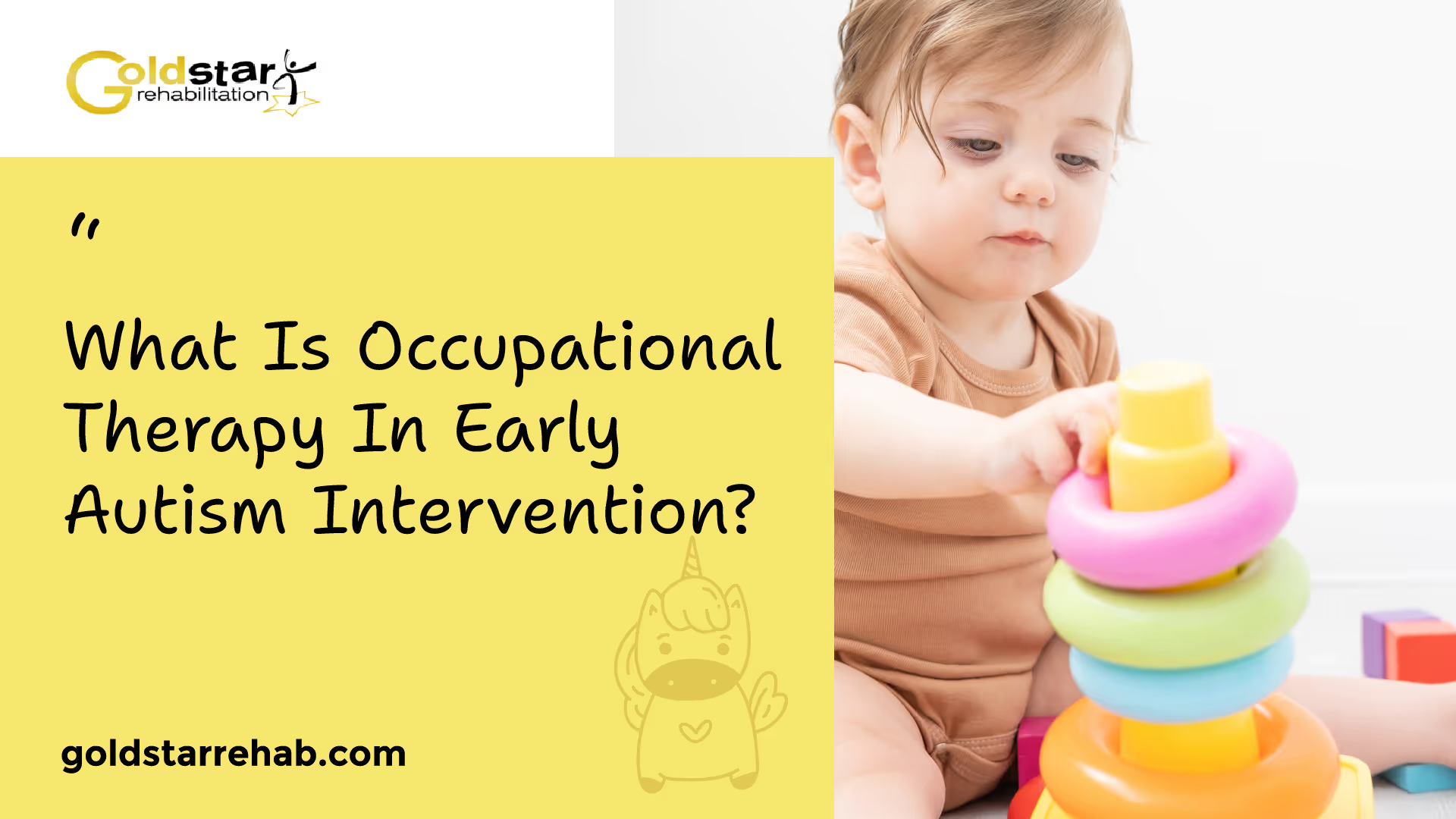






.jpg)
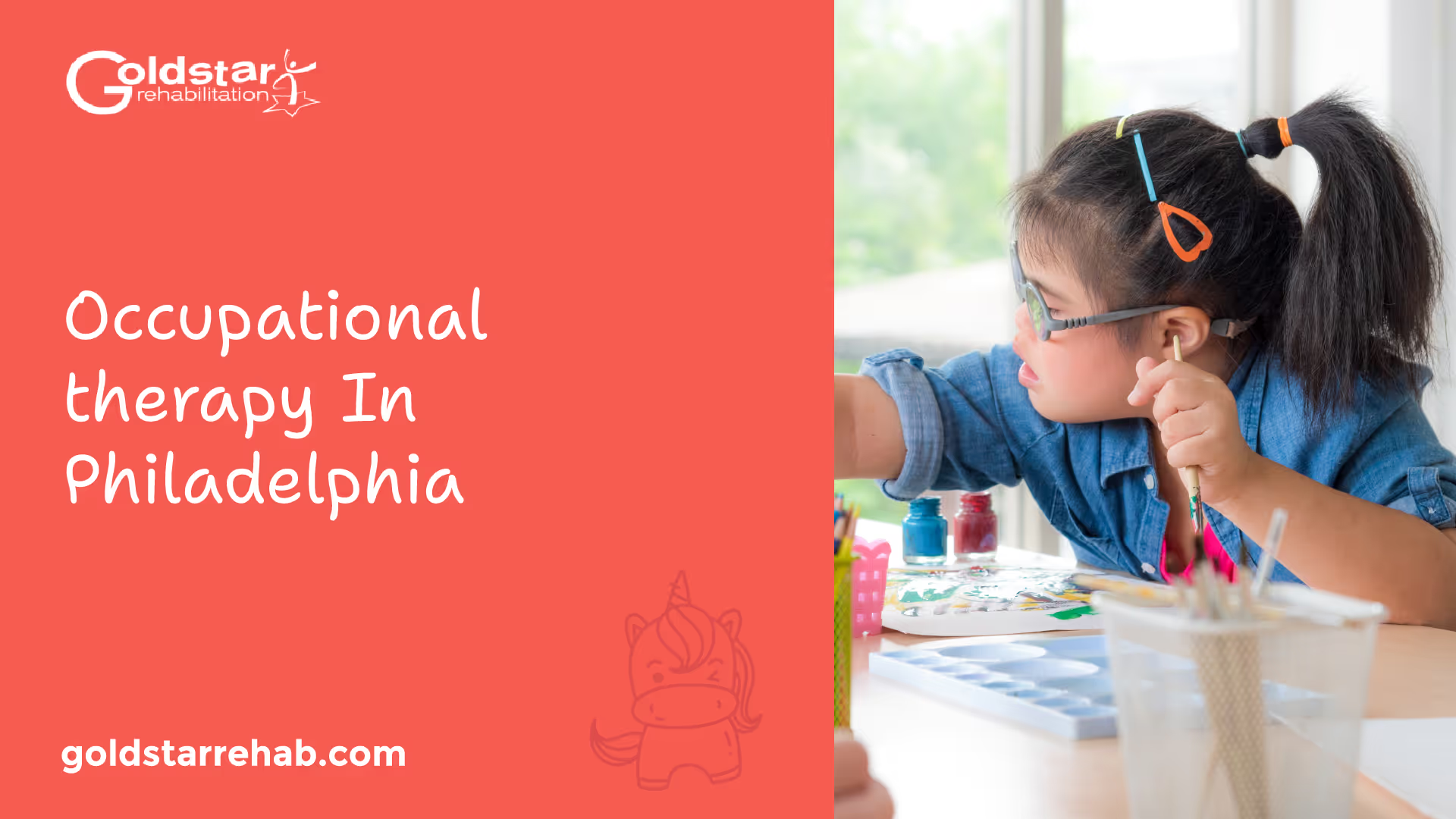















.jpg)



.jpg)






























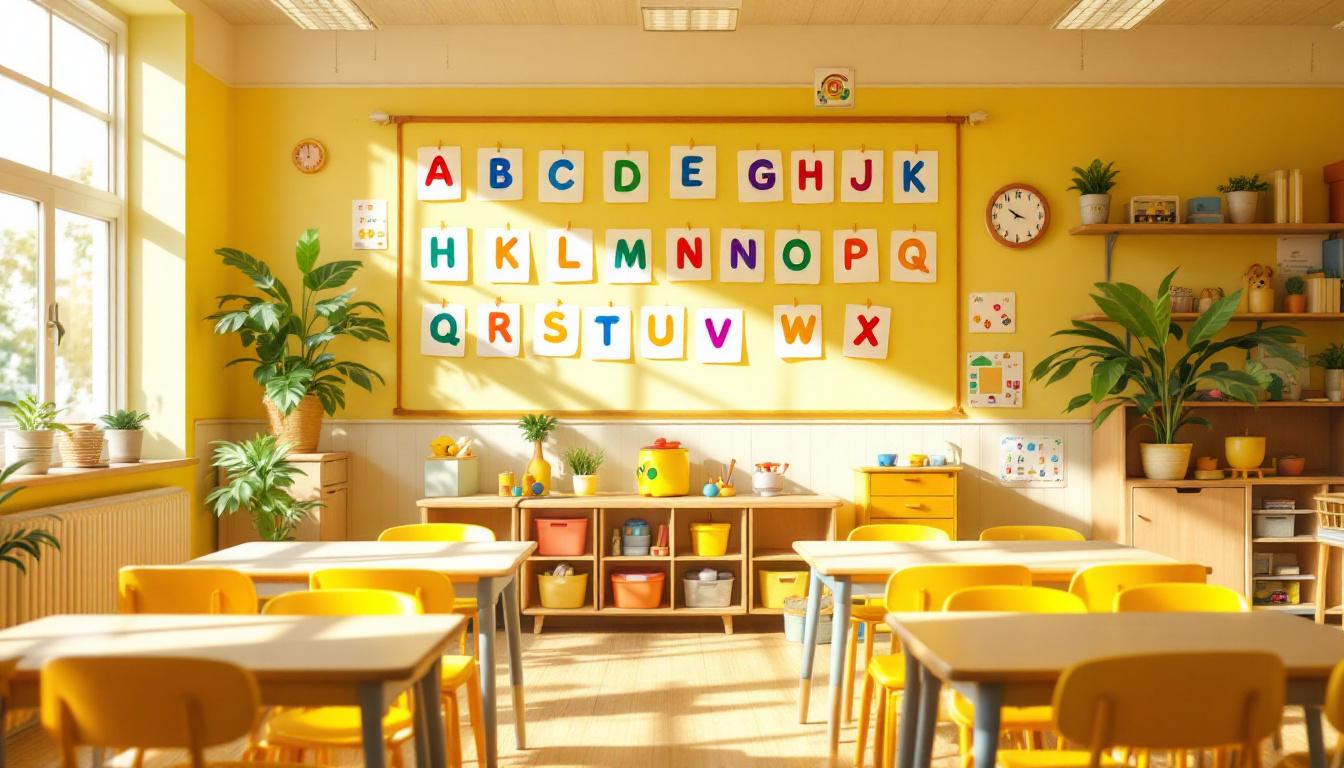

 Children's struggles with blending sounds can stem from various underlying reasons, which educators and parents should recognize to provide effective support.



















 The journey of recovery from substance use disorder (SUD) is a lifelong process that requires ongoing vigilance and dedicated effort. One of the most vital tools in this ongoing fight is a well-crafted relapse prevention plan. This personalized roadmap helps individuals identify potential triggers—such as stress, social pressure, or emotional distress—and develop tailored coping strategies to manage them.

 Understanding what to expect during a behavioral analyst interview can greatly enhance your chances of success. The process usually unfolds in several distinct stages. Initially, candidates often face a screening interview where basic qualifications and experience are discussed. This step helps employers determine whether the applicant’s background aligns with the role.
 When preparing for a behavioral analyst interview, understanding how to structure your responses is crucial. A widely recommended approach is the STAR method—standing for Situation, Task, Action, and Result—which helps candidates deliver clear, organized answers.







 Several authoritative guidelines and resources are available to support effective management of chronic pain, ensuring care is evidence-based and patient-centered.
















 Research consistently supports the use of Applied Behavior Analysis (ABA) in treating autism spectrum disorder. Numerous studies and systematic reviews have demonstrated that ABA can lead to significant improvements in social, communication, and cognitive skills. These benefits are especially notable when ABA therapy is intensive and implemented early in a child's development.
 ABA therapy programs are designed to be flexible and tailored to each child's needs, often involving multiple settings to maximize learning and skill development.











 In modern rehabilitation, technology plays a vital role in tailoring treatments to individual patient needs. Wearable devices and sensor data collection enable clinicians to monitor activity levels, vital signs, and movement patterns in real-time. For instance, data from gait analysis sensors can identify abnormalities early, helping prevent falls and improve balance.









 Designing a sensory-safe environment is fundamental to supporting children with sensory processing challenges. This involves creating calming spaces that limit overwhelming stimuli by choosing soft, soothing colors and adjustable lighting options that can be dimmed or brightened as needed.


 Teaching life skills to individuals with autism requires tailored approaches that cater to their unique learning profiles. Visual supports such as checklists, charts, and social stories are fundamental in helping learners understand and remember tasks. These tools provide clear, visual cues that reduce anxiety and increase independence.
 What resources and programs are available to support life skills development in individuals with autism?


 Rehabilitation centers rely heavily on structured goal-setting methods to help individuals achieve their recovery objectives in a clear and realistic way. One of the most widely used approaches is the SMART framework, which emphasizes creating goals that are Specific, Measurable, Achievable, Relevant, and Time-bound.


 Research and clinical evidence consistently support the beneficial role of adaptive sports in recovery and rehabilitation. Studies demonstrate that participating in adaptive sports enhances physical capabilities such as muscle strength, balance, and coordination, which are vital for restoring mobility and independence. These activities also stimulate neuroplasticity, the brain's ability to reorganize, leading to improvements in motor and cognitive functions.










 Research studies affirm that early intervention programs are highly effective in promoting self-regulation and coping skills in young children. For instance, the Rochester Resilience Project, a school-based initiative involving 14 lessons on emotional monitoring, self-control, and maintaining behavioral control, demonstrated significant positive outcomes. Children who participated showed a 46% decrease in disciplinary referrals and a 43% reduction in suspensions during just four months. Teachers also reported notable improvements in behavior control and peer social skills.











 Rehab centers play a crucial role in guiding individuals toward successful recovery by assisting in setting realistic and tailored goals. They employ frameworks like SMART (Specific, Measurable, Achievable, Relevant, Time-bound) to help clients break down their aspirations into manageable steps. Whether it’s maintaining sobriety, rebuilding relationships, or securing employment, these goals give purpose and a clear direction.





 When arriving at a rehab facility for admission, patients can expect a smooth and structured process designed to set the stage for recovery. The first step involves checking in at the designated admissions area, where staff will guide you through the initial procedures.
 When entering a rehabilitation program, the process begins with comprehensive medical and mental health assessments to ensure personalized and effective care. These assessments typically include detailed physical exams, lab tests such as blood work and urine analysis, and psychological evaluations to review the patient’s mental health status.


 Early support for children experiencing developmental delays or at risk offers profound advantages that can significantly influence their future success. During the critical early years, providing targeted intervention helps stimulate optimal brain growth and aids in the development of essential skills, including motor, cognitive, social-emotional, and behavioral abilities.
 Early intervention programs play a crucial role in advancing motor skills among children with developmental delays. Scientific studies demonstrate that early therapy, especially when initiated within the first year of life, significantly accelerates milestones such as walking and running. These interventions, including occupational and physical therapy, promote improved gait patterns and better coordination, which are essential for overall mobility and daily functioning.
 Research studies consistently demonstrate that early, active, and standardized motor interventions substantially improve motor development in children with delays. For instance, interventions grounded in motor learning theory have shown significant enhancements in manual coordination, self-care abilities, and overall motor skills in children with autism spectrum disorder (ASD). Meta-analyses further affirm these findings, revealing that children engaged in targeted therapies experience notable gains in both gross and fine motor domains, including walking, climbing, writing, and grasping tasks. Such evidence underscores that early, intensive therapy capitalizes on the brain's plasticity during critical developmental periods, promoting neural reorganization and skill acquisition.
 Family involvement plays a crucial role in early childhood development, especially in improving motor skills. Engaging parents in therapy sessions, guiding them in home exercises, and incorporating daily routines help reinforce skills and foster independence. Community-based programs, such as outdoor obstacle courses, sports, and recreational activities, provide children with essential practice in real-world environments, promoting coordination, strength, and social interaction. Consistent practice, regular assessments by specialists, and setting personalized goals are vital for tracking progress and ensuring ongoing improvement. An integrated approach, combining occupational therapy, physical therapy, speech therapy, and sensory integration techniques, offers a comprehensive framework to address various developmental areas, supporting children to reach their full potential in a nurturing environment.
 Early intervention is a vital investment in children’s future independence, health, and social participation. By identifying and addressing developmental delays early—particularly in motor skills, speech, social-emotional, and cognitive areas—we support children in reaching their full potential. Structured programs involving therapies such as occupational, speech, and physical therapy not only improve immediate developmental outcomes but also lay the foundation for lifelong skills.


.svg)
.svg)
.svg)
.svg)
.svg)